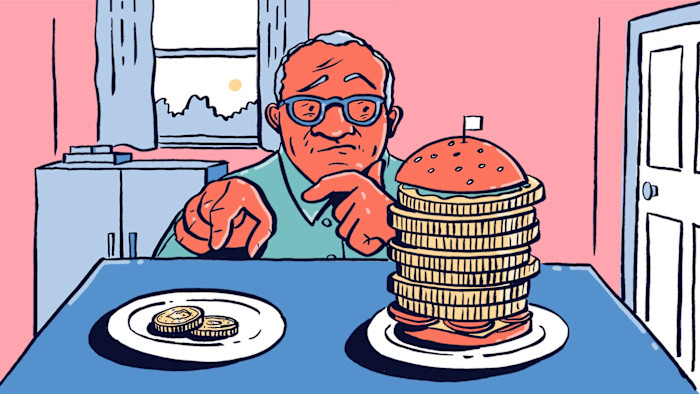

AS traditional aid budgets shrink across the world’s biggest donor countries, African nations face mounting pressure to mobilise more domestic resources to finance their own development.
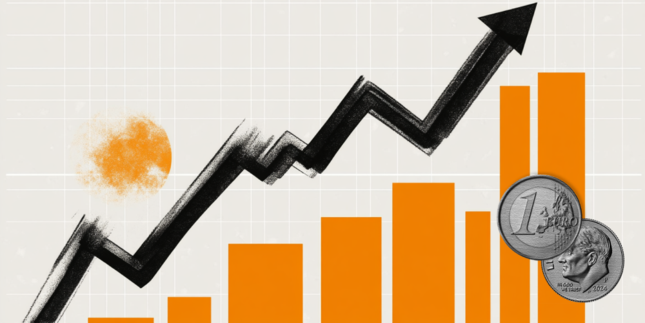
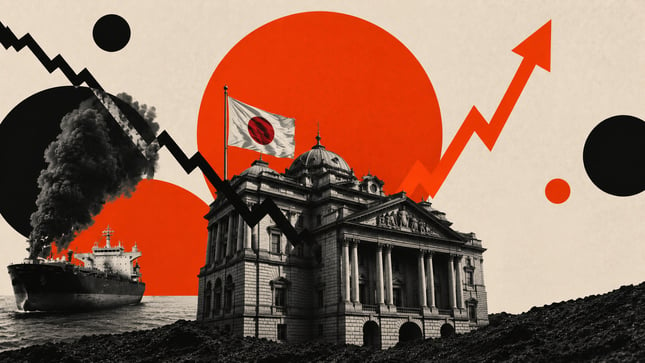
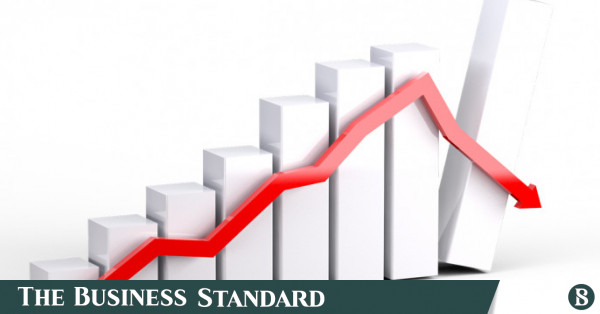
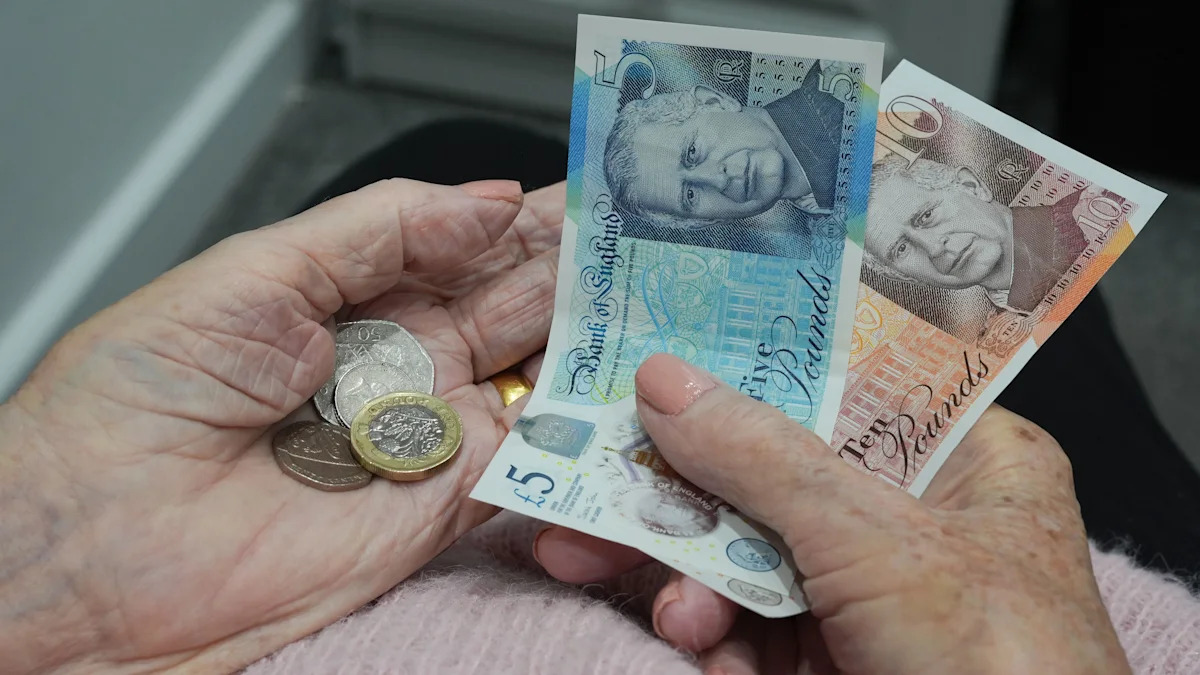
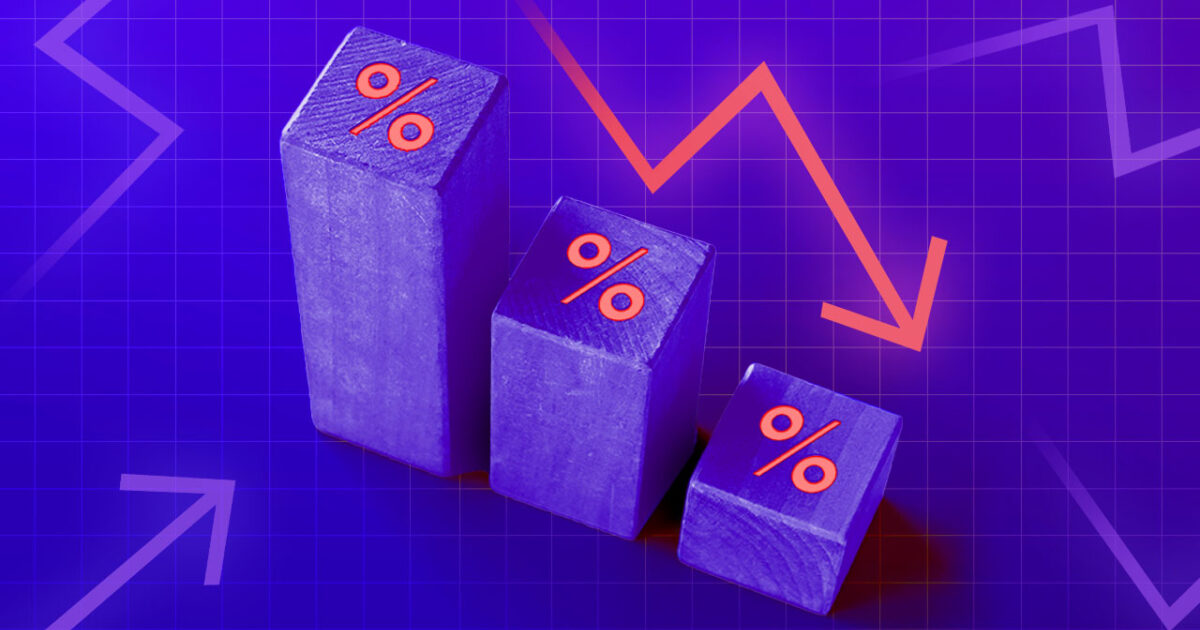
According to OECD data, global Official Development Assistance (ODA) fell by a record 23.1 per cent in 2025, dropping from 215.1 billion dollars in 2024 to 174.3 billion dollars.
Bilateral aid to Africa also declined sharply, with Germany, the United States, the United Kingdom, Japan and France accounting for 95.7 per cent of the global reduction. It marked the first time the world’s five largest aid donors all cut assistance in the same year.
The decline comes at a critical time for a continent whose population of 1.6 billion is projected to reach 2.5 billion by 2050. Financing schools, hospitals, roads, electricity, clean water and jobs for such rapid population growth is becoming increasingly urgent.
The effects of shrinking aid are already evident in healthcare, education, humanitarian assistance and climate adaptation, where many African countries have traditionally depended on external support. Without alternative financing, governments may struggle to sustain essential services without passing higher costs to citizens.
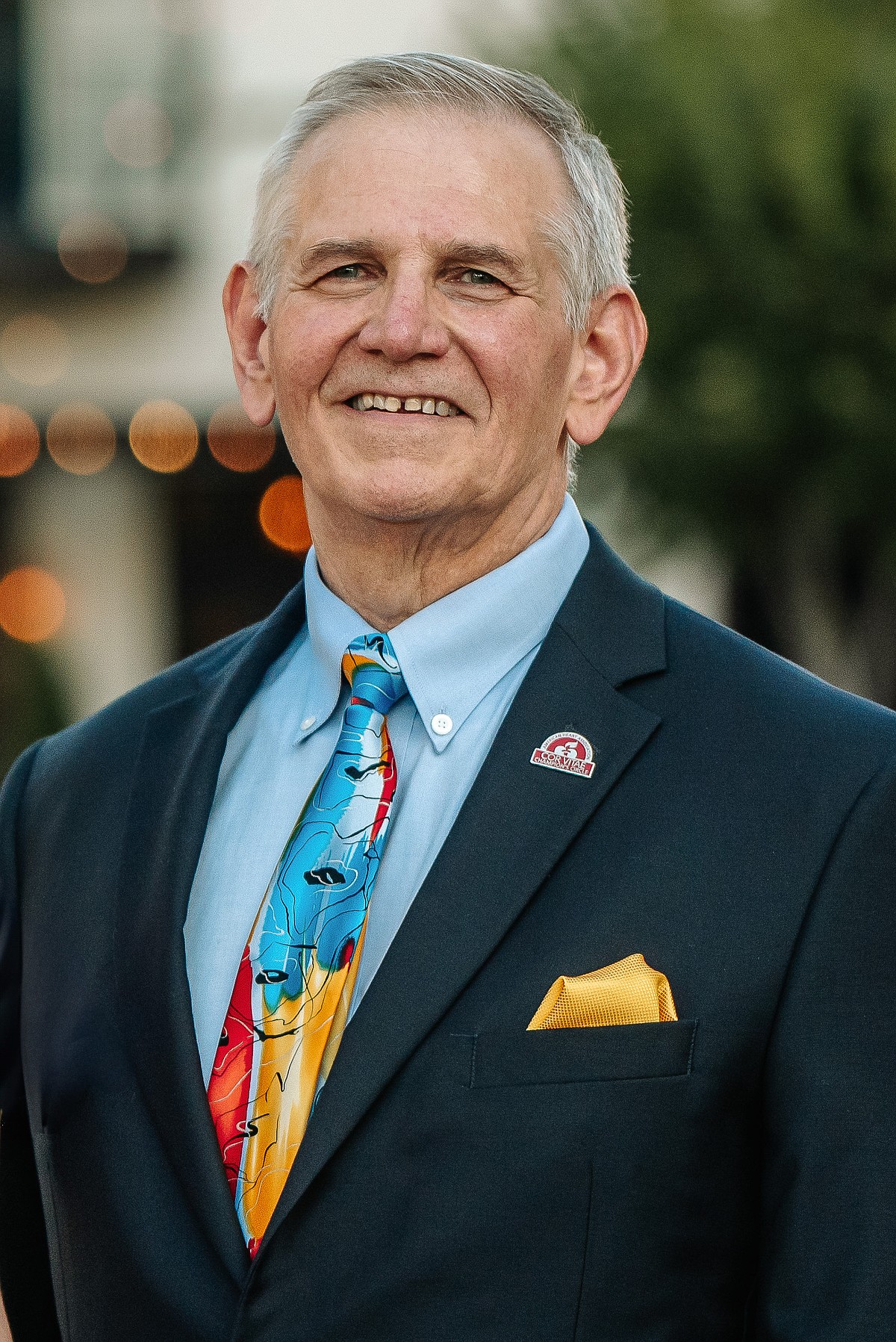
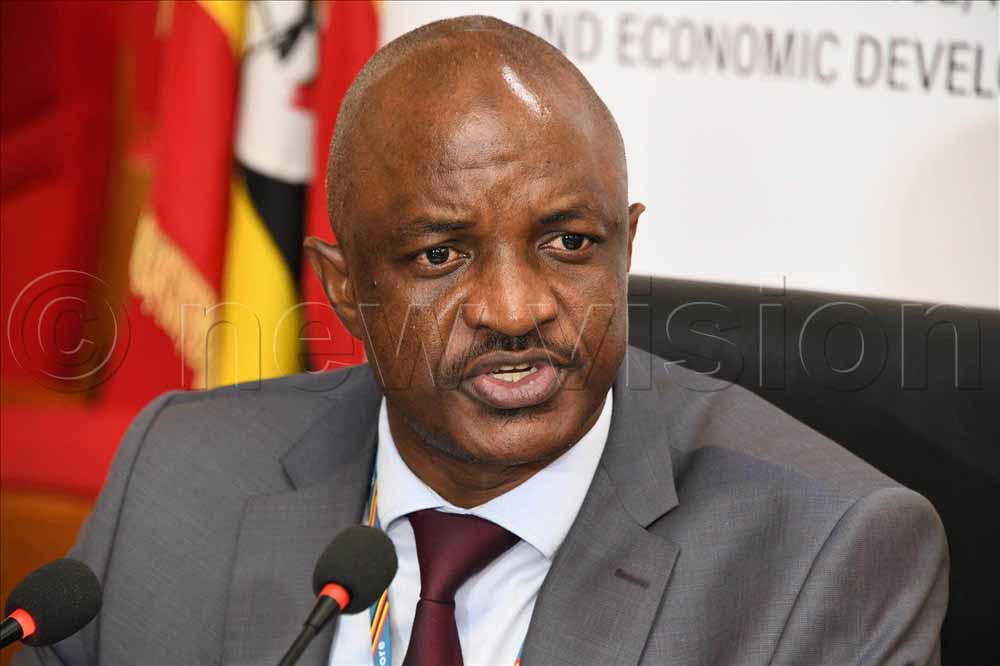
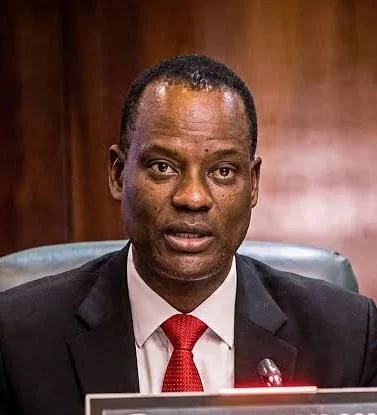
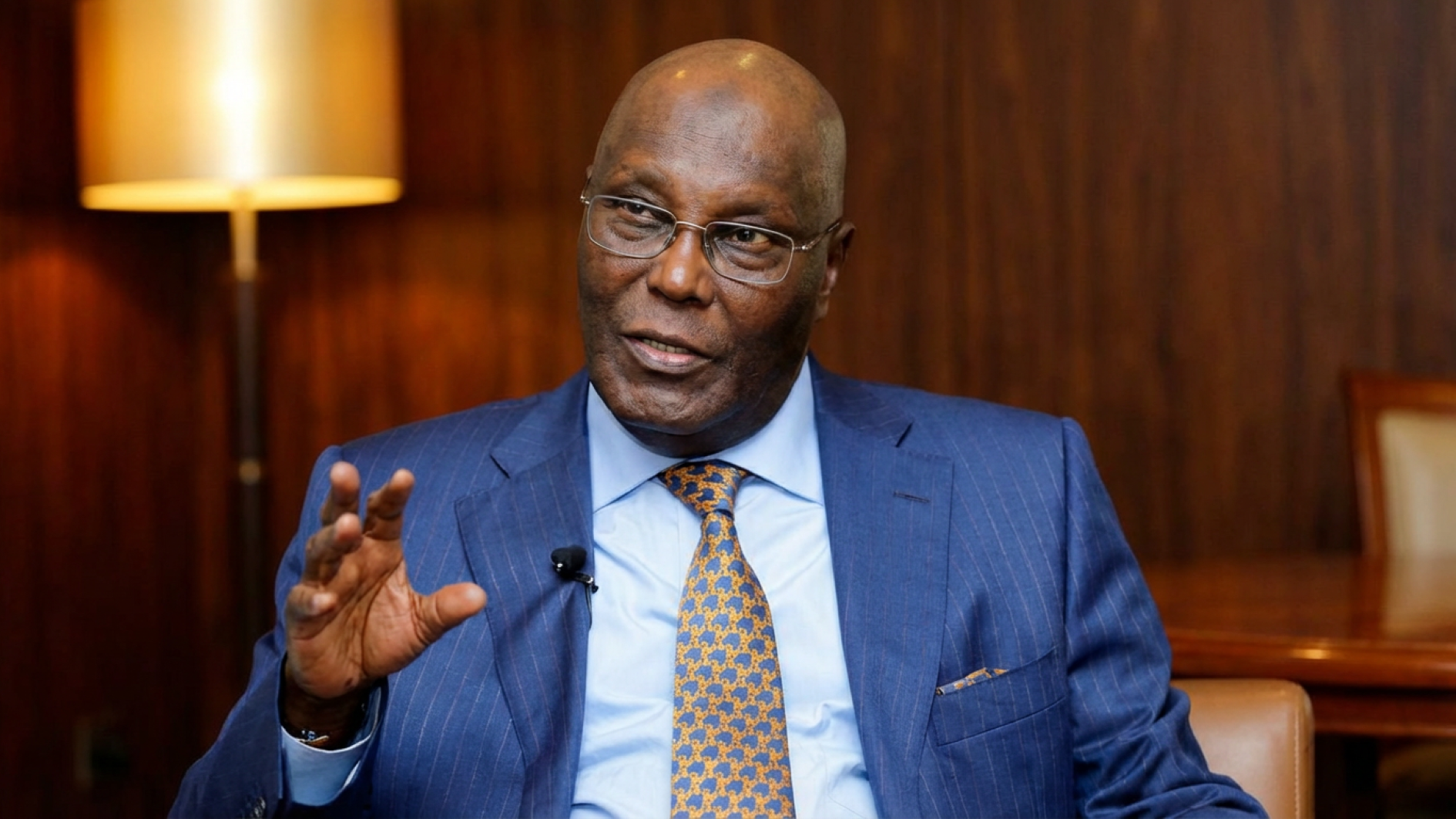
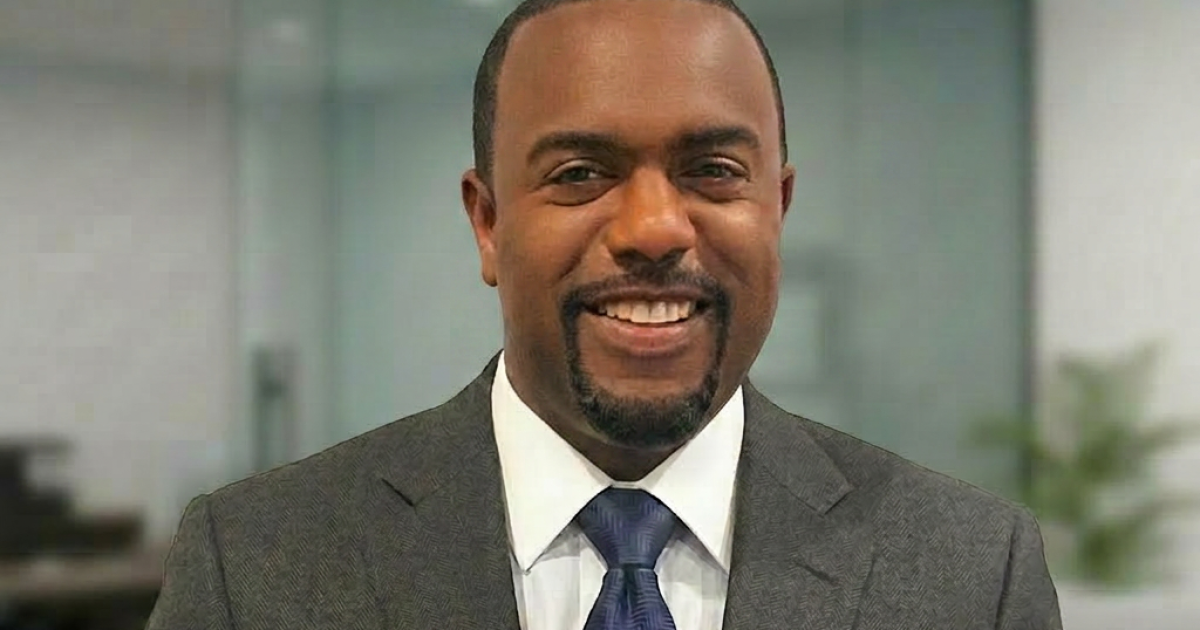
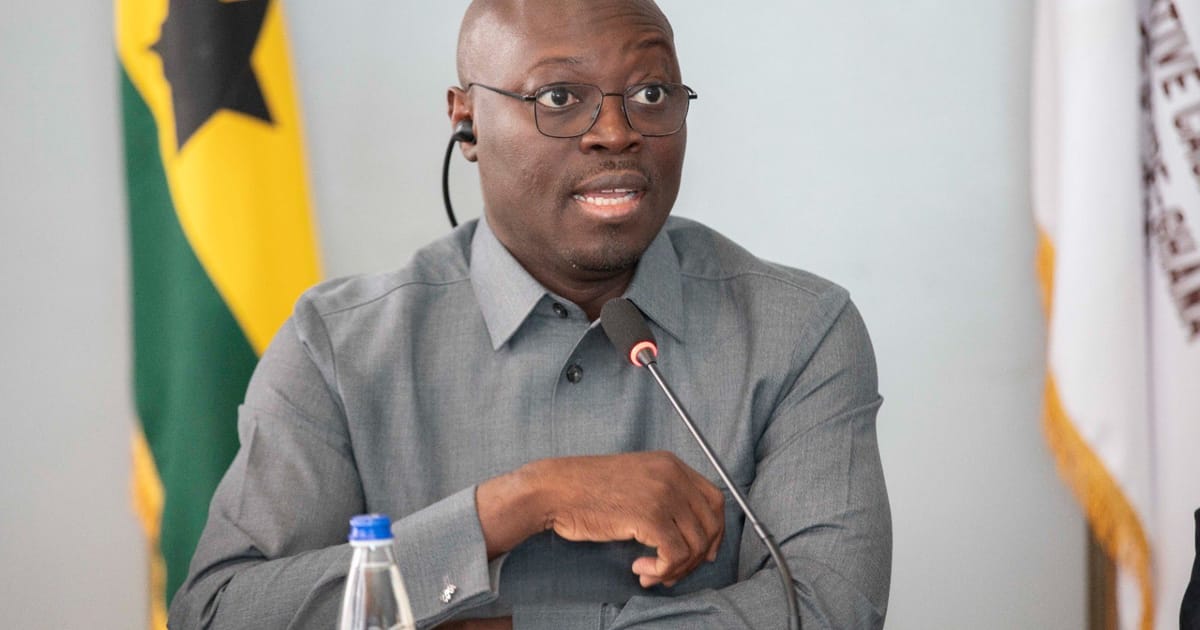
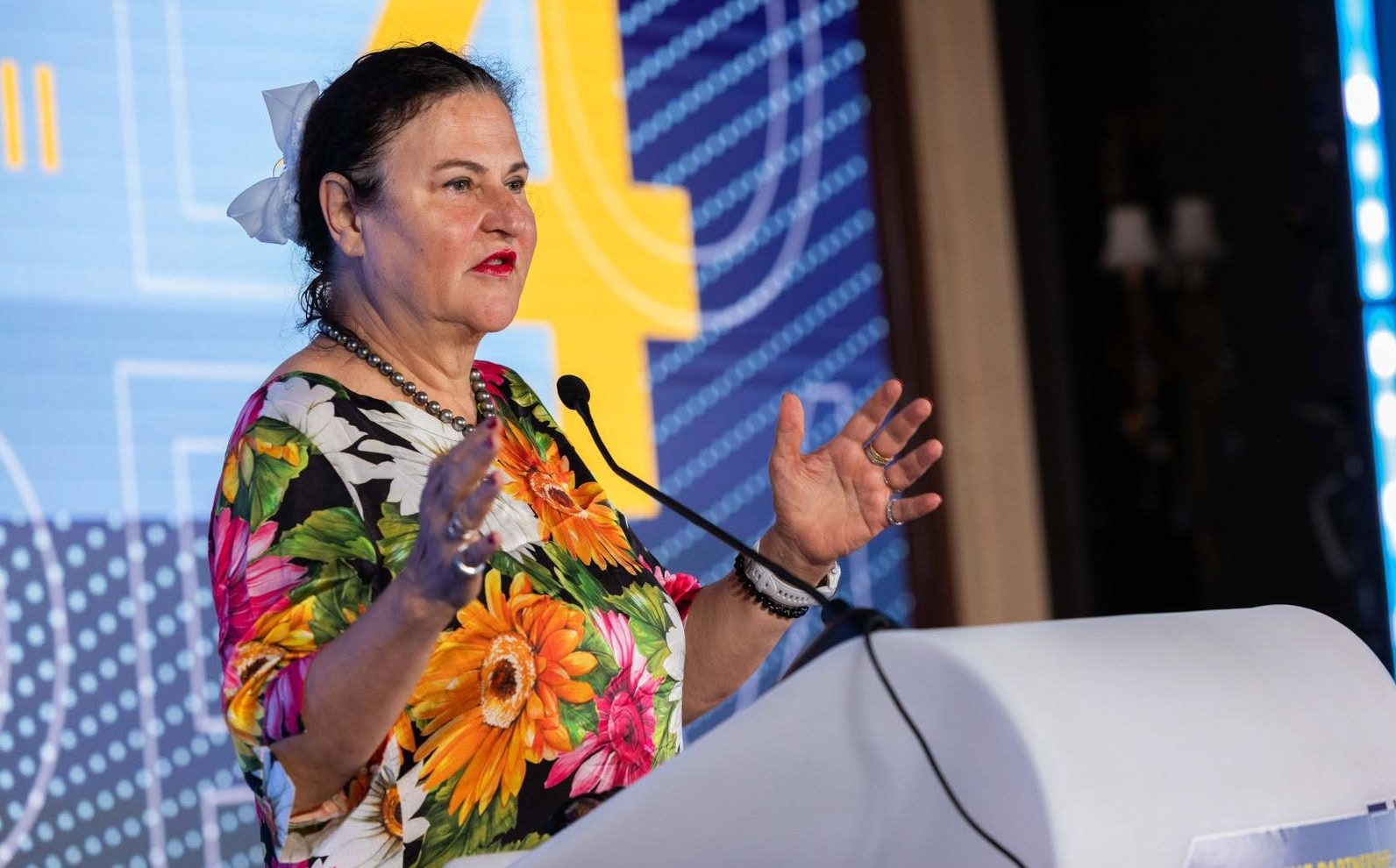
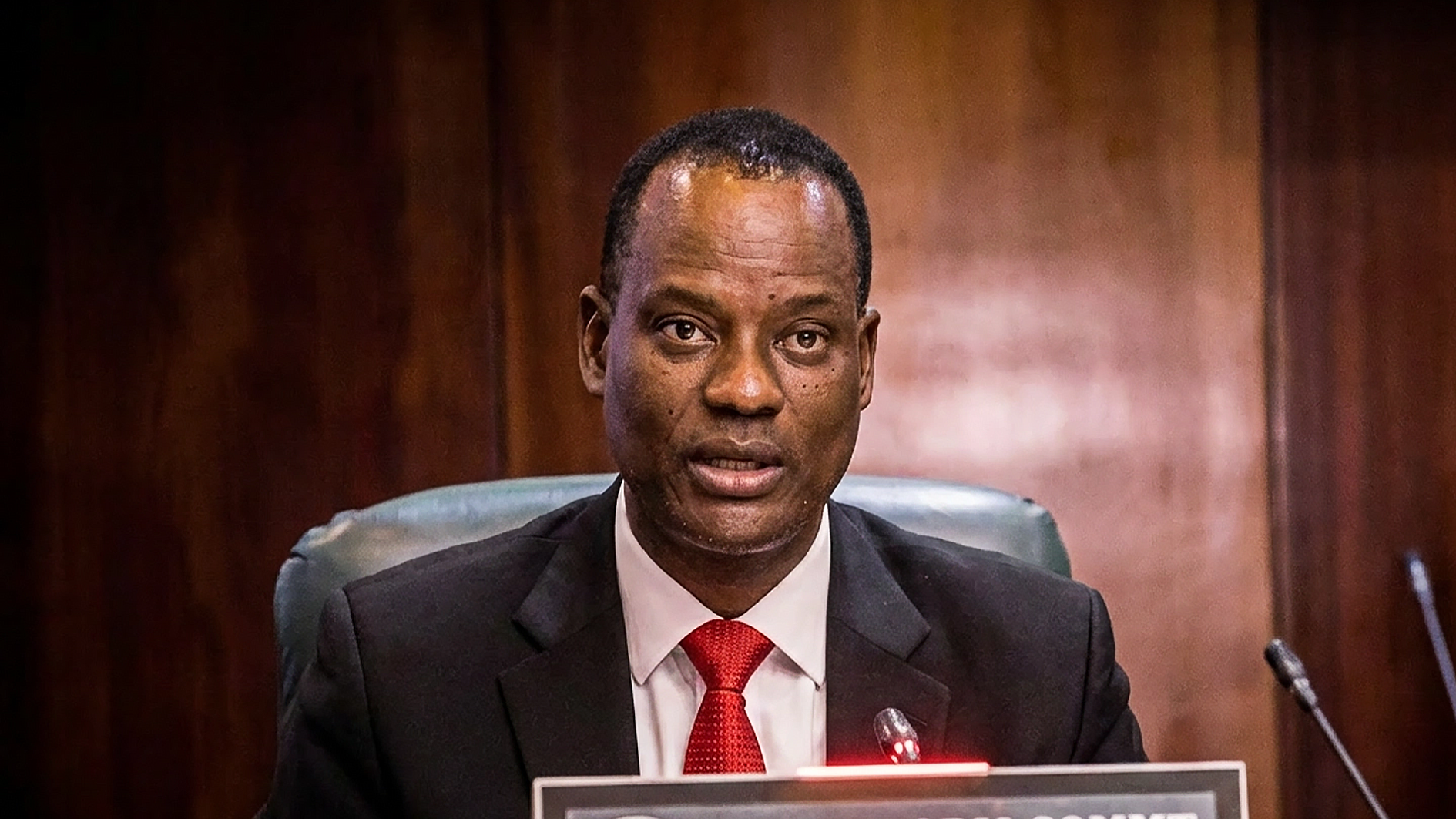
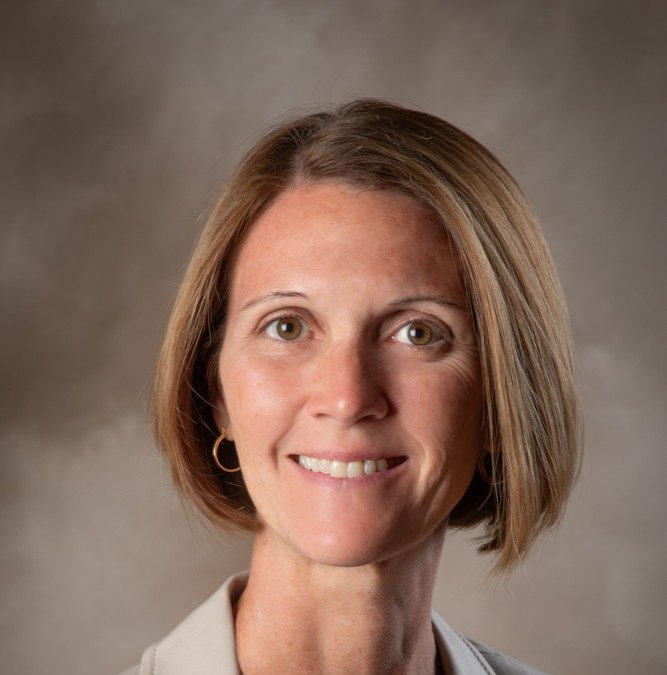
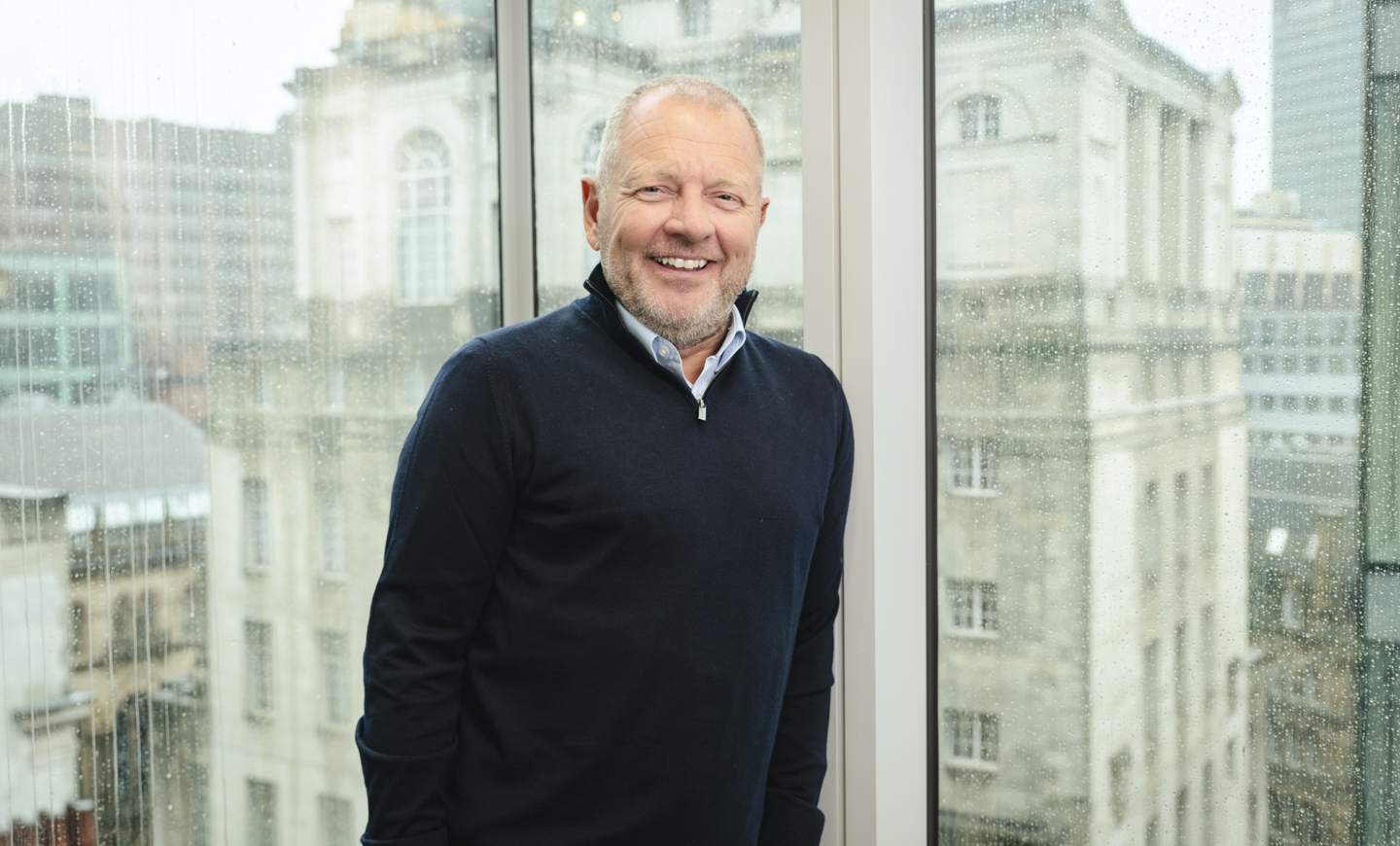
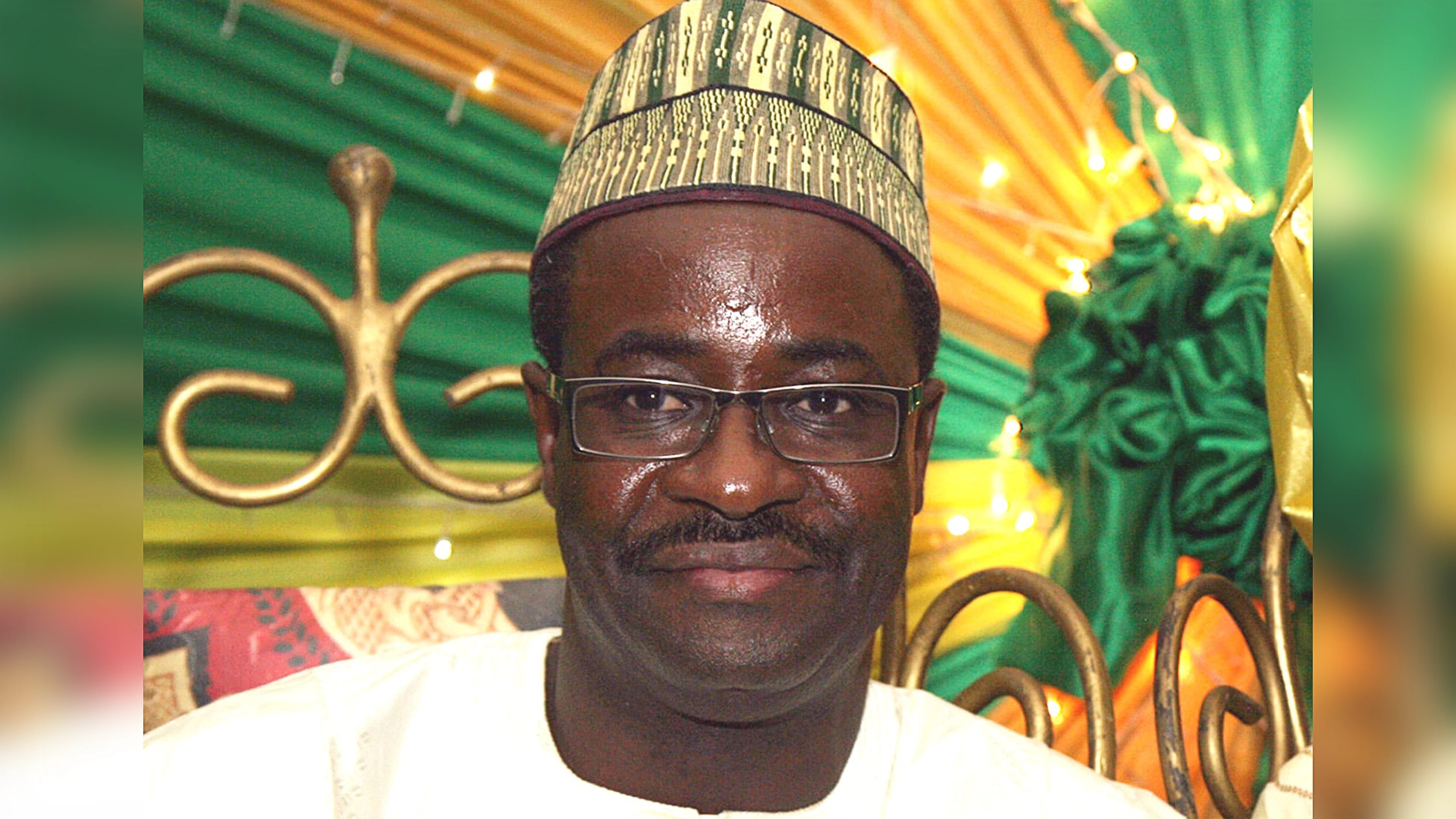
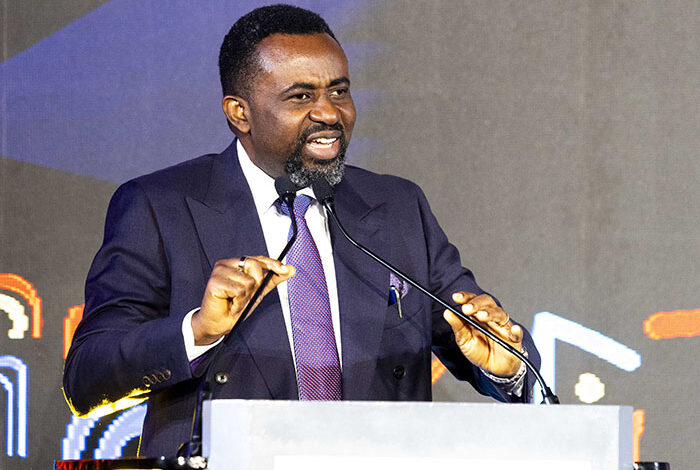
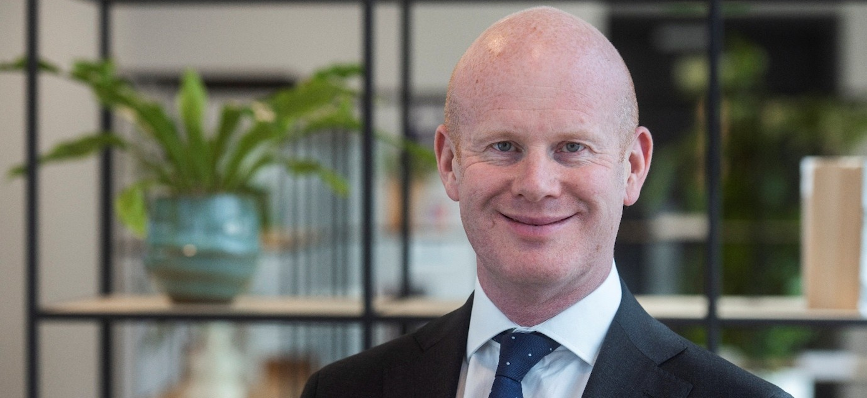
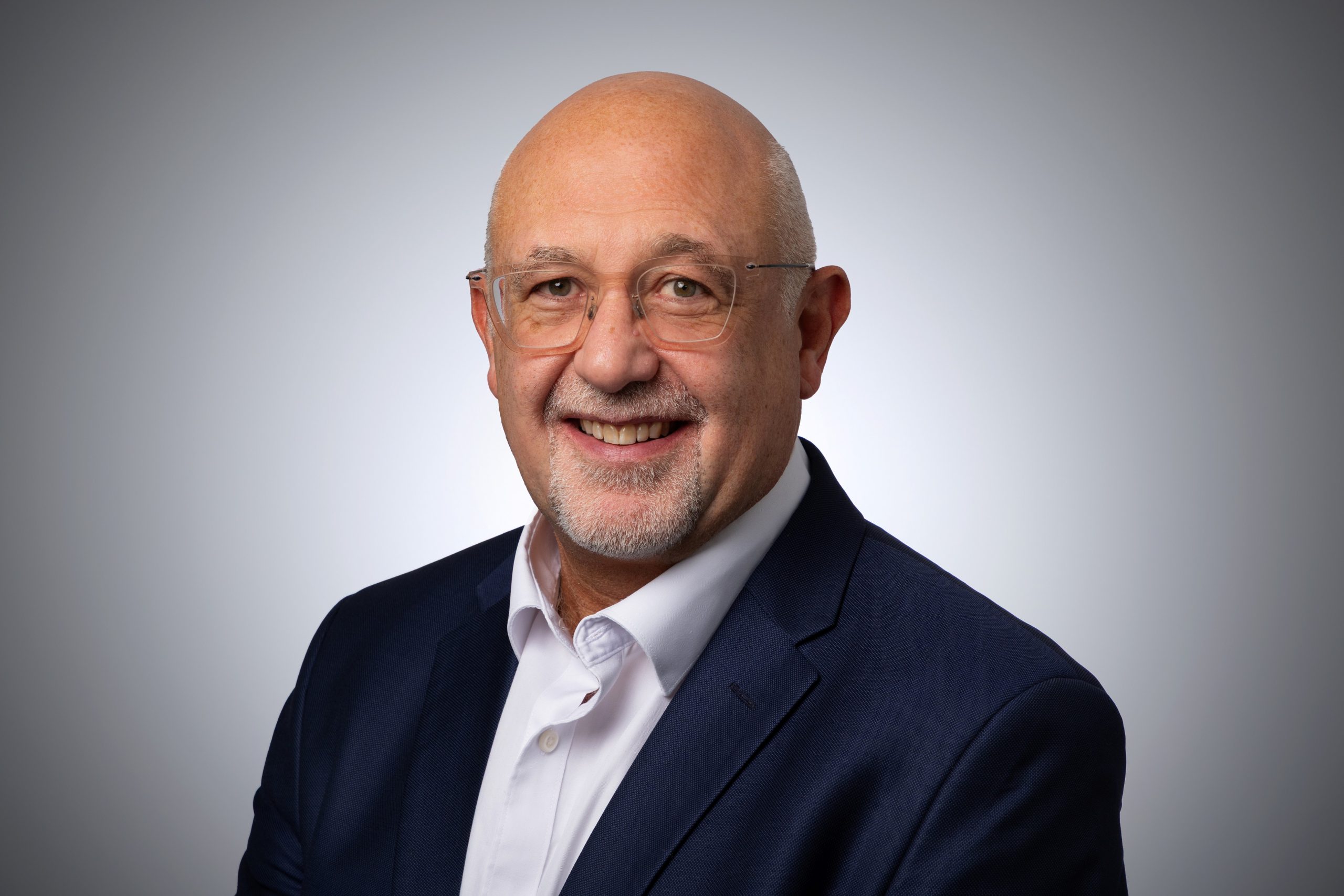
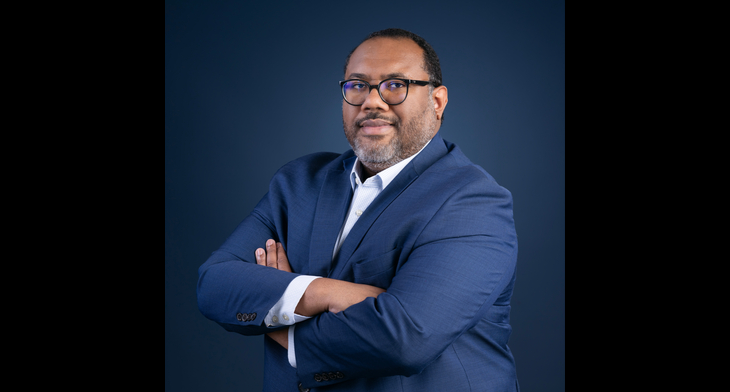
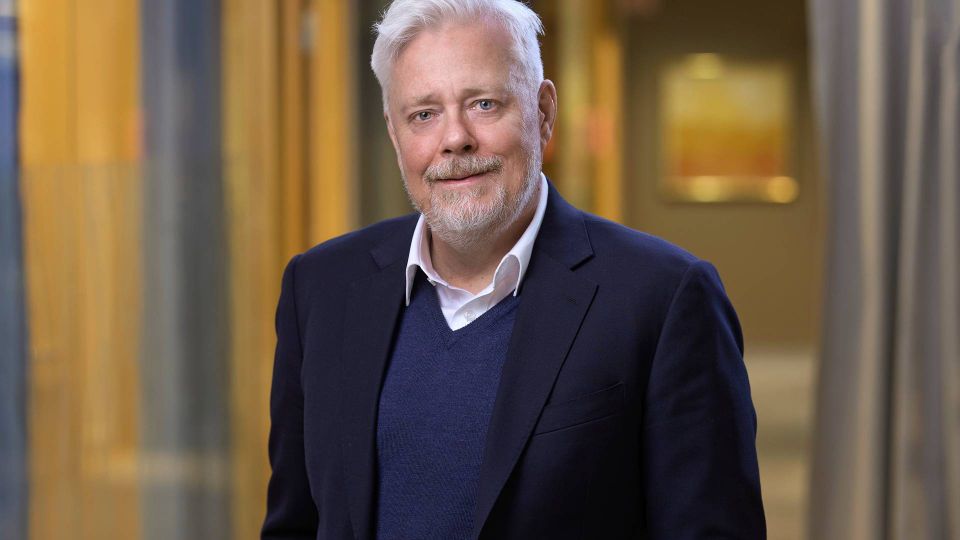
For Stephen Karingi, Director of the Macroeconomics, Finance and Governance Division at the United Nations Economic Commission for Africa (ECA), the solution begins at home.
“First and foremost, it is the responsibility of each country to finance its own development,” he says.
Karingi argues that Africa already possesses many of the tools needed to strengthen domestic resource mobilisation. The challenge is deploying them more effectively.
While taxation remains the cornerstone of public revenue, domestic resource mobilisation extends far beyond taxes. It includes revenues from natural resources, domestic capital markets, pension and savings funds, public-private partnerships, diaspora financing and efforts to curb illicit financial flows.
These financing sources can help African countries reduce dependence on external assistance while giving governments greater control over their development priorities.
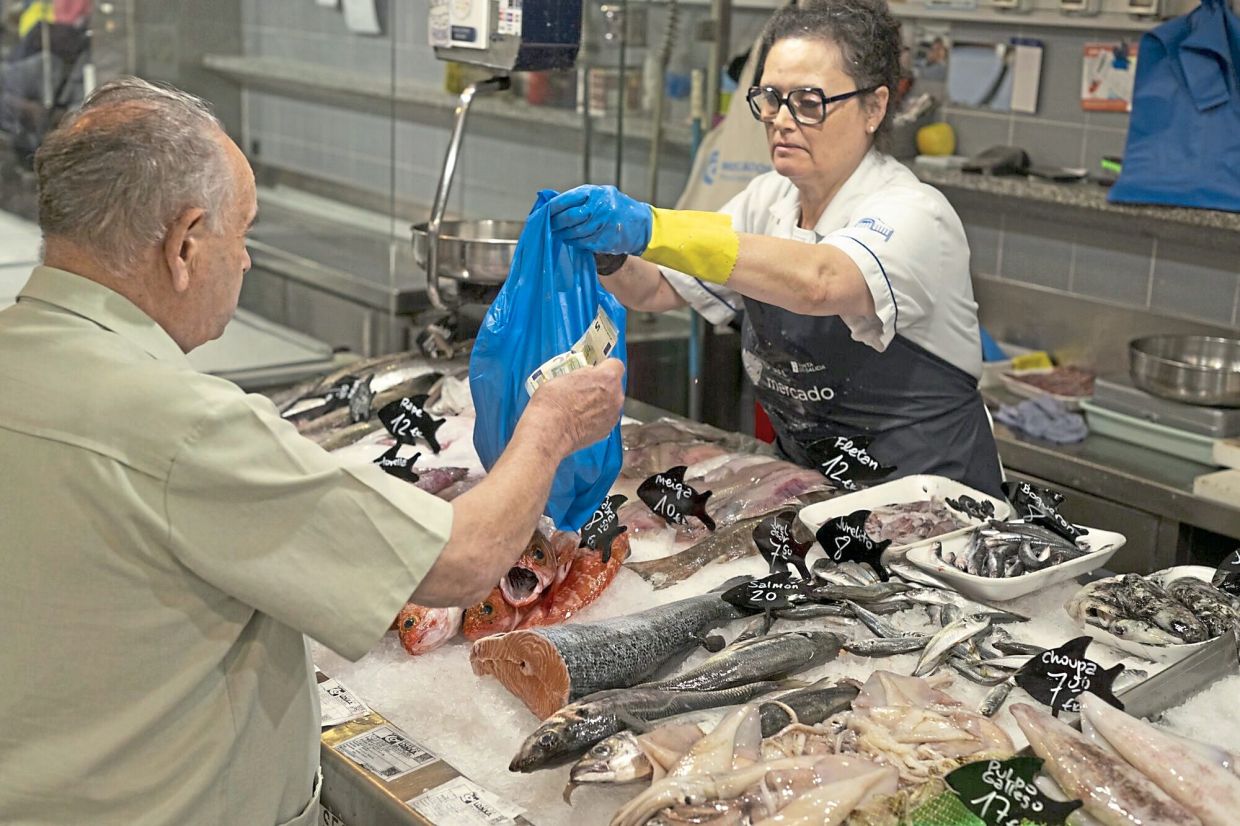
Expanding the tax base, however, remains difficult because about 80 per cent of Africa’s workforce operates in the informal economy, making tax collection more challenging.
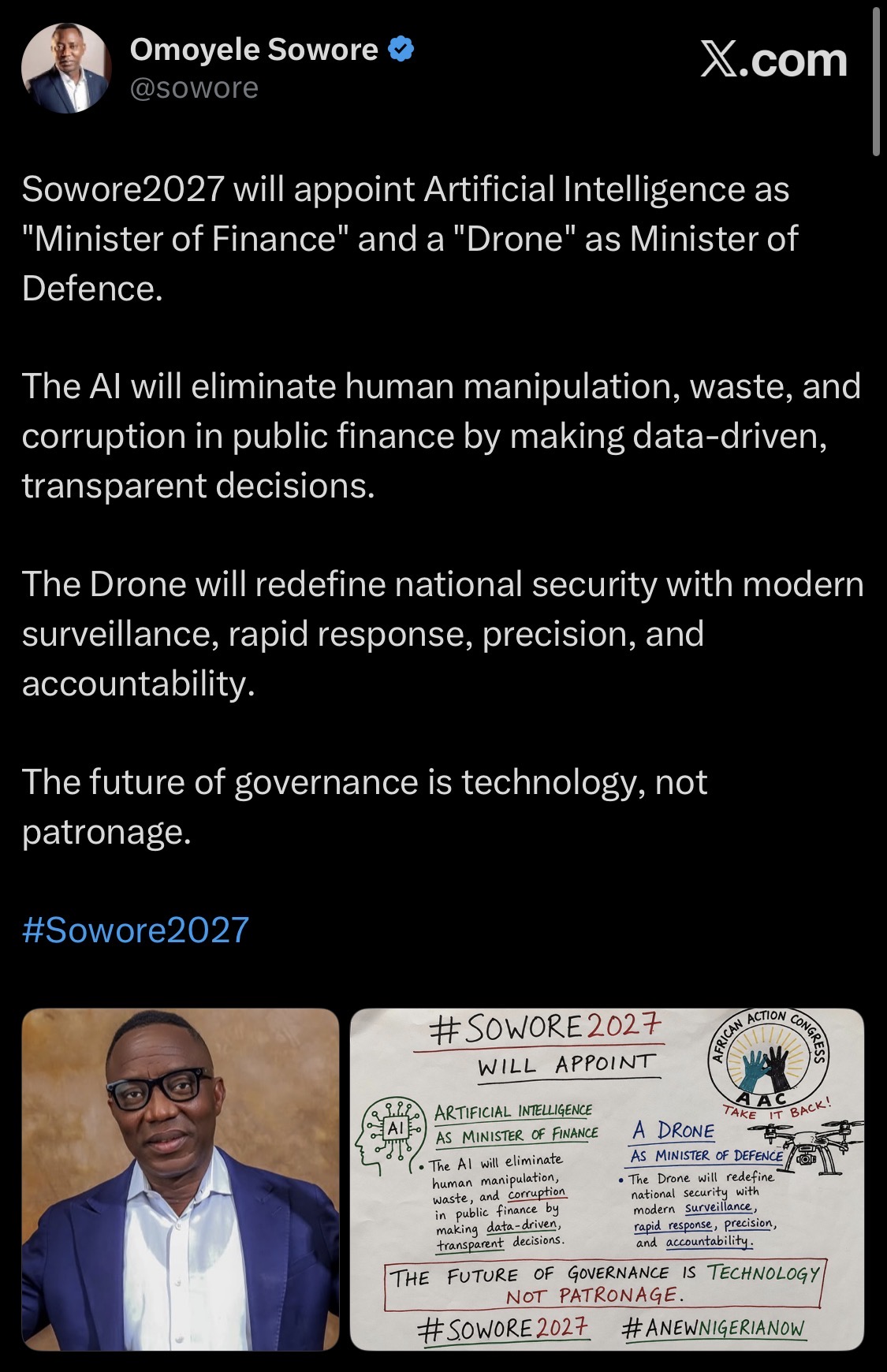
Digital technology is helping to address this gap. Artificial intelligence, big data and digital tax systems are improving revenue collection while strengthening transparency and accountability.
Egypt has improved tax administration through digitalisation, while Rwanda has enhanced public financial management through transparent procurement systems that reduce leakages.
Karingi also believes African countries could unlock billions of dollars by tackling illicit financial flows. ECA is supporting member States with research, technical assistance and policy advice to strengthen tax administration, improve public financial management and identify new domestic financing opportunities.
It is also assisting African negotiators in discussions on the proposed UN Convention on International Tax Cooperation, particularly on illicit financial flows and profit shifting by multinational companies.
Ultimately, financing Africa’s development is a shared responsibility. Governments must manage public resources transparently and efficiently, while citizens must contribute through taxation and hold leaders accountable.
That social contract is central to building trust. Across several African countries, citizens interviewed for ECA’s Sustainable Africa Series said they were willing to pay taxes if governments demonstrated that public funds were being used responsibly and for the public good.
The debate over Africa’s development financing is no longer simply about replacing foreign aid. It is about building stronger institutions, widening domestic revenue sources, improving accountability and giving African countries greater ownership of their development agenda.
The tools already exist. The challenge is using them effectively.
F.O
Tags: