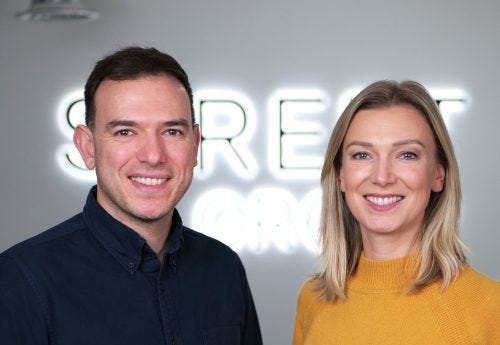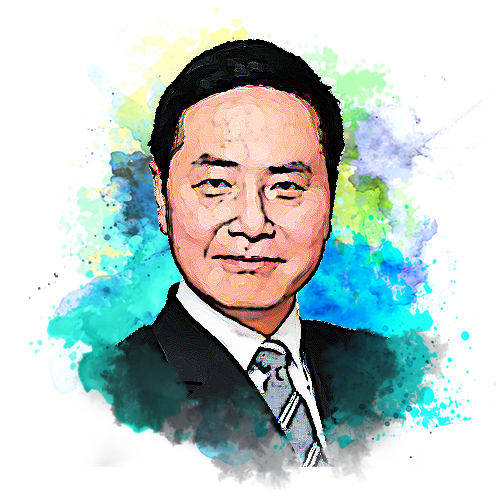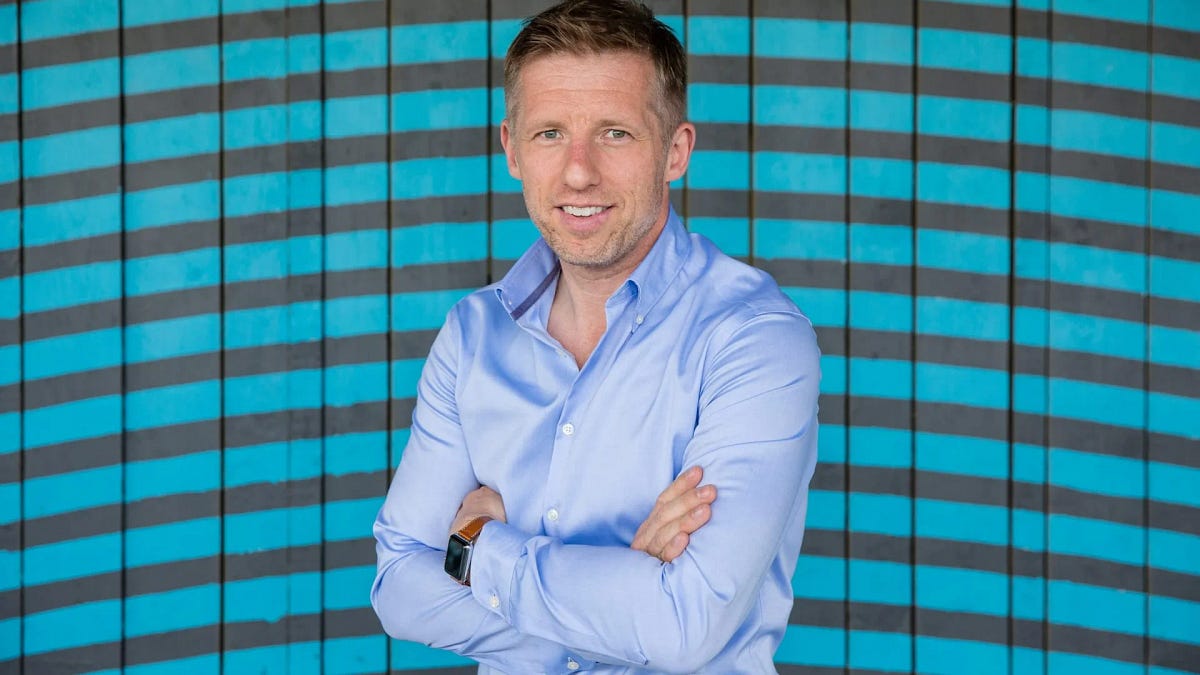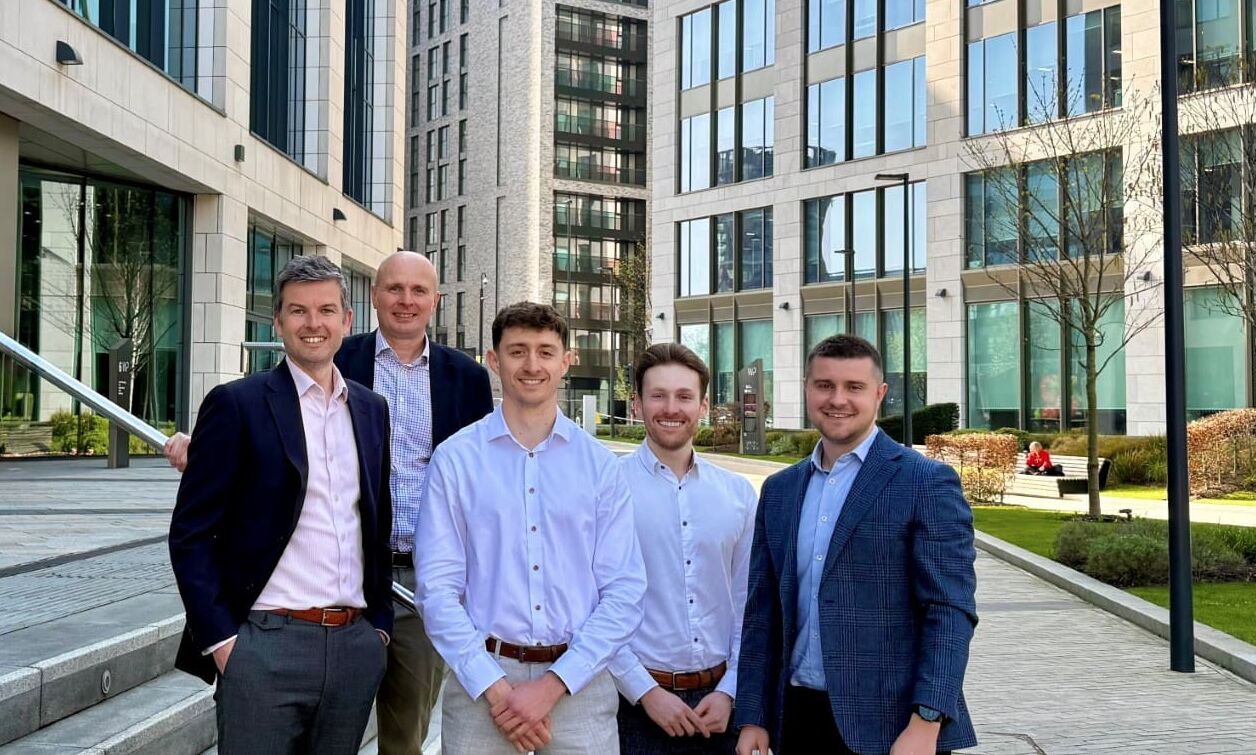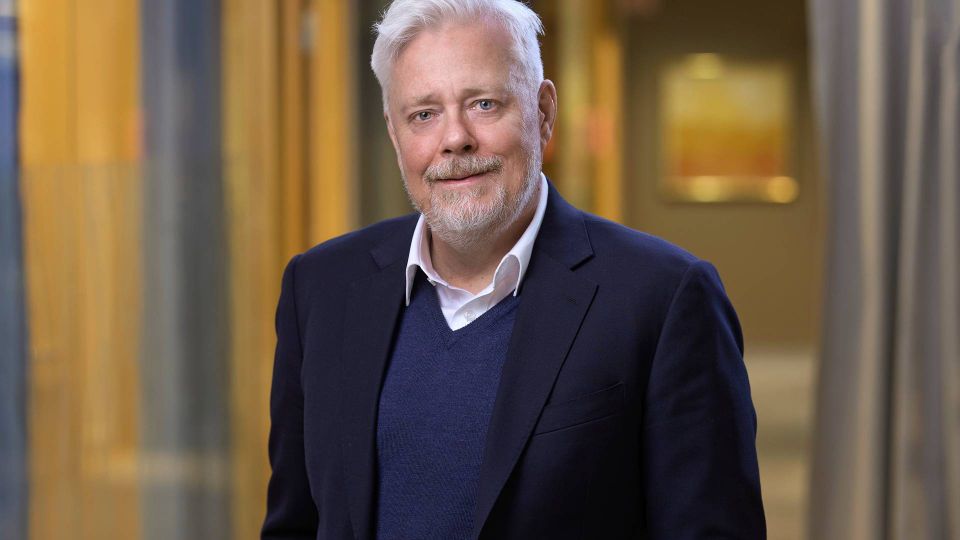
As credit markets become increasingly electronic, systematic managers are gaining new opportunities to scale research, improve execution, and optimize portfolios in real time. Traders Magazine spoke with Michael Doros, Systematic Credit Portfolio Manager at Acadian Asset Management, about the evolution of credit market structure, the rise of all-to-all trading, and how AI could reshape quantitative investing.
How has electronic trading changed the way institutional investors source liquidity and execute credit strategies?

Electronic trading has given institutional investors more ways to source liquidity and execute trades. Investors can now access liquidity through a variety of execution protocols, including RFQs, portfolio trading, auctions, streaming prices, and all-to-all trading. Rather than relying primarily on traditional voice markets, they can choose the protocol and venue that best matches the size, complexity, and urgency of a trade.
Those changes have also transformed how credit strategies are implemented. Lower transaction costs, greater execution certainty, and richer trading data allow managers to implement investment views more efficiently and with greater confidence. Investors can act on a broader range of opportunities, including shorter term and more tactical views, because execution is no longer the constraint it once was.
Those structural improvements are particularly beneficial for systematic credit strategies, which can expand investment breadth at little incremental research cost while benefiting from lower transaction costs.
How is electronification changing market efficiency, price discovery, and perceptions of liquidity?
Electronification has created a virtuous cycle between trading activity and market data. More electronic trading produces richer pricing and execution data, improving price discovery and giving market participants greater confidence in valuing bonds. That, in turn, encourages more trading and supports additional liquidity.
Perhaps the biggest shift is how investors think about liquidity. Historically, liquidity largely meant dealer balance sheets. Today, the buy side can increasingly provide liquidity through all-to-all trading and other electronic protocols, creating a deeper, more resilient market and making investors more comfortable trading a broader range of securities.
What opportunities does this create for systematic and quantitative investing?
- Breadth. Systematic managers can scale across a much broader investment universe without materially increasing the cost of their research process, allowing them to evaluate thousands of securities simultaneously and generate more independent investment insights.
- Electronic trading data has also transformed implementation. Richer information on prices, liquidity, and execution quality enables better modeling of transaction costs and market impact, leading to more efficient portfolio implementation.
- Systematic managers can combine a real time view of expected returns and risks with a real time view of liquidity and trading costs, allowing them to continuously optimize tradeoffs between alpha, risk, liquidity, and transaction costs at a scale that simply isn’t feasible manually.
What market structure developments have accelerated electronification, and will adoption continue?
Three developments stand out: the rapid growth of portfolio trading, the expansion of buy side to buy side trading through all to all protocols, and the significant investment dealers made in algorithmic pricing following COVID.
Together, those changes have expanded liquidity, improved execution efficiency, and enabled dealers to handle much higher volumes of electronic trading inquiries.
How do you see the balance between human judgment and systematic decision making changing?
The balance is becoming less about choosing between human judgment and systematic decision making, and more about using each where it adds the most value. Even as a systematic manager, human judgment remains at the center of our investment process. We decide our research agenda, what data to incorporate, what hypotheses to test, and ultimately what belongs in the investment process.
A systematic process comes into play once those investment decisions have been made. Systems consistently incorporate expected returns, risk, liquidity, and transaction costs into every portfolio decision, allowing the investment process to be implemented with greater discipline and consistency.
Looking ahead, human judgment will become even more valuable. As AI makes it easier for anyone to write code, build models, or generate investment signals, the real differentiator won’t be access to the technology. It will be knowing which ideas are worth pursuing, how to test them rigorously, and how to thoughtfully integrate them into the investment process.
What impact could AI and advanced analytics have on systematic credit investing?
AI’s biggest impact will be on research productivity. It dramatically lowers the cost of processing data, writing code, testing ideas, and building analytical tools, allowing investment teams to spend more time developing and evaluating new hypotheses.
Over time, AI itself is unlikely to be the competitive advantage because the technology is becoming broadly available. The winners will be firms with differentiated data, robust research infrastructure, and disciplined investment processes that can rapidly evaluate and deploy new ideas.