With confident strides and a proactive vision, the Public Investment Fund (PIF) is leading the major economic diversification journey, creating opportunities and redrawing the national investment map.
Through its ambitious strategy, which entered its third phase in 2026, the Fund has succeeded in establishing an integrated ecosystem of major companies and projects that form the cornerstone of building a sustainable economy.
The current work not only aims for financial growth but also seeks to empower the private sector and open unprecedented horizons for advanced industries and sophisticated infrastructure.
Roots and Historical Transformation
Since its establishment in 1971, the Fund has solidified its position as one of the most prominent strategic engines in Saudi Arabia’s economic transformation, by supporting national development, financing major projects, and establishing national companies that contributed to building an economic base extending for decades.
With the launch of Vision 2030, the Fund’s role shifted from a traditional financing entity to an investment arm driving economic diversification, boosting the growth of non-oil sectors, and reshaping the investment landscape through distinctive local and international partnerships.
This transformation has made it one of the Kingdom’s most crucial tools for attracting opportunities and consolidating its economic presence on a global scale.
Phases of Strategic Transformation
PIF’s work within Vision 2030 unfolded through three consecutive phases characterized by integration and evolution.
The first phase extended until 2020, focusing on institutional restructuring, integrating the Fund into Vision realization programs, and launching an ambitious strategy aimed at developing ten strategic sectors, alongside updating regulatory frameworks to enhance investment efficiency.
The second phase, spanning from 2021 to 2025, saw a significant expansion in the Fund’s scope of work, targeting investments in 13 strategic sectors and accelerating the implementation of mega-projects.
During this phase, distinctive projects such as Diriyah, The Red Sea Project, and Qiddiya emerged, contributing to strengthening the Kingdom’s position as a global destination for tourism and investment.
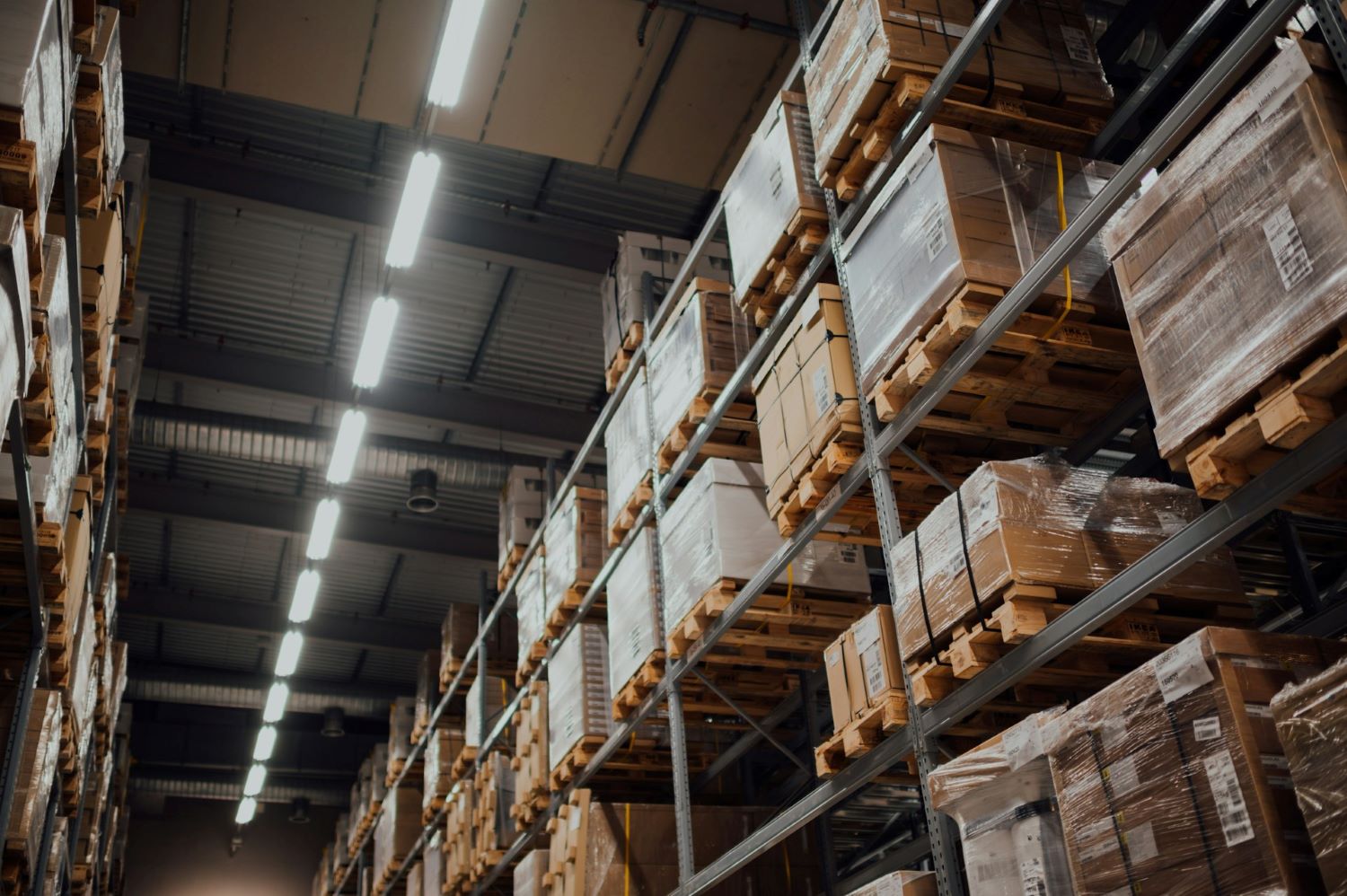
Upon entering the third phase in 2026, the Fund refocused its strategy to encompass six key sectors: tourism, travel and entertainment; urban development and regeneration; advanced industries and innovation; industry and logistics services; clean and renewable energy and water infrastructure; and NEOM.
This includes strengthening the private sector’s role in operating mega-projects and capitalizing on growing investment opportunities, reflecting a transition towards a more mature and sustainable economic model.
Tangible Economic Outcomes
These phases have yielded significant economic results, with the Fund’s assets under management substantially doubling to 3.41 trillion Saudi Riyals ($909.3 billion) in 2025. Non-oil GDP rose to historic levels, with the Fund’s contribution reaching approximately 10 percent. It also contributed to creating over one million direct and indirect job opportunities since 2018, in addition to enabling the private sector to participate in diverse strategic projects.
Future Investment Initiative
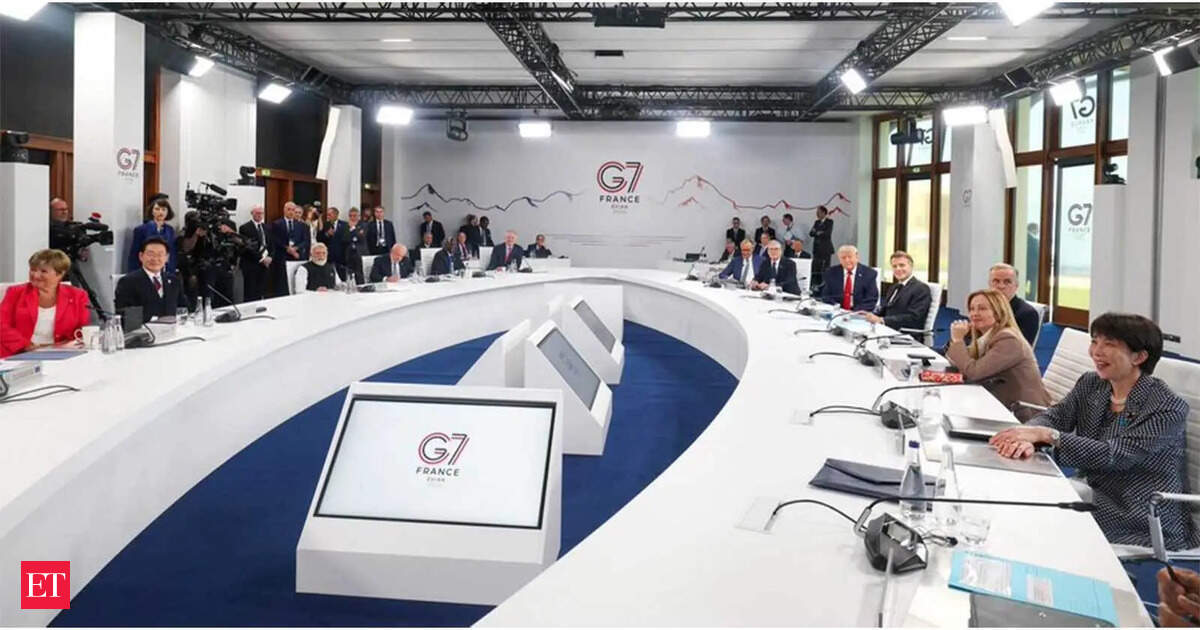
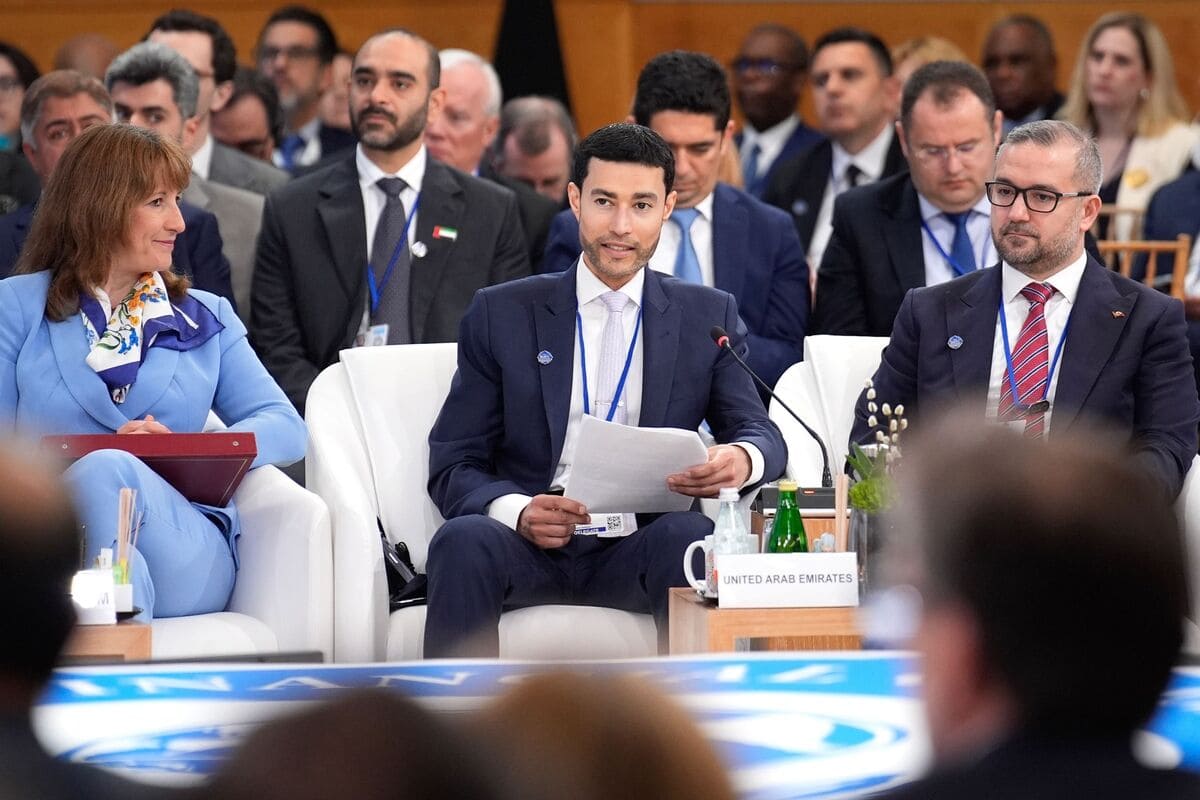
The Public Investment Fund has enhanced its international presence by building strategic partnerships and attracting global capital. The Future Investment Initiative (FII), launched by the Fund, has also become an annual international platform bringing together economic leaders, investors, and experts to discuss the future of investment and global challenges, making it one of the most prominent economic events worldwide.
This presence has contributed to cementing the Kingdom’s position as an influential hub in the global economy, in addition to enhancing the Fund’s brand value, which has become among the fastest-growing sovereign wealth funds globally, thanks to its investment performance and adoption of governance and sustainability standards.
Empowering the Private Sector
The Fund has placed significant emphasis on empowering the private sector, working to create extensive investment opportunities for local companies, including small and medium-sized enterprises (SMEs), by increasing local content and expanding economic partnerships. This has contributed to raising the private sector’s contribution to the economy to approximately 51 percent.
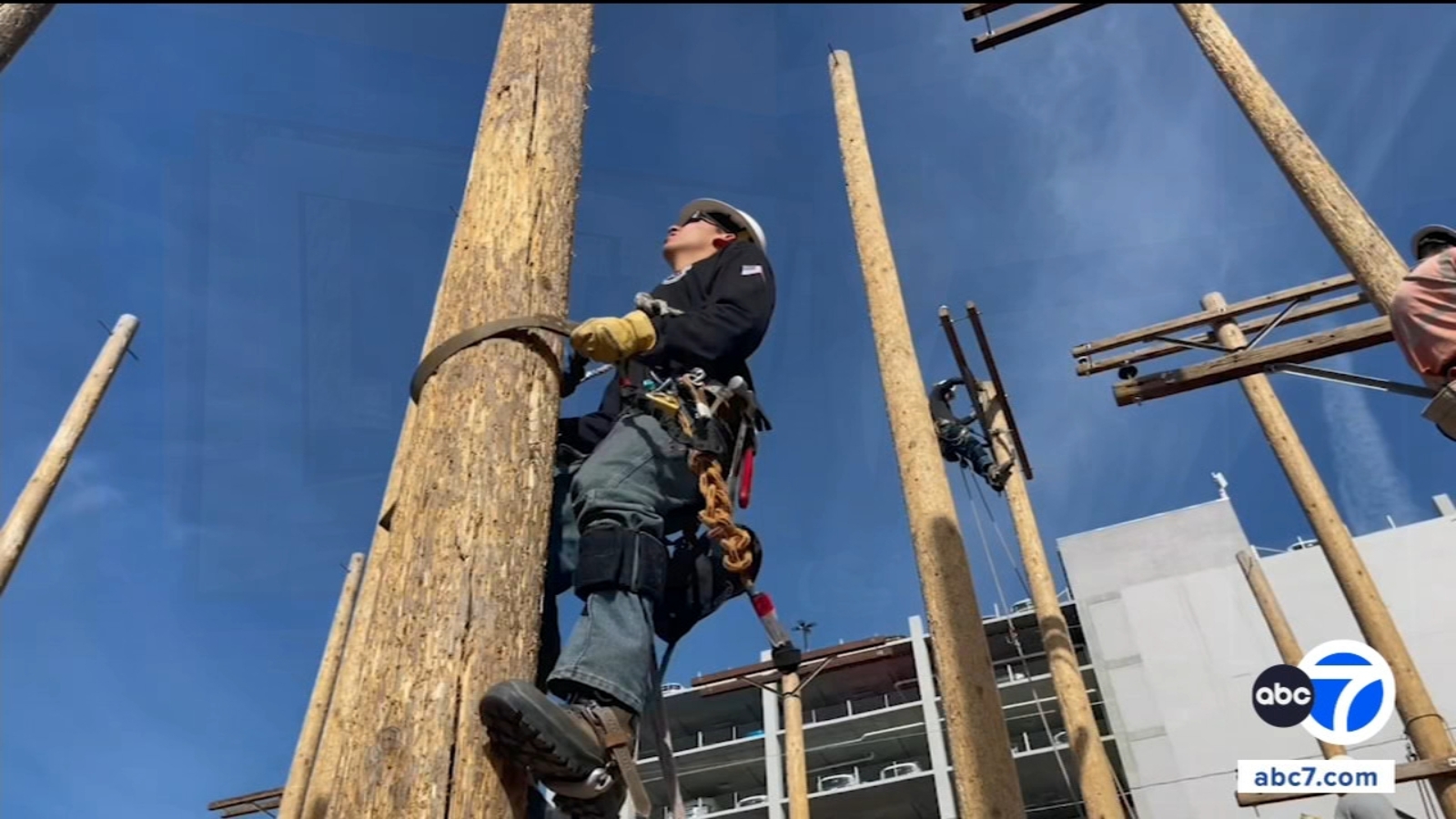
PIF has also launched supporting initiatives such as the Private Sector Forum, the Private Sector Hub, and training and qualification programs like the Musahemah program, the Industrial Business Accelerator, and the Azm program, all of which have helped build a more competitive and sustainable business environment.
Sustainability and Green Economy
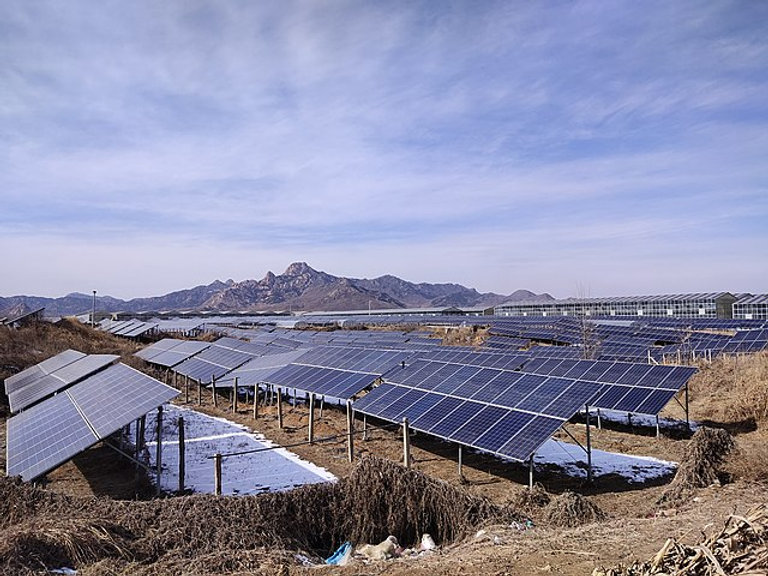
The Fund has moved to bolster sustainability as part of its investment strategy, becoming one of the first sovereign wealth funds to issue green bonds. This path began in 2022 with the issuance of the first green bond, followed by a second in 2023, and a new one in 2025.
The proceeds from these issuances totaled approximately $9 billion, directed towards 91 environmental projects in renewable energy, energy efficiency, green buildings, and water management. This contributes to reducing emissions by about 10.1 million tons of carbon dioxide, supporting the net-zero target.
Investment Environment
The investment environment in the Kingdom has undergone a radical transformation with Vision 2030, through regulatory and legislative reforms including the new Investment Law, the Bankruptcy Law, the TAYSEER program, and the establishment of the National Competitiveness Center and the Small and Medium Enterprises General Authority.
This has contributed to enhancing the Kingdom’s investment attractiveness, with the value of non-oil investments rising to approximately 797 billion Saudi Riyals ($212.5 billion), and the contribution of investment to the economy increasing from 22 percent to 30 percent.
Furthermore, the private sector’s contribution to total investments has grown to 76 percent, making it the largest driver of economic growth.
PIF continues to play its role as a key driver in reshaping the Saudi economy, leading the transformation towards diversification and sustainability, and enhancing the Kingdom’s position as a global investment destination capable of competing and influencing the global economy.