Singapore’s Trident is digitizing financial transactions to help support Ghana’s everyday business people. That’s the company’s stated mission as it unveils a new digital platform.
Trident Digital Tech Holdings Ltd. has launched Sikaflow, a digital financial infrastructure platform aimed at formalizing and modernizing Ghana’s micro, small and medium‑sized enterprise (MSME) sector.
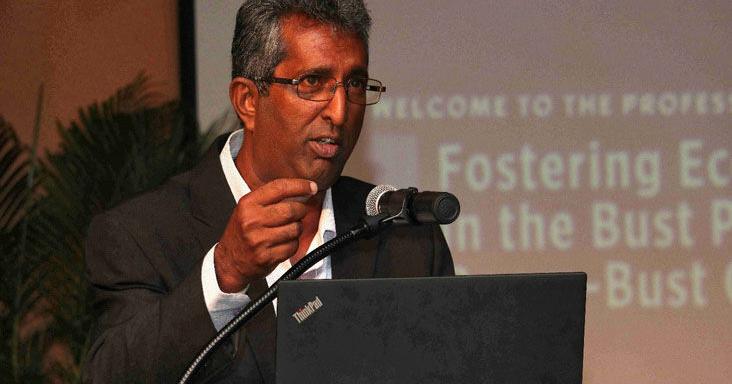
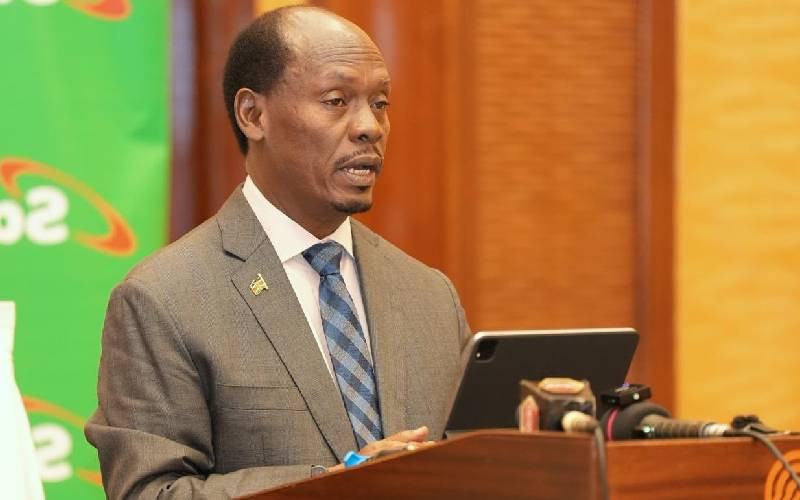
The platform is being deployed through Trident Aliska Digital Tech Ghana Ltd., the company’s local joint venture. “Our micro, small and medium-sized enterprises are the engine of this economy, yet too many remain locked out of the formal financial system,” says Aleem Kumi, CEO of Trident Aliska Digital Tech Ghana Ltd.
“Sikaflow gives them the tools to build verifiable financial records, simplify tax compliance and unlock access to finance, helping Ghanaian businesses grow, formalize and participate fully in the digital economy.”
Sikaflow turns everyday business activity into structured digital records. Each transaction contributes to a verifiable business history that can support financing, supplier relationships and operational insights.
The platform integrates commerce, inventory management, accounting, customer management, tax reporting and financial services features. It is accessible via Android, iOS, web, POS terminals and USSD. It also has offline‑capable functions for businesses in low‑connectivity areas.
Nasdaq‑listed Trident says the launch puts it in a market of more than two million MSMEs, with the platform a potential staging ground in its plan to build transaction‑driven digital ecosystems across Africa. Sikaflow combines digital commerce tools, business management software, automated tax workflows and financial record creation to help informal businesses enter the formal economy.
MSMEs are the backbone of Ghana and the wider African economy
MSMEs are a major part of Ghana’s economy and account for around 80 percent of employment. But many operate without formal financial records. This is a limiting factor in accessing credit and broader participation in the financial system.
Trident argues that platforms capable of generating verifiable transaction histories and digital business identities could become central to modernizing finance across the continent.
“We view the launch of Sikaflow as an important step in executing our broader strategy of building sovereign-scale digital infrastructure platforms that create measurable economic value,” says Soon Huat Lim, Trident’s founder, chairman and chief executive.
“Ghana represents an attractive market for innovation, financial inclusion and digital transformation, and we believe the opportunities extend well beyond a single country.”
“As adoption grows, we believe Sikaflow can become an important component of Ghana’s digital economy while providing a framework that may be expanded into additional African markets over time.”
A major feature is automated tax compliance. Bookkeeping and reporting tools are aligned with local requirements to reduce administrative burdens and support national formalization goals.
Sikaflow also uses digital identity systems, blockchain‑enabled infrastructure and other technologies from Trident’s wider ecosystem. This supports verification and future financial services and public service delivery applications.
The launch expands Trident’s African digital infrastructure portfolio. It includes initiatives in digital identity, digital commerce, government technology, cybersecurity and transaction‑driven services.
Africa and Asia-Pacific in Trident’s global sights
In April, Trident signed a fifty-fifty joint venture agreement with Ghana‑based Aliska Business Advisory and Research Limited. The JV aims to develop and commercialize digital technology solutions for public and private sector clients.
The new entity, Trident Aliska Digital Tech Ghana Ltd., is expected to generate up to US$800 million in combined revenue over its first five years, with Aleem Kumi as CEO of the JV. Trident will lead technology development and platform engineering, while Aliska will handle project research, design, government approvals and funding.
The JV is overseen by a four‑member board, with two directors appointed by each partner. Trident CEO Soon Huat Lim said the venture combines Trident’s technology capabilities with Aliska’s local expertise and positions the company to capture a significant share of Ghana’s expanding digital economy market.
The partnership targets Ghana’s fast‑growing digital technology market, driven by the government’s Digital Ghana Agenda and rising demand for e‑government services, fintech infrastructure and data management systems.
Ghana has launched a digital visa system to boost tourism, and the governor of the Bank of Ghana has backed biometric digital ID for financial trust. High-level discussions on the planned use of the Ghana Card for payment transactions are ongoing.
Trident also launched TDTHAI in June, a new platform to support enterprise AI deployment and digital transformation across the Asia-Pacific region. The launch reflects Trident’s broader push into sovereign digital infrastructure. It’s also involved in the Democratic Republic of Congo’s DRC Pass, a national digital identity platform for e-gov services.
Article Topics
digital company ID | digital economy | digital identity | digital public infrastructure | financial services | Ghana | Trident