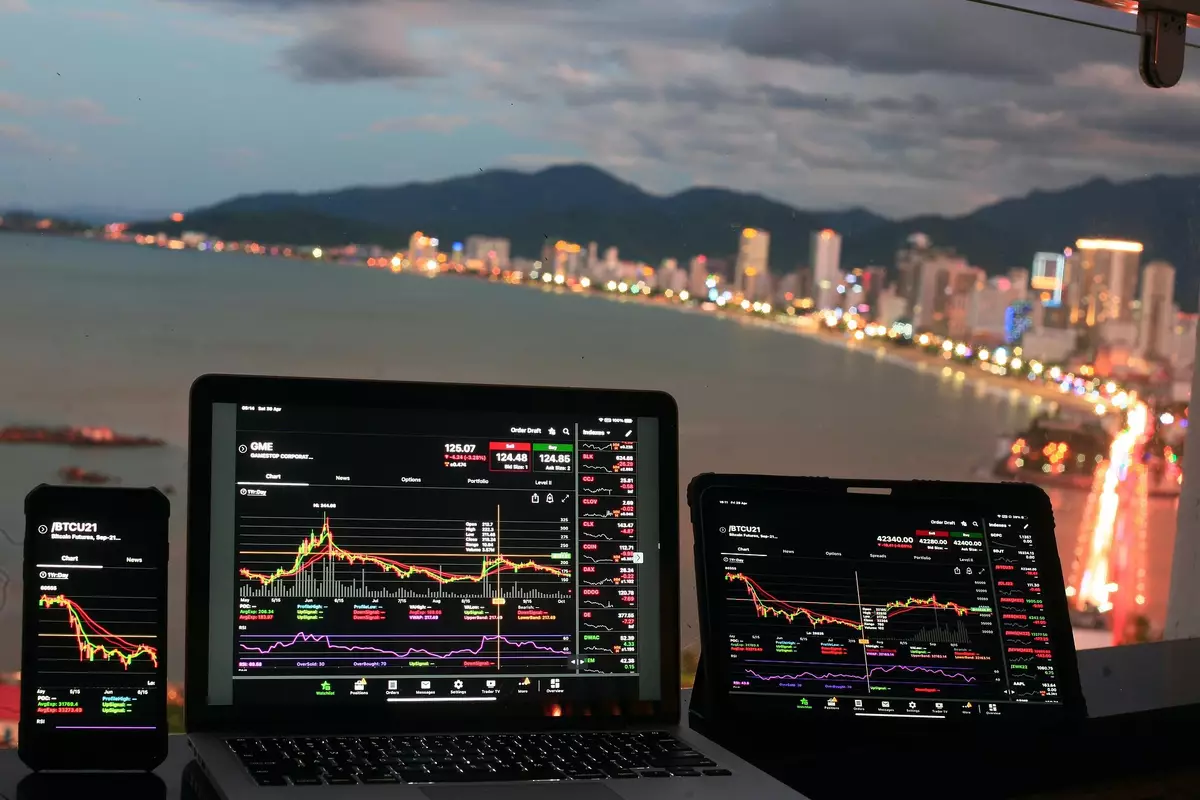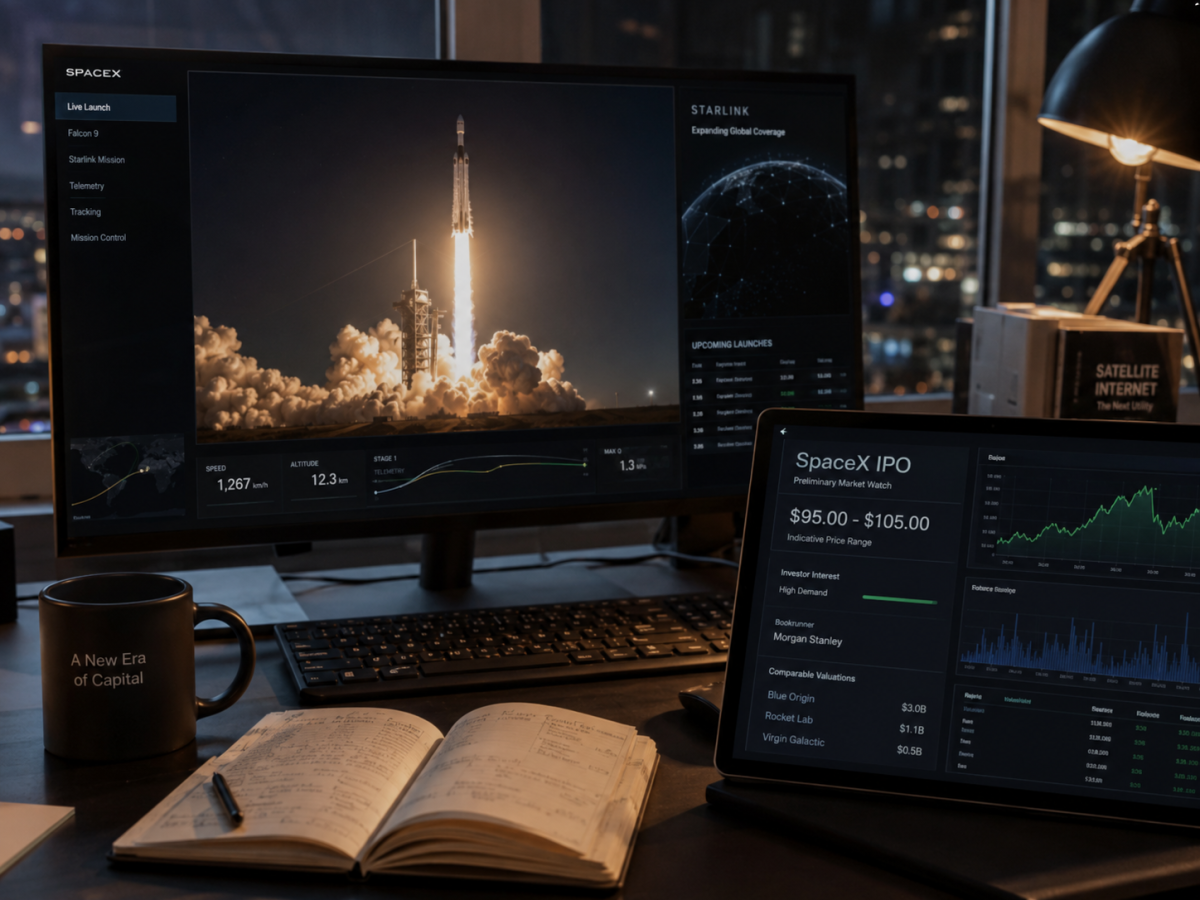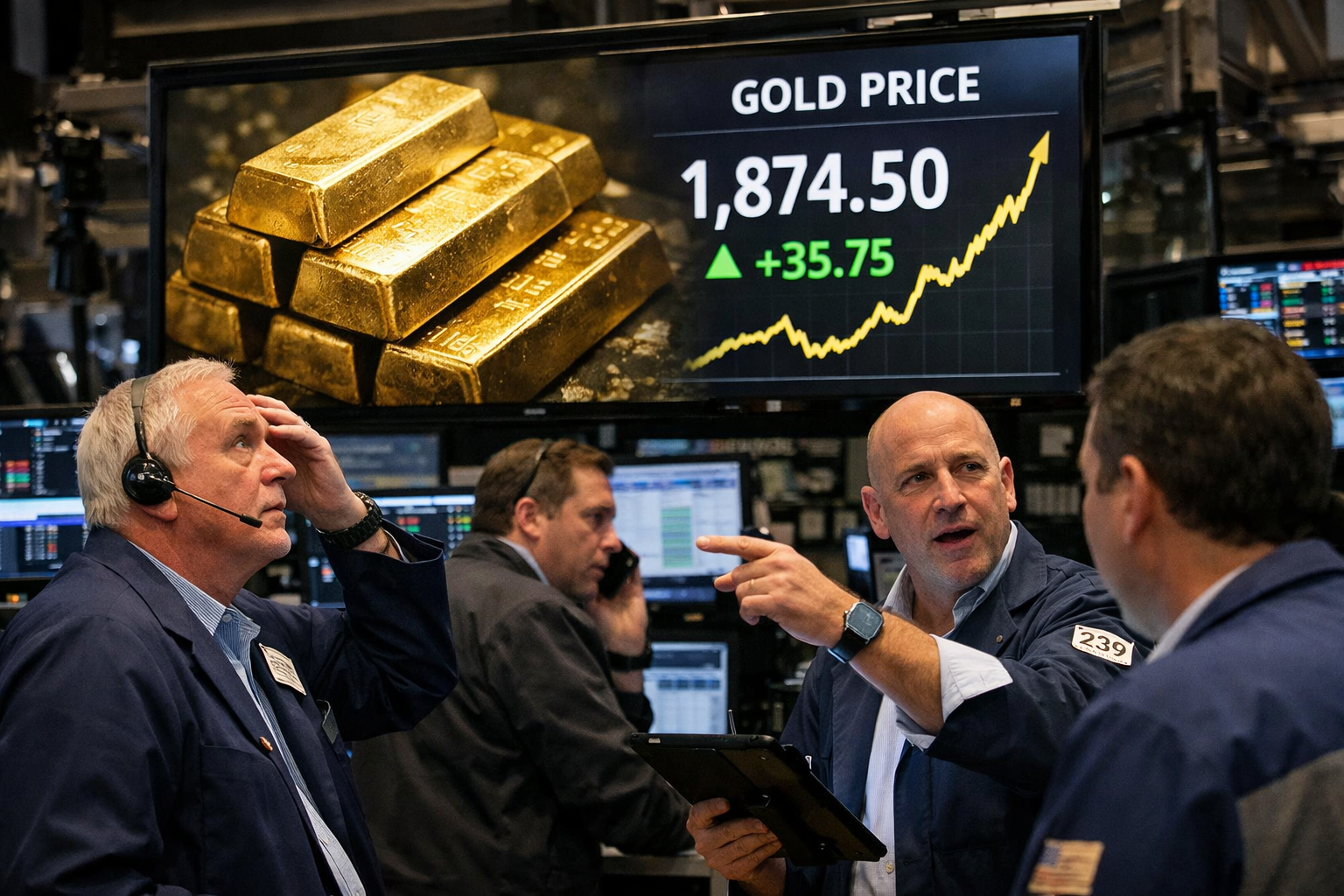
Space Exploration Technologies (SPCX 4.51%) stock has taken investors on a rollercoaster ride since its June 12 IPO.
Debuting at $150 a share — $15 above its supposed IPO price — shares of Elon Musk’s space-and-artificial intelligence venture soared in their first three days of trading, delivering early investors average profits of more than 20% per day.
Then it all came crashing down. The next seven days erased almost all the stock’s post-IPO gains. After a brief bounce-back last week, SpaceX stock fell again on Monday, leaving it trading just a few bucks from where it started: $156 and change.

Image source: The Motley Fool.
A second bite at a tainted apple?
Now investors must decide: Is SpaceX’s full-circle trip right back to where it started a golden opportunity to buy the stock at its ground-floor price? Or is this a sort of liquidity trap, in which SpaceX insiders use voracious retail investor appetite as a source of “liquidity,” providing them the cash with which to exit their own shares at a tidy profit?
Clearly, a lot of folks are hoping it’s the former, with SpaceX finding its footing early this week and climbing more than 10%. I personally think it’s the latter, and that you can expect to see more selling than buying in SpaceX’s future.

Space Exploration Technologies
Today’s Change
(-4.51%) $-6.86
Current Price
$145.30
Key Data Points
Market Cap
Day’s Range
$145.07 – $150.57
52wk Range
$145.07 – $225.64
Volume
46.8M
Avg Vol
154M
Keep an eye on the SpaceX lockup period(s)
SpaceX held its IPO on June 12. Add the 180-day lockup period that companies typically impose on insiders and early investors selling shares post-IPO, and you’d expect little selling of SpaceX stock between now and Dec. 12, 2026 — but this won’t be the case with SpaceX.
Musk himself, and other insiders controlling a majority of SpaceX shares, have committed to not selling SpaceX shares for 366 days after the IPO. Other insiders, however, including company employees, are permitted to sell up to 20% of their shares after the company issues its second-quarter earnings report, likely in August. They’re also permitted to sell up to 7% of the stock they own on each of the 70th, 90th, 105th, 120th, and 135th days post-IPO.
If you’re keeping count, that’ll be 55% of all shares not locked up for 366 days, now available for sale.
Plus, they can sell another 28% of their holdings after SpaceX reports its third-quarter earnings. (Now we’re up to 83% of non-hold-for-a-year shares).
You may have heard, too, that if SpaceX closes 30% above its IPO price for five days out of any 10 days in a row, insiders can sell a further 10%. This is true — but SpaceX hasn’t yet hit this mark.
Even without this extra 10%, however, a majority of shares not owned by Musk and friends will potentially go up for sale significantly sooner than the usual 180-day lockup period, and periodic waves of selling will enter the market less than two months from now. As my Foolish colleague Sean Williams recently put it, “These performance- and event-based early release markers will allow insiders to use retail investors as their exit liquidity, whether they realize it or not.”
I’d try if I could — but I really couldn’t put that better myself.