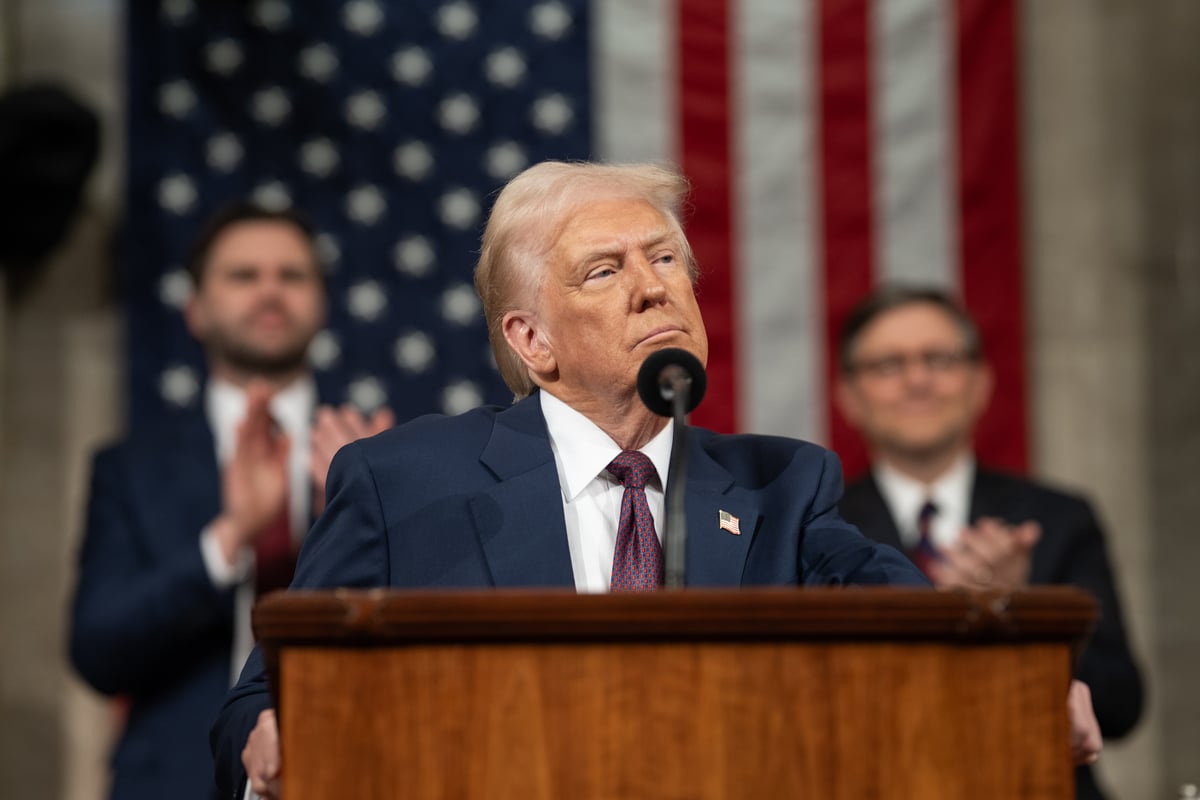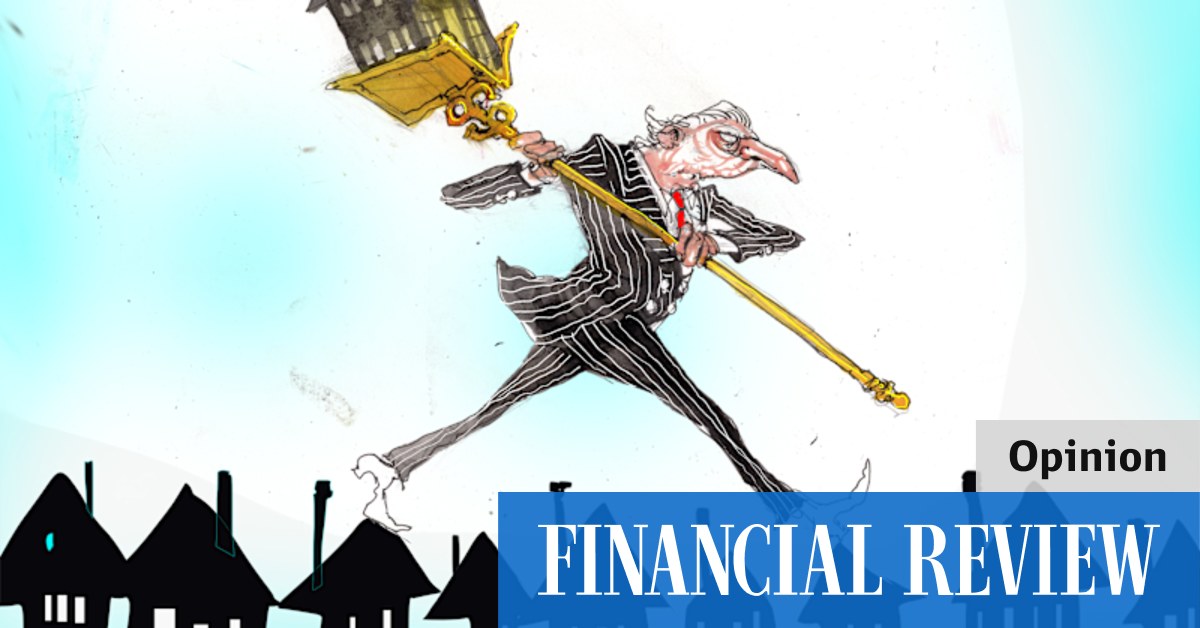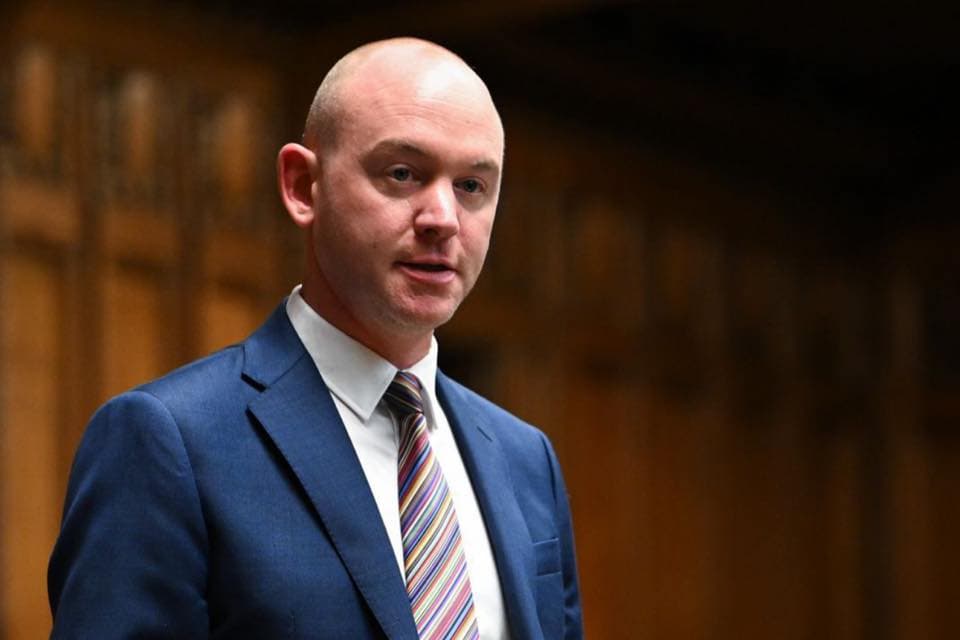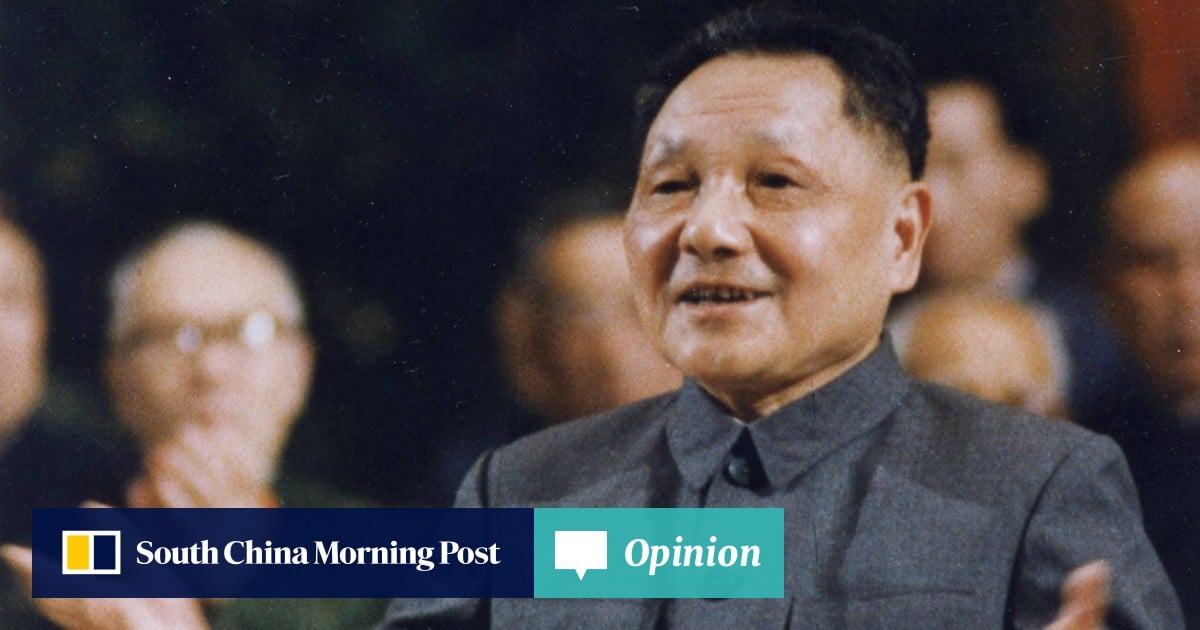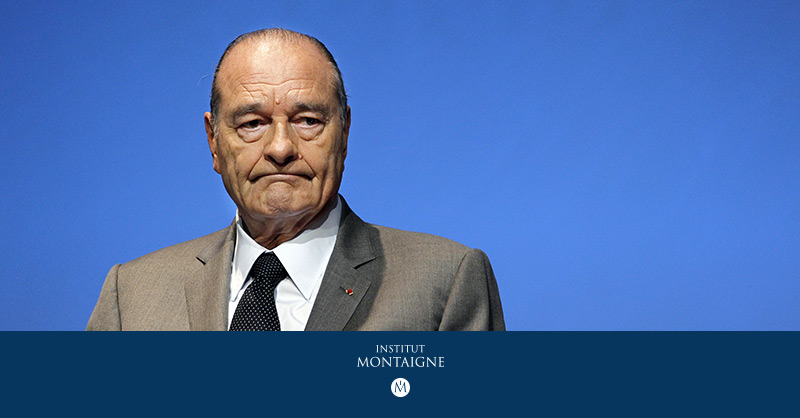
Jacques Chirac was an outstanding political animal, gifted with a tireless energy, able to take his opponents by surprise, armed with an astute sense of ruse as well as the strength to swallow his defeats to always bounce back. A humanist and a great lover of “primitive” and Asian art; he was hardly passionate about economics. Yet his long political career, from Secretary of State for Employment in 1967 to twice President of the French Republic, has left its mark on France’s economy and the way the French grasp it. The picture is mixed, marked by salutary reactions in 1986 after President Mitterrand’s excesses of 1981 but also many missed opportunities and mistakes with consequences still felt today.
How should a country’s budget be managed?
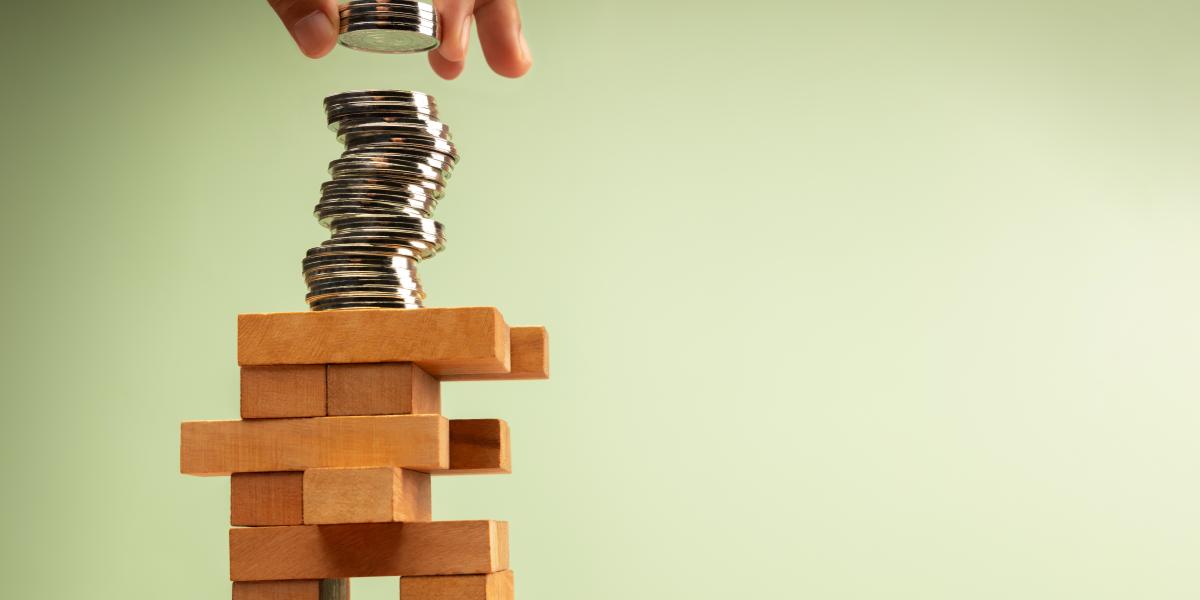
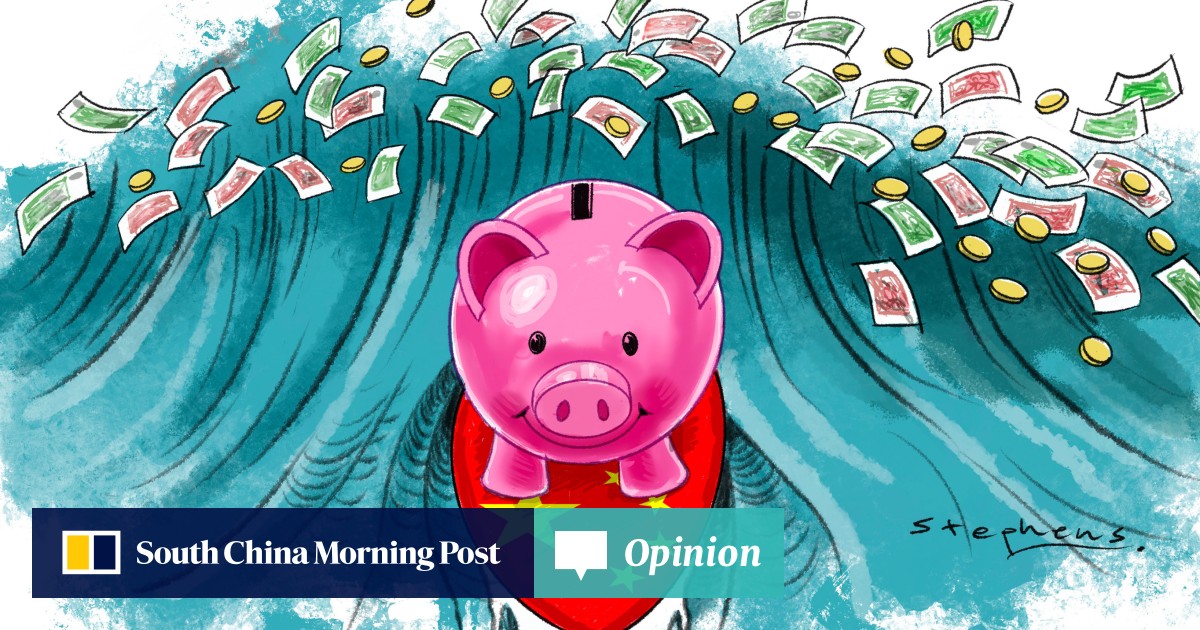
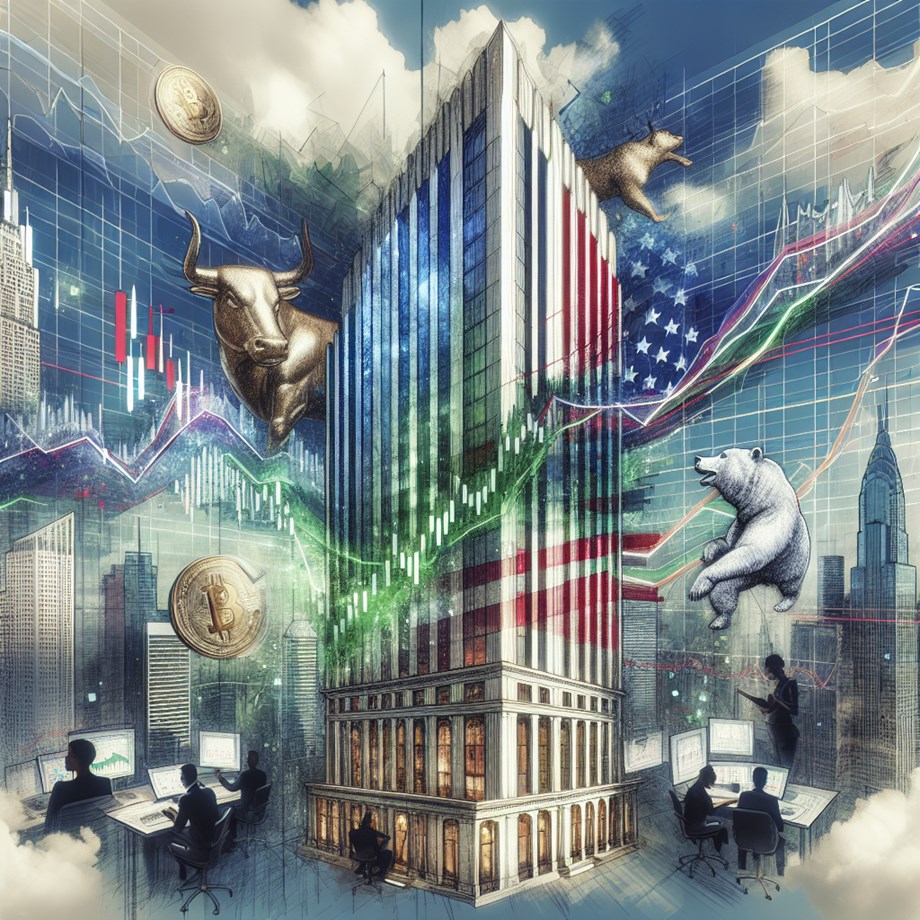
Shortly after his victory in the 1995 election, I had the opportunity to meet the new President with a small group to discuss economic and fiscal policy. We were emerging from the severe 1993 recession, with a budget deficit of 5.4% of GDP, GDP growth of 2.4% in 1994 – considered, at the time, as sluggish growth – and a record level of government spending, almost 55% of GDP. After the currency crisis of September 1992, during which France had secured Germany’s grudging support for the franc, financial markets were closely monitoring France’s fiscal policy. How can you reconcile a reduction in budget deficit, the stimulation of the economy and electoral promises of a generous wage policy? The equation seemed unsolvable. Reducing public spending and taxes while convincing taxpayers that this fiscal adjustment would be sustainable to avoid excessive savings – a “Ricardian” behaviour, – was one possible path. The President listened politely and concluded: “Basically, what you’re saying is, one must manage the country’s budget as a good father would.”
This was the close of our conversation. I understood then that Jacques Chirac’s approach to economics was intuitive, fuelled by his connections with leading industrialists, but that the macroeconomic dimension, such as the link between economy and financial markets, deeply bored him.
A liberal policy “by reaction” rather than from conviction
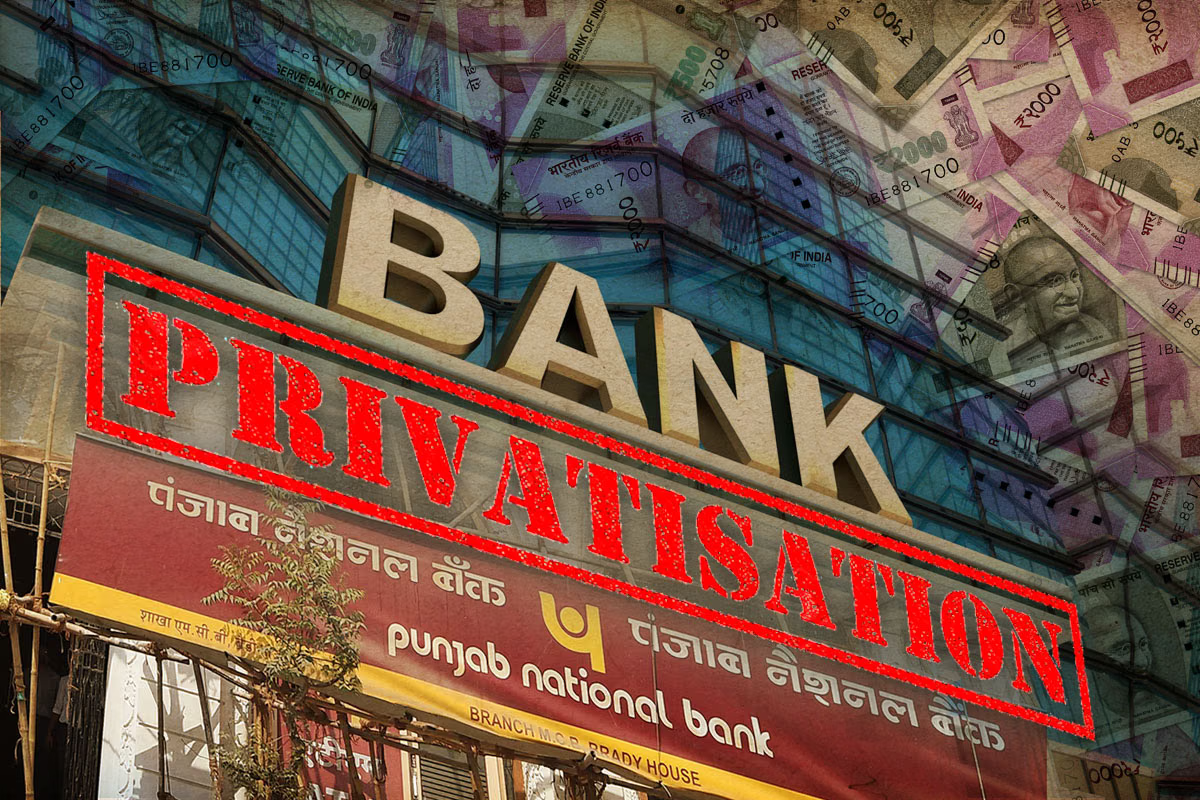
Appointed Prime Minister by François Mitterrand in 1986, Chirac has had his liberal – in the economic sense – moment. After a series of devaluations that had raised inflation to more than 15%, the country’s economy was stuck due to the wave of nationalizations, increases in the minimum wage and tighter labour regulations, in accordance with the common government platform that had led the Left to victory in 1981. The Chirac “bulldozer”, as Georges Pompidou had nicknamed him, was able to act quickly, privatize a series of large industrial companies and banks, liberalize the labour market by removing the need for administrative approval before layoffs, and stop capital flight by eliminating the wealth tax.