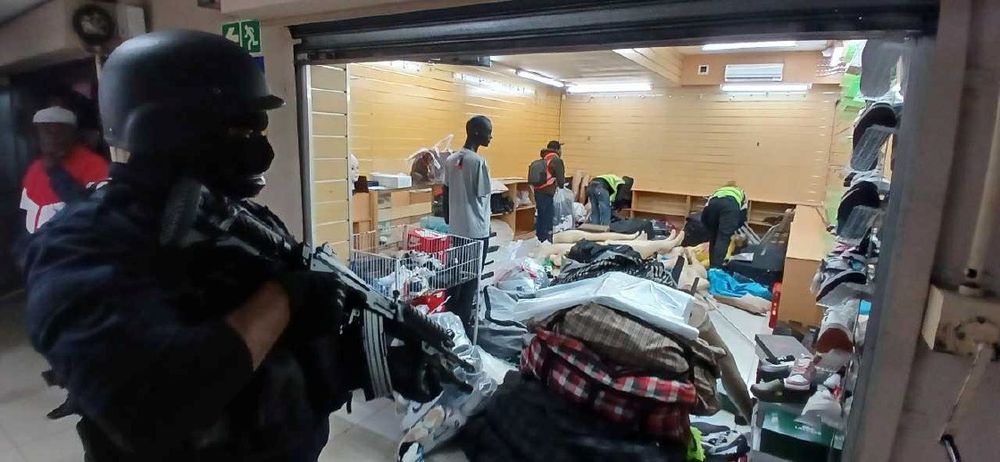
The world continues to benefit from Africa without uplifting
Most people have never heard of the country, and even the ones that have likely can’t find it on a map.
It’s smaller than New Hampshire.
And the population is just north of one million. Similar to, let’s say, Jacksonville, Florida.
The country?
Djibouti.
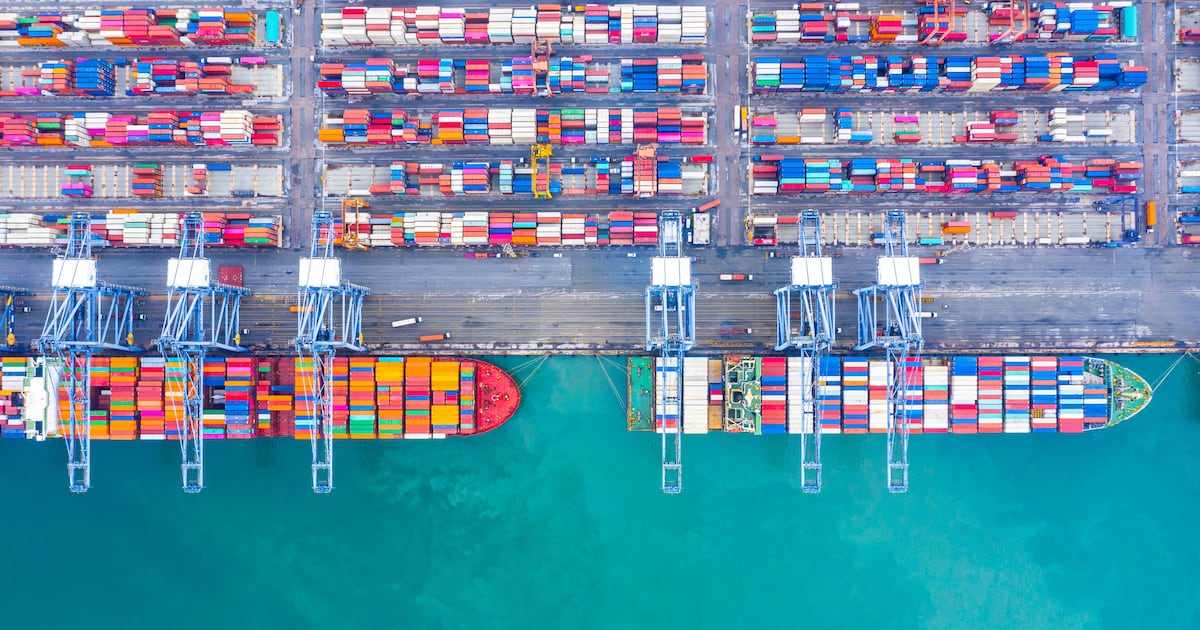
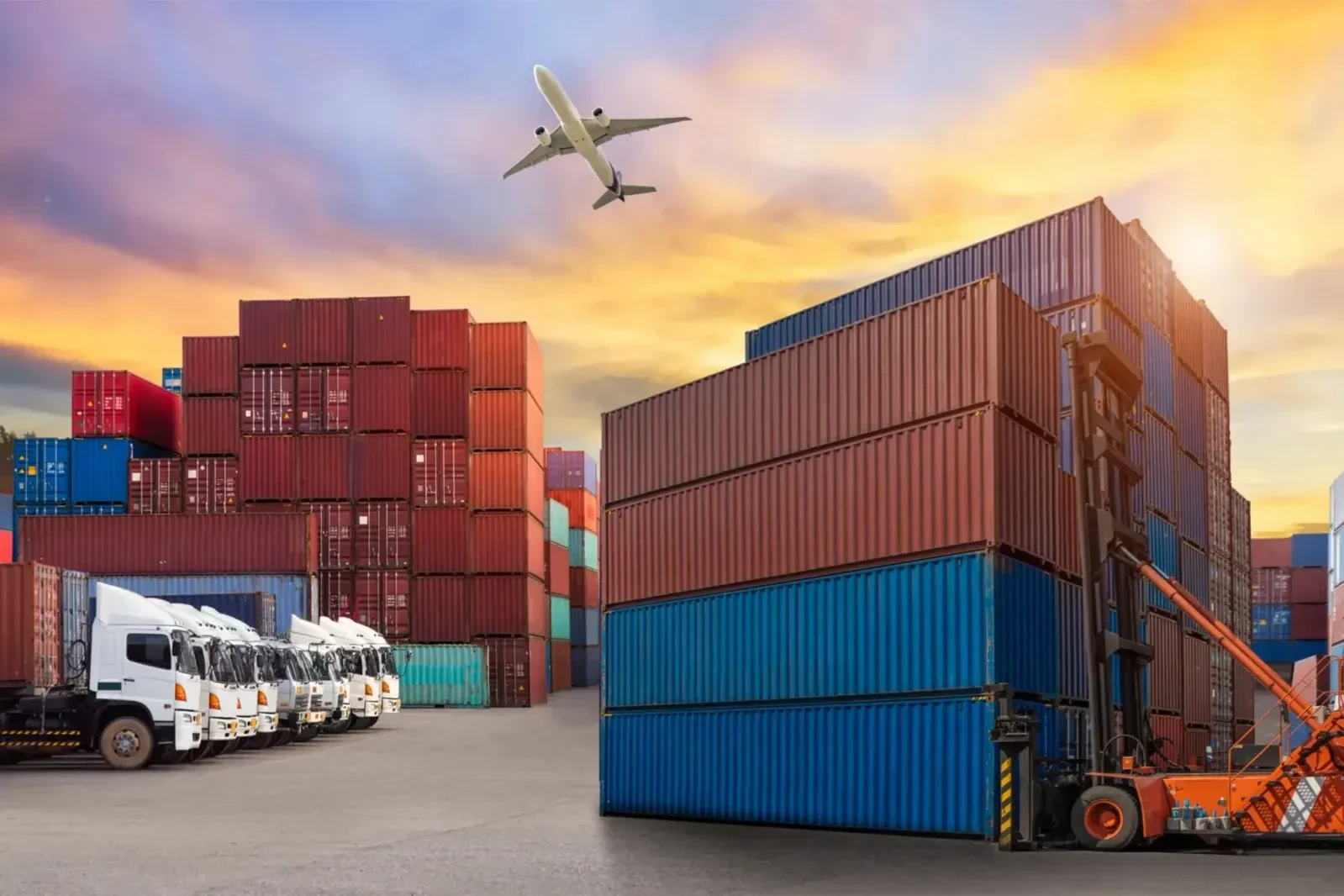
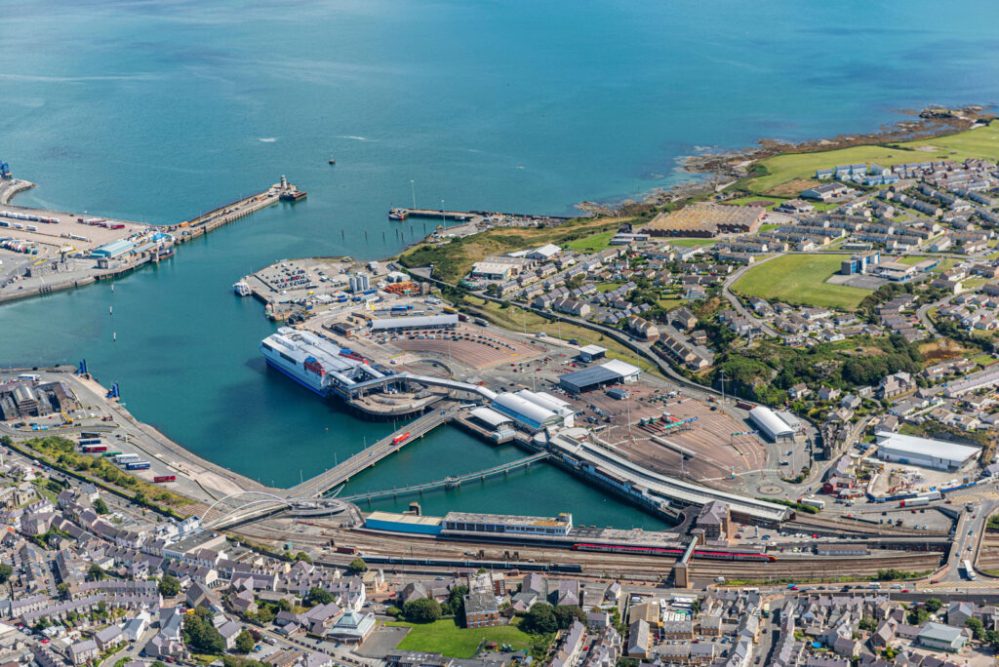
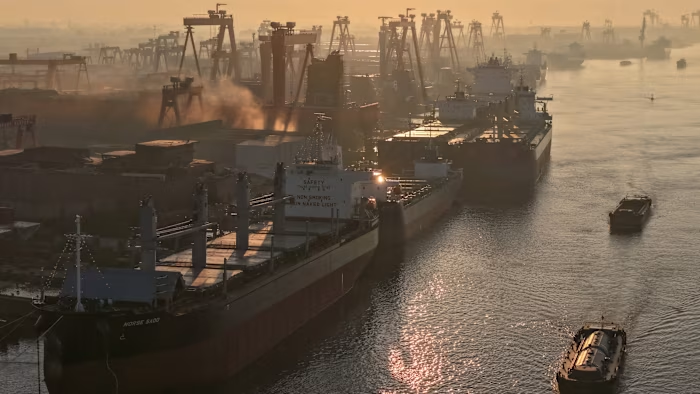
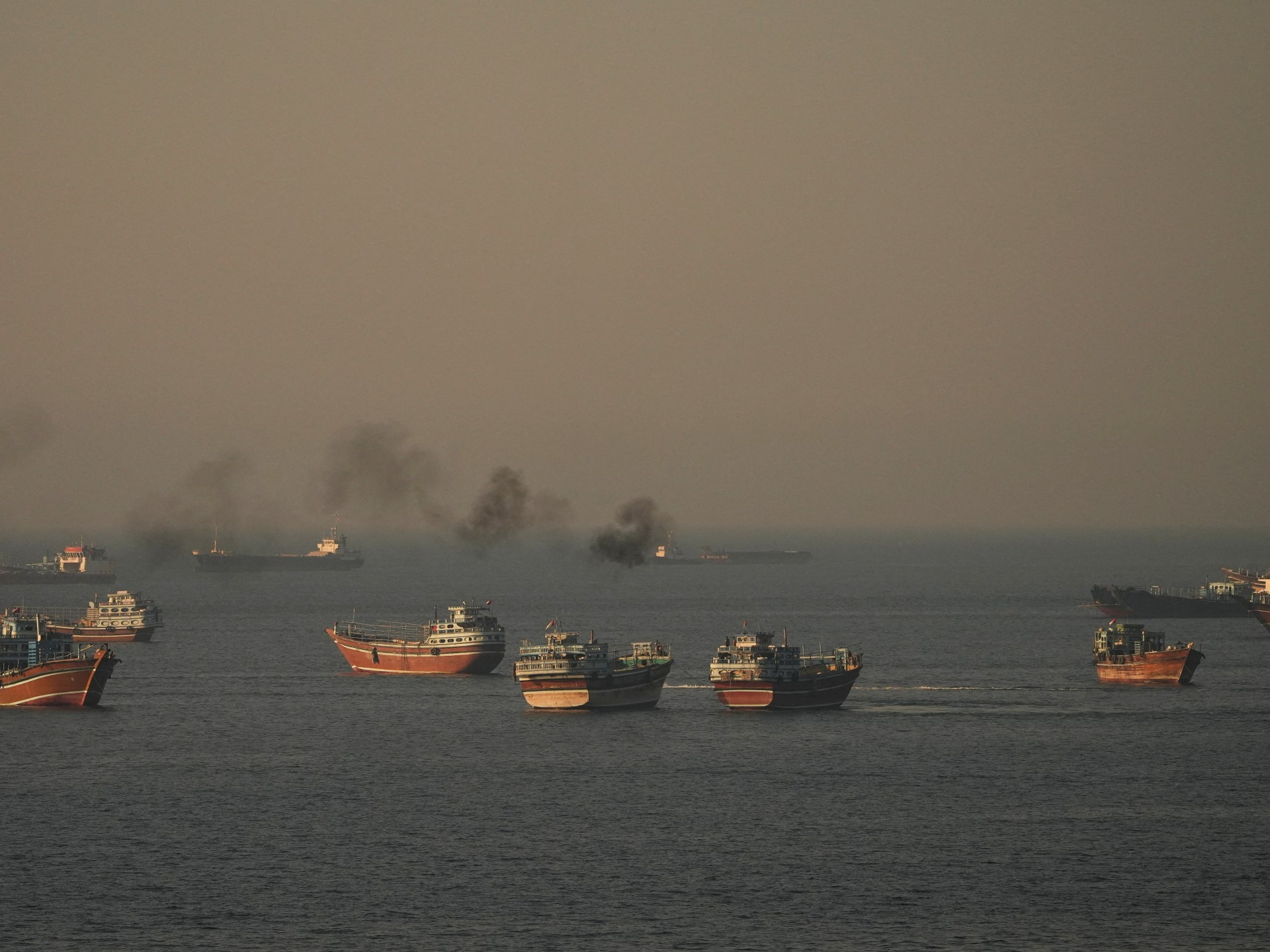
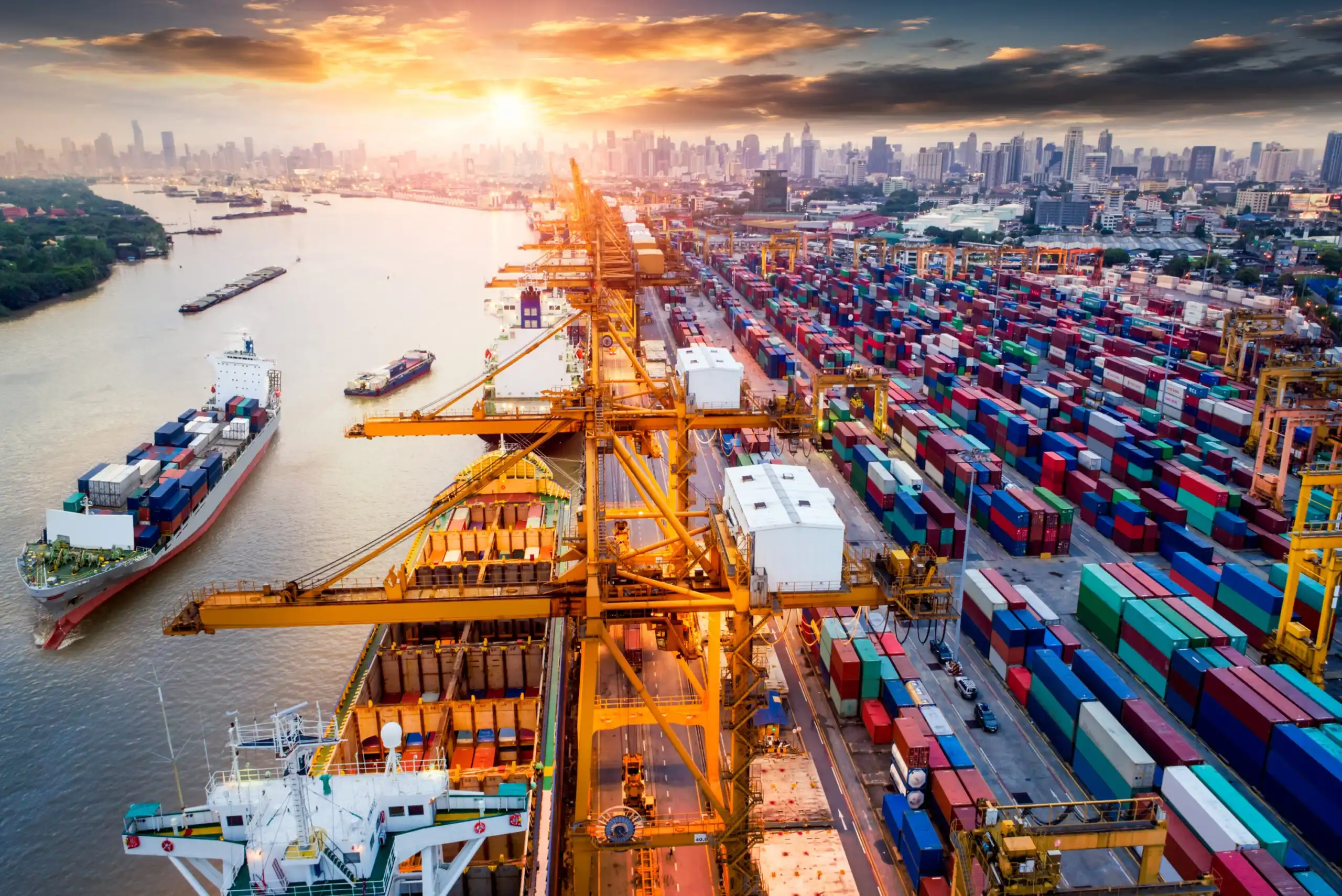
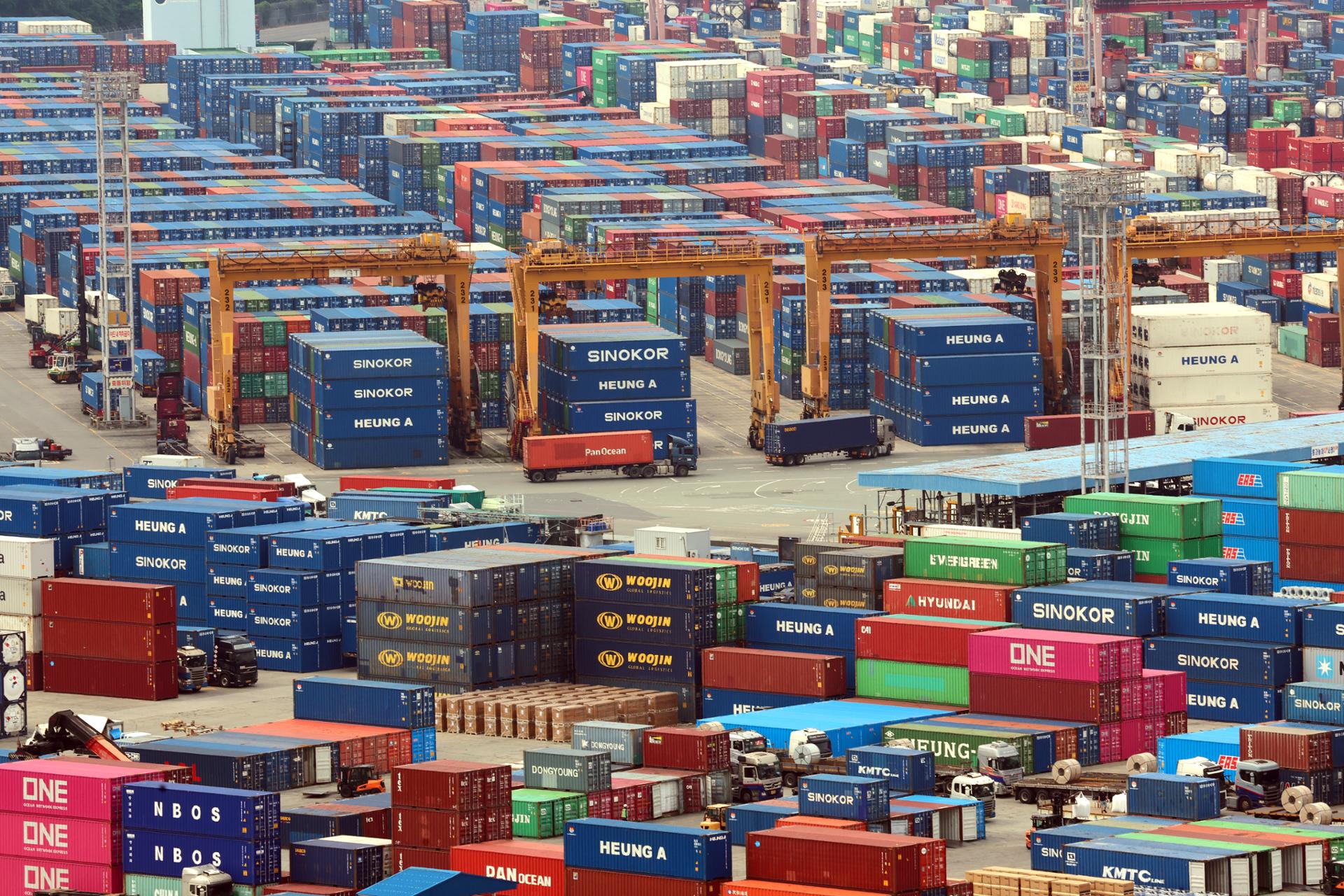
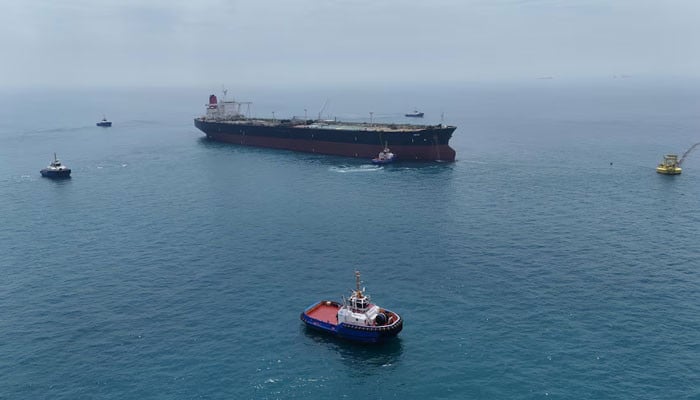
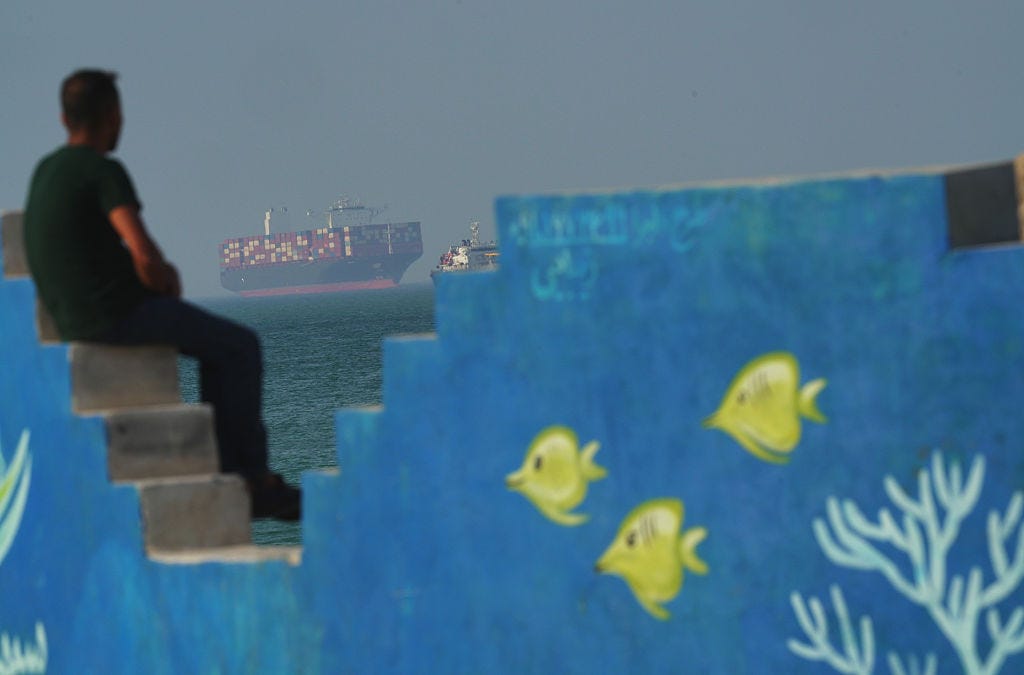
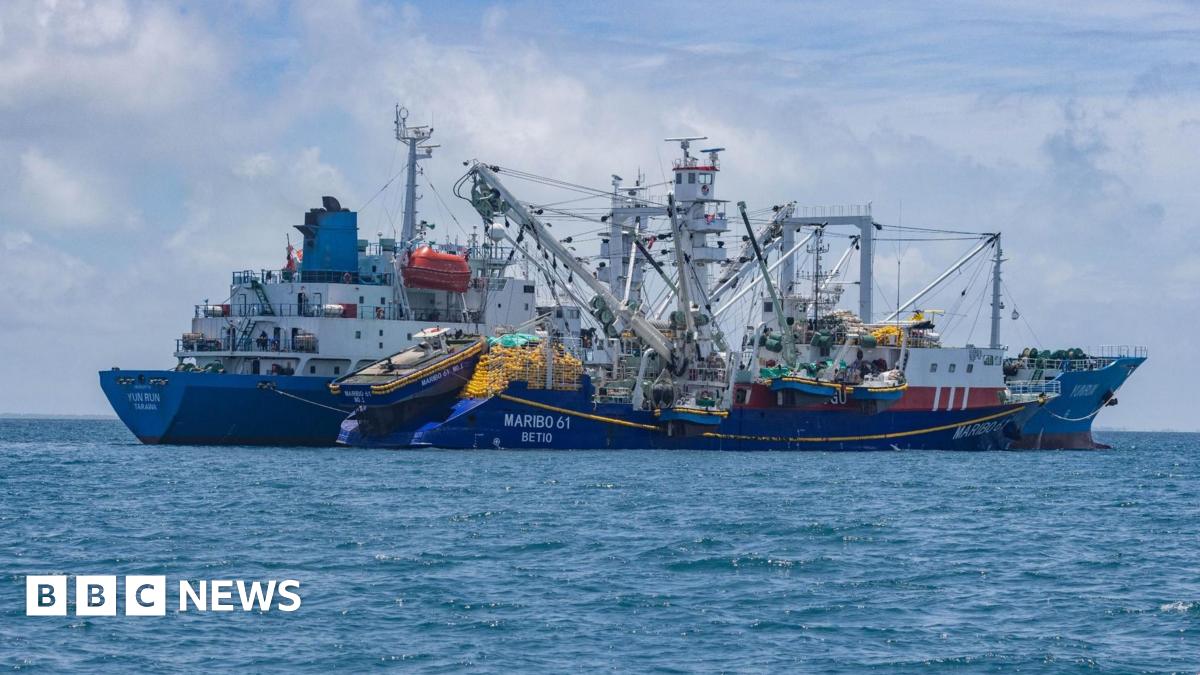
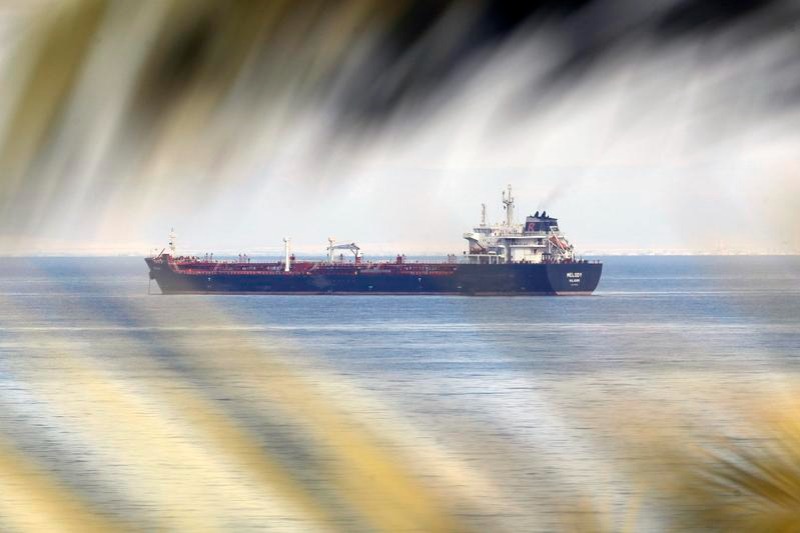
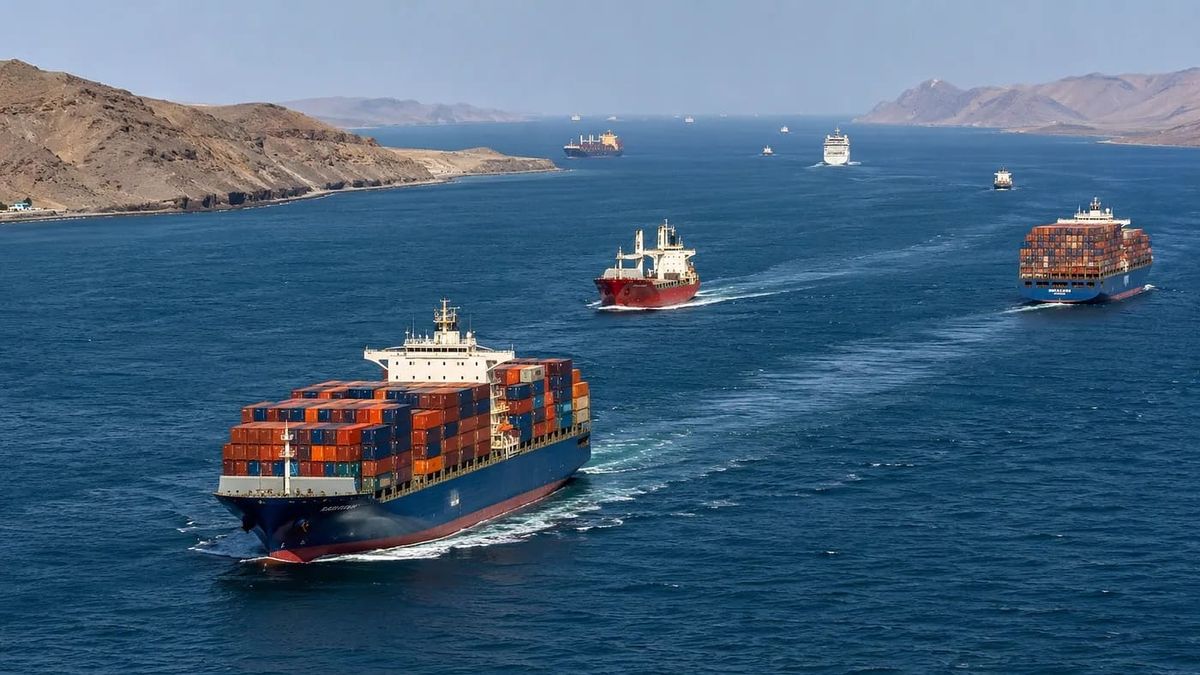
Djibouti sits near the Bab el-Mandeb Strait, which connects the Red Sea, Suez Canal, Gulf of Aden, and Indian Ocean. In English, what that means is in order to transport numerous goods from Asia to Europe and elsewhere, you have to pass by Djibouti’s coast.
We’re not talking about a vast waterway. The passage near Djibouti is separated into two by an island. One passage is 16 miles wide. The other is only 2 miles wide. Those are the only two ways through.
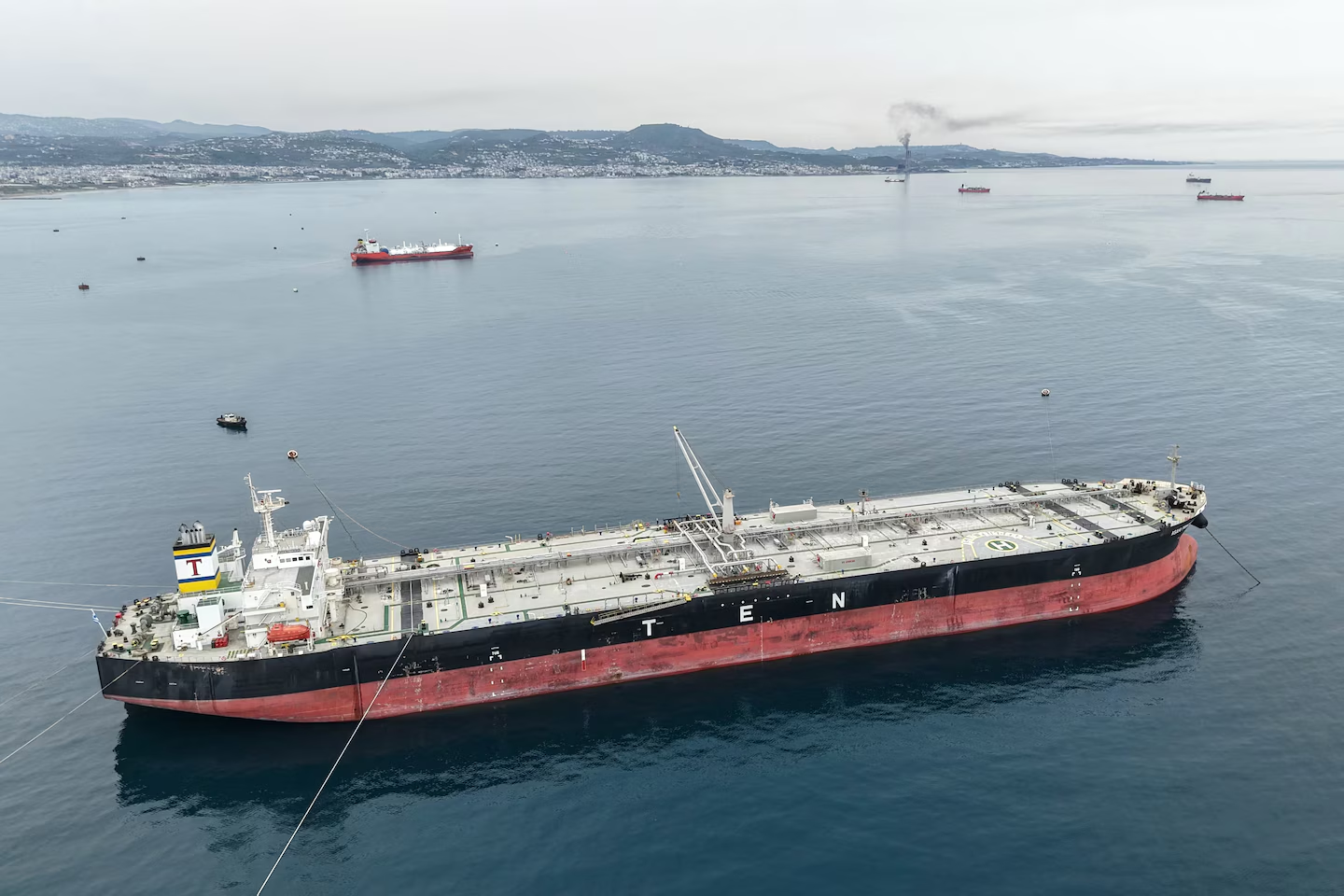
If a ship needs repair, fuel or other services, their best option is to stop in Djibouti.
Nearly a quarter of Europe’s imports rely on Djibouti and the nearby waterways. And 12% of the entire global economy is dependent on goods passing by this tiny East African nation.
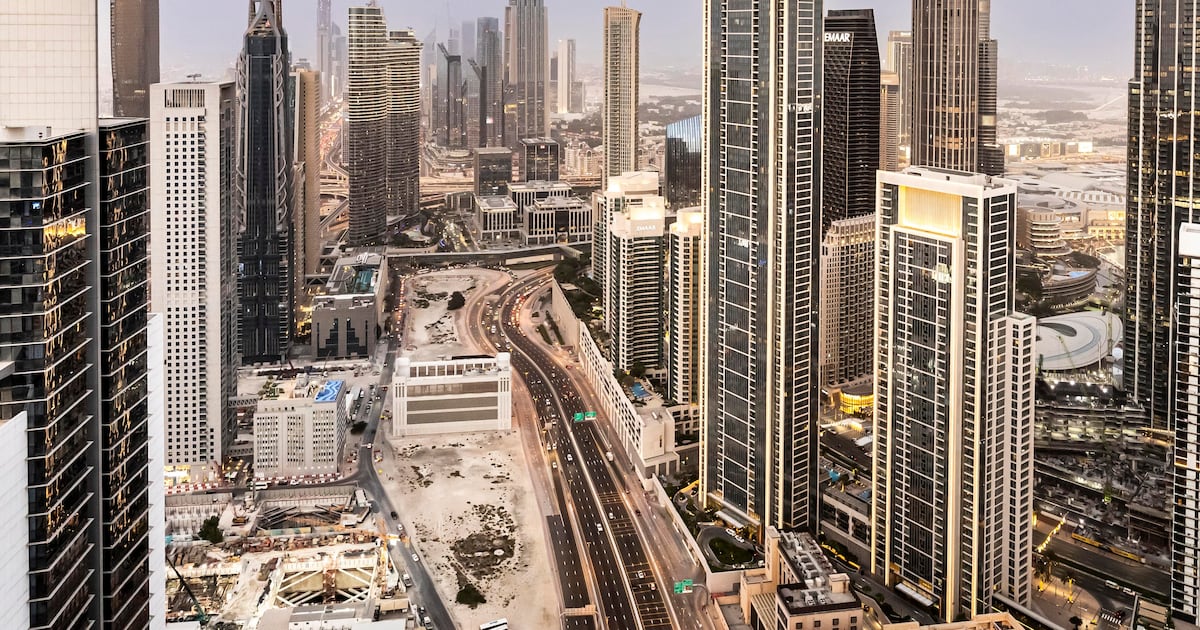
So, you’d think that Djibouti must be the Dubai of Africa.
That the nations which need Djibouti have taken good care of it. Have invested in its success.
Or at least the French would have made Djibouti a thriving place. After all, France colonized what was then called French Somaliland for over 100 years all the way until 1977, when I was in second grade!
But not so.
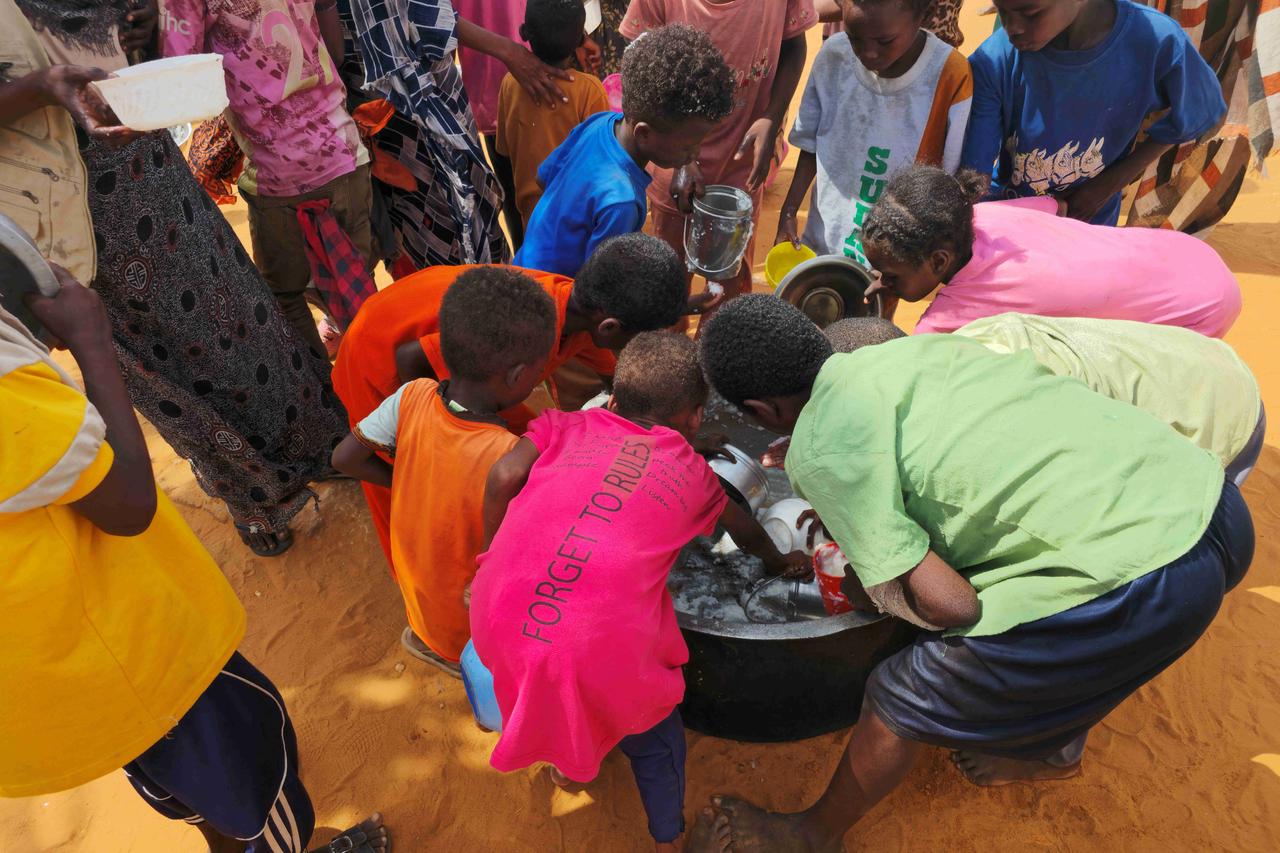
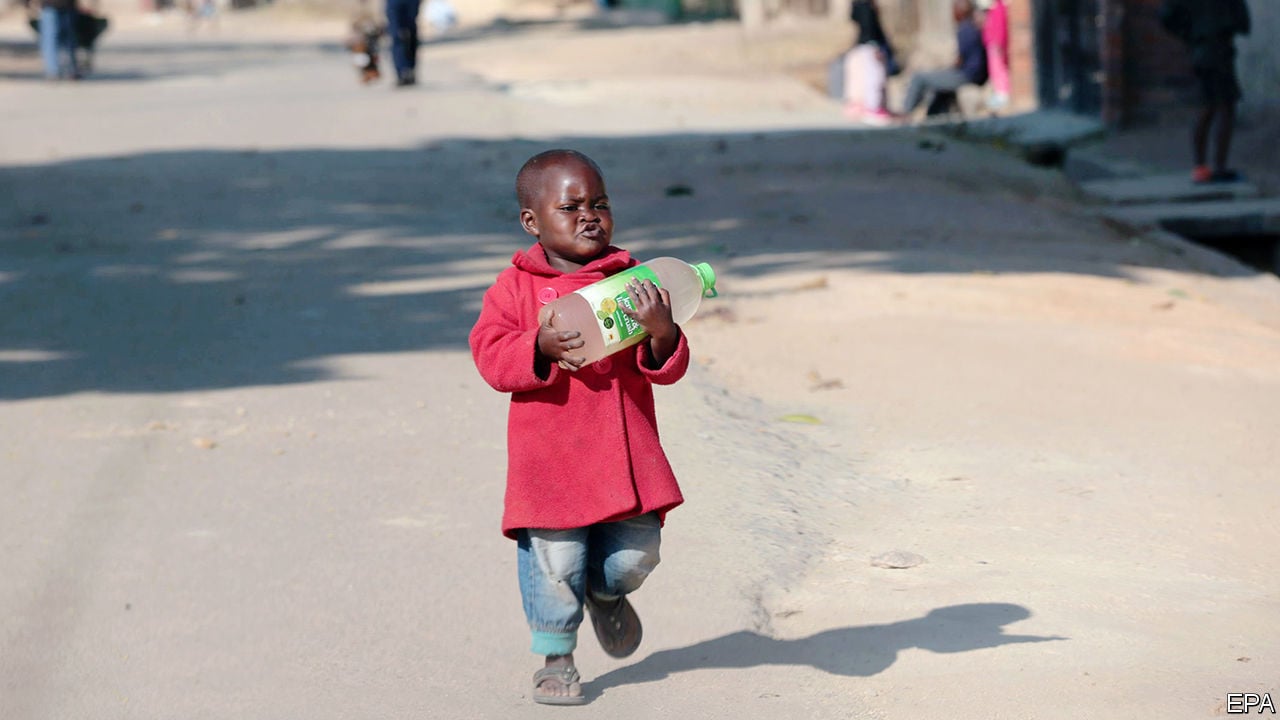
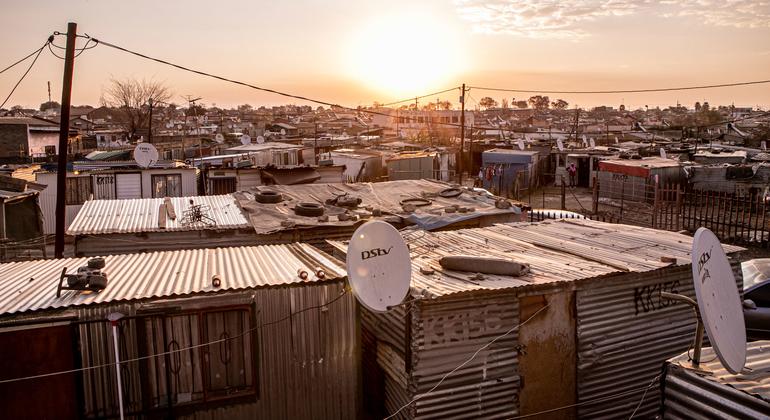
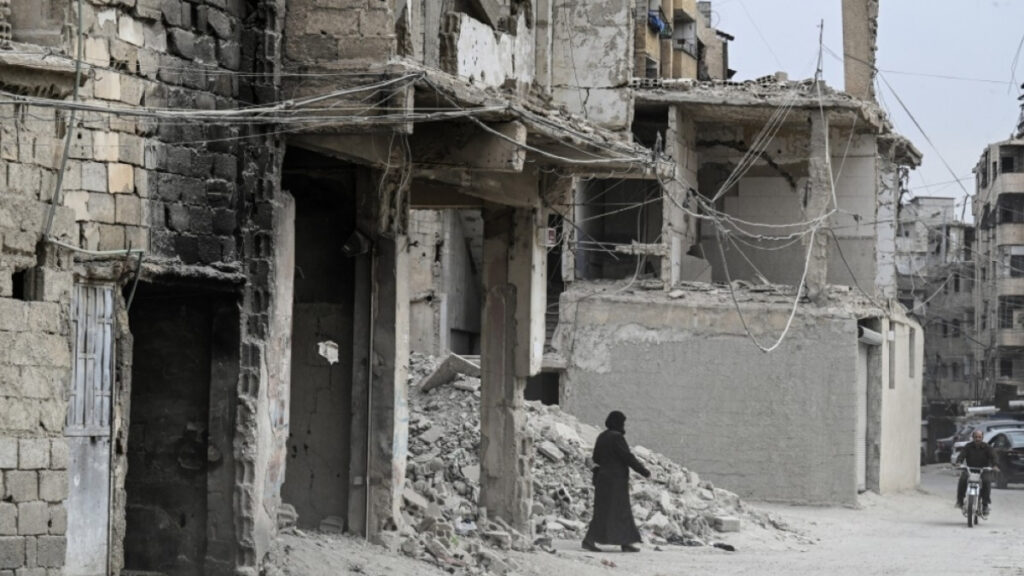
Despite its critical location, Djibouti is steeped in significant poverty. According to the most recent World Bank figures from 2017, about 21.1% of the population lives below the poverty line. Over 25% live on less than $3.00 per day.
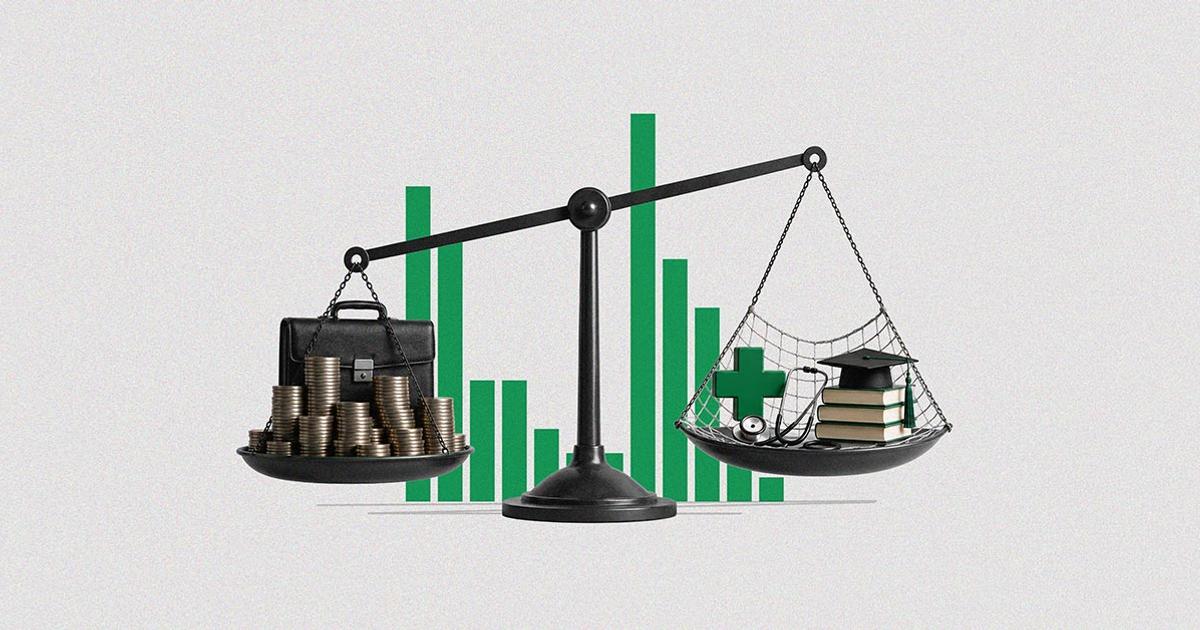
Of course, it’s not just the lack of money. Roughly one-third of the population experiences deprivations in education, health, living standards, and basic services.
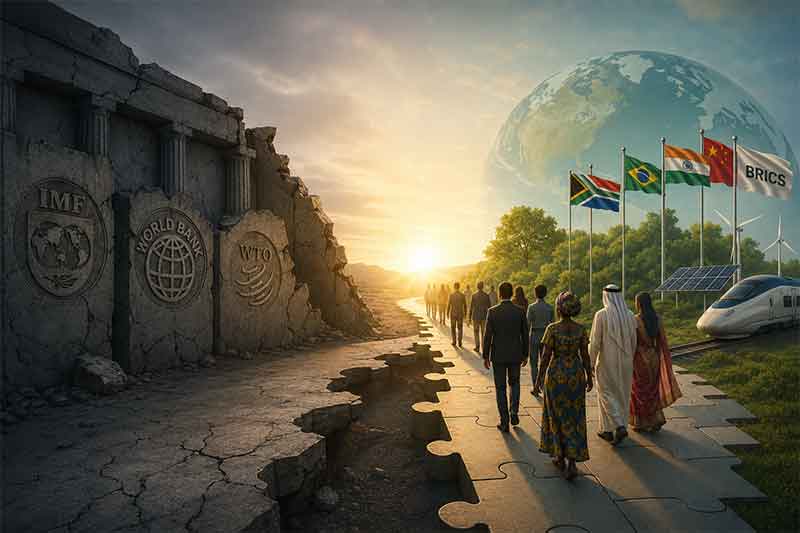
Djibouti is yet another example of how the West loves the fruits of Africa but isn’t willing to pay its fair share so African nations can fully emerge from the West’s abuse — colonial extraction, unequal trade, military convenience, and global shipping systems all that benefit from African geography without adequately investing in African people.
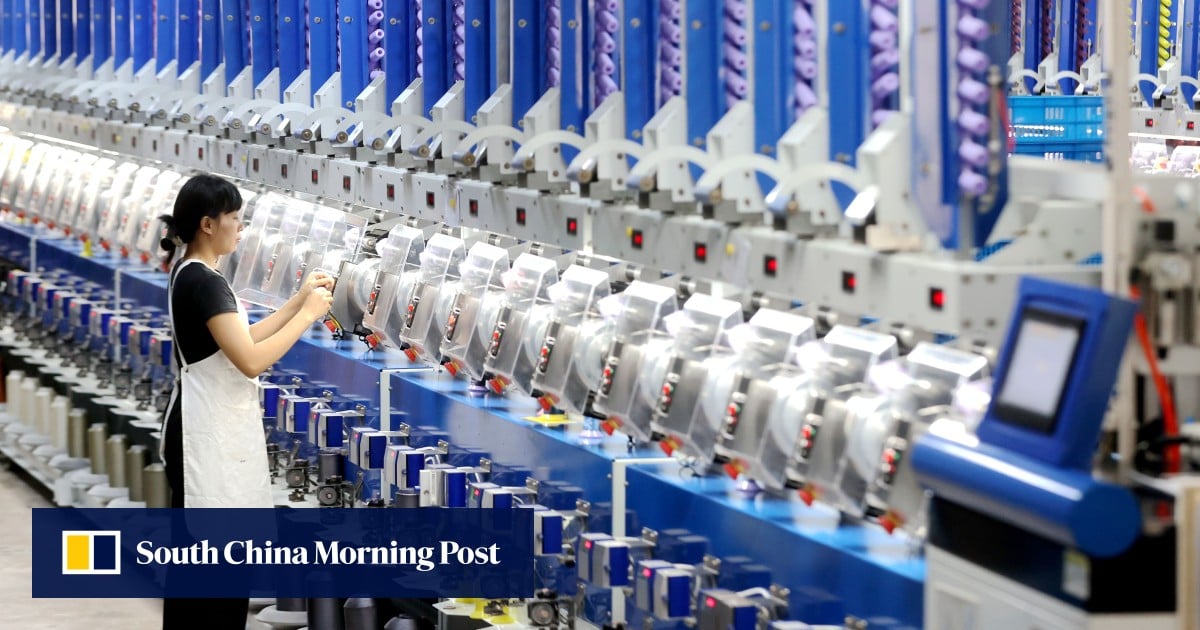
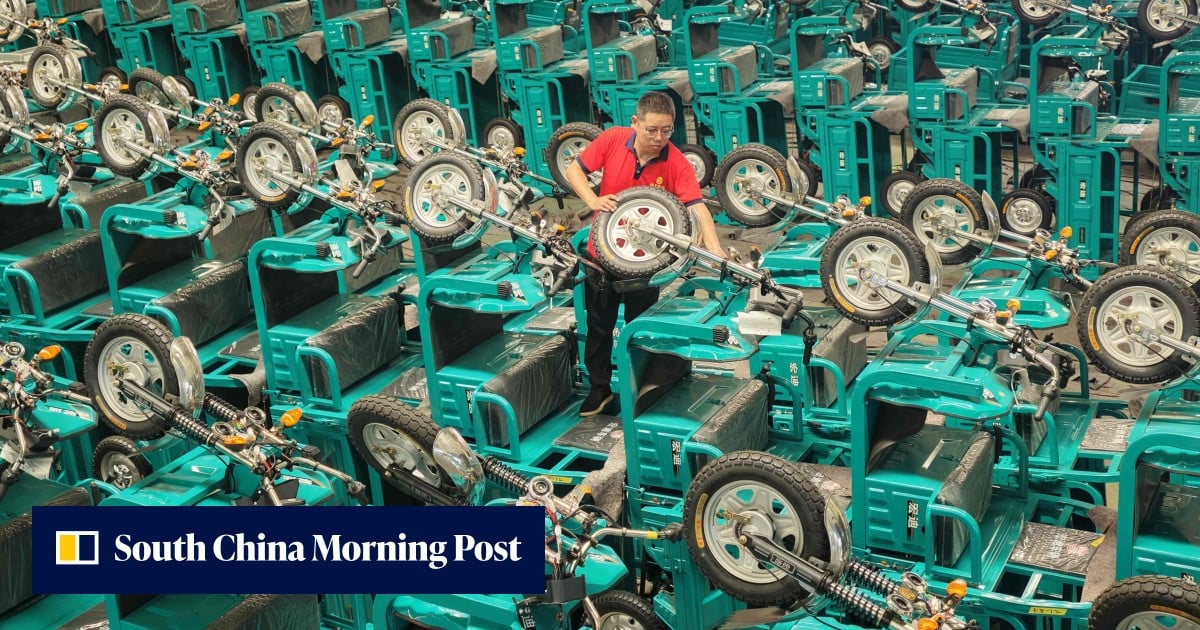
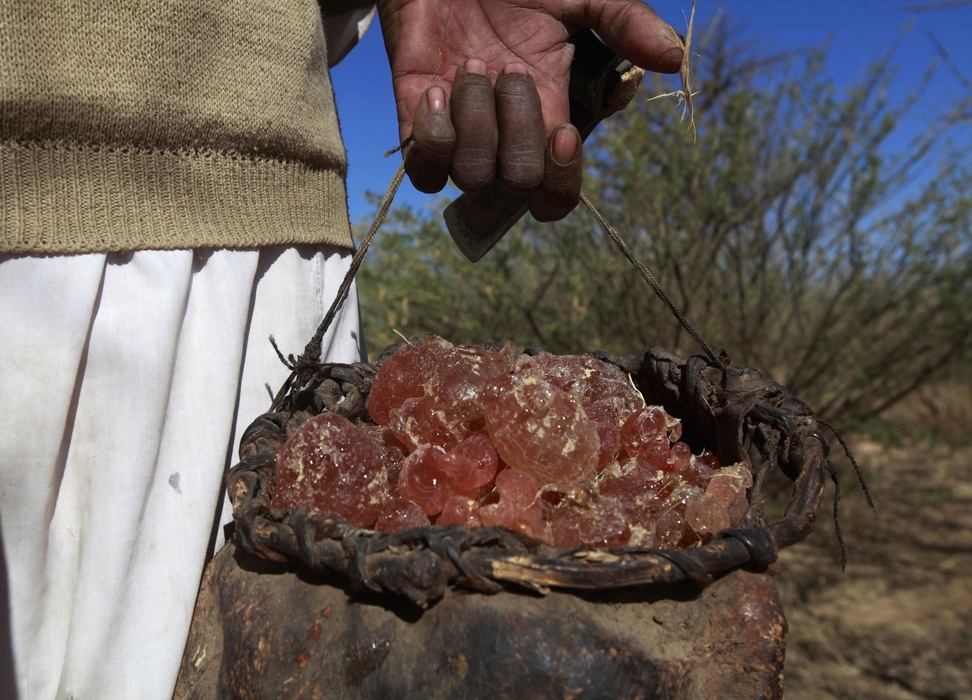
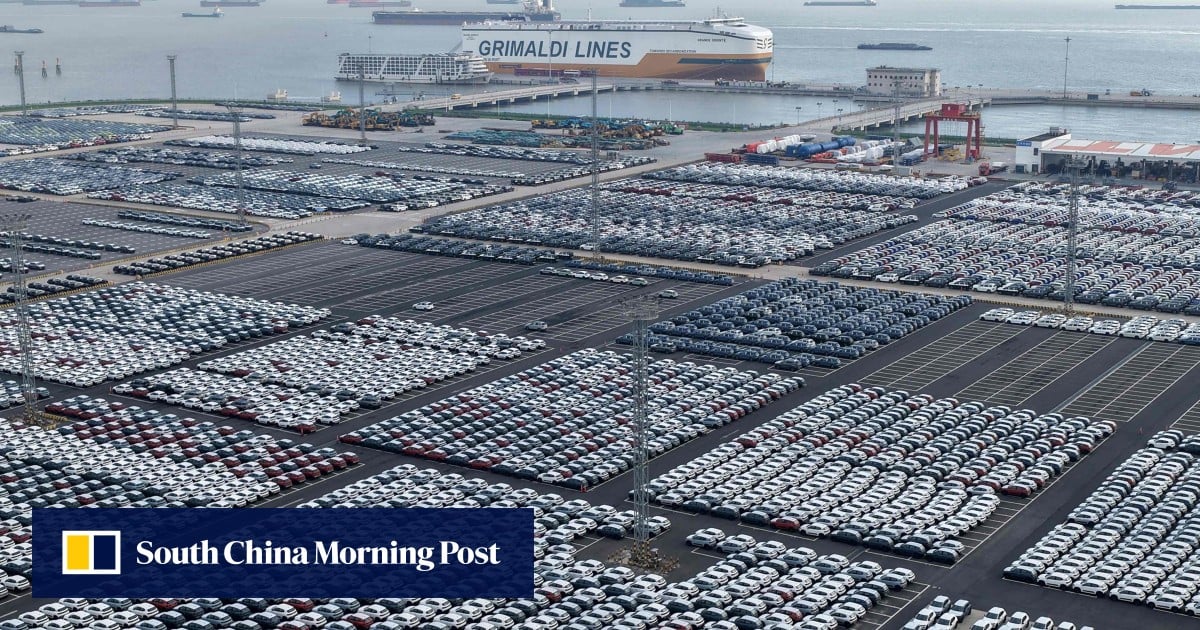
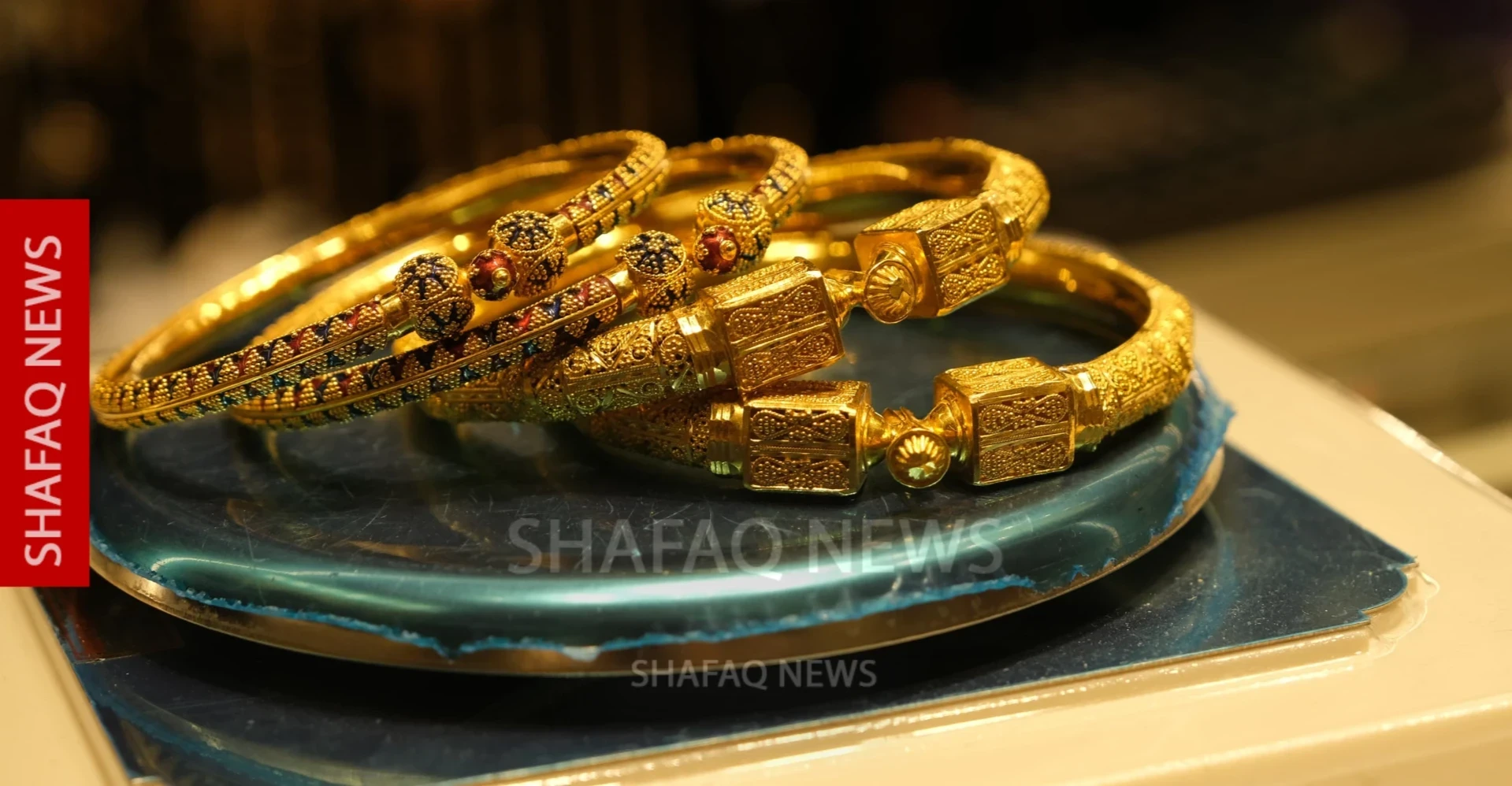
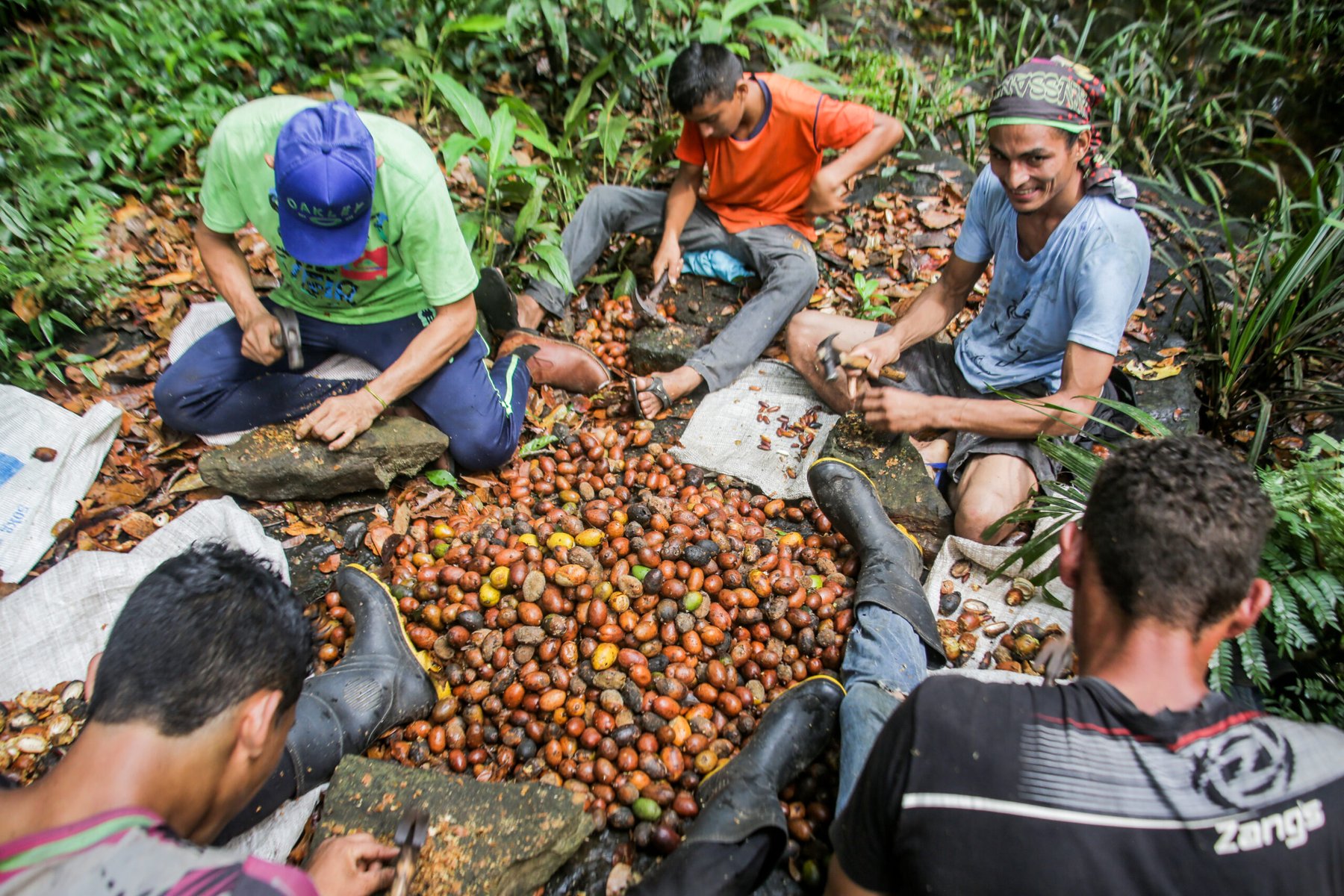
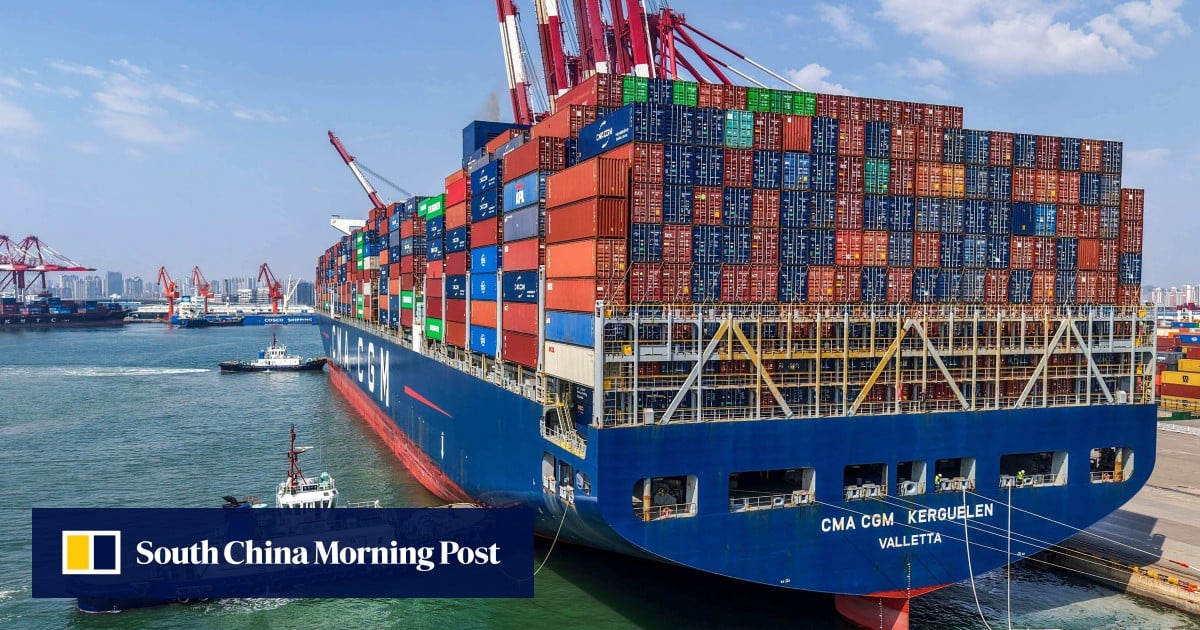
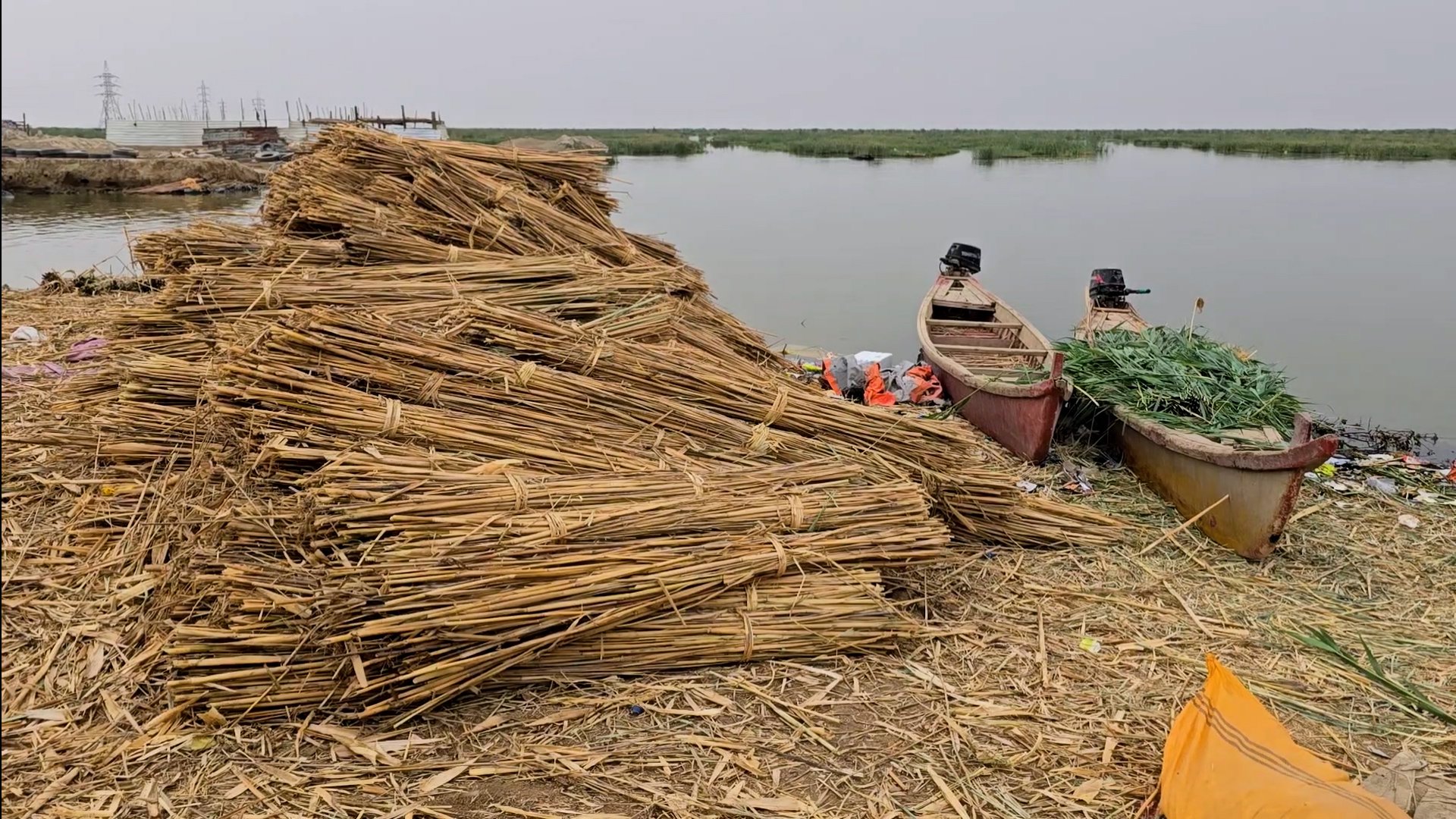
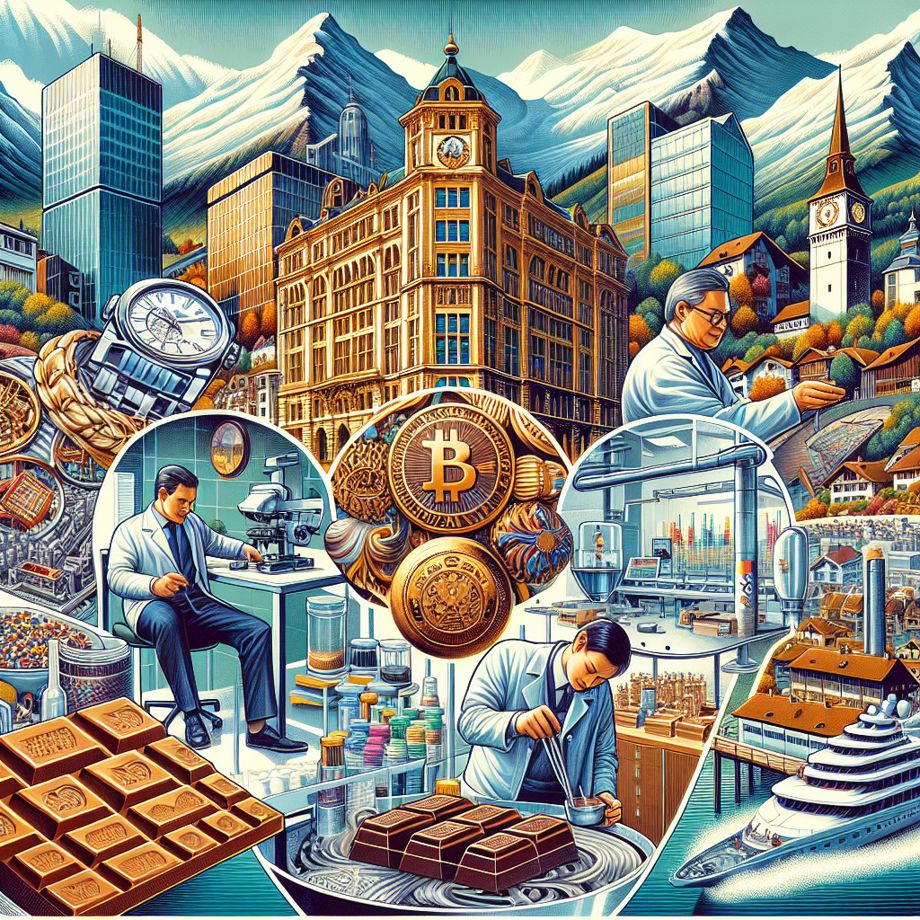
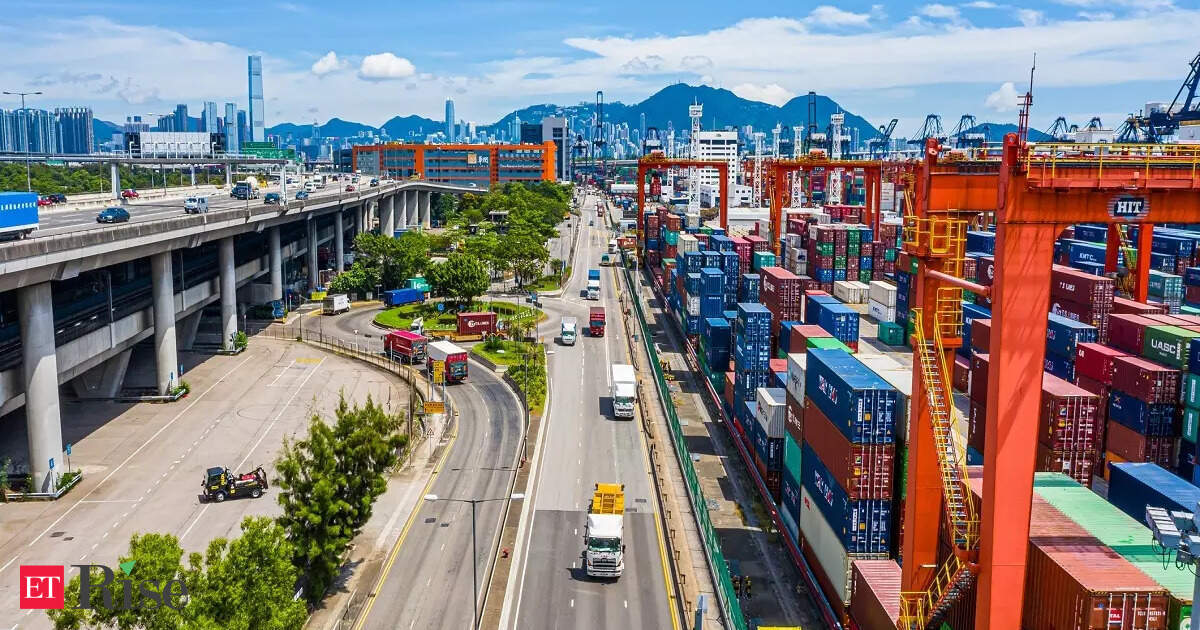
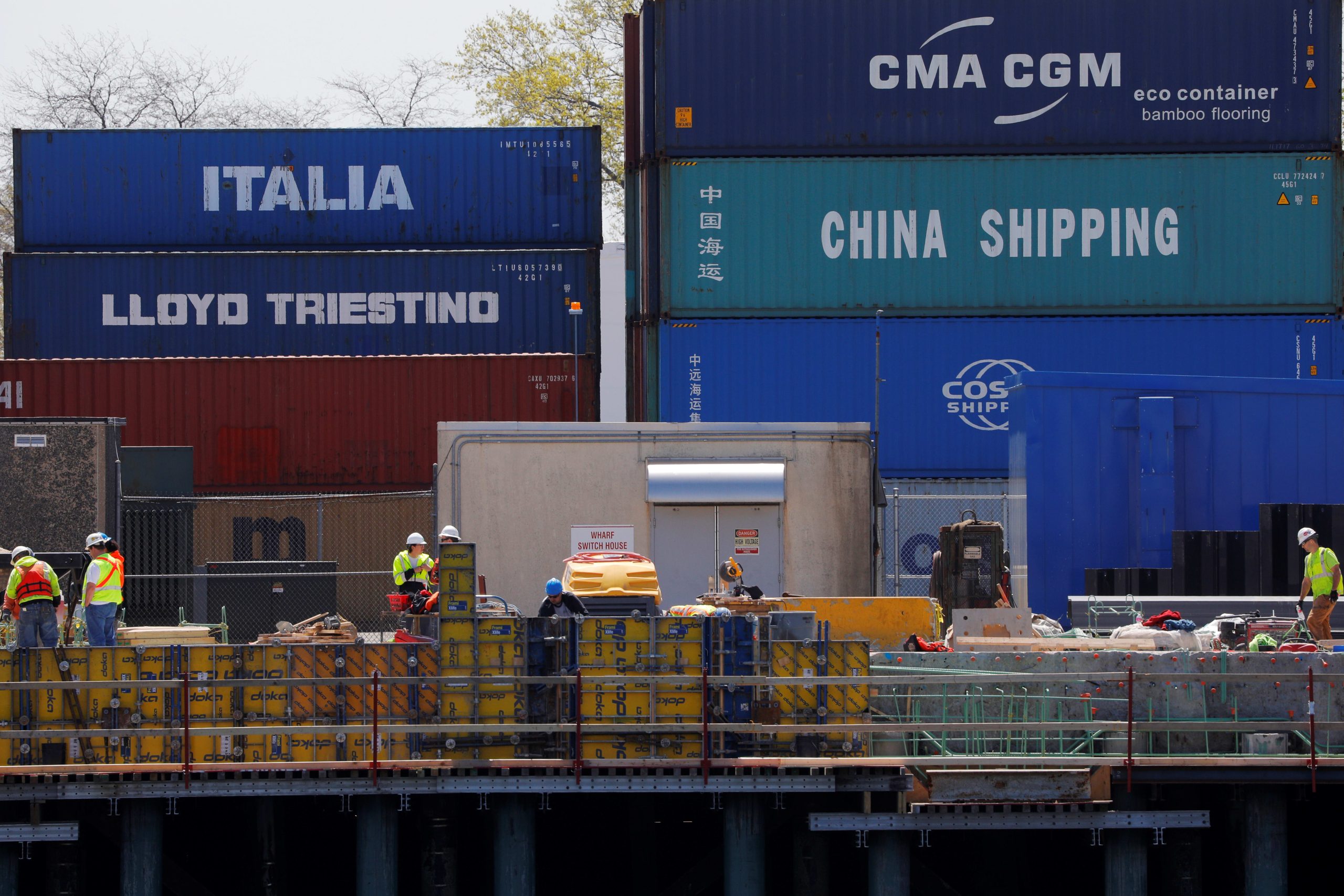
From cobalt for our iPhones and electric cars, to diamonds, to cacao for our chocolate bars, to waterways for cheap Chinese goods.
Maybe it’s time for Djibouti to charge a toll. God knows Europe already took a toll on Africa.