A government that works is one that can regulate itself and compel institutions to comply with the principles of good governance.
Governance is not merely about having policies, laws and oversight structures. Its purpose is to provide the systems through which decisions are made, accountability is enforced, risks are managed and organisational behaviour is directed. Ultimately, governance exists to create and protect sustainable value for stakeholders over the long term.
However, the true test of governance is not whether rules exist but whether institutions have both the authority and the willingness to enforce them.
We have recently seen this principle in action through two institutions that fall under the oversight of finance minister Enoch Godongwana — the National Treasury and the auditor-general. Though they exercise different statutory powers, both demonstrate that governance becomes meaningful only when non-compliance has consequences.
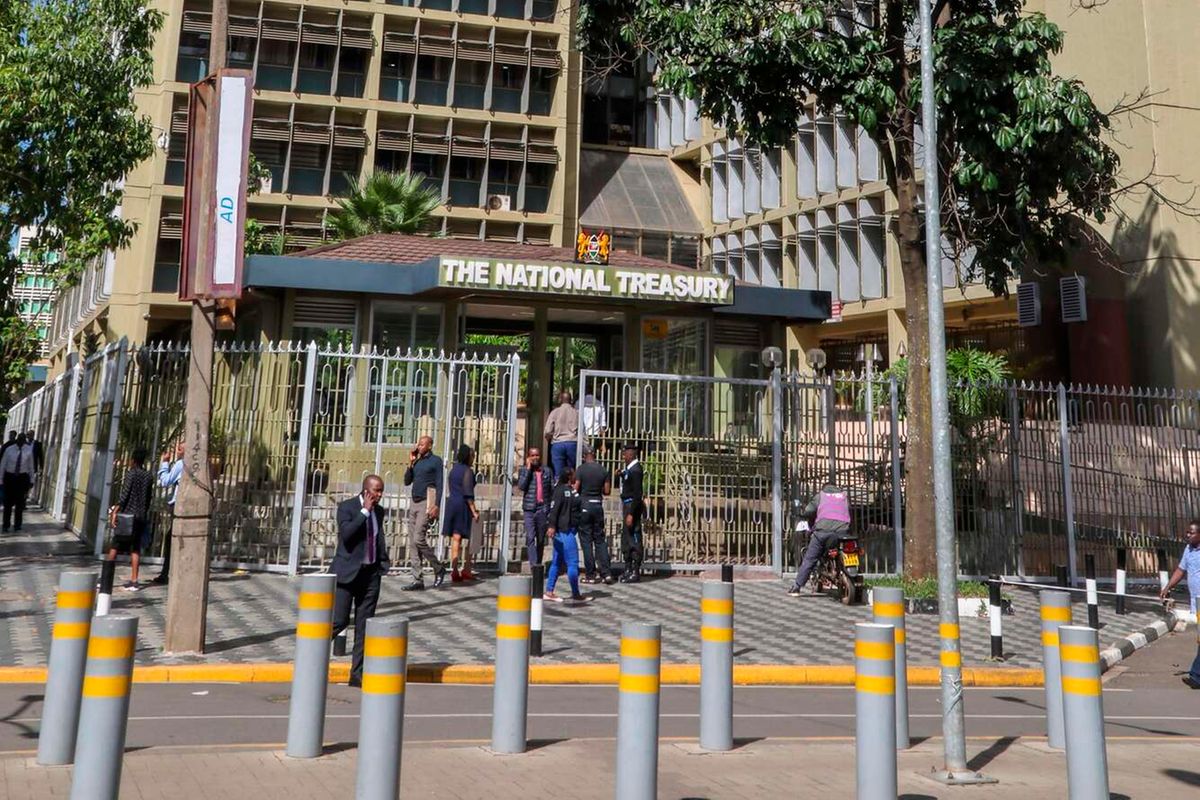
The Treasury serves as the government’s chief financial manager, ensuring public finances are managed prudently, transparently and in accordance with the law. Its oversight role extends beyond allocating public resources to enforcing financial discipline across all spheres of government.
Where municipalities fail to comply with the conditions attached to conditional grants, misuse public funds or repeatedly fail to meet reporting obligations, the Treasury may withhold or stop the transfer of those grants. It may also delay or reallocate funding where there is persistent underspending or a municipality lacks the capacity to implement funded projects. Before additional funds are released the Treasury can require corrective measures to address governance failures.
Earlier this month the Treasury temporarily withheld the July 2026 equitable share allocation to Johannesburg, together with allocations to 68 other municipalities, following persistent non-compliance with the Municipal Finance Management Act, high levels of unauthorised, irregular, fruitless and wasteful expenditure, and repeated failures to implement corrective measures despite sustained engagement.
The Treasury acted under section 216 of the constitution, which empowers it to stop the transfer of funds where an organ of state persistently breaches prescribed financial management measures.
Where municipalities fail to comply with the conditions attached to conditional grants, misuse public funds or repeatedly fail to meet reporting obligations, the Treasury may withhold or stop the transfer of those grants.
The Treasury’s powers are not unlimited. The equitable share is constitutionally protected because it funds essential municipal services. Any withholding must therefore comply with strict legal requirements and be carefully balanced against the need to protect residents from the consequences of poor governance. The Treasury’s challenge is to safeguard public resources without disrupting the delivery of essential services.
For this reason the Treasury’s first response is generally to strengthen oversight, impose conditions and require corrective action before resorting to more severe interventions.
Johannesburg’s case is significant because it demonstrates that the Treasury’s constitutional powers are not merely symbolic. They can be exercised even against one of South Africa’s largest metropolitan municipalities.
The withholding remains temporary and conditional, with the funds capable of being released once the Treasury is satisfied that the municipality has addressed the identified governance failures. The objective is not to punish municipalities but to compel compliance with financial management legislation and restore sound governance.
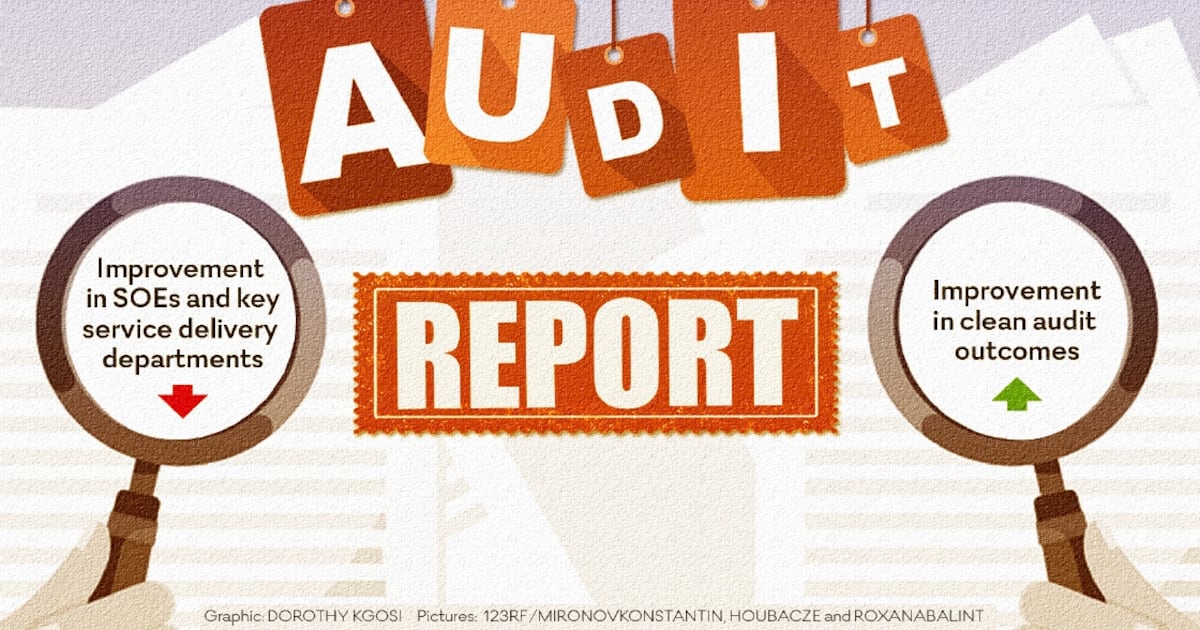
The office of the auditor-general has followed a similar trajectory. Since the 2019 amendments to the Public Audit Act it has moved beyond identifying governance failures to actively compelling corrective action through enhanced enforcement powers.
These powers have been exercised in several ways. The auditor-general has issued binding remedial directives requiring accounting officers to recover financial losses, strengthen internal controls and institute disciplinary proceedings. It has referred material irregularities to investigative bodies such as the Special Investigating Unit, the Hawks and the public protector, where those institutions possess the necessary investigative powers.
Most significantly, the auditor-general has begun using certificates of debt, its strongest enforcement mechanism under the amended legislation. In 2025 it issued its first certificate of debt against the municipal manager of the Ngaka Modiri Molema district municipality for more than R4.6m after the accounting officer failed to implement binding remedial action to recover losses arising from a material irregularity.
The approaches adopted by the Treasury and auditor-general differ, but their governance objective is identical.
The Treasury compels compliance through fiscal leverage by withholding or delaying funding where legislation permits. The auditor-general compels compliance through statutory accountability mechanisms, including binding remedial action, referrals to law-enforcement agencies and, where necessary, personal financial liability through certificates of debt.
Together, these institutions illustrate an important evolution in South Africa’s governance landscape. They have moved beyond merely identifying governance failures to actively enforcing compliance through legally prescribed consequences.
This is the clearest evidence of governance at work. Governance is measured by whether those entrusted with oversight possess both the authority and the resolve to enforce accountability when governance fails. It begins with rules, but governance is proven by consequences.
• Vilakazi is an academic and organisational development practitioner whose work focuses on how governance and power are exercised in institutions, particularly where they are misunderstood and misapplied.