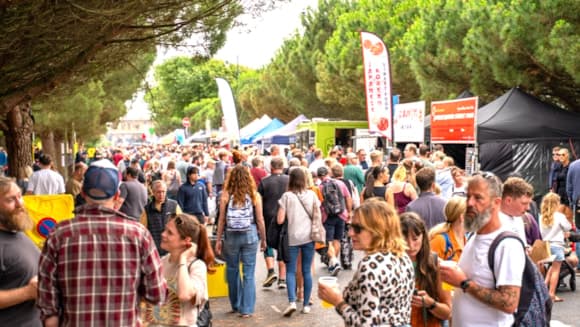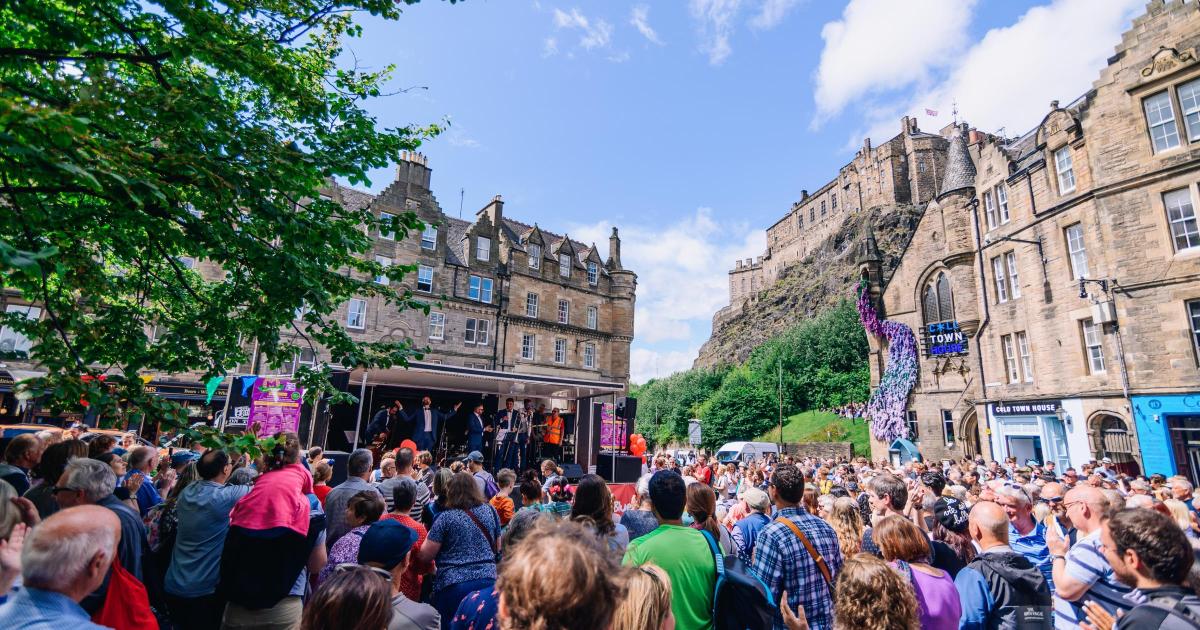
The new figures are based on the four million strong combined audience for events including the Edinburgh International Festival, the Fringe, the Tattoo, Hogmanay festival, and the city’s celebrations of books, jazz, film, science and last year.
Read more:
The report – which describes the festivals as “a unique civic asset” and “a major attraction” for people choosing to live, work, visit and invest in Edinburgh – reveals Edinburgh residents make up around 40 per cent of their ticket sales.
It suggests they are the number one reason for booking an overnight “leisure visit” to the city, above Edinburgh’s historic landmarks, its food and drink scene, sporting events or a shopping trip.

The research findings, which have emerged days after Edinburgh lost its annual television festival to Greater Manchester after 50 years, have prompted warnings about the risk of “complacency” over the future of the city’s festivals.
They currently get around £12m in public funding via the Scottish Government, Creative Scotland and Edinburgh City Council.

Around £3.6m was spent by the festivals on “creative talent” based in Scotland last year, with a further £6.6m spent on Scottish event production companies.
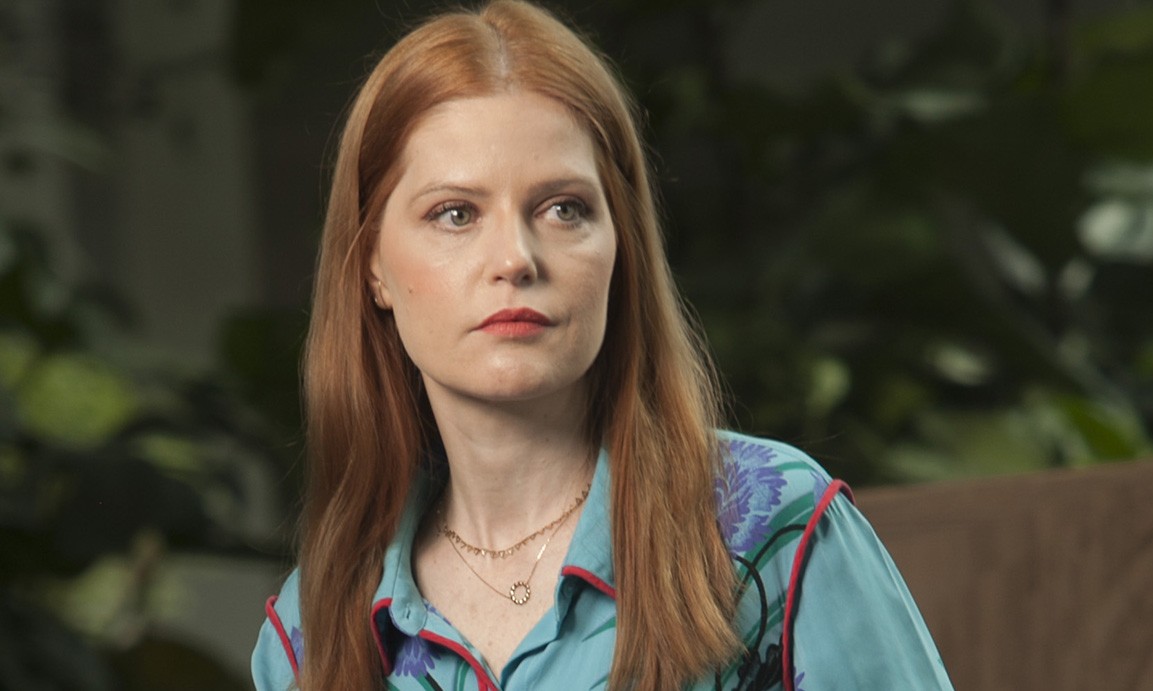
The new research does not include major outdoor concerts at Murrayfield or the Royal Highland Centre at Ingliston. Seven shows by Oasis, AC/DC, Chappell Roan and Sam Fender attracted an overall audience of more than 350,000 and have been valued at more than £105m to the economy.

The new research suggests the overall benefit of the festivals to the Scottish economy – which is based on their “full economic footprint” – rose to £852m last year from £620m in 2022, when the city’s festivals were able to fully return in the aftermath of the Covid pandemic.
The benefits to the city’s economy are said to have risen from £492m to £675m over the same three-year period.

The findings have emerged in the latest in a series of reports published by umbrella body Festivals Edinburgh since it was instigated nearly 20 years ago on the back of a “Thundering Hooves” initiative, which was set up to help the city deal with growing competition from rival cultural cities around the world.
A survey of around 8000 attendees at last year’s Edinburgh festivals found that 79 per cent of them believed that they made the city a special place to live in or visit, 89 per cent felt they created a “welcoming environment” in the city and 90 cent saw them as “unique places of cultural discovery”.

Festivals Edinburgh’s new report states: “The economic contribution of the festivals lies primarily in the expenditure made by audiences and thus highlights their role as leaders in the growing area of experiential cultural tourism.
“It is important to note that the festivals themselves do not benefit from such economic impacts. The vast majority of this impact is felt instead in hospitality and tourism sectors such as accommodation, food and drink, shopping and transport.
“Their economic impact is therefore larger for the wider economy of Edinburgh and Scotland than it is for the cultural economy.
“The scale of the Edinburgh festivals places the city and the country in the global echelons of the creative, cultural and events world.
“They are a priceless brand that has resonance across the world and bring a matchless world-wide profile that many nations have sought unsuccessfully to emulate.
“They are a beacon that provides not only a stage for culture, but a message about the vibrancy of both Scotland and the UK to the world.
“They are a national asset of strategic importance whose contribution to Scotland must be vigorously championed and securely sustained through public investment.
“Such investment is essential, given that the substantial national returns the Edinburgh festivals generate far exceed the resources received by the festivals themselves.”
The new report has been published in the run-up to the 80th anniversary of the Edinburgh International Festival, the Fringe and the film festival, all of which were instigated in 1947.
Festivals Edinburgh director Lori Anderson told The Herald there was a need to guard against “complacency” over the future of the city’s major events and ensure their funding is increased to help them tackle the impact of rising costs.
She added: “The 80th anniversary is a moment to reflect on how resilient the festivals have been, but also what is needed to keep them going and where we want to see them going in future.
“There is no getting away from the question of funding. The festivals need sustained, committed, long-term, multi-year funding to support their core work.
“The wider economic benefits of the festivals only happen if you invest in their cultural programming. Everything else flows from that.
“This report shows all the knock-on benefits for the city and across Scotland from the festivals, but there needs to be support and recognition of their value.
“Most of the festivals have had many years of static funding and real-terms cuts in terms of inflation. We have not seen any significant increases in terms of their funding.
“The festivals have been hugely resilient, but we cannot be complacent about them about continuing in the way they are now if there is no new investment in their cultural programming, which is clearly what is needed.”
A spokesperson for the Edinburgh Festival Fringe Society, the arts charity which oversees the city’s biggest cultural event, said: “We welcome the report, which highlights the positive contribution Edinburgh’s festivals make to residents, visitors, businesses and artists alike. The report demonstrates the significant collective value of the festivals in supporting the city’s culture, community and businesses.
“As we approach the 80th anniversary of the Edinburgh Festival Fringe, and the landmark which placed Edinburgh as a world-leading festival city, we look forward to continuing to collaborate with fellow Edinburgh festivals to amplify benefits and to highlight where further investment should be focused for the greatest return.”
A spokesperson for the Scottish Government insisted that investment in Edinburgh’s festivals had been “substantially increased” in recent years.
The government highlighted £500,000 recently allocated to the Fringe Society for “digital transformation projects, and Creative Scotland’s latest long-term funding programme, announced in January 2025, which would amount to more than £20m million in support for the city’s events over a three-year period.
Culture secretary Màiri McAllan said: “The Edinburgh festivals are truly world class — and this research confirms their extraordinary cultural, social and economic value to Scotland.
“A projected national economic impact of £4.26 billion over the coming five years, 90 per cent of audiences describing them as unique places of cultural discovery, and 79 per cent of Edinburgh residents saying they make the city a special place to live — these are remarkable findings.
“As we approach the 80th anniversary of Edinburgh’s status as a festival city, the Scottish Government is proud to champion the festivals and committed to ensuring they continue to thrive for the benefit of people across Scotland and on the global stage.”
Margaret Graham, the city council’s cultural leader, said: “Edinburgh’s festivals are at the heart of what makes our city so special, bringing together residents and visitors to enjoy thousands of shows and events throughout the year.
“This research highlights that these celebrations deliver significant cultural, social, and economic benefits, supporting local communities and businesses while enhancing the city’s global reputation.
“As we approach the 80th anniversary of our festivals, we remain committed to supporting their future while balancing the needs of residents, visitors, and business, ensuring Edinburgh continues to thrive as a world-leading festival city.”