Approximate read time: 10 minutes
1. Public debt in the UK
The UK government generally spends more than it receives in taxes and other income. The resulting annual deficit in the public finances means the government borrows money to cover the extra spending. In the financial year 2025/26, net borrowing totalled £128bn, 4.2% of the UK’s gross domestic product (GDP). Figure 1 shows that a period of falling deficits (as a percentage of GDP) in the 2010s was followed by a sharp rise in 2020/21 during the Covid-19 pandemic. The deficit then fell sharply to around its current level and is forecast to decline to less than 2% of GDP by 2030/31.
Public debt is the total amount the government owes from past borrowing. In May 2026, UK public sector net debt was £2.98tn, around 95.1% of UK GDP. Figure 2 shows that public debt rose as a percentage of GDP in the period from 2009/10 to 2016/17 before declining slightly before the Covid-19 pandemic, when it rose sharply to around its current level.
In the year 2025/26, the net interest paid on this debt was around £109bn, 3.6% of UK GDP. Figure 3 shows that, as a percentage of GDP, debt interest in 2025/26 was roughly double that of the five years up to 2019/20.
Figure 1. Public sector net borrowing (% of GDP)

Figure 2. Public sector net debt (% of GDP)

Figure 3. Central government debt interest (% of GDP)

2. Does high public debt undermine economic growth?
In a policy paper in January 2026, Jack Salmon of the Mercatus Center, a “market-oriented” think tank, outlined some of the arguments for why high or rising public debt levels undermine long-run economic growth. He said growth could be hampered by high levels of debt making the public finances unsustainable, younger generations bearing the cost of previous generations’ debts, and reduced opportunities for the government to borrow to invest because of existing high debt. This could result in lower private investment and investors demanding higher interest rates to cover inflation and credit risk.
Mr Salmon argued that government deficit spending has the effect of “crowding out” private investment: “The government borrows more to finance growing budget deficits” and thereby “competes with the private sector for available savings”. Higher government demand for credit pushes up interest rates, which have “a negative ripple effect throughout the economy”.
Mr Salmon highlighted a related impact of deficit spending—investors’ assessment of the risk of higher inflation. Deficit spending can increase inflationary pressures which could, if sustained, “trigger a loss of confidence in the government’s fiscal and monetary credibility”. He said investors could demand higher interest rates to account for this risk, pushing up debt interest costs for the government.
2.1 Is there a “threshold” level of public debt that threatens economic growth?
One idea that guided much of the academic debate in the aftermath of the 2008 global financial crisis was that public debt above a certain “threshold” is associated with lower economic growth. This threshold is measured as public debt as a proportion of GDP.
An influential paper in 2010 by Harvard University economics professors Carmen Reinhart and Kenneth Rogoff examined the historical relationship between public debt and economic growth. They claimed that, when public debt exceeds 90% of GDP, average economic growth tends to be lower.
This paper was widely cited by policymakers in the years after its publication, as many governments adopted deficit reduction and debt control following the financial crisis. The Nobel Prize-winning economist Paul Krugman said the “Reinhart-Rogoff [paper] may have had more immediate influence on public debate than any previous paper in the history of economics”.
Some economists supported the case made by Reinhart and Rogoff, arguing that countries tend to experience lower growth when public debt exceeds 85% to 100% of GDP. However, others refuted this argument, instead claiming that there is no evidence for a “threshold effect”. For example, Thomas Herndon et al pointed to errors in the original work done by Reinhart and Rogoff which, they claimed, substantially weakened the evidence for a sharp threshold effect.
3. Is the cost of public debt lower than generally assumed?
In 2019, the then president of the American Economic Association (AEA), Olivier Blanchard, challenged the view that high levels of public debt necessarily impose a significant economic burden. He delivered an influential lecture in which he argued that the cost of public debt was “substantially smaller than the current consensus”.
As one of the leading figures within “New Keynesian” economics—a school of thought that seeks to build on the ideas of the 20th century economist John Maynard Keynes—he revisited the “standard argument” for deficit-financed spending, particularly its role in boosting demand when the economy is in recession.
The central argument of his lecture was that when the average interest rate on government debt is below the rate of economic growth, higher public debt is less burdensome than usually assumed. His analysis focused on the United States but he claimed that the argument applied to other countries, including the UK.
Mr Blanchard argued that governments may have greater scope to sustain higher debt levels without triggering instability in the public finances or crowding out private investment:
The bottom line is that the cost of debt is probably positive, but it is substantially smaller than the current consensus. The implication of this is that, in the future, we should probably revisit the fiscal rules that we are using.
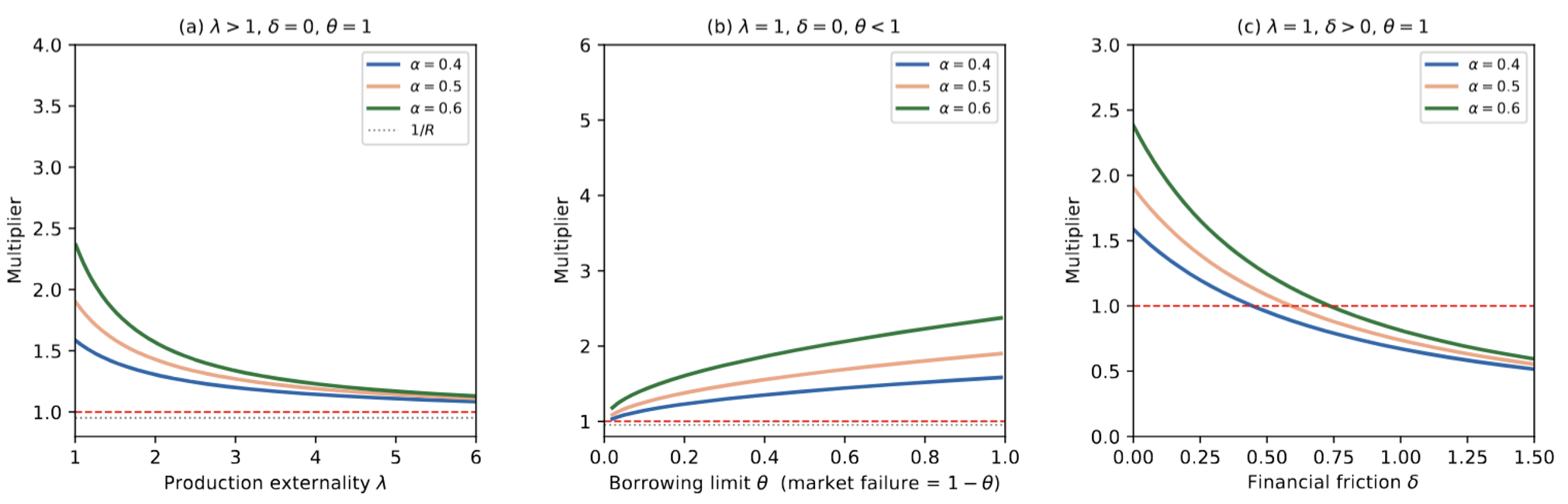
Other economists have argued along similar lines: that increases in the deficit, especially in downturns, can generate positive “multiplier” effects. The International Monetary Fund has argued that public investment focused on high-quality infrastructure can have a positive impact on growth, particularly when there is spare capacity in the economy.
Although interest rates on government debt have risen since Mr Blanchard’s lecture in 2019, he said the historic norm was for growth rates to exceed the average interest rate on government debt. He said this was the case for every decade since the second world war, apart from the 1980s.
However, Mr Blanchard said debt can pose a fiscal risk without “credible medium-term fiscal strategies”. Otherwise “higher interest rates, growing investor concerns, and, in extreme cases, debt crises may follow”.
4. Since the government can issue its own currency, should we rethink our approach to public debt?
An alternative view is held by those who advocate what is known as modern monetary theory (MMT). MMT is an economic theory that holds that governments that issue their own sovereign currency (such as the US or the UK) can create new money to finance public expenditure, without necessarily relying entirely on taxes or borrowing. Stephanie Kelton is one of the leading proponents of MMT, which she argued “radically changes our understanding [of government deficits] by recognising that it is the currency issuer […] not the taxpayer, that finances all government expenditures”.
In her 2020 book, ‘The Deficit Myth’, Professor Kelton criticised what she called “deficit hysteria” for holding back recovery after the global financial crisis, arguing that “bigger deficits would have enabled a faster and stronger recovery”. She argued that MMT demonstrates that the government is “not dependent on revenue from taxes or borrowing to finance its spending and that the most important constraint on government spending is inflation”.
Although Professor Kelton was writing for a US audience, she said her arguments applied “to any monetary sovereign—countries like the US, the UK, Japan, Australia, Canada, and others—where the government is the monopoly issuer of a fiat currency”.
Professor Kelton made the case that deficits are not evidence of overspending:
Suppose the government spends $100 into the economy but collects just $90 in taxes. The difference is known as the government deficit. But there’s another way to look at that difference. Uncle Sam’s deficit creates a surplus for someone else. That’s because the government’s minus $10 is always matched by a plus $10 in some other part of the economy. The problem is that policy makers are looking at the picture with one eye shut.
She argued that, as the issuer of a sovereign currency, the government does not have to compete with private borrowers for access to a limited supply of savings. As a result, deficits do not crowd out private investment or undermine long-term growth, as is conventionally assumed.
However, MMT has been criticised by a number of economists. For example, economist Eduardo Espinosa argued that MMT “minimises macroeconomic problems” such as a country’s reliance on foreign currency and external financing, rendering the framework “incomplete and biased”. Paul Krugman has also raised concerns that an MMT approach would lead to very high inflation.
Consequently, while the debate on public debt among economists continues to evolve in response to changing economic circumstances, the perspectives discussed here offer distinct insights into the risks and benefits associated with different approaches. The challenge for policymakers is to balance those risks and opportunities in light of competing policy objectives.
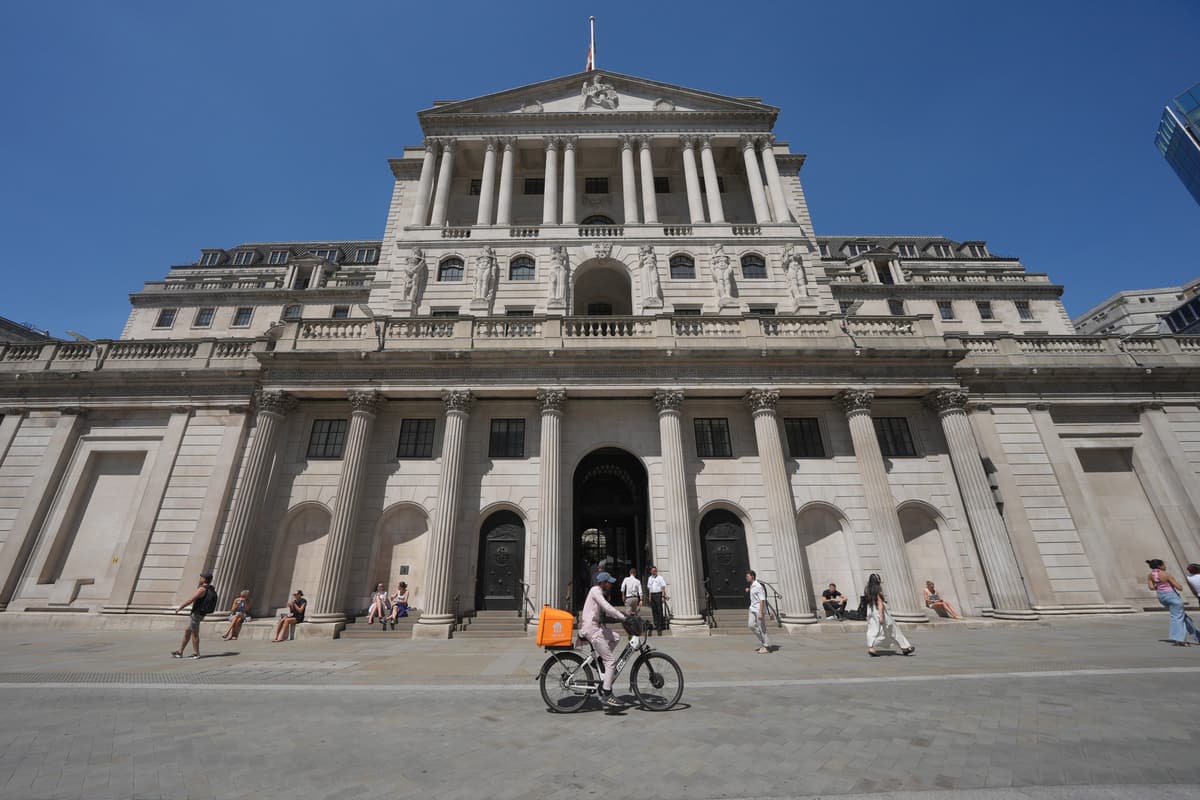
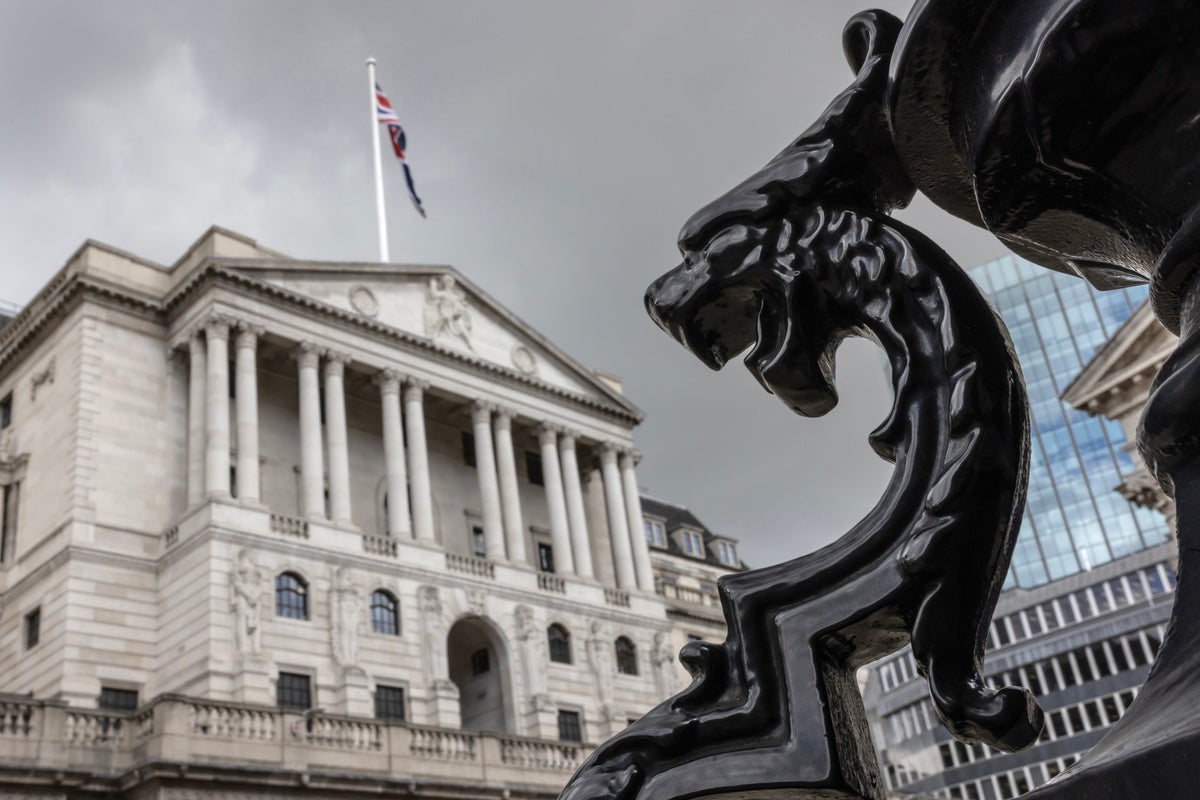
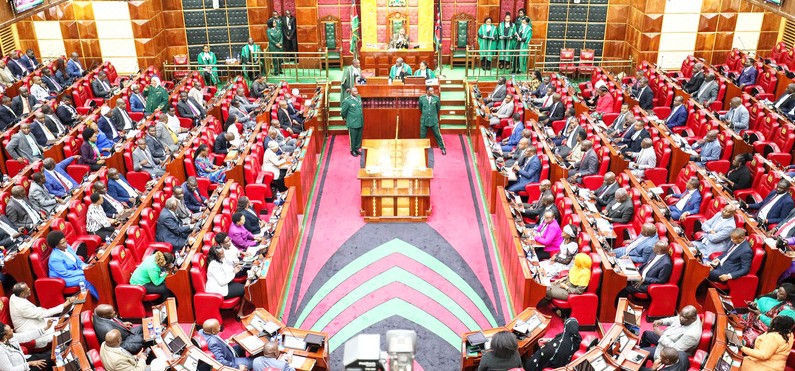
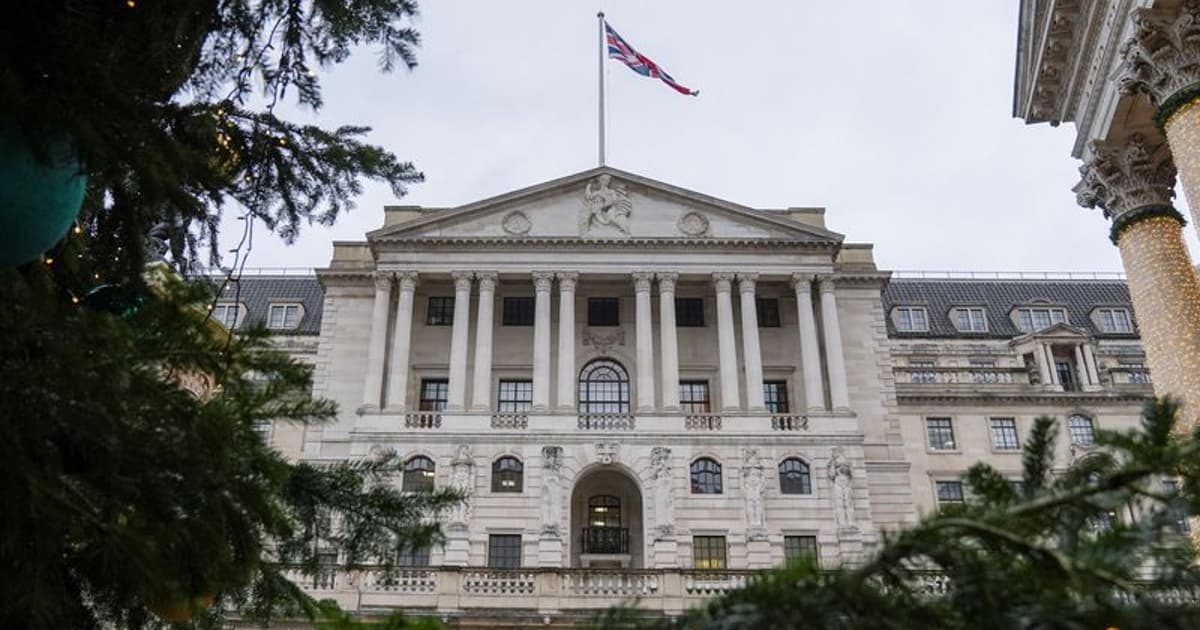
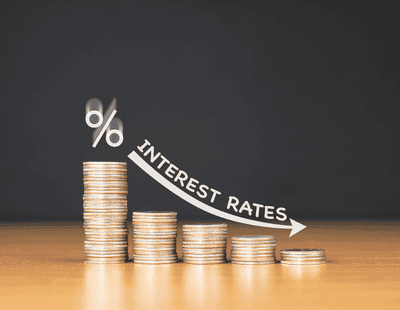
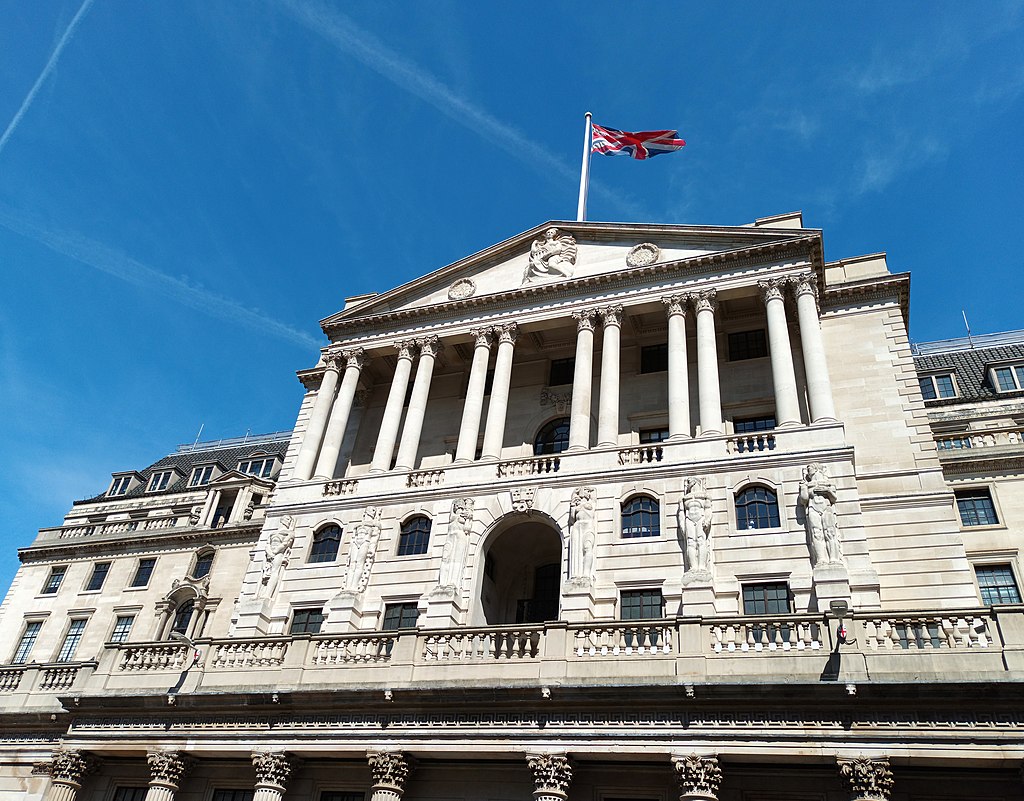
Image by acediscovery on Wikimedia Commons.