The Government’s recently renewed Women’s Health Strategy rightly recognises violence against women and girls as a public health crisis with profound mental health consequences and reaffirms its ambition to halve it within a decade.
But one-size-fits-all mental health provision does not work for survivors of domestic abuse.
Women who experience abuse are significantly more likely to attempt suicide, self-harm, and experience PTSD.
There are now more domestic abuse-related deaths by suicide than by homicide, with at least two women dying by suicide every week following abuse (NPCC, 2024).
Survivors are often coping with complex trauma, coercive control and ongoing risk. Yet too often they are routed into short-term, protocol-driven therapies, such as Talking Therapies, that are not designed to address trauma of this nature. Many disengage or are left feeling the system has failed to understand their experience.
Woman’s Trust is the leading mental health specialist for women recovering from domestic abuse.
For 30 years, it has addressed trauma and helped rebuild lives long after the violence ends.
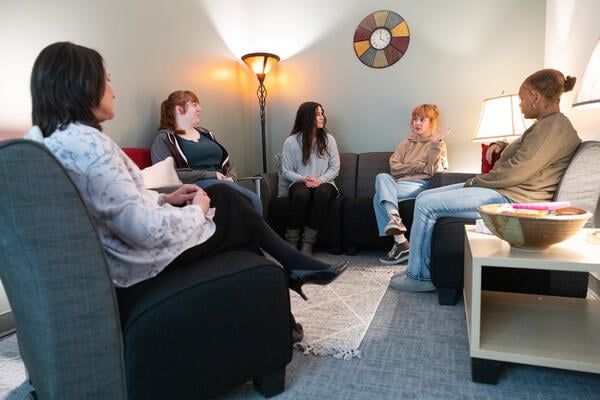
We see every day that recovery requires tailored, long-term support delivered by practitioners who understand the dynamics and impact of abuse.
If the Government is serious about improving women’s mental health and tackling violence against women and girls, it must invest in specialist support for survivors.
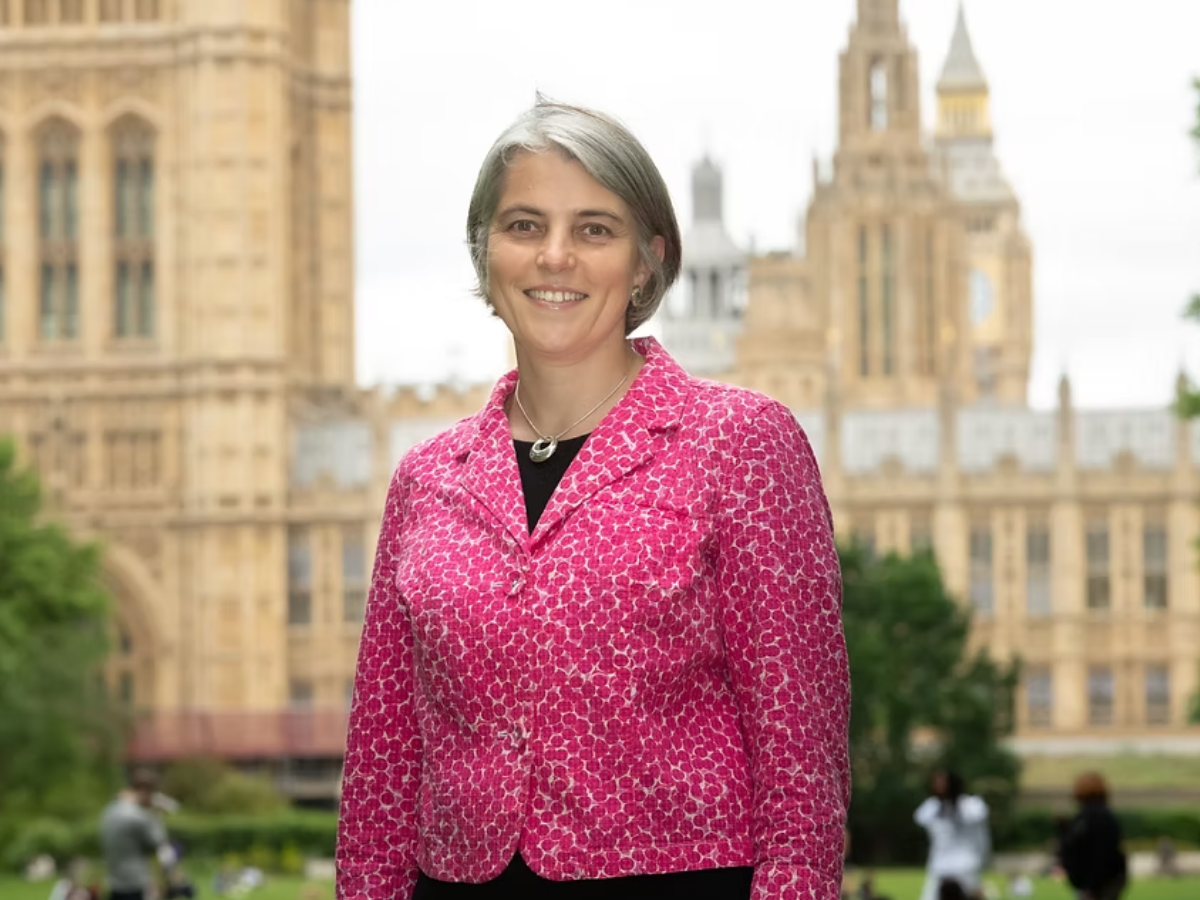
Alice Piller-Roner, CEO of Woman’s Trust