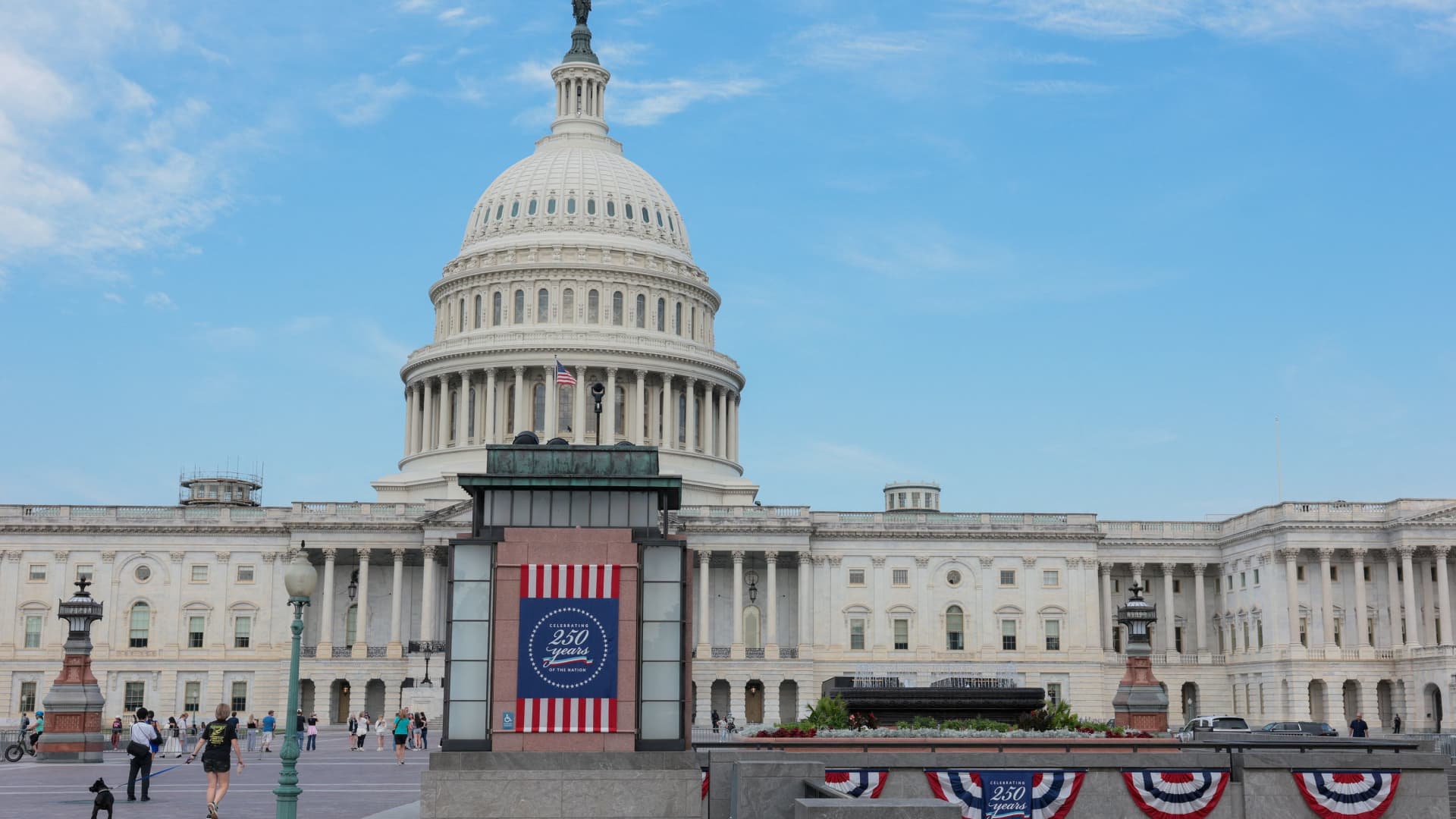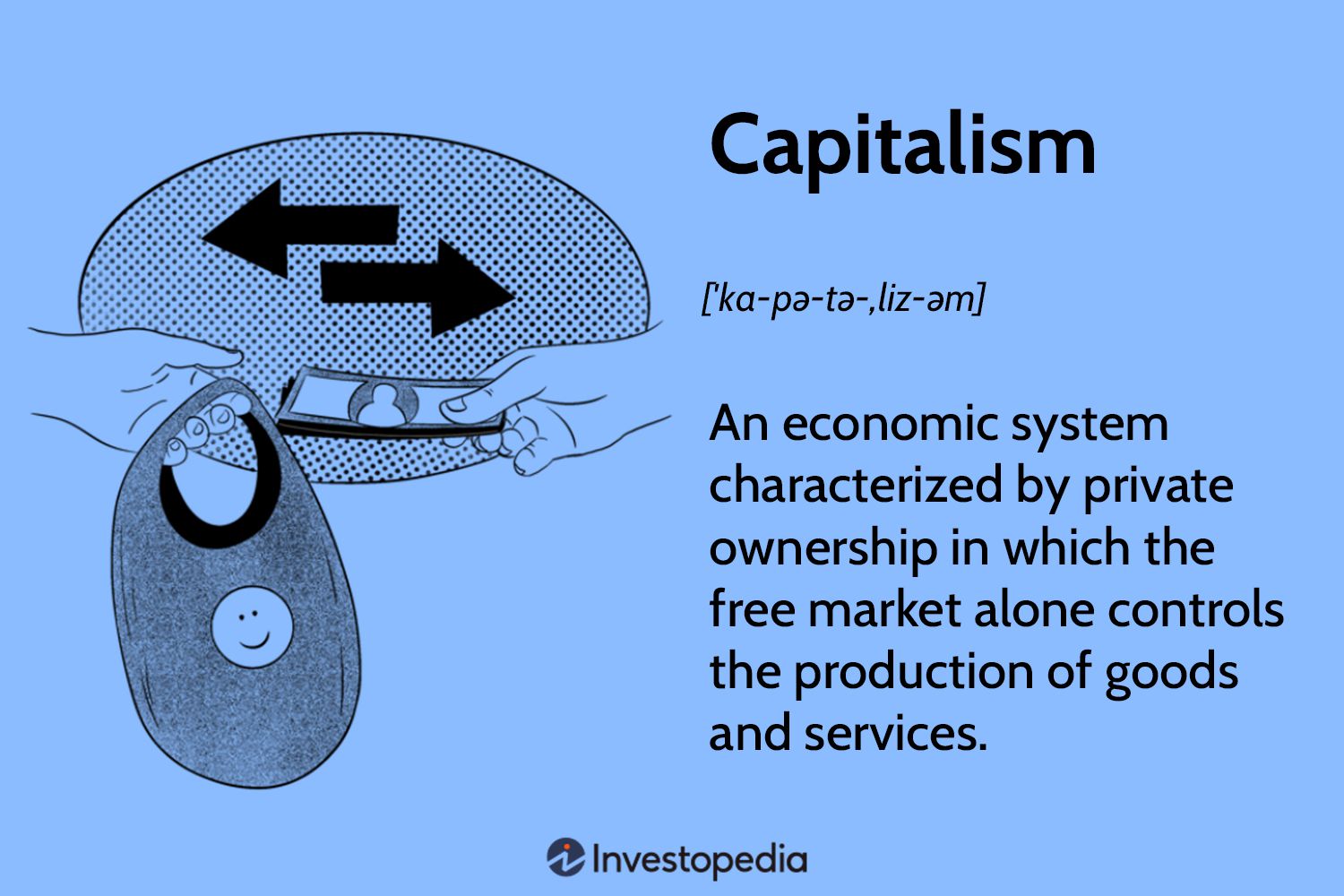
As Americans celebrate the nation’s 250th birthday, it is worth reflecting on one of the enduring principles that has fueled American prosperity since 1776: free markets allocate resources better than bureaucracies.
That principle was on display in the Federal Communications Commission’s recent wireless spectrum auction. The auction exceeded expectations, generating more than $3.5 billion in gross winning bids and demonstrating the continued value of market-based spectrum allocation. Seventeen bidders competed for 200 licenses in 72 rounds. At a time when technological leadership is increasingly tied to economic strength and national security, the auction marks an important step in restoring America’s wireless edge.
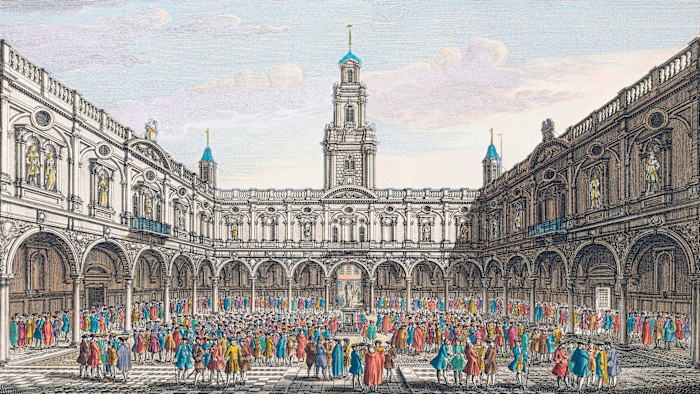
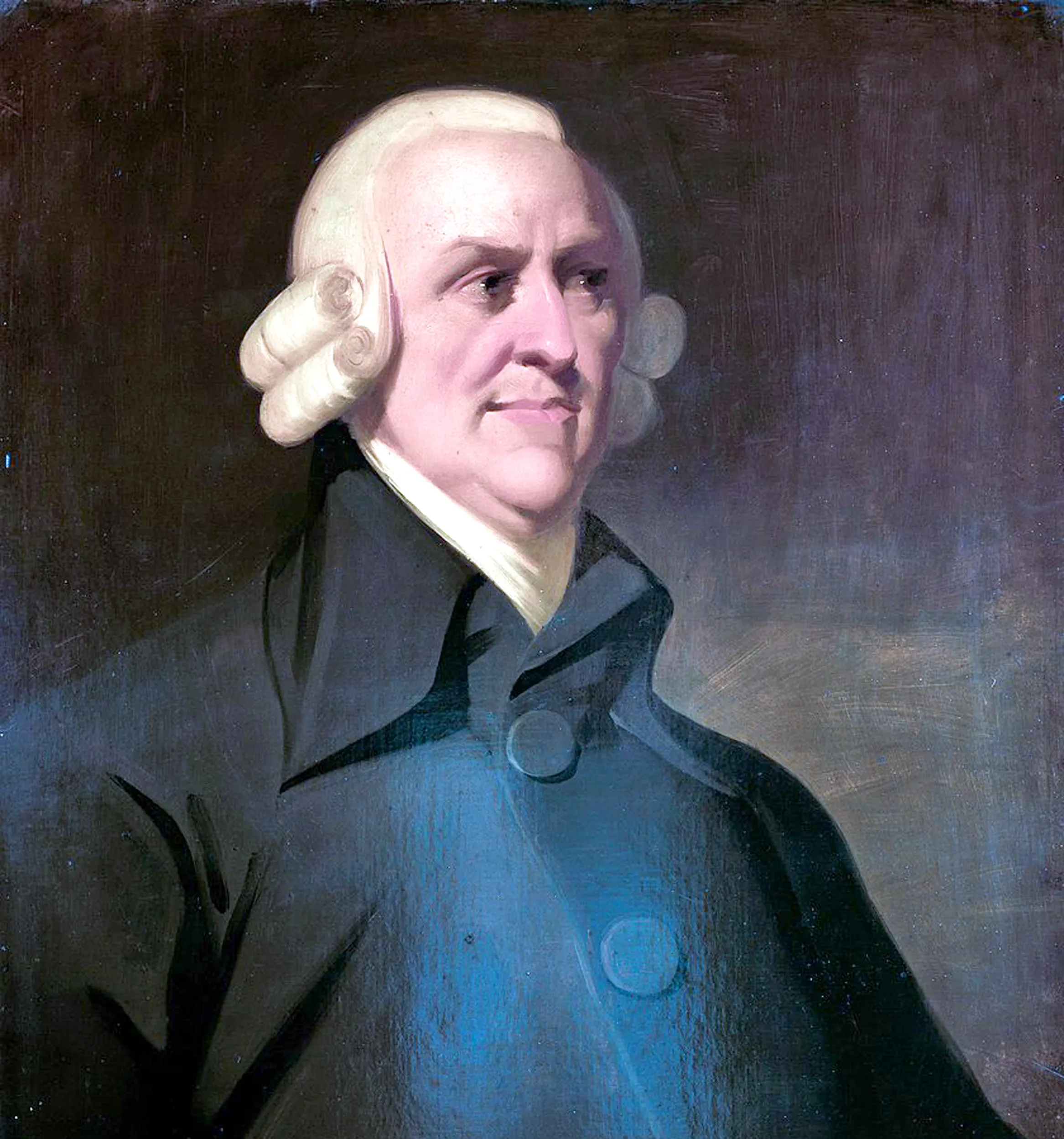
The connection to America’s founding is not as distant as it may seem. The Declaration of Independence established the foundations of a modern market economy through its commitment to liberty, property rights and the rule of law. In that same year, 1776, Adam Smith published “The Wealth of Nations,” articulating a simple but powerful insight: competitive markets generally allocate resources more efficiently than central planners.
Modern spectrum auctions are a sophisticated expression of that same principle. In fact, the 2020 Nobel Prize in Economic Sciences was awarded to scholars whose work helped inform the spectrum auction design.
Spectrum auctions direct scarce airwaves toward providers that can deploy them most effectively, creating incentives for investment, innovation and competition. The recent auction is particularly significant because it redeployed valuable underused mid-band spectrum. Those airwaves can now be put to productive use, expanding network capacity and supporting the next generation of wireless services. Consumers ultimately benefit through stronger networks, more competition and lower prices.
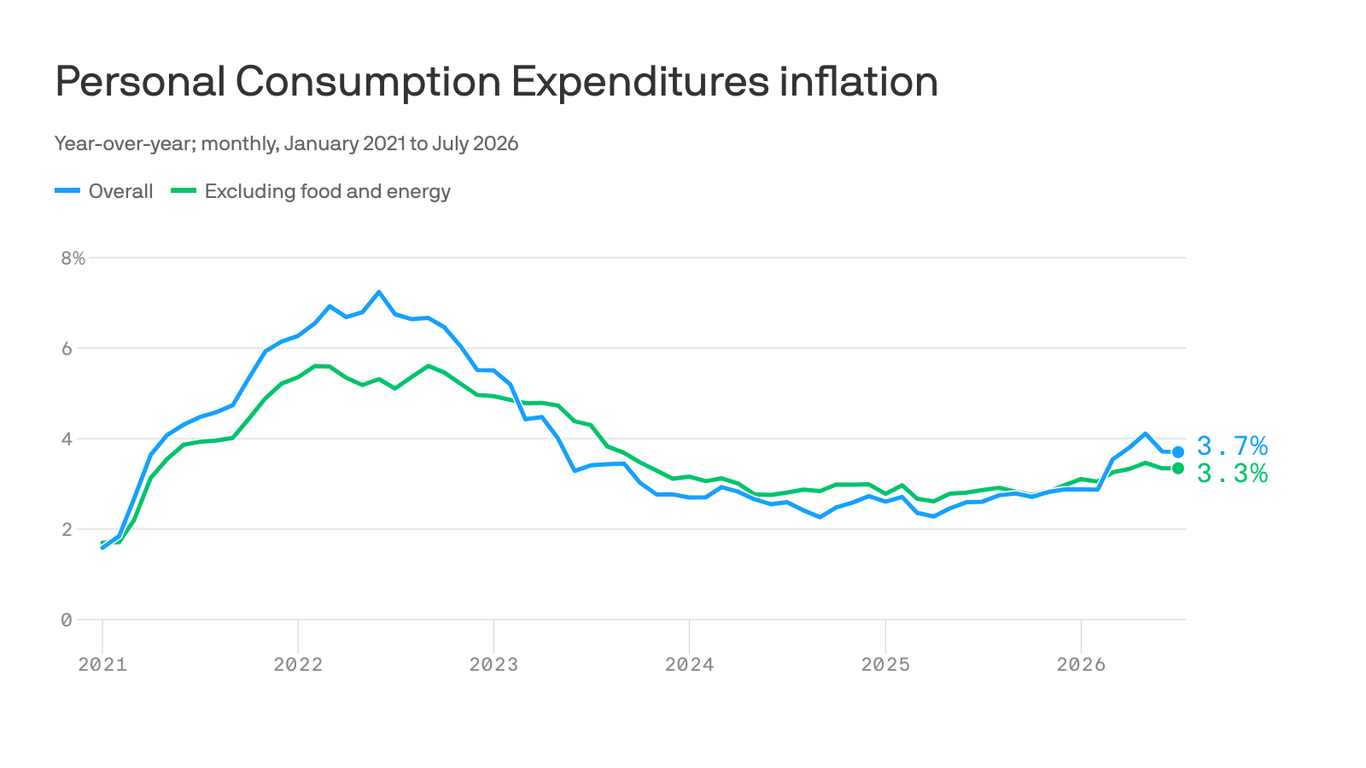
Indeed, wireless service remains the best value for money in the American economy. Even as Americans endure inflation across a wide range of goods and services, wireless prices have fallen substantially while network performance has improved dramatically. That success did not happen by accident. It reflects years of investment and policies that encouraged deployment and competition, including the successful push to accelerate 5G deployment.
The auction is also significant because it represents a break from years of spectrum stagnation in which the FCC’s spectrum auction authority lapsed for the first time in the agency’s history. The expiration sidelined one of the federal government’s most successful market-based mechanisms for allocating resources. During that period, the FCC was unable to conduct new spectrum auctions, leaving valuable spectrum on the sidelines, creating uncertainty for investors, and slowing the process of bringing additional wireless capacity to market.
Congress ultimately corrected that mistake by restoring the FCC’s auction authority through the Working Families Tax Cut Act. Less than a year later, the FCC put that authority to work and debuted a state-of-the-art auction application system. This success demonstrates a renewed commitment to efficiency, execution and modernization at the commission.
Credit is due to FCC Chairman Brendan Carr for moving aggressively to restore momentum. The FCC is executing an ambitious spectrum strategy designed to strengthen America’s position in 5G and emerging 6G technologies. The commission is implementing a pipeline that will make 800 megahertz of spectrum available by 2034, while already preparing an additional 100 megahertz of upper C-band spectrum for auction next year.
These efforts matter for reasons that extend well beyond faster, cheaper smartphone connections. Wireless networks have become foundational infrastructure for the modern economy. They support advanced manufacturing, logistics, artificial intelligence and connected vehicles. American wireless supremacy is an essential check on China.
Our armed forces increasingly benefit from innovations that originate in the commercial wireless ecosystem.
Our forebears in 1776 bequeathed a framework in which free markets, private investment, competition and innovation remain powerful engines of prosperity. The FCC’s recent auction serves as a reminder that the principles that drove the nation’s success remain as relevant as ever: when markets are allowed to work, the American people prosper.
Roslyn Layton, PhD is a leading international expert on technology policy. She is Executive Vice President of Strand Consult, an independent consultancy and a Visiting Researcher at Aalborg University in Copenhagen, Denmark. The author has no relationship to any parties mentioned in the article and owns no cryptocurrencies. She wrote this for InsideSources.com.
Reprinted with permission from DC Journal by Roslyn Layton, PhD.
The opinions expressed by columnists are their own and do not necessarily represent the views of AMAC or AMAC Action.