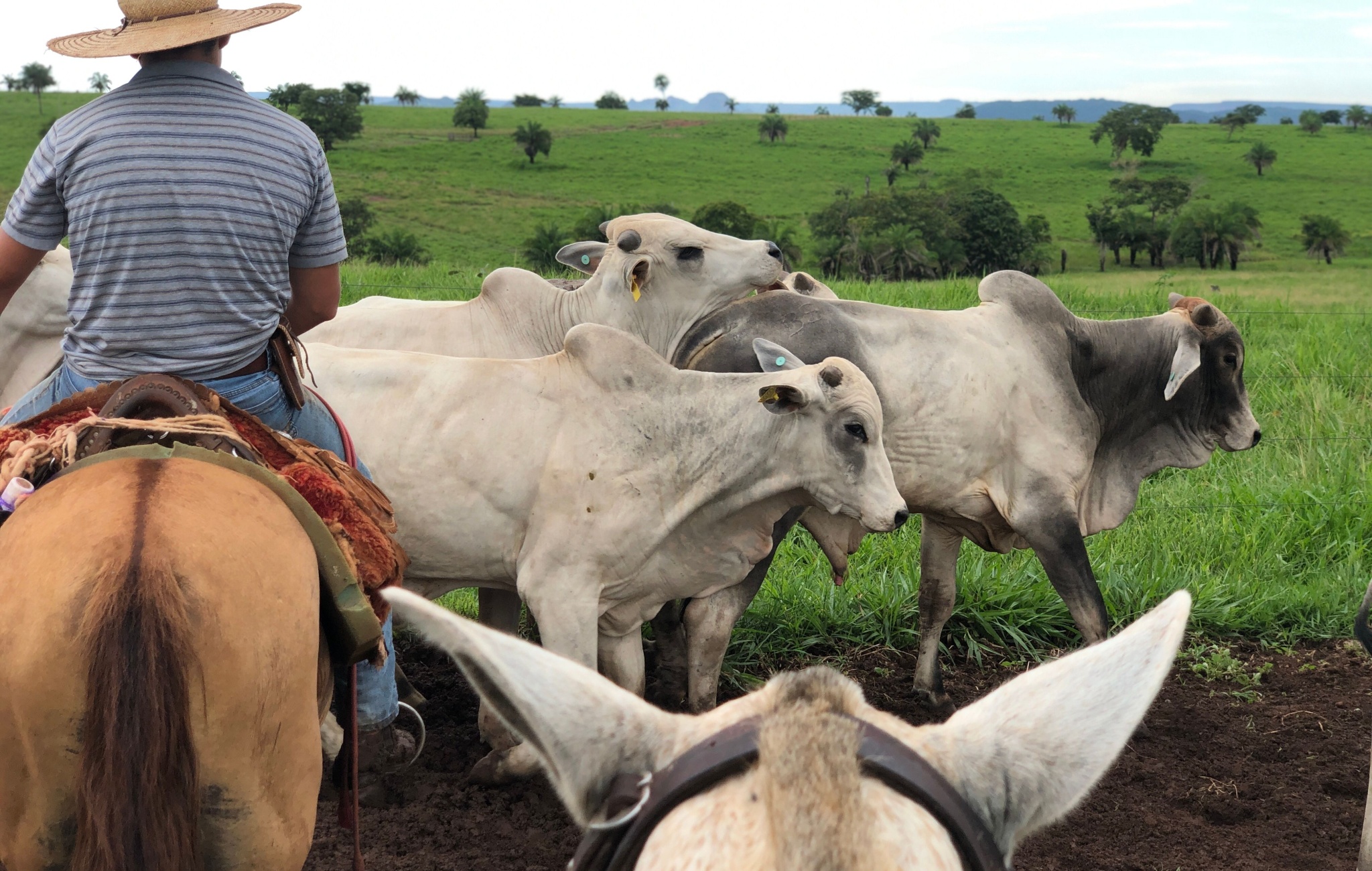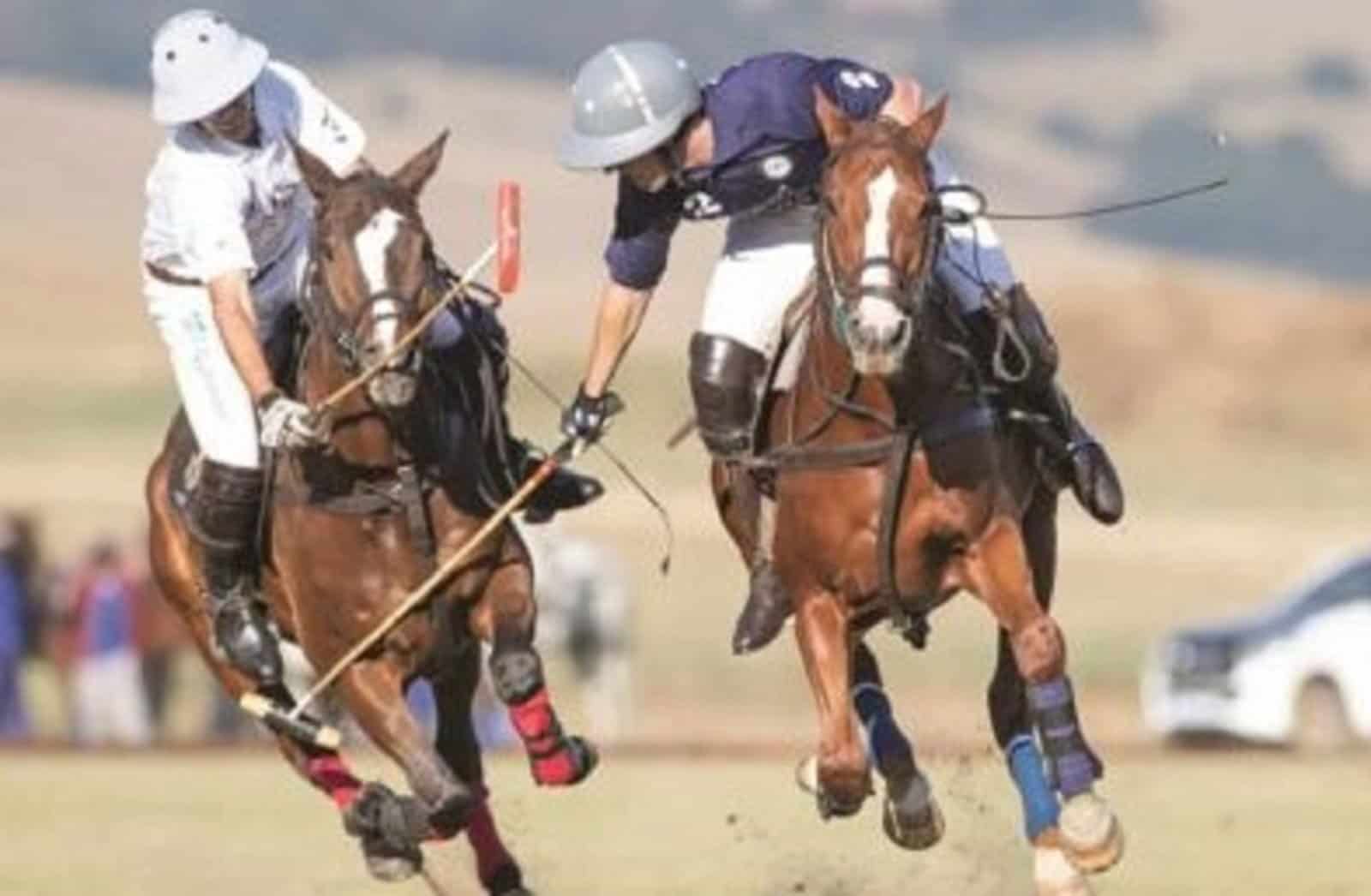
Another edition of the Harry Gwala Summer Cup closed on a high this weekend, with traditional horse racing hailed as a boost to the township economy.
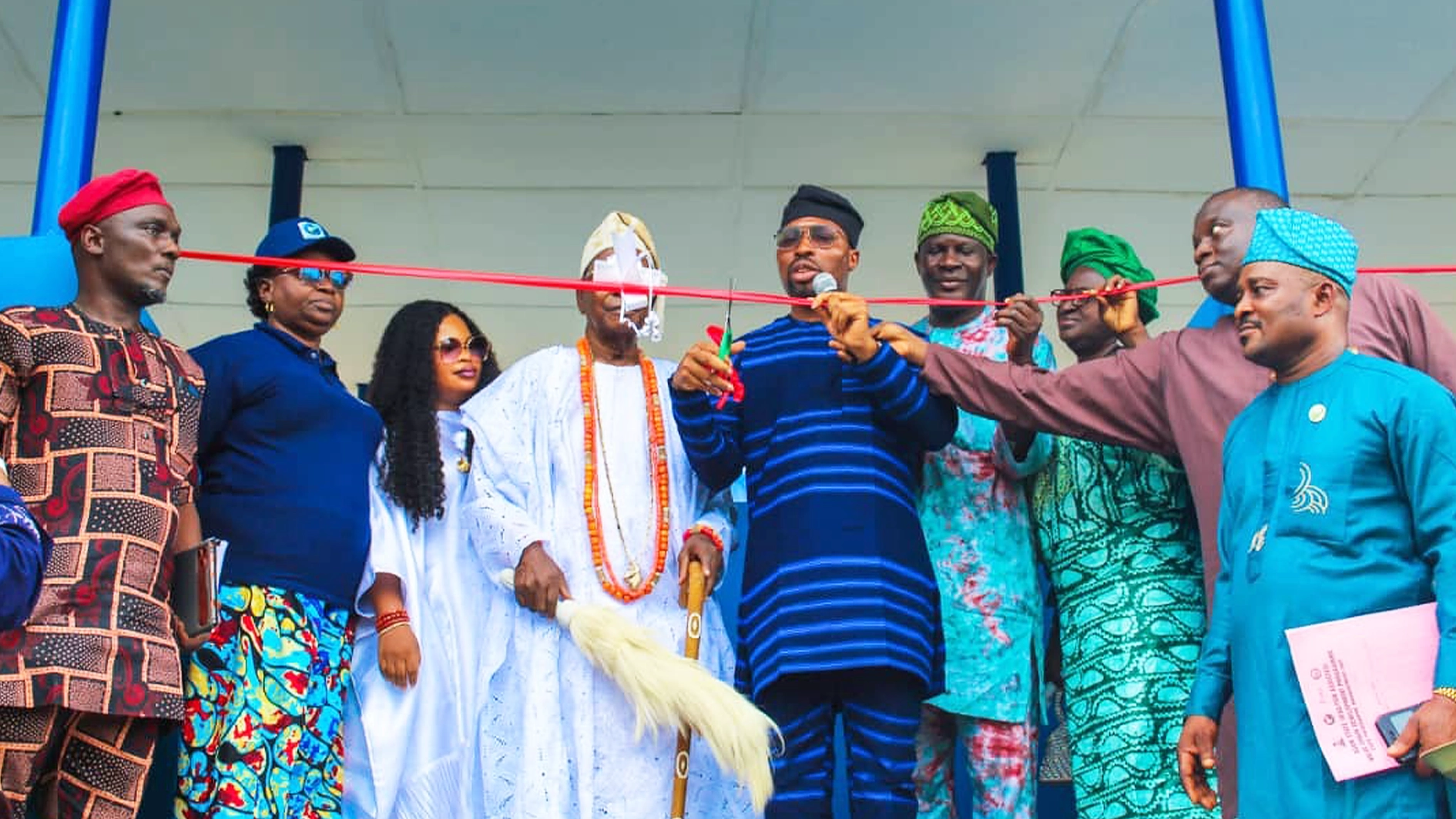
The 2023 Harry Gwala Summer Cup, which took place at the Dazini horseracing track in Kilmon, Emakhuzeni, was hosted by the KZN Department of Sports, Arts and the Harry Gwala District Municipality, in collaboration with the KZN Traditional Horse-Riding Association.
Featuring no less than eight thrilling races in the tripling style, the Harry Gwala Summer Cup, like its Dundee counterpart, welcomed participants from all districts within the province, eagerly showcasing the rich talent within the district.
ALSO READ | Organisers aim for a bigger and better Dundee July
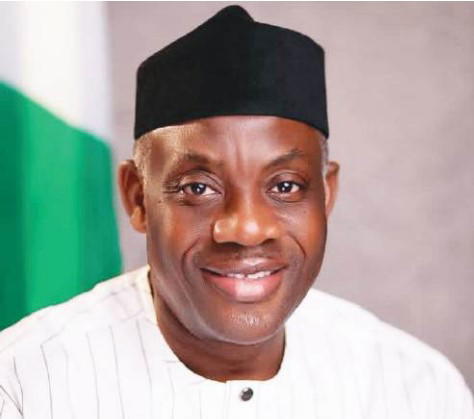
According to the Department of Sports executive council spokesperson, Nathi Olifant, this event is a pivotal part of the broader initiative to foster development within the equine industry.
“The Department holds the Harry Gwala Cup for a number of reasons. We like to stimulate the downstream economy of rural towns, to develop the sport and recreational facilities.
“Over the years the Department of Sport, Arts and Culture has proudly witnessed the growing success of the Harry Gwala Summer Cup, an annual riding extravaganza that stands shoulder to shoulder with the esteemed Dundee July,” said Olifant.
We are elated to announce that the traditional equine industry has firmly taken root in all 11 districts of KZN, aligning seamlessly with our vision to establish a new traditional equine industry.
“With steadfast support from the provincial cabinet, strategic departments, government entities, and the private sector, our primary goal is to carve a niche for this discipline as an independent sector contributing significantly to economic growth and job creation,” said Olifant.
Rural areas like Kilmon at Emakhuzeni in Underberg are the biggest beneficiaries of these traditional horse races. Exploring the full potential of this sector, a traditional equine industry sector master plan is in its final stages of development under the guidance of a provincial task team committee.
The plans paint a promising picture, suggesting the creation of 20 000 full-time jobs once this growing industry reaches its full potential. This plan is grounded in the belief that for every horse, five direct jobs come into existence.
ALSO READ | Sad day for horse racing as Ashburton Training Centre to be mothballed
Currently boasting over 2 500 registered racing horses in the province, the future holds the promise of upping that number to 10 000 racing horses through a formalised breeding programme, with the completion of a finalised studbook, through a development investment of approximately R9 million.
A dedicated traditional equine industry factory site has already been identified in Dundee, further solidifying the province’s commitment to the growth of this sector.