Key takeaways
- Early childhood adversity is connected to poorer physical and mental health across a person’s lifespan, and the biological mechanisms that translate the lived effects of poverty and trauma into physical functions are starting to come to light.
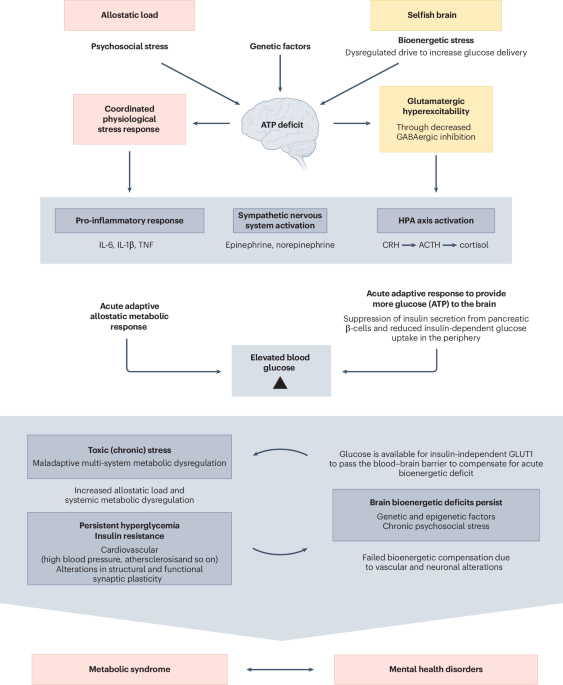
- A growing body of research has shown that psychosocial stress influences mitochondrial function, and mitochondria play a pivotal role in stress-related diseases and aging.
- UCLA psychologists have now connected early childhood adversity to changes in how mitochondria produce energy, which may affect cellular function with adverse effects on mental and physical health.
Experiencing adversity early in life, such as abuse or neglect, is connected to poorer physical and mental health across a person’s lifespan. How the biological mechanisms that translate the lived effects of poverty and trauma into physical functions and mental health are starting to come to light, thanks to new research out of UCLA.
Psychologists at UCLA have discovered that mitochondria in cells have increased respiratory capacity after experiencing greater early-life adversity. This discovery, published in the journal Biological Psychiatry, suggests that mitochondria might be better able to respond to cellular stress by producing more energy. However, this kind of heightened response can be maladaptive in the long-term.
“This study is the first to examine early life adversity and mitochondrial bioenergetics in a diverse sample of adult men and women, and the first to examine distinct dimensions of threat and deprivation in relation to mitochondrial function,” said UCLA doctoral student Shiloh Cleveland, the paper’s first author. “Elucidating how adversity in childhood and adolescence relates to mitochondrial function could inform targeted intervention efforts earlier in the lifespan to promote positive health outcomes before the onset of age-related diseases.”
With colleagues in the Sumner Stress Lab at UCLA, Cleveland recruited 143 volunteers who completed a questionnaire on early-life adversity and submitted a blood sample. The researchers subjected live cells from the blood samples to a “stress test” to measure their bioenergetic function and found that cumulative experiences of early-life adversity were associated with increased respiratory capacity. The mitochondria from volunteers who had experienced early life adversity had a greater capacity to produce energy while under cellular stress, suggesting that cells respond to stress by producing more energy. However, this kind of “hypermetabolism” can be harmful to cells in the long term.
When the researchers drilled down into the analysis to consider different kinds of adversity, they found unique patterns. Threat was associated with lower cellular energy production, while also being prepared to meet the demands of potential future cellular stressors. Deprivation was associated with increased inefficient energy production, which researchers said may indicate greater cellular dysfunction.
“Under chronic stress, mitochondria may adapt in ways that supply cells with the energy needed to respond quickly to adversity, which can be useful in the short-term when they actually need to respond to these challenging experiences,” said UCLA psychologist Jennifer Sumner, the paper’s senior author. “But, over time, if the mitochondria are always working as if they’re under stress even when they’re not, it might wear them out more quickly and lead to adverse downstream effects on the cell. In the long run, performance could decrease to less than optimal levels, which can affect health in harmful ways.”
The results showed that the effects of adversity are not solely cumulative. The type of adversity experienced may be uniquely related to mitochondrial function.
“This study’s findings suggest that taking a more nuanced approach to thinking about experiences of early adversity may help to shed light on distinct mechanisms of the biological embedding of stress,” said Sumner.
The authors plan future research to explore the mechanisms by which early adversity affects health across the lifespan to inform better intervention and prevention efforts.
The research was funded by the National Heart, Lung, and Blood Institute and the National Center for Advancing Translational Sciences.