History of Spiritual Wellness Month
‘Spirituality’ was first used within early Christianity to refer to a life oriented towards the Holy Spirit and broadened during the late middle ages to include the mental aspects of life.
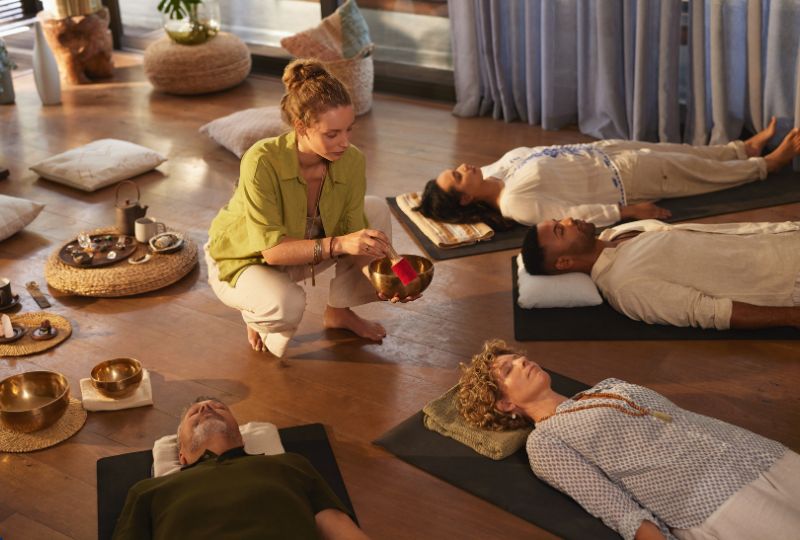
In modern times, spirituality has spread to other religious traditions and broadened to refer to a range of experiences. Modern uses of the word refer to a subjective experience of a sacred dimension and the deepest values and meanings people live by, often in a context separate from organized religious institutions. It may involve believing in a supernatural realm beyond the ordinarily observable world, personal growth, a quest for an ultimate or sacred meaning, religious experience, or an encounter with one’s own ‘inner dimension.’
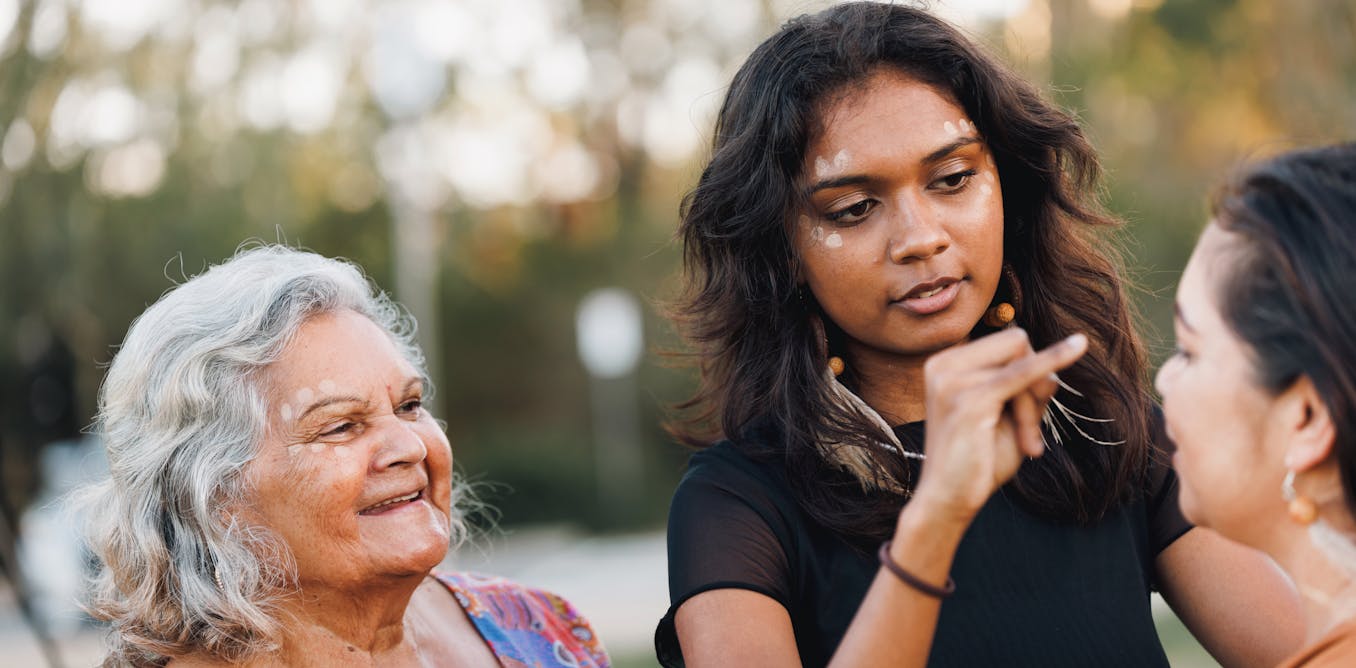
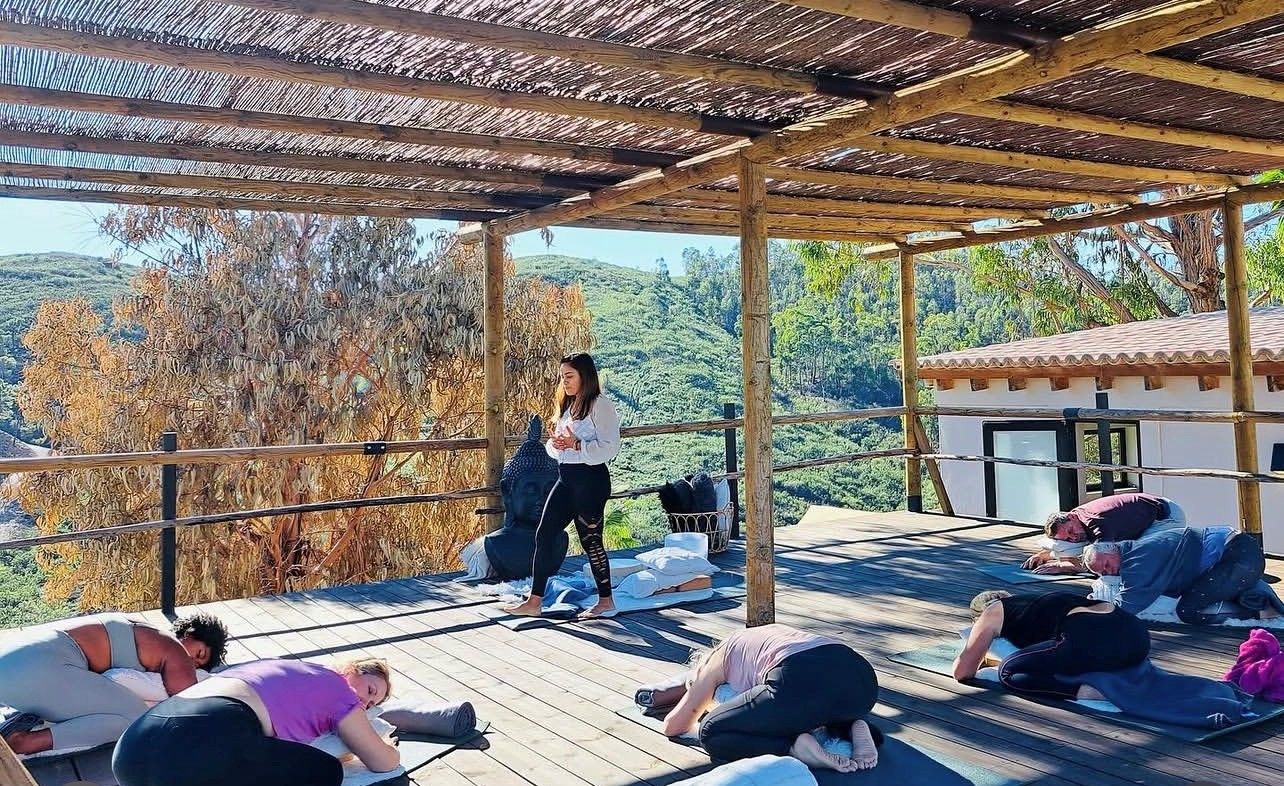
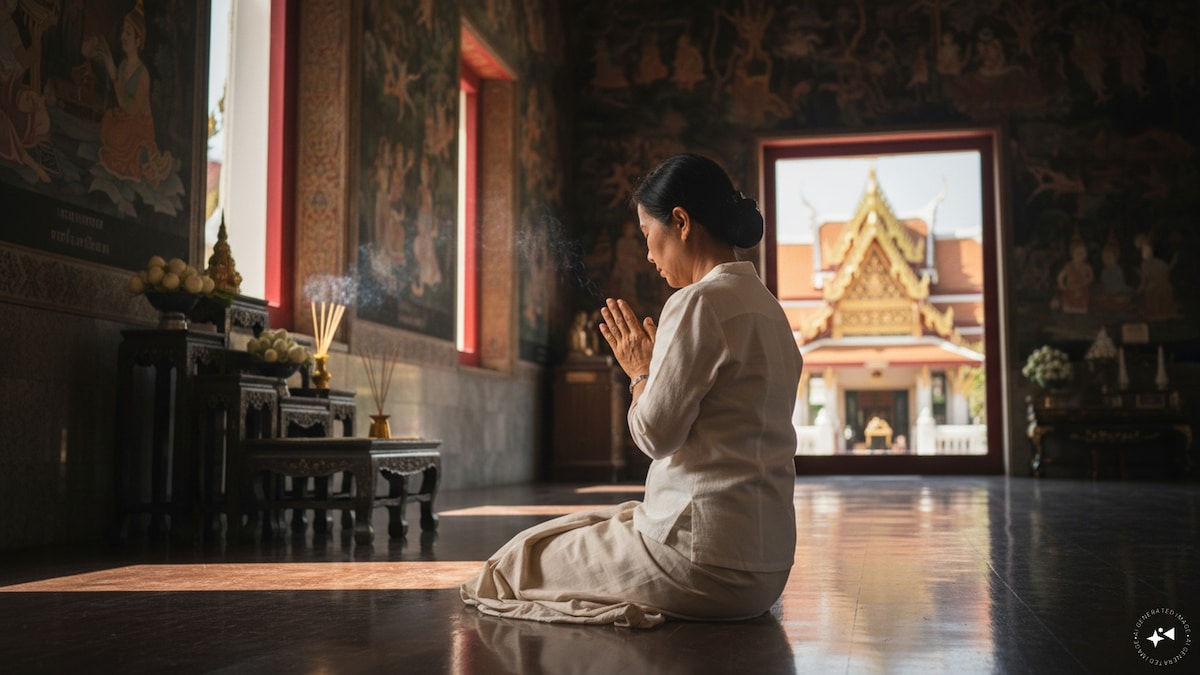
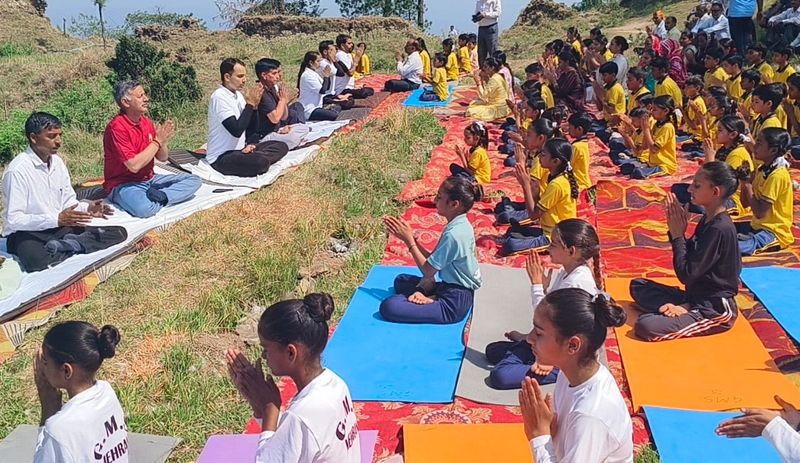
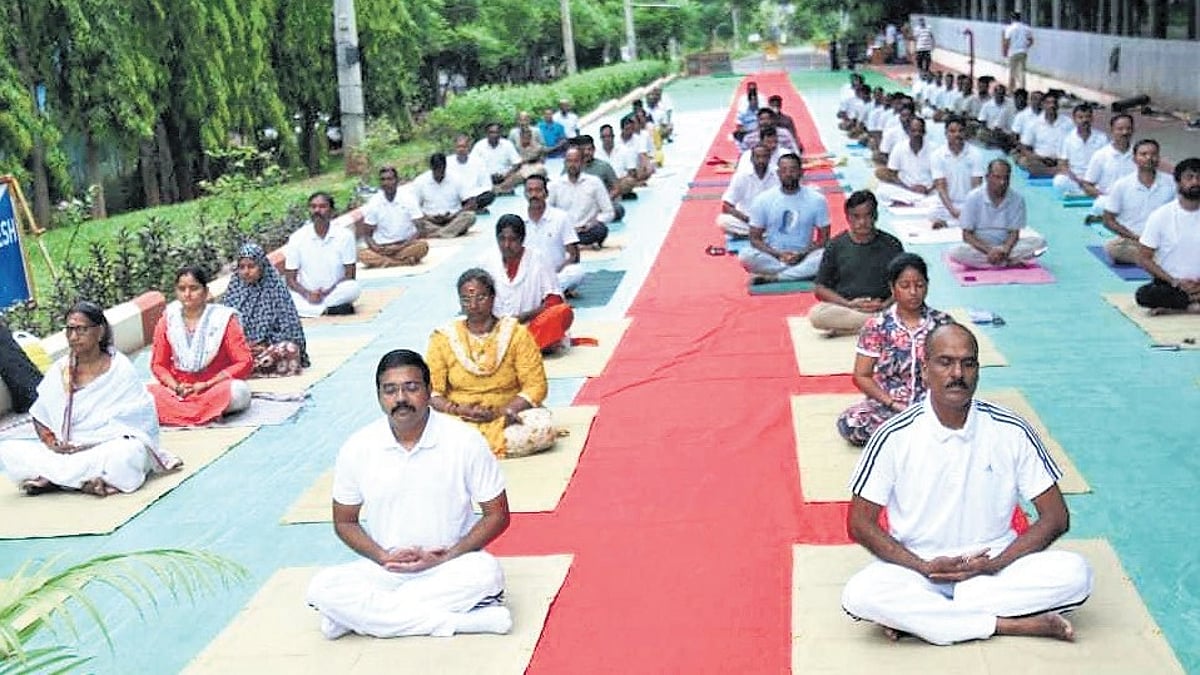
Spirituality has long been part of different cultures, from the Americas to Africa, Europe, and Asia. Every part of the world considers spirituality a part of life. Spiritual wellness has a lot of benefits for everyone who follows through to intentionally practice it. When you strengthen your spiritual wellness you fortify your relationships with people and bring positivity into spaces. Spirituality impacts your life in a way that supports your purpose and value and is at peace when connecting with others, are more likely to practice self-compassion, confidence, and resilience, and you are accountable and responsible for your actions. All these help to stay connected to your life purpose and values, leading to a prosperous life.