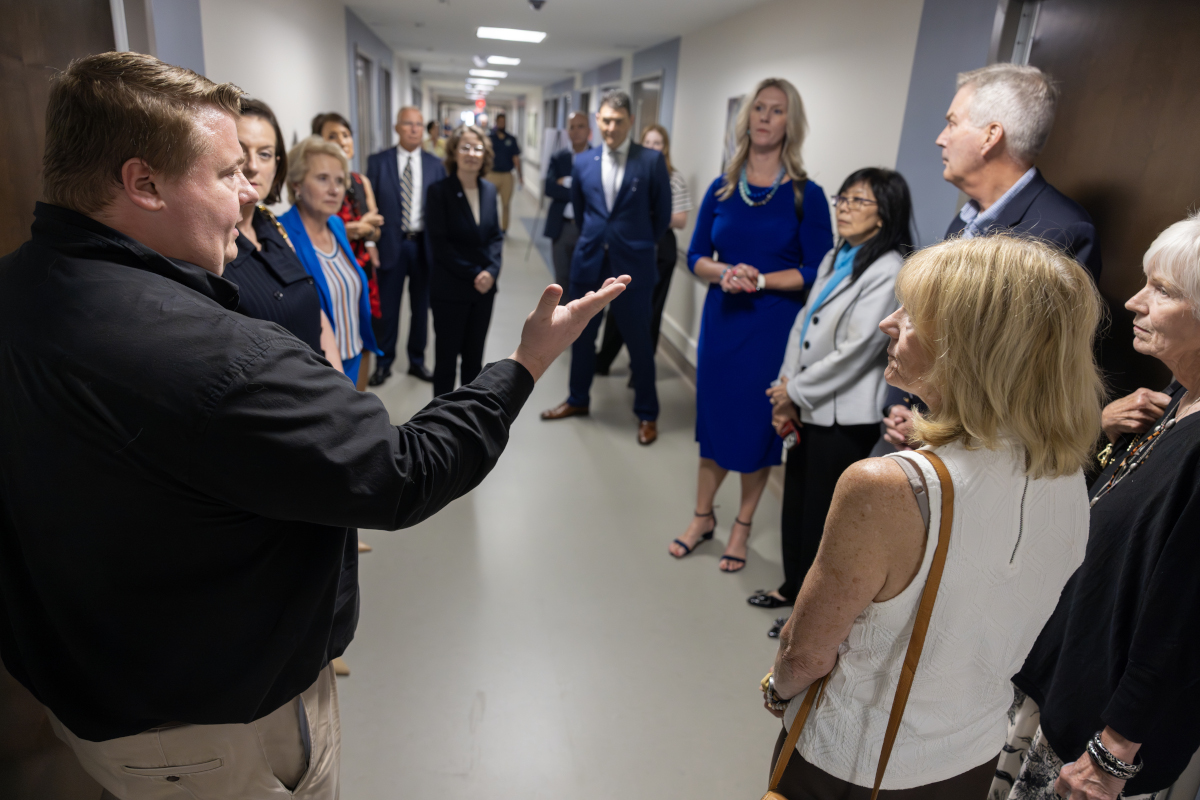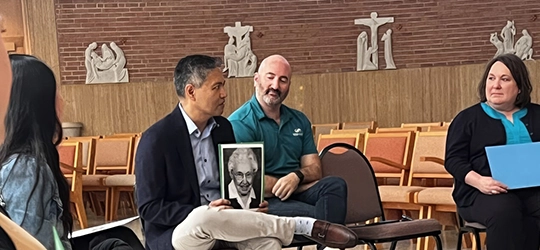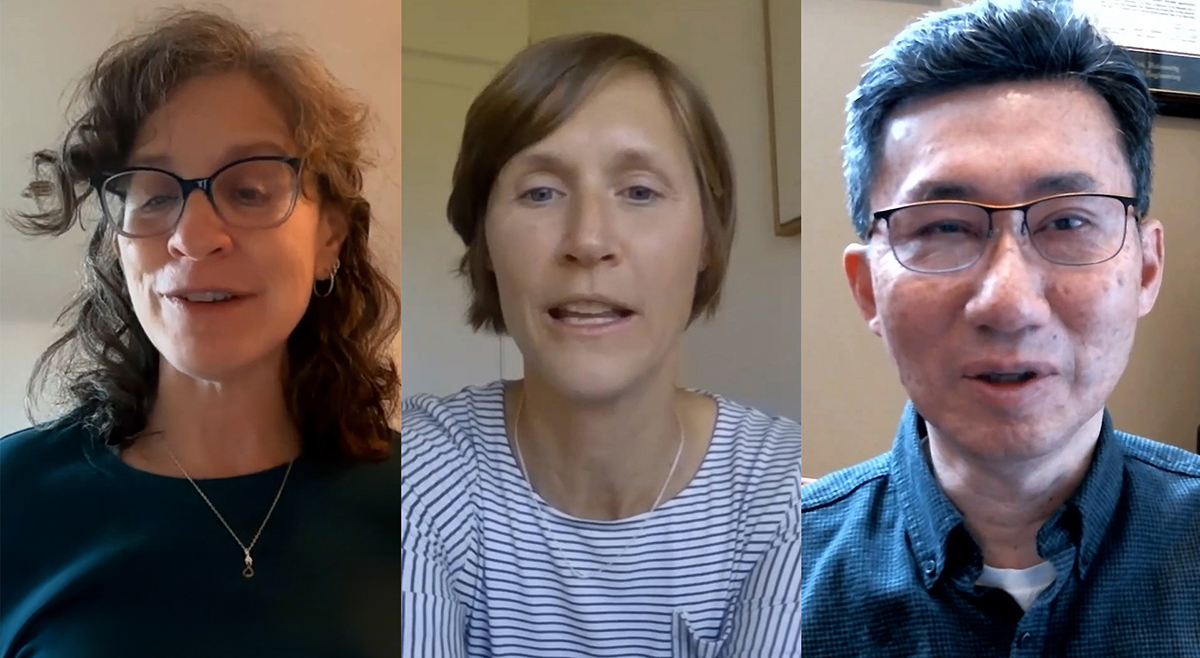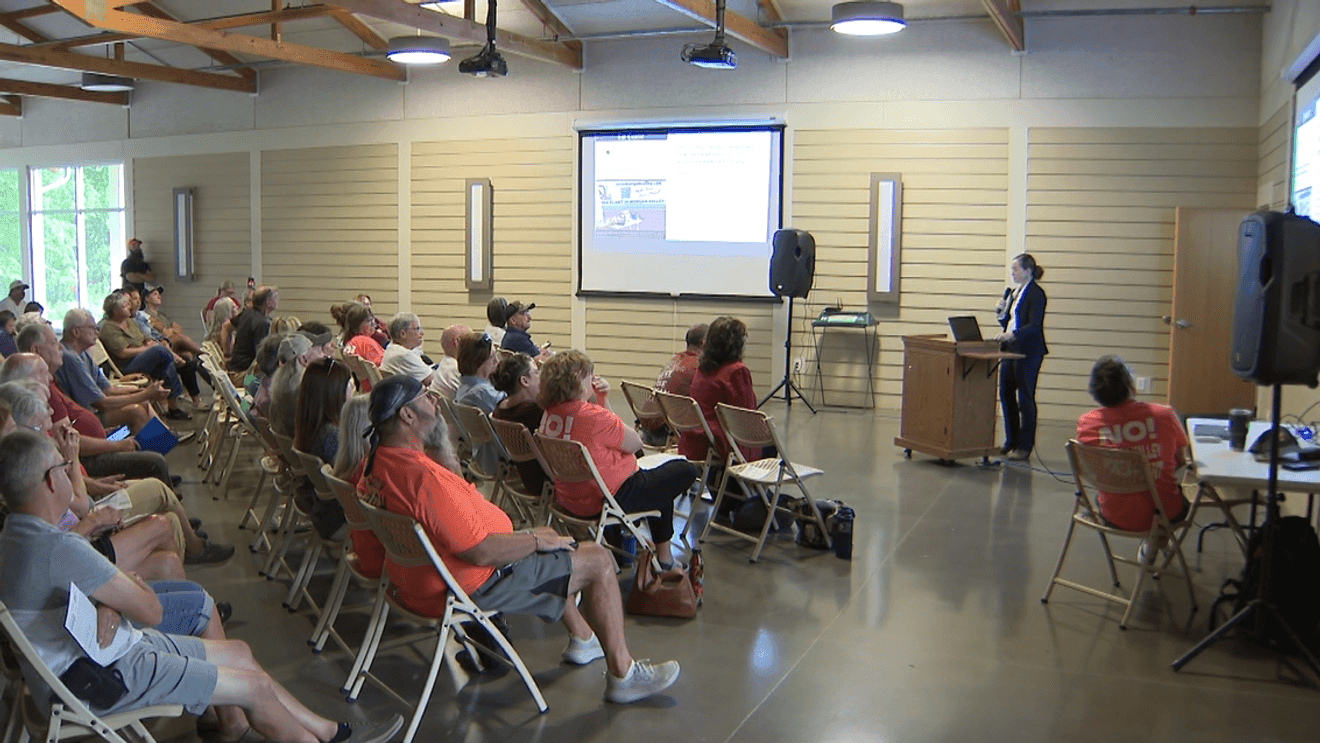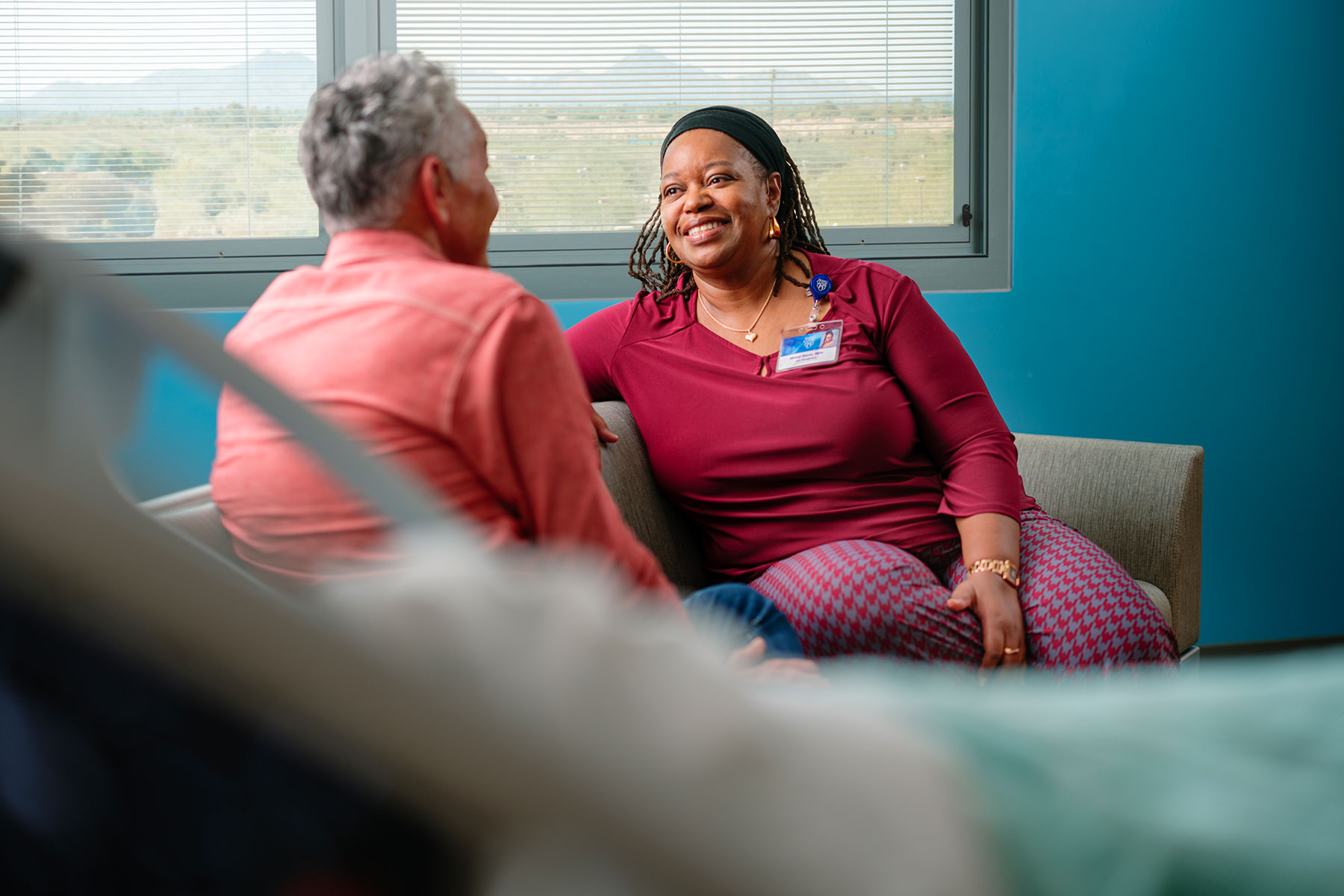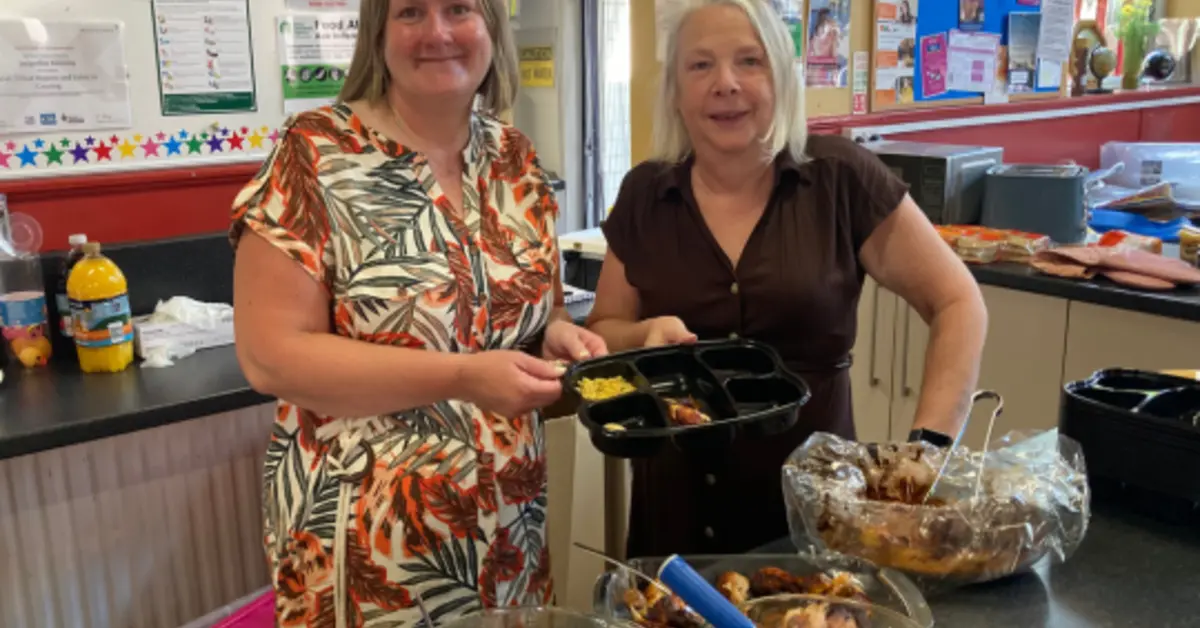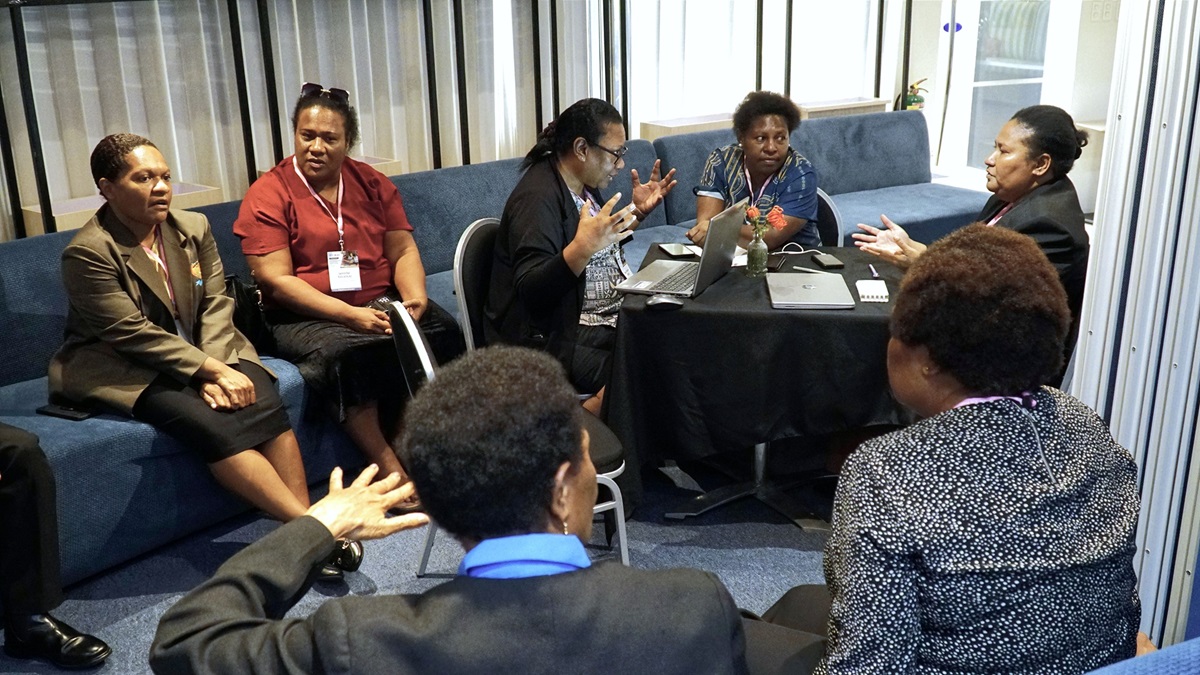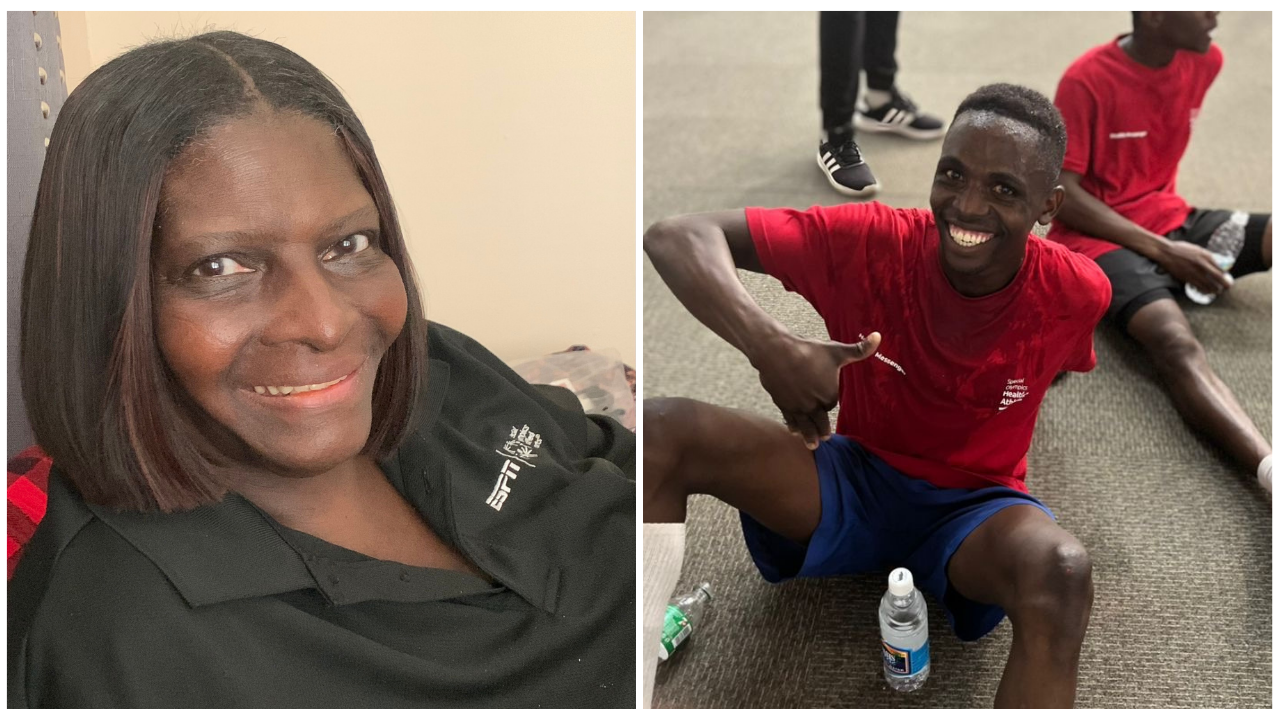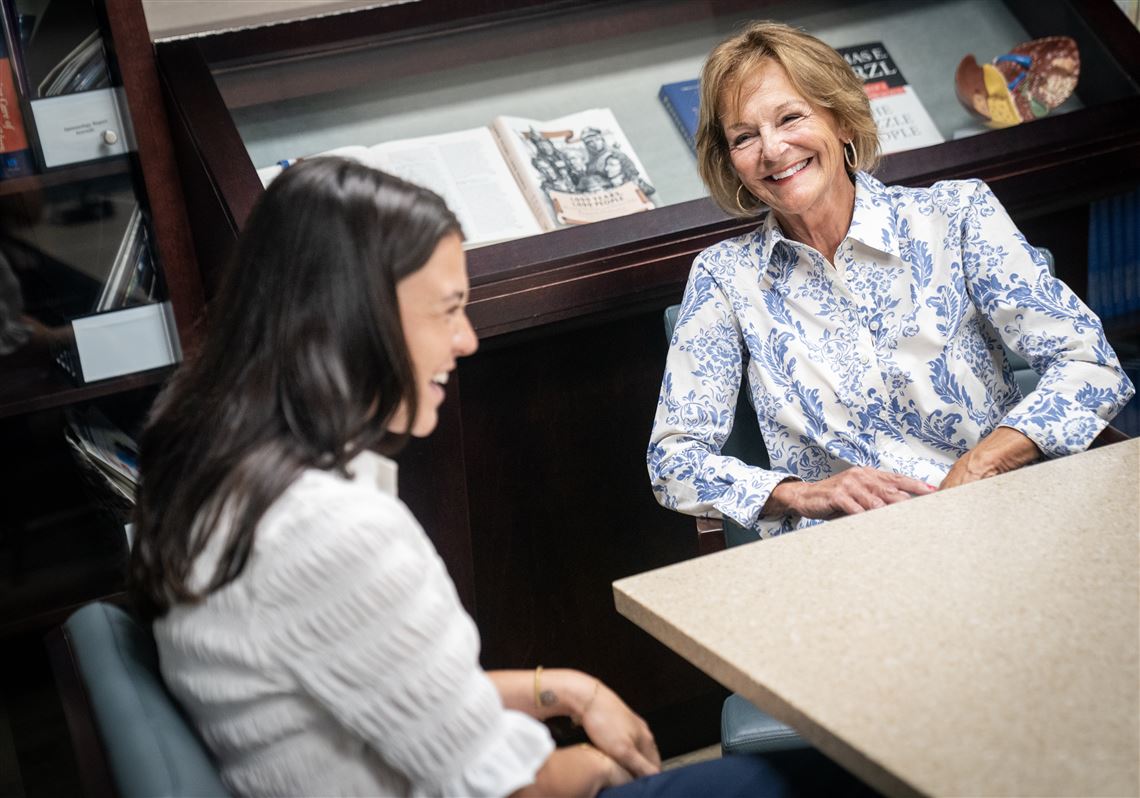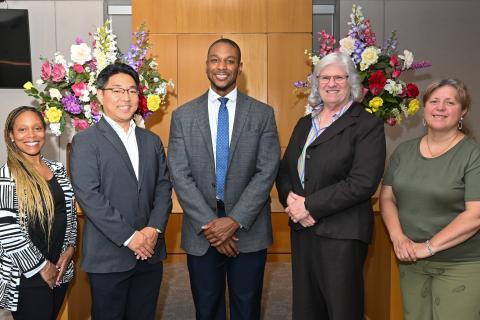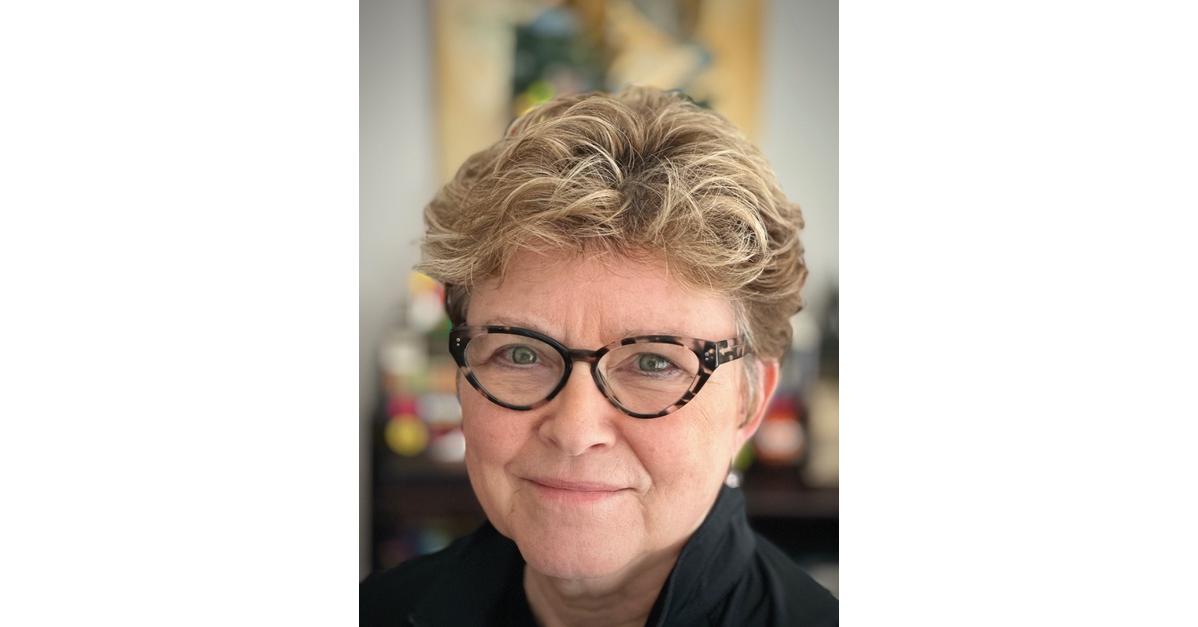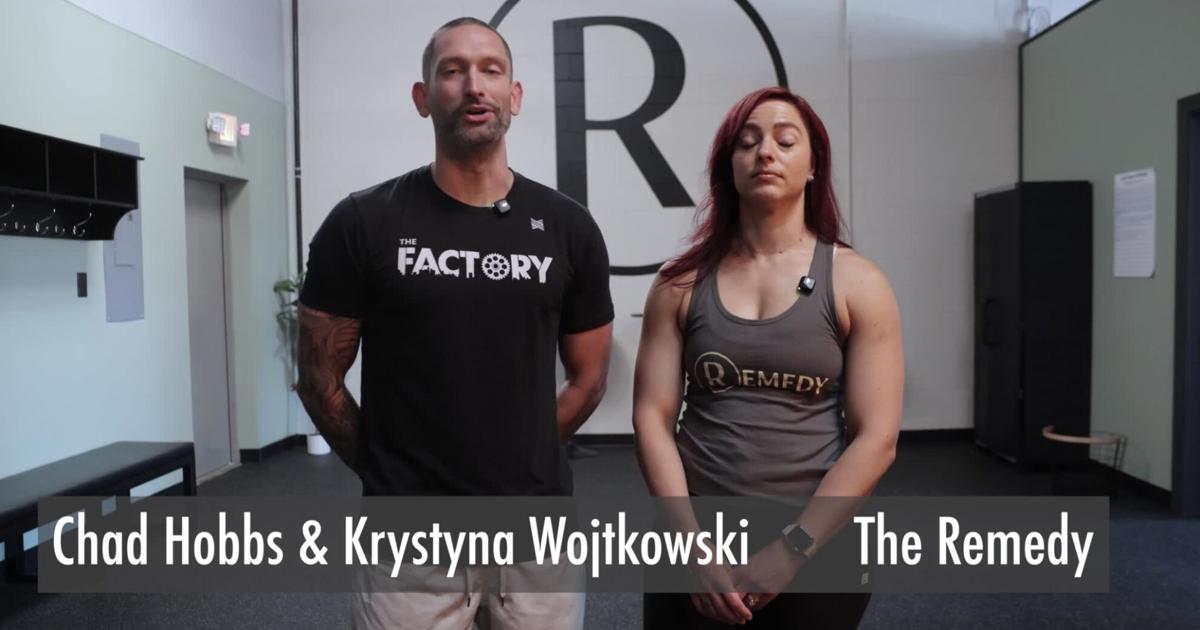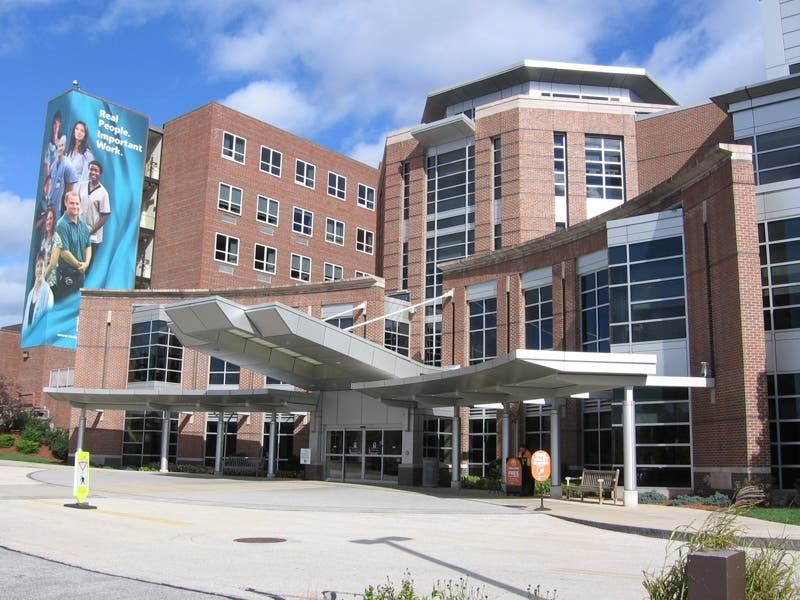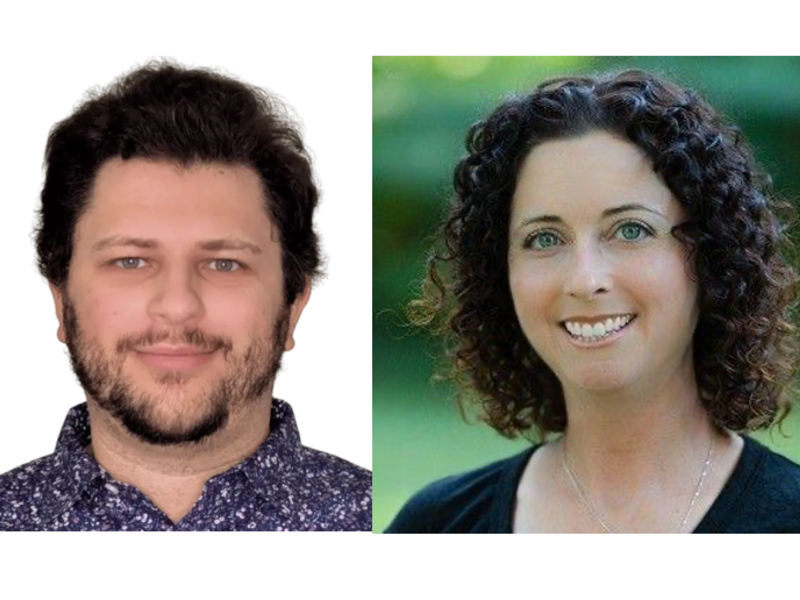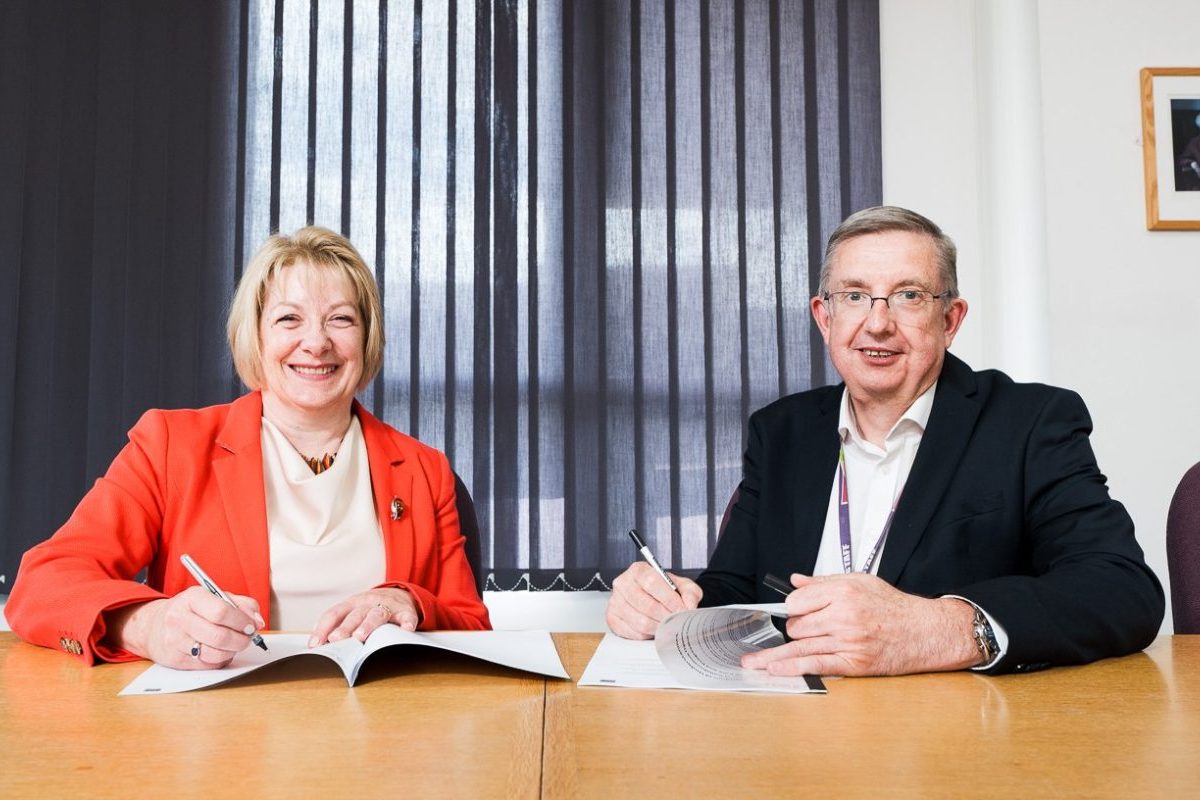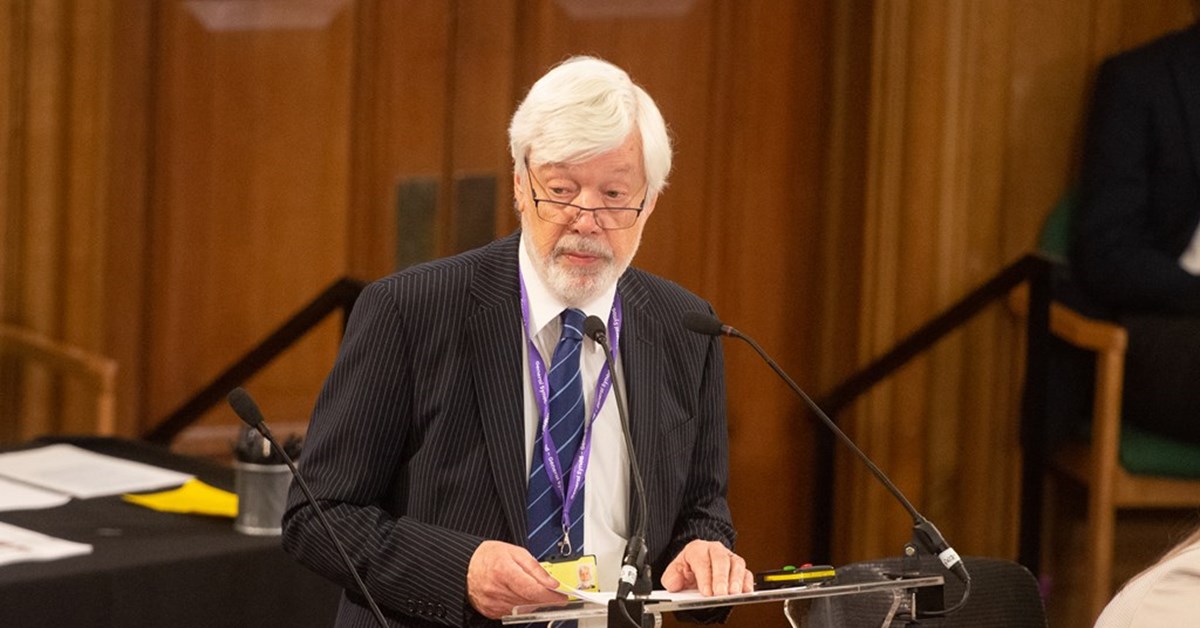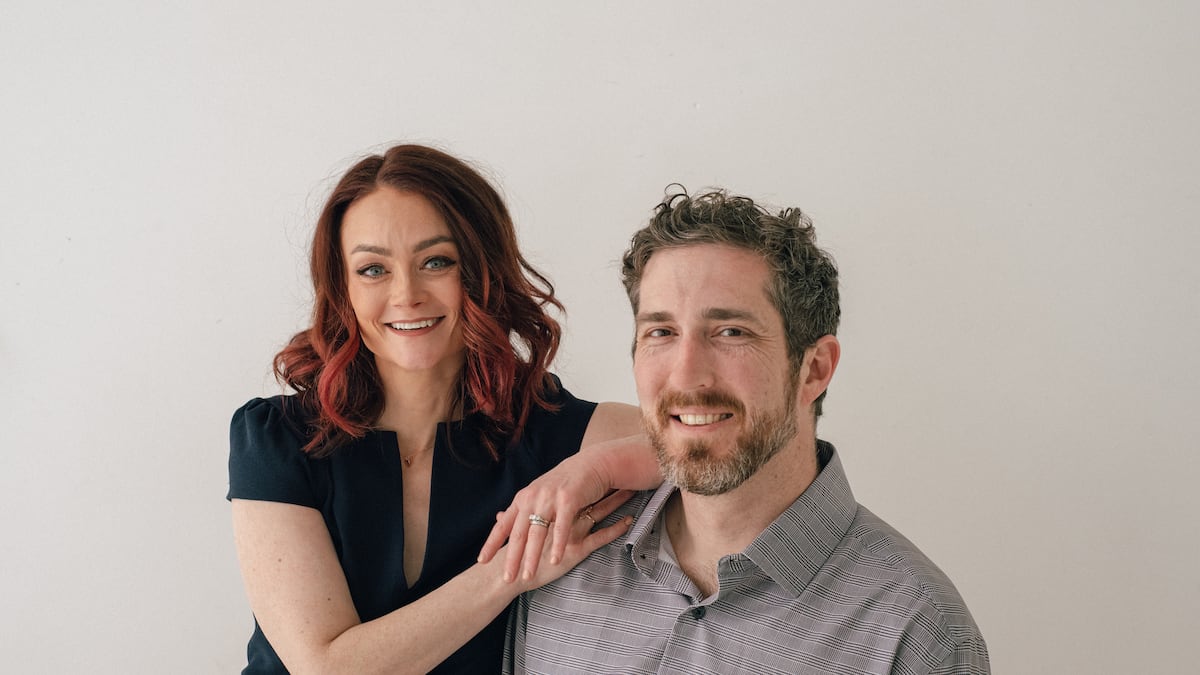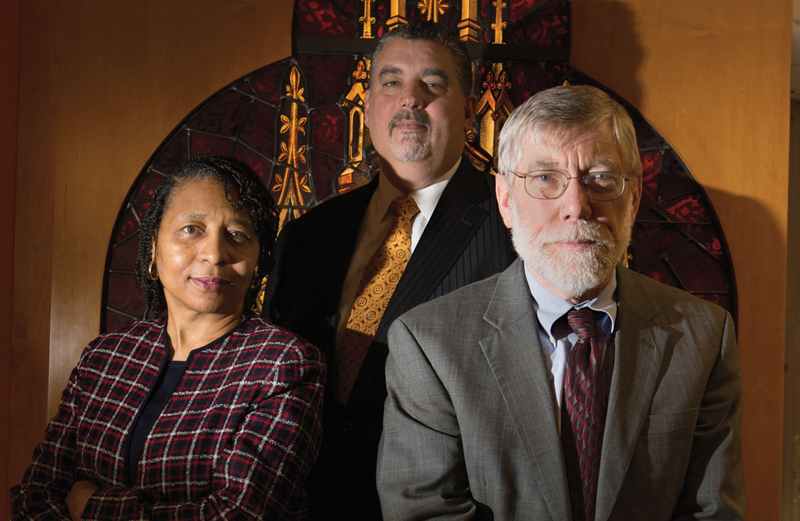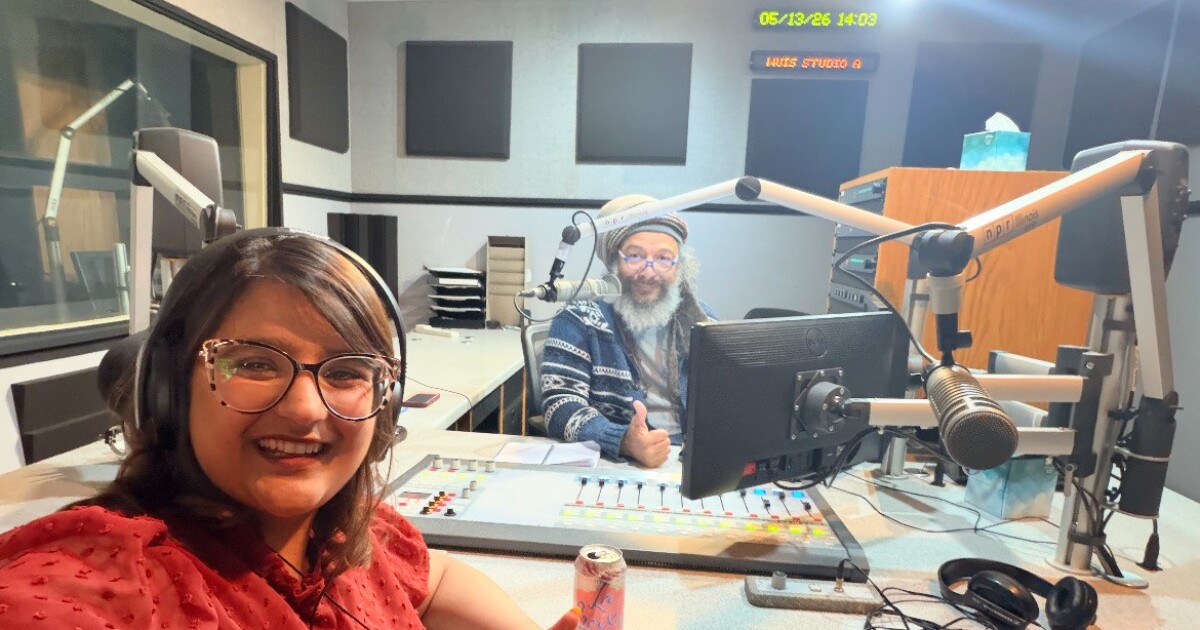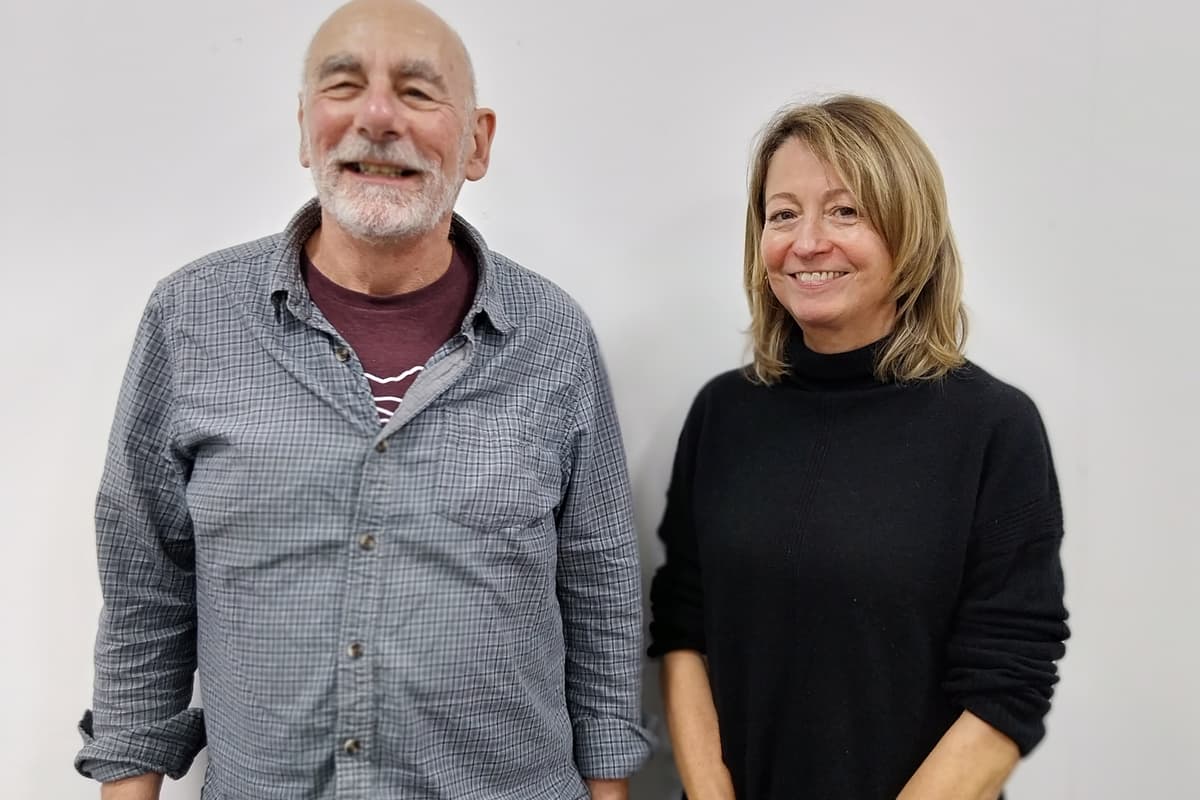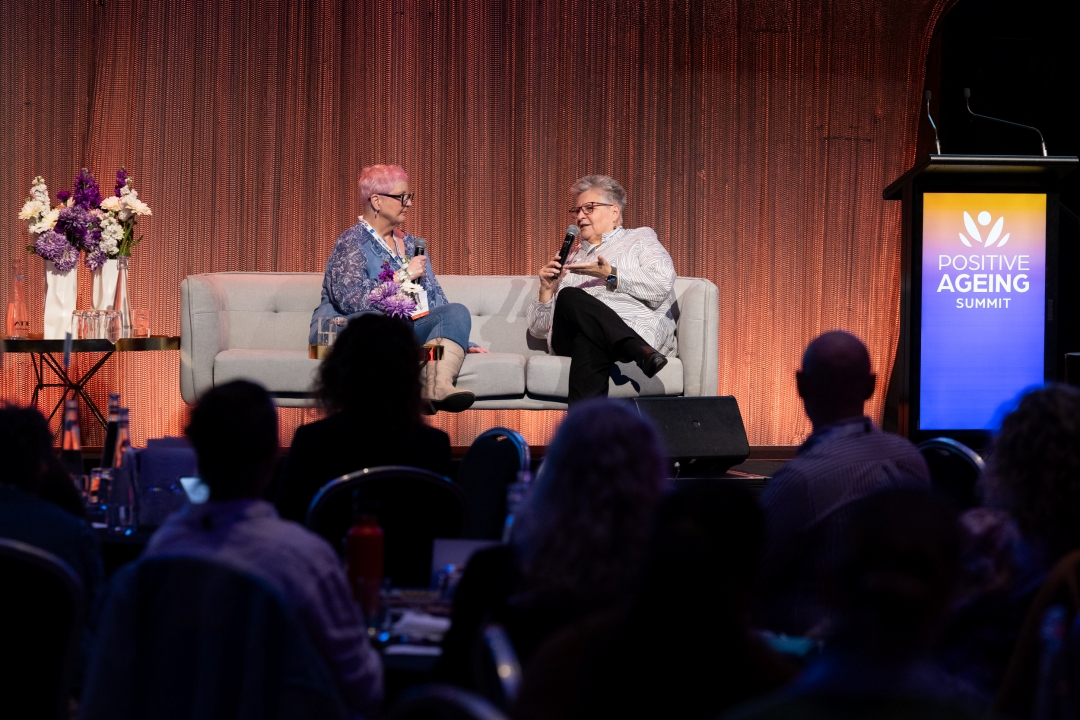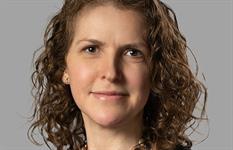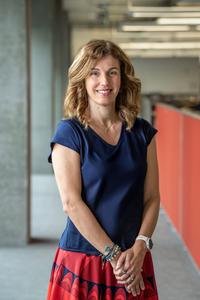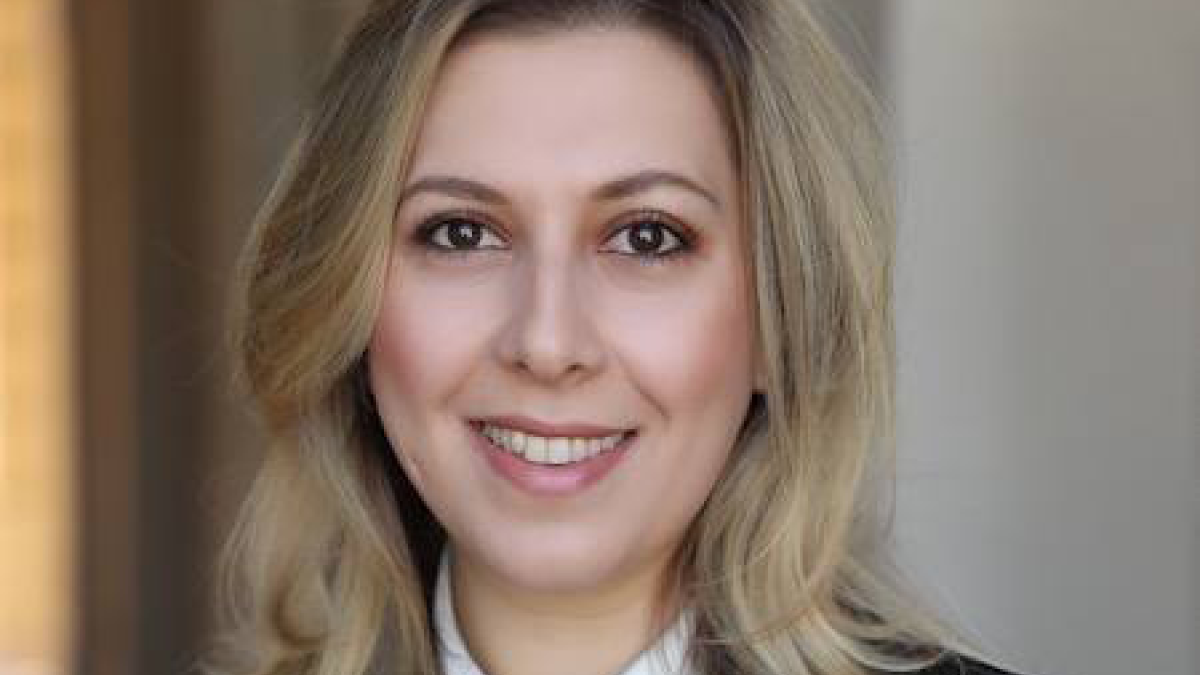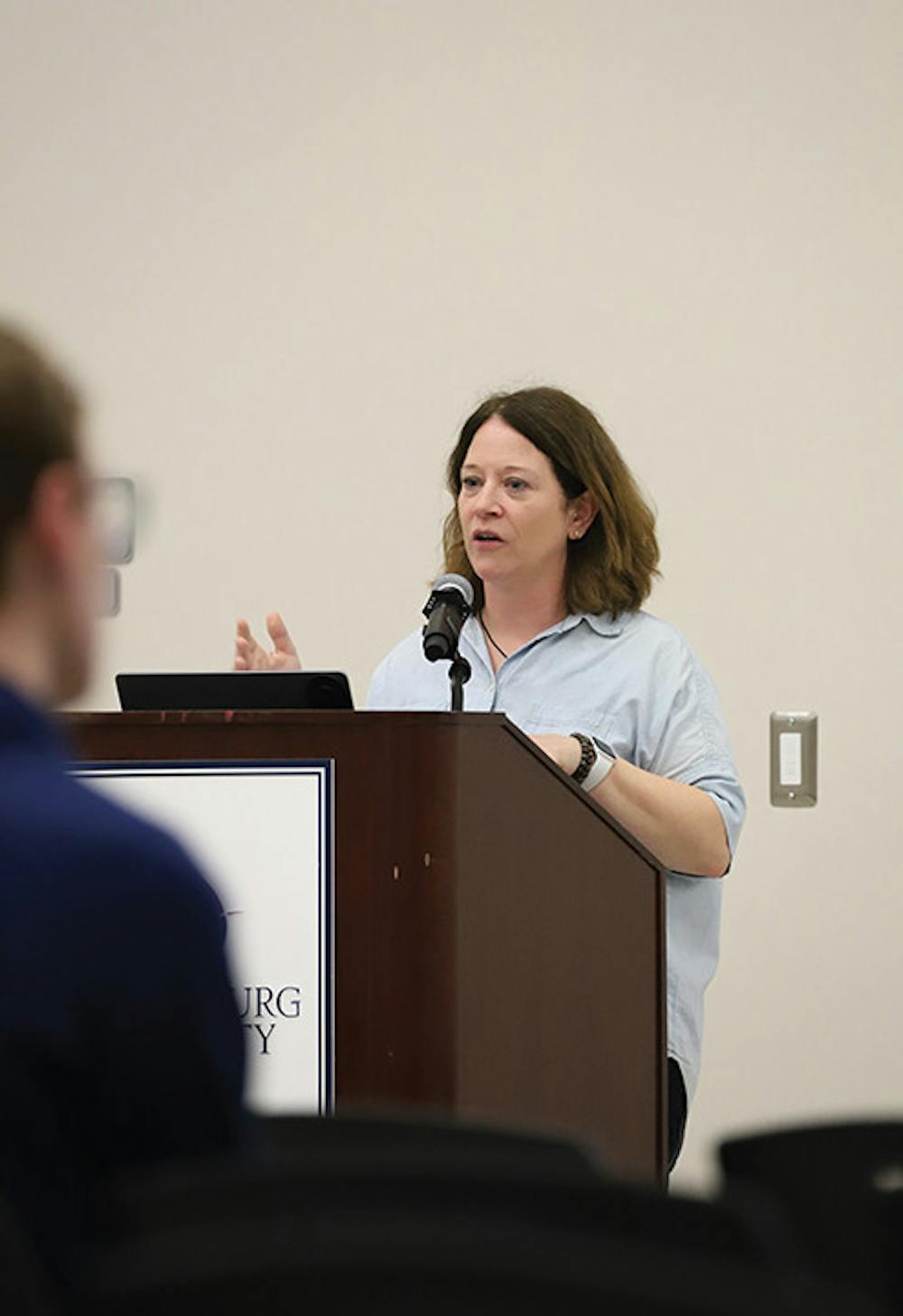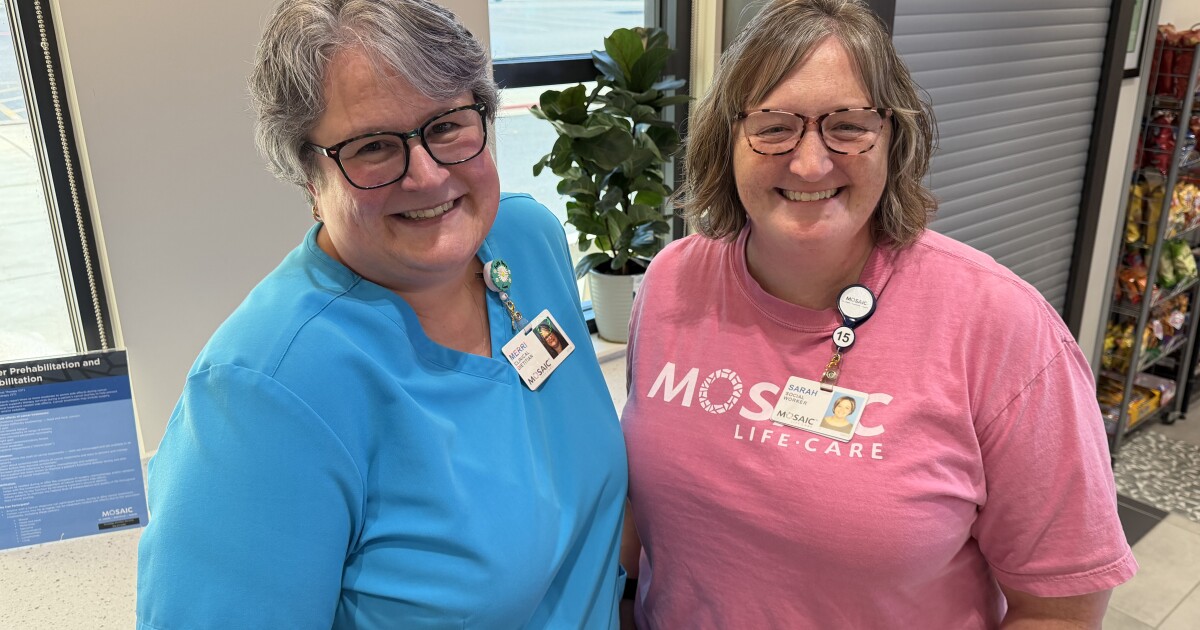
Registered Dietician Merri Leach and Social Worker Sarah Spoonemore work together at the Mosaic Medical Center in St. Joseph.
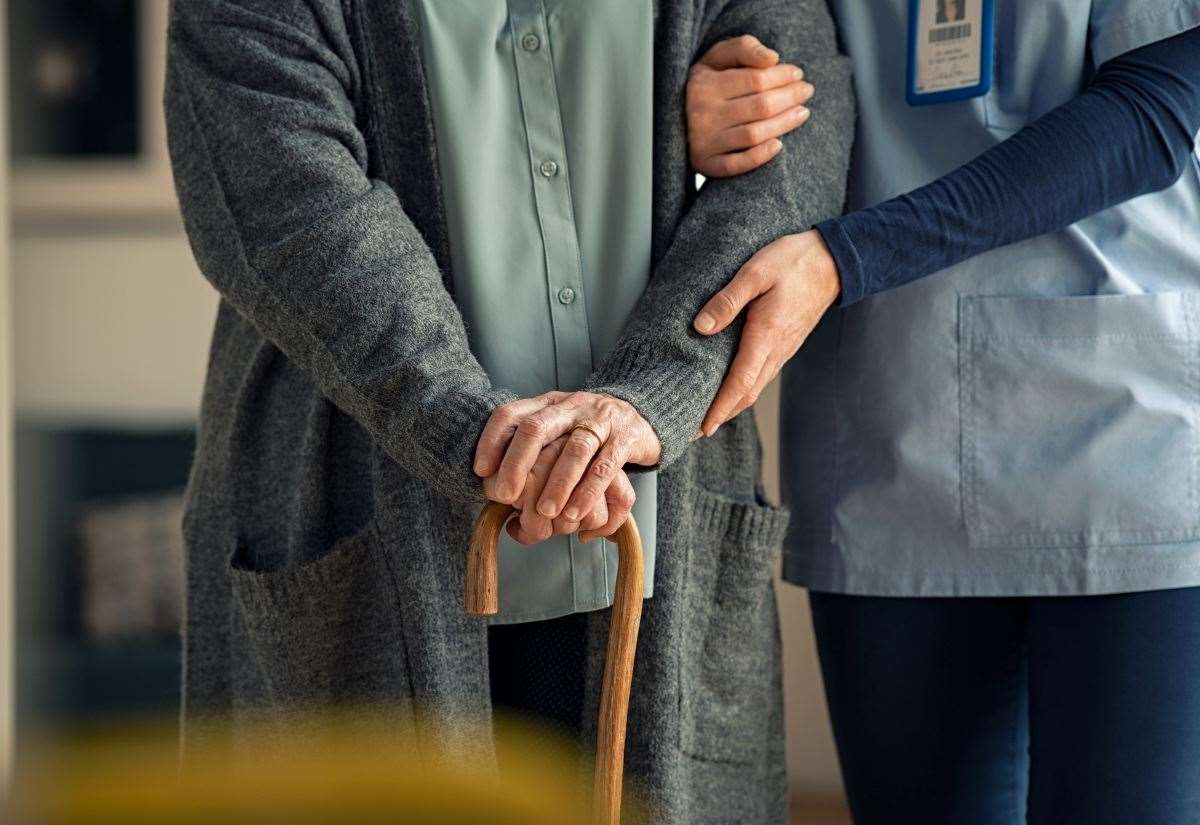
They spoke about the importance of wraparound care for cancer patients and focusing on a patient’s mental health, social wellbeing, financial stability, nutrition and more.
For the month of July, we’re focusing on the ways that cancer treatment can impact a person’s health and well-being.
Sarah Spoonemore: I think that there’s a lot of different things that we look at, and we do have them fill out a distress thermometer when they first start their treatment, and it goes over any social concerns, physical concerns, emotional concerns, practical concerns and religious concerns.
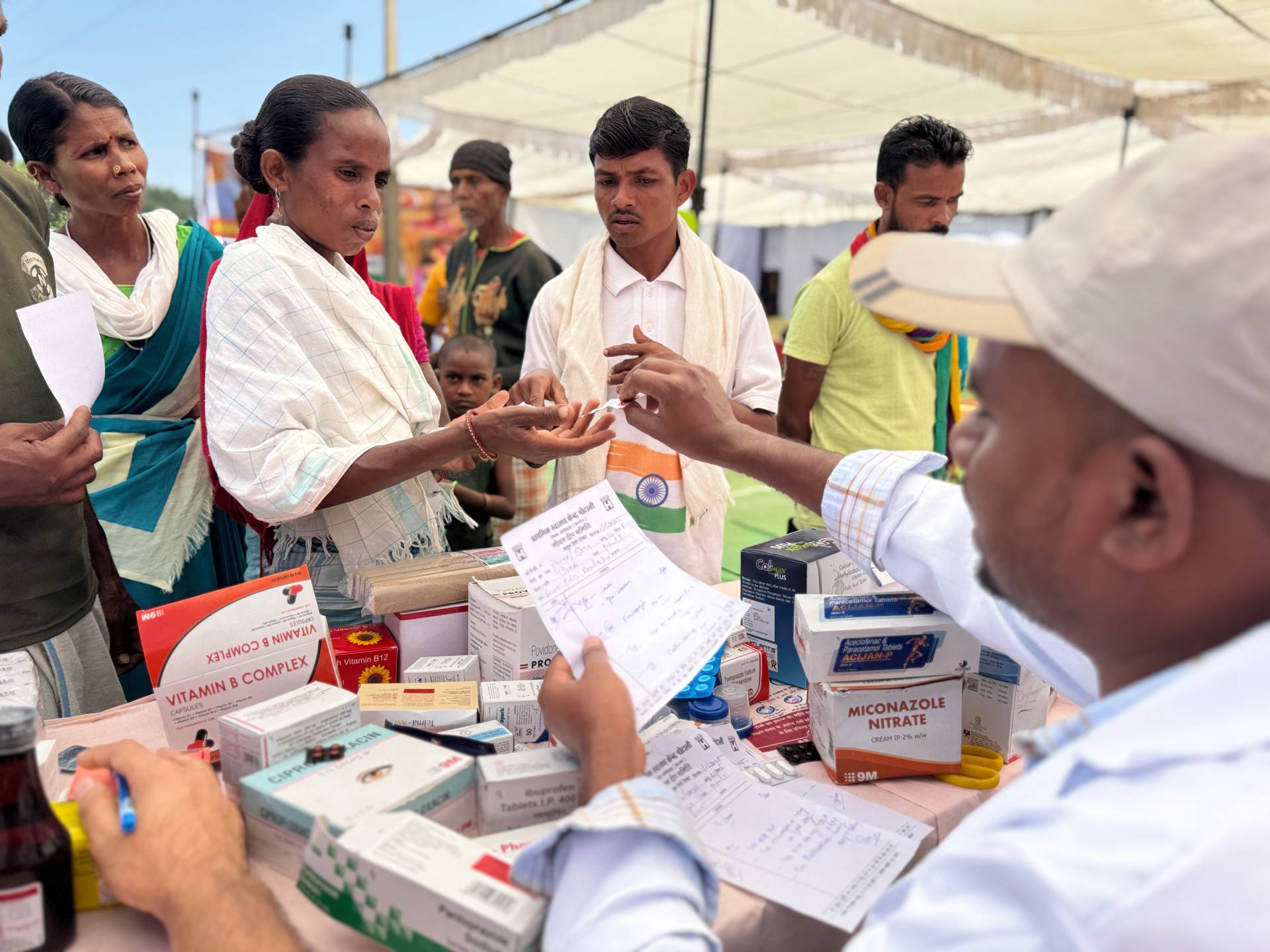
A lot of times, there’s barriers just getting to treatment itself. So, transportation is a huge barrier that we work with.
You also have to look at the fact that – yes, they’re coming in for treatment, but if they work full time, they’re not able to work full time. So, they’re losing that income, which is making it harder at home to pay your utilities, your rent, buy food. I mean, everything becomes harder.
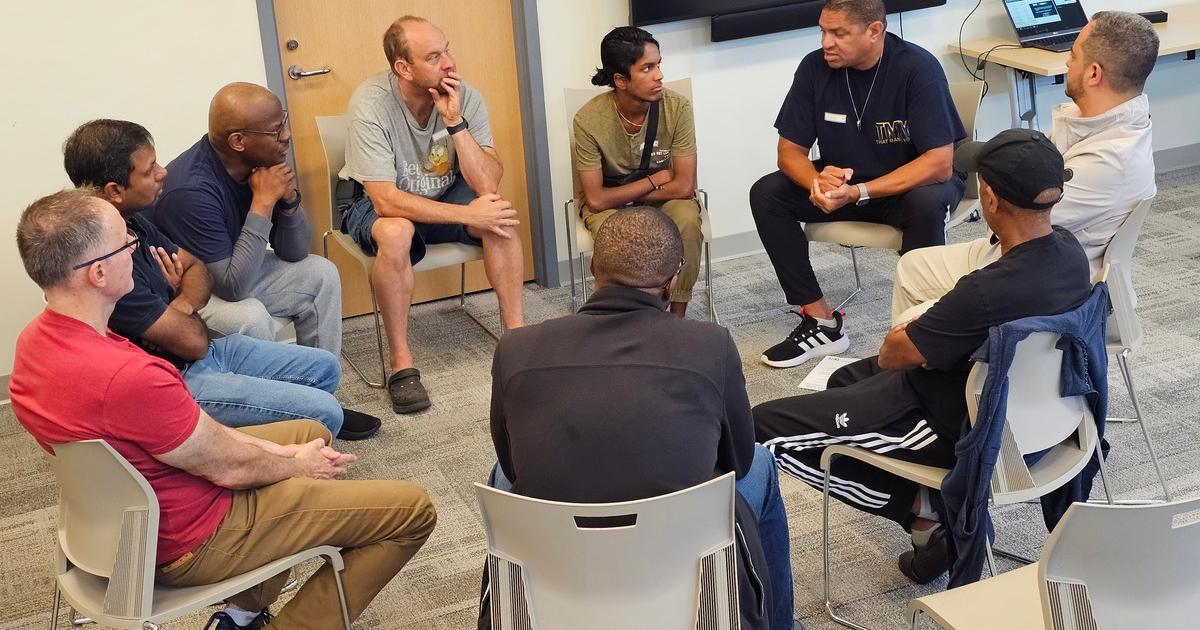
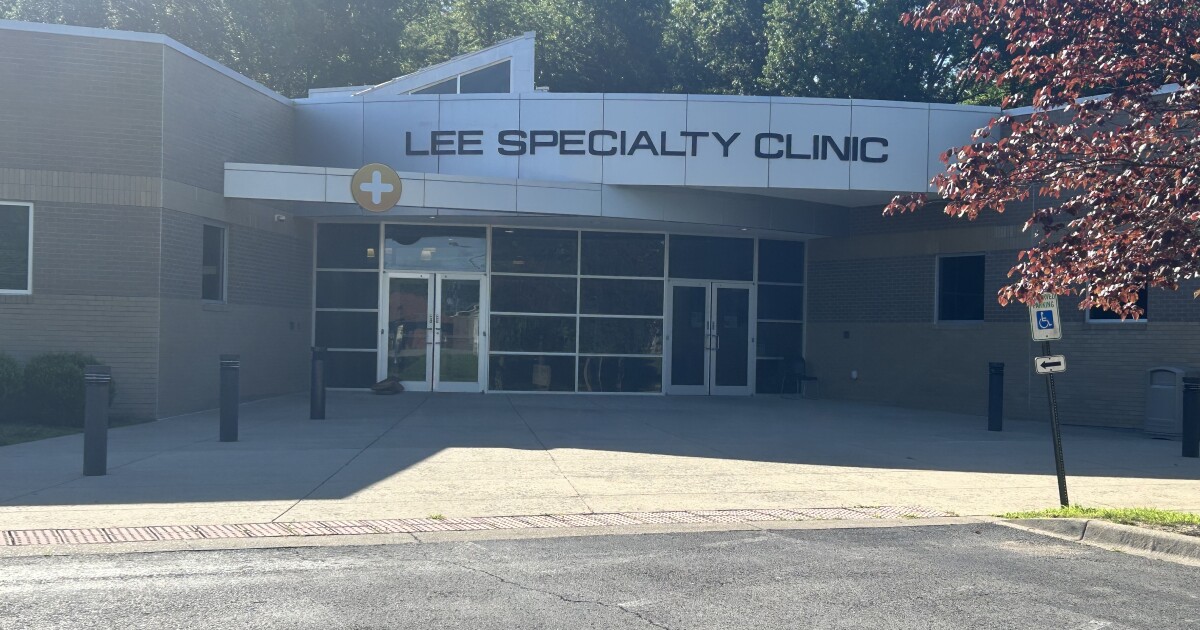
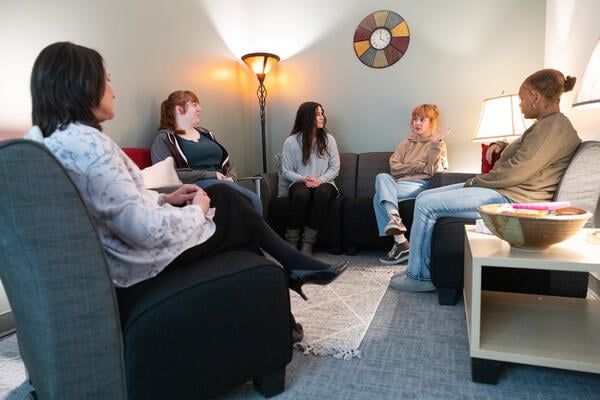
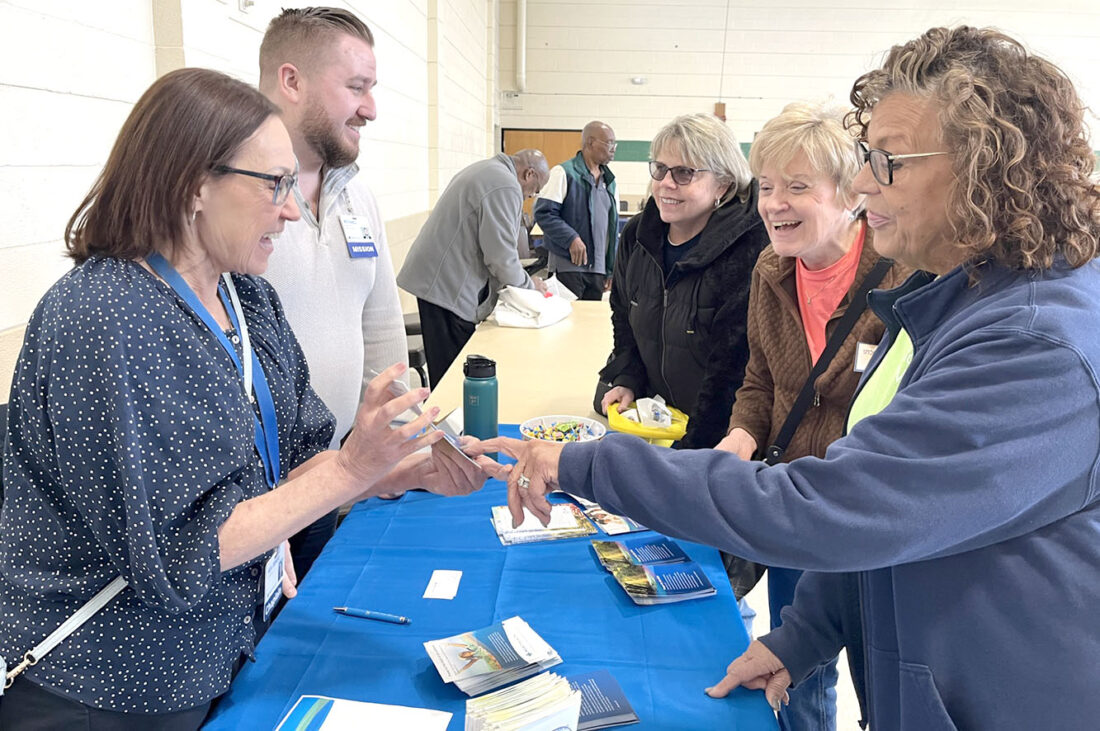
So, we work really hard here in the clinic to assess those needs and help when needed. We’ve started a food pantry within the clinic. We offer several support groups within the clinic — even a post-treatment group because just because your treatment’s over doesn’t mean that that everything’s back to the way it was before. So, it kind of changes everything.
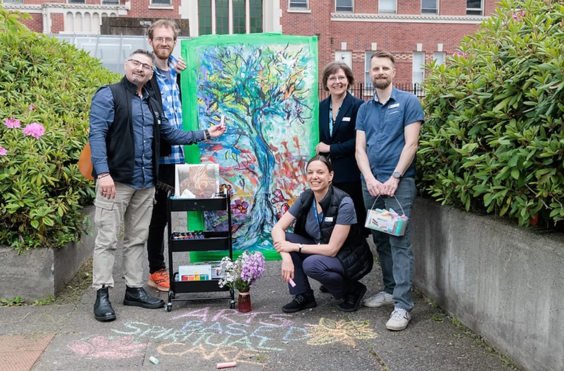
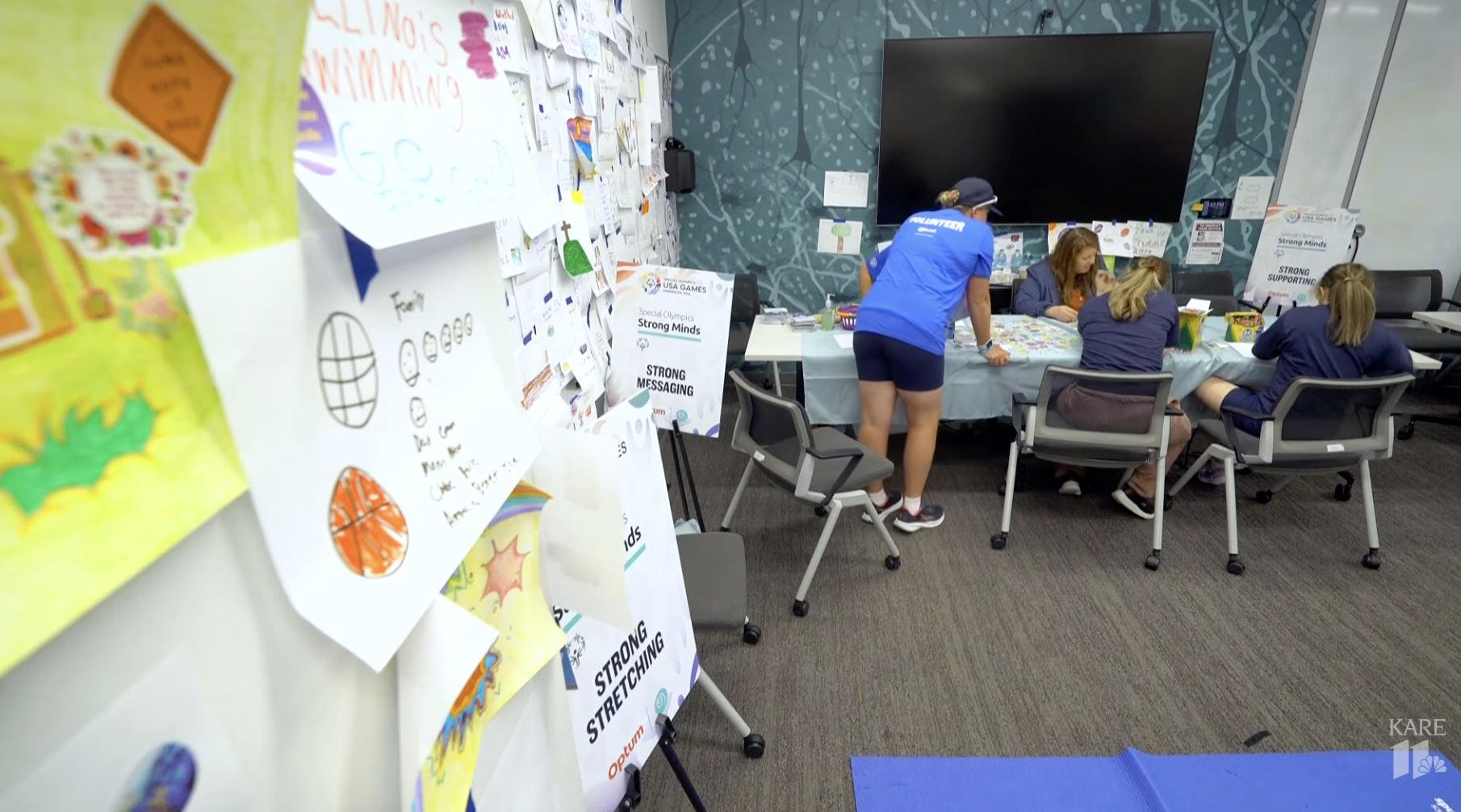
Merri Leach: So, we do educational things, but we also try to do things that are fun. So, we have done cooking classes. We do painting. So it’s not all just preach, preach, preach to them, it’s also interactive and letting them just be free from thought.
Sarah Spoonemore: Mhm.
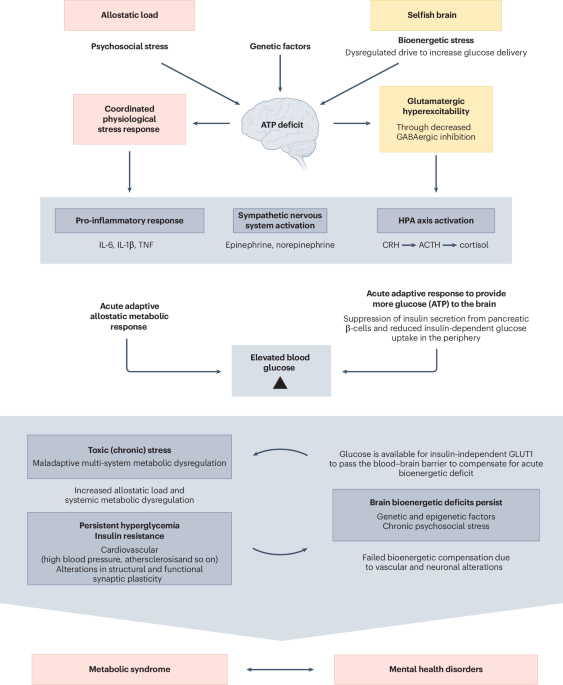
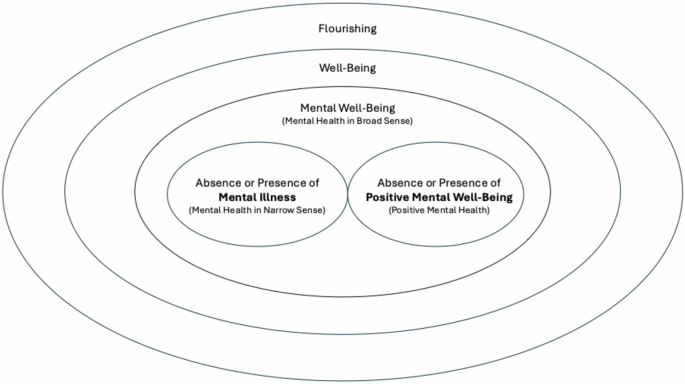
I think that definitely your mental health and your spiritual health affect how well you handle the treatment because a lot of those things play into how you’re feeling and how you’re doing.
And if your mental health’s not in a good place, then you’re not going to succeed. It’s going to make you more tired. You’re not going to sleep as well, and so, it’s just going to maybe not be as effective treatment as it would if you had all of those things managed.
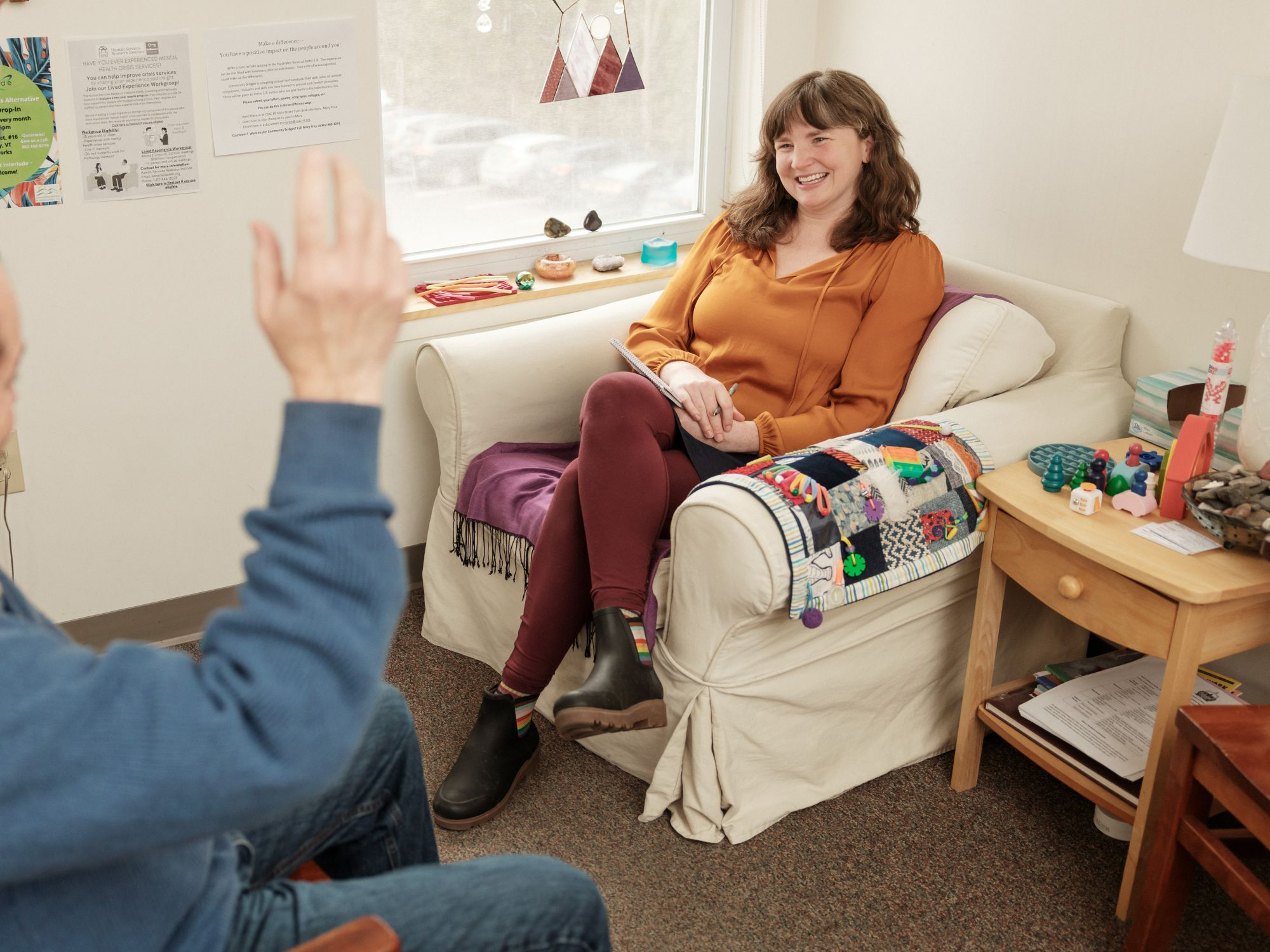
We have four people that meet with each patient along with the nurse – the dietitian, social worker, chaplain, and a financial navigator that kind of speaks to the insurance because that’s something else that weighs on their mind.
What – is my insurance going to pay for this? Am I going to come out of here with all these bills? So, that’s [an] important piece of it too.
Merri Leach: When you’ve seen one cancer patient, you’ve seen one cancer patient because out of the 500 patients that I’ve seen so far this year, there’s not two of them that are alike.
They may have the exact same cancer, the exact same treatment plan – but they’re both going to respond differently because of all those other outliers.
Sarah Spoonemore: -And it affects them differently. One person may just breeze through it like nothing is nothing happened, and you wouldn’t even know, looking in from the outside, that anything was going on.
And the other one, it may affect a lot more. It just depends on those other social outliers or what’s going on in their life is going to make a huge difference.