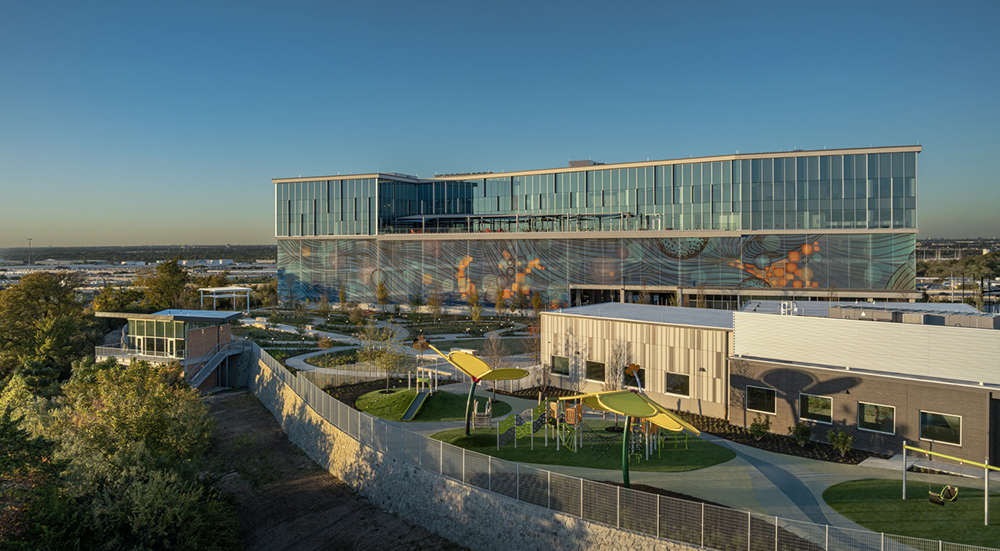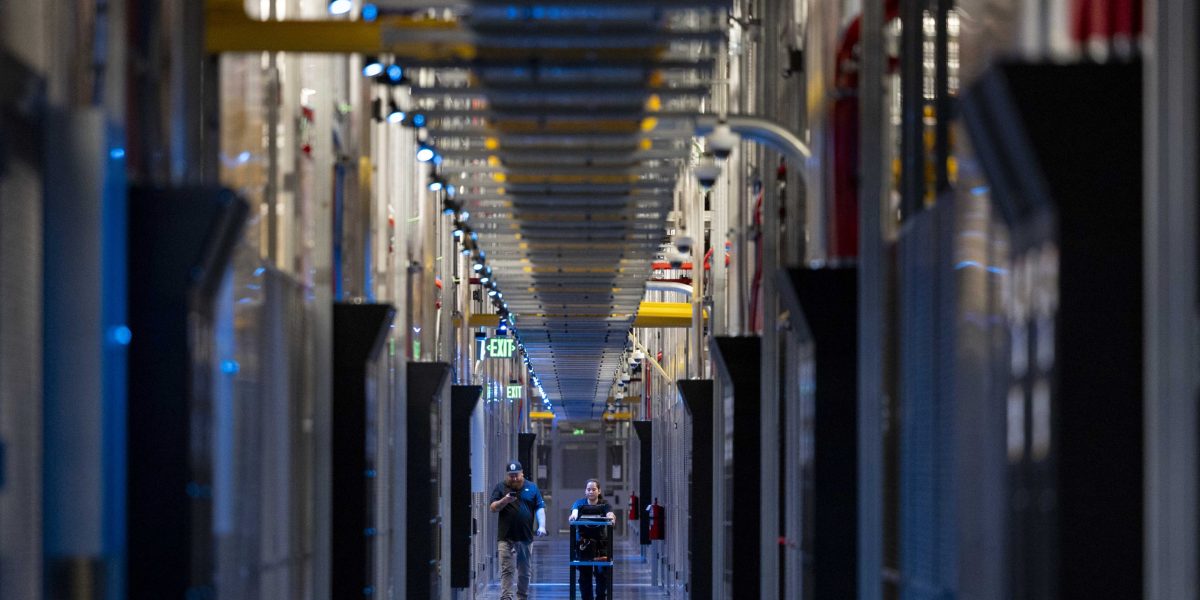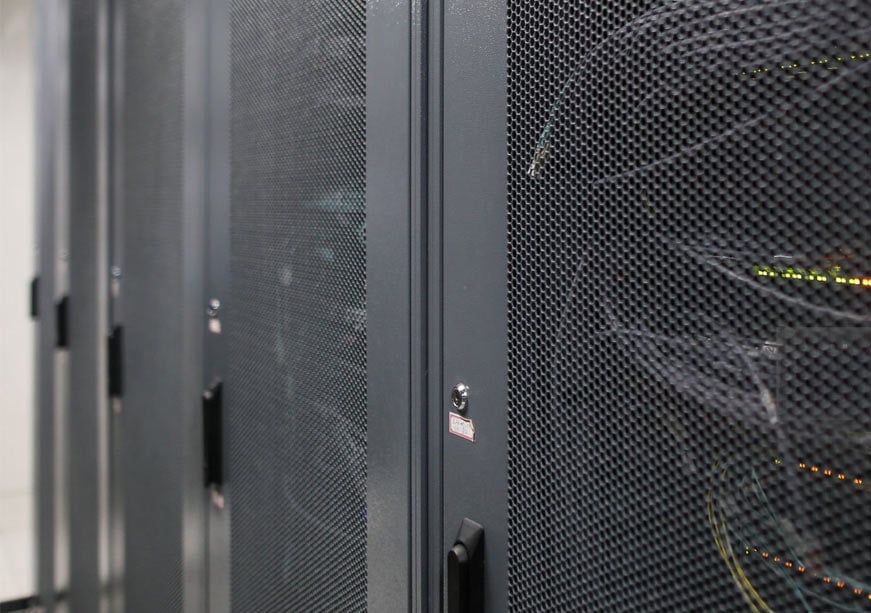
Data Centers are large facilities containing computer servers used for data storage, data analytics, generative AI, and streaming services. Data centers represent health risks for their neighbors. These risks are especially high from hyperscale data centers powered by fossil fuels, such as those proposed for some parts of Pennsylvania. Listed below are some of the top problems data centers impose on nearby communities.

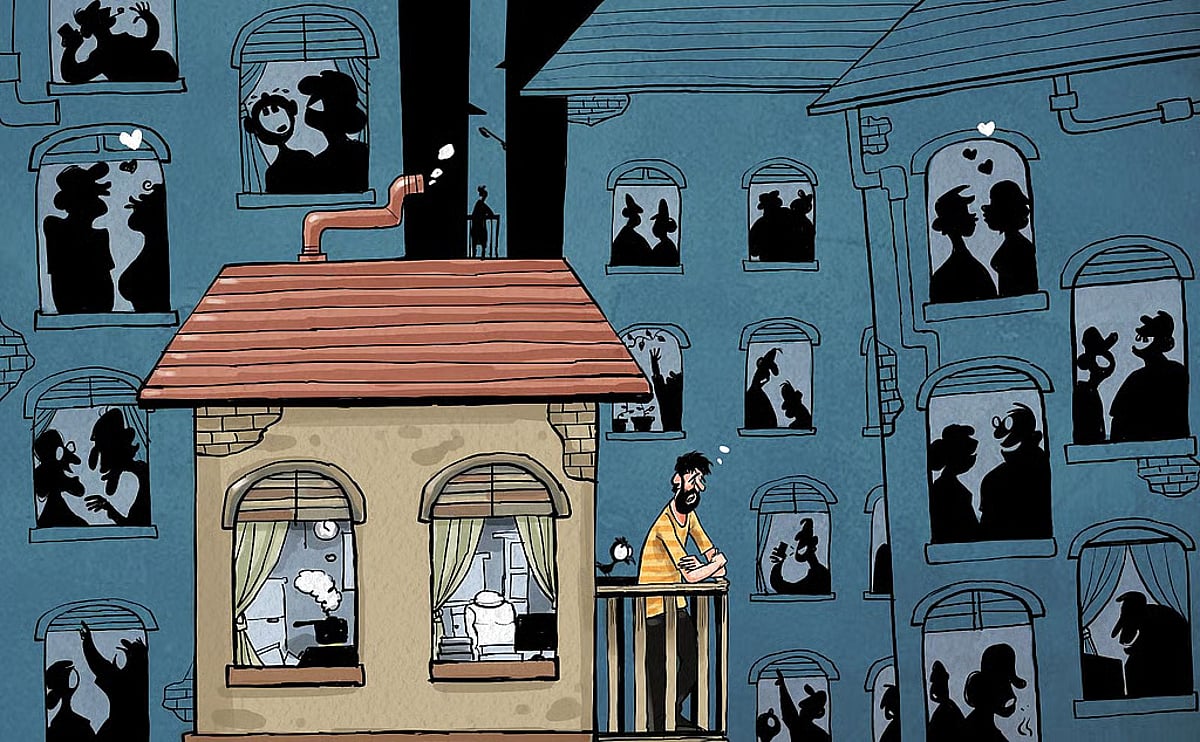
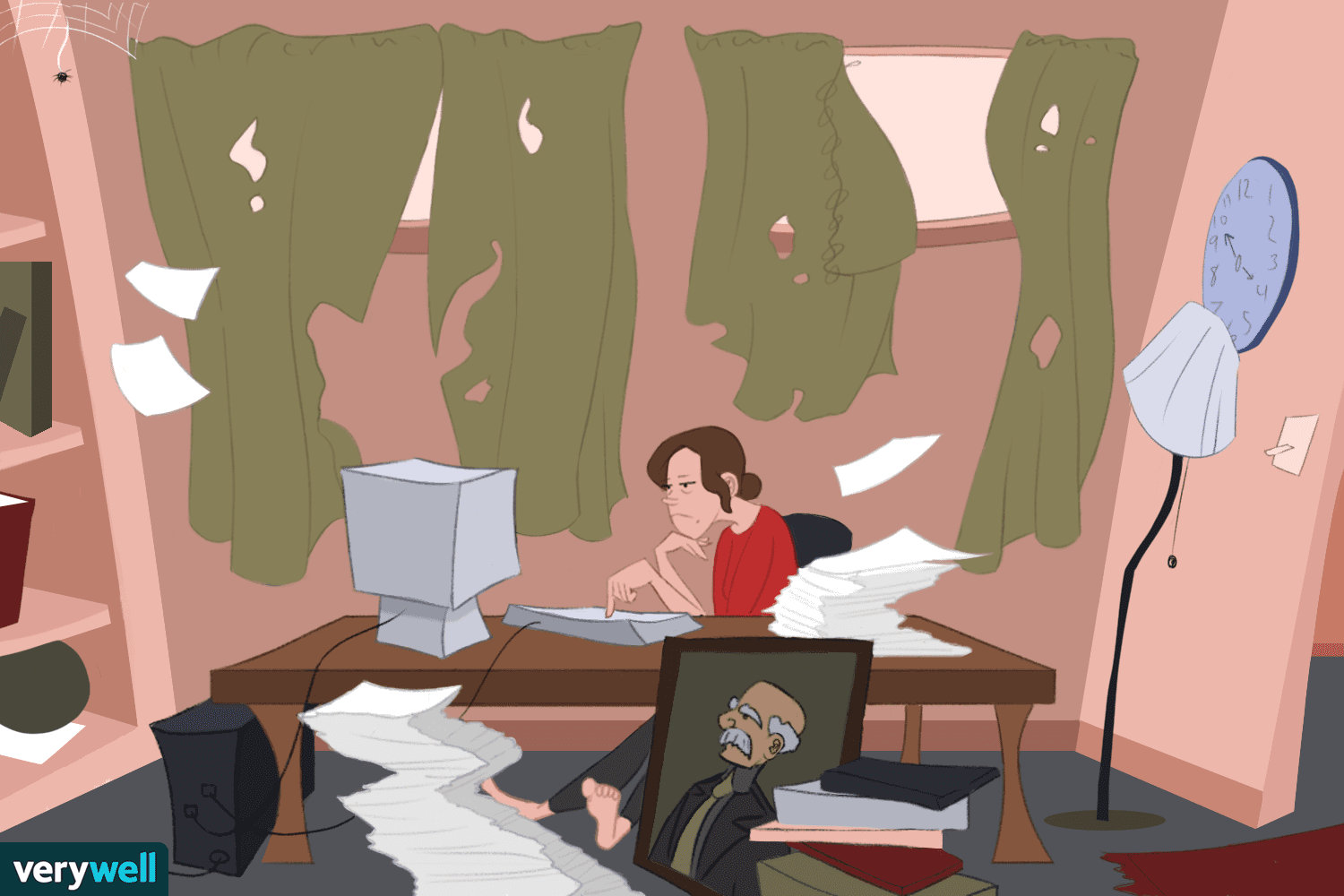
Data centers generate light pollution. Hyperscale facilities require all-night lighting that disrupts the natural (circadian) rhythms of the body, including melatonin production (the hormone that regulates sleep) and sleep-wake cycles. Light pollution is also disturbing migration patterns and habitat development among birds, butterflies, bats, cats, and turtles—to name only a handful.
The long-term impacts of both noise and light pollution include hearing loss, stress, insomnia, and decreased quality of life.
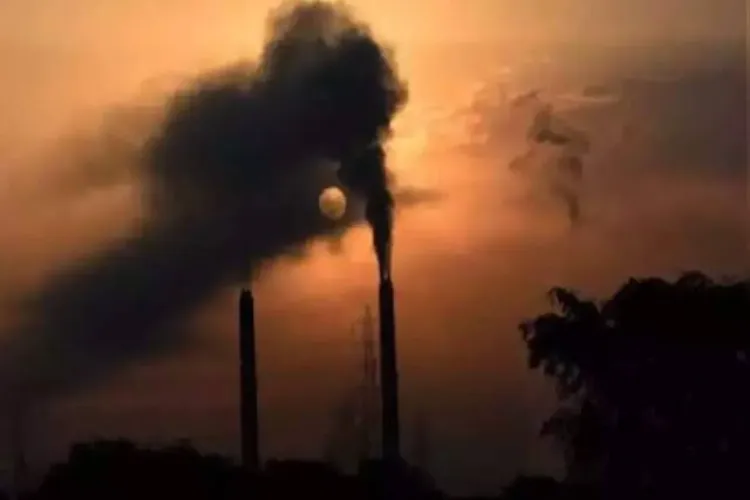
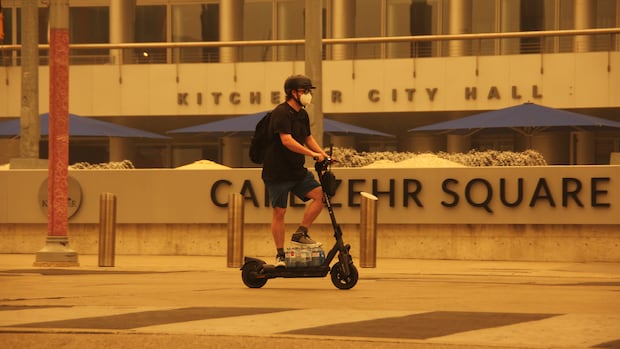
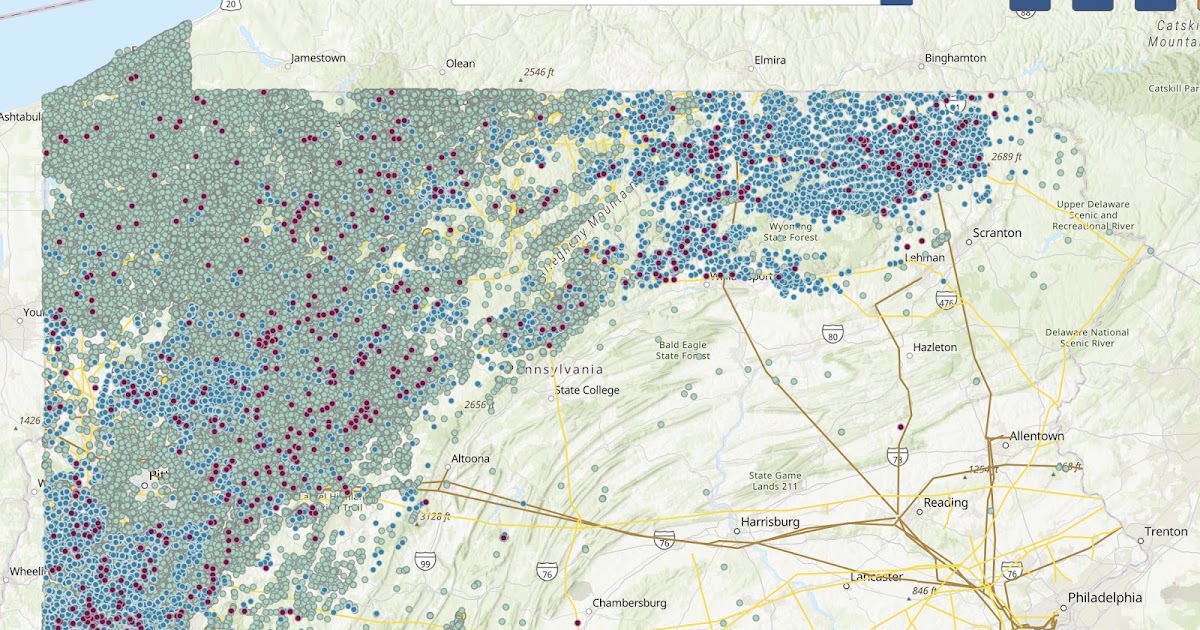
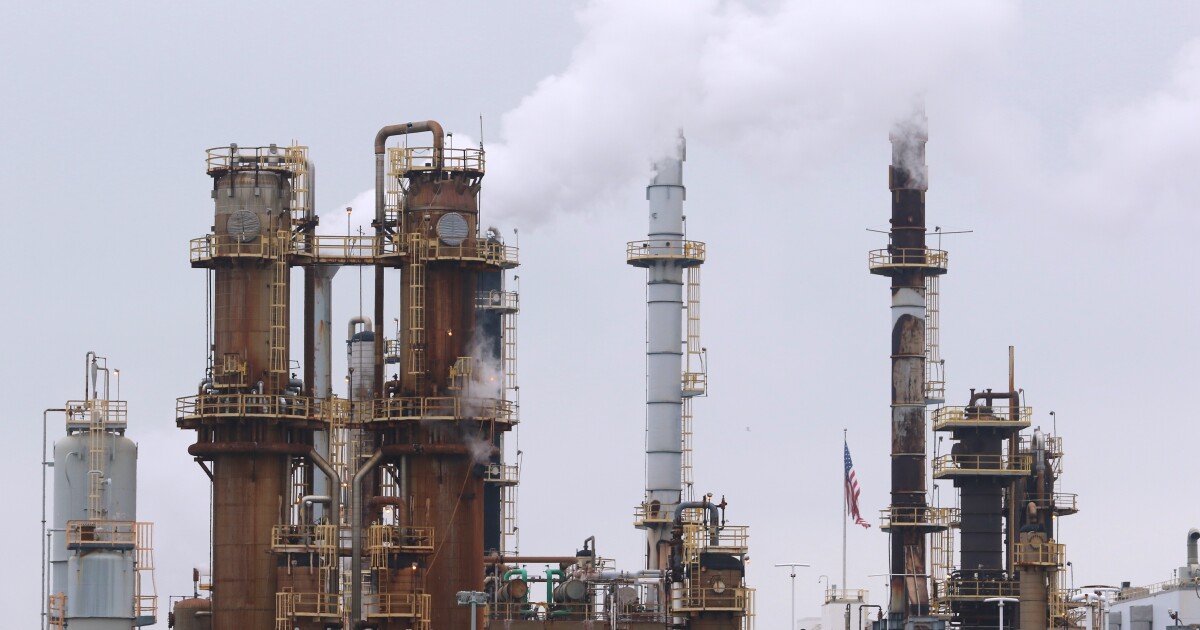
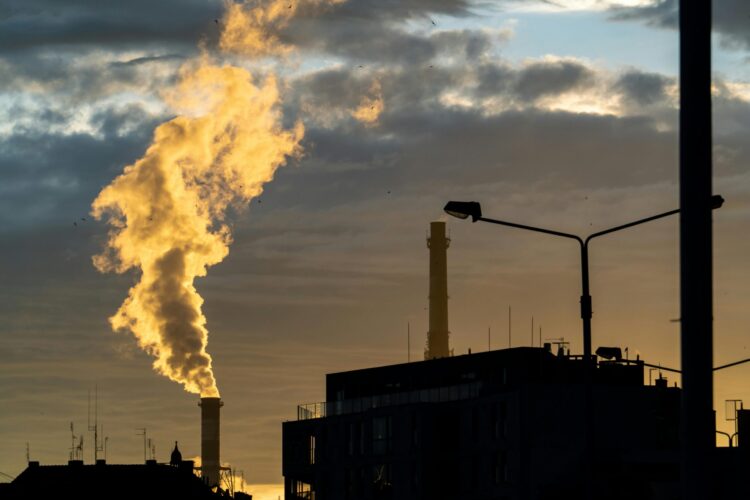
Data centers, especially gas-powered data centers, emit significant pollutants, such as nitrogen oxides, methane, volatile organic compounds, and fine particulate matter. According to a September 2025 study, these pollutants increase rates of respiratory diseases and cardiovascular conditions, and they elevate cancer risks among nearby communities. A 2025 model indicates that U.S. data centers in 2030 could cause approximately 600,000 asthma symptom cases and 1,300 premature deaths, exceeding 1/3 of asthma deaths in the U.S. each year, resulting in a public health burden of more than $20 billion.
Cost Increase for Home Energy Consumers
Data centers have typically not paid their fair share in utilities, particularly for electricity consumption, and in those situations other consumers (including residential customers) have had to pay more than they otherwise would.
Utility companies identify data centers as large load customers, meaning that they require a lot more energy from the power grid. When a utility grid operator must add new infrastructure to accommodate growing populations or large load customers, rates may increase for all users in that region, despite attempts to regulate those increases or to allocate costs to the large load customer. In fact, utility grid operators will sometimes negotiate lower rates to incentivize large load customers to build in their territory, meaning that additional expenses must be covered by the other customer segments.
This data center boom and the subsequent demand for more energy presents an opportunity to protect public health and to invest in renewable energy as a driver of the economy, but we need to make that choice now. If data centers are encroaching on our region, they must be powered by cleaner, renewable sources of energy to avoid imposing additional health hazards associated with oil and gas development onto nearby communities.

Who Is Affected?
As with other forms of air pollution, those at increased risk include children, developing fetuses, pregnant people, elderly, and individuals with chronic respiratory or cardiovascular disease.
This trend is not a new one. In fact, for people throughout our region, it is a familiar story. Data centers powered by fracked gas, like other oil and gas industries, threaten some of our most vulnerable community members, but they also put every nearby person at greater risk for health consequences—not to mention the added financial burden of health care costs.
What Can We Do?
The companies behind the data center boom are moving quickly into communities across the region, many with promises of prosperity. But some communities are pushing back and saying that data centers are not worth the health and environmental impacts. If you agree with that sentiment, there are steps you can take to combat data centers in your backyard.
-
First, check if your municipality has a data center ordinance. If not, urge officials to adopt one.
-
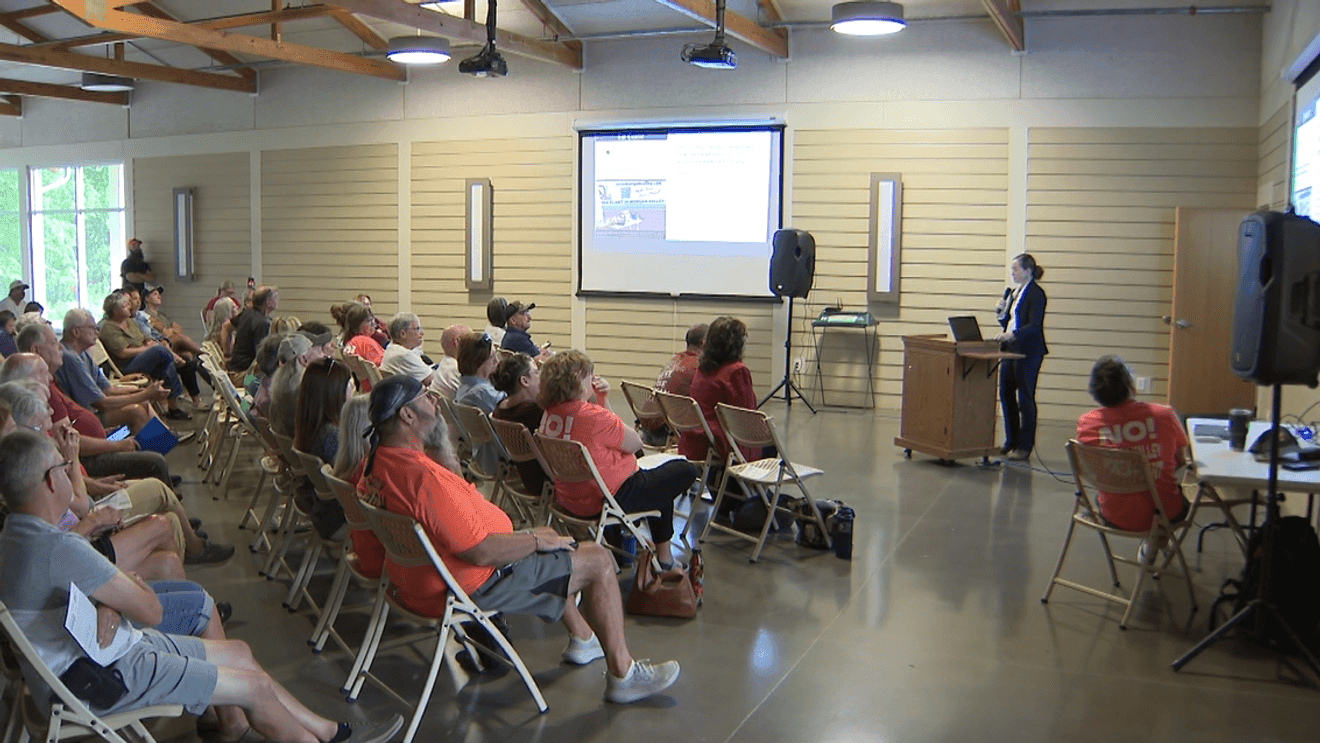
Then, identify opportunities for community participation before the proposed data center is approved. Will a public hearing be required? If so, take this opportunity to express your concerns and to share this resource with other community members.
-
Next, reference nuisance control ordinances (rules for limiting noise, light, and vibrations), plus zoning laws that would restrict new data centers in your region.
-
If the data center must be built, advocate for limiting the use of fossil fuels in both everyday operations and generator backups. Encourage decision makers and developers to utilize renewable energy sources, such as wind turbines and solar panels.
-
Finally, urge decision makers to require any facility to report their emissions and share an emergency preparedness plan with the community.
-
Subscribe to our monthly newsletter for updates, events, and resources.
-
We also offer a quarterly health newsletter, full of research reviews, webinar invitations, events, and fact sheets.
-
Plus, get the latest updates on your favorite social media: Instagram, Facebook, LinkedIn, and BlueSky.

Burt, C., Kelly, J., Trankina, G., Silva, C., Khalighifar, A., Jenkins-Smith, H., Fox, A., Fristrup, K., Horton, K. (2023). The effects of light pollution on migratory animal behavior. Trends in Ecology & Evolution, 38(4), 355-368. https://doi.org/10.1016/j.tree.2022.12.006
Environmental Defense Fund. (2025). Clearing the air: the need and opportunity to reduce unhealth pollution from gas-fired power plants and industrial facilities. https://turbinemap.edf.org/
Han, Y., Wu, Z., Li, P., Wierman, A., Ren, S. (2025). The unpaid toll: quantifying and addressing the public health impact of data centers. ArXiv, 2412, 06288. https://doi.org/10.48550/arXiv.2412.06288
Tessum, C., Paolella, D., Chambliss, S., Apte, J., Hill, J., Marshall, J. (2021). PM.2.5 polluters disproportionately and systemically affect people of color in the United States. Science Advances, 7(18), eabf4491. https://www.science.org/doi/10.1126/sciadv.abf4491