
July 28, 2026
Contact: Brian Consiglio, consigliob@missouri.edu
University of Missouri researchers have identified a simple, effective way to improve quality of life. A new study found that maintaining a consistent daily routine can reduce physical pain and ease symptoms of depression, demonstrating how everyday habits can have a meaningful impact on well-being, particularly for older adults with insomnia.
Roughly half of adults age 60 and older report experiencing insomnia symptoms, according to the National Council on Aging. To better understand how insomnia affects overall well-being, Eunjin Tracy, an assistant professor in the College of Education and Human Development, analyzed survey data from 67 older adults, including 37 people with insomnia.
As expected, participants with insomnia reported higher levels of pain and depression. Tracy also found that participants who maintained consistent daily routines tended to report lower levels of pain and depression, a relationship she believes may be explained in part by the way regular schedules help synchronize the body’s internal clock.
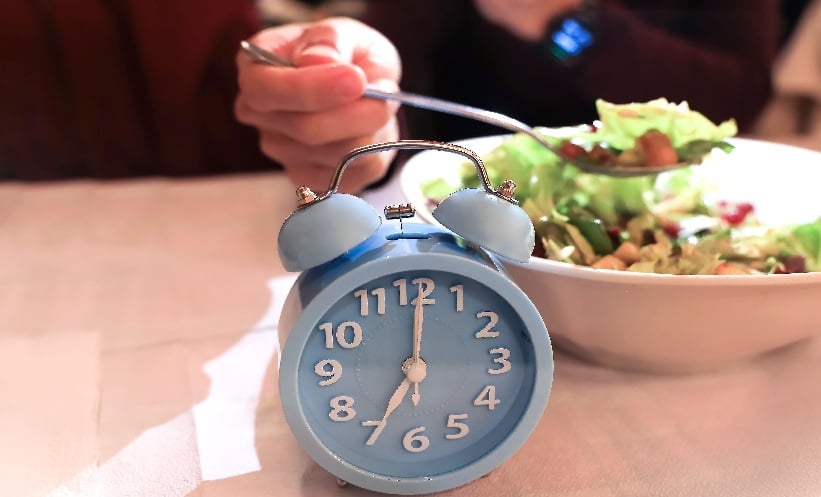
“Regardless of sleep quality, those who reported having a regular daily routine had lower levels of physical pain and less depression compared to those without a daily routine,” Tracy said. “If we are consistent with when we wake up, eat, work or study, interact with others and go to bed, those time cues help synchronize our internal body clocks. Over the long term, that seems to be linked with improved health outcomes.”
Those daily habits help regulate the body’s circadian rhythm, its internal 24-hour clock that influences sleep, mood and other biological functions.
“When we regulate our circadian rhythm well, our bodies function well, but if it gets too distracted, our bodies don’t function as well,” Tracy said.
Even small disruptions to daily schedules can throw off the body’s internal clock, a phenomenon sometimes referred to as social jet lag. Tracy said maintaining a consistent routine throughout the week can help minimize those disruptions.
“As someone who wakes up and goes to bed at the same time every day, I think a daily routine can be helpful for people of all ages across their lifespan,” Tracy said. “There is growing awareness about the concept of social jet lag — waking up and going to bed at different times on weekends compared to weekdays — and the disruptions it causes to our circadian rhythm, so hopefully this research helps more people consider the health benefits of a daily routine. Since one-third of our lives will be spent sleeping, I think health and well-being research should be looked at holistically from a 24-hour perspective and not just focus on when we are awake.”
“Behavioral-social rhythms and insomnia symptoms: associations with pain, body mass index, and depressive symptoms among older adults” was published in the Journal of Behavioral Medicine.