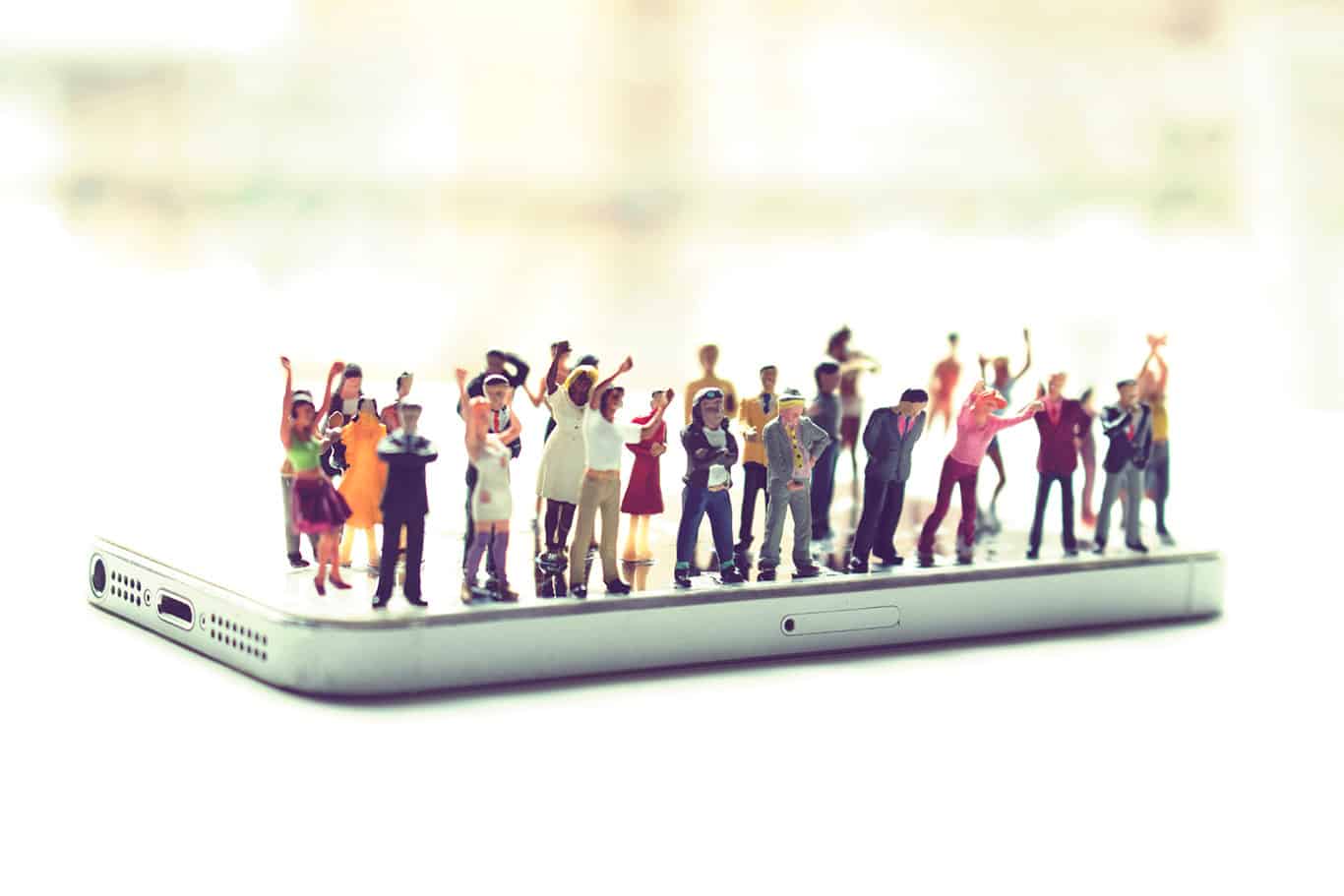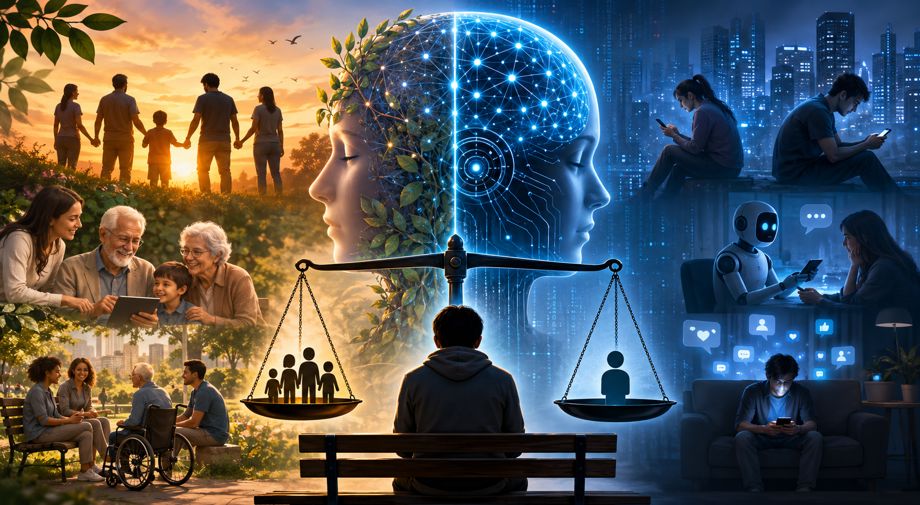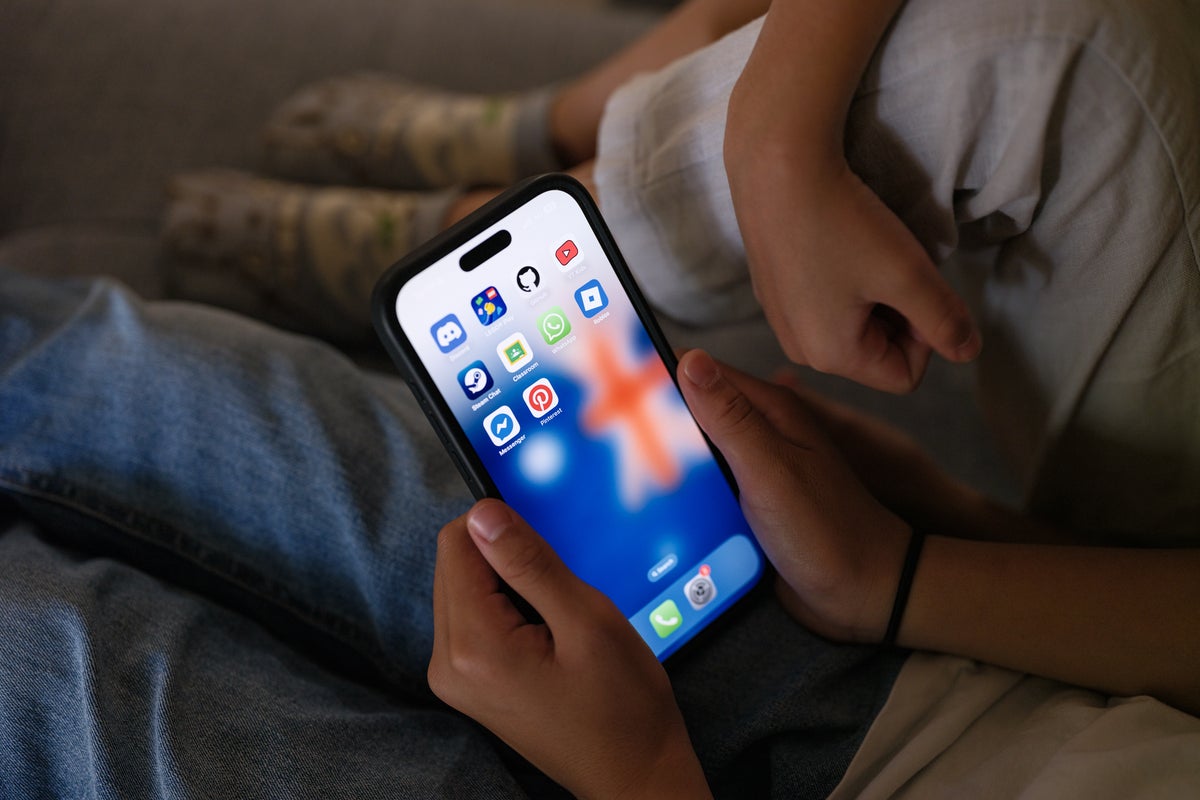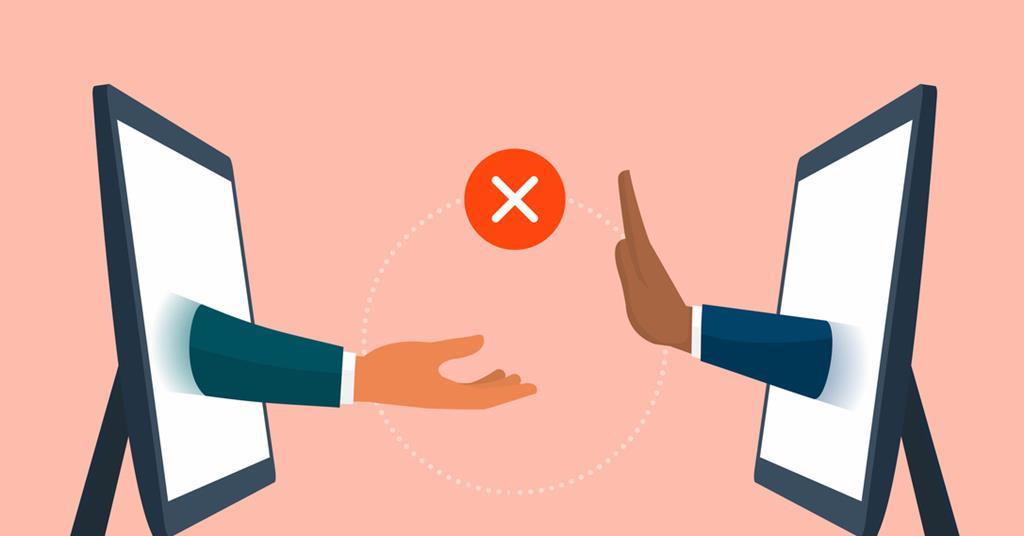
According to a 2023 essay in the Atlantic by a Harvard happiness researcher, the term parasocial interaction has a specific origin. As the essay notes, “The term parasocial interaction was introduced in the 1950s by the social scientists Donald Horton and R. Richard Wohl.” In their groundbreaking 1956 paper, Horton and Wohl open with a now-familiar observation. One of the striking characteristics of the new mass media, radio, television, and the movies, is that they give the illusion of face-to-face relationship with the performer. The conditions of response to the performer are analogous to those in a primary group. The most remote and illustrious men are met as if they were in the circle of one’s peers, and the same is true of a character in a story who comes to life in these media in an especially vivid and arresting way. They proposed to call this seeming face-to-face relationship between spectator and performer a para-social relationship.
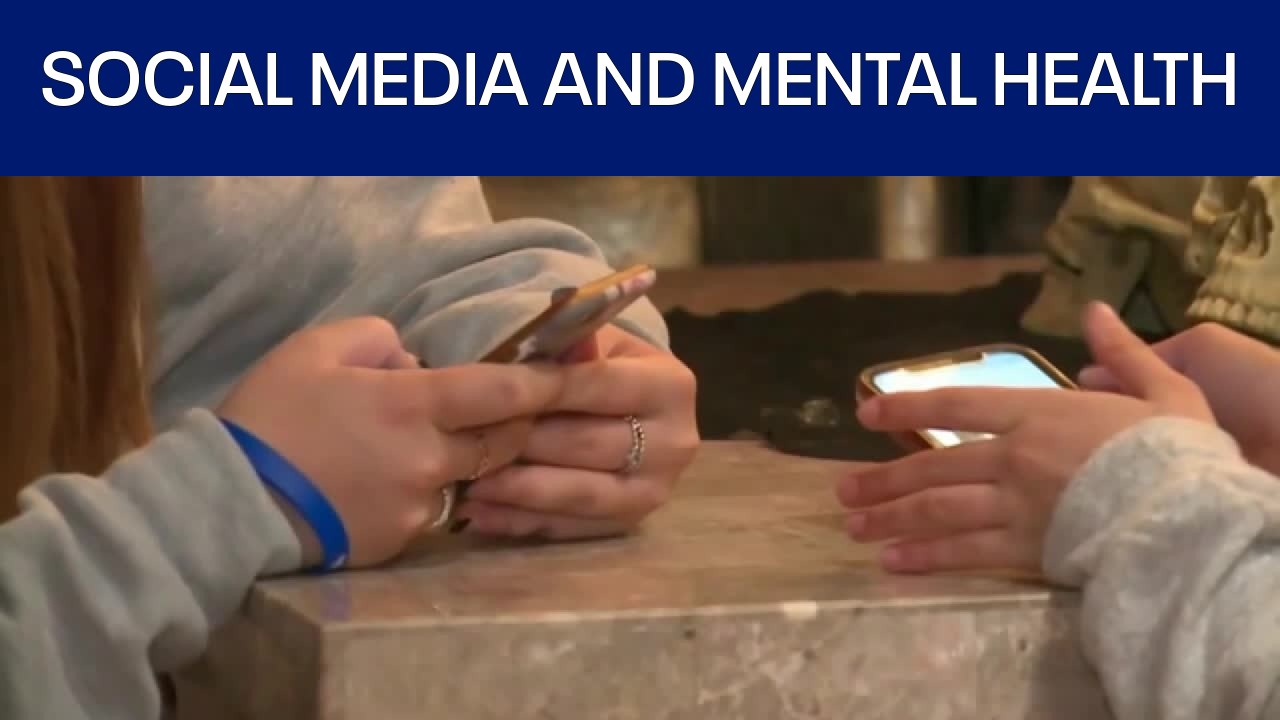
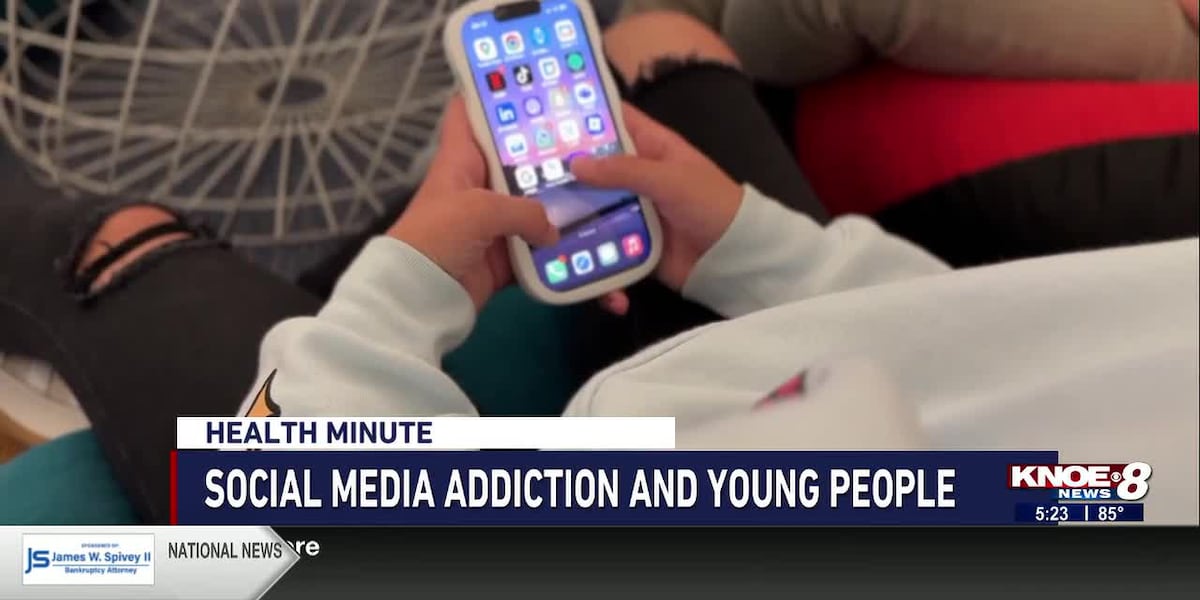
The definition of parasocial interaction is today much broader. Actors, singers, comedians, athletes, and countless other celebrities are available to us in more ways than ever before, and forming parasocial bonds has never been easier. And likely, those parasocial bonds have never been stronger.
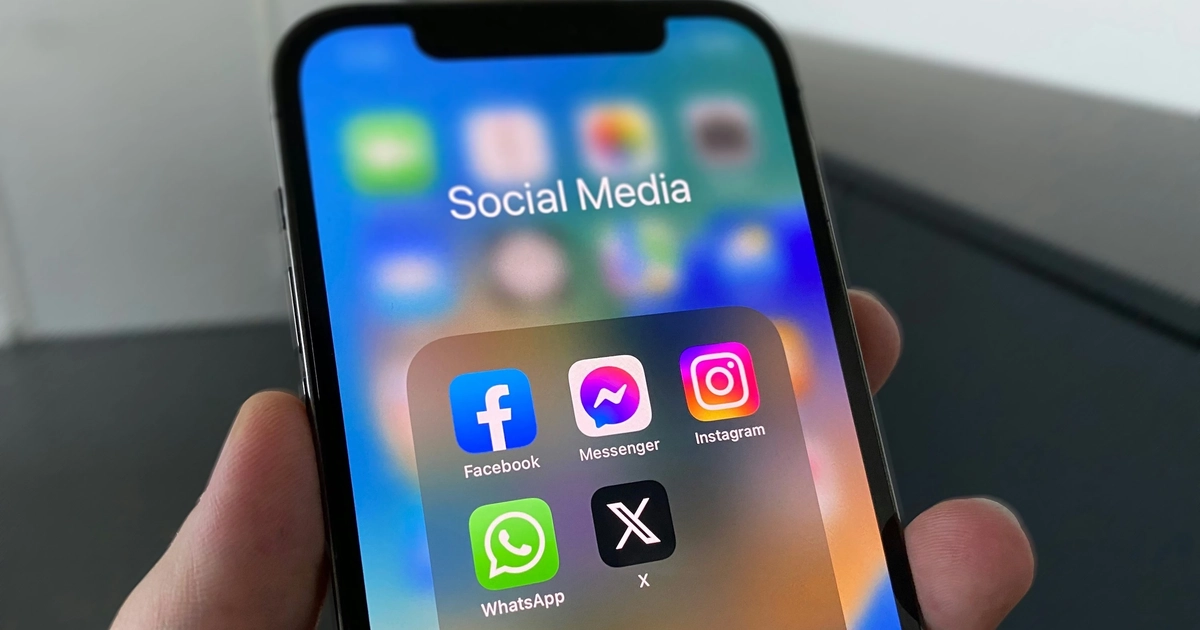
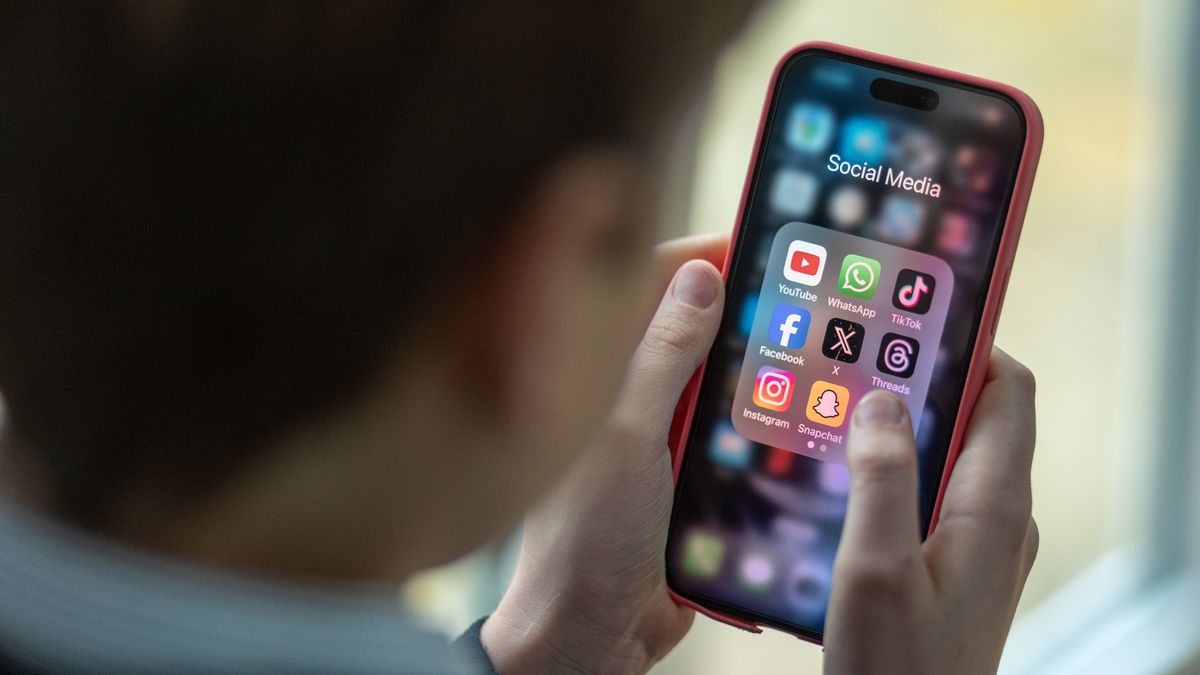
The Kaiser Family Foundation has described the mechanism plainly. As its researchers put it, “When people are exposed to a consistent set of messages, they incorporate information from their television viewing into their understanding of the world around them.” The increasing strength and reach of the parasocial relationship through TVs, laptops, and iPhones into the minds and hearts of audience members, whether for entertainment purposes or for any other purpose, will increasingly impact audiences’ perceptions and actions. The same researchers frame media as a double-edged force. Its promise, they write, is “To convey public health messages that can improve health and sometimes save lives.” At the same time, it has the potential to spread misinformation or create misimpressions.
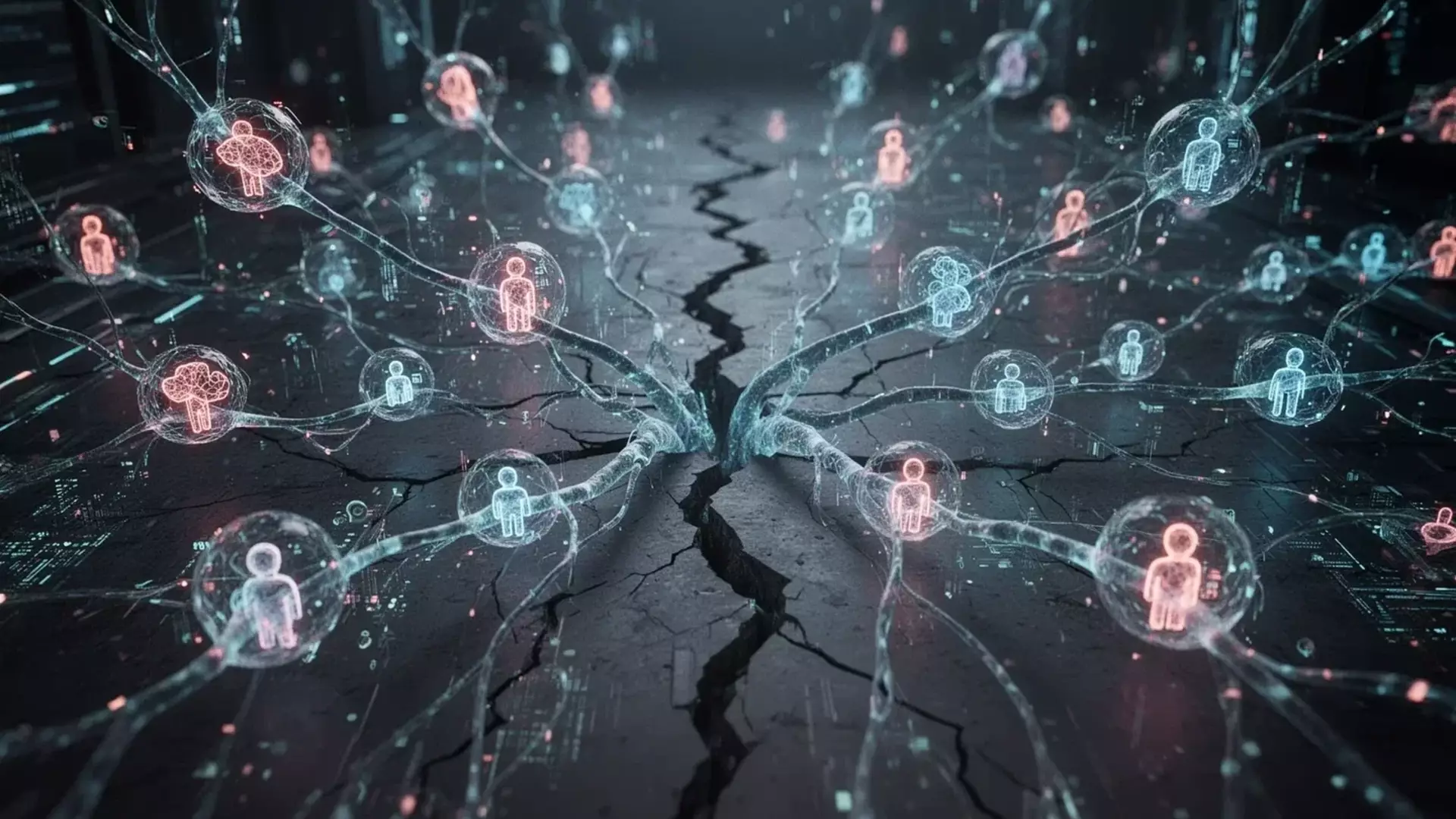
What happens when, in the context of mass media and the strengthening of parasocial relationships, those relationships let us down? What happens when our sense of who and what is right or wrong is disrupted and called into question, en masse, in an increasingly parasocial society? What impact does this have on our emotionally or psychologically most vulnerable population?
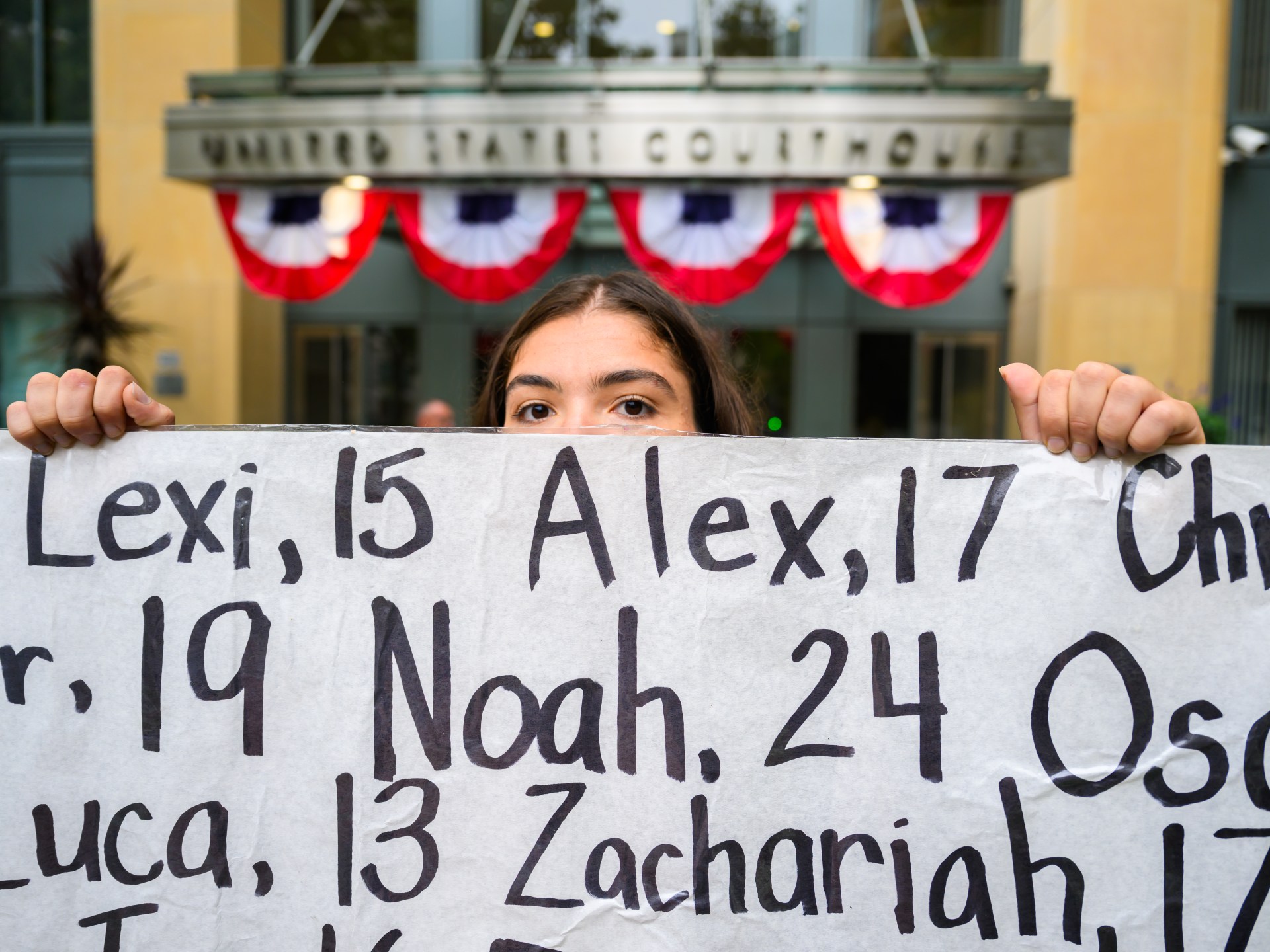
“Treat others the way you want to be treated” is the oft-quoted Golden Rule. The welcomed, or perhaps uninvited, parasocial discourse of institutional authorities may make someone today question, what is going on? Increasingly public and real-time disputes on matters of morality, spirituality, religion, even war and peace, are being para-played out in our living spaces through social and other forms of mass media. To reside in the United States, I am fortunate to be living during a time of peace where the clouds of physical injury and armed conflict are clear. However, there is smoke and unarmed conflict in the environment, not physical, but psychic.
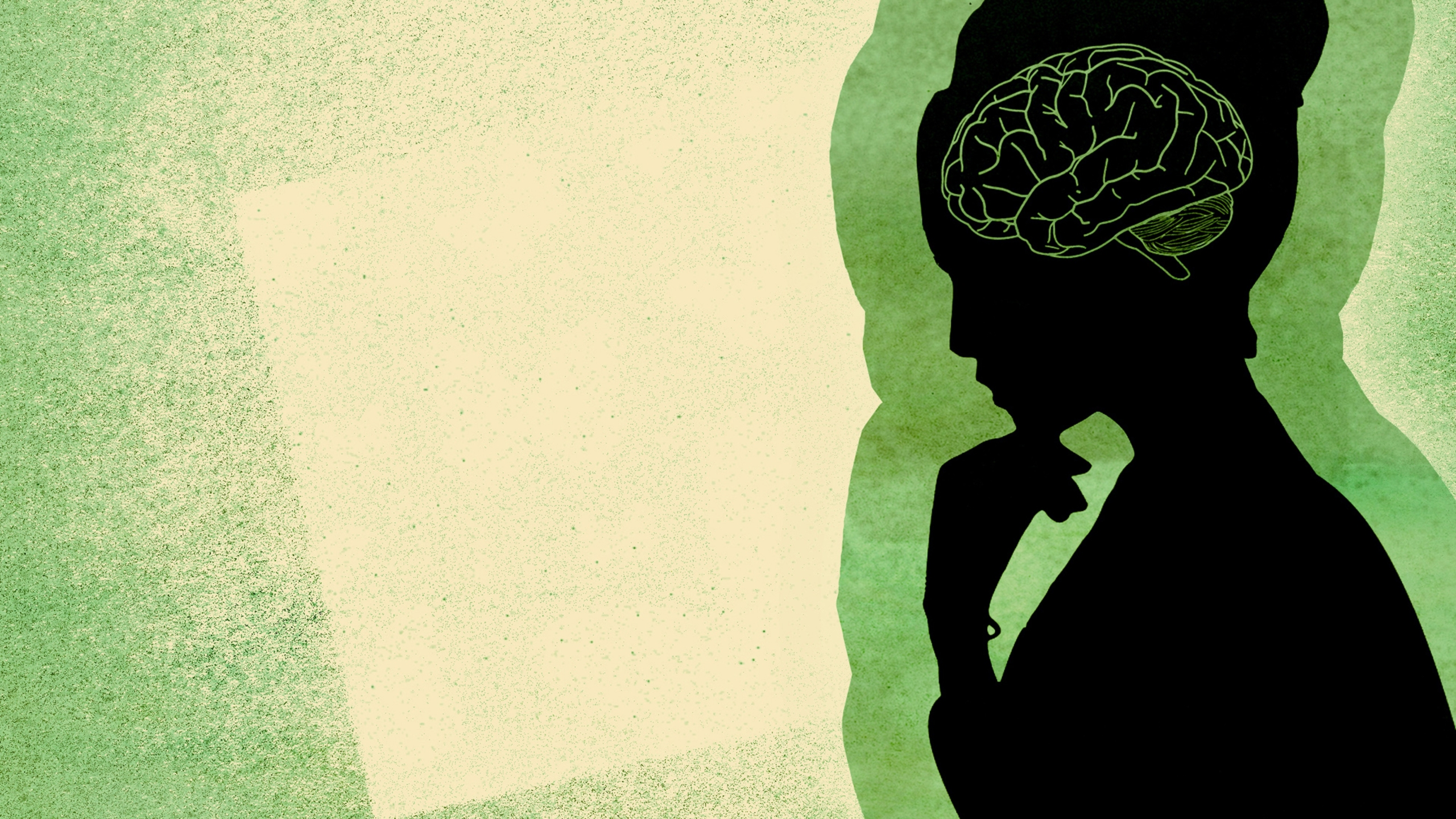
Recently, thanks to research led by the Harvard T.H. Chan School of Public Health, the concept of moral injury, psychological harm incurred from committing, witnessing, or being subject to actions that violate one’s moral code, has officially been recognized by the American Psychiatric Association (APA).
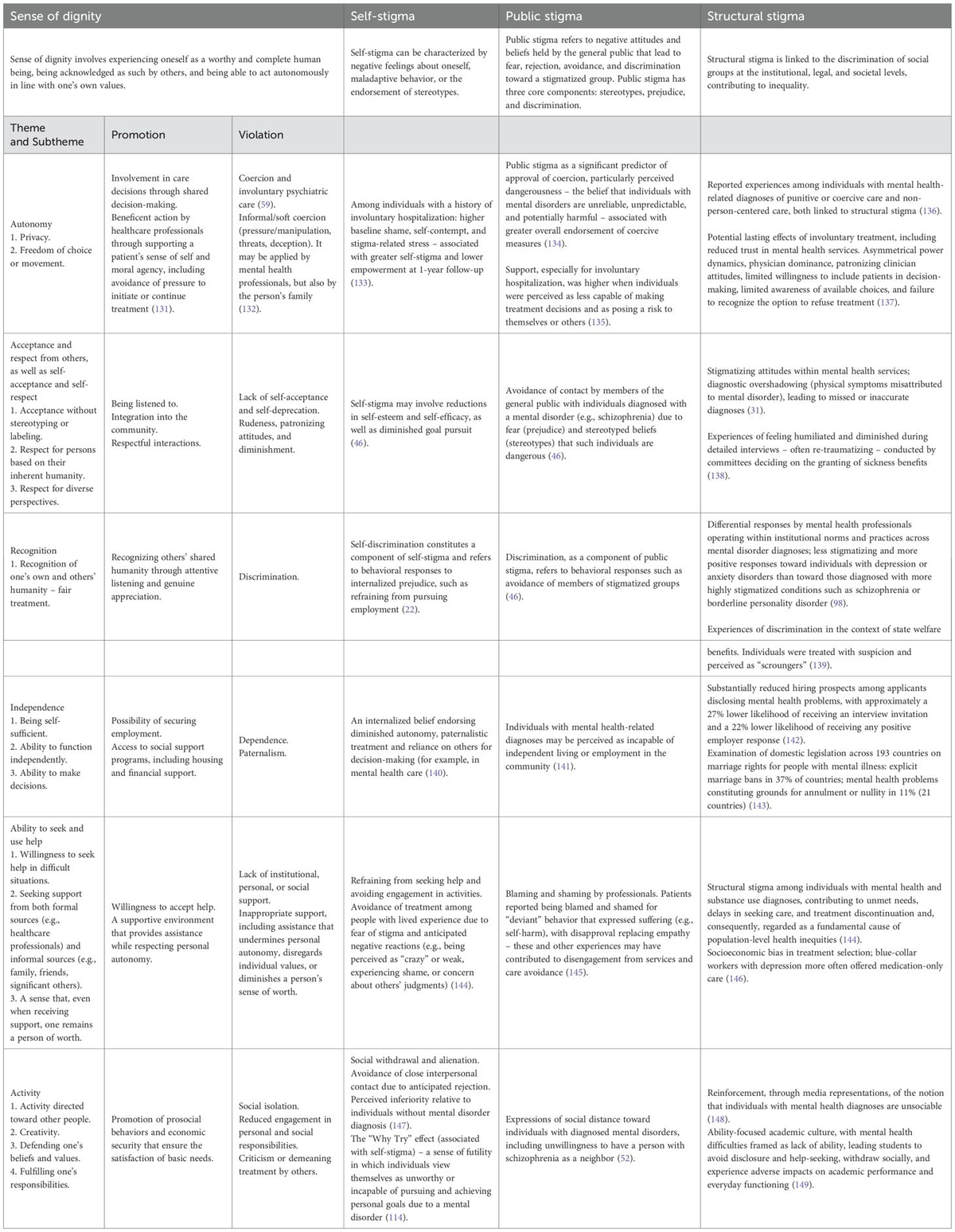
Moral injury is the result of persistent distress that arises from a personal experience that disrupts or threatens either one’s sense of the goodness of oneself, of others, of institutions, or of what are understood to be higher powers, or one’s beliefs or intuitions about right and wrong, or good and evil. So convincing is the data that this concept of moral injury was included in the newest version of its Diagnostic and Statistical Manual of Mental Disorders (DSM), the handbook for classifying and diagnosing mental health conditions used by U.S. mental health care providers.
Particularly potent in a parasociety, potentially morally injurious events include a person’s own or other people’s acts of omission or commission, or betrayal by a trusted person in a high-stakes situation.
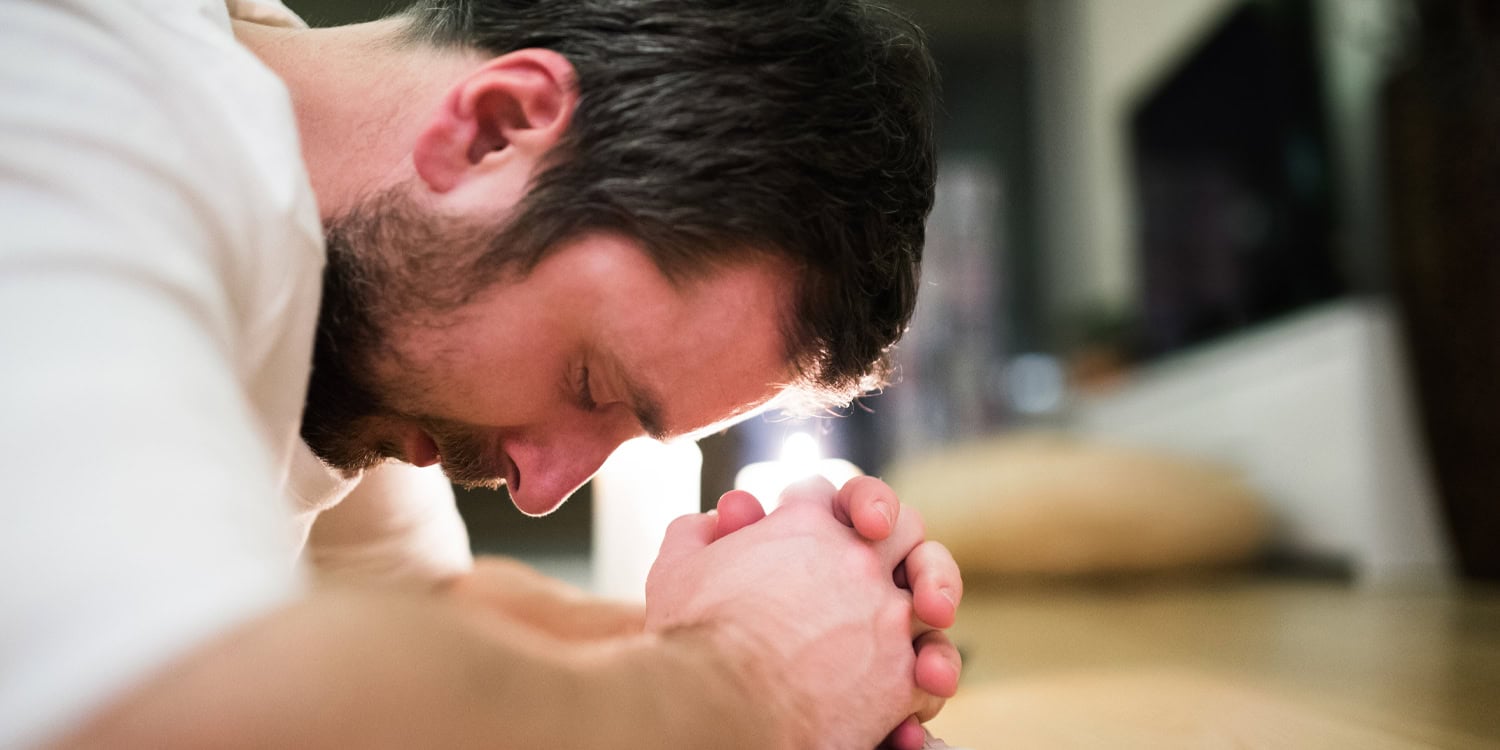
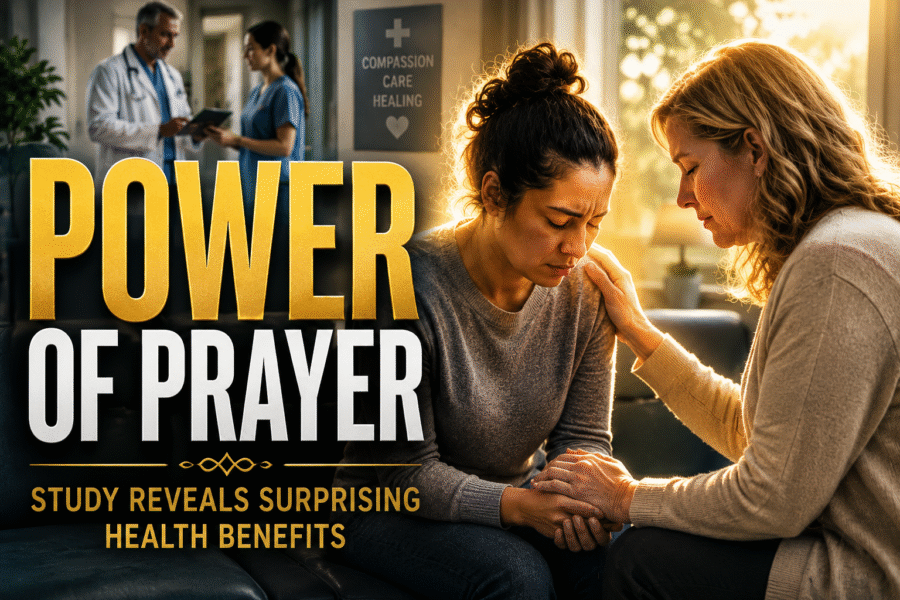
A separate body of research by the Harvard T.H. Chan School of Public Health was produced on the positive effects of spirituality and spiritual practice on health. There is a substantial and growing body of evidence that spiritual engagement, including involvement in religious communities, can serve as a protective factor against suffering and disorder. To implement their findings and promote positive health, the researchers wrote that clinicians could ask patients about the role of spirituality in their lives and prompt those who find it important to consider spiritual practices or community participation. Moreover, they wrote, public health organizations and spiritual or religious communities could join forces to provide more resources and opportunities.
When one’s beliefs in right and wrong are disrupted by external events, making one susceptible to moral injury, personal spiritual practice may be a source of moral re-armament. Ever more important in a parasociety, direct cultivation of spirituality, one that is unmediated by individuals or institutions and technology, may be increasingly important for moral armament and protection from moral injury.
Ryan Michael Nick is a psychology professor.