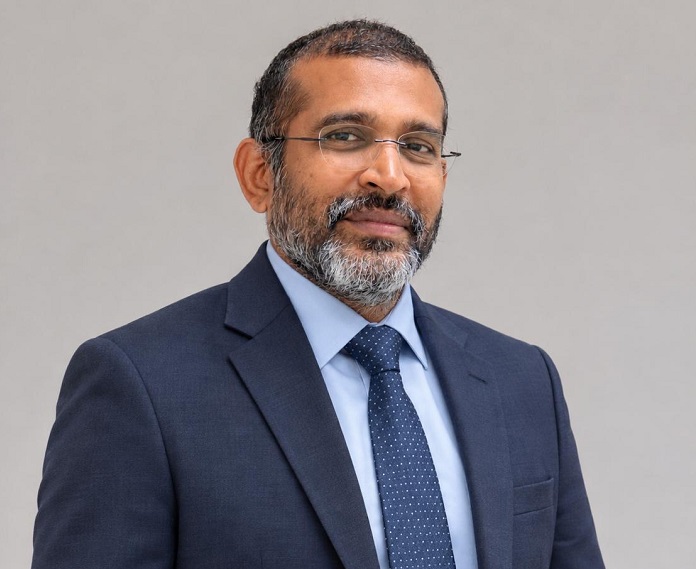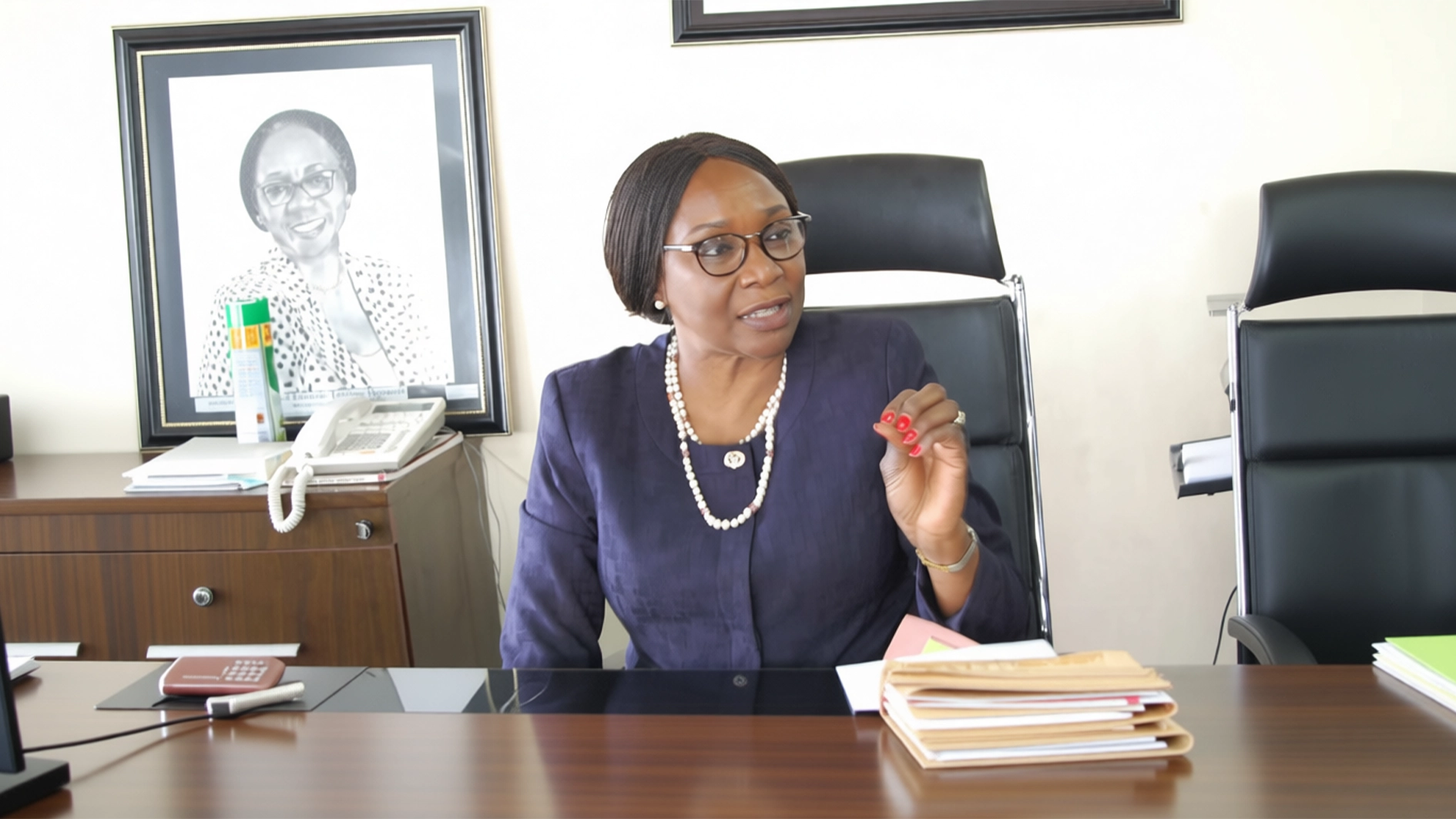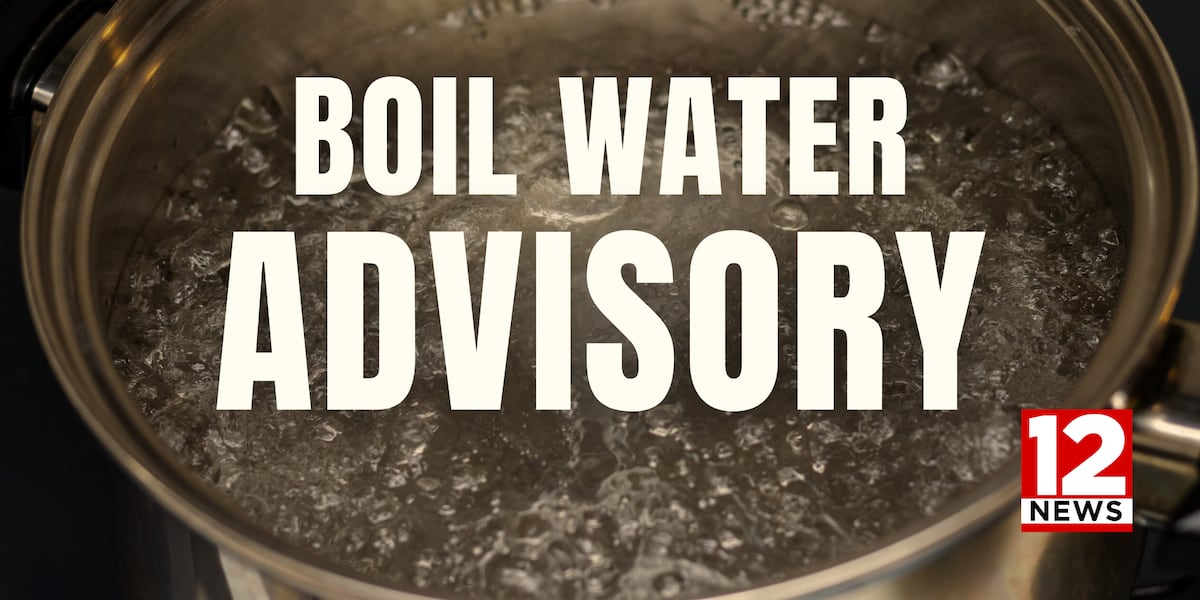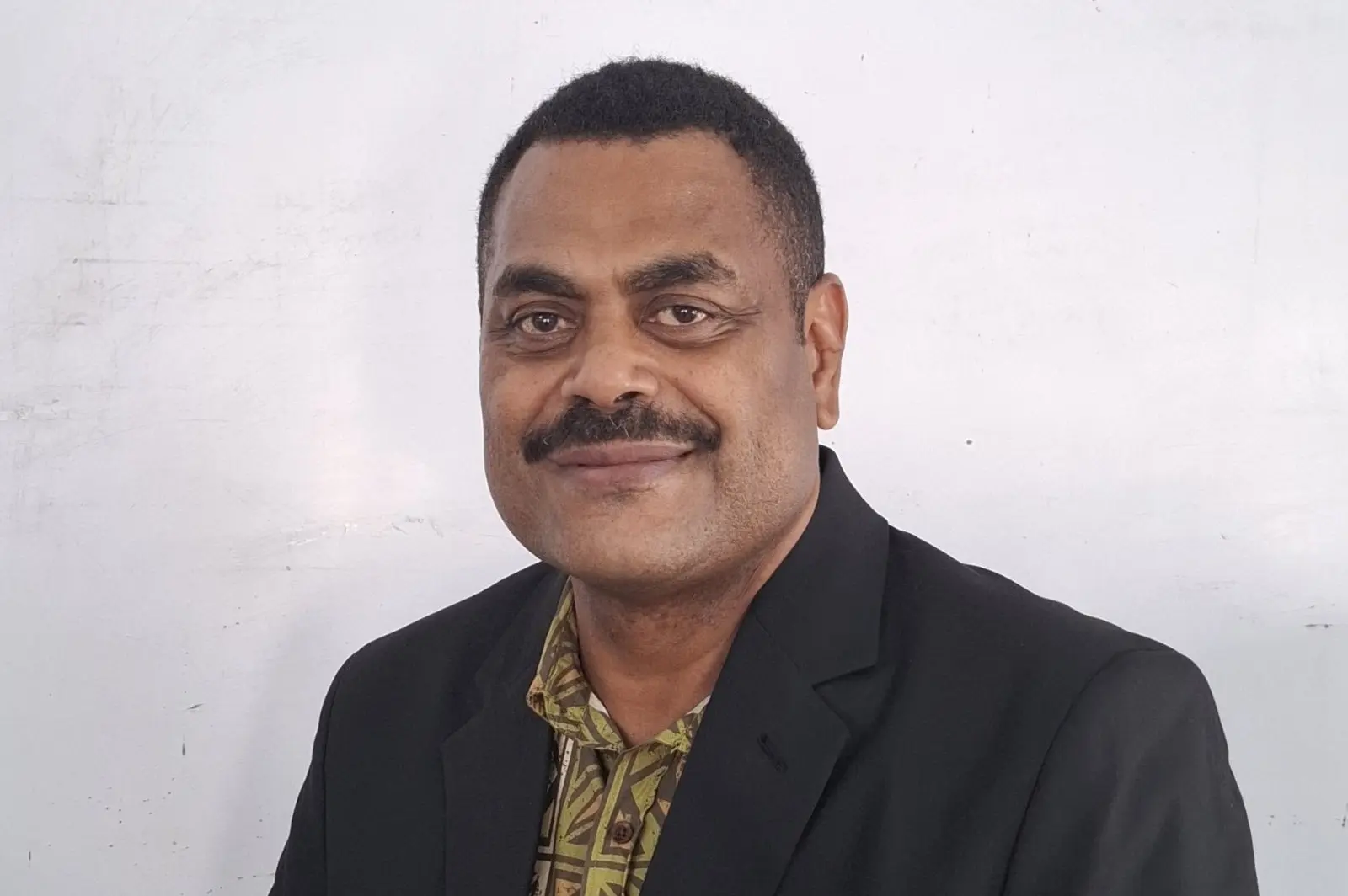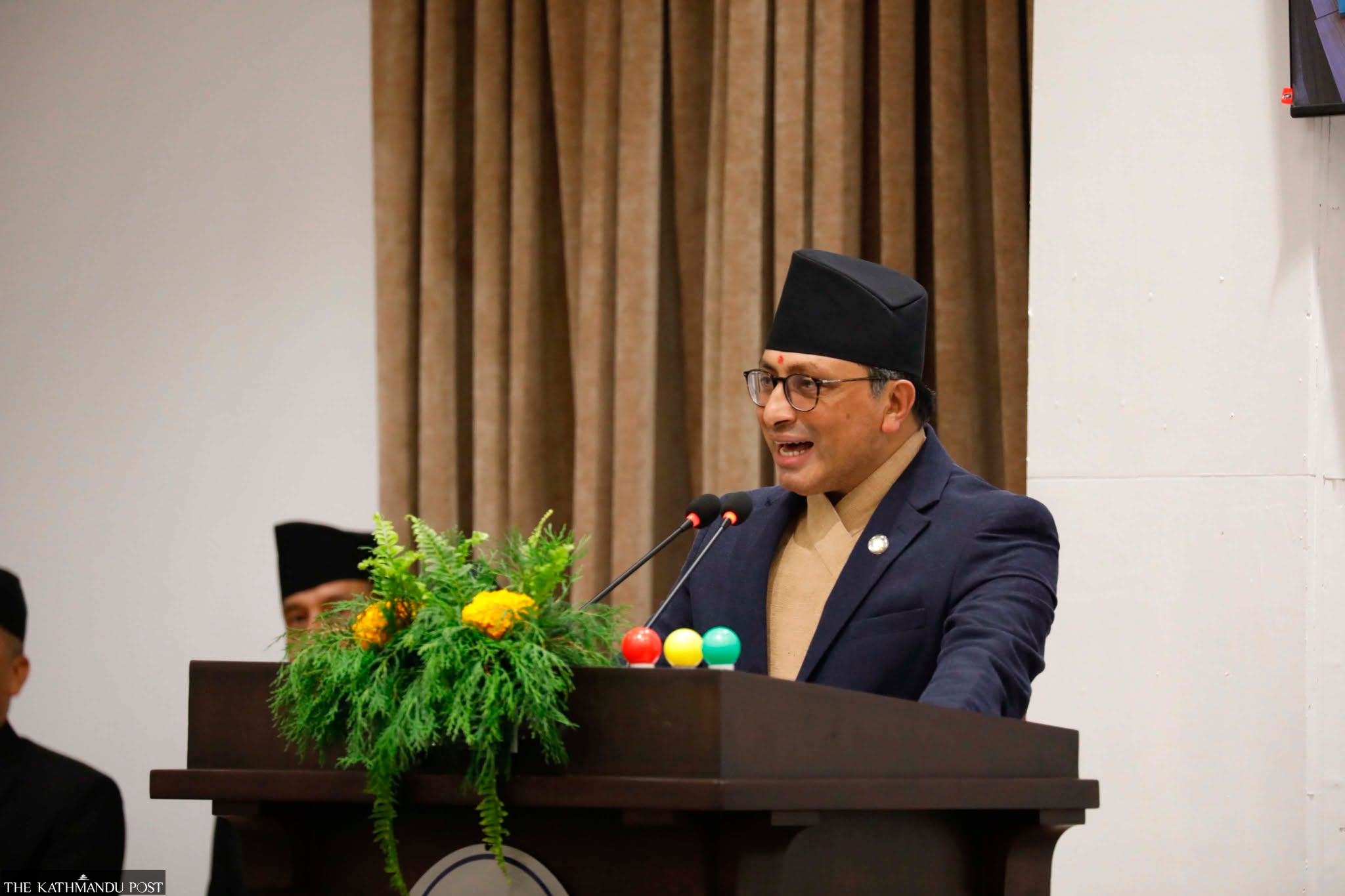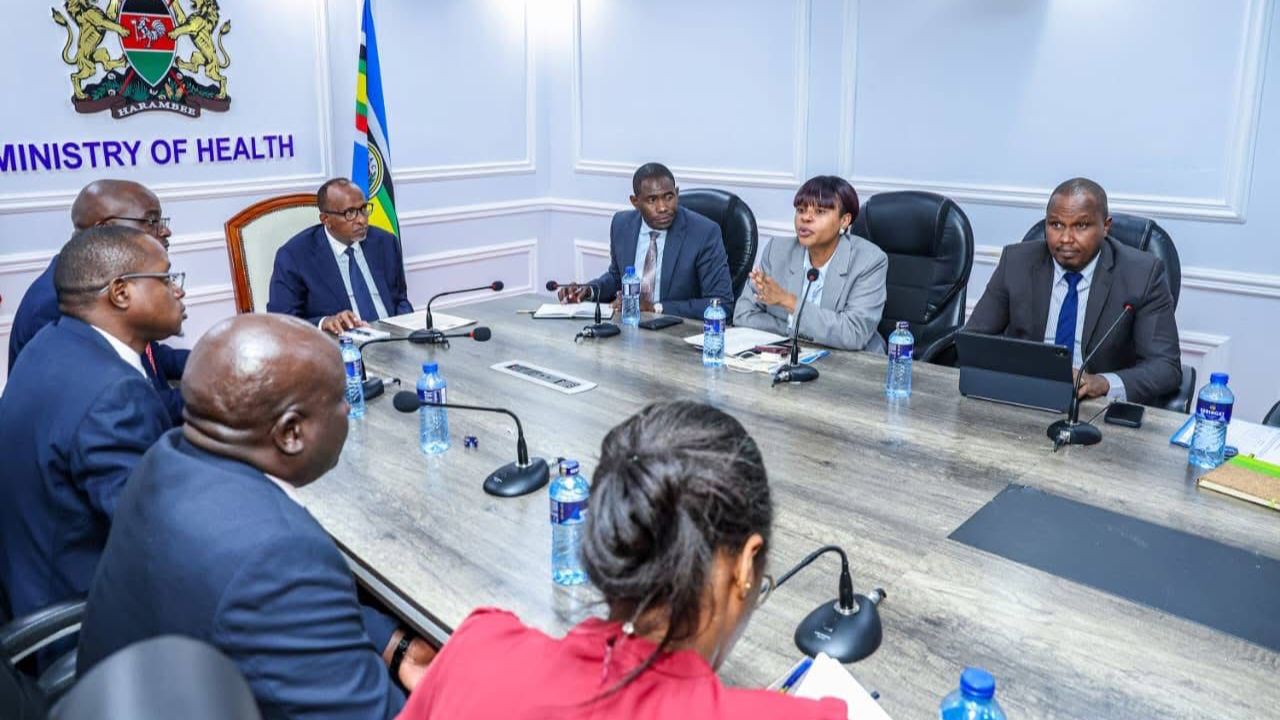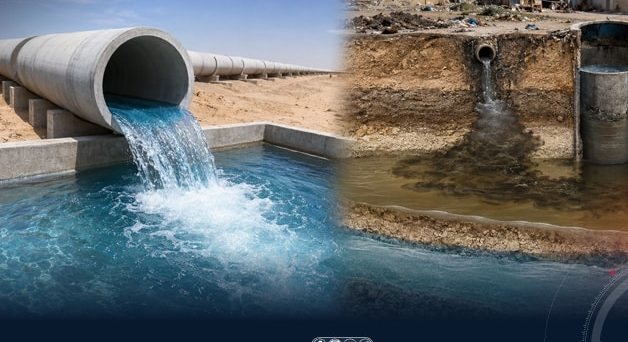
Libya – Ibrahim Al-Dakhil, Director General of the General Administration for Environmental Sanitation, responded to findings from the 2024–2025 Multiple Indicator Cluster Survey. The survey, conducted by the Statistics and Census Authority in collaboration with UNICEF, revealed the presence of E. coli bacteria in the drinking water of 46.4% of surveyed households.
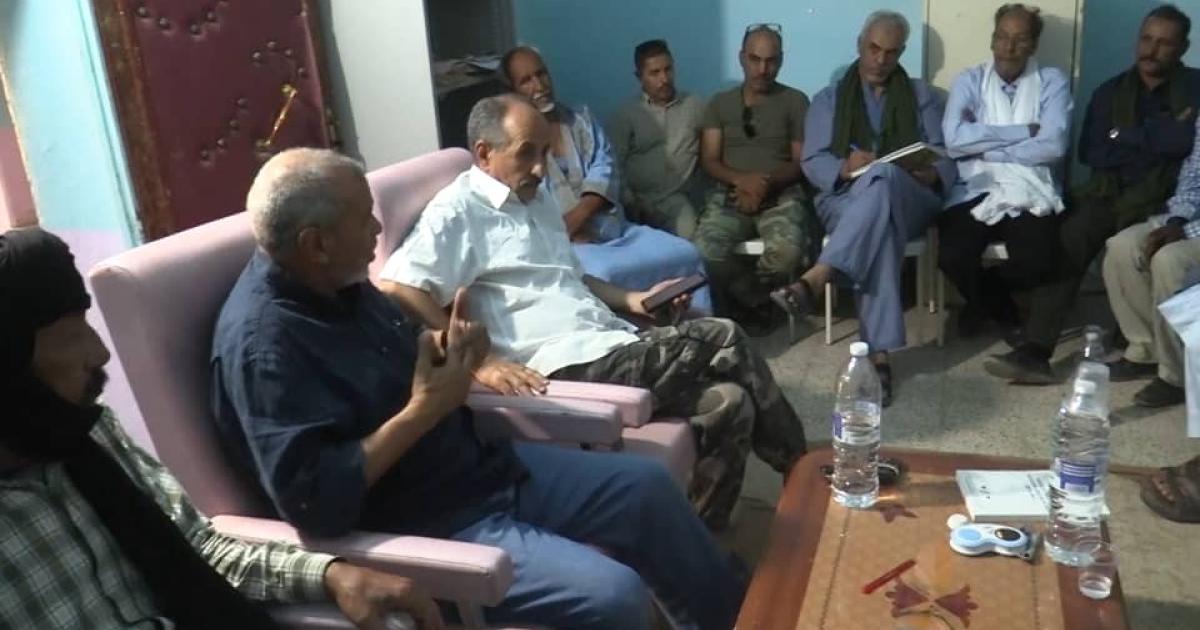
Speaking by phone to Libya Al-Ahrar TV, Al-Dakhil explained that the report referenced is based on a pilot survey with UNICEF, and its results should not be seen in isolation from the local context or water sources sampled. The survey found E. coli contamination in 46.4% of all drinking water samples, including 45.6% in urban areas and 53.5% in rural areas. Some regions showed higher rates: Sirte at 91.9%, Al-Jufra at 85.1%, Al-Marqab at 72.4%, Tripoli at 47.8%, and Benghazi at 11.9%. Only 38% of families had access to what is considered “safely managed” water services, while 32.8% of bottled water samples tested positive for the bacteria.
Al-Dakhil stressed the need to clarify sample sources before generalizing the findings. He said pollution levels should be assessed based on sampled locations and water sources, especially in rural areas not connected to the main water system, which rely on private surface wells and storage tanks.
He estimated that about 90% of Tripoli is supplied by the Great Man-Made River, which is subject to regular monitoring and treatment. He assured that water from major networked sources is “reassuring” and shows no signs of bacterial contamination.
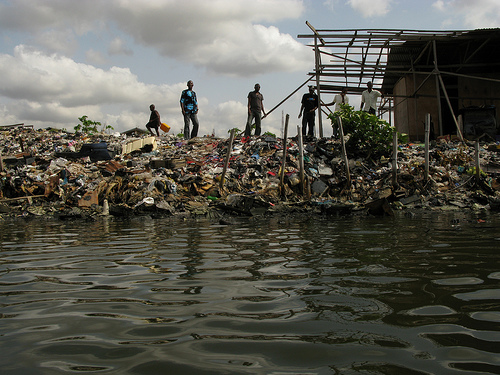
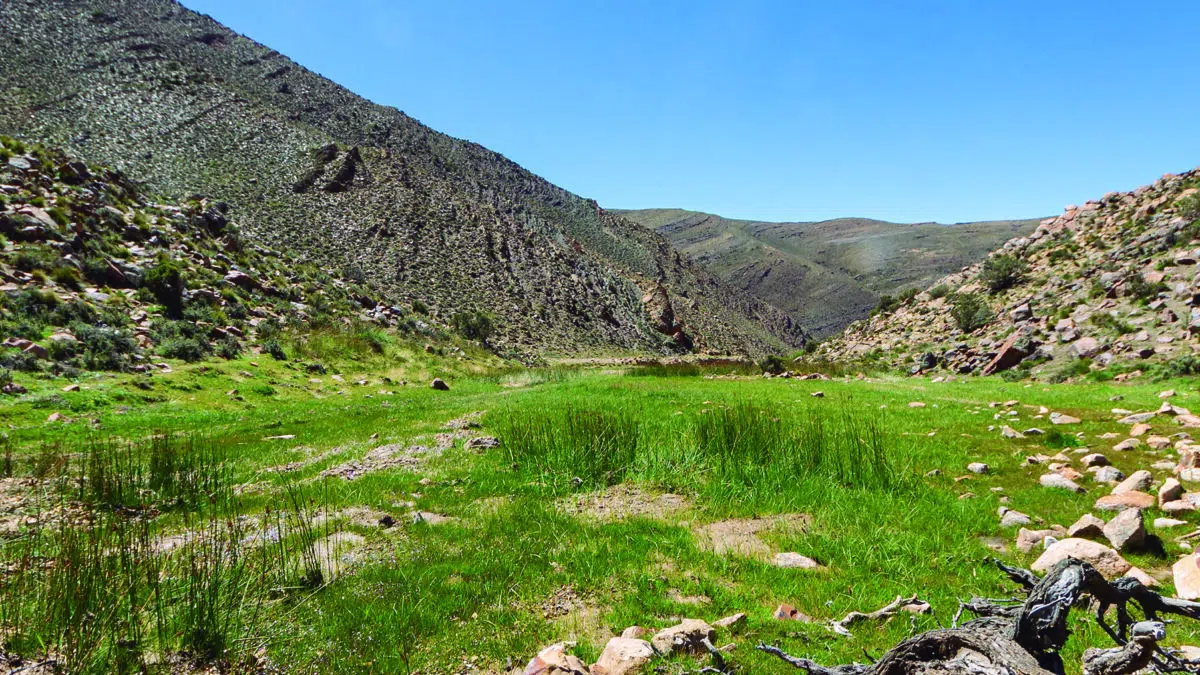
Al-Dakhil pointed out that unconnected areas often depend on private surface wells and water stored in tanks that may not be properly cleaned or maintained, increasing contamination risks. He explained that water safety in these areas depends on well construction, location, regular testing, and the cleanliness of storage tanks. He highlighted that a significant part of the problem is how people interact with water sources outside the main network.
He also cited previous studies showing issues with surface wells in coastal regions, especially in Tajoura, where most surface wells suffer from contamination and high salinity. In rural coastal areas outside the reach of the river network or desalination, people often rely on groundwater that may not be safe, leading them to seek water from public taps, desalination stations, or water shops for drinking and cooking needs.
Al-Dakhil reported that most surface and rural wells in Tripoli are contaminated, based on recent analyses, except for some wells in central Ain Zara, which showed better results.
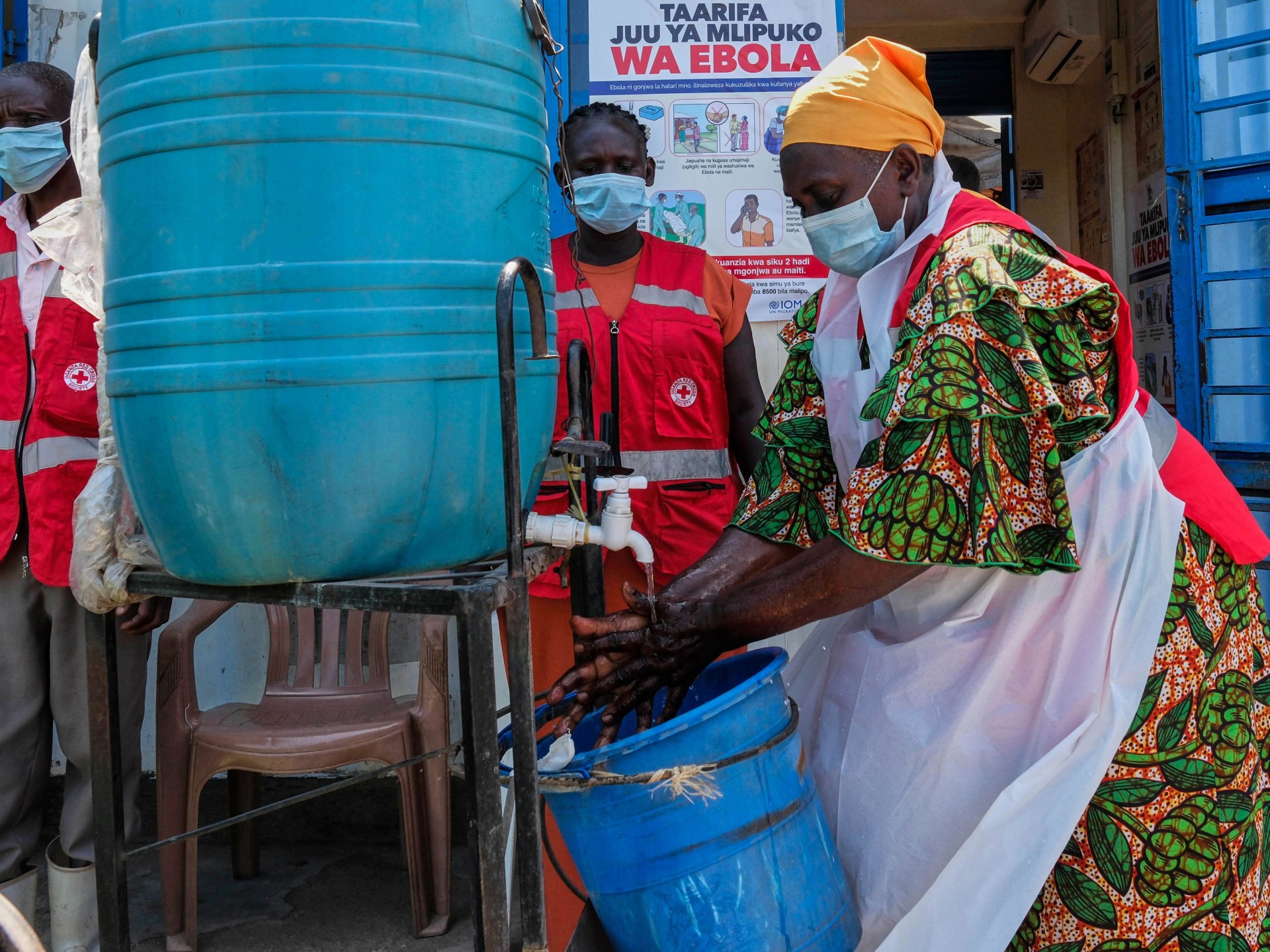
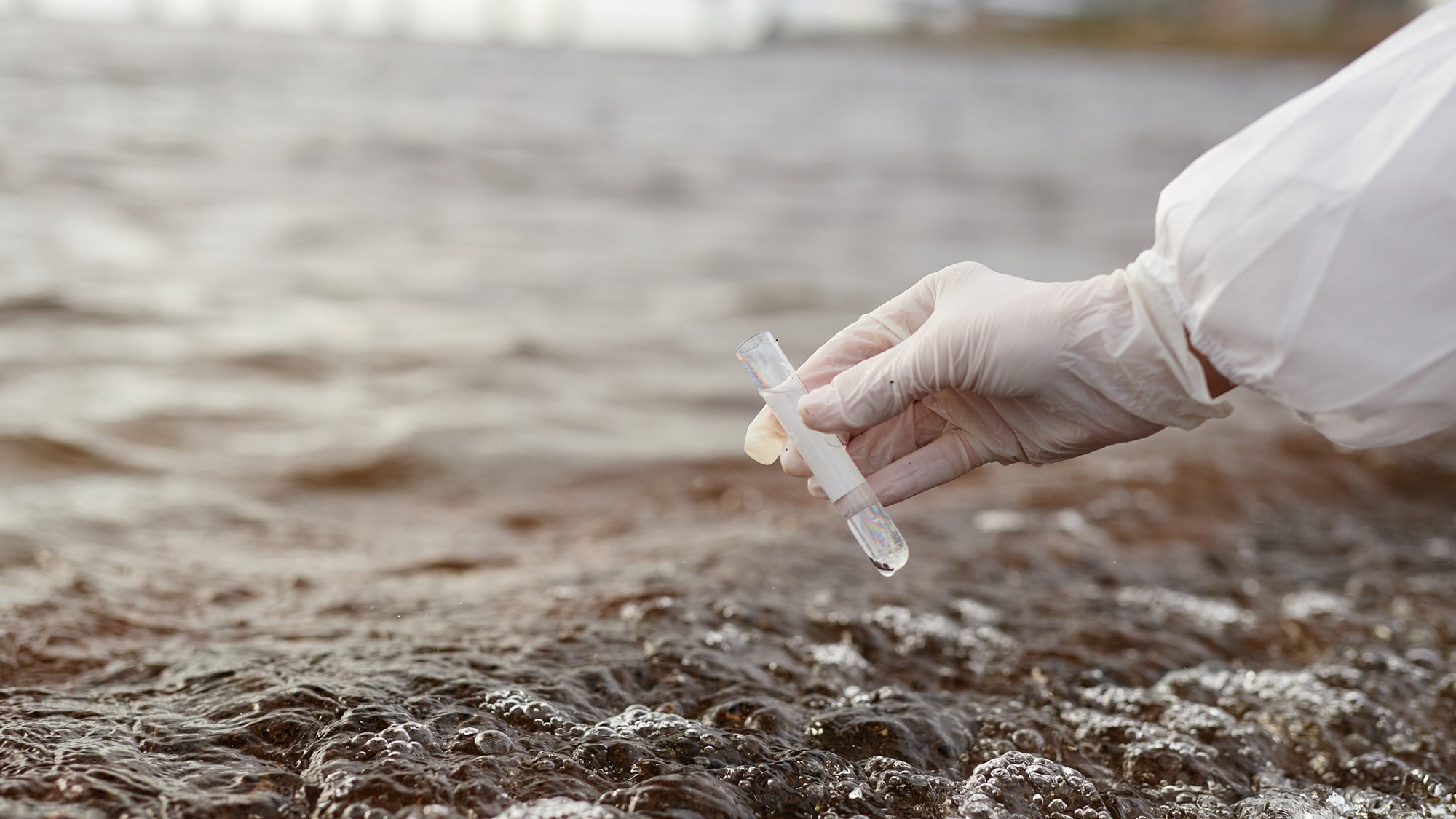
He noted that the administration conducts regular testing of water from public taps and mosque water supplies. Some contamination cases are due to not changing filters or poorly maintained purification units. When detected, recommendations are made to replace filters and improve water quality. Drinking water shops and factories are also subject to periodic laboratory checks, and operators are advised to make repairs when problems arise. Al-Dakhil emphasized that only specialists should collect water samples due to the sensitivity of water to contamination.
He concluded that a sustainable solution demands expanding the water supply network to include areas not linked to the Great Man-Made River or desalination plants. This would reduce reliance on private surface wells. Sources of contamination are varied and not limited to the water supply, he said. Poor storage, open tanks, or lack of cleaning can allow birds and pollutants to enter water supplies.