People living with severe mental illnesses such as schizophrenia and bipolar disorder can benefit from earlier and more comprehensive physical healthcare, as research shows these conditions are associated with a difference in life expectancy of up to 20 years compared with the general population. The study was published in The Lancet Psychiatry.
Researchers from the University of Queensland analysed 24 years of hospital records involving nearly 180,000 patients. They found that people with severe mental illness often developed serious physical health conditions at a younger age, pointing to opportunities for earlier prevention, monitoring, and treatment.
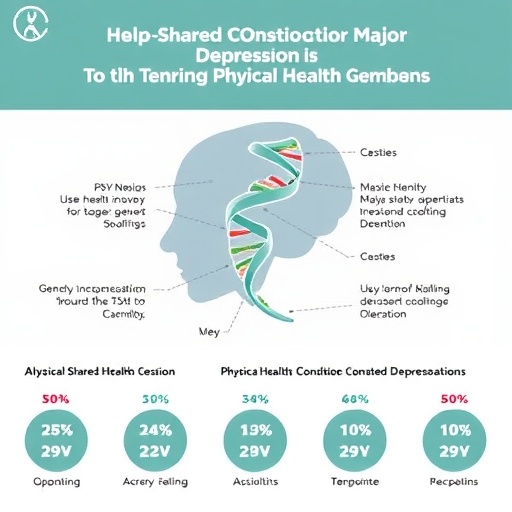
The research included nearly 30,000 people with severe mental illness and examined 11 groups of physical diseases, including cardiovascular, respiratory, neurological, infectious, metabolic, and musculoskeletal conditions.
Schizophrenia is a serious mental health condition that can affect how a person thinks, feels, behaves, and understands reality. People with schizophrenia may experience hallucinations, delusions, confused thinking, and difficulties with daily functioning.
The World Health Organisation (WHO) estimates that about 23 million people worldwide live with schizophrenia, or roughly one in 345 people. It commonly begins during late adolescence or early adulthood.
Bipolar disorder, meanwhile, is a mental health condition that causes significant changes in mood, energy, activity, and concentration. People may experience episodes of mania or hypomania, followed by periods of depression.
The WHO estimates that about 37 million people worldwide were living with bipolar disorder in 2021, equal to about 0.5 per cent of the global population.
Both conditions can affect people during their working years and may require long-term treatment and support. However, the study highlights that managing the mental health condition alone may not be enough to protect a person’s overall health.
People with severe mental illness were found to have higher rates of physical disease, with many experiencing several long-term conditions at the same time.
The researchers said the difference in life expectancy is not explained by suicide alone. Physical illnesses, many of which can be prevented, detected early or treated, make a significant contribution to the gap.
“Much of the gap is actually driven by physical illnesses, many of which are preventable or treatable,” the researchers said.
The findings suggest that the physical health needs of people with severe mental illness should receive attention from the time they are diagnosed.
The impact on physical health was particularly noticeable among younger adults. Women under the age of 25 with severe mental illness experienced disproportionately poorer physical health outcomes, suggesting that prevention and regular monitoring may need to begin early.
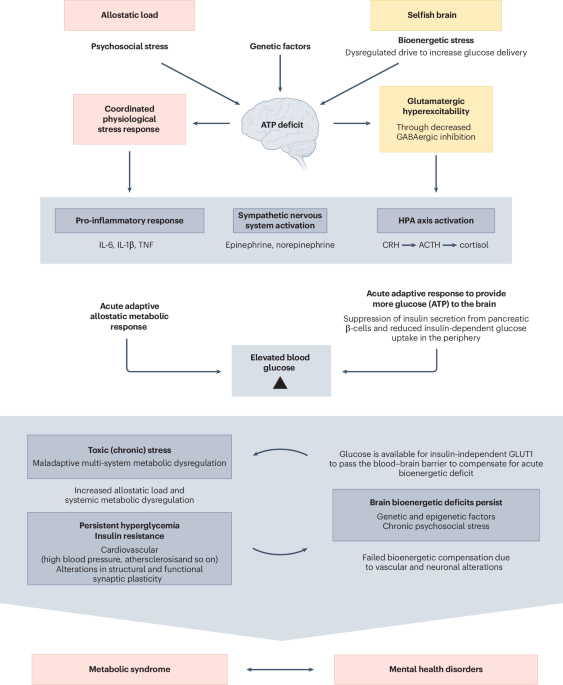
Several factors may contribute to the increased risk of physical illness. These include genetic factors, side effects of some psychiatric medicines, smoking and alcohol use, difficulties accessing healthcare, and physical symptoms being overlooked because a person already has a mental health diagnosis.
Some medicines used to manage severe mental illnesses can cause weight gain. Over time, this may increase the risk of conditions such as diabetes, kidney disease, heart disease, and stroke.
People with severe mental illness may also experience barriers to accessing routine healthcare. Stigma, discrimination, and difficulties navigating health services can make it harder for some patients to receive regular screening and treatment for physical conditions.
This can mean that problems such as high blood pressure, diabetes, or high cholesterol are detected only after they have already caused complications.
The findings therefore point to an important opportunity for healthcare providers to combine mental and physical healthcare.
Regular monitoring of weight, blood pressure, blood sugar, and other risk factors could help identify health problems earlier. Lifestyle support, including assistance with physical activity, healthy eating, stopping smoking, and reducing harmful alcohol use, may also help reduce the risk of preventable disease.
“Good treatment isn’t just managing the primary condition; it’s looking after the whole person and preventing complications,” the researchers said.
The study reinforces the need for healthcare providers to look beyond psychiatric symptoms when caring for people with severe mental illness. A person receiving treatment for schizophrenia or bipolar disorder may also need regular checks for cardiovascular, metabolic, and other physical health conditions.
Earlier monitoring may be particularly important because physical health problems can emerge at a younger age among people with severe mental illness. Detecting these problems early gives patients and healthcare providers more time to manage risk factors and begin treatment.
The research does not mean that every person diagnosed with schizophrenia or bipolar disorder will experience a reduction in life expectancy of exactly 20 years. The figure reflects differences observed at a population level.
Previous research has also found a significant life-expectancy gap among people with schizophrenia, with physical illnesses such as cardiovascular and metabolic diseases contributing substantially.