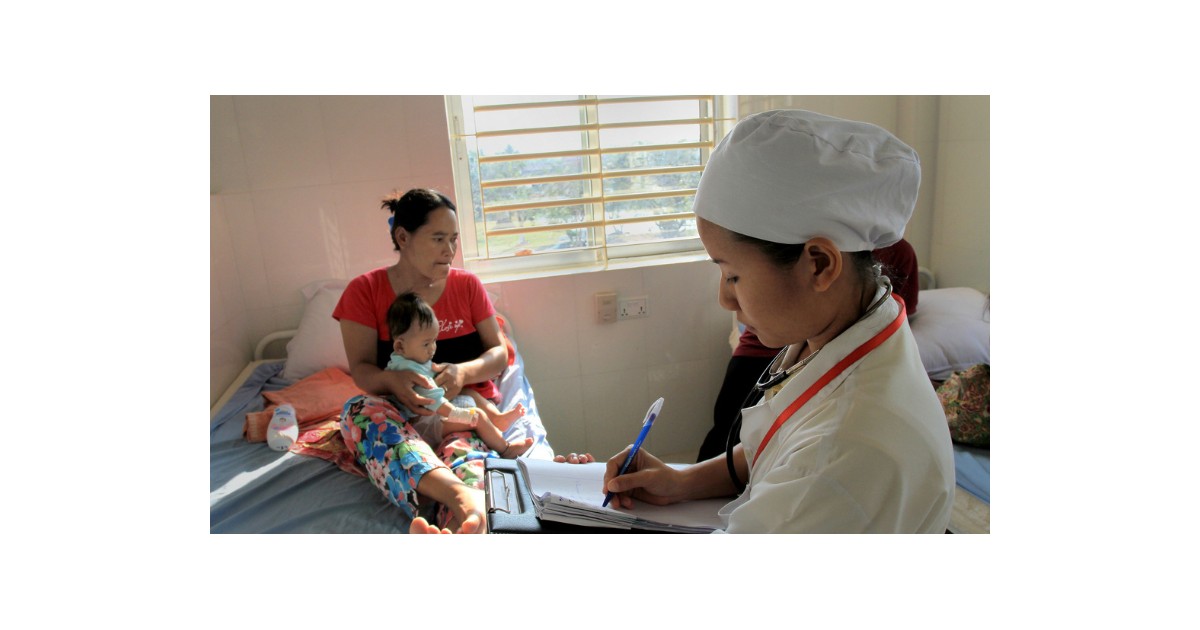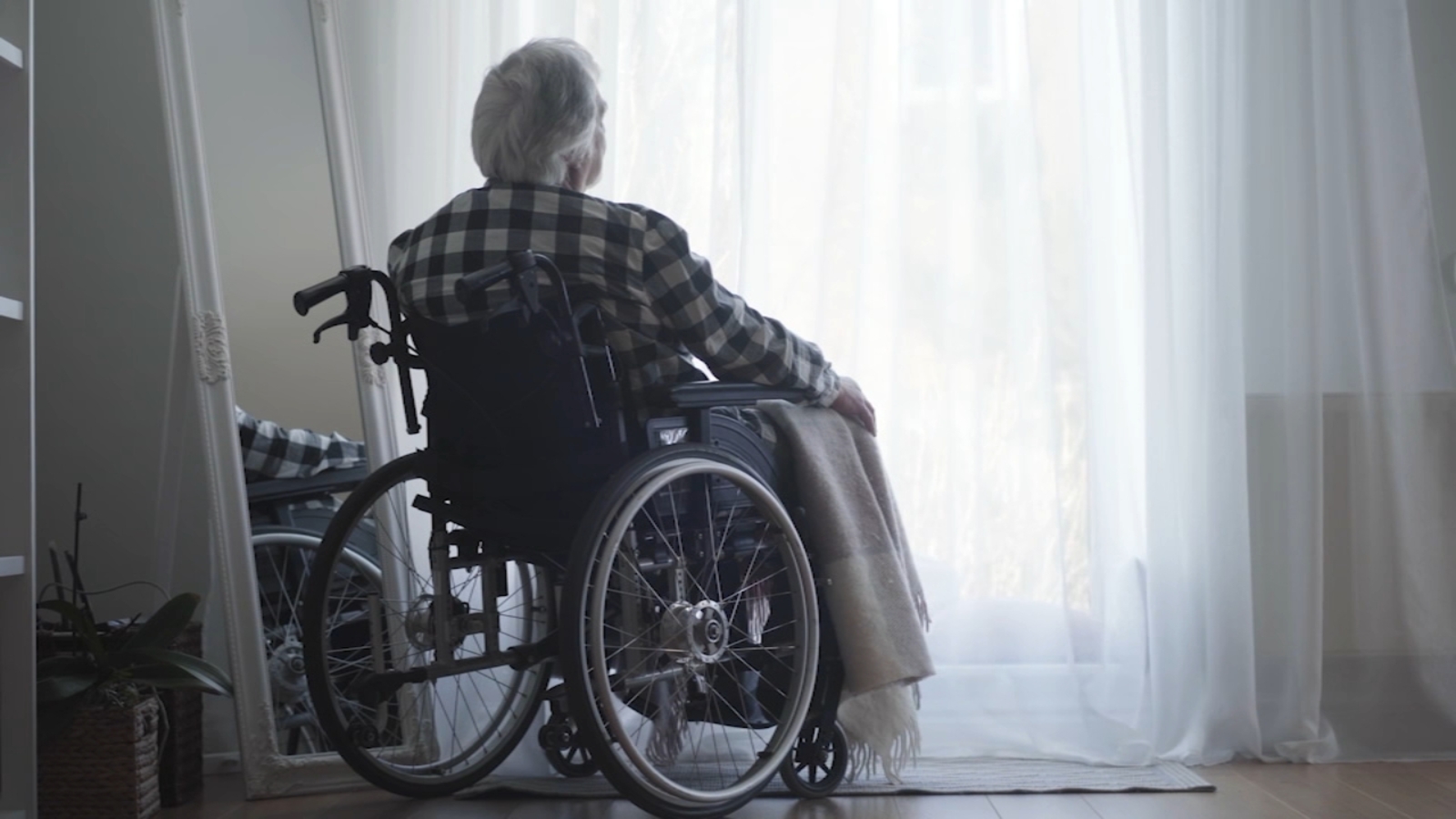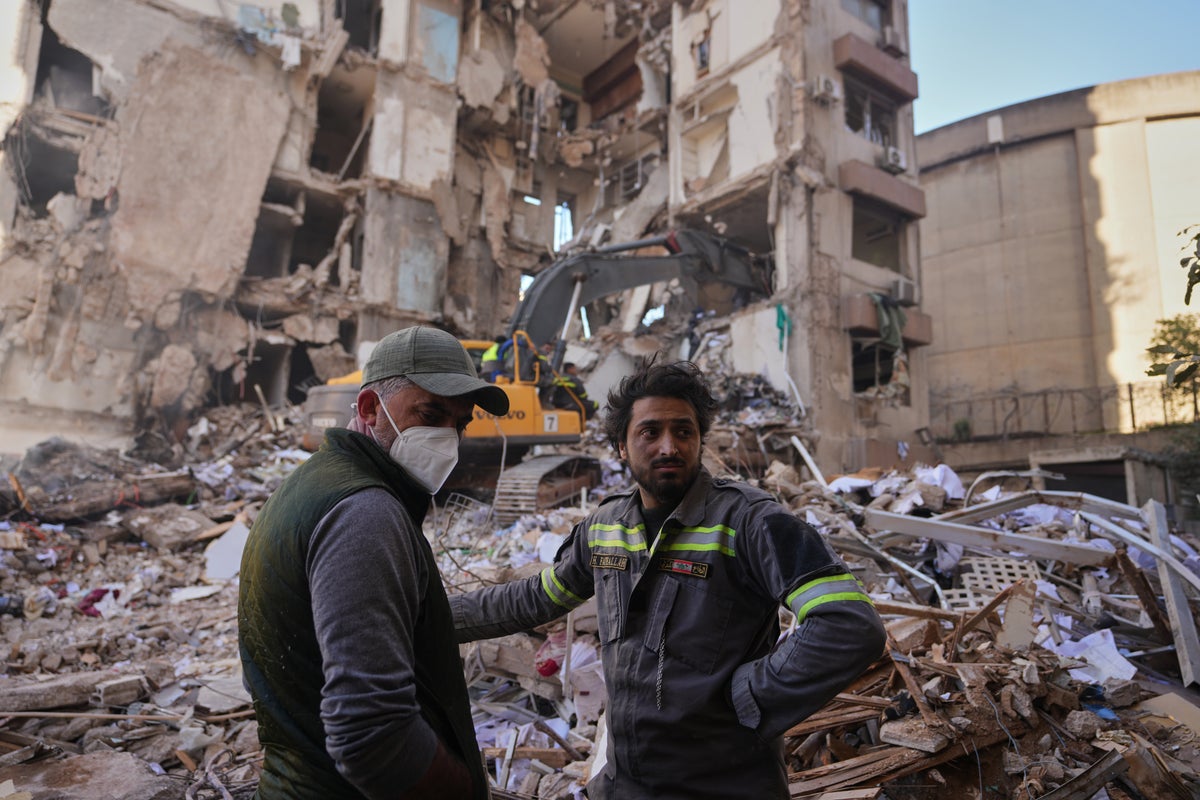
Damascus, Aug. 21 (SANA) The Syrian Network for Human Rights (SNHR) said survivors and families of victims of the chemical massacre in Damascus’ Eastern and Western Ghouta continue to suffer long-term health, psychological and social consequences, including chronic illnesses, psychological disorders, loss of breadwinners and the effects of forced displacement.
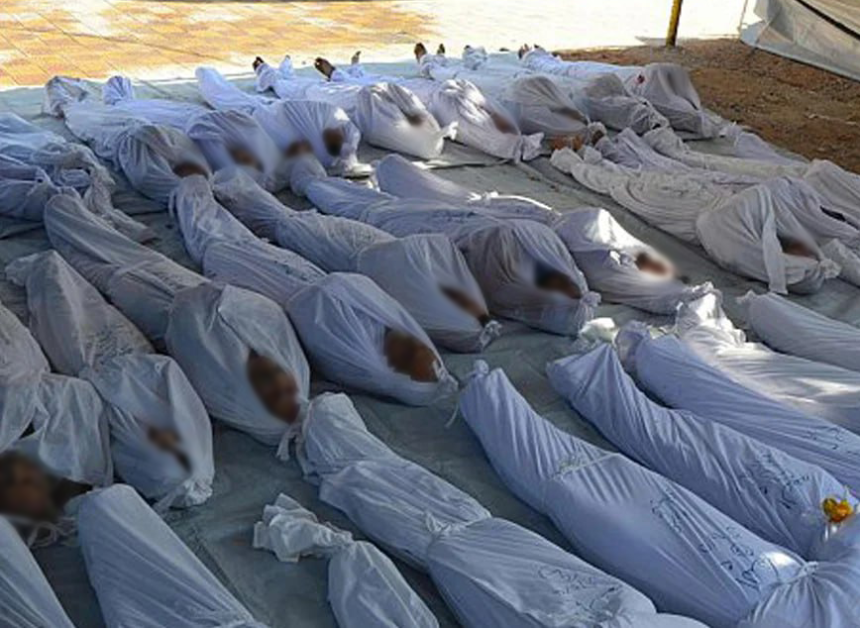
In a report published today, Aug. 21, marking the 13th anniversary of the massacre, SNHR said the sarin gas attack targeted Eastern and Western Ghouta in Damascus countryside in the early hours of Aug. 21, 2013, through four simultaneous chemical strikes on civilian-populated areas, including Moadamiyet al-Sham. The attack killed 1,144 people and injured about 5,935 others.
At least 10 rockets carrying about 200 liters of sarin
SNHR said at least 10 rockets carrying an estimated total of about 200 liters of sarin were used in the attack. The rockets were launched after midnight, when weather conditions helped keep the toxic gas concentrated near ground level, increasing casualties, particularly among sleeping civilians.
The Network said the attack occurred while the ousted regime was imposing a tight siege on the Ghouta areas, severely limiting access to medical and humanitarian supplies needed to respond to the effects of the attack. It noted that its first human rights documentation of the massacre was issued on Aug. 26, 2013.
Surface-to-surface rockets loaded with sarin used against civilians
SNHR said the report by the United Nations Mission to Investigate Allegations of the Use of Chemical Weapons in Syria, issued in September 2013, established that surface-to-surface rockets containing sarin had been used against civilians on a relatively large scale. It added that evidence it independently collected was consistent with the UN mission’s technical findings.
According to SNHR, victims of the Ghouta attack account for about 76 percent of all fatalities caused by chemical attacks carried out by ousted regime forces between 2012 and 2019. Survivors and victims’ families continue to face long-term health, psychological and social consequences.
The Network said the accumulated evidence it documented, alongside findings by relevant international mechanisms, indicates the presence of contextual elements of crimes against humanity under Article 7 of the Rome Statute. It also pointed to elements of war crimes related to the use of poison, poisonous weapons and asphyxiating gases under Article 8 of the Statute, as well as the intentional targeting of civilians.
SNHR called on the Syrian government to continue full cooperation with the Organisation for the Prohibition of Chemical Weapons (OPCW), provide access to all sites, archives and individuals linked to the chemical weapons programme, and secure and preserve relevant materials, sites and documents within a documented chain of custody before their destruction.
It also recommended incorporating the chemical attacks file into transitional justice processes, designating Aug. 21 as a national day of remembrance for victims of chemical attacks, and developing sustainable treatment, rehabilitation and psychosocial support programmes for survivors and victims’ families.
The Network urged the OPCW and its States Parties to continue field work in Syria, coordinate with UN investigative mechanisms to preserve forensic evidence obtained through verification activities, and allocate additional resources to investigative teams.
It also called on the UN Security Council and General Assembly to renew their support for the International, Impartial and Independent Mechanism and the Independent International Commission of Inquiry on Syria.
The Ghouta attack was one of the most prominent incidents involving the use of chemical weapons during the war in Syria, prompting widespread international condemnation and calls for accountability.
Three days after the massacre, UN inspectors arrived in Damascus and collected samples that confirmed the use of sarin. The UN Security Council subsequently adopted Resolution 2118 in September 2013, providing for the dismantling of Syria’s chemical weapons arsenal under OPCW supervision.
Chemical attacks by the ousted regime were nevertheless subsequently reported in areas including Khan Sheikhoun and Douma, raising concerns that parts of its chemical weapons stockpile had been retained.
A UN mission report released by then Secretary-General Ban Ki-moon on Sept. 16, 2013, concluded that chemical weapons had been used in the conflict in Syria, including against civilians and children on a relatively large scale, describing the findings as clear and convincing.
Since the liberation of the country and the fall of the ousted regime, the Syrian government has been pursuing those implicated in the use of chemical weapons against Syrians and seeking to hold them accountable.
In recent months, the Interior Ministry has arrested several former officers and officials involved in the chemical weapons programme and its management under the ousted regime, pending judicial proceedings, including Maj. Gen. Adnan Abboud Halwa, Col. Ahmad Habib Ali and Brig. Gen. Khardal Ahmad Dioub.
F.J.