Breaking News
UNITED STATES
John Aubrey Douglass
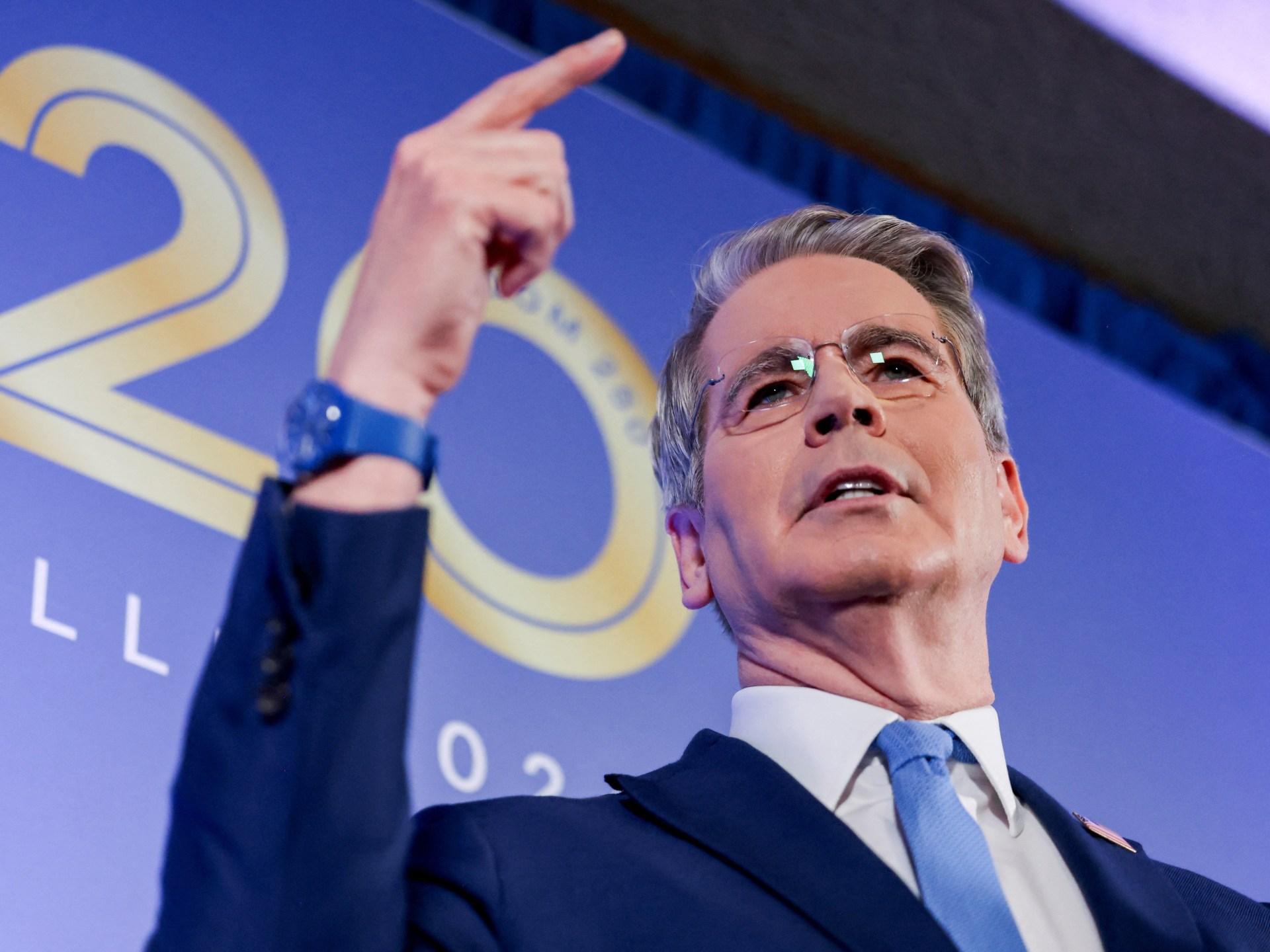
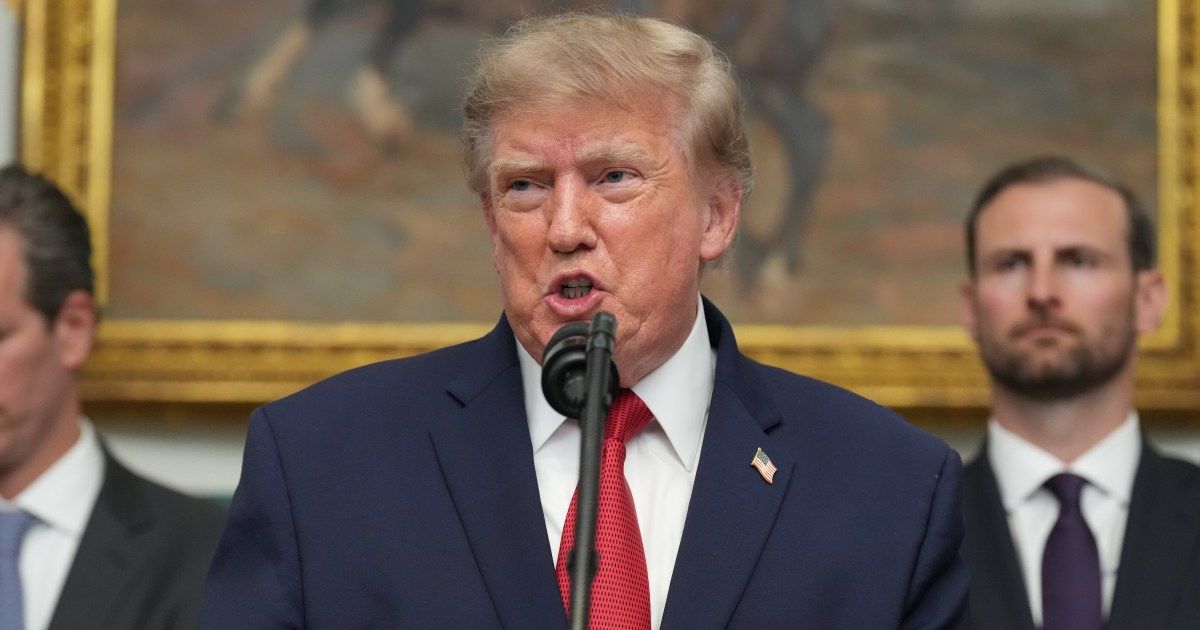
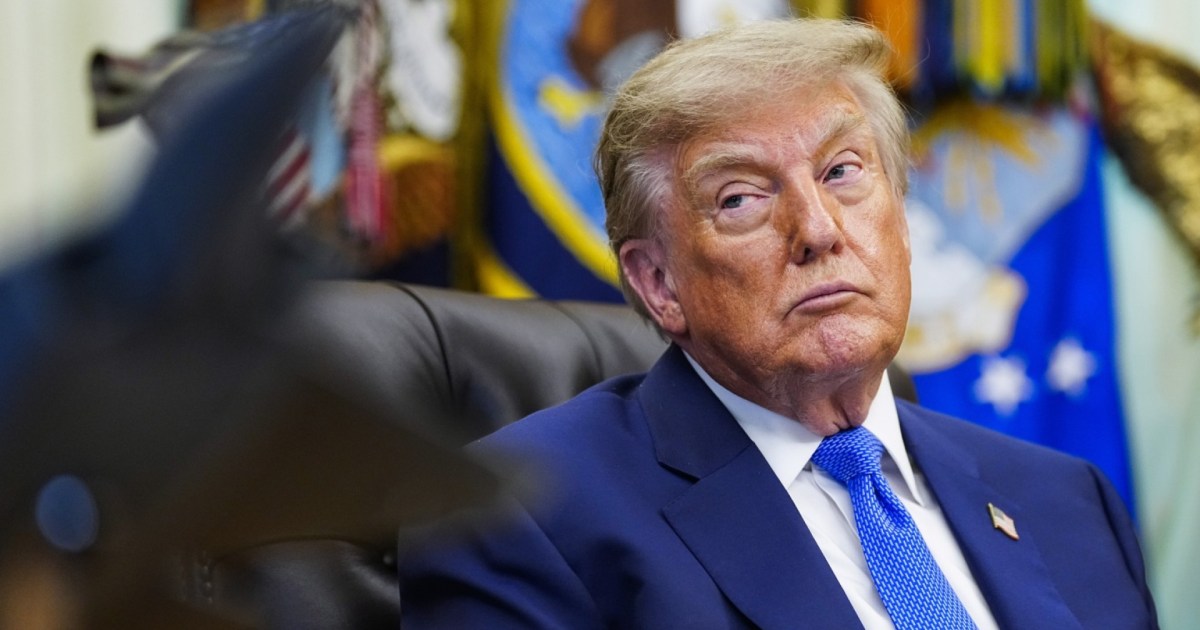
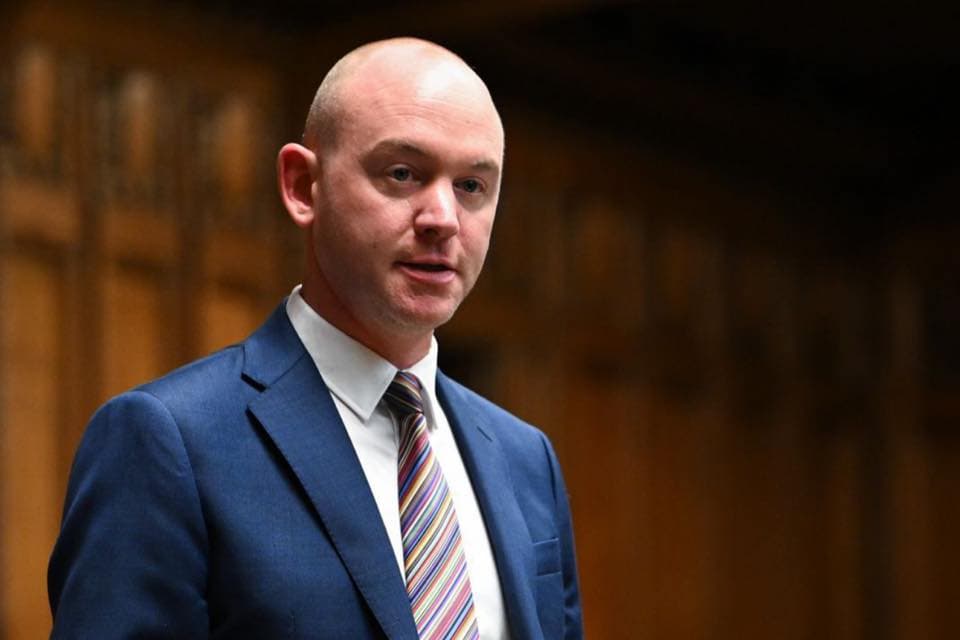
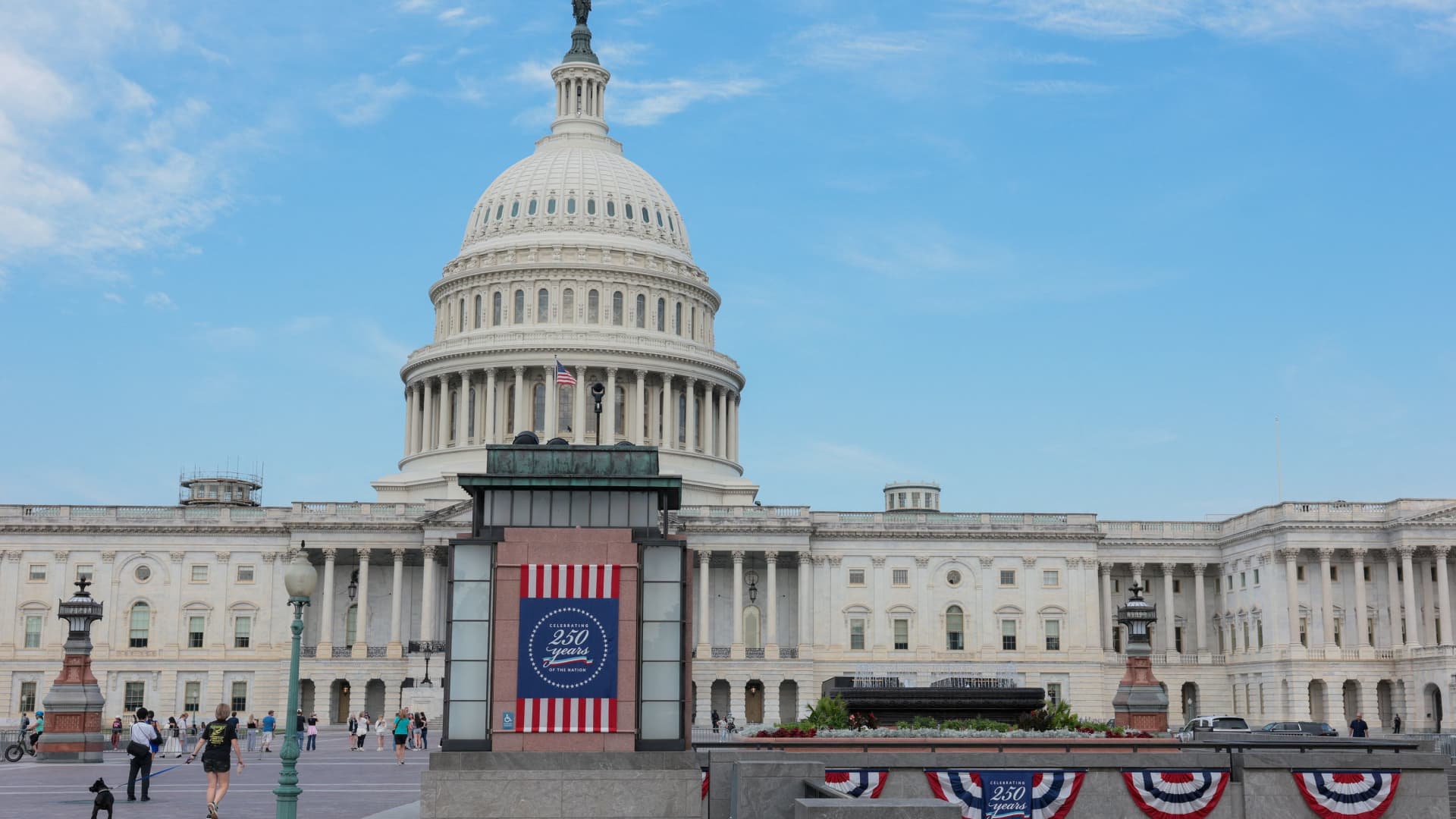
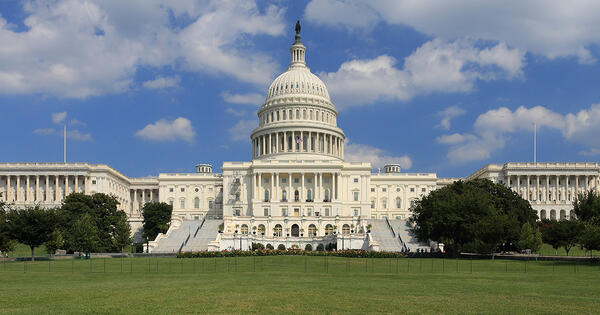
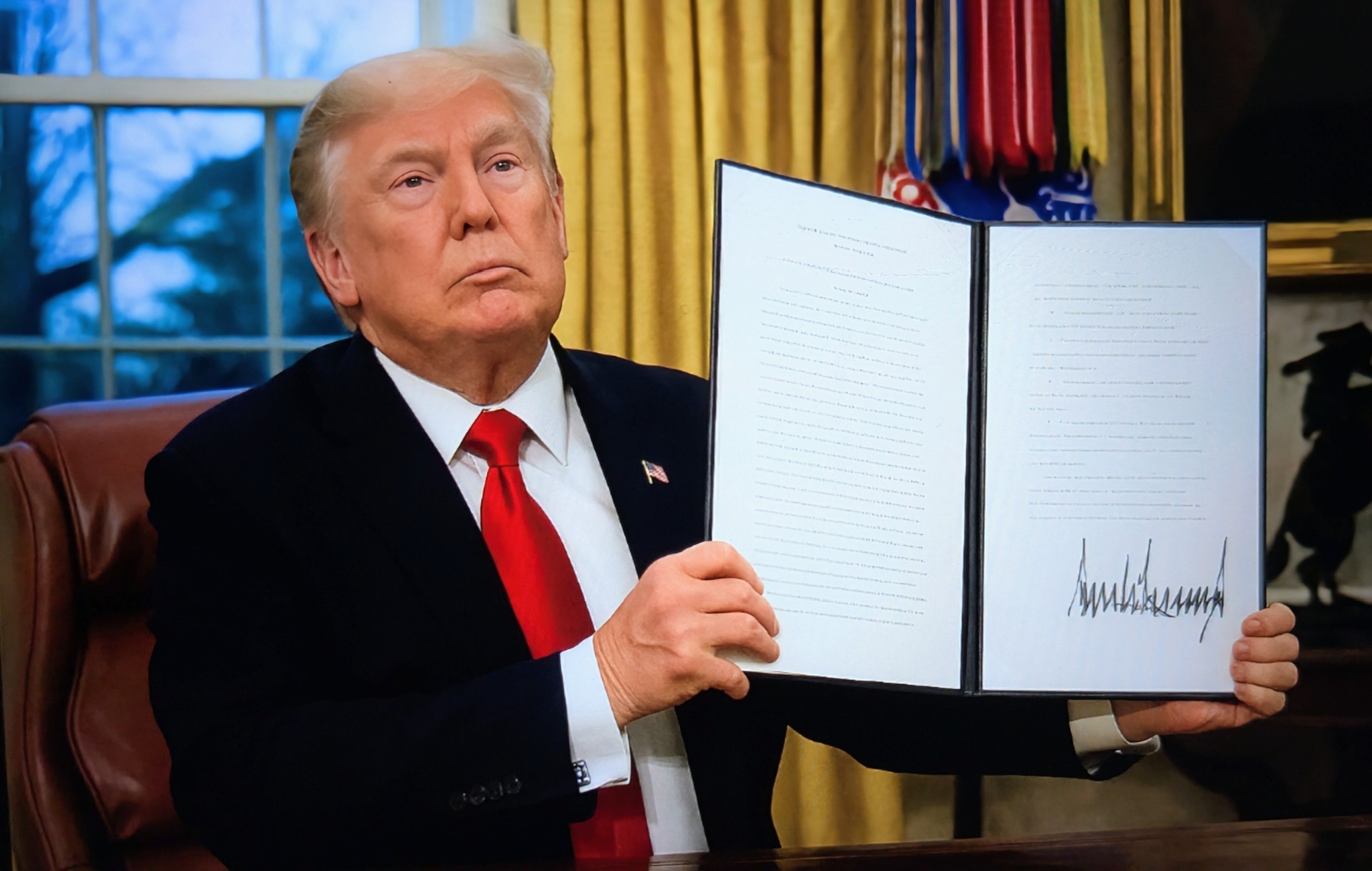
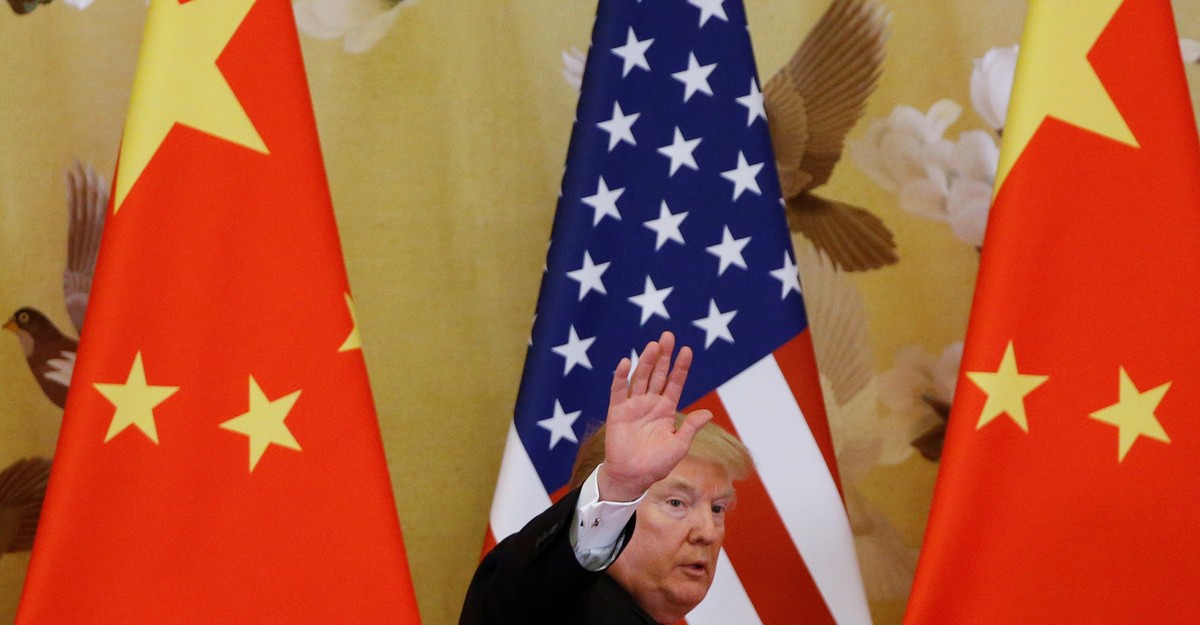
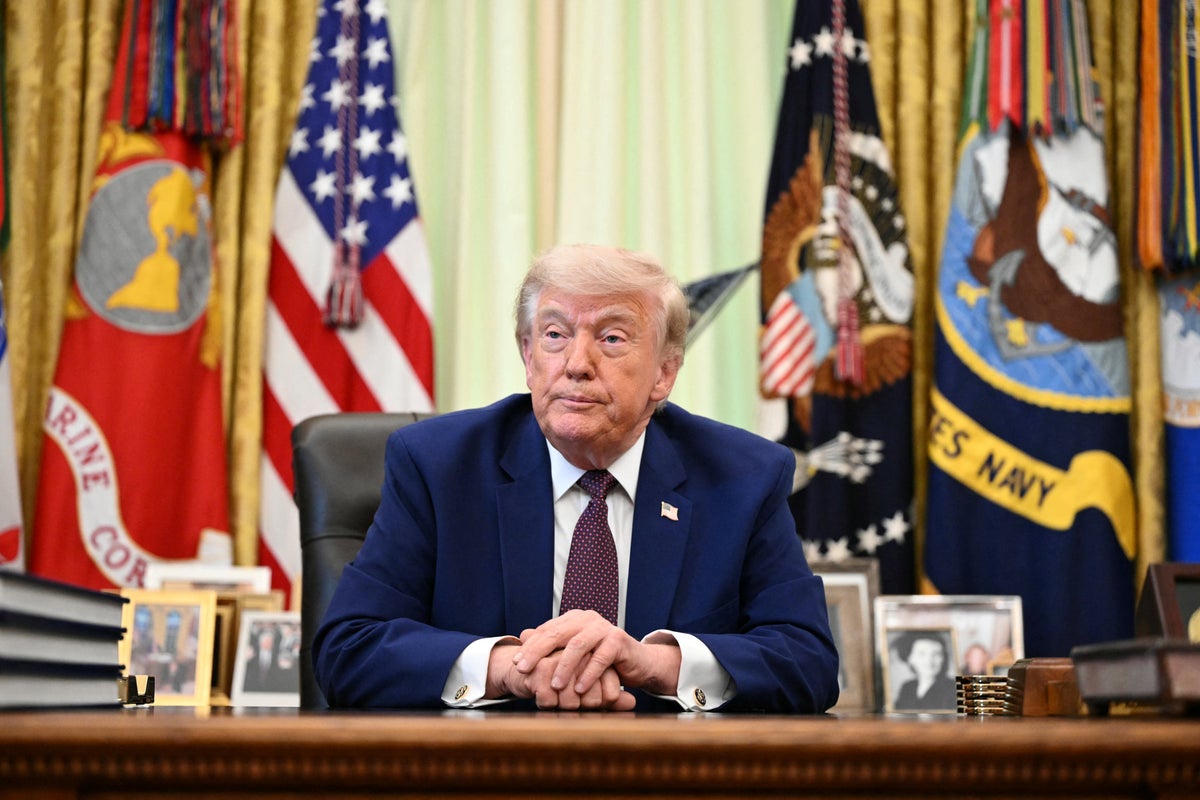
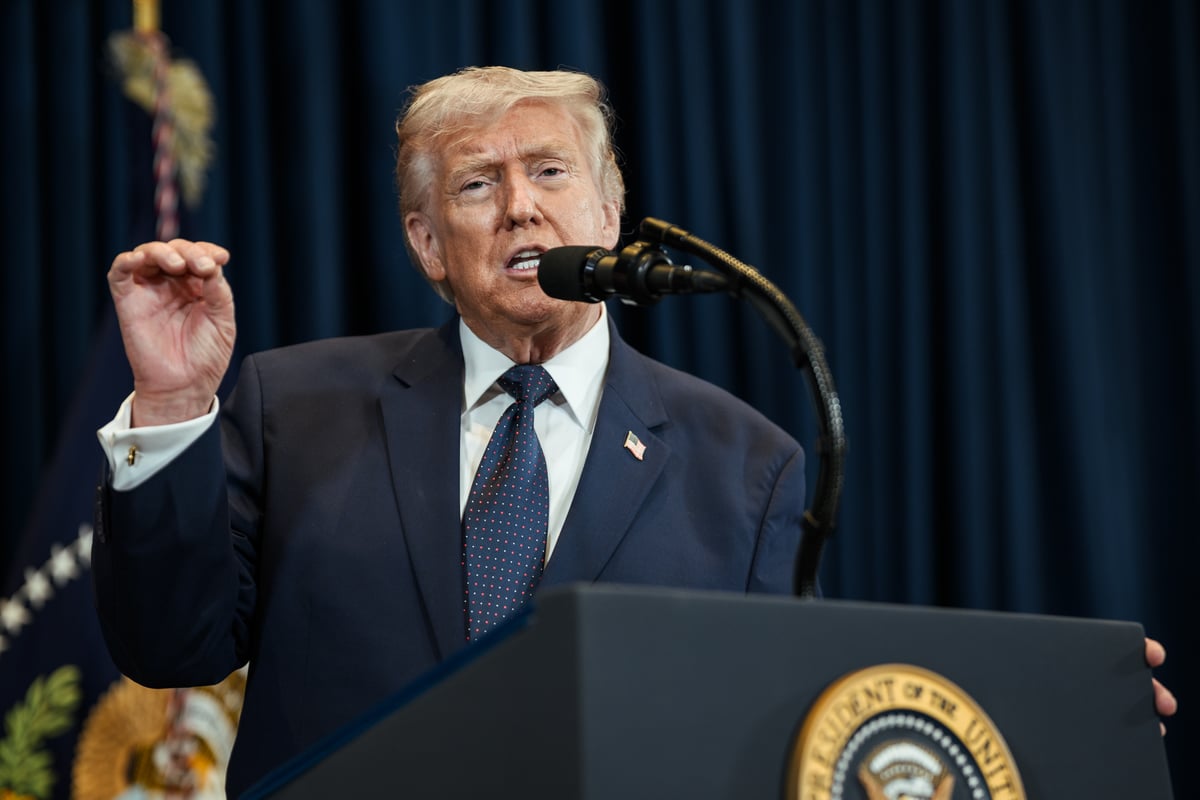
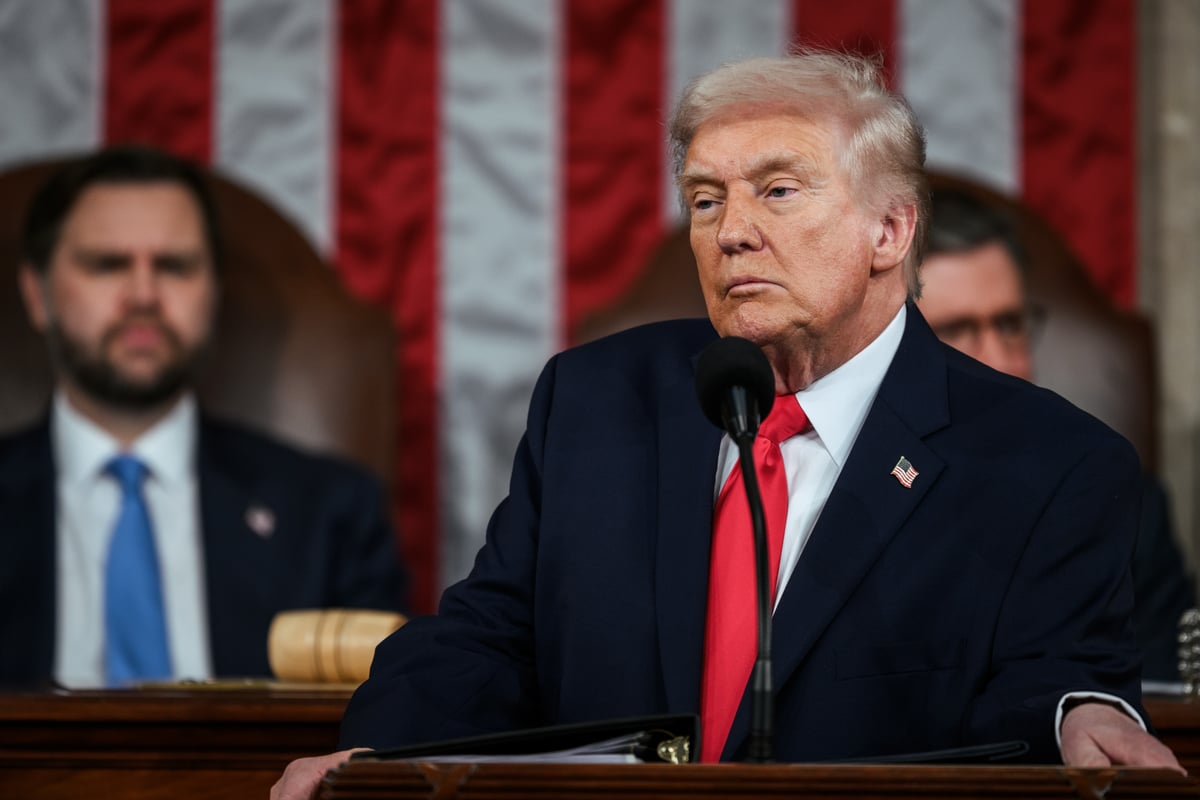
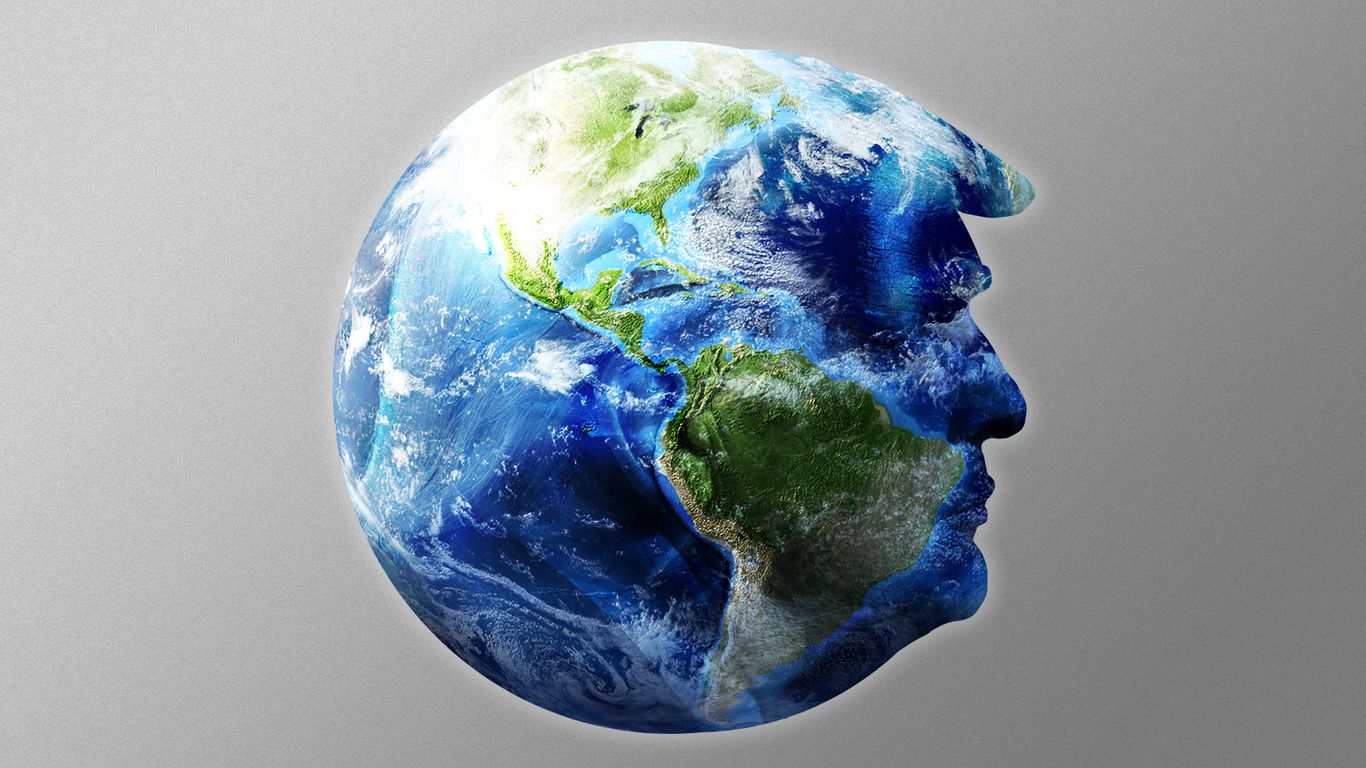
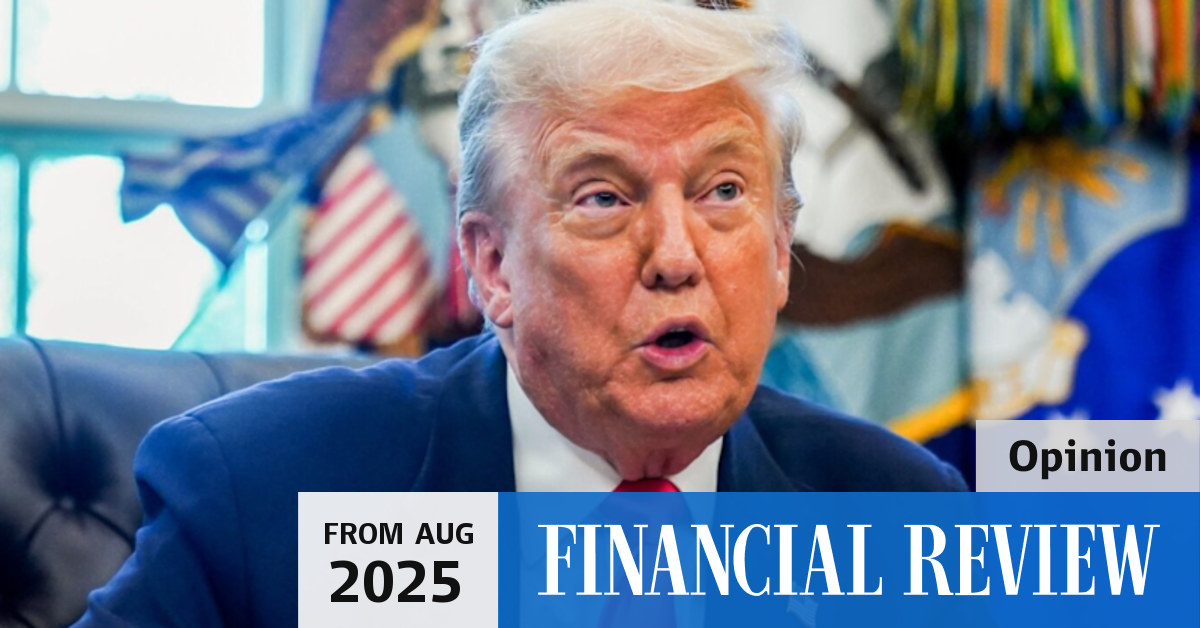
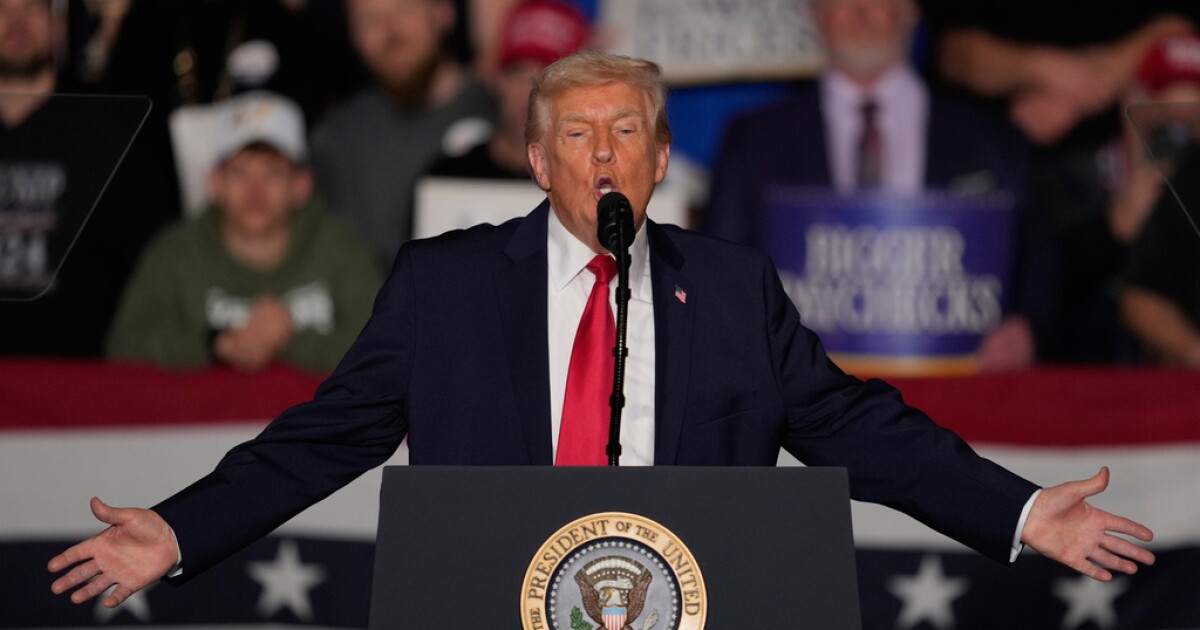
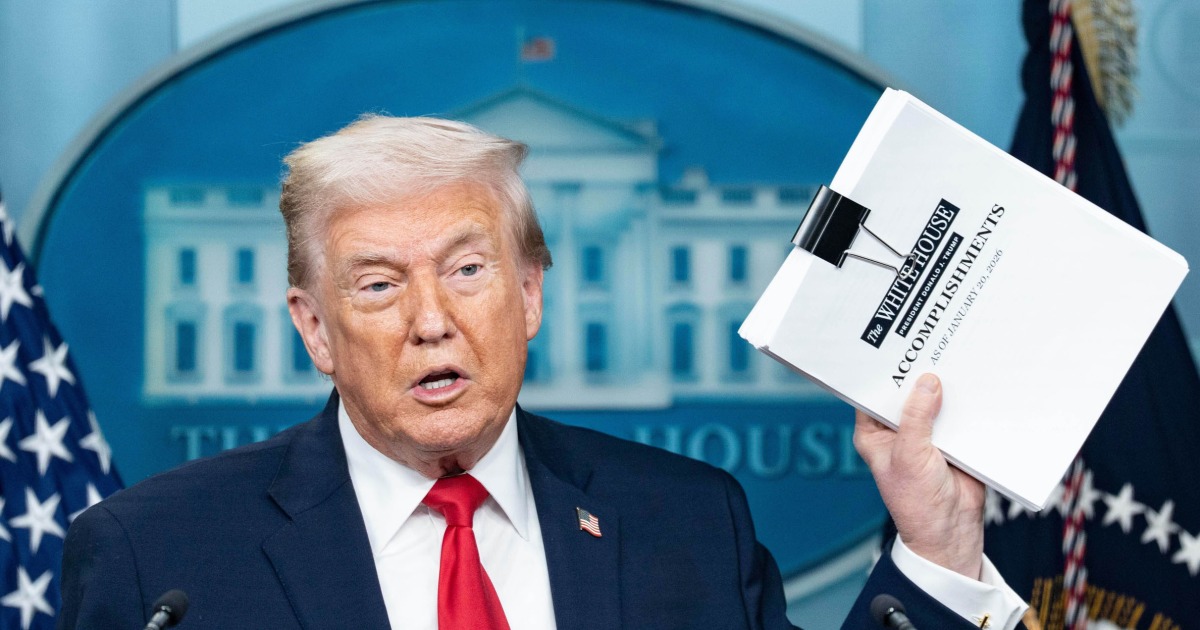
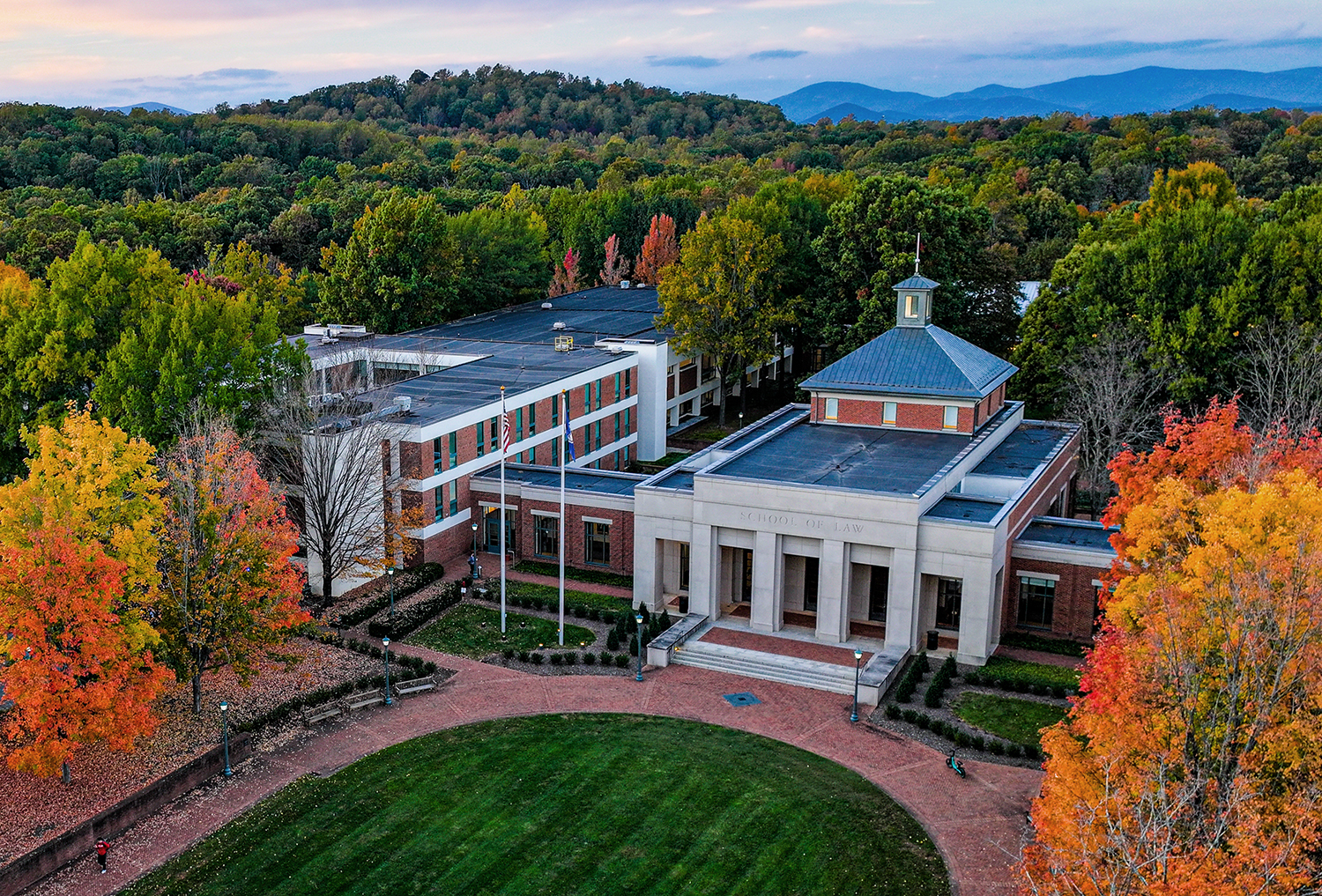
On the anniversary of United States President Donald Trump’s One Big Beautiful Bill Act, intended to reduce tuition fees, it is clear that the long-term impact on higher education will be a decline in graduate education enrolment, in talent development, in the US’s science capabilities and the nation’s economic competitiveness.
|

|
|
SOUTH AFRICA
Rudi de Lange
|
|
UNITED KINGDOM
Brendan O’Malley
|
|
Top Stories
GLOBAL
|
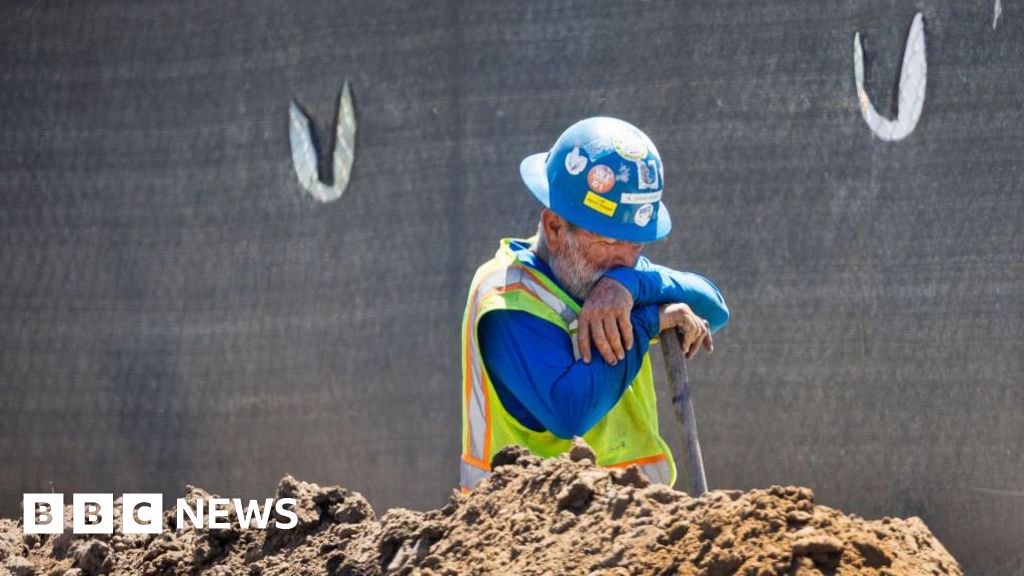
Employment conditions often mirror those in a gig economy
Min Bahadur Bista
The rise of adjunctification in higher education around the world signals how universities have become less about a stable community of scholars and moved more towards a corporate model organised around the delivery of services from temporary, part-time and contract-based academic labour.
|

|
|

GLOBAL
Nathan M Greenfield
|

UNITED KINGDOM-EUROPE
Anne Corbett
|

GLOBAL
John Lawrence Dennis and Sjur Bergan
|
News
INDIA
Shuriah Niazi
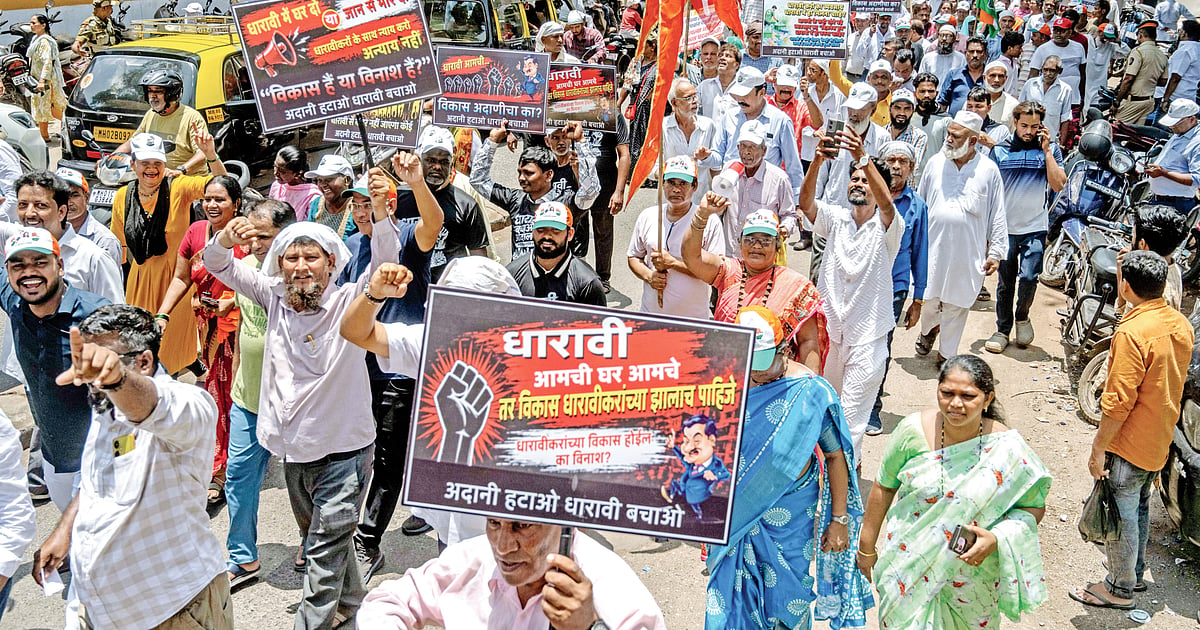
As three more branch campus proposals from the United Kingdom and Australia are approved in India, to be located in Bengaluru and Mumbai, academics have noted that foreign universities are not creating new educational hubs and are mostly strengthening existing centres of economic and academic concentration.
|

|
|
|
UNITED KINGDOM
Brendan O’Malley
|
GLOBAL
A UWN Reporter
In the Times Higher Education, or THE, Impact Ratings 2026, which are geared to assessing institutions’ contribution to the United Nations Sustainable Development Goals, Asian universities dominate the top 10 of the overall category, but the UK dominates number one spots on individual SDGs.
|
GLOBAL
Angel Calderon
Times Higher Education, or THE, released its now-rebranded Sustainability Impact Ratings, which continue to showcase how universities are working towards addressing the United Nations’ Agenda for Sustainable Development – and which still rank institutions, with the University of Manchester back top globally, and the number of Asian universities rising.
|
GULF STATES
Wagdy Sawahel
There is growing institutional engagement with the sustainability agendas in Arab Gulf states, but implementation of the United Nations Sustainable Development Goals, or SDGs, by universities remains largely shaped by global ranking frameworks and policy imperatives, with only limited evidence of substantive SDG localisation.
|
Webinar
GLOBAL
Karen MacGregor
The bottom line for improving student access and success in higher education, says Dr Jamil Salmi, a renowned global higher education expert, is this: “Eliminate the financial barrier.” Possibly Chile’s targeted student tuition-fee system is a way to go, alongside myriad other innovations around access.
|

|
|
Edtech, AI and Higher Education
GLOBAL
Carlos Vargas
Sovereignty in an AI domain with little respect for borders is not won by building higher ones. It is won by science systems that collaborate globally while governing locally – a capacity that doesn’t begin at home and lives in institutions that national AI strategies have reduced to a pipeline: universities.
|

|
|
World Blog
CHILE
Carlos Olivares
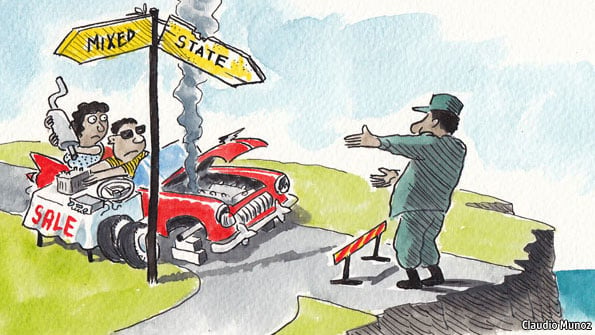
Chile claims to be progressing towards a knowledge economy, but it lacks the structures that would underpin this. The government needs to set clear goals, change how universities reward work to encourage working with businesses and provide strong rewards for sharing knowledge.
|

|
|
Academic Publishing
GLOBAL
Wagdy Sawahel
New analysis shows that University World News correspondents and expert commentary writers have been cited in thousands of academic publications and policy documents, embedding University World News in scholarly discourse as a trusted reference point for understanding higher education systems and policies and developments worldwide.
|

|
|
SDGs
INDIA
Kalinga Seneviratne
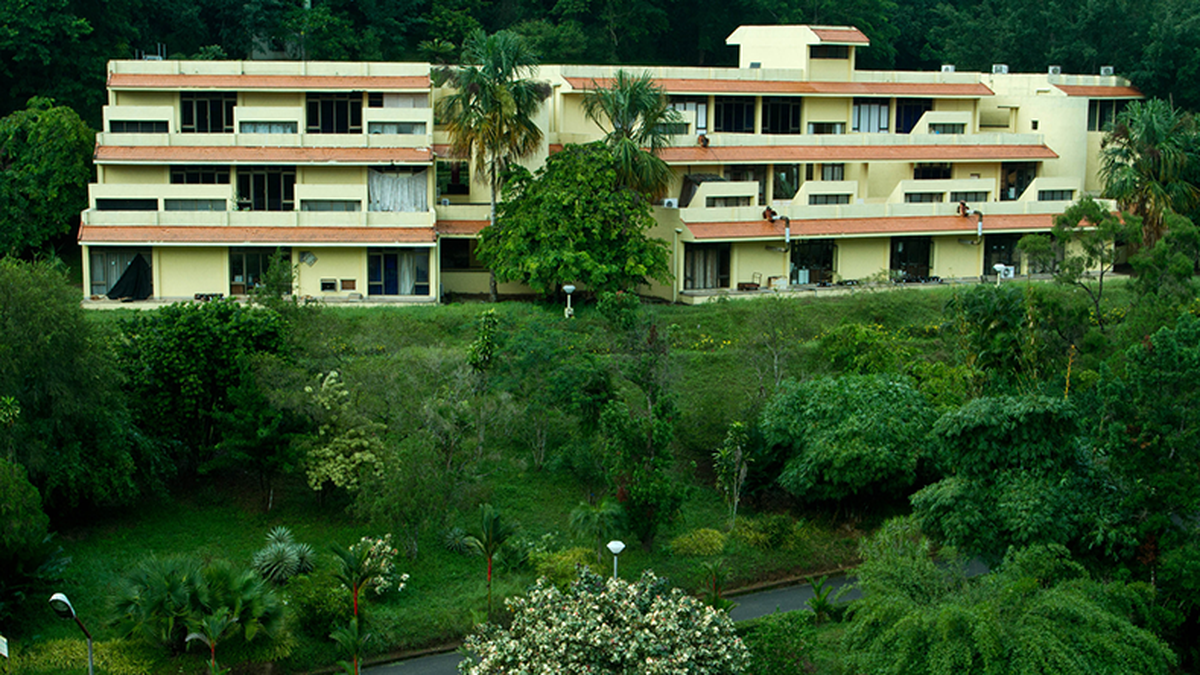
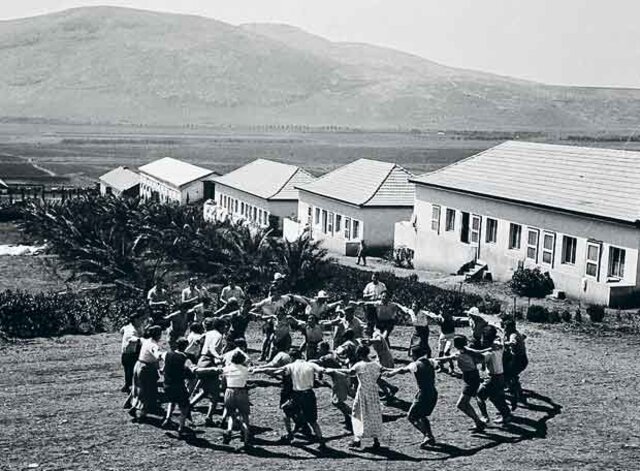
Conceived by famous Bengali poet Rabindranath Tagore as a residential school to help preserve the traditional arts and philosophies of India, Visva-Bharati University is ‘intimately’ involved in its surrounding communities, working to raise literacy levels, teach entrepreneurship skills and improve villagers’ socio-economic conditions.
|

|
|
KENYA
Wilson Odhiambo

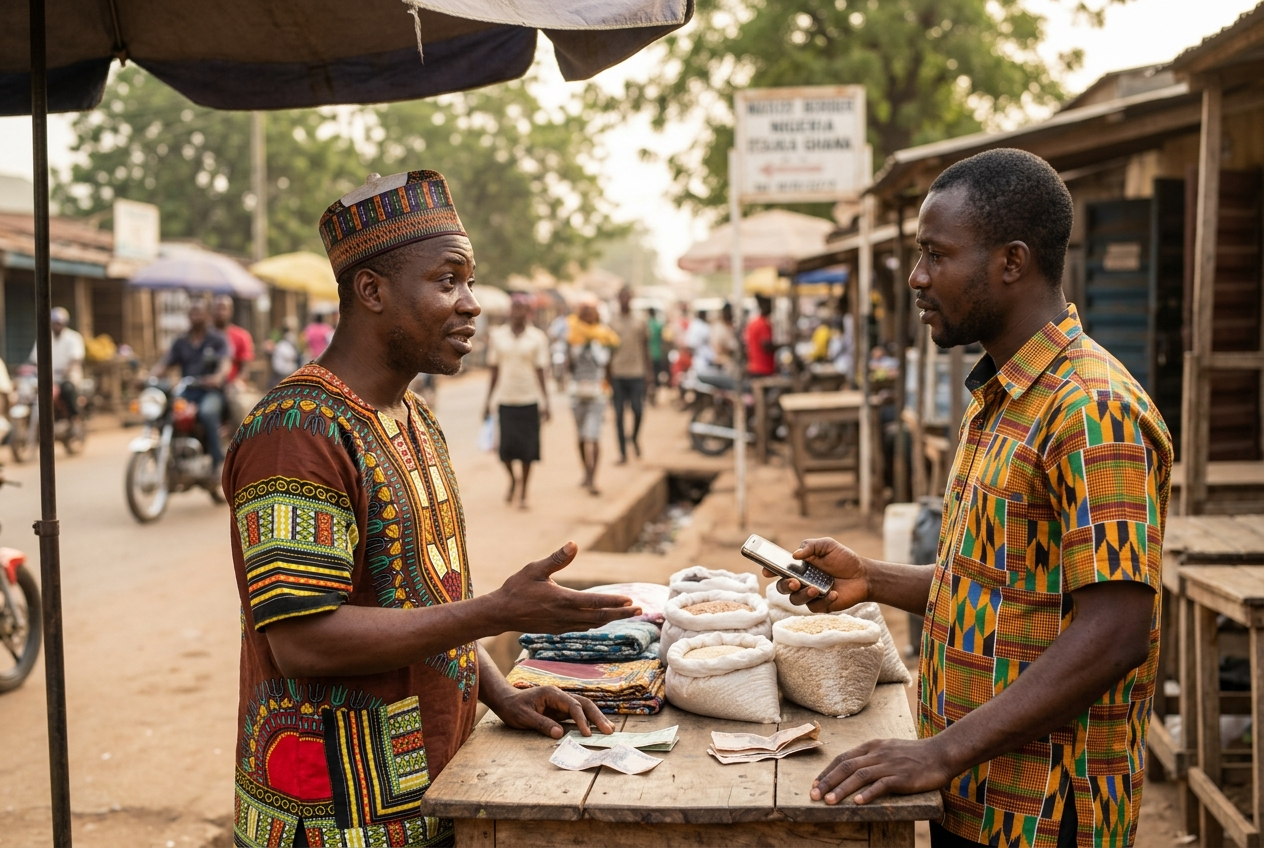
Three fourth-year students in mining and mineral processing engineering at the Jomo Kenyatta University of Agriculture and Technology in Kenya – Ian Ngumbau Wambua, Shaneal Mumbi, and Ruth Afandi Igunza – have devised a way to process minerals without requiring water, a key component in the mining industry.
|
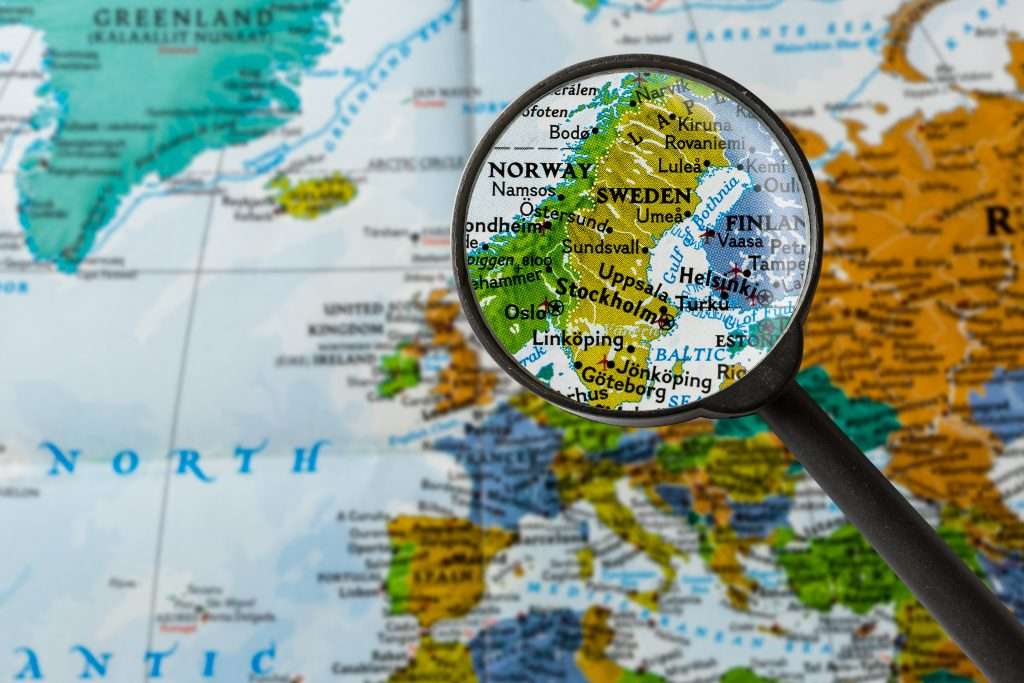
SWEDEN
Fintan Burke

For millennia, people dyed their clothes with plant-based indigo to give their clothes that deep bold blue colour. However, manufacturing these jeans can damage the environment because of harmful chemical leaching. Now researchers are using algae to make environmentally friendly dyes for jeans.
|
NIGERIA
Abdulganiyu Abdulrahman Akanbi
|
Top Stories from Last Week
RWANDA
Jean d’Amour Mbonyinshuti
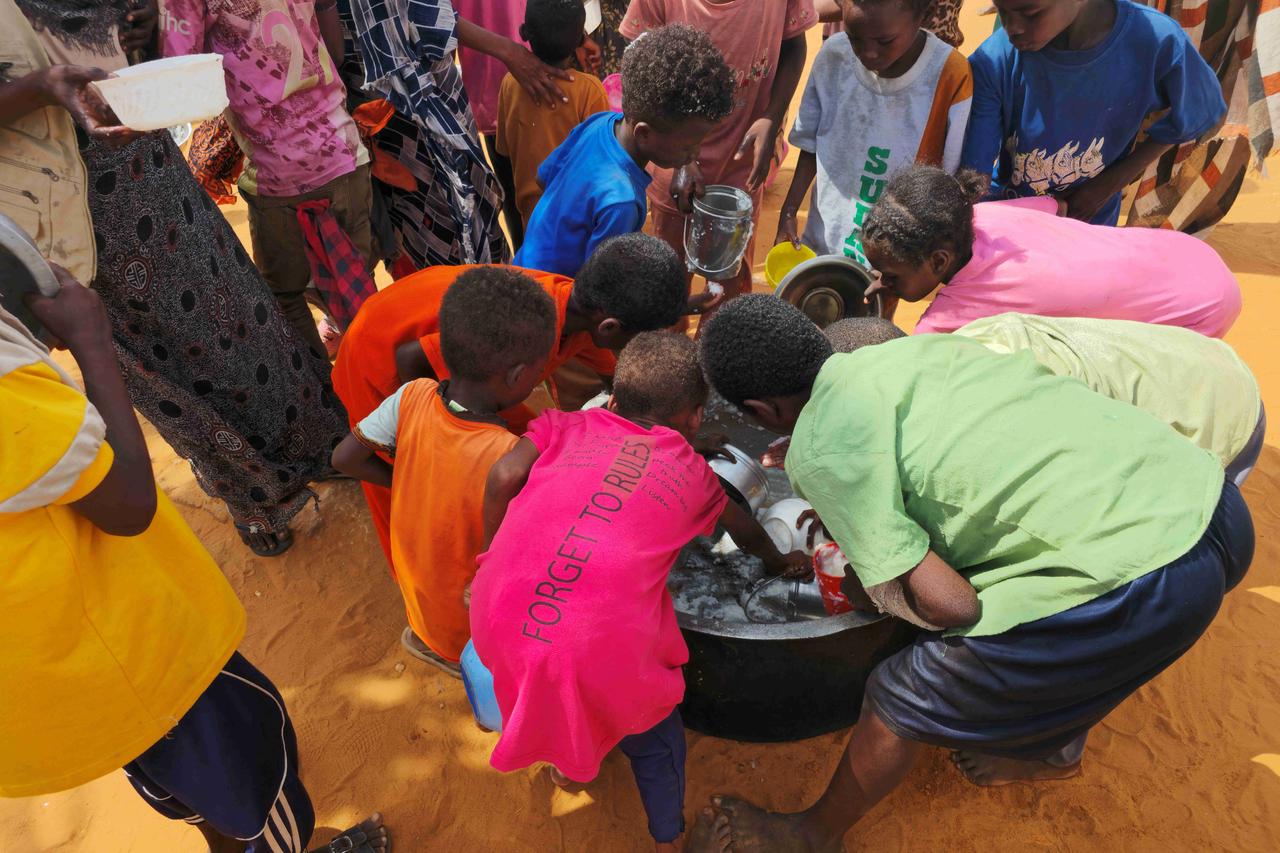
When war erupted in Sudan, Lama Hashim was not only afraid for her safety. She was terrified for the future she had just begun to build. Mere months earlier, the 21-year-old had started her first year in electronics and electrical engineering in Khartoum. Life felt stable, even predictable.
|

|
|

GLOBAL
A UWN Reporter
|

CHINA
Amber Wang
|

PALESTINE
Tarek Abd Elgalil
|
GLOBAL
Brendan O’Malley

‘Leaving no one behind’ is the value infusing all of the United Nations’ Sustainable Development Goals and universities are well placed to combat inequality through research, engagement, widening access and producing graduates ready to be changemakers. But incentives and metrics are needed to reward progress.
|
PALESTINE
Brendan O’Malley

A new academic report published by Friends of Palestinian Universities concludes that since October 2023 Israel has carried out ‘systematic destruction of Gaza’s higher education sector’ amounting to ‘scholasticide’, which it argues provides ‘direct evidence’ of genocidal acts under the 1948 Genocide Convention.
|
GLOBAL
James Yoonil Auh

AI is reshaping assumptions about cognition that underpin modern higher education. Universities may be shifting from a model of individual cognition to one of networked cognition, with the educational challenge no longer access to information but the cultivation of judgment, discernment, and intellectual responsibility.
|
GLOBAL
Tobias Dalberg, Audrey Harroche, Hampus Östh Gustafsson, François van Schalkwyk and Marie-Gabrielle Verbergt

Despite good intentions, the recent focus on ‘Early Career Researchers’ in research policies is counterproductive. The concept poisons expectations of academic life and individualises the responsibilities and risks of academic labour that target this group of researchers assumed to be ‘academically young’.
|
|
|