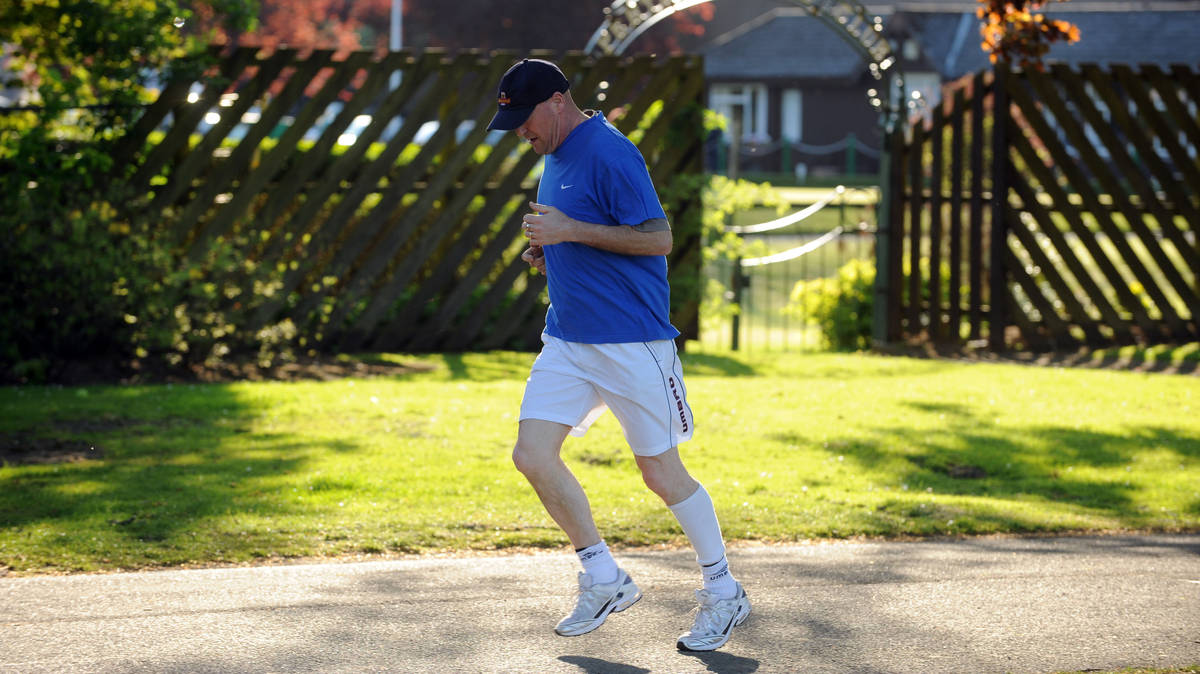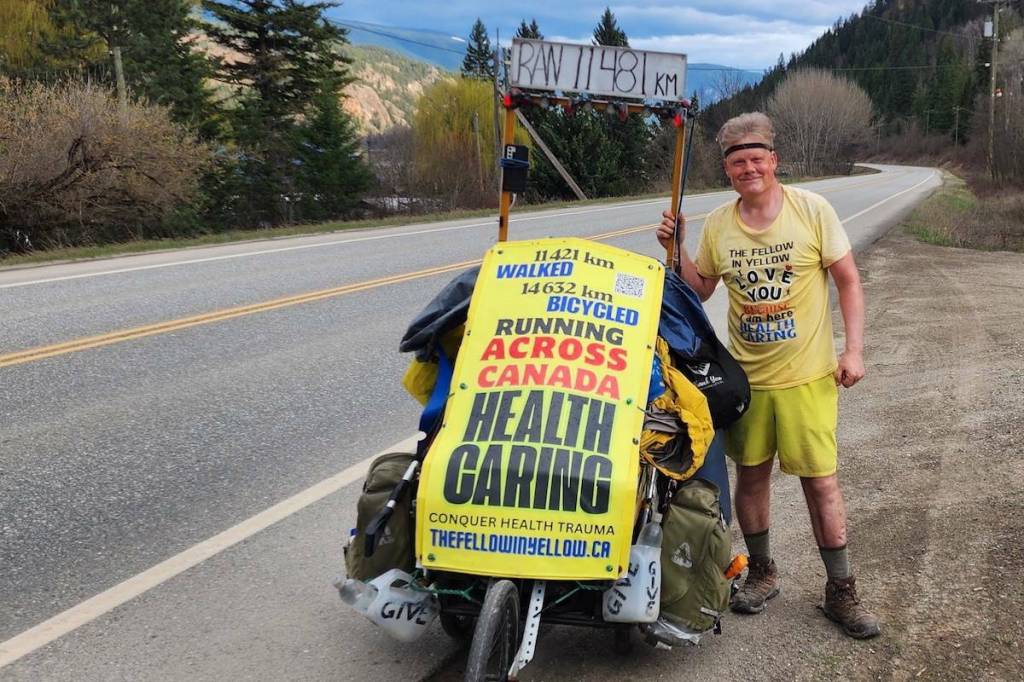
So, was it a success or a failure? In the final calculation, it was a success for several reasons. First, it engaged people in the importance of physical activity. Second, it proved my hypothesis: setting and declaring a goal takes you further than you would have gone without one. And third, even if you fall short of the destination, the goal—and the journey—will change you.
After my injury, one of my key takeaways was that I had nevertheless made remarkable progress as a runner. So, I set myself another goal: could I run a marathon again—something I hadn’t done in two decades—and do so at a reasonable pace, given my age? This time, I stuck to my training plan, avoided injury, and the answer was an emphatic yes.
In 2025, I ran the London Marathon in 3 hours, 37 minutes and 40 seconds, a time that put me in the top 20% of all finishers. I could never have achieved that time 20 years ago, let alone before my 2022 challenge. This had a positive knock-on effect: my result in London meant I qualified for the Boston Marathon, and I ran an even faster time in that race.