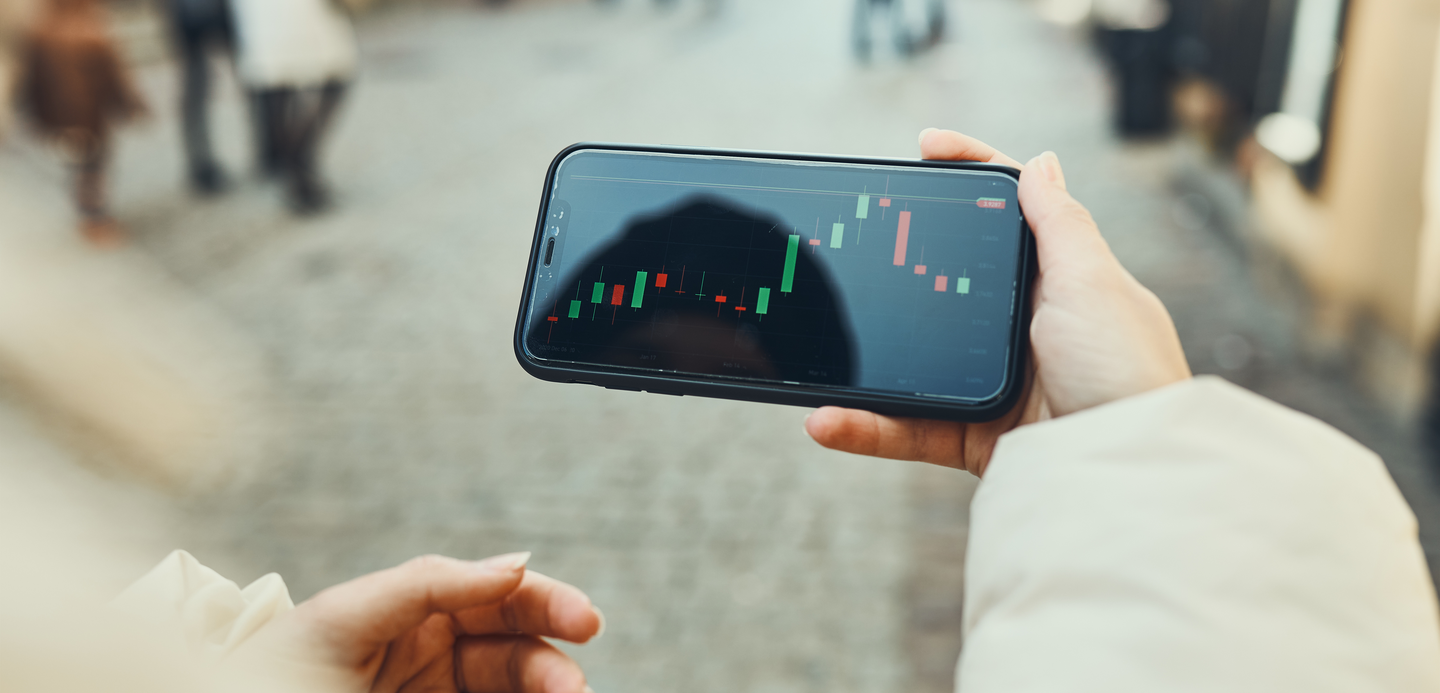
A healthy, mature stock market requires efficient two-way price discovery. Short-selling is not merely speculative; it is also a vital mechanism that prevents asset bubbles, disciplines corporate governance, and provides the essential liquidity that keeps a market dynamic.
Unfortunately, the current cost structure of the Central Depository (CDP) Securities Borrowing and Lending (SBL) scheme makes shorting economically unviable for many.
Consider the massive fee spread currently embedded in the system. For defensive, highly liquid blue chips like the three local banks, a long-term investor lending shares to the CDP receives a lender fee of just 0.17 per cent.
The SGX SBL website lists the corresponding CDP borrow rate at 0.25 per cent. Yet, by the time these same shares are on-lent by brokerage houses to retail clients, the borrowing cost frequently balloons to around 6 per cent.
A spread of this magnitude for what is essentially administrative matchmaking is difficult to justify.
Brokers often argue that high fees cover market and counterparty risks. However, this risk is already substantially mitigated because clients must pledge significant collateral before initiating a short position. The margin requirements alone buffer brokerages against sudden adverse price movements.
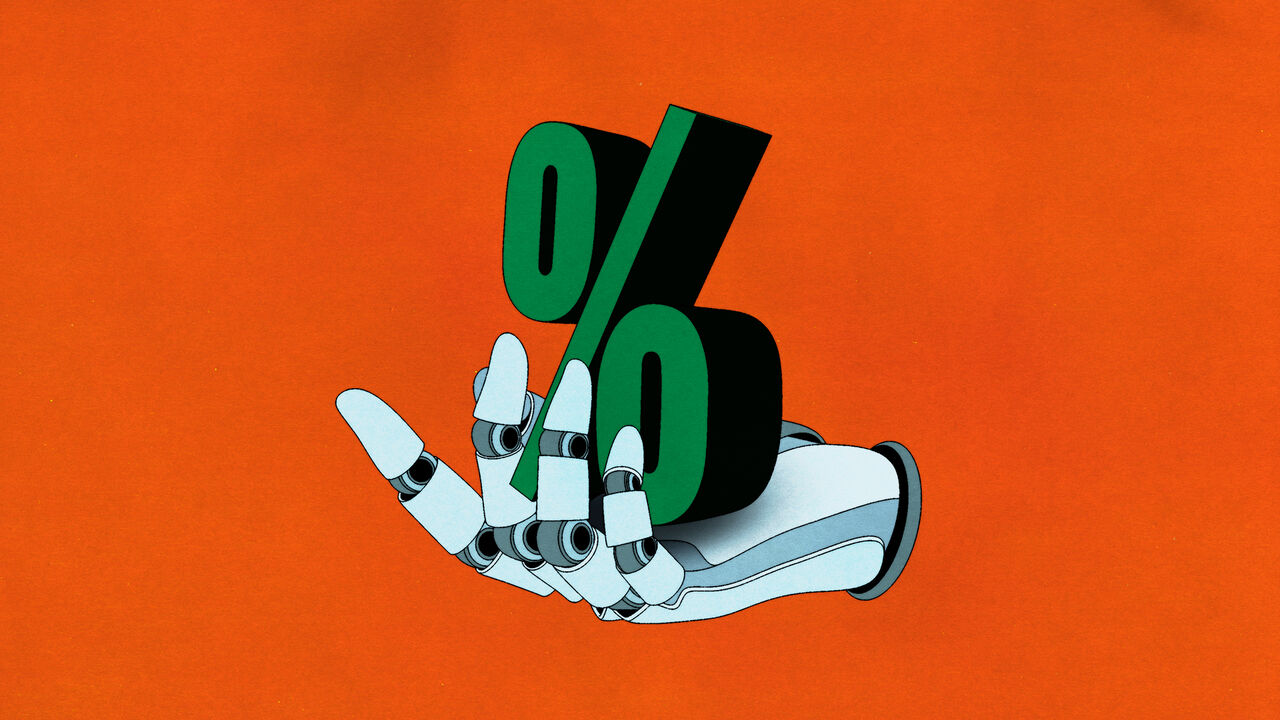
Furthermore, in an era where financial technology and artificial intelligence can seamlessly automate ledger tracking, compliance and matching, these high operational frictions should be a thing of the past.
If automated, the administrative cost of processing an SBL transaction approaches near-zero marginal cost. We need only look to the US markets to see how seamless, highly automated locate-and-borrow systems democratise shorting and drive massive retail and institutional volume.
If Singapore wishes to strengthen its position as a premier global financial hub and revive local market liquidity, SGX and member brokerages must work together to compress these inflated SBL spreads.
Streamlining the borrowing process through better tech integration will lower costs for investors, encourage two-way trading, and ultimately foster a more resilient and efficient marketplace.
Lim Wah Fong