[Image: ChatGPT]
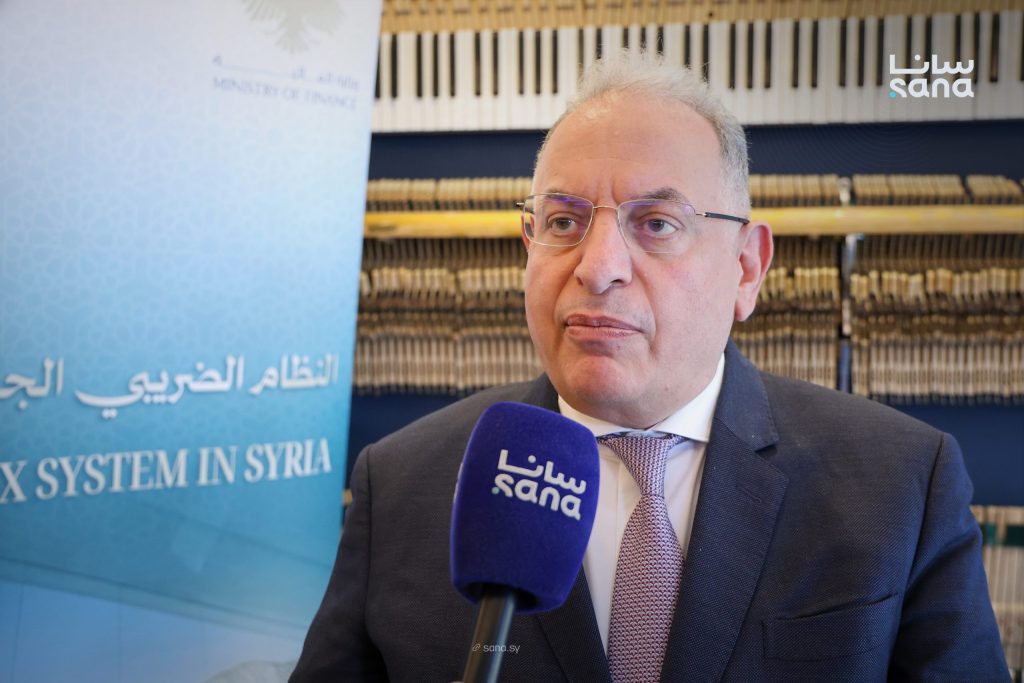
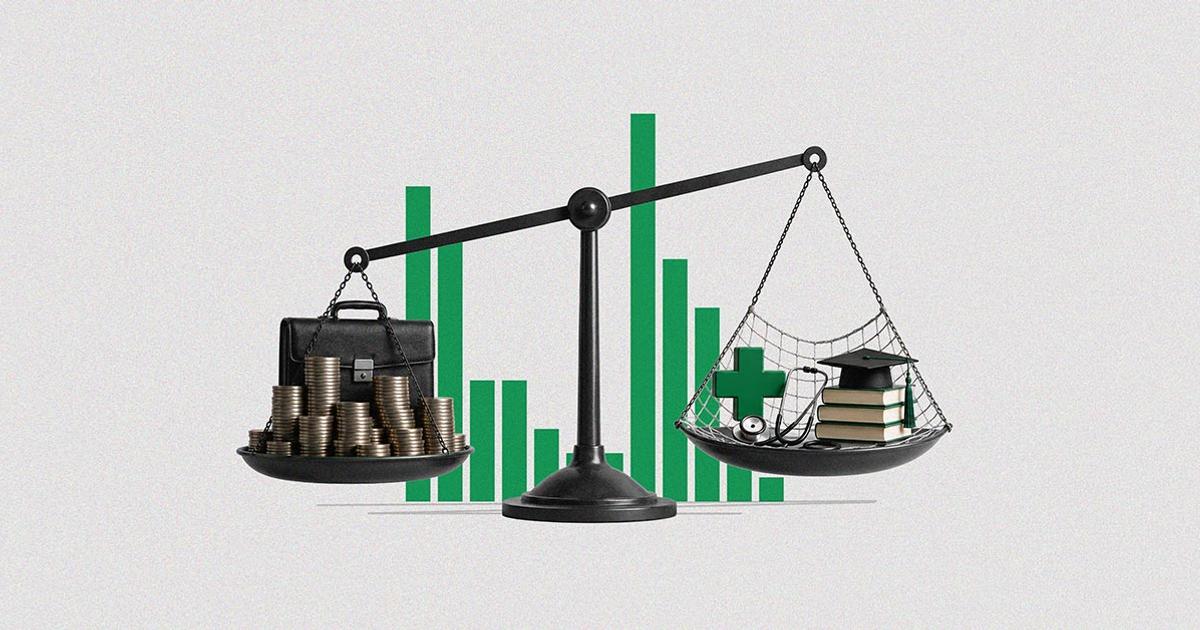
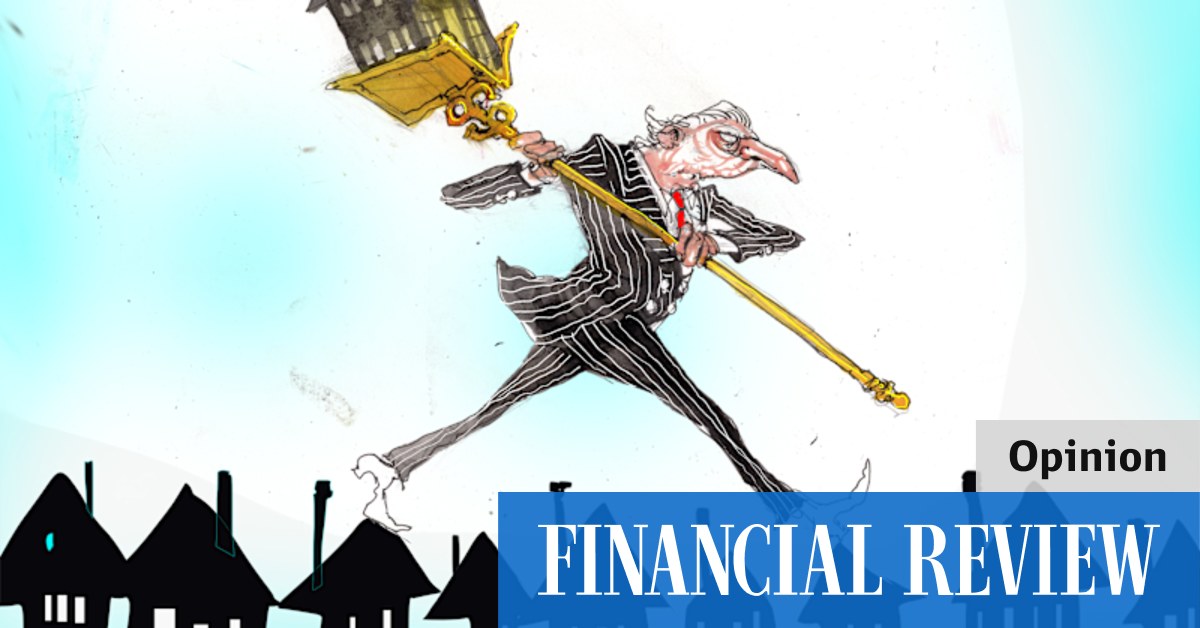
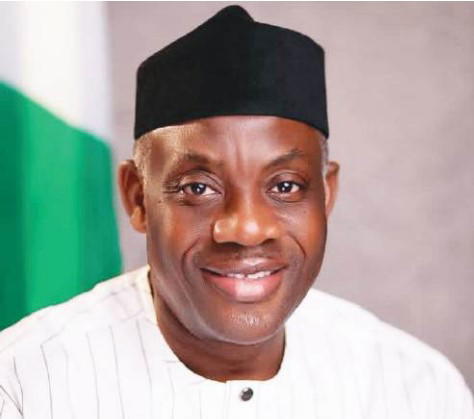
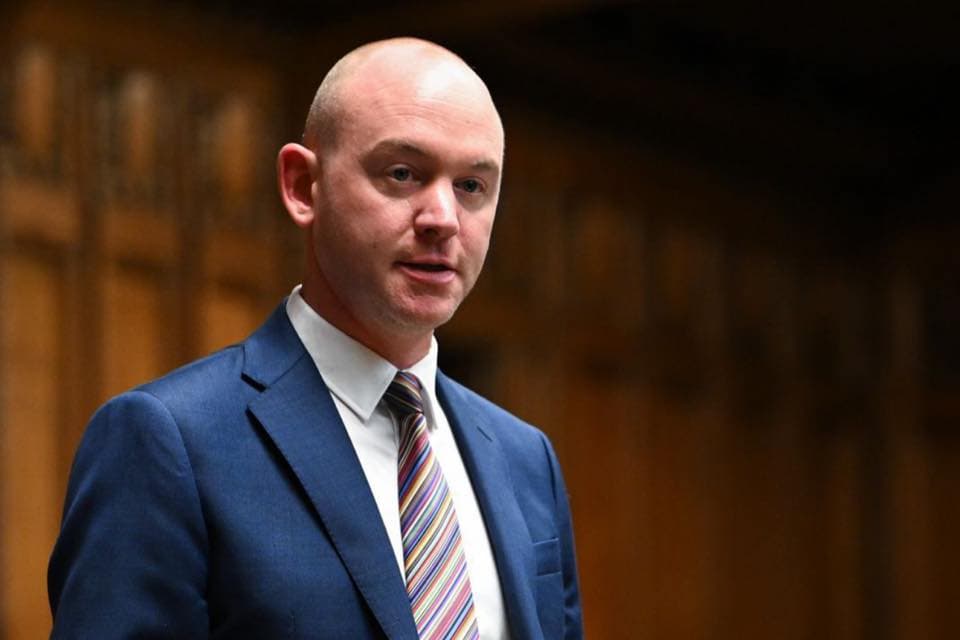
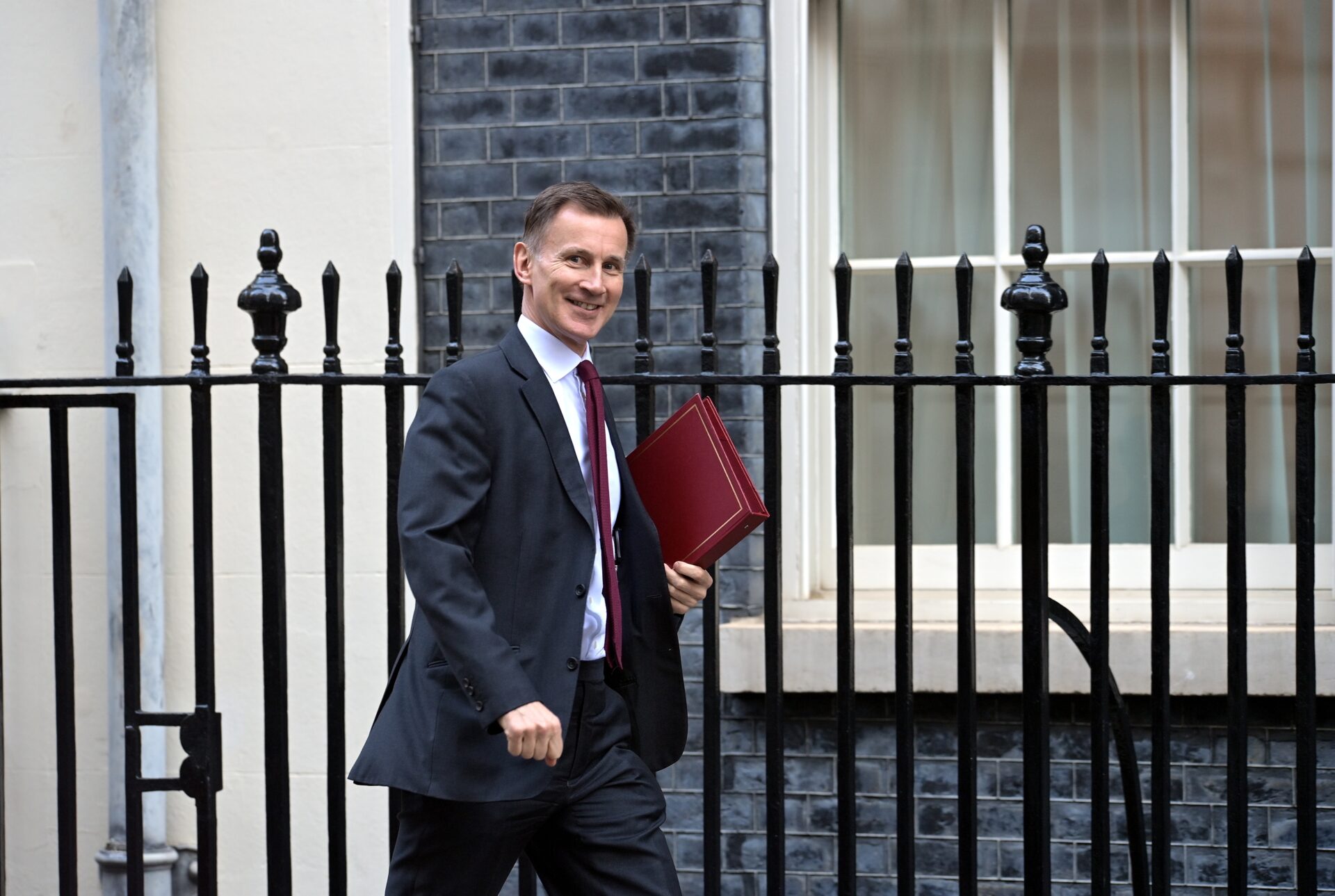
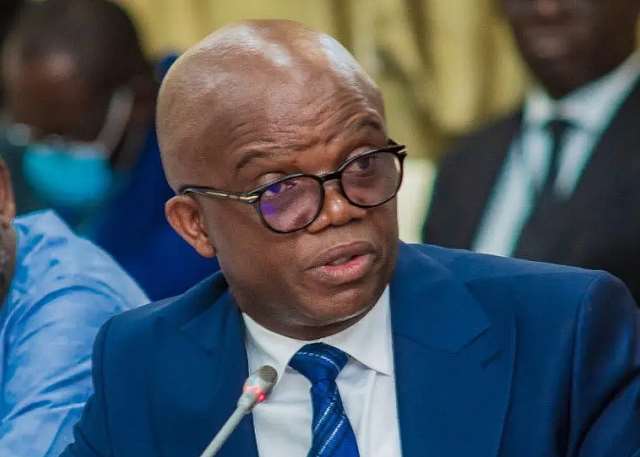
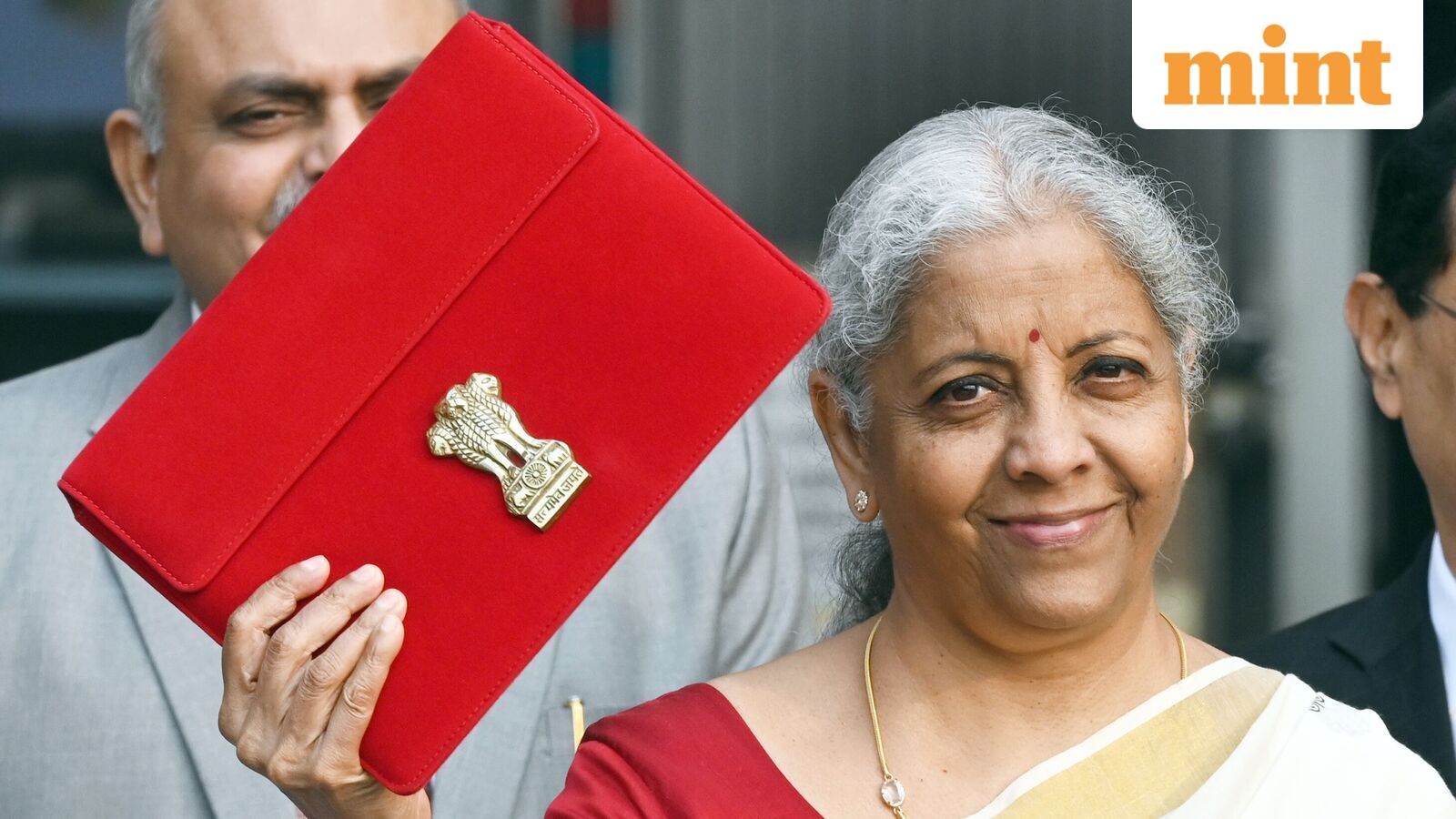
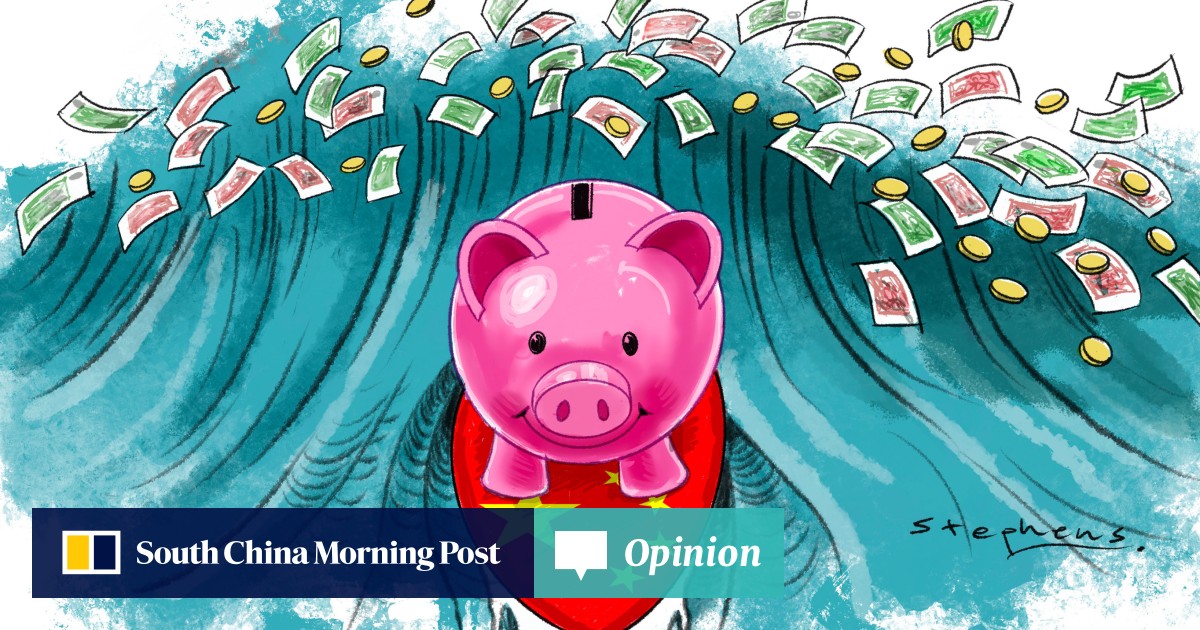
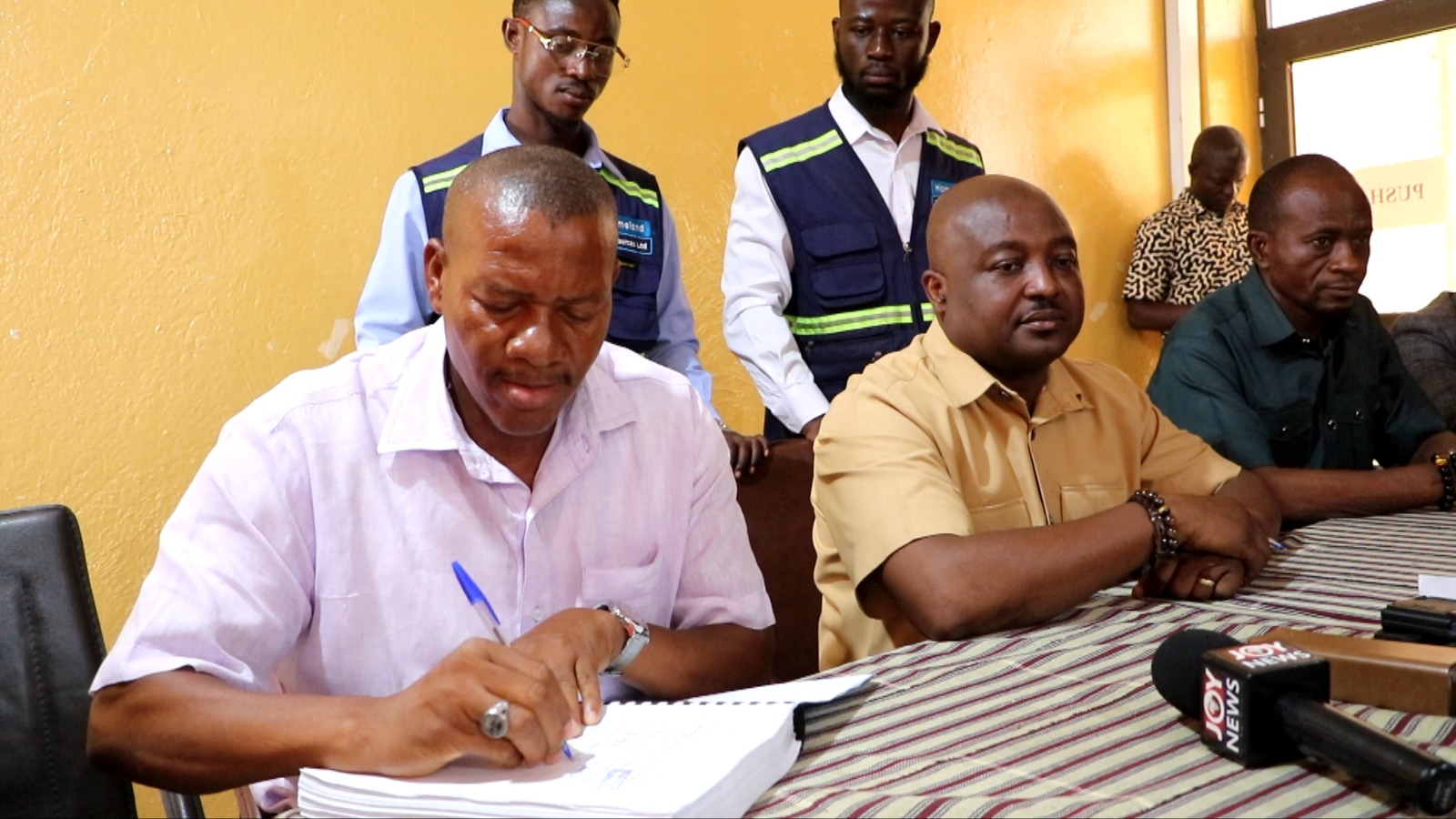
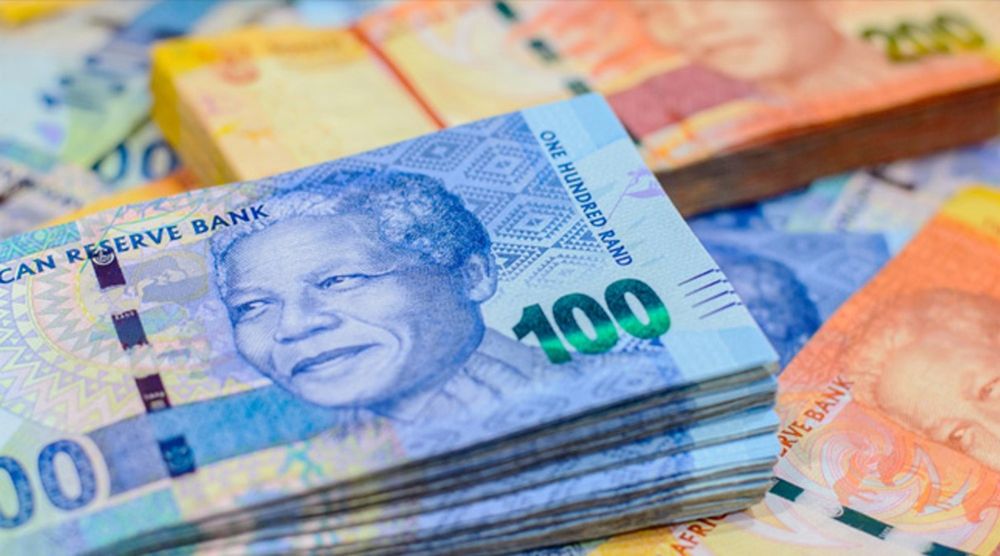
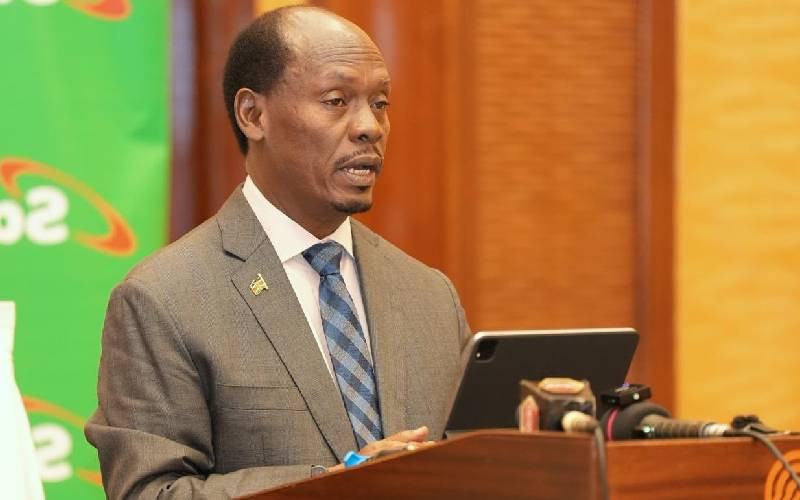
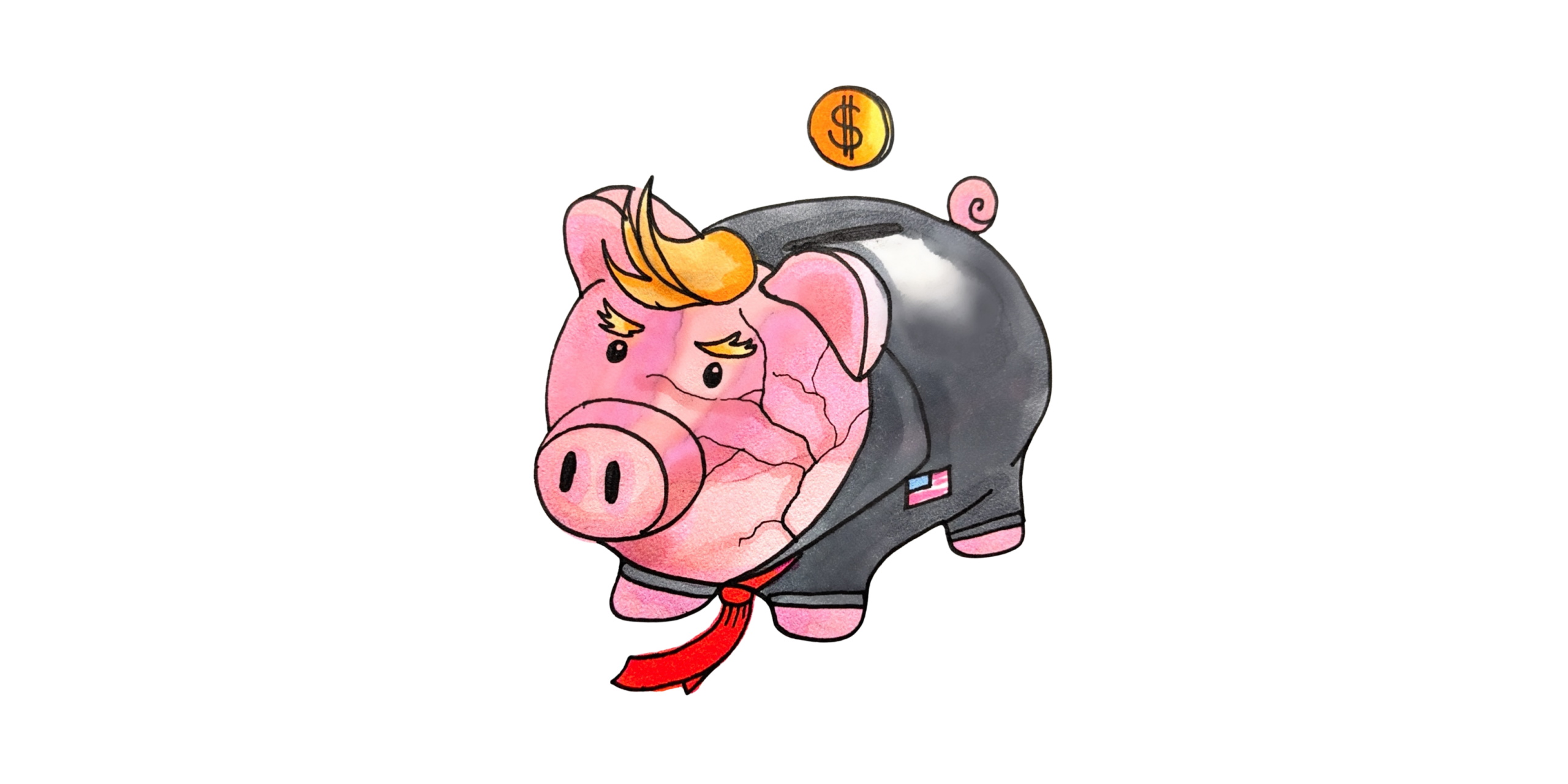
According to SA’s Minister of Finance, Enoch Godongwana, the government will not be introducing a wealth tax on South Africa’s richest citizens. Apparently, this is because they feel that the measures currently in place to tax wealth in the country are sufficient.
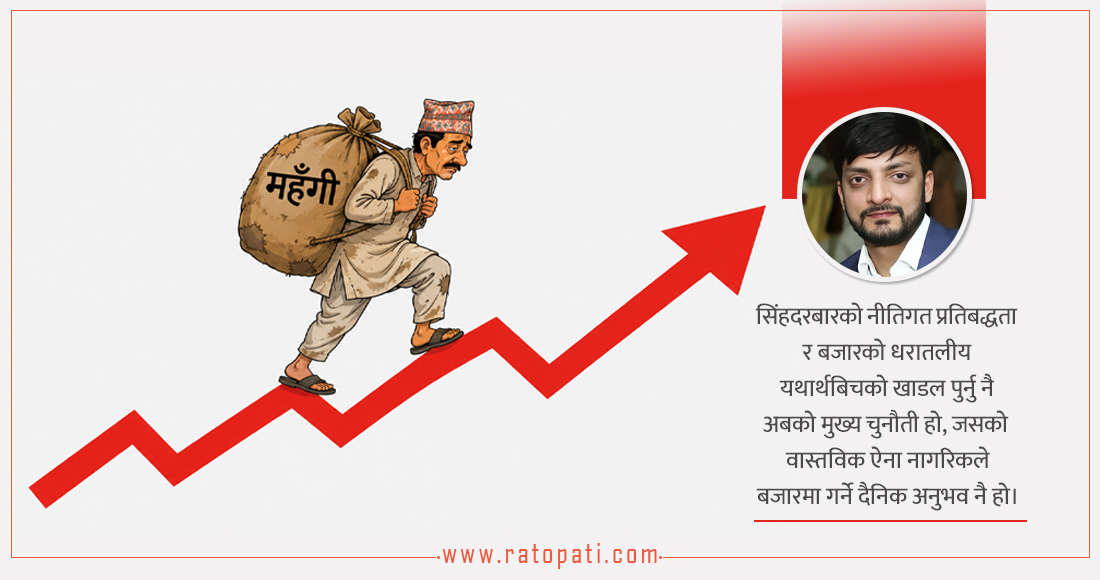
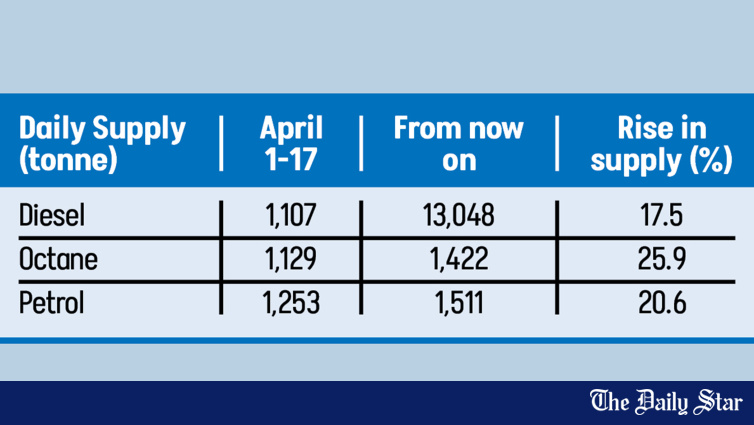
This was said in a written parliamentary reply after Economic Freedom Fighters (EFF) MP, Carl Niehaus, asked about measures to address inequality, including a wealth tax on the super-rich and the nationalisation of key strategic sectors. He also asked what steps the government was taking to address the impact of rising fuel prices and broader cost-of-living pressures on working-class South Africans.
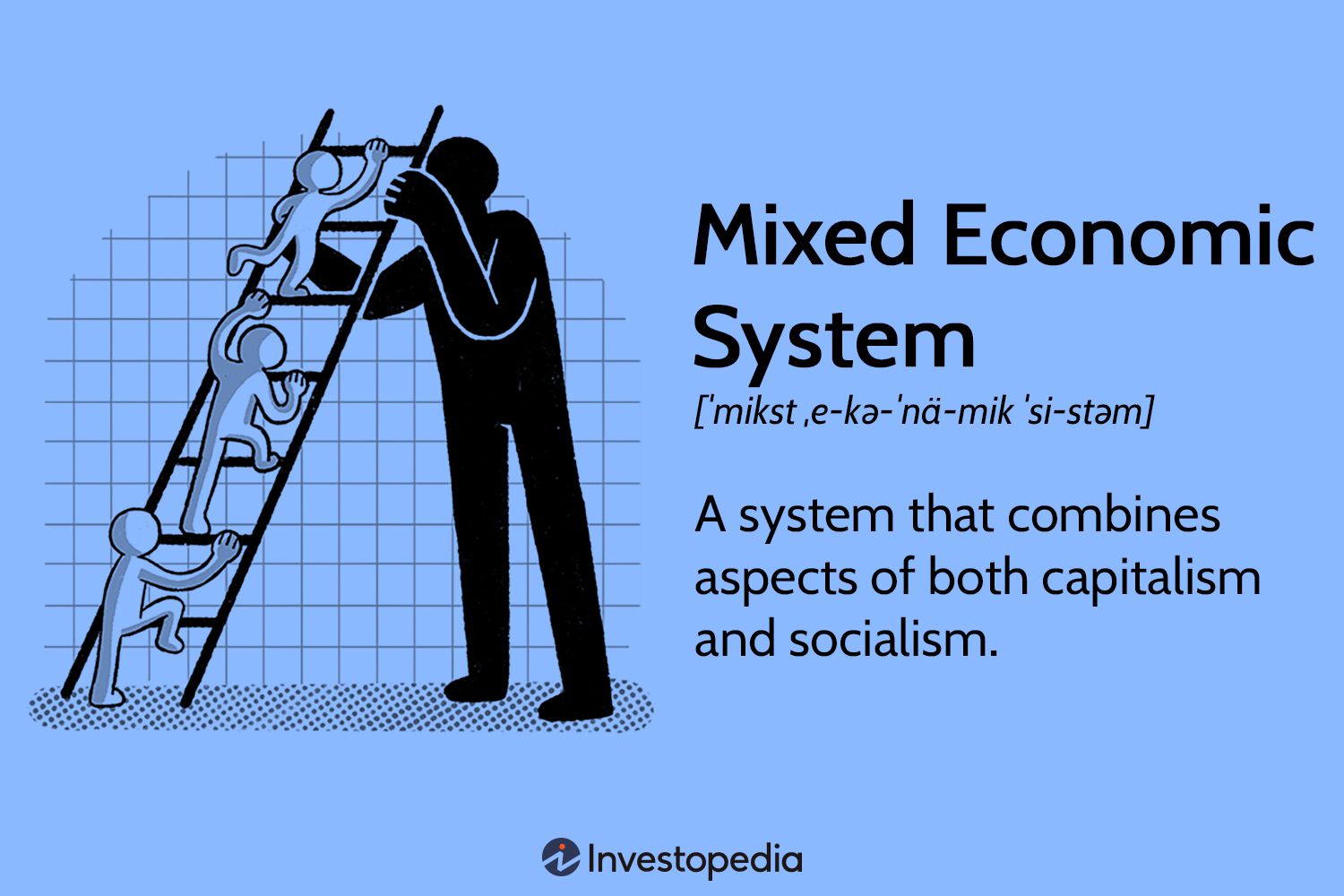
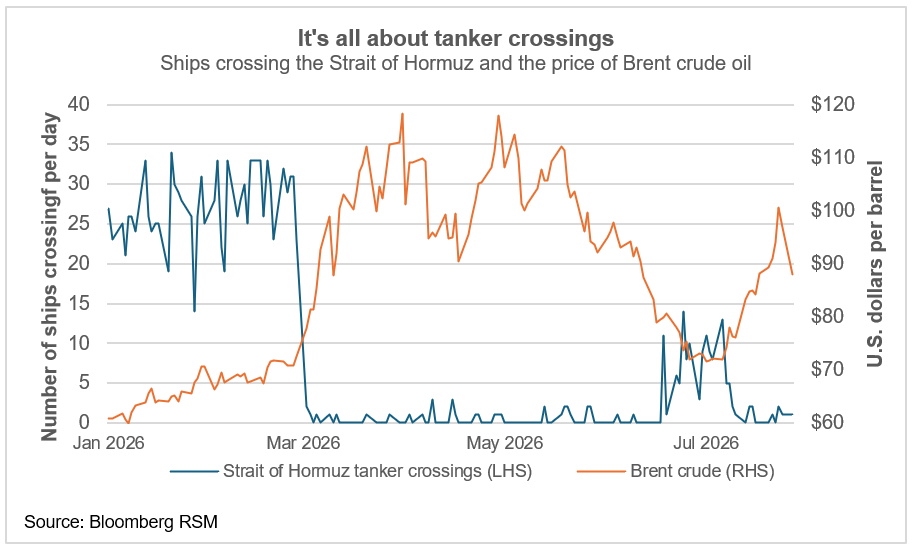
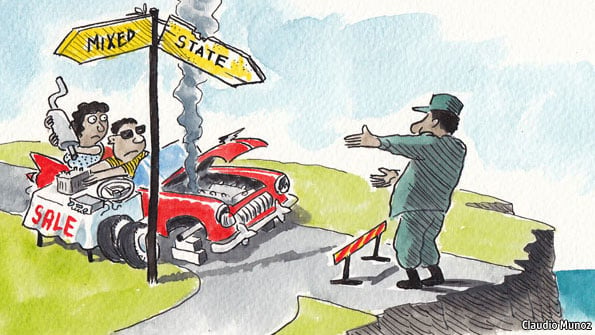
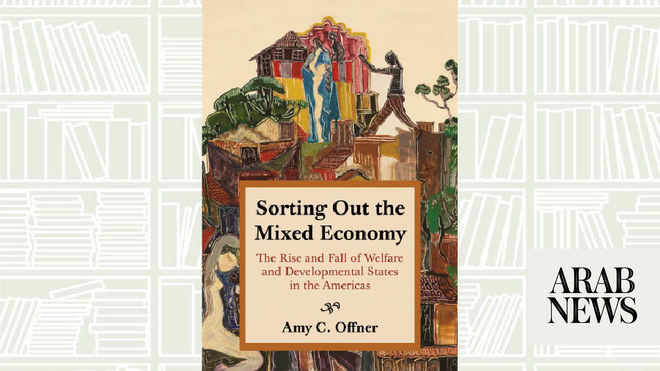
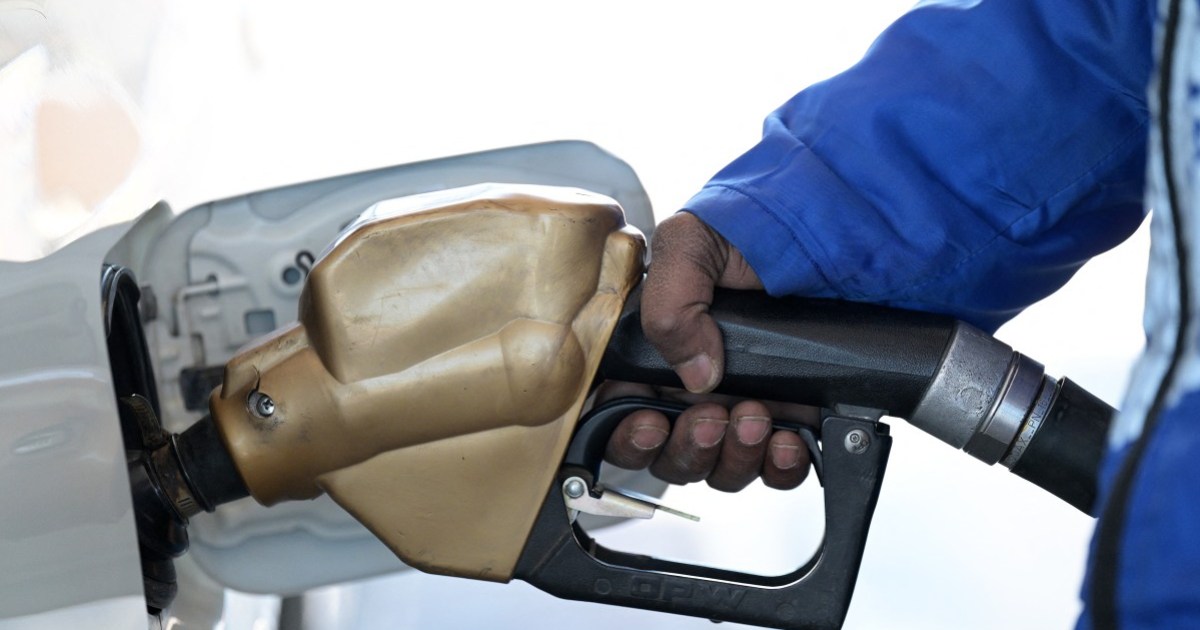
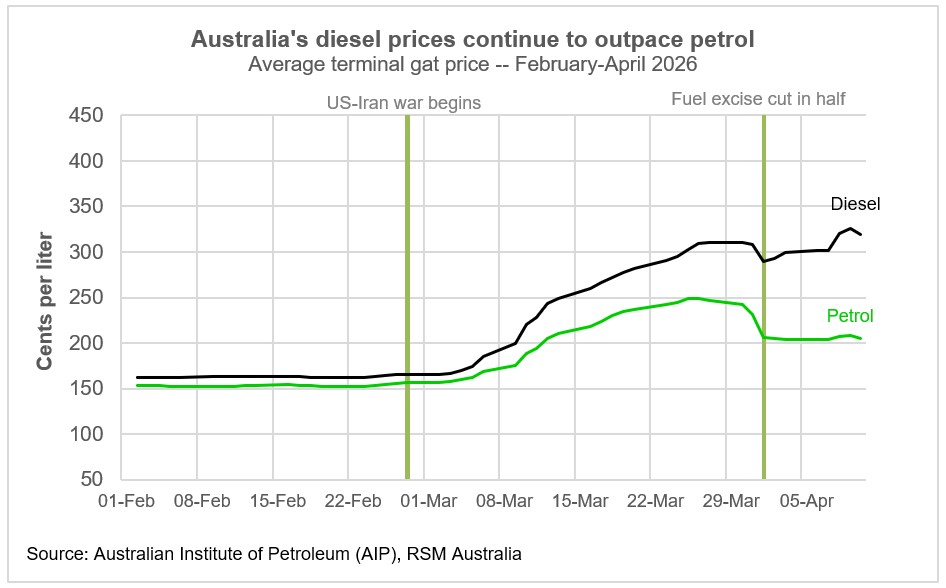
Godongwana said that the government has already responded to higher fuel prices by providing temporary fuel levy relief on petrol and diesel in 2026, at a cost of about R17.2 billion in lost revenue. He also said that the government was not discussing the nationalisation of any key economic sectors, and instead supports a mixed economy where both the public and private sectors play a role in driving growth, investment and job creation.
He said, “At the moment, Government is not discussing nationalising key sectors of the economy. South Africa’s economic policy seeks to achieve inclusive growth, job creation and improved service delivery through a mixed economy in which both the public and private sectors play important roles”.
As far as a wealth tax is concerned, he said South Africa already has several instruments to tax wealth, including estate duty, donations tax, securities transfer tax, transfer duty and capital gains tax. “The total annual tax revenue collected from the four national taxes on wealth, excluding local property taxes, amounted to R21.3 billion in 2024/25,” he said.
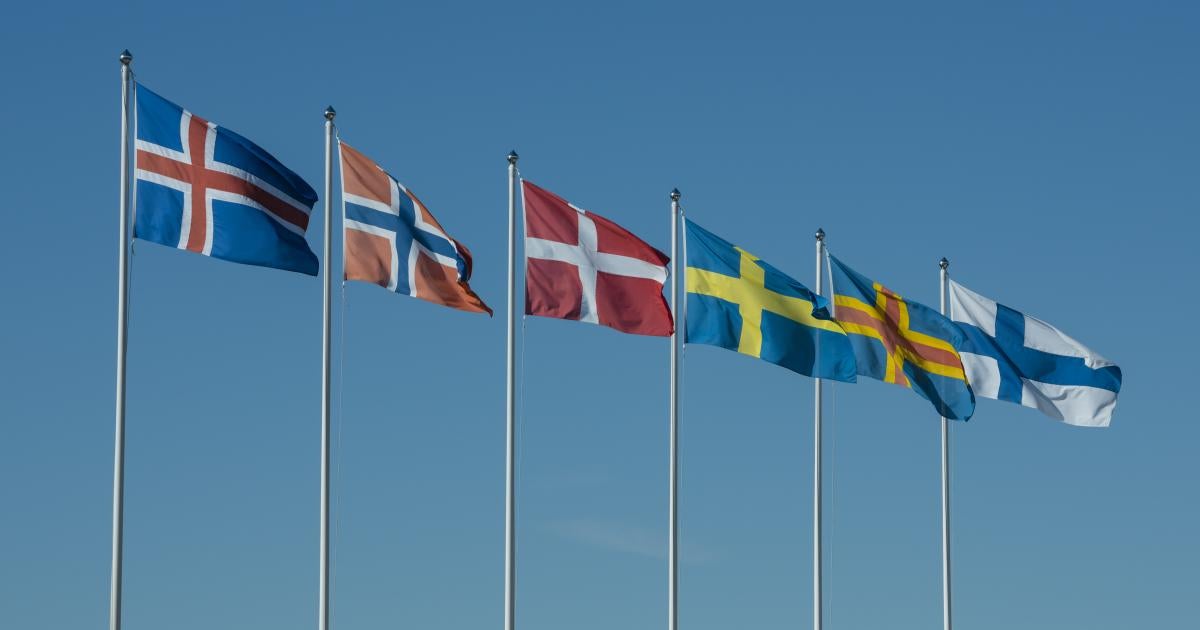
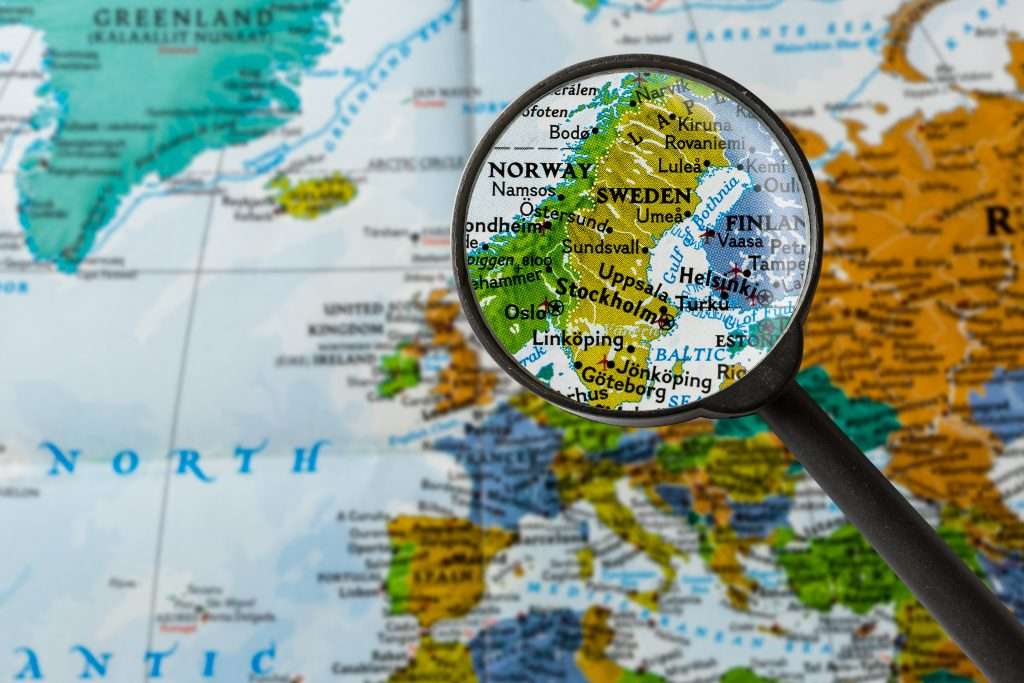
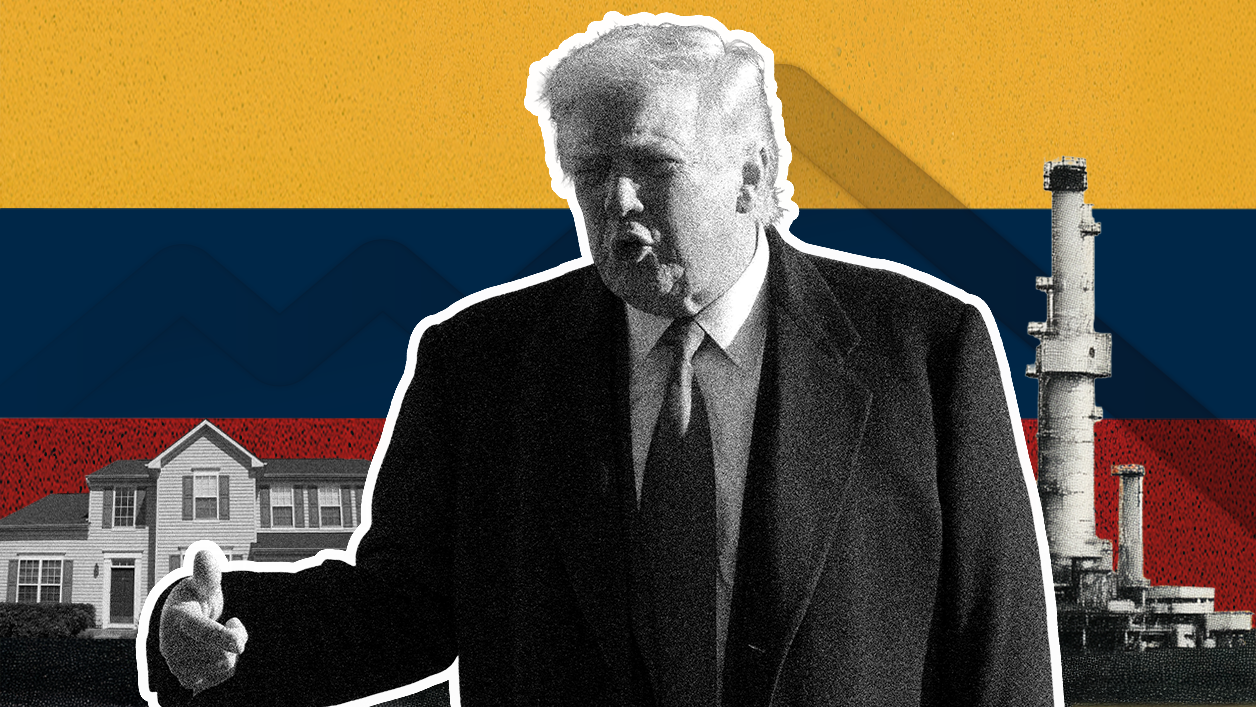
Godongwana added, “International evidence shows that several countries abandoned or significantly reduced the scope of their wealth taxes over the years as they were ineffective – either in favour of inheritance tax/estate duty and others, or altogether. In 1990, twelve countries had a wealth tax while only four countries (Norway, Switzerland, Spain and Colombia) have what can be termed wealth taxes today.
“Reasons for abolishing wealth taxes include: the high cost of collection; administrative complexity; risk of capital flight; limited revenue gained from these taxes; and the negative impact of taxing wealth on economic growth”.
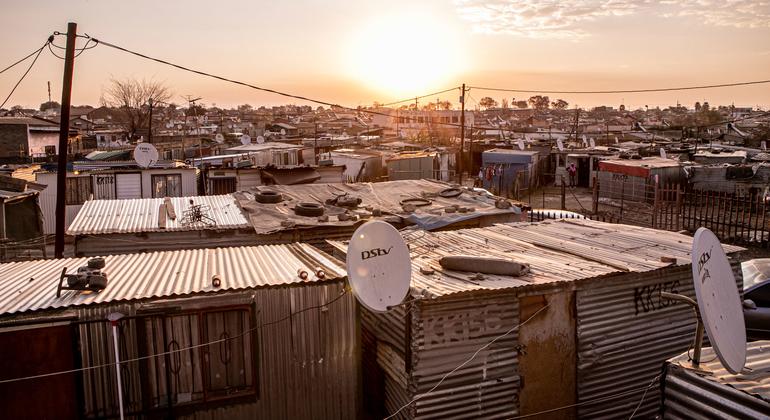
So, in other words, the mega wealthy can continue to hoard their millions while plenty of citizens continue to live below the poverty line. Nice.
[Source: IOL]