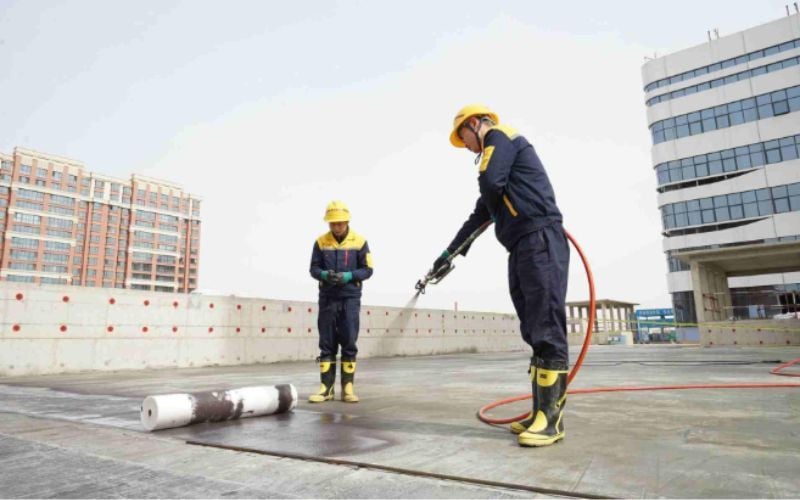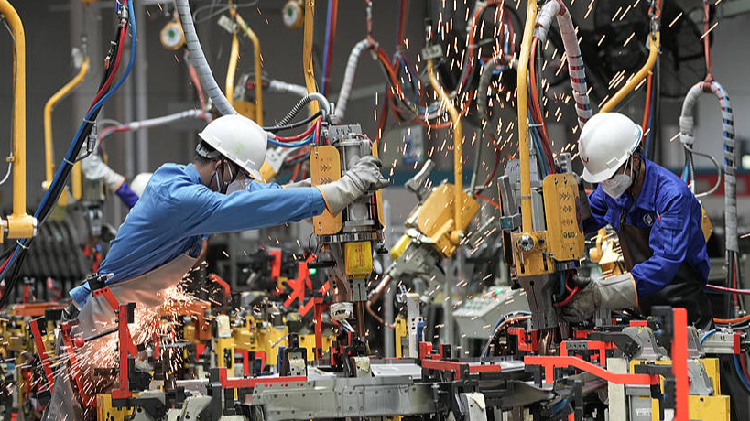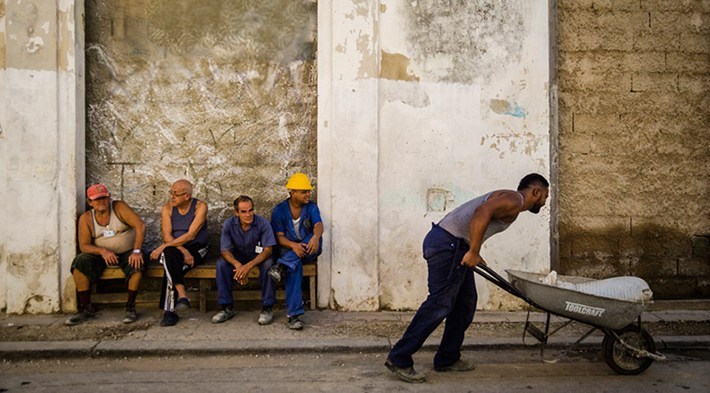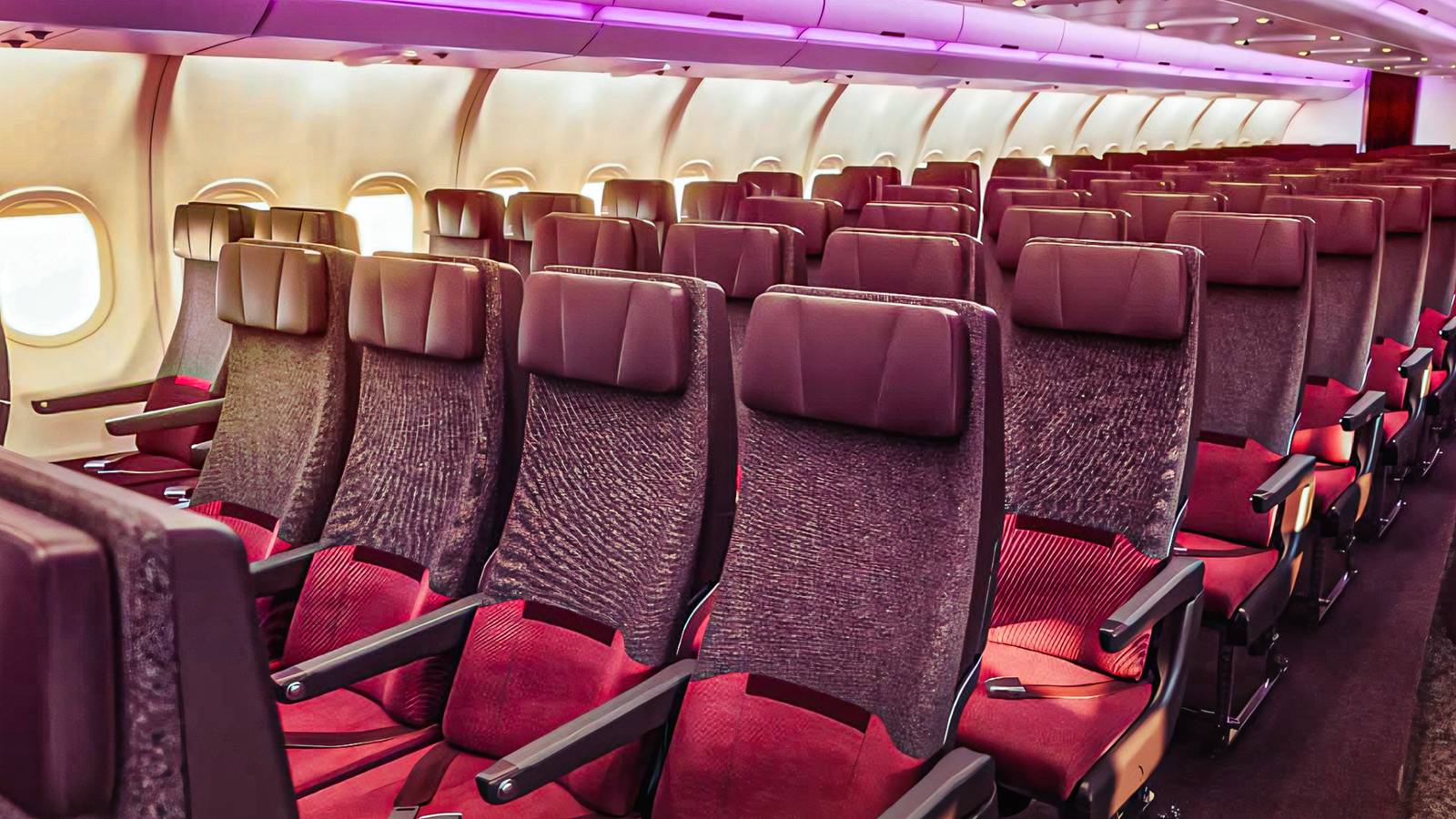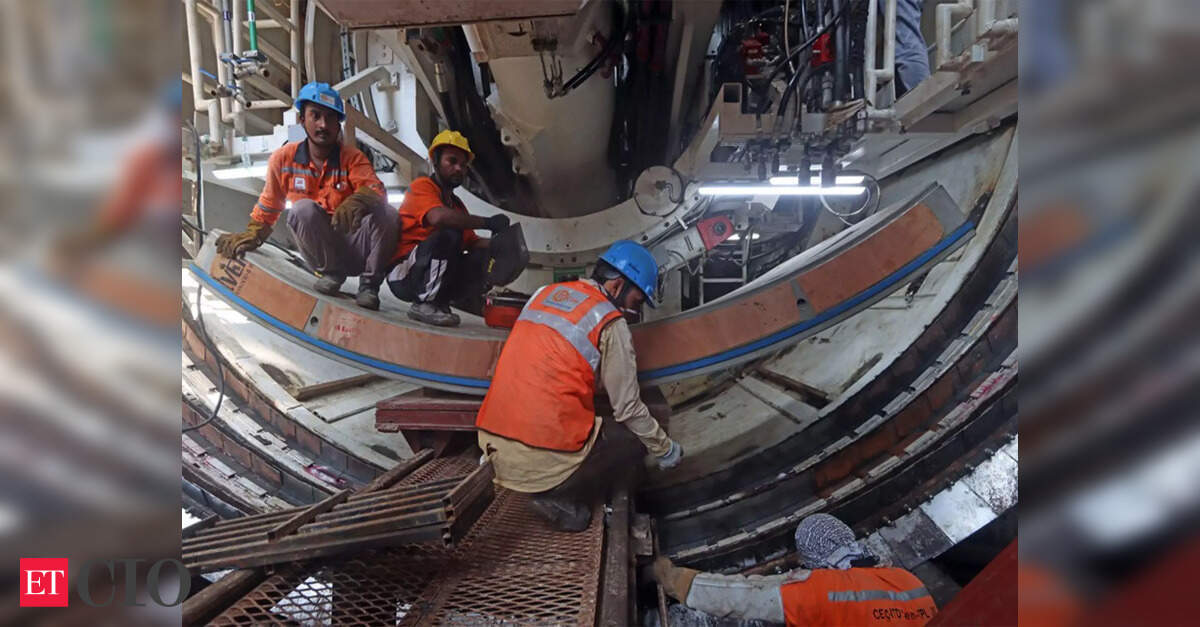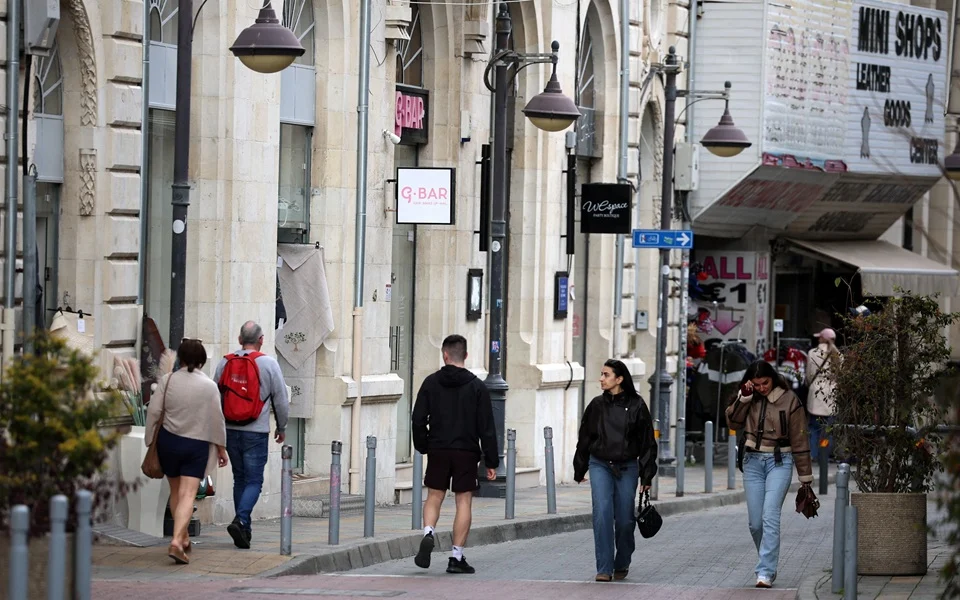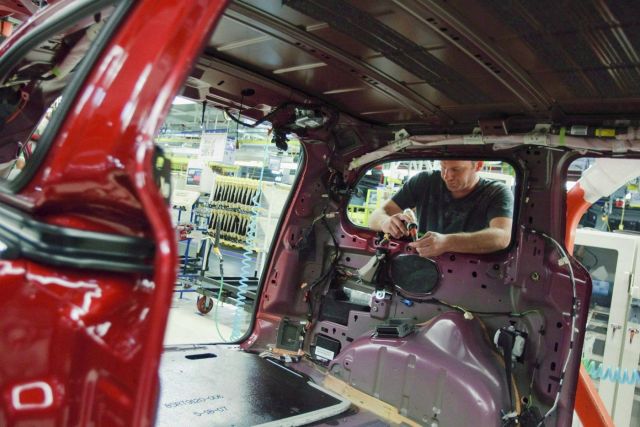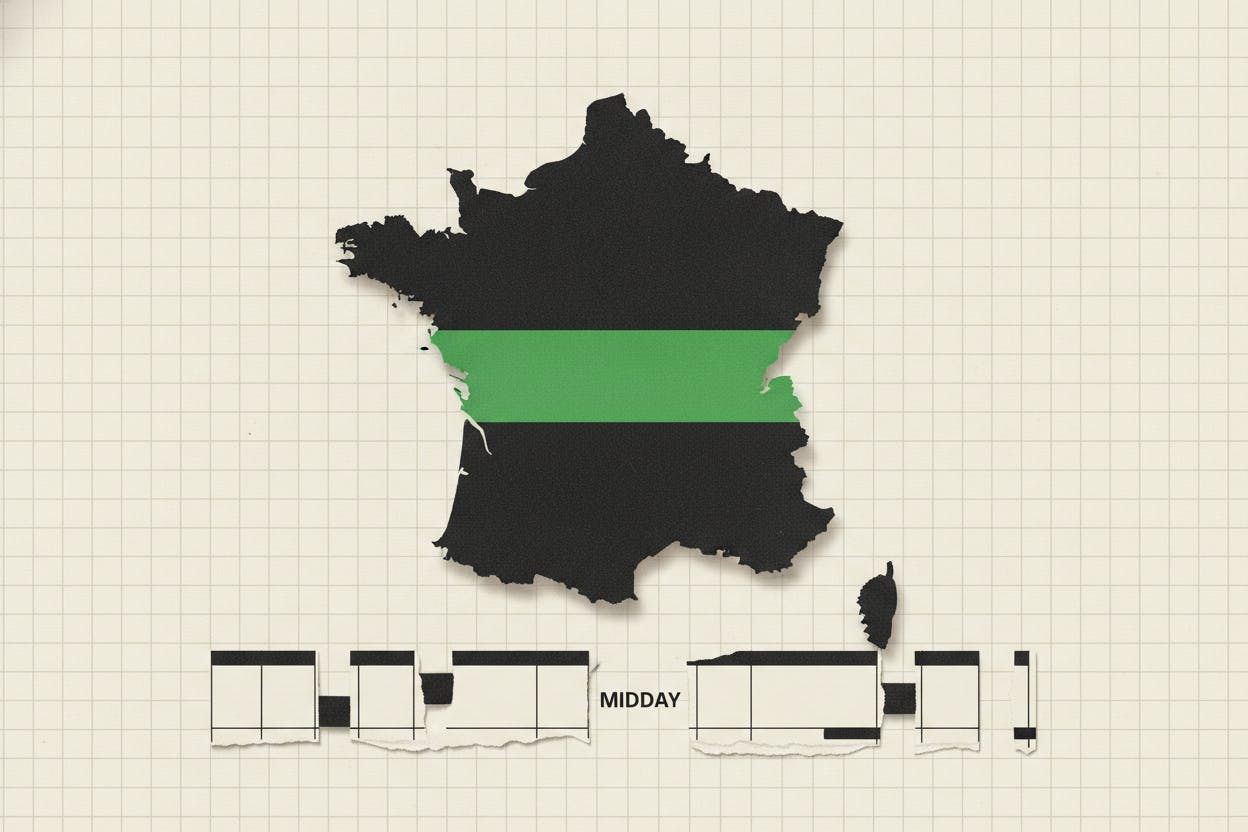
n, hospitality, and transport held up, and a few pockets even got a lift as travelers sought air-conditioned hotels and demand rose for cooling systems. The bank also noted that supply-chain snags and pressure from raw material and energy prices have eased from earlier highs, while its uncertainty gauge fell back toward pre-war levels, even as firms still cited geopolitical tensions and input costs as key worries.
Why should I care?
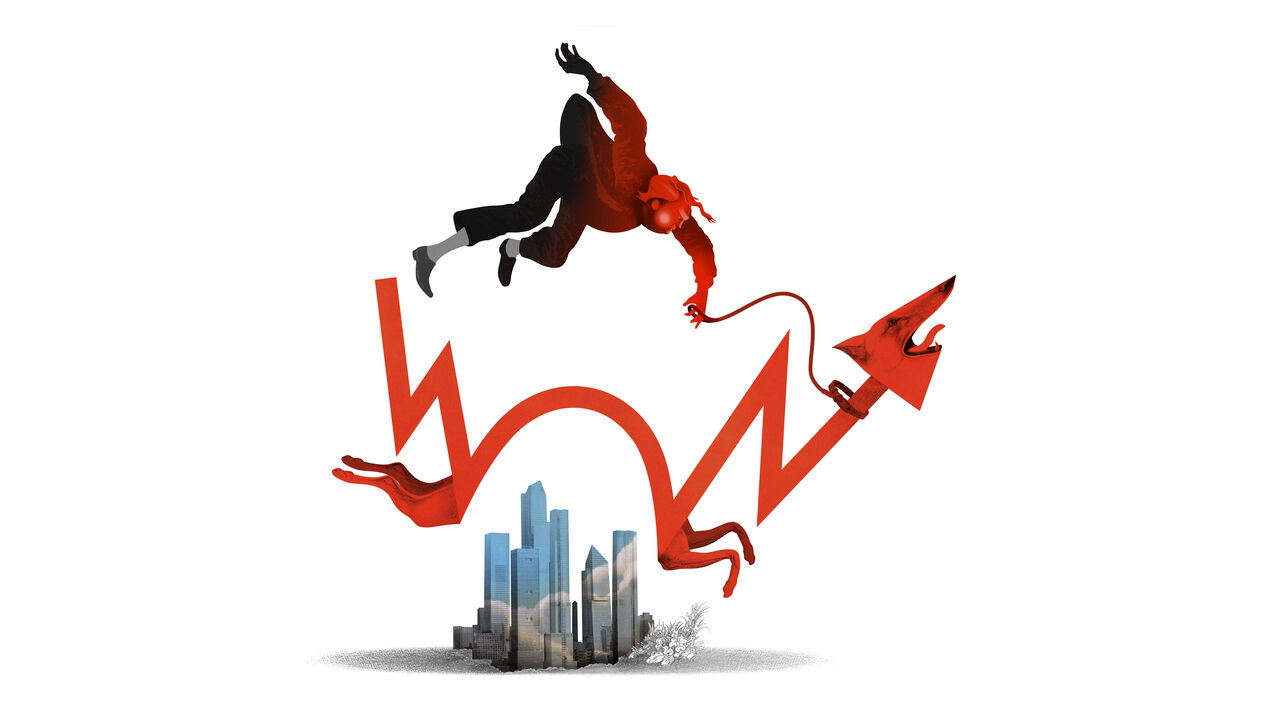
Zooming out: A heatwave is starting to look like a reshuffle, not a shutdown.
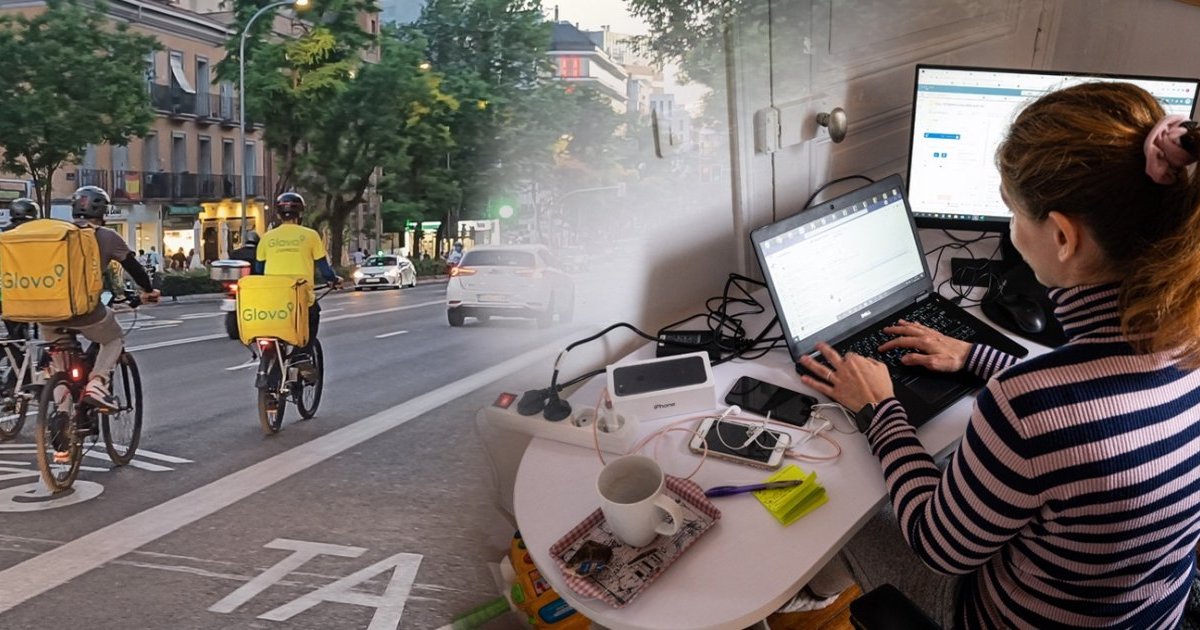
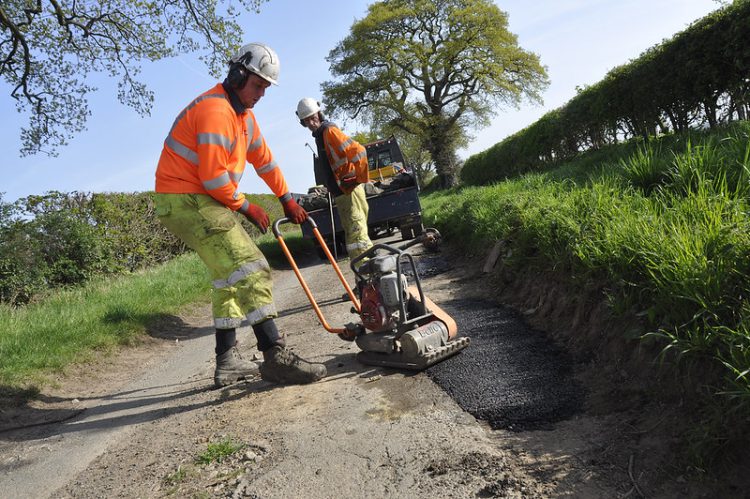
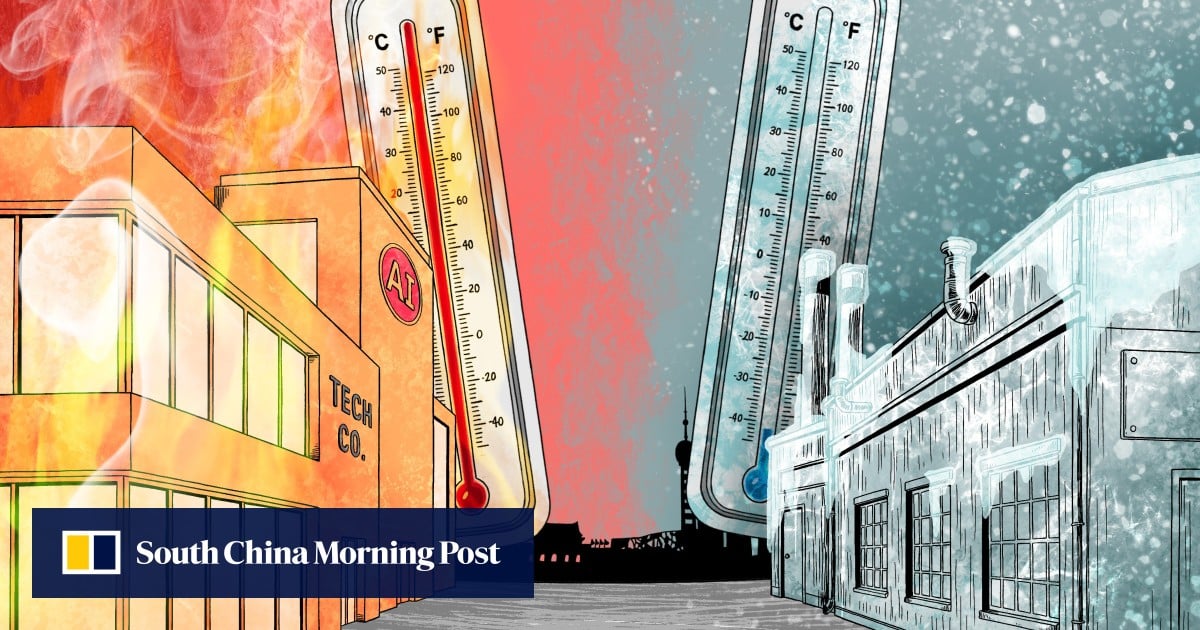
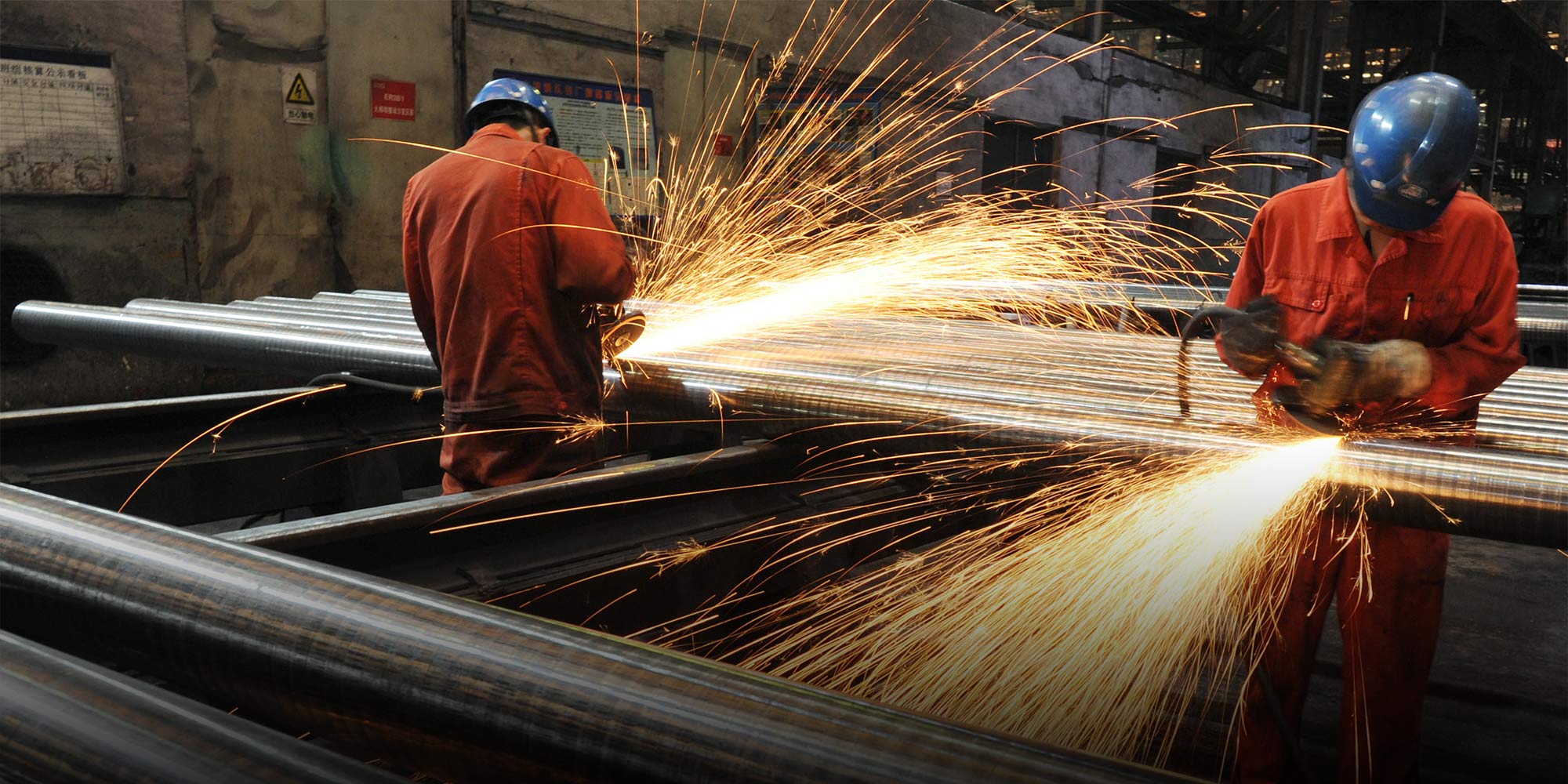
The Banque de France’s 0.2% call suggests extreme heat doesn’t automatically punch a big hole in headline growth when businesses can adapt. Moving shifts away from midday hours helps protect output, and spending often gets redirected toward what still works in hot weather – indoor services, air-conditioned travel, and cooling equipment.
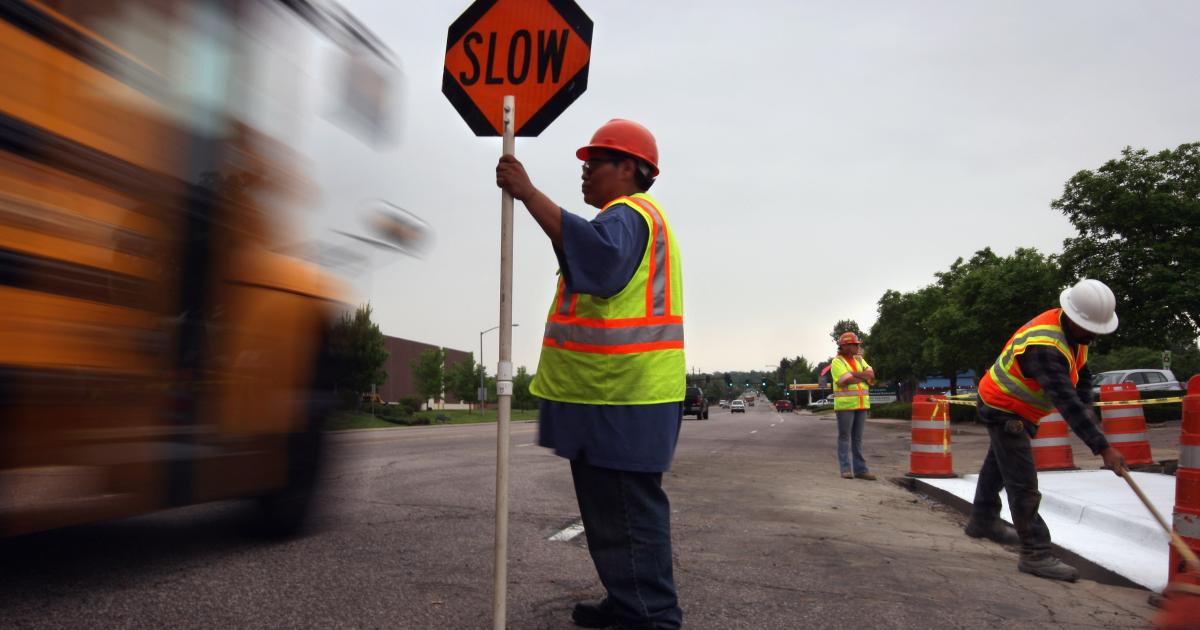
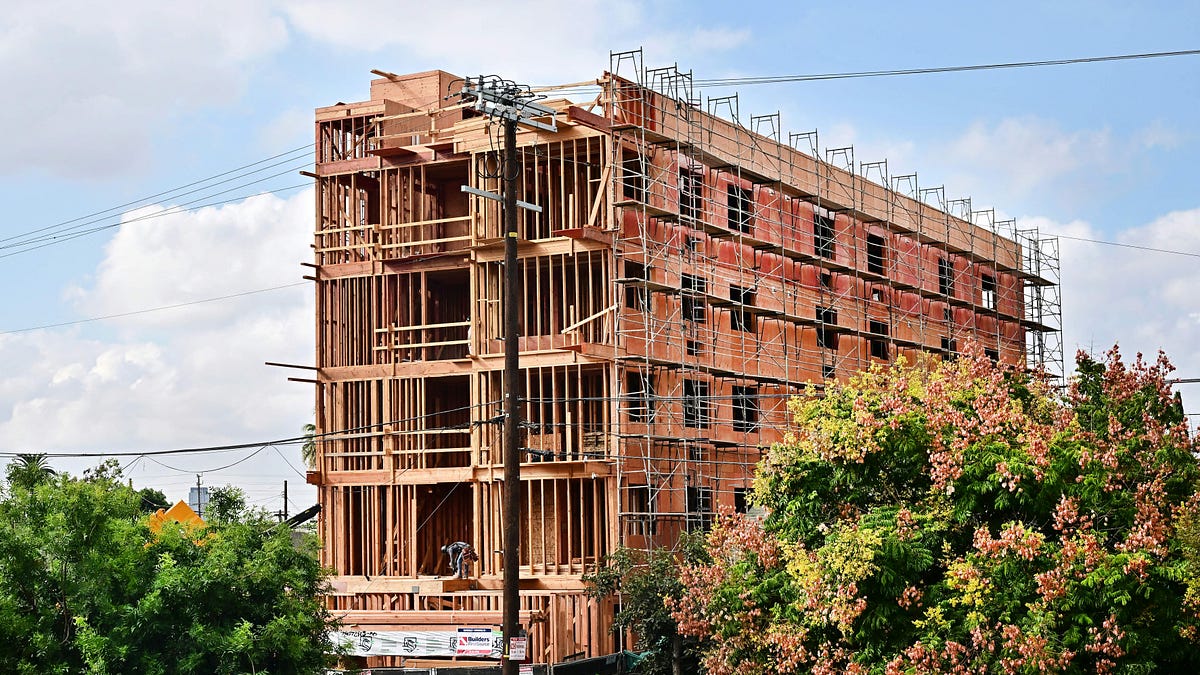
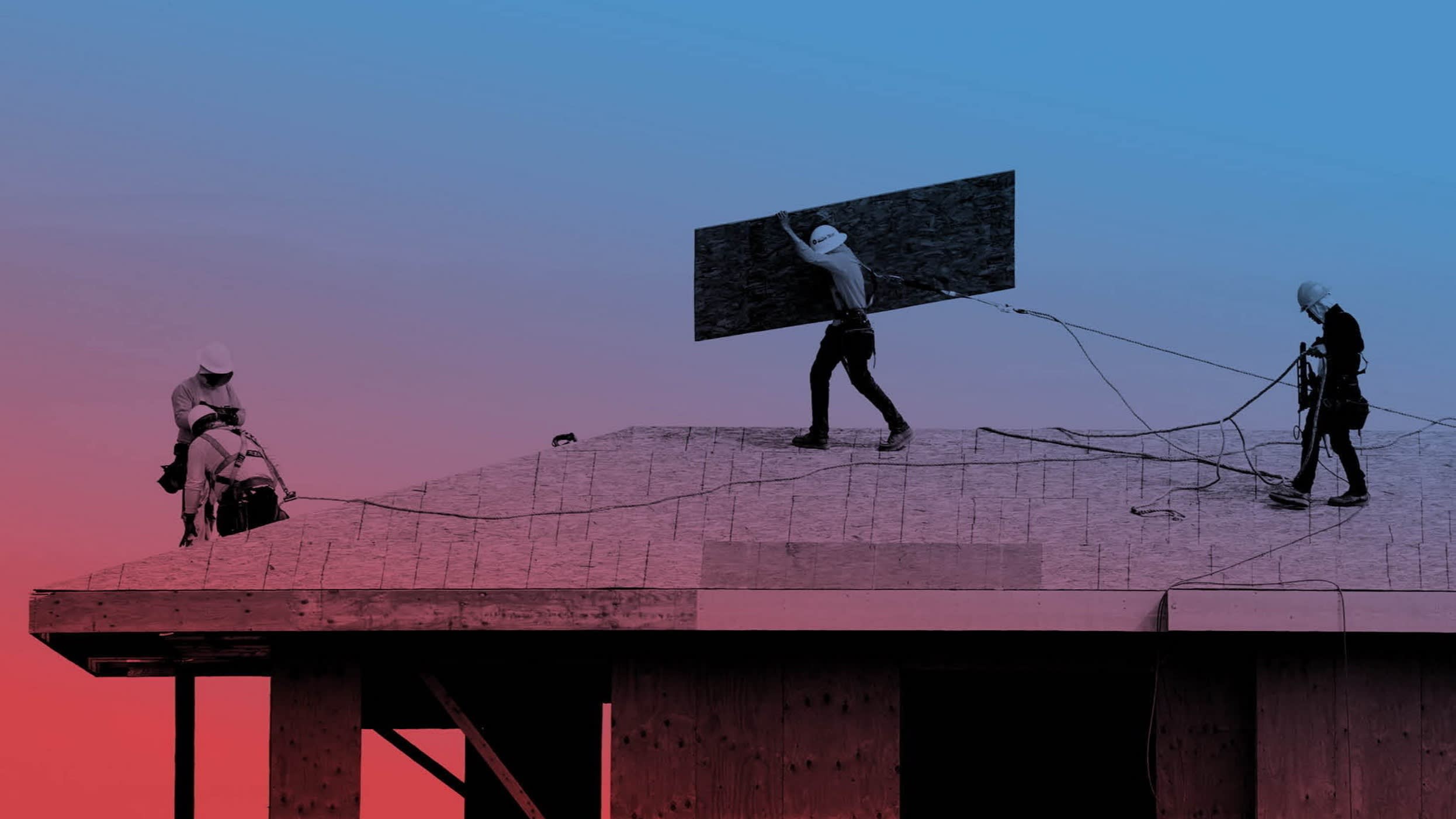
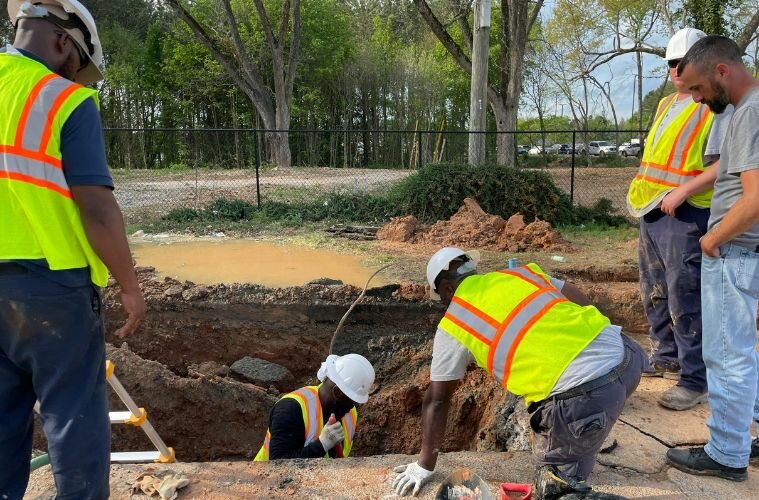
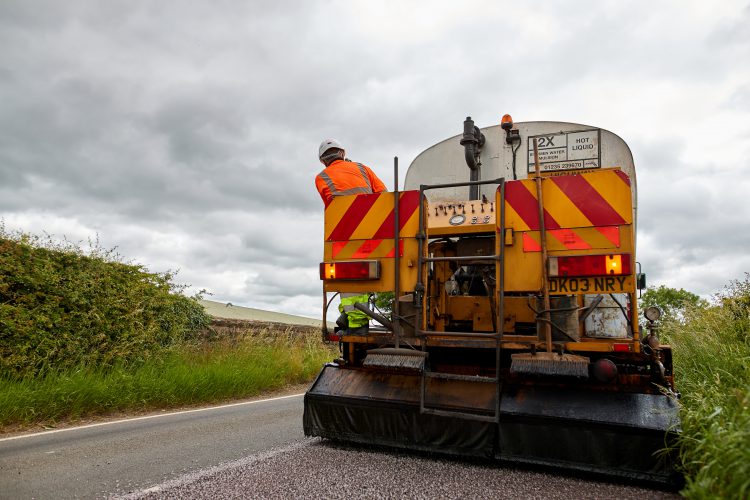
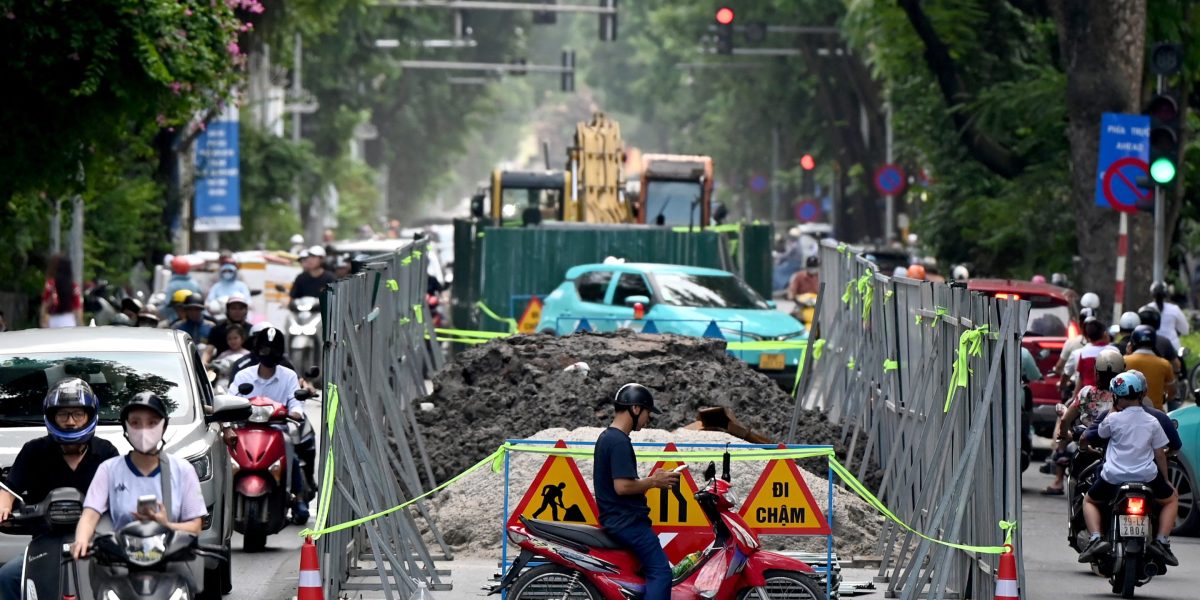
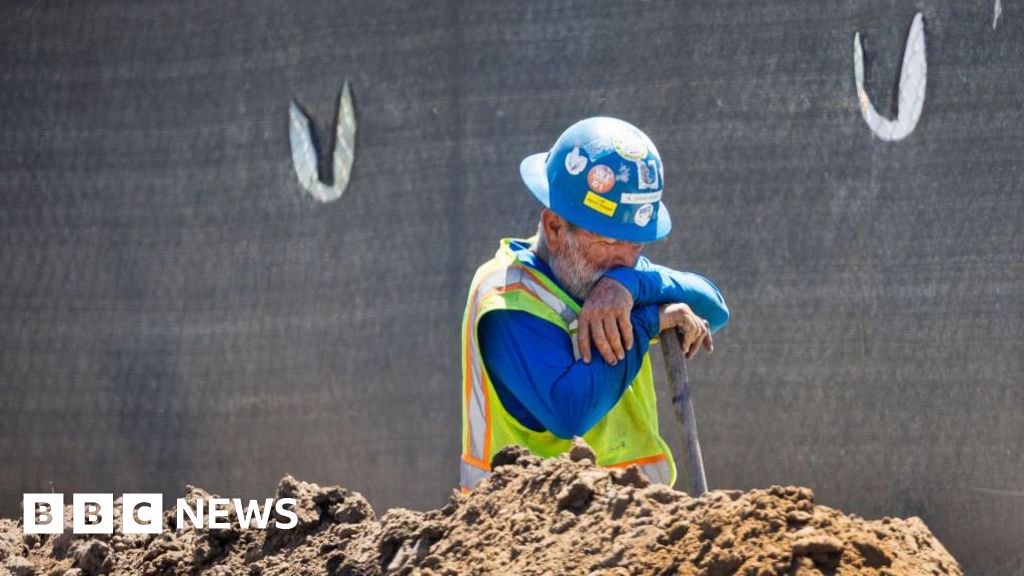
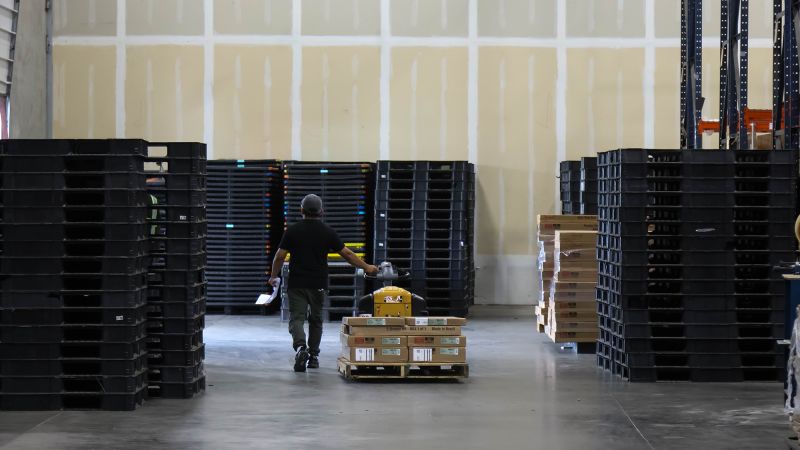
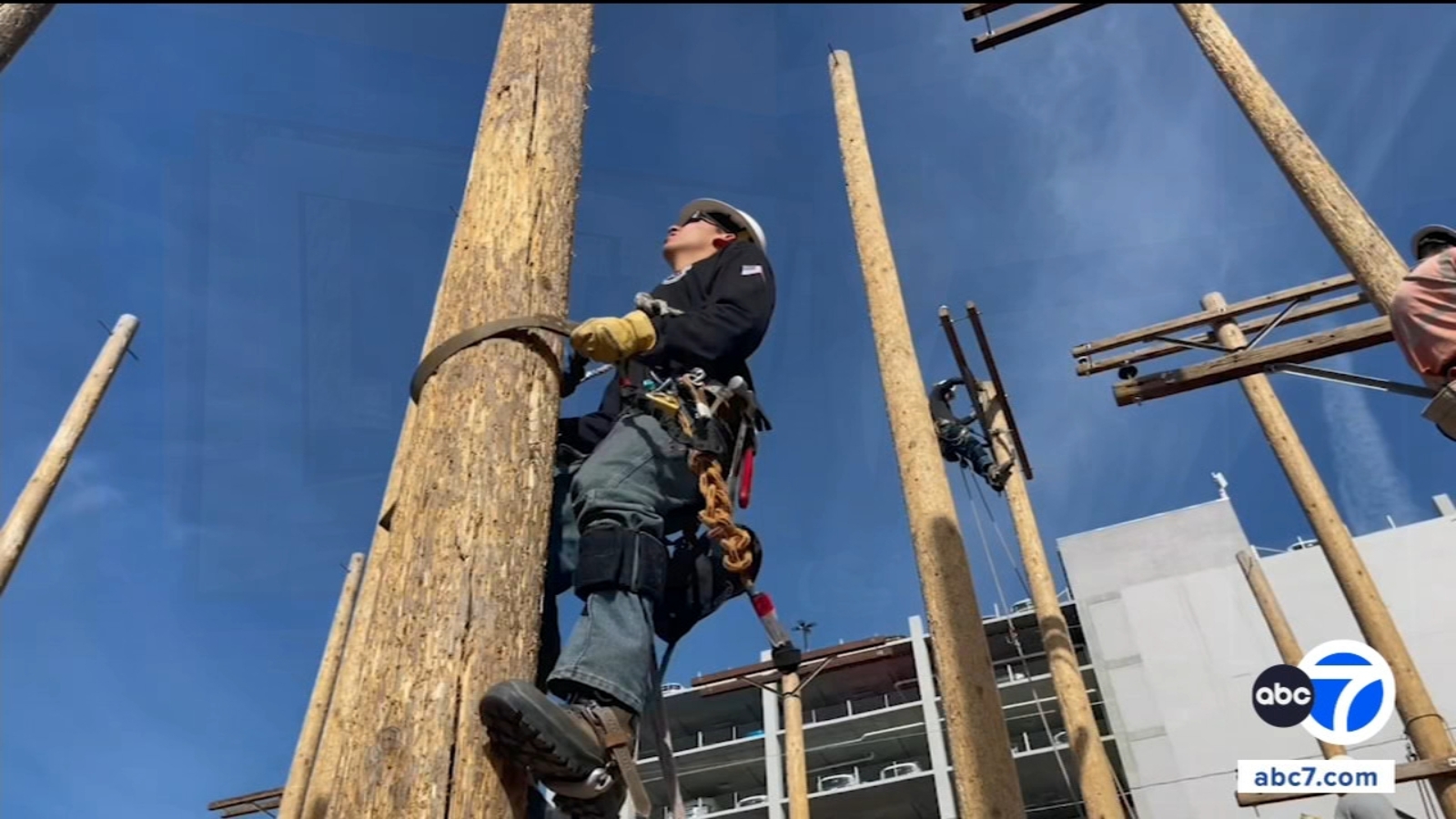
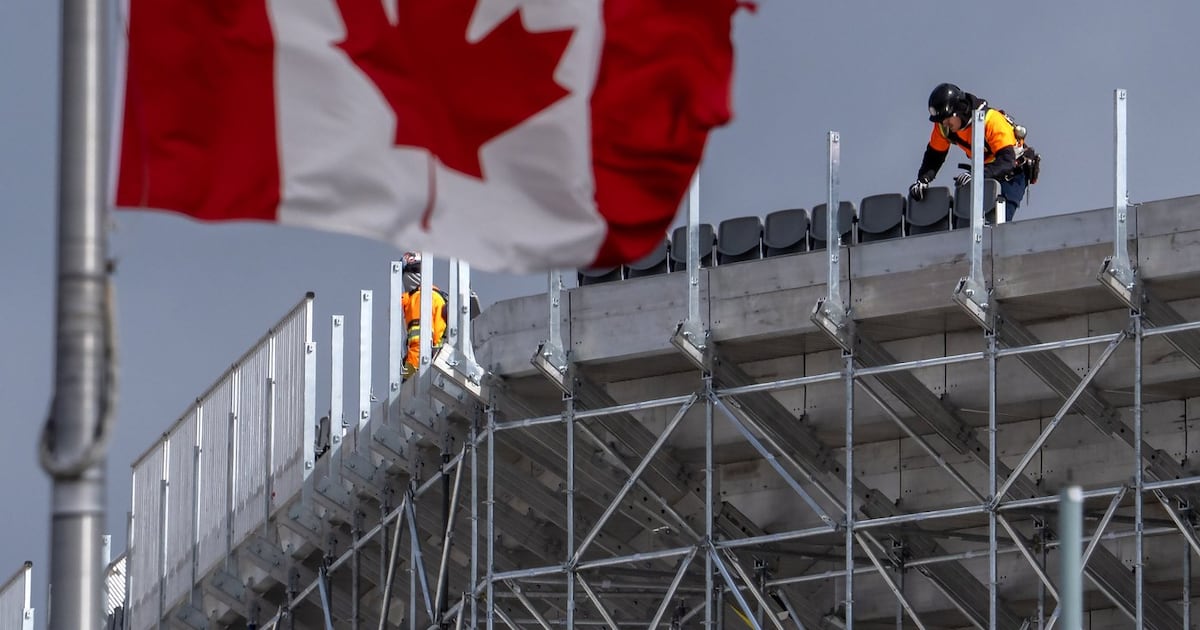
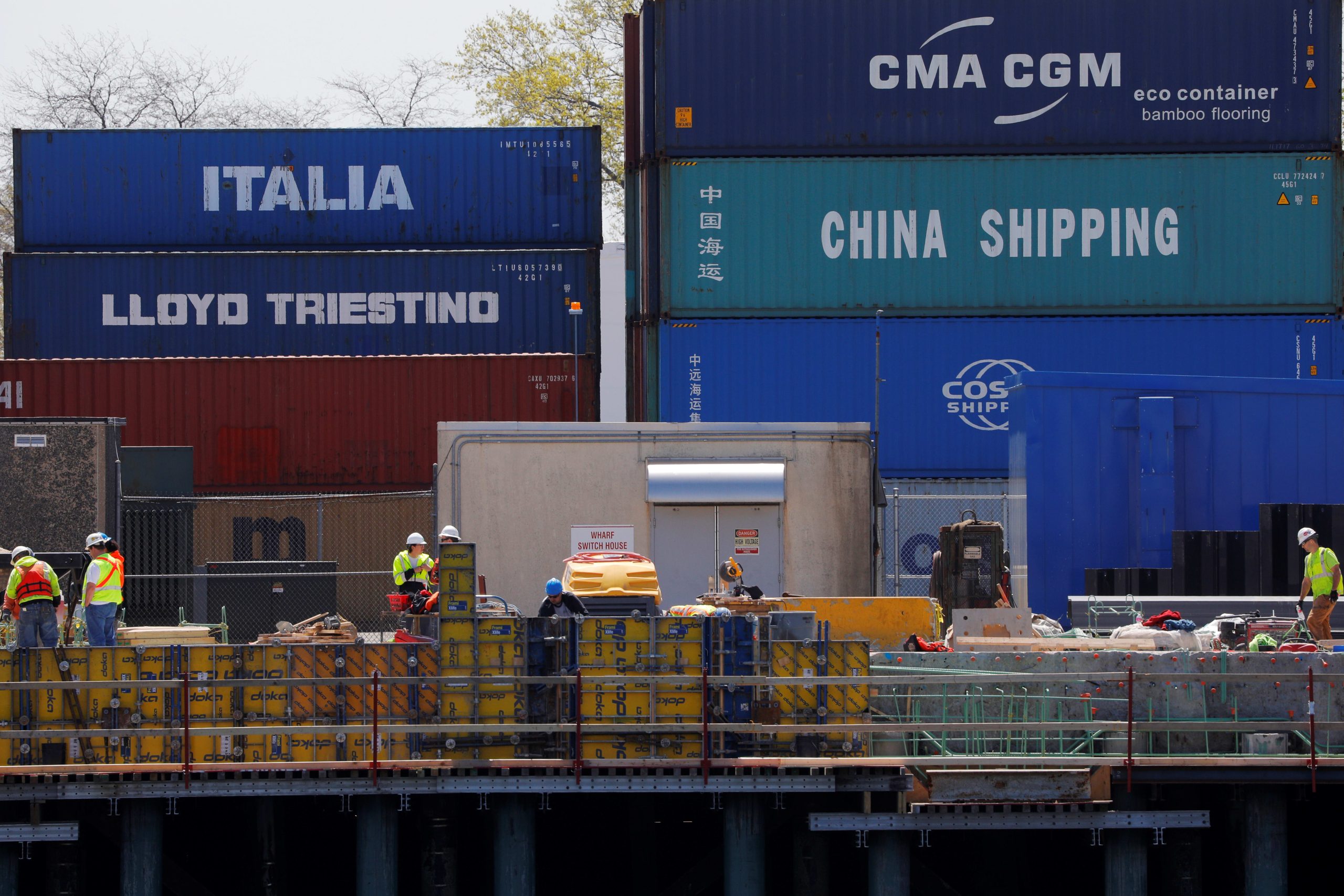
That “adaptation economy” has a flip side: the damage shows up more as sector winners and losers than as a broad slump. Construction and other outdoor-heavy work can still lose days, while hospitality, transport, and cooling-related suppliers may see a temporary tailwind – a pattern that differs from the 2003-era intuition that heatwaves mostly mean economy-wide disruption.