- Reserve Bank leaves official cash rate at 2.25 percent in split vote
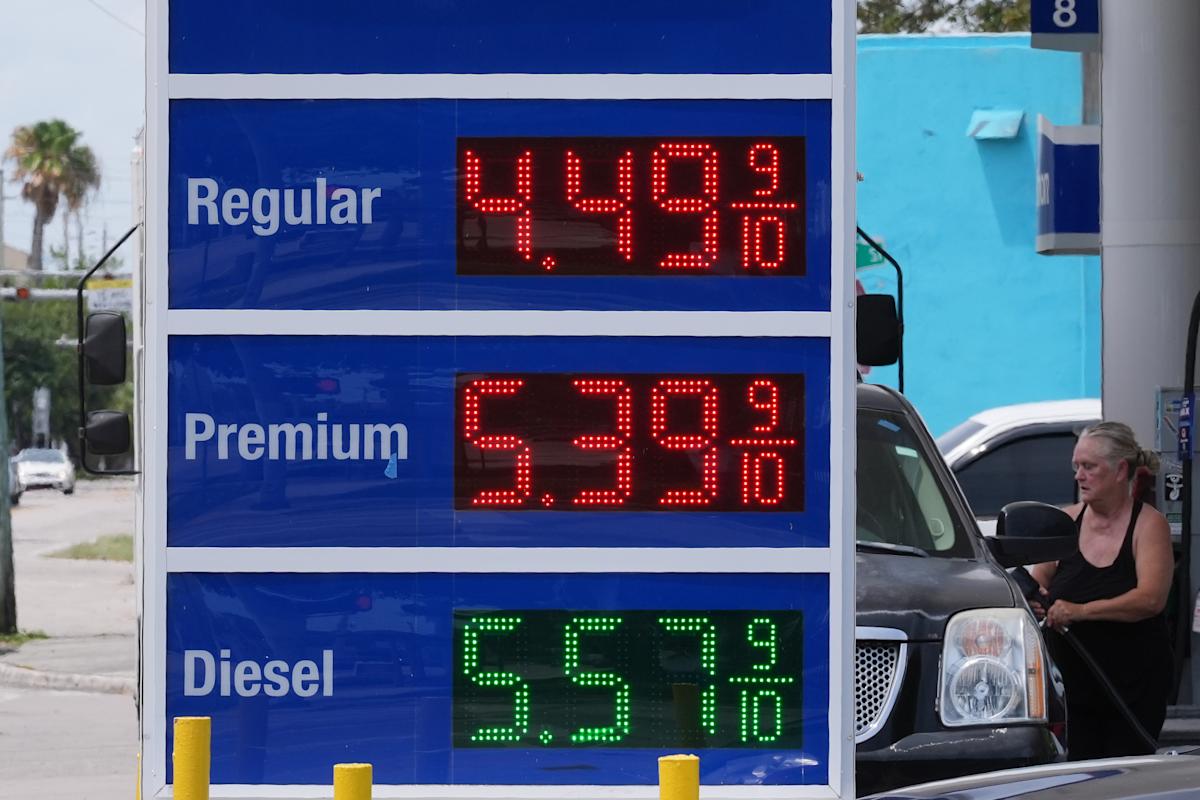
- RBNZ says Middle East conflict driving inflation spike
- Much uncertainty about breadth and depth of inflation shock, says the Reserve Bank
- RBNZ wants more clarity, does not want to damage economy
- Warning that rates will have to rise
- Monetary policy committee voted 3-3, with governor using casting vote to hold
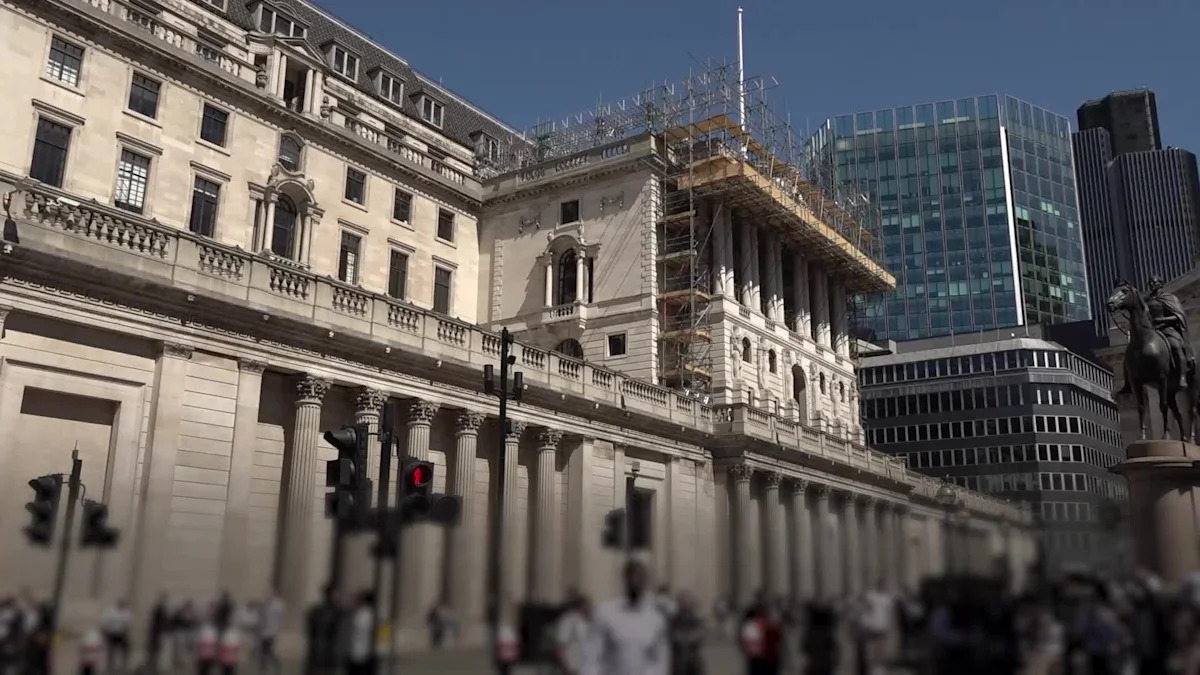
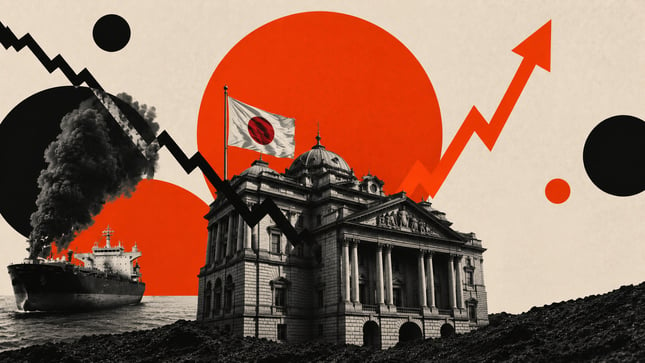
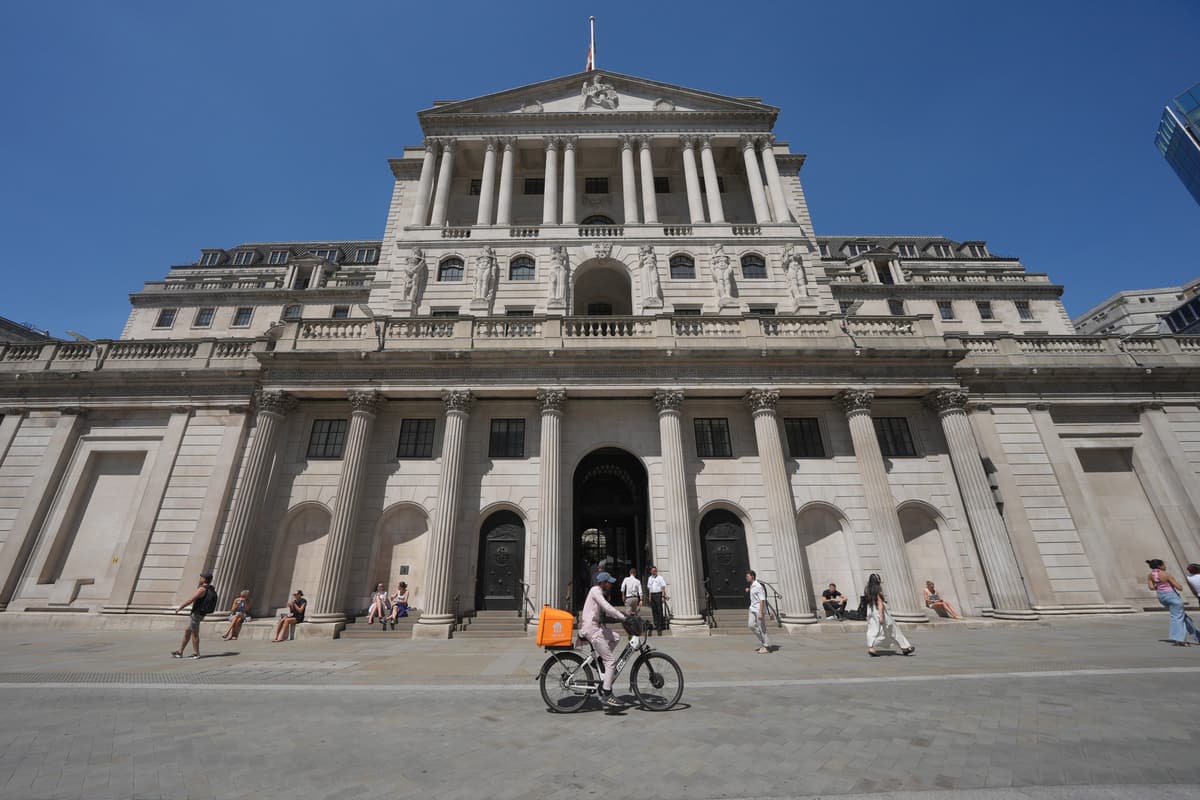
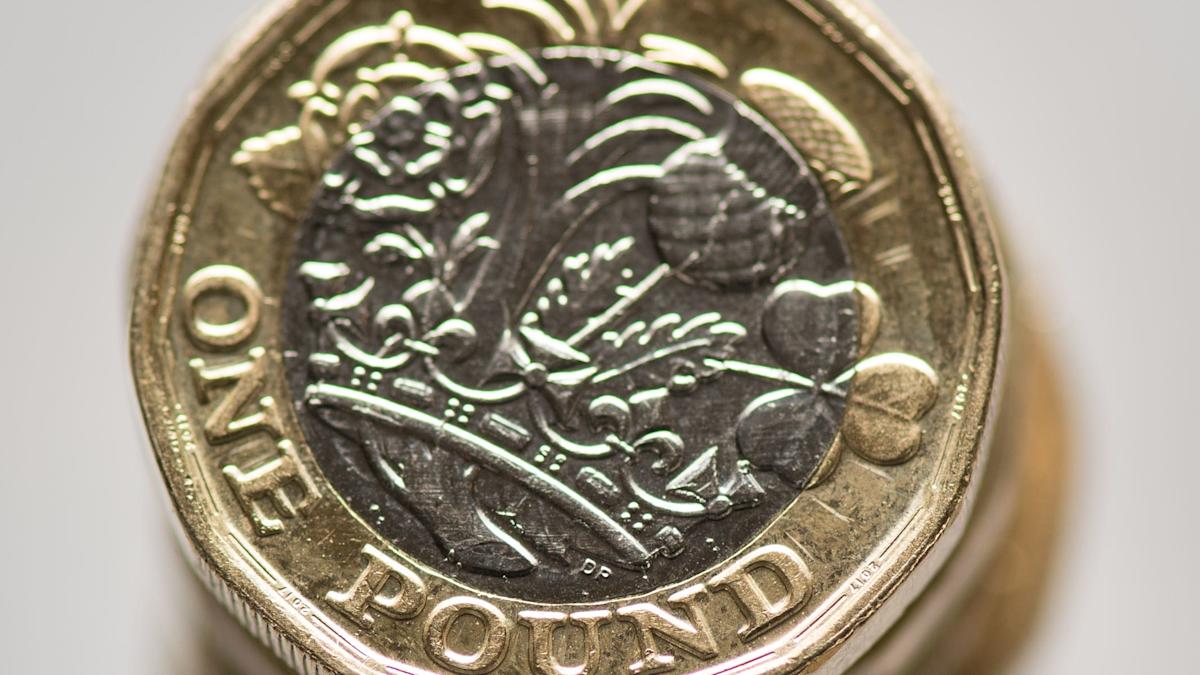
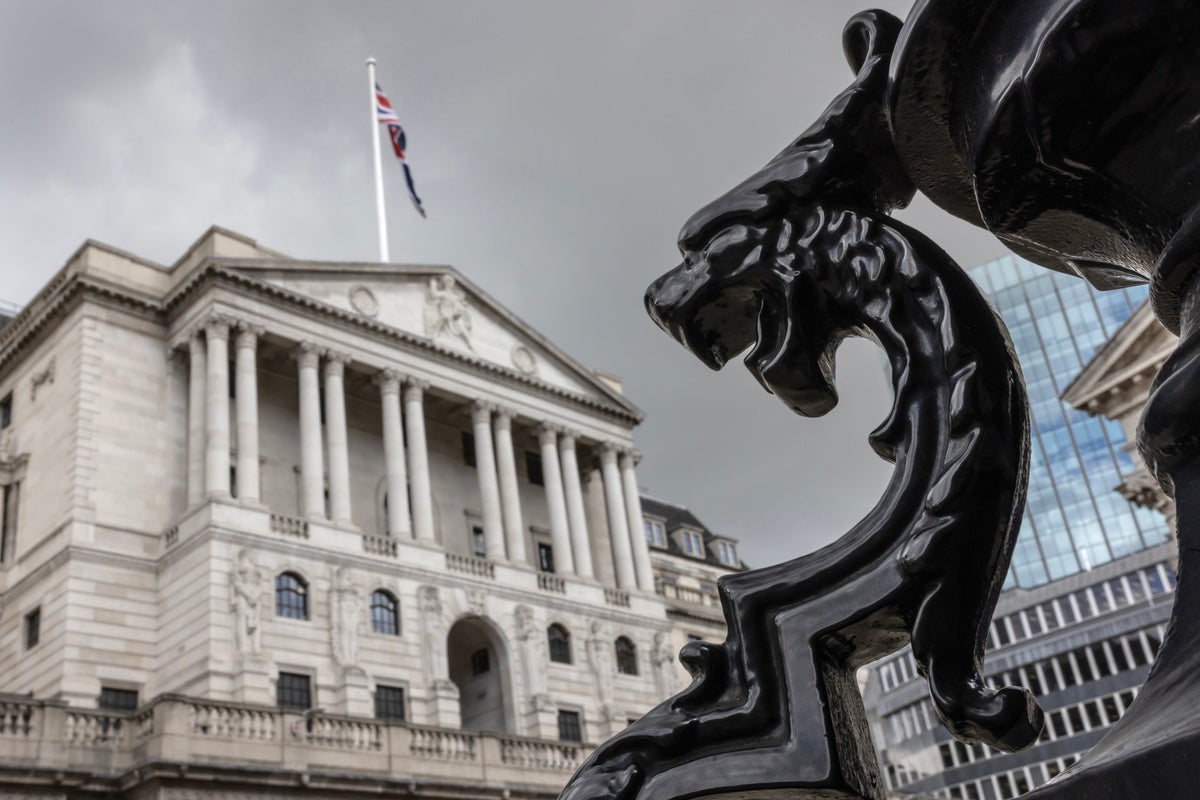
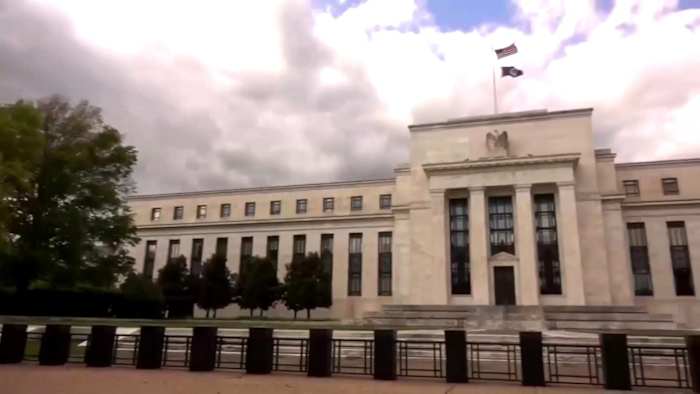
The Reserve Bank (RBNZ) has held the official cash rate (OCR) unchanged at 2.25 percent in a split vote, but warned it will have to raise to counter surging inflation caused by the Middle East conflict.
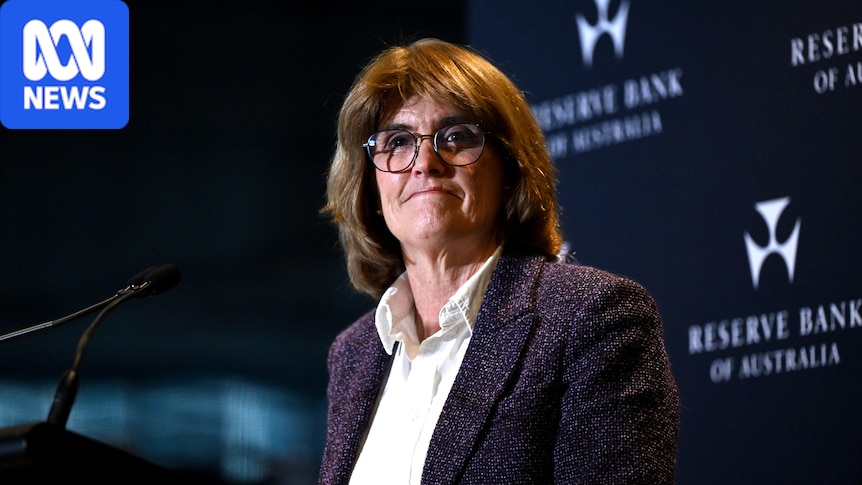
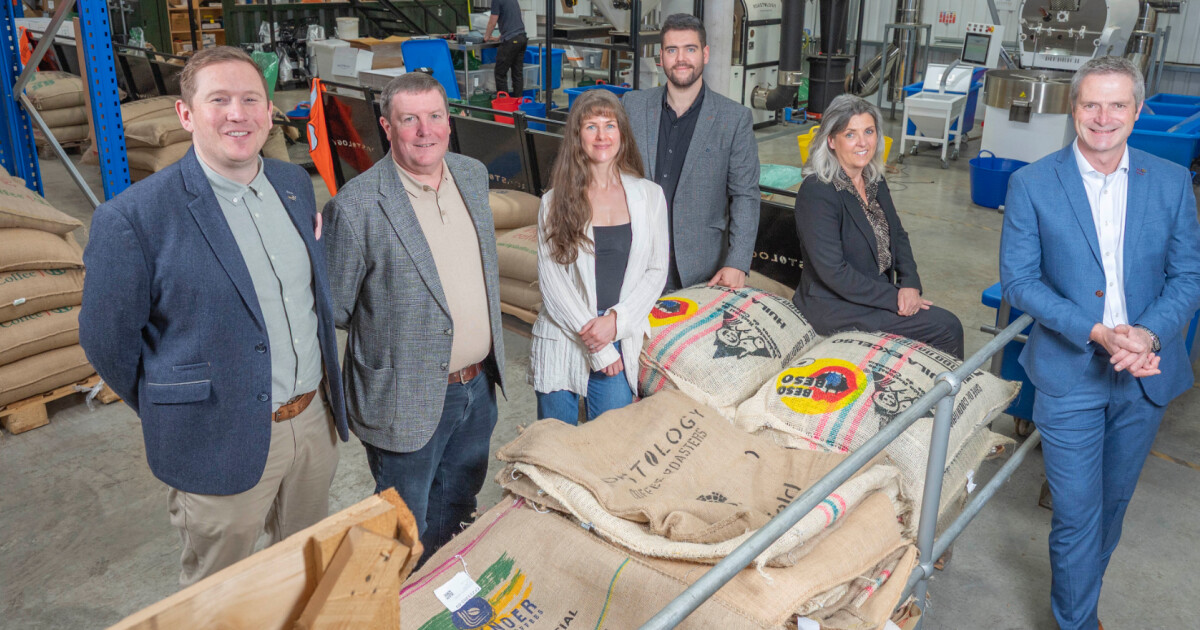
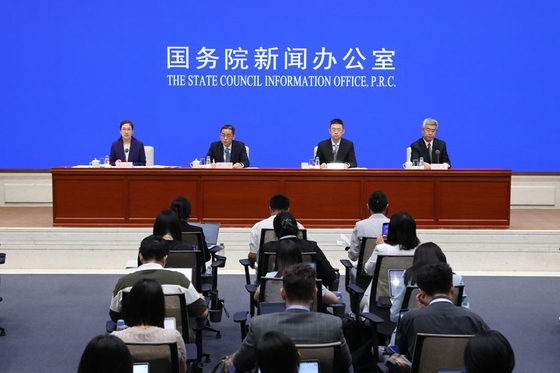
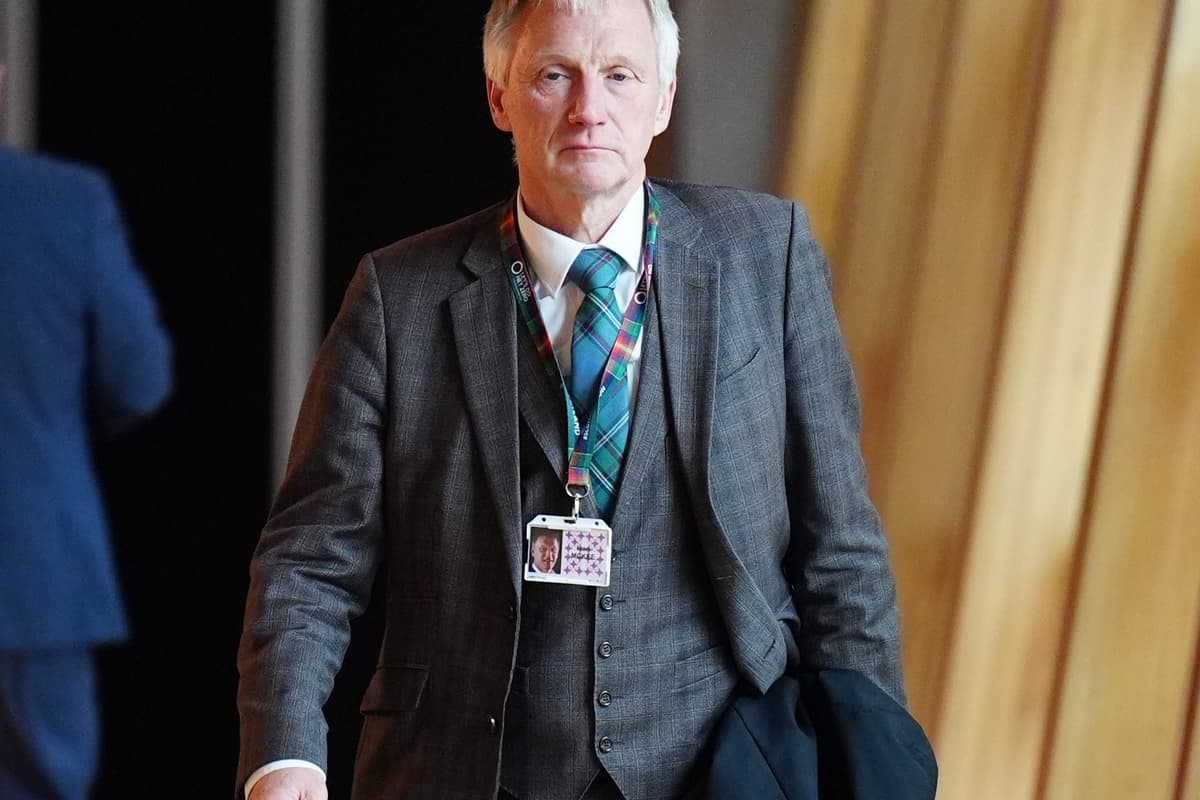
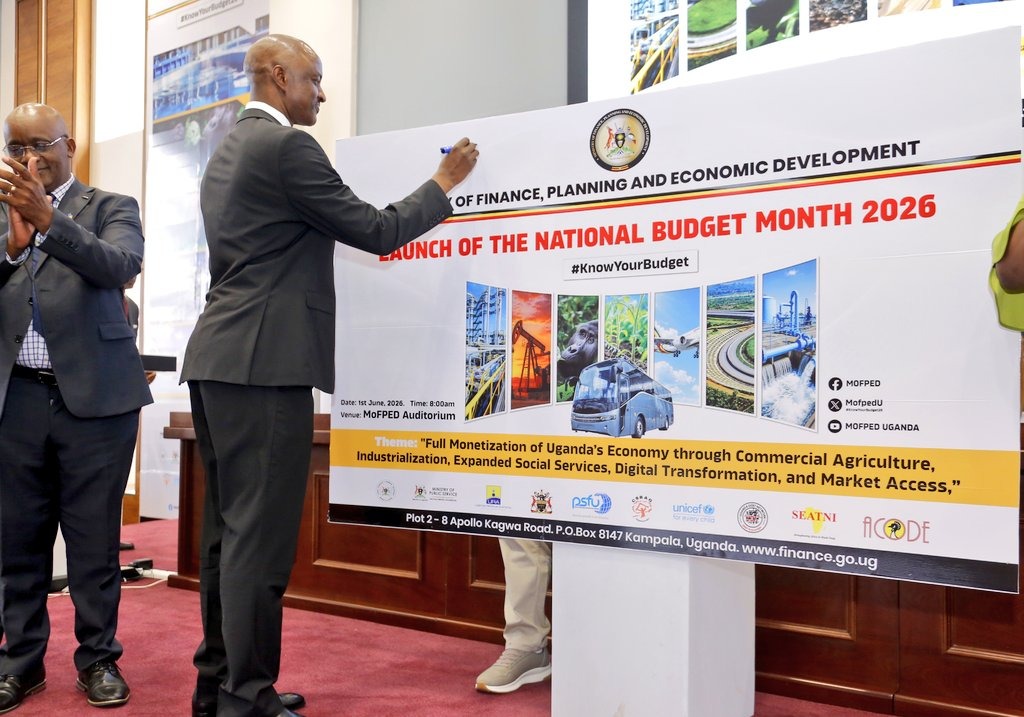
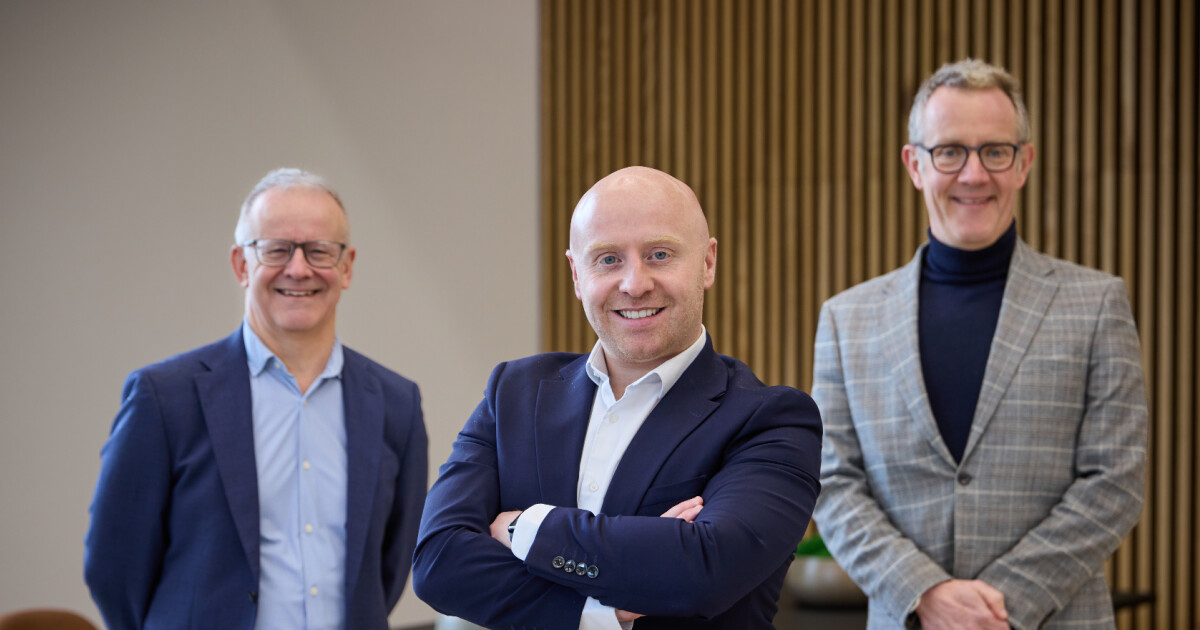
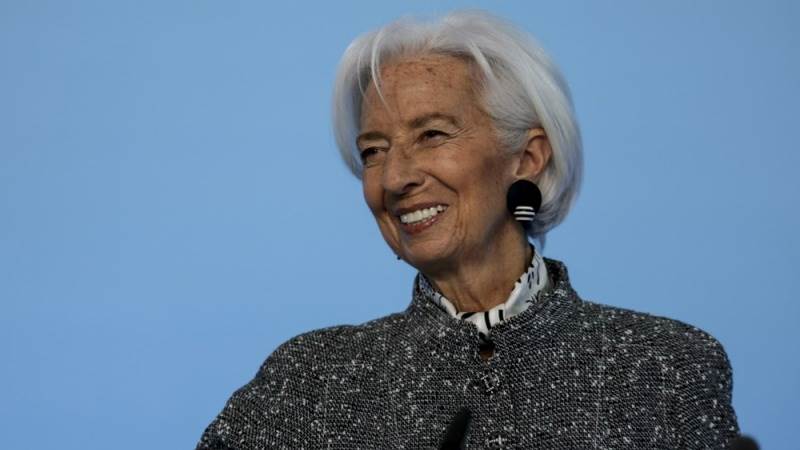
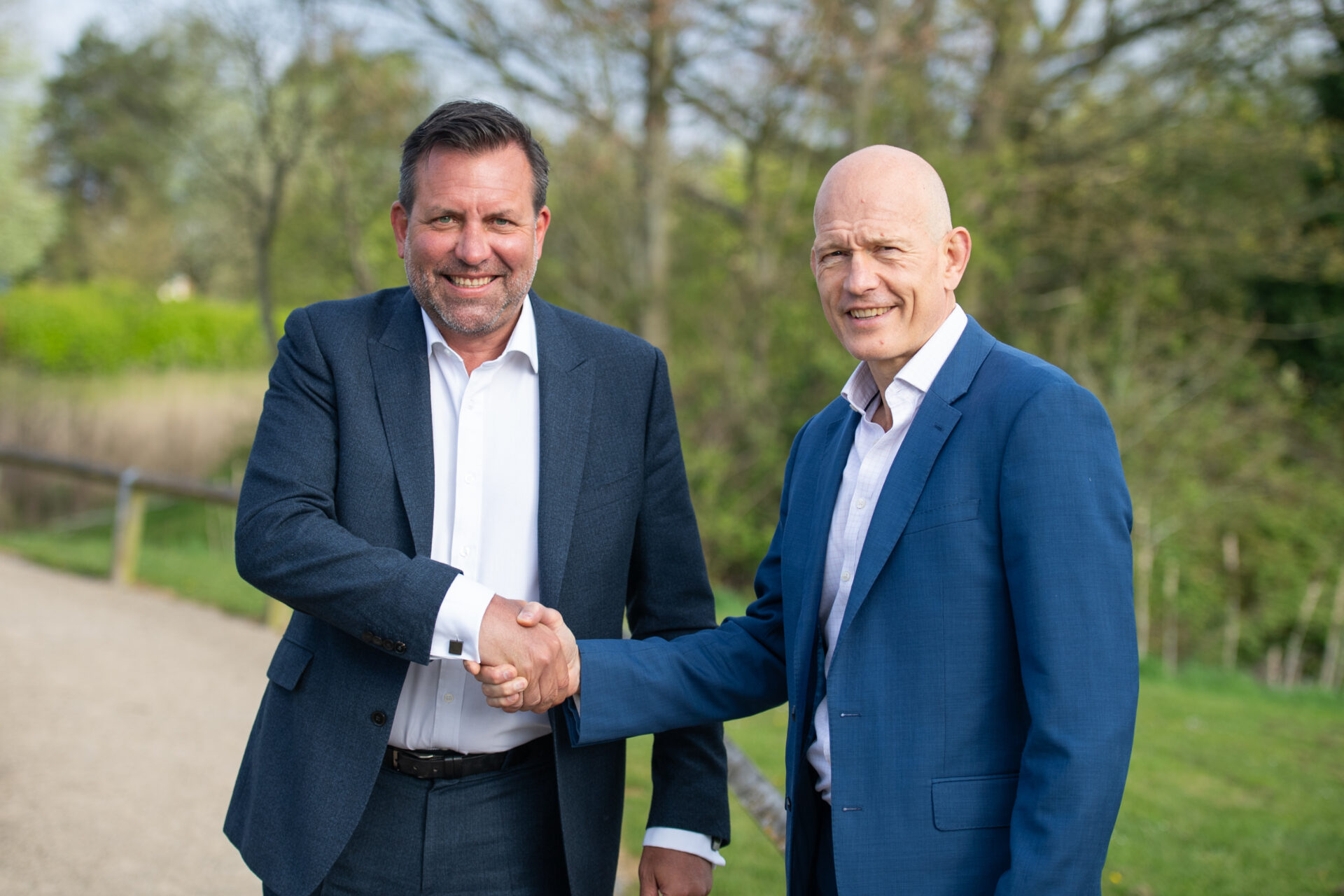
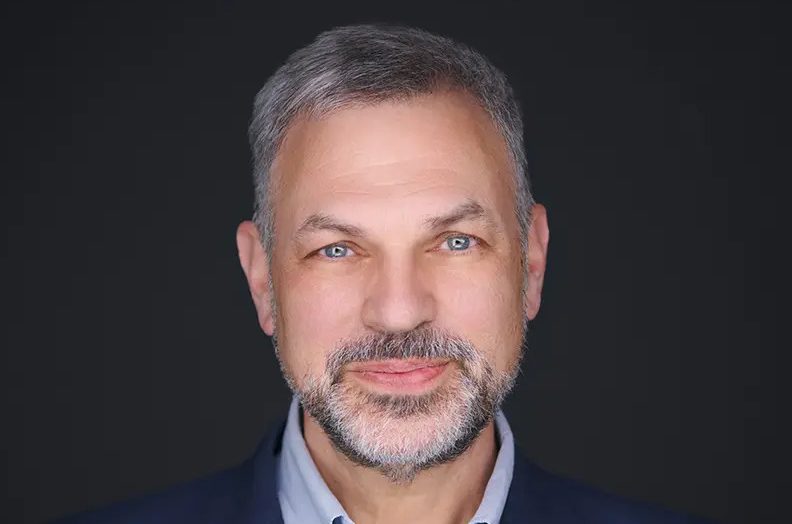
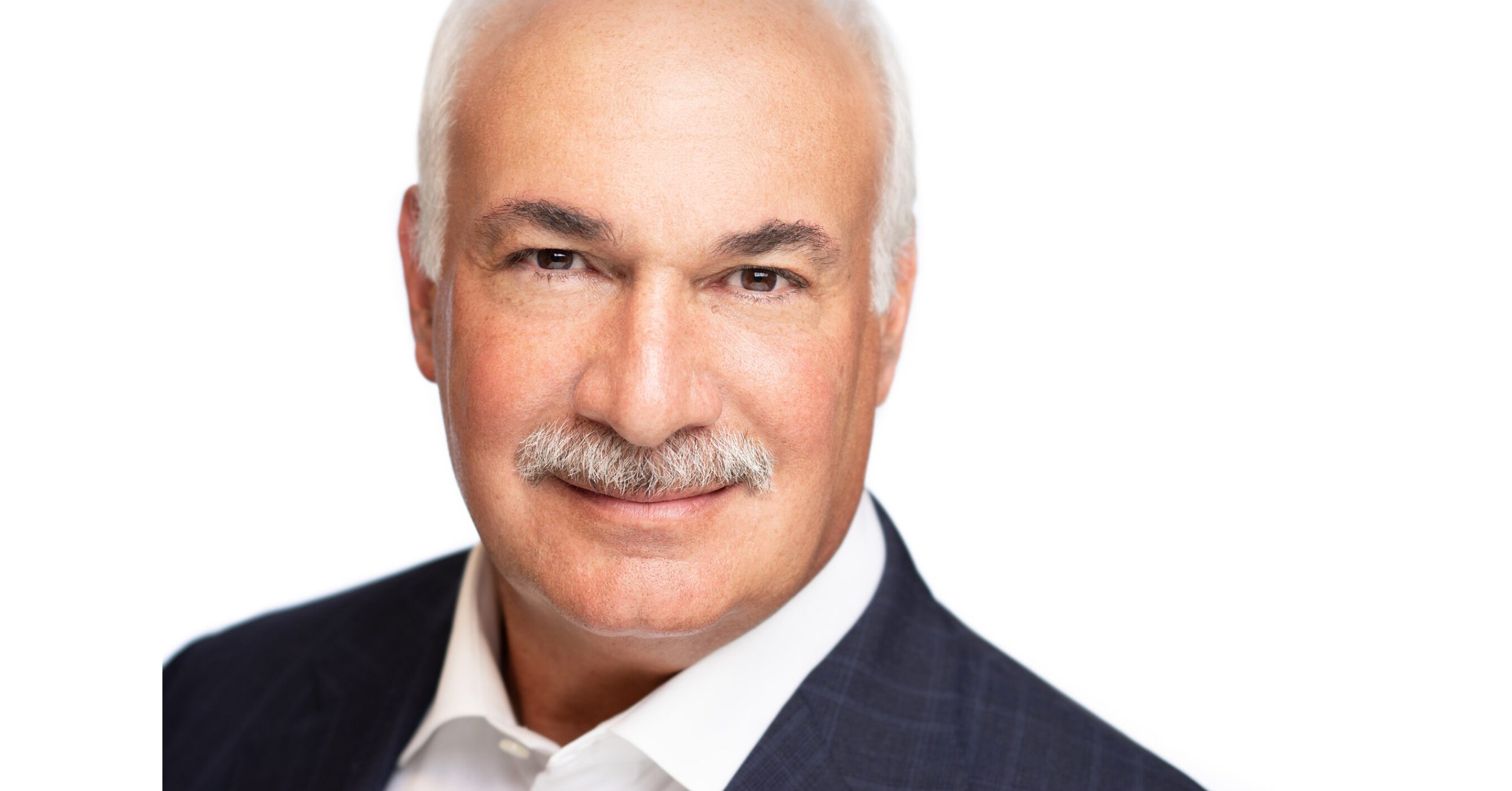
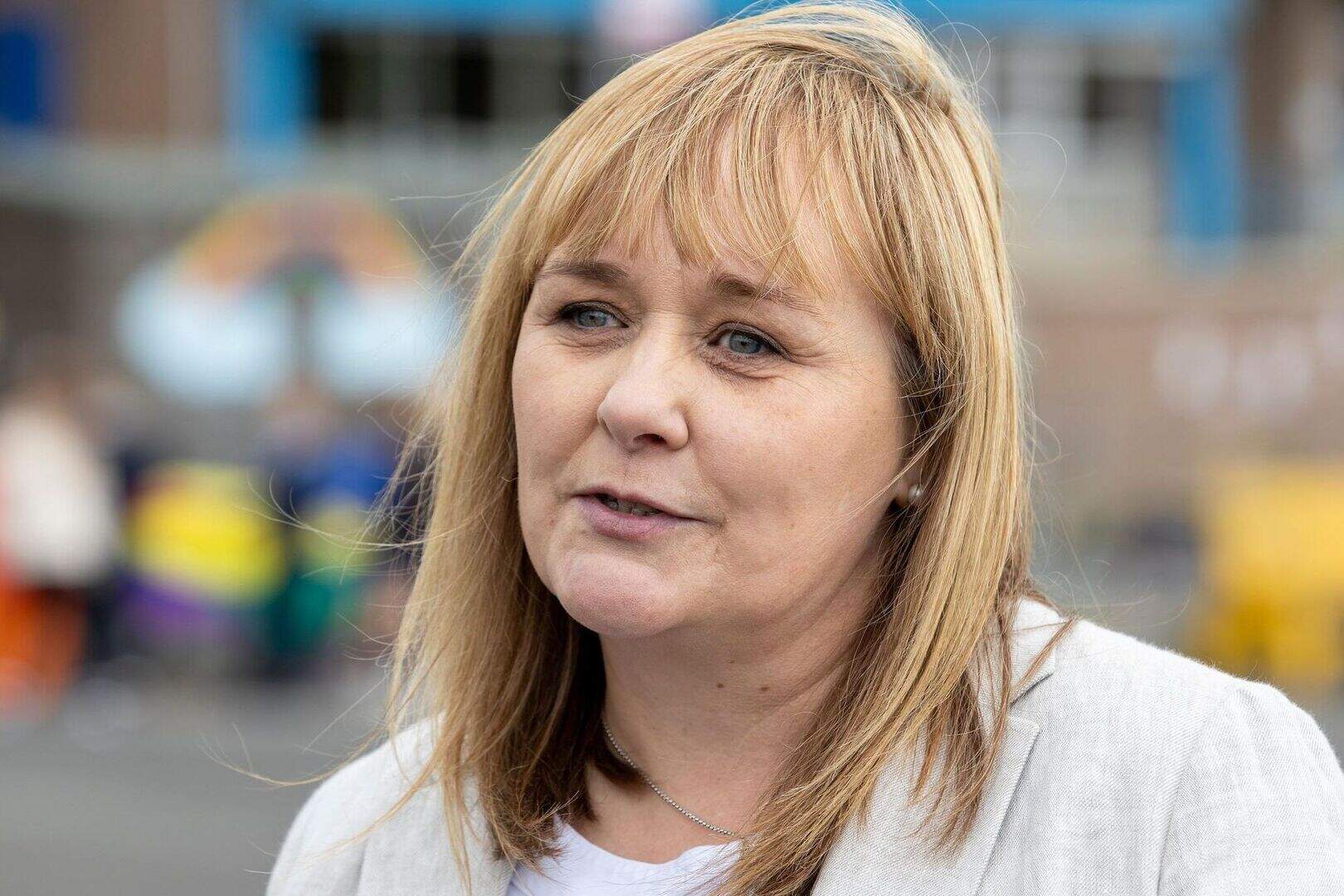
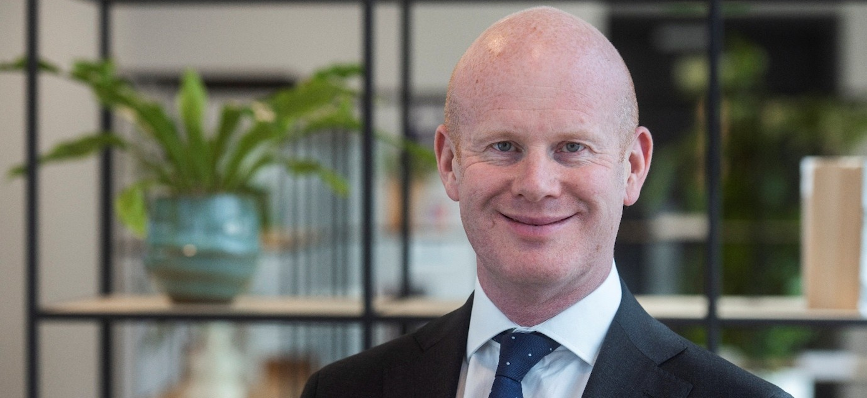
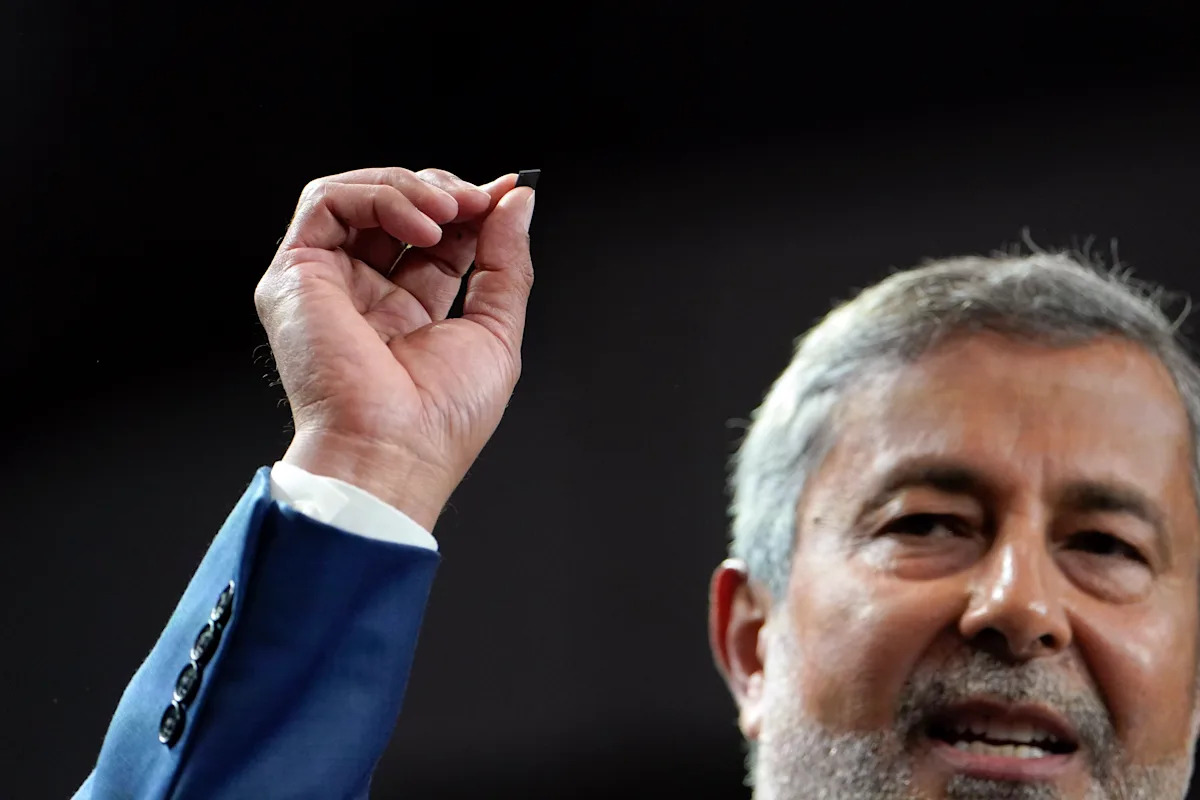
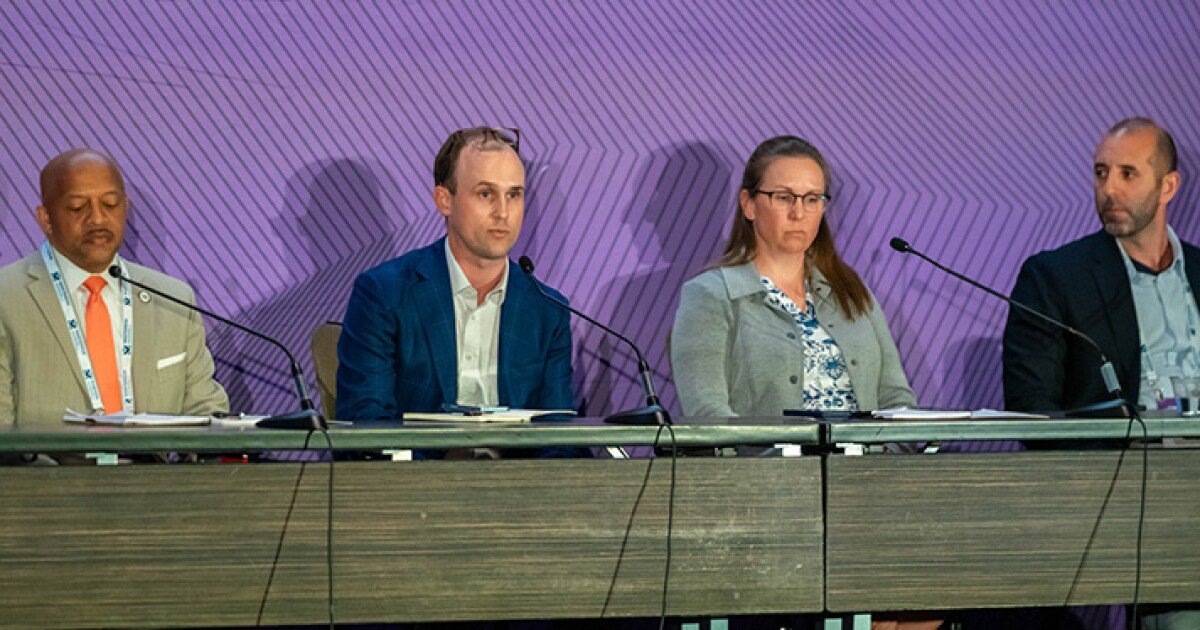
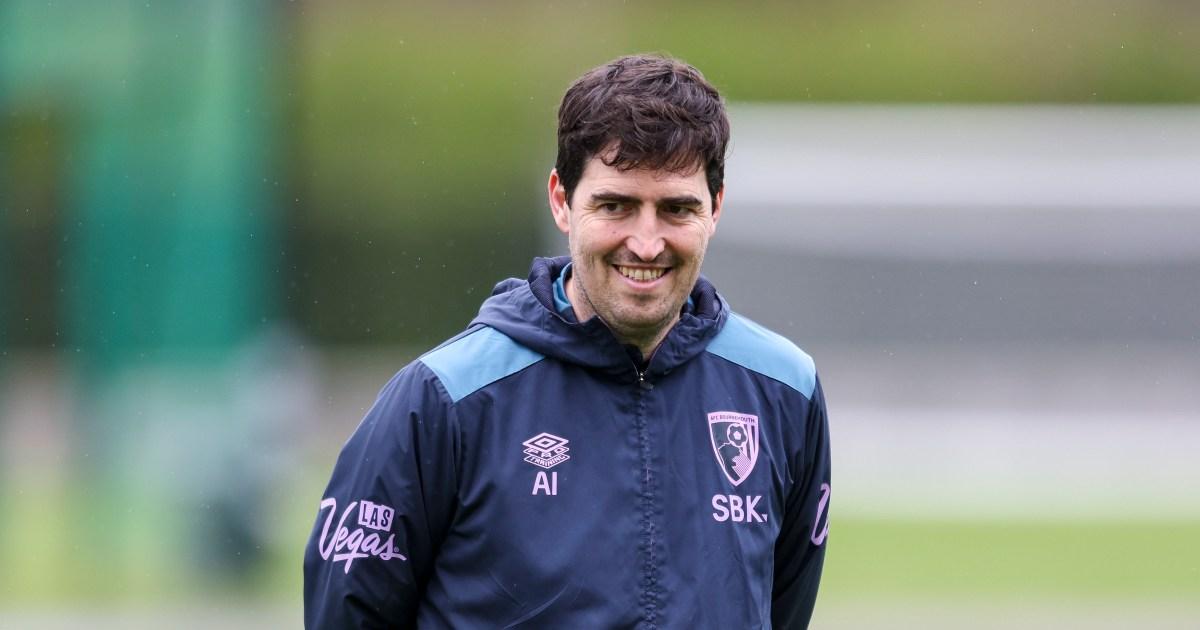
The Monetary Policy Committee’s (MPC) three external members wanted a 25 basis point rise while the three RBNZ members wanted to hold. Governor Anna Breman, as the chair, used her casting vote to hold.
“All committee members agreed that the central projection for the OCR was appropriate and a good reflection of the trade-offs currently faced. However, members differed in their preferred timing for the initial increase in the OCR,” the committee said in a statement.
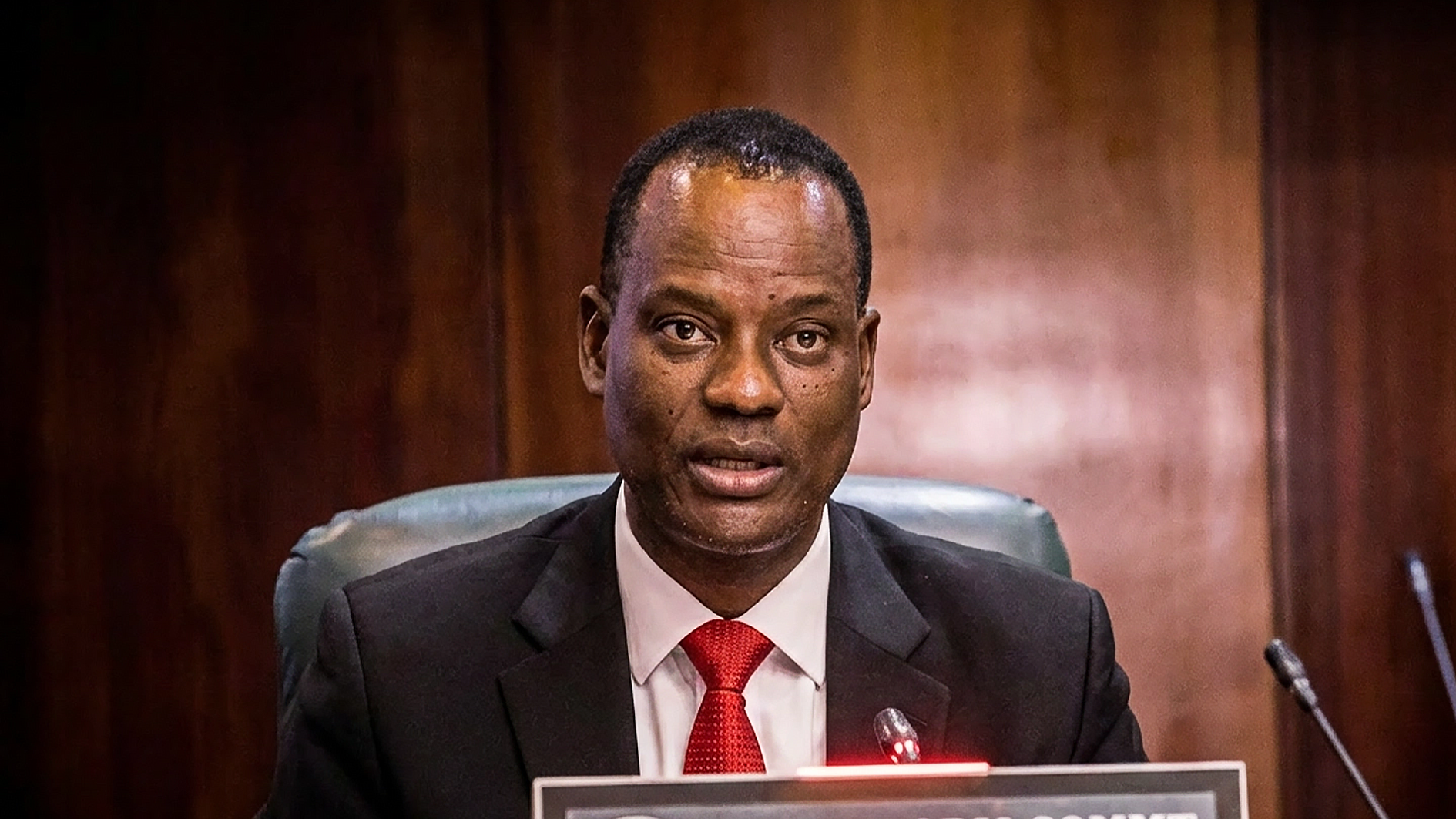
Breman was joined by RBNZ assistant governor Karen Silk, and chief economist Paul Conway in deciding that for the time being medium term inflation pressures were contained and likely to return to the target band.

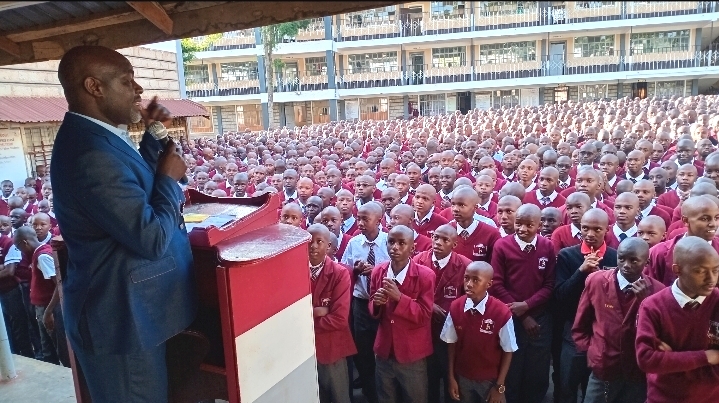
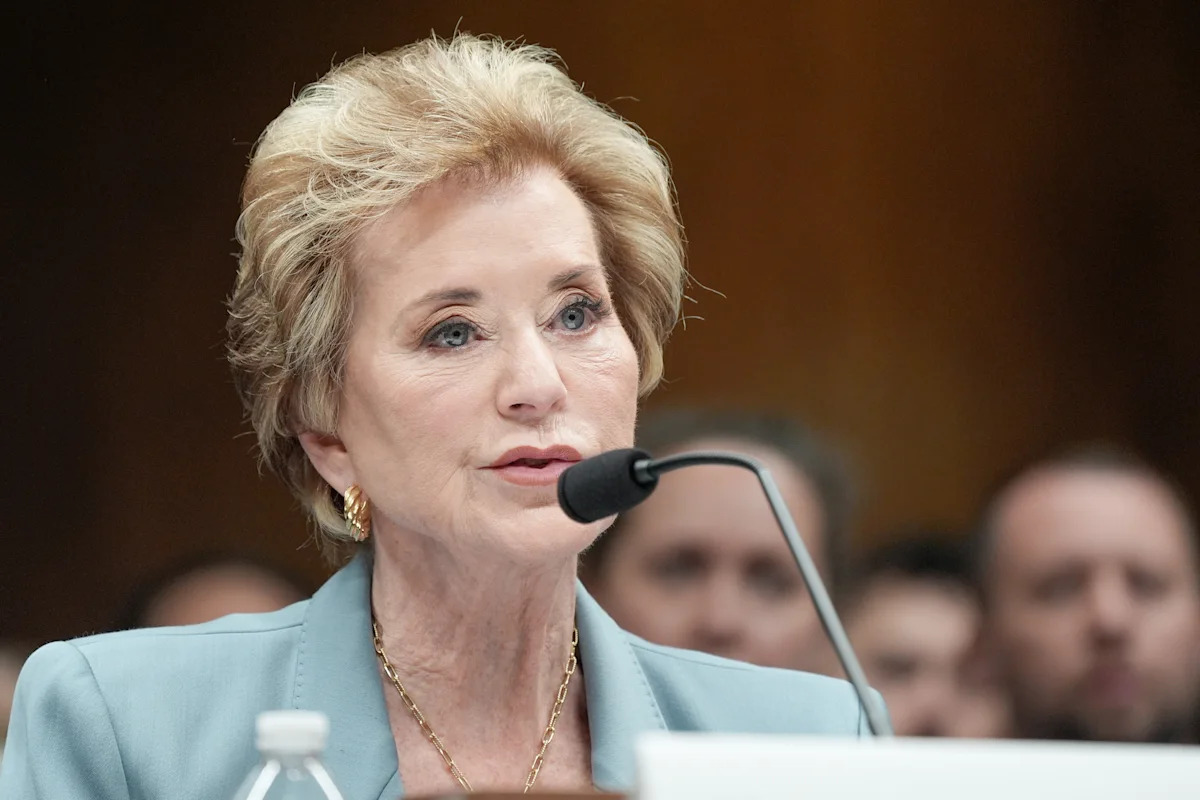
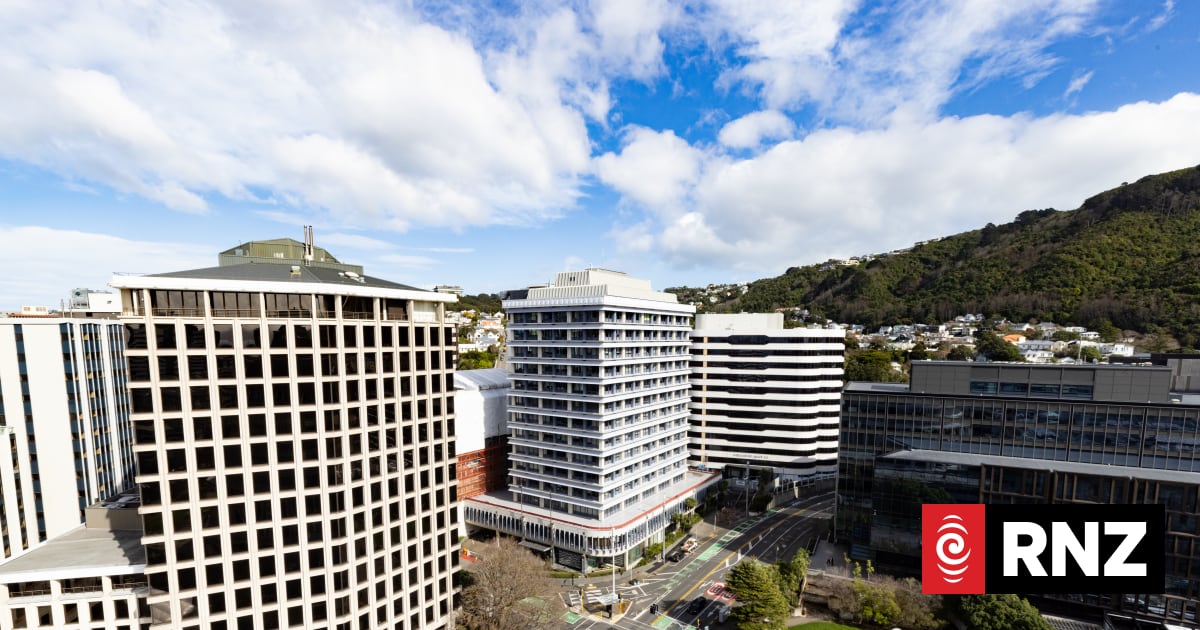
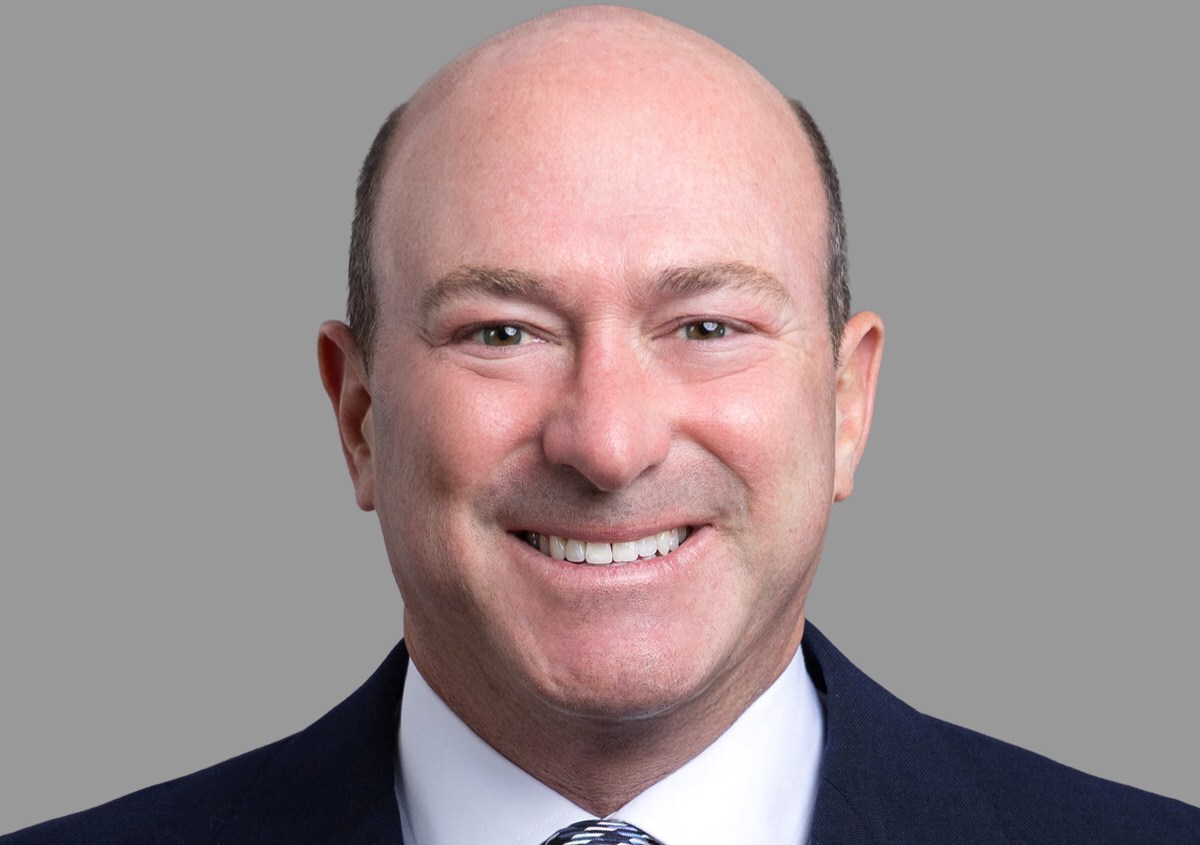
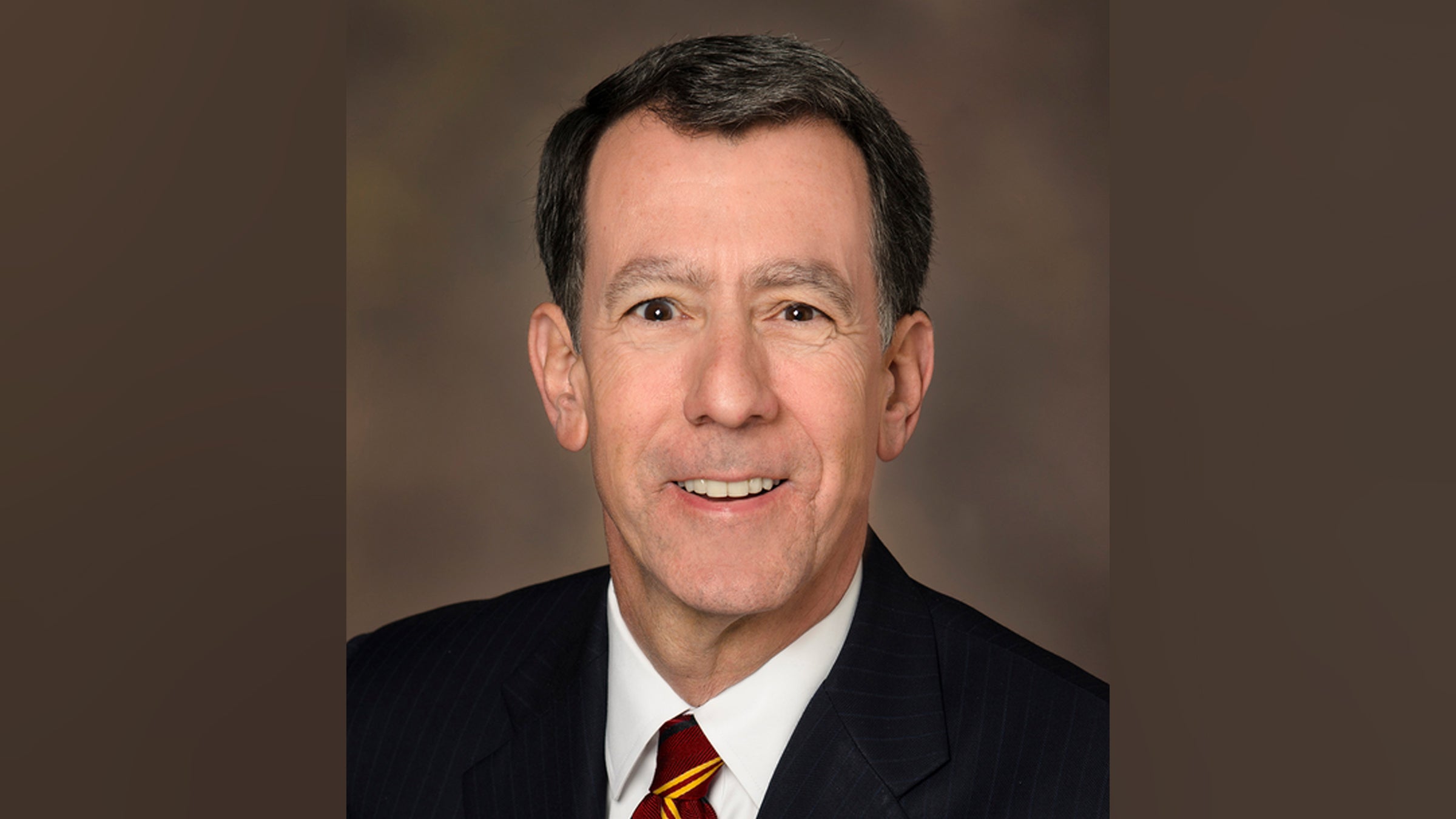
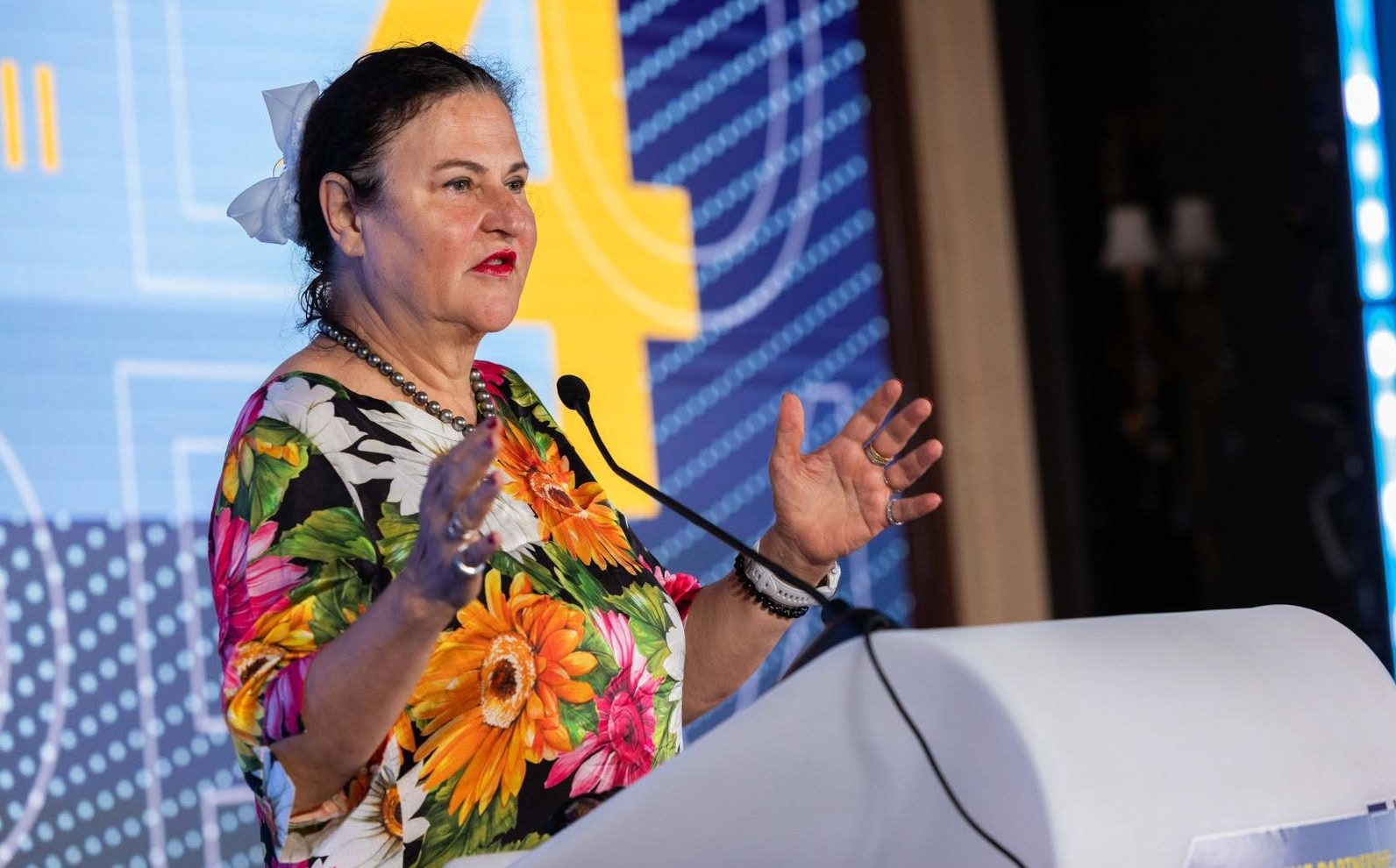
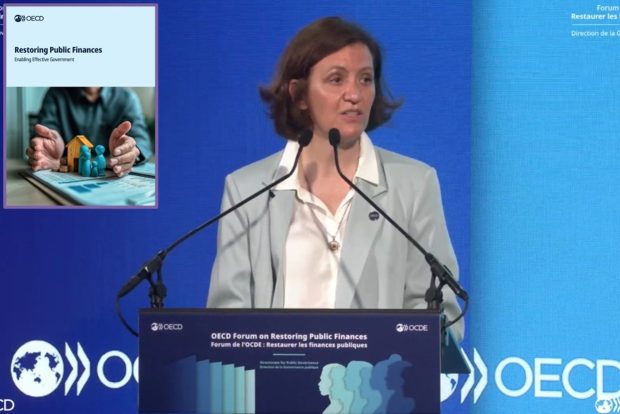
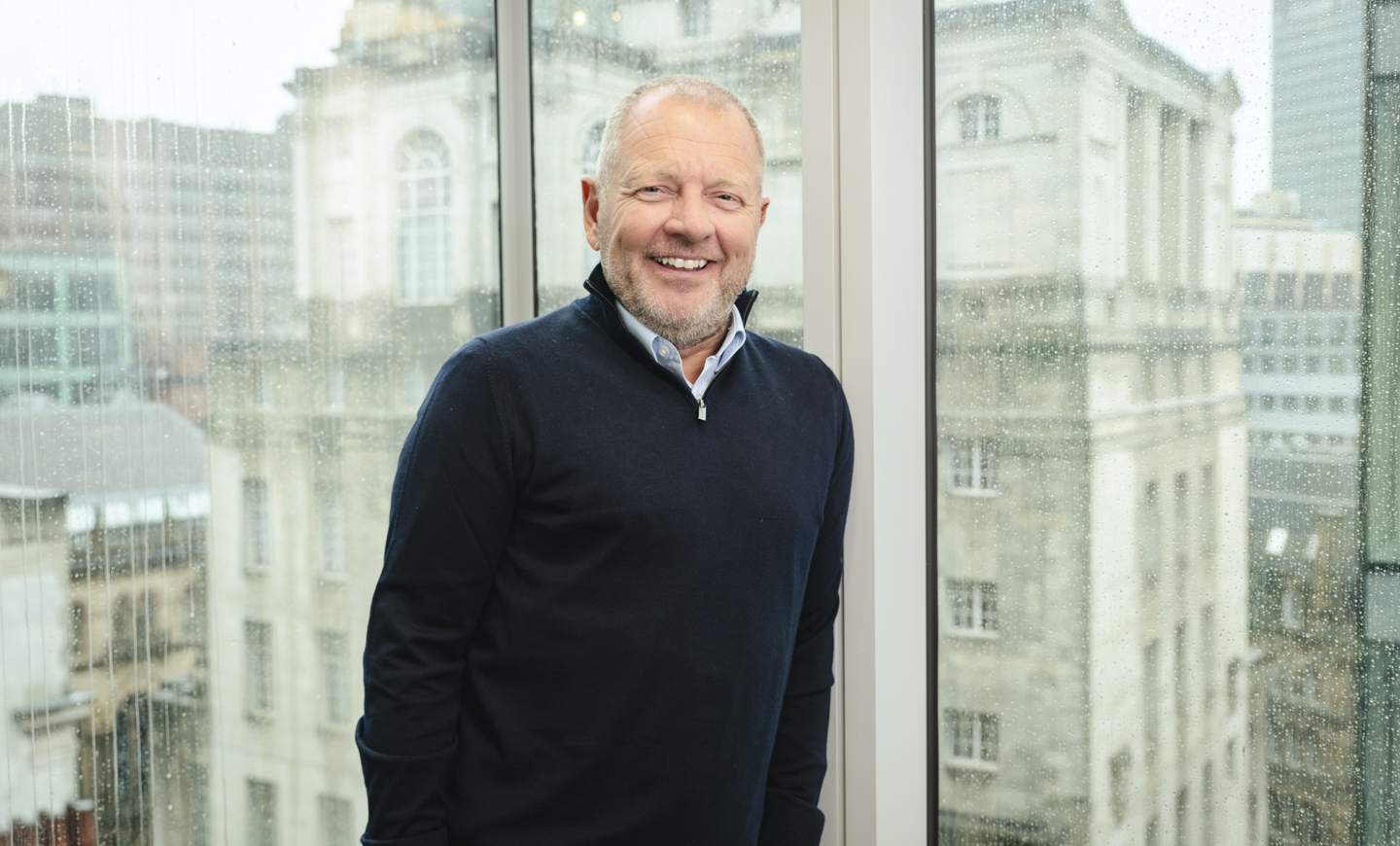
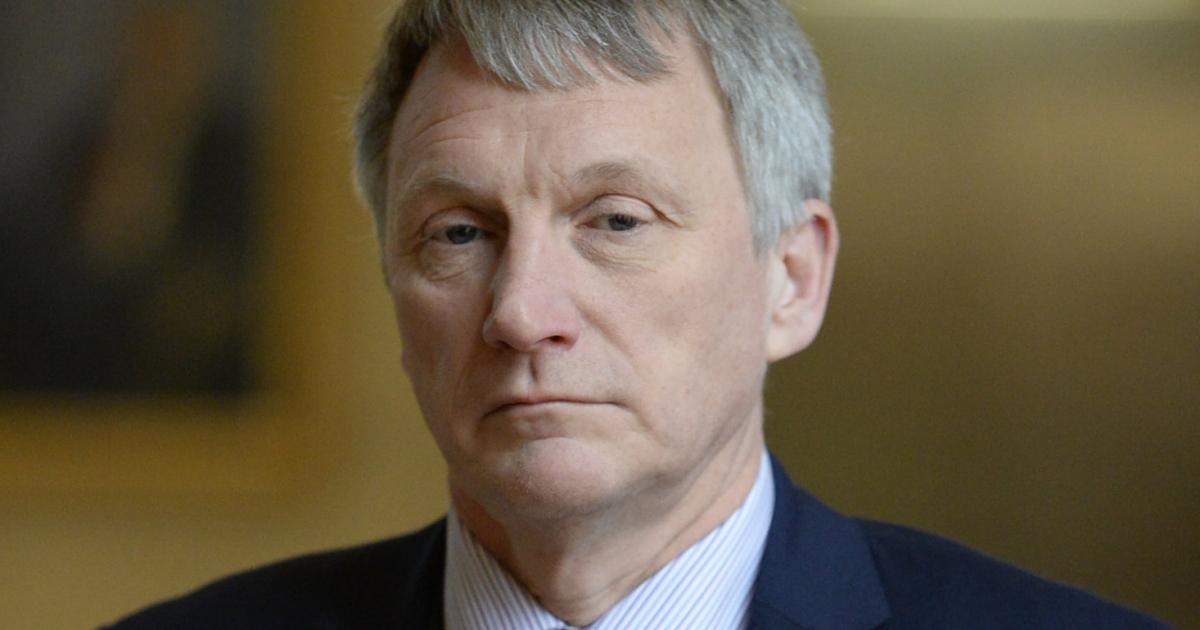
Photo: RNZ / Supplied
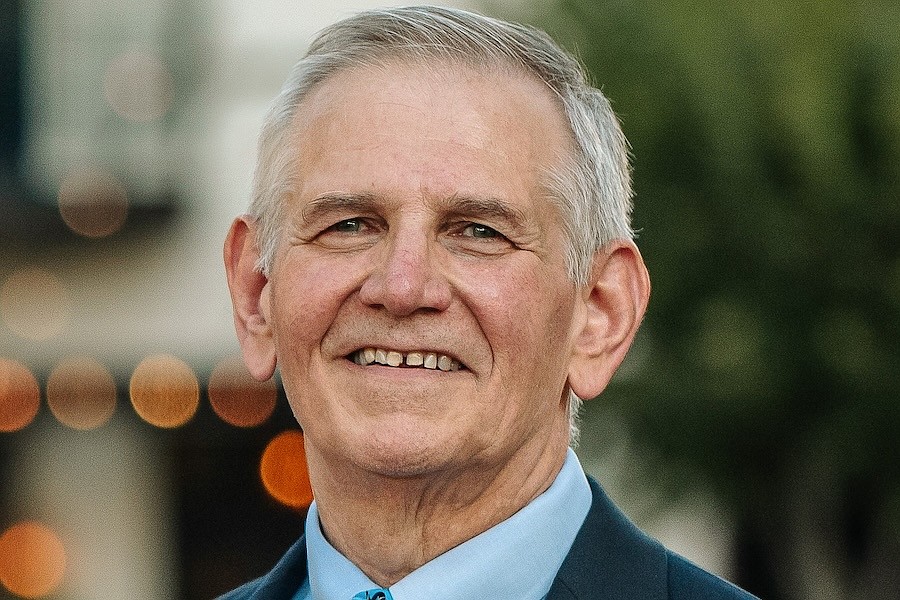
However, the three external members – Carl Hansen, Hayley Gourley, Prasanna Gai – believed the current OCR rate was too low and an increase was needed now to damped any spread of inflation pressures through the economy, and into prices and wages.
Analysts had forecast no change to the OCR, but some said a strong case could be made for the RBNZ to raise now to lessen the longer term impact of inflation on households and businesses.
Ready to act
The MPC said getting inflation back into the 1-3 percent target zone remained its priority and higher interest rates would be needed to achieve that this year.
“The pace of OCR increases will depend on the relative influence of persistent wage- and price-setting behaviour versus weaker economic activity on medium-term inflation pressures.”
An indicative interest rate track pointed to a likely OCR rise in September to 2.5 percent and a further 25 basis point rise, and a further rise in early 2027 before a couple more increases over the following 12 months.
Inflation was forecast to hit 4.3 percent in the September quarter, before returning to the target band by the middle of next year.
But the MPC said there was much uncertainty but generally conditions would be weaker in the near term.
“Near-term economic activity is likely to be weaker… because of the Middle East conflict. Higher fuel prices are increasing costs, lowering profit margins for many businesses, and reducing real incomes and household purchasing power.”
However, it was assuming that growth would start to recover towards the end of the year.
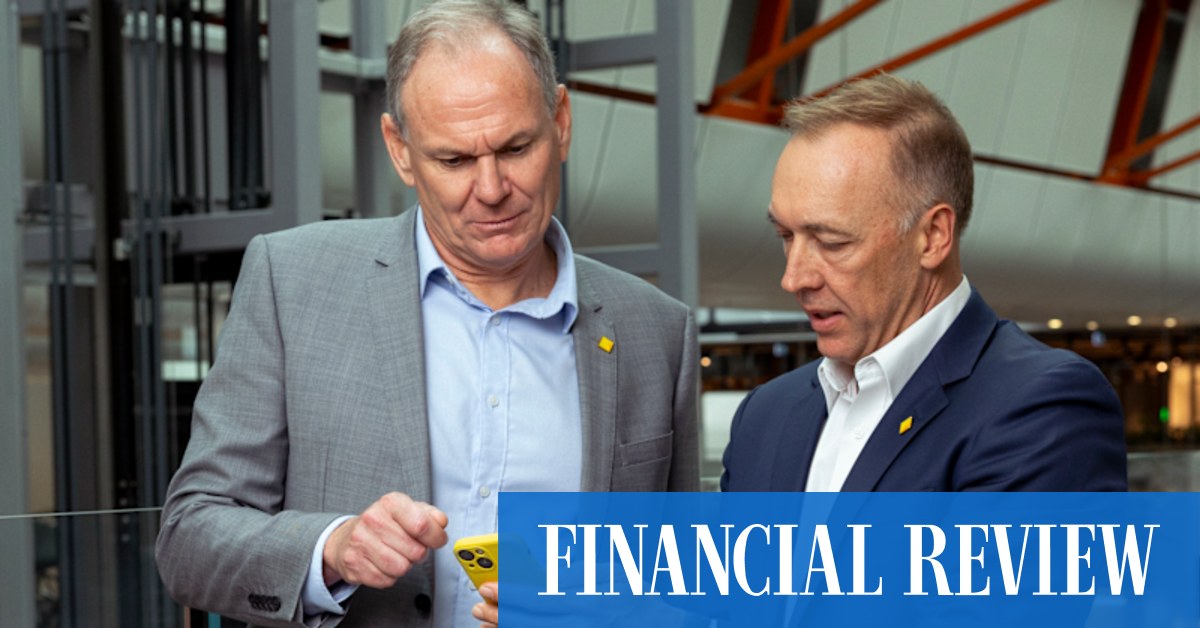
BNZ head of research Stephen Toplis said he expected a solid pace of OCR rises starting mid-year.
“We bring forward our first rate hike to July with rate increases now pencilled in for every meeting until we reach the peak of 4.0 percent … in May 2027.”
Expect hike in July – economists
Reacting to the statement, BNZ head of research Stephen Toplis said the bank adjusted its forecasts on the back of the RBNZ decision.
“The Reserve Bank wanted to keep rates on hold. But the rest of the MPC didn’t. So the cash rate was left unchanged. But they all agreed that rates will need to rise and rise soon,” Toplis said.
“On this basis, we bring forward our first rate hike to July with rate increases now pencilled in for every meeting until we reach the peak of 4.0 percent, that we have long been touting, in May 2027.”
ASB chief economist Nick Tuffley said the decision by the RBNZ showed its position was “pretty split”.
“Nevertheless, by July we expect the vote to tip in favour of lifting the OCR at that point,” he said.
Tuffley said the RBNZ faced a balancing act as it moved to lift rates higher.
“One risk is leaving the OCR too low for too long, and having inflation take off – at the cost of having to lift the OCR more aggressively later on,” he said.
“The other risk is lifting too soon but, while the OCR remains in stimulatory territory, that risk can be mitigated by simply pausing to see how risks pan out.”
Sign up for Ngā Pitopito Kōrero, a daily newsletter curated by our editors and delivered straight to your inbox every weekday.