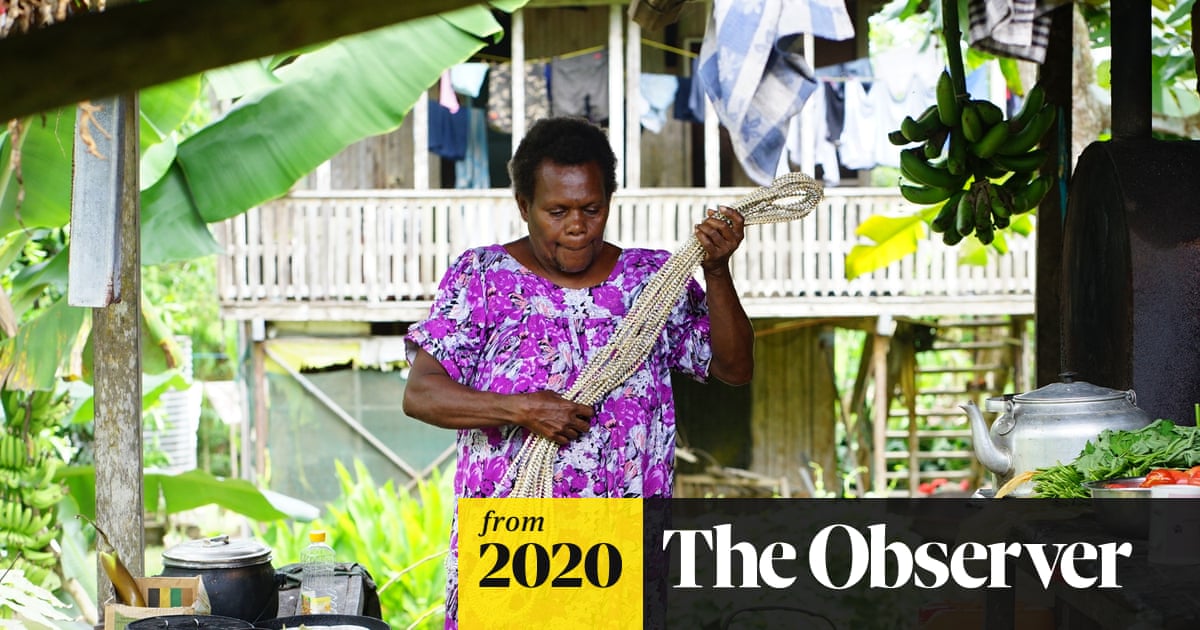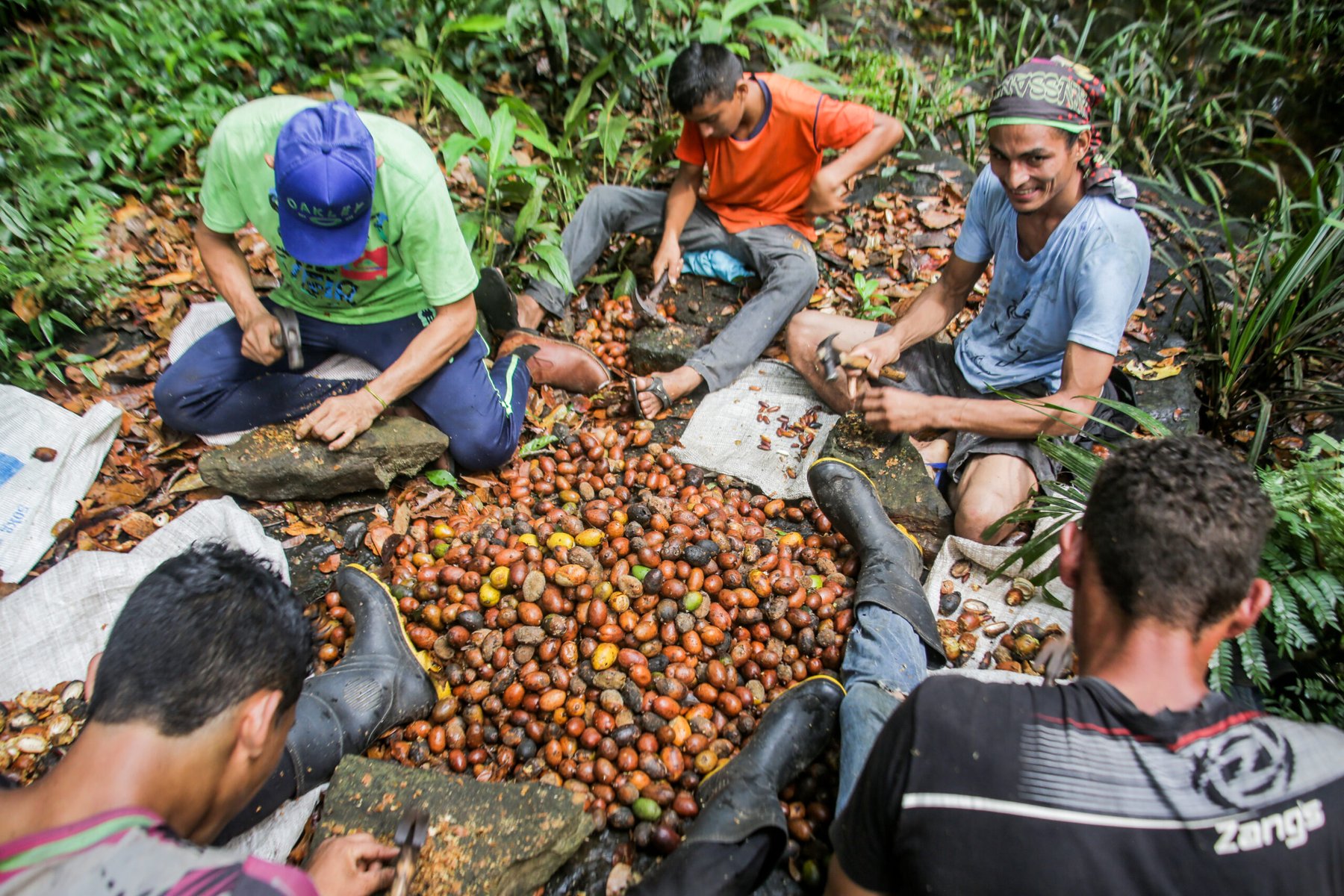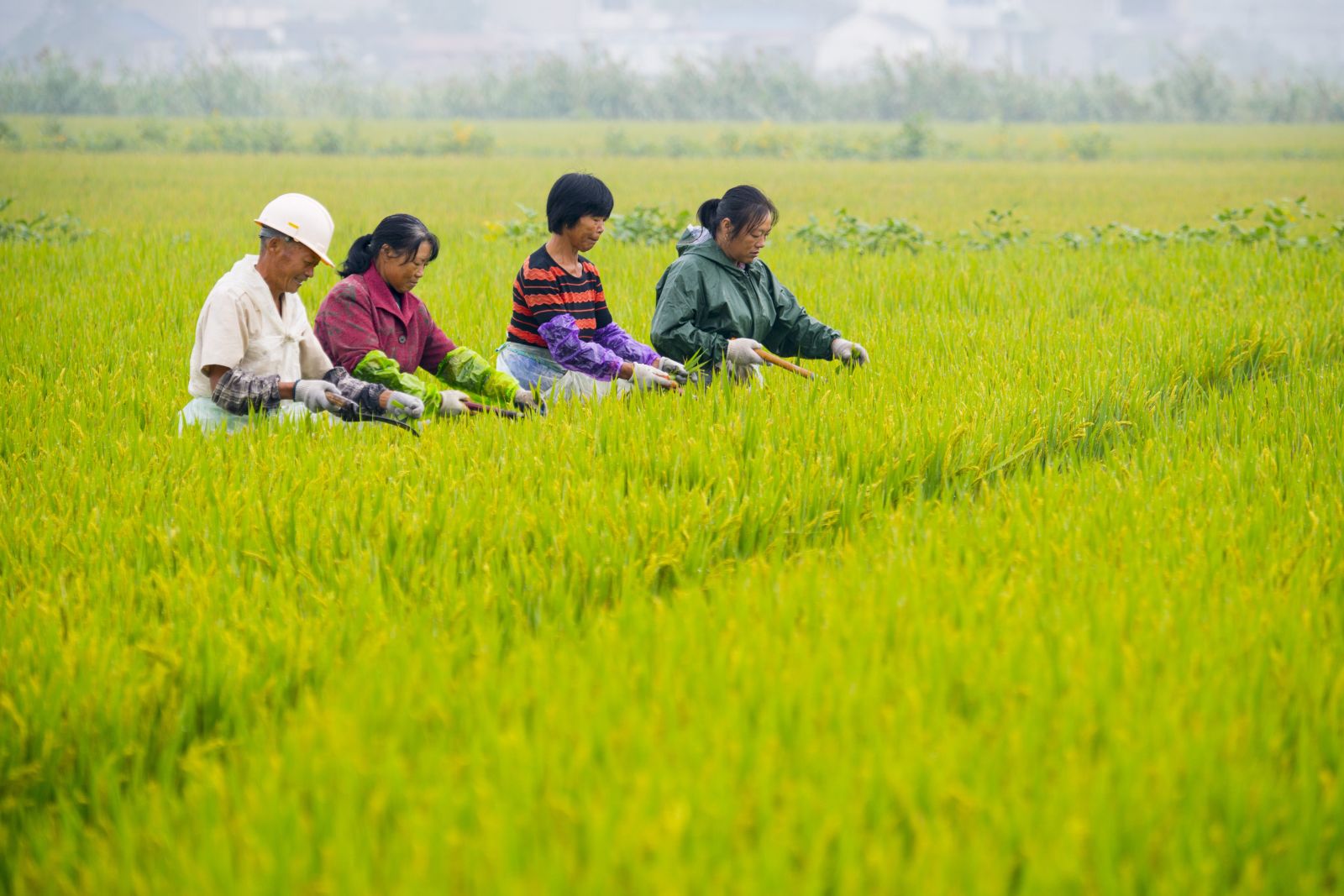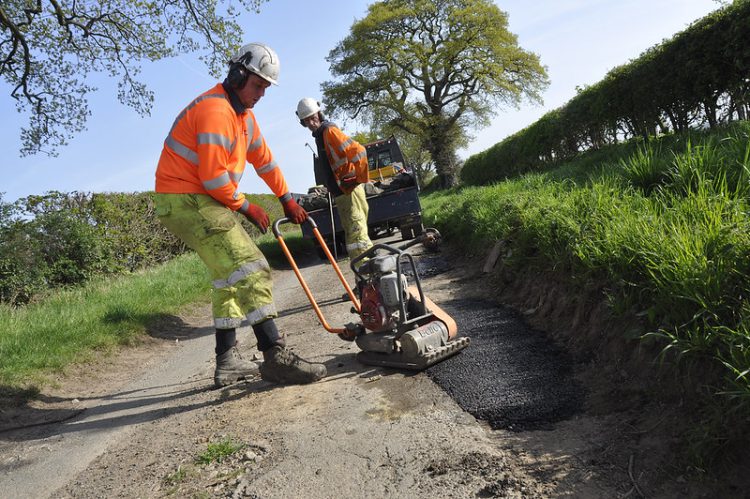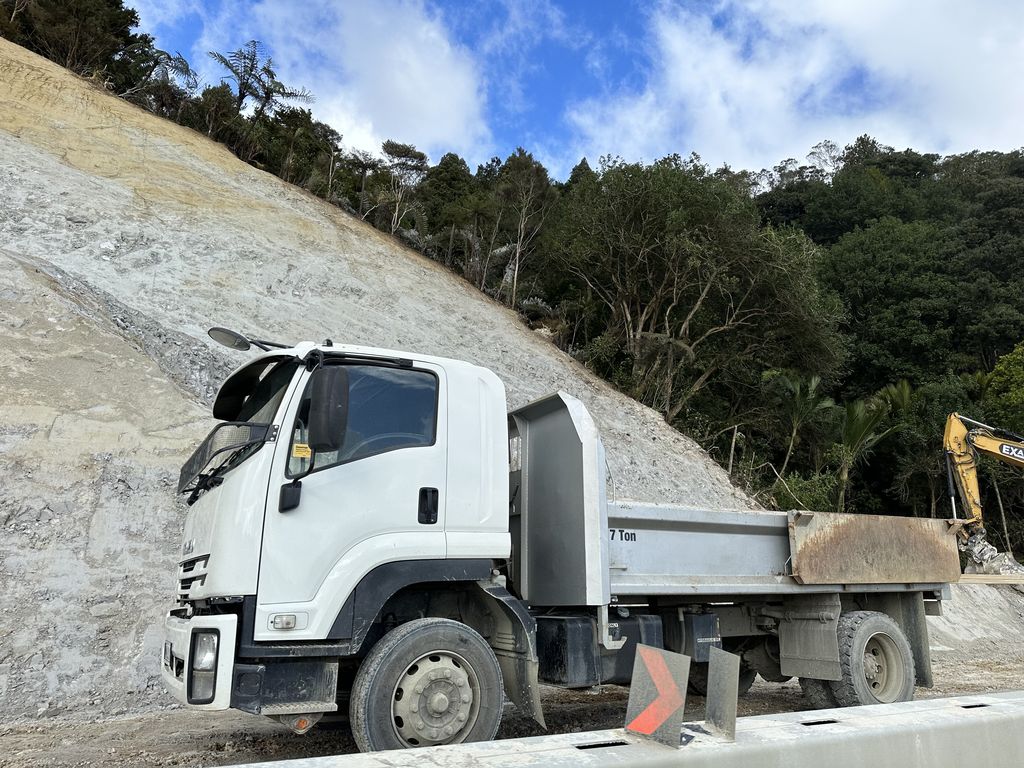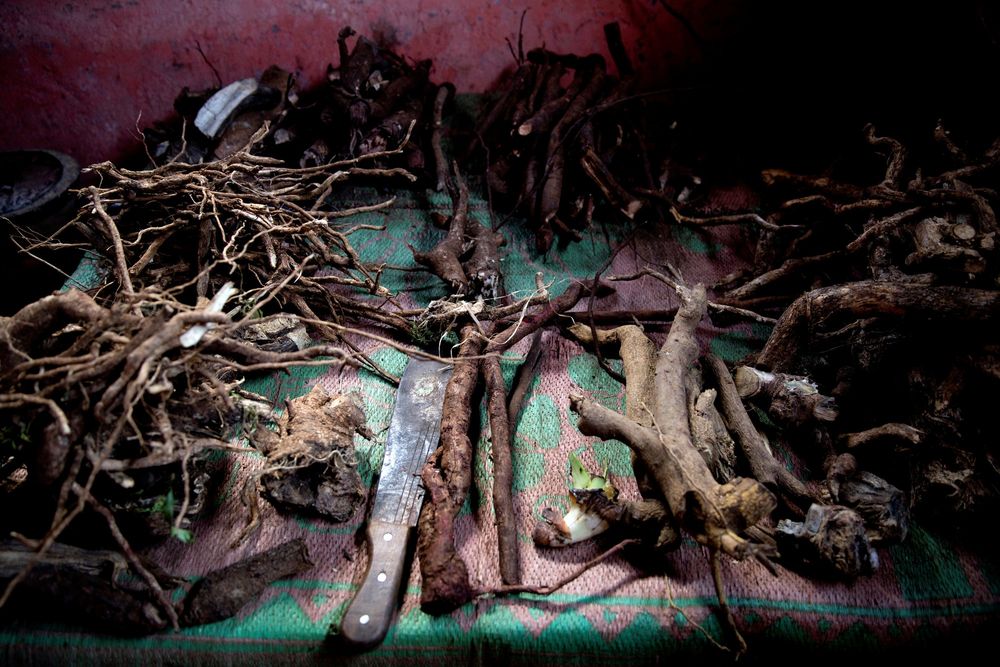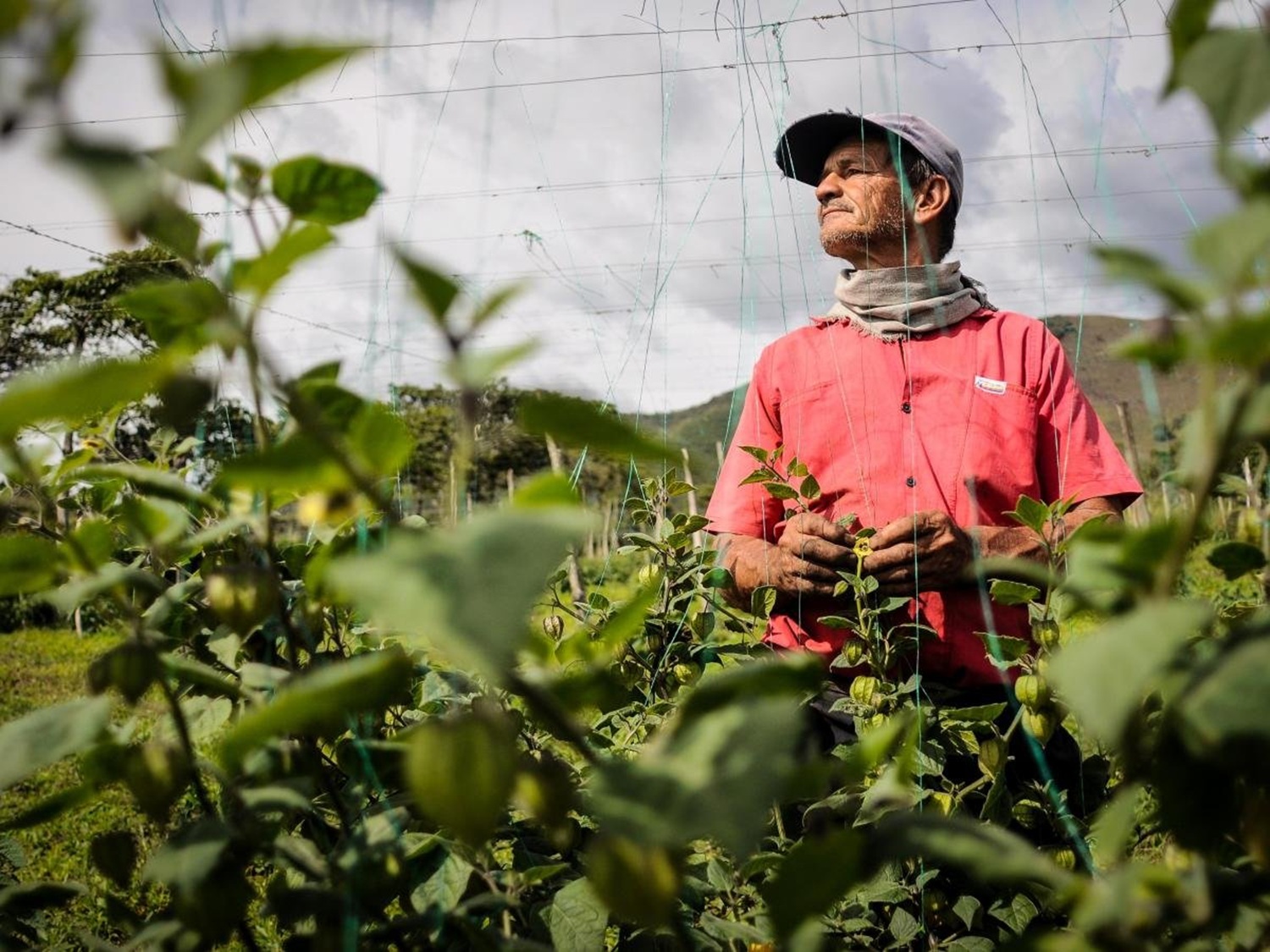
THE time-honoured technology of food production in the village of Onyaanya where I grew up is still the hoe (etemo).
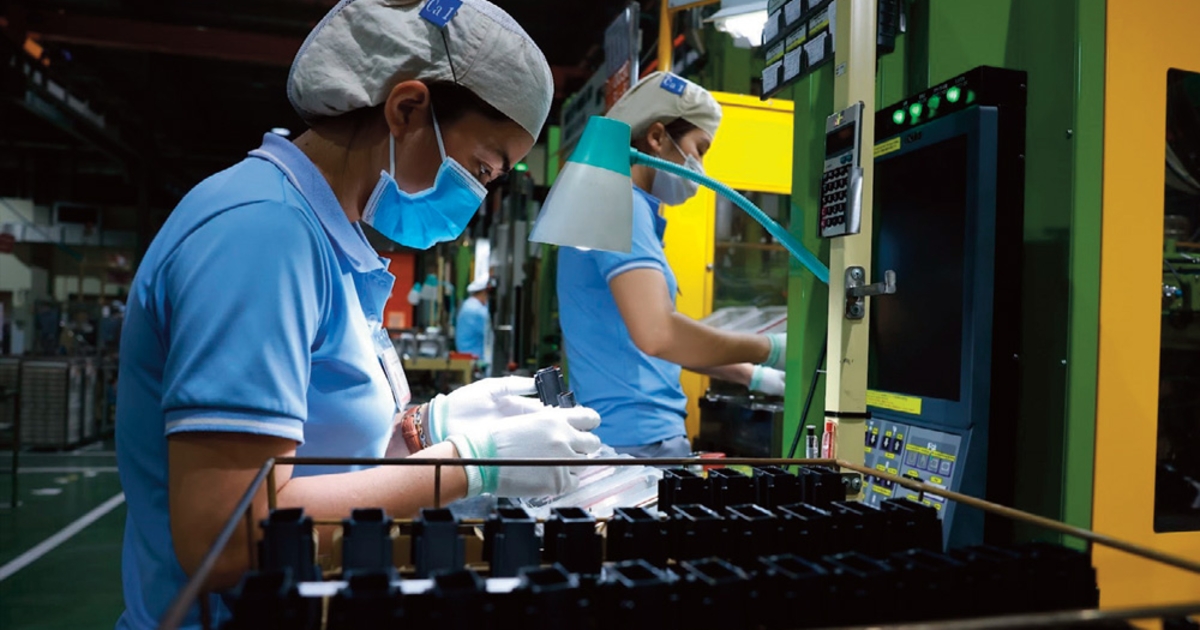
The hoe has been the tool for agricultural production since time immemorial.In pre-colonial times, parties of blacksmiths (aahambudhi) went on an annual basis into present-day Angola to mine iron (iiwengendje) in the Cassinga area.The blacksmiths put up their foundries in the Cassinga iron mines and cast iron. They brought the iron back to northern Namibia. Sometimes they traded salt for iron with local people. They, in turn, traded iron for cattle with the Ovaherero people.The traditional hoe was manufactured from the iron from Cassinga. The hoe is the tool for crop farming. Before one could use the hoe, land had to be cleared. Another time-honoured tool was the axe (ekuya).These two agricultural tools defined gender relations in my village. The hoe belonged to a woman. As the saying goes a man (Omulumentu ekuya) is defined by how he uses the axe to clear the land.Once the land is cleared the woman and her hoe till it. In order to secure increased cereal production a man has to marry as many women as he could afford.The hoe and the woman were the pillars of wealth creation in Onyaanya village. With increased mahangu the man can buy cattle. Ownership of a sizeable herd of cattle was the basis of leadership. The man can afford to buy omukunda, the King. Omukunda is an area the size of a county. When you own omukunda you are now elenga or headman. An elenga is an elite in my community. This is how patriarchy developed in my community.Surely the axe and the hoe had their usefulness in ancient times. In today’s times the axe and the hoe technology is archaic. Such a technology cannot guarantee food self-sufficiency, let alone create surplus.Without surplus there is no trading. Without trading there cannot be capital accumulation. Without capital accumulation there cannot be investment. This means therefore that the axe and hoe should be replaced by new technologies.This replacement of old technology by new technology is what Joseph Schumpeter termed ‘creative destruction’. Creative destruction can only take place through inventions, innovations, research and development. This is the missing link in African development. African economic take-off can be enhanced if Africa can pay serious attention to innovation and technology.A national innovation system is a pre-condition for unleashing the forces of ‘creative destruction’. New technologies are the pre-requisite for achieving the pre-condition for economic take off.Gillian Marcella of the University of the Witwatersrand, in a paper-titled, ‘Innovation for development-toward an agenda,’ aptly observed: ‘Innovation has been shown to be the foundation for enhanced competitiveness, industrial and technological upgrading and a factor stimulating structural change’.If our rural economies are going to change we must promote the production, diffusion and application of new technologies. Similarly, if the Namibian economy is going to be transformed we must build technological capabilities.In order to acquire the technological capability at a national level we must put into place a national innovative system. Such a system should integrate and interconnect institutions, private firms, institutions of higher learning, research institutes and policy makers.Moreover, a national system of innovation shall be responsible to generate a national innovation strategy. Such a strategy shall aim at identifying priority areas for knowledge production, technology diffusion, and knowledge application. The overall goal is to build a technological capacity and to mainstream innovation in economic development.Going back to Onyaanya village, it means focusing among others on weed control technologies, soil conversation technologies, research into mahangu seeds, post harvest cereal treatment, mealing, manufacturing of various products and marketing.If new innovations could be successfully introduced in my village mahangu should improve. Mahangu would become a full commercial commodity. Poverty would become history. However, a national system of innovation will only come about through public investment.Namibia as a developmental State must allocate at least one percent (1%) of the Gross Domestic Production (GDP) to innovation, research and development. The innovation strategy should prioritise sectors which need urgent structural transformation to be the focus of innovation.Appropriate institutions should be identified to produce the necessary knowledge, invention and innovation. Strategies for knowledge production, technological diffusion, and knowledge application should be clearly devised.I would like to conclude this article with the wise council of Research Professor Mammo Muchie of Oxford University when he advised: ‘Build productive power to transform selected sectors to a stage of manufacture whilst including the excluded communities by promoting broad based innovation.’Economic take-off can only happen when the traditional economy is transformed and the extractive industries are replaced or complimented by manufacturing. In the next article we shall discuss the industrial policy development.