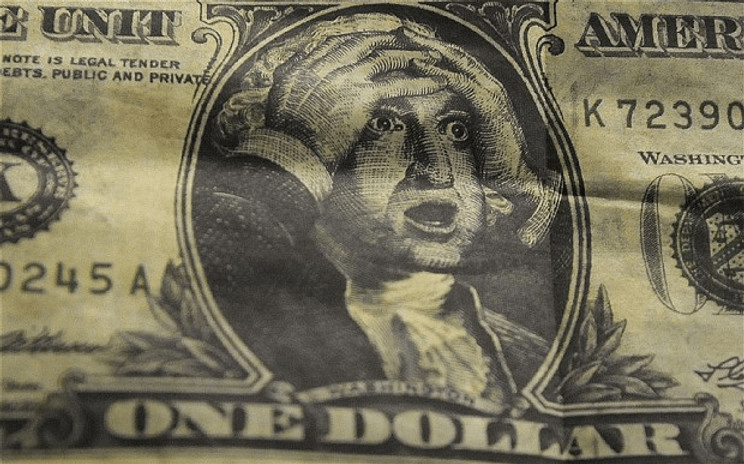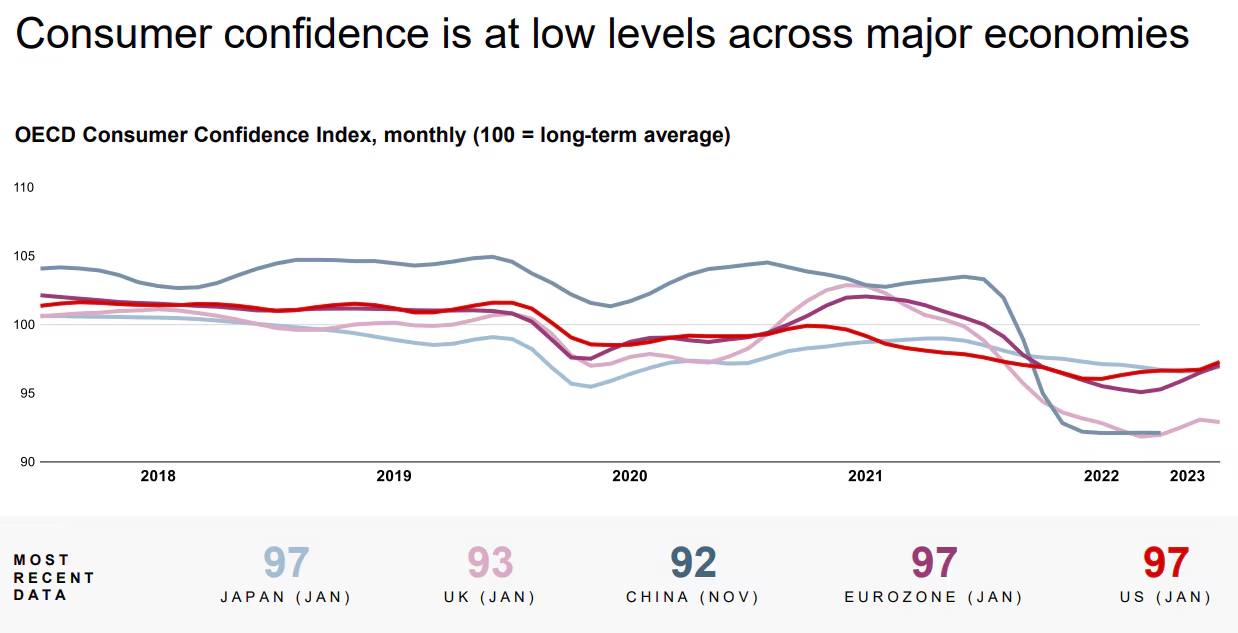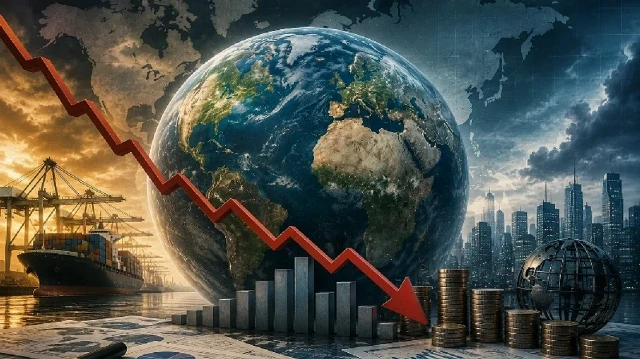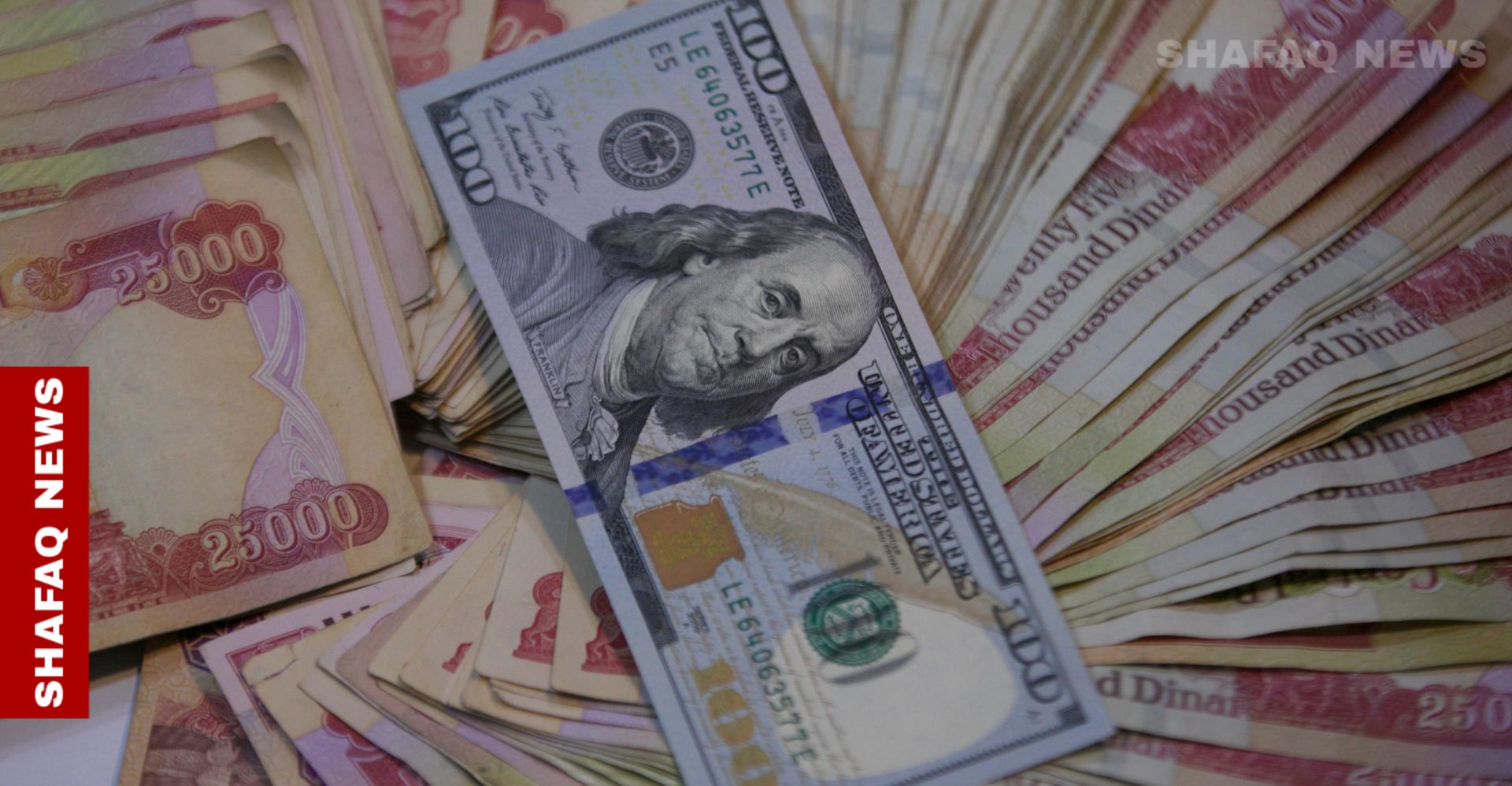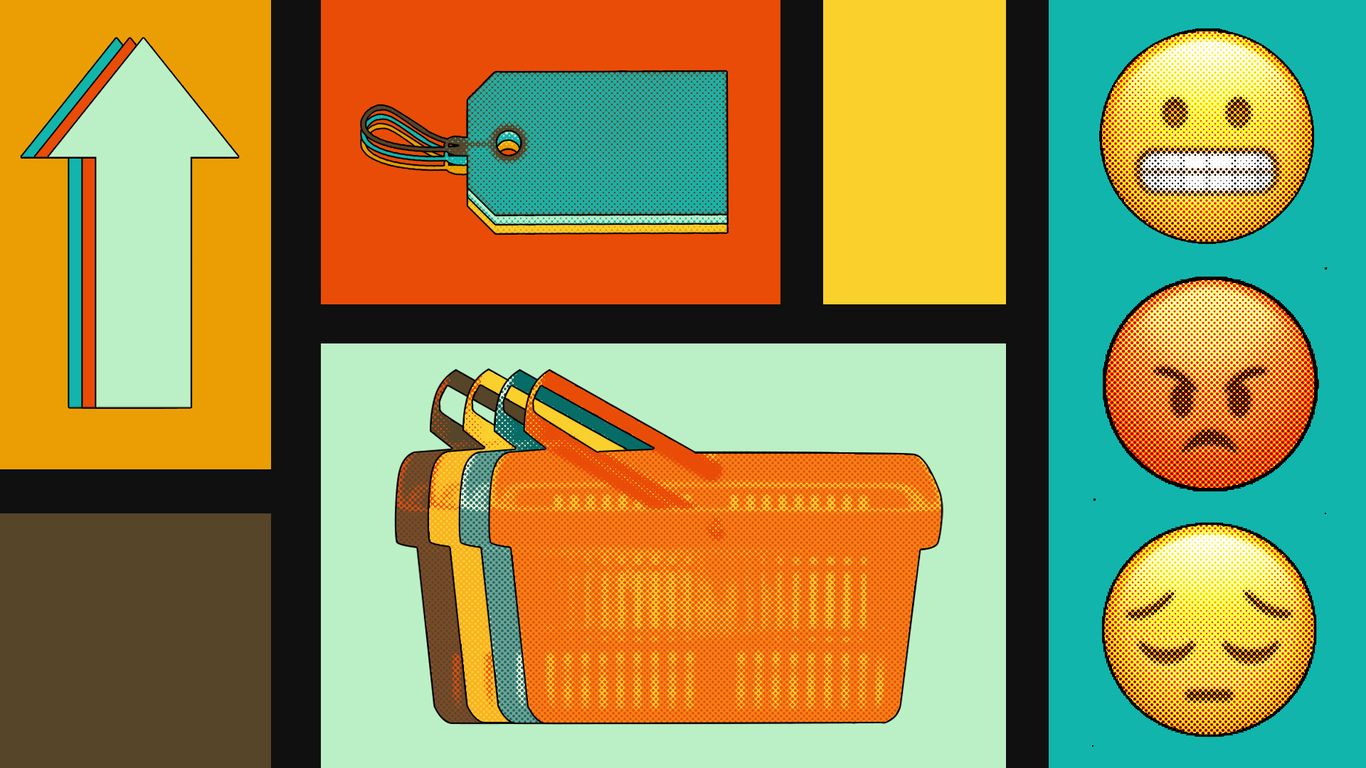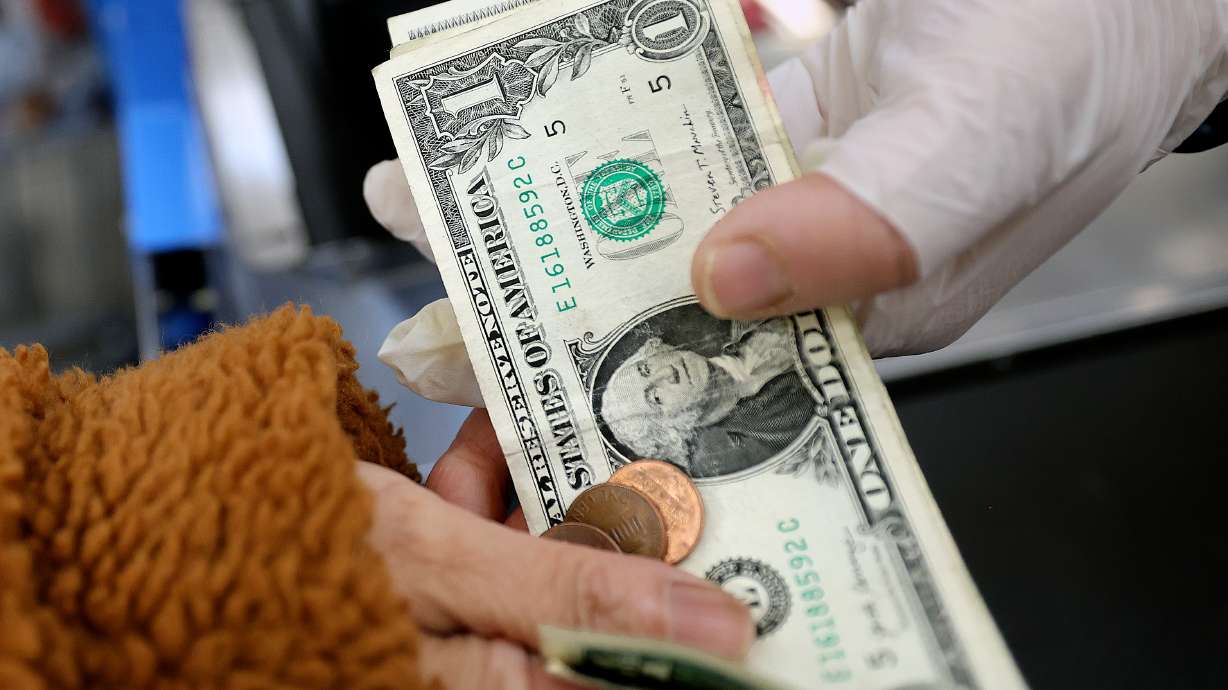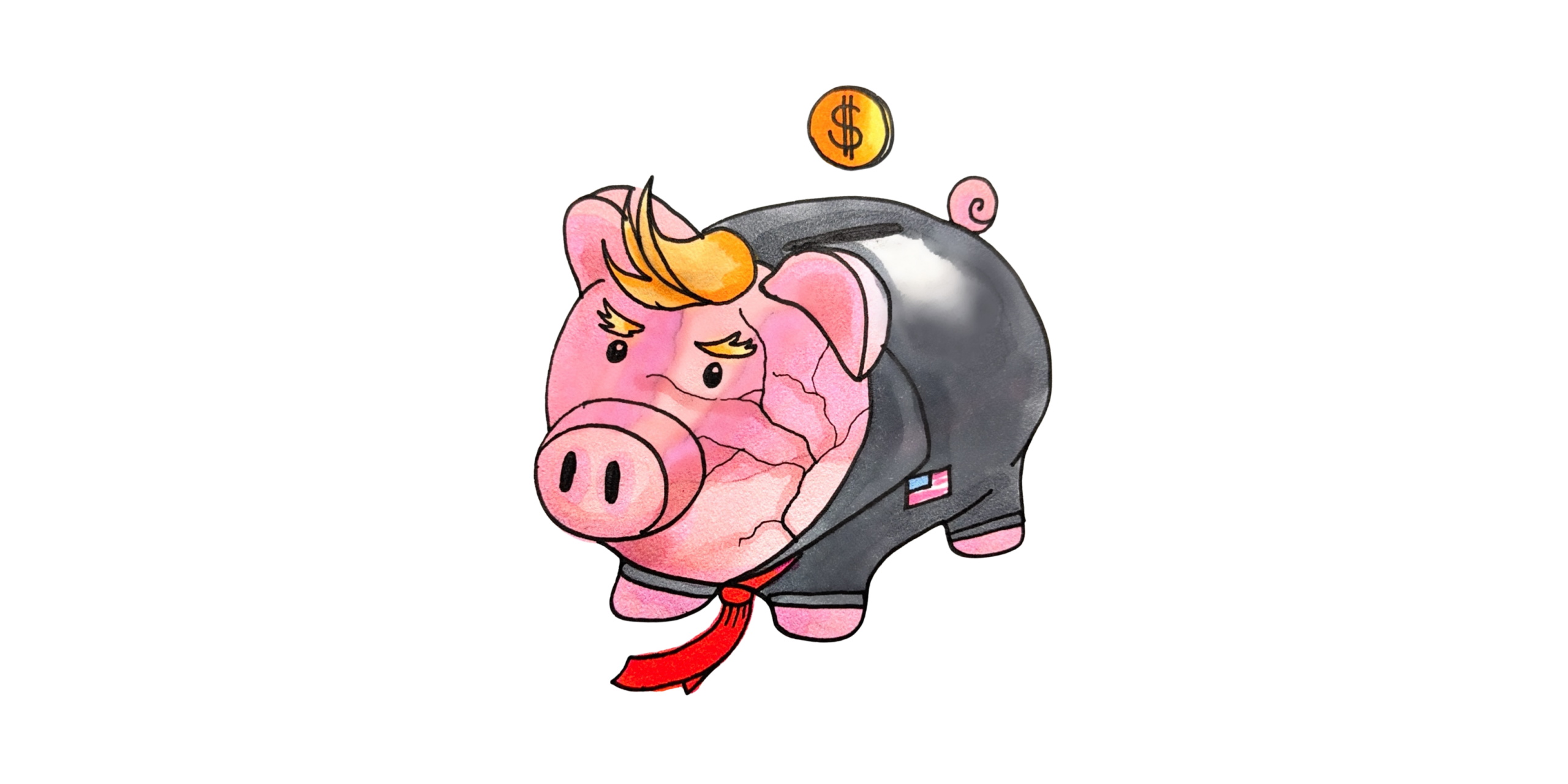
U.S. credit card spending has dropped by the biggest margin in two years, highlighting Americans’ financial strain from ongoing inflation, record interest rates and a “K-shaped” economy.
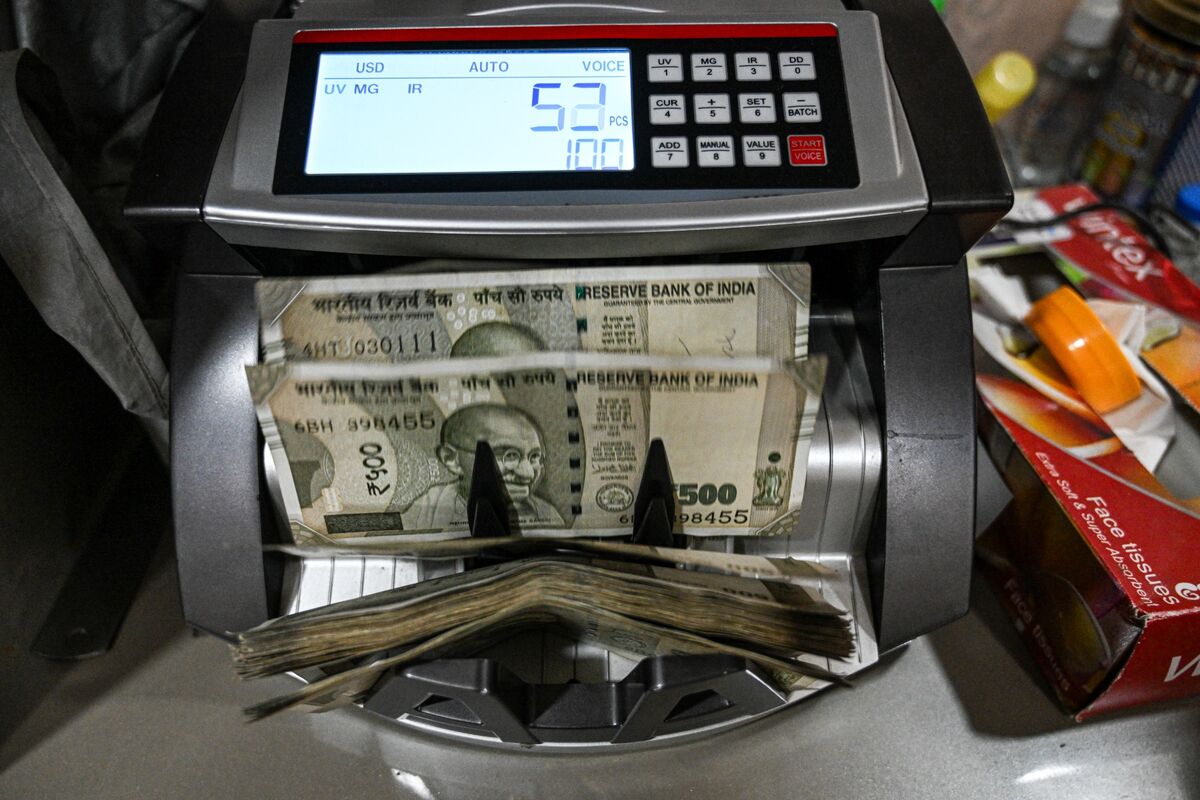
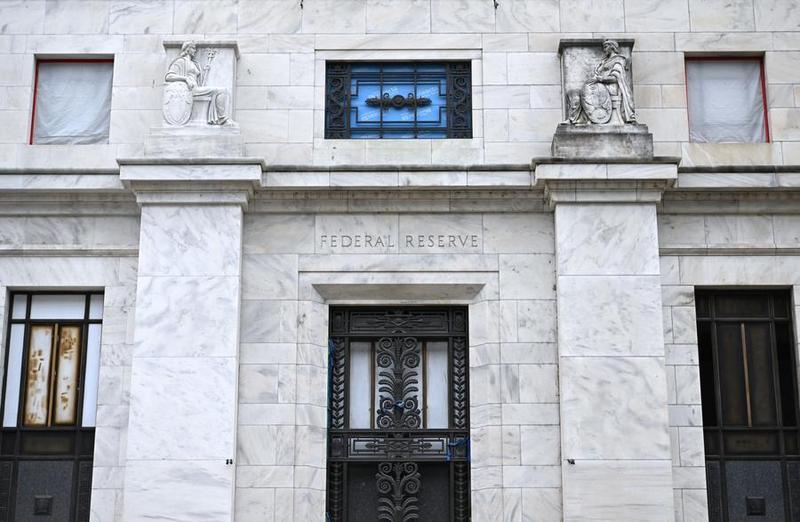
Total outstanding consumer debt dropped by roughly 182 million U.S. dollars in May, Federal Reserve’s recently released Consumer Credit Report showed. This marks the first decrease in consumer borrowing since late 2024.
The overall drop was driven by a 5.3 billion-dollar slide in revolving credit, largely credit card debt, which also marked the biggest decline since 2024.
“I’m not going to use my credit card much anymore,” Floyd Marion, 50, an electrician outside Washington DC, told Xinhua, citing losses in his investment portfolio. He’s now relying on cash and plans to pay off his credit card by January.
Economists viewed the downtick as a defensive move by households.
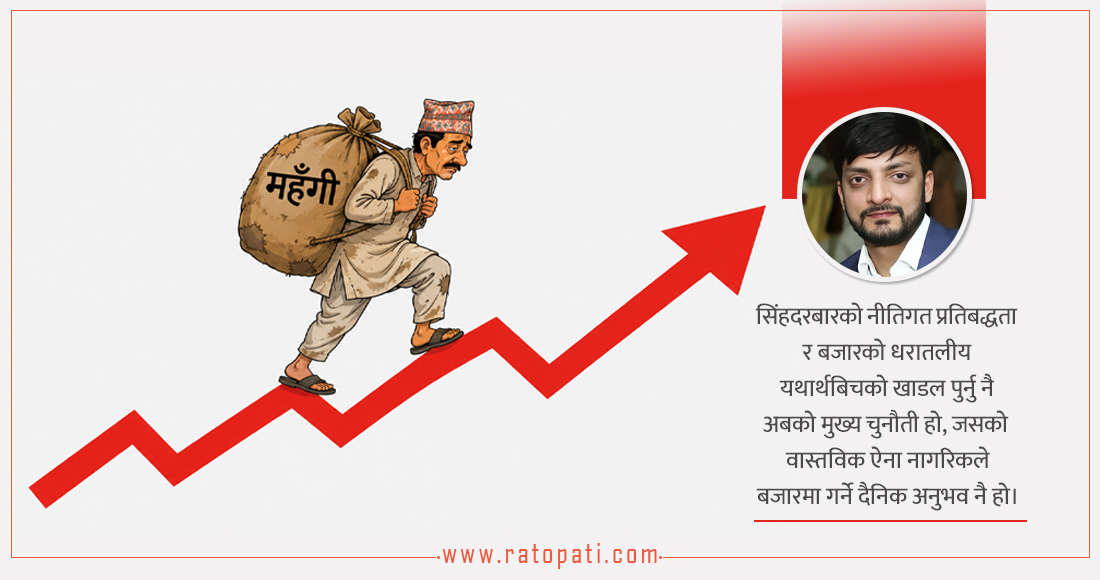
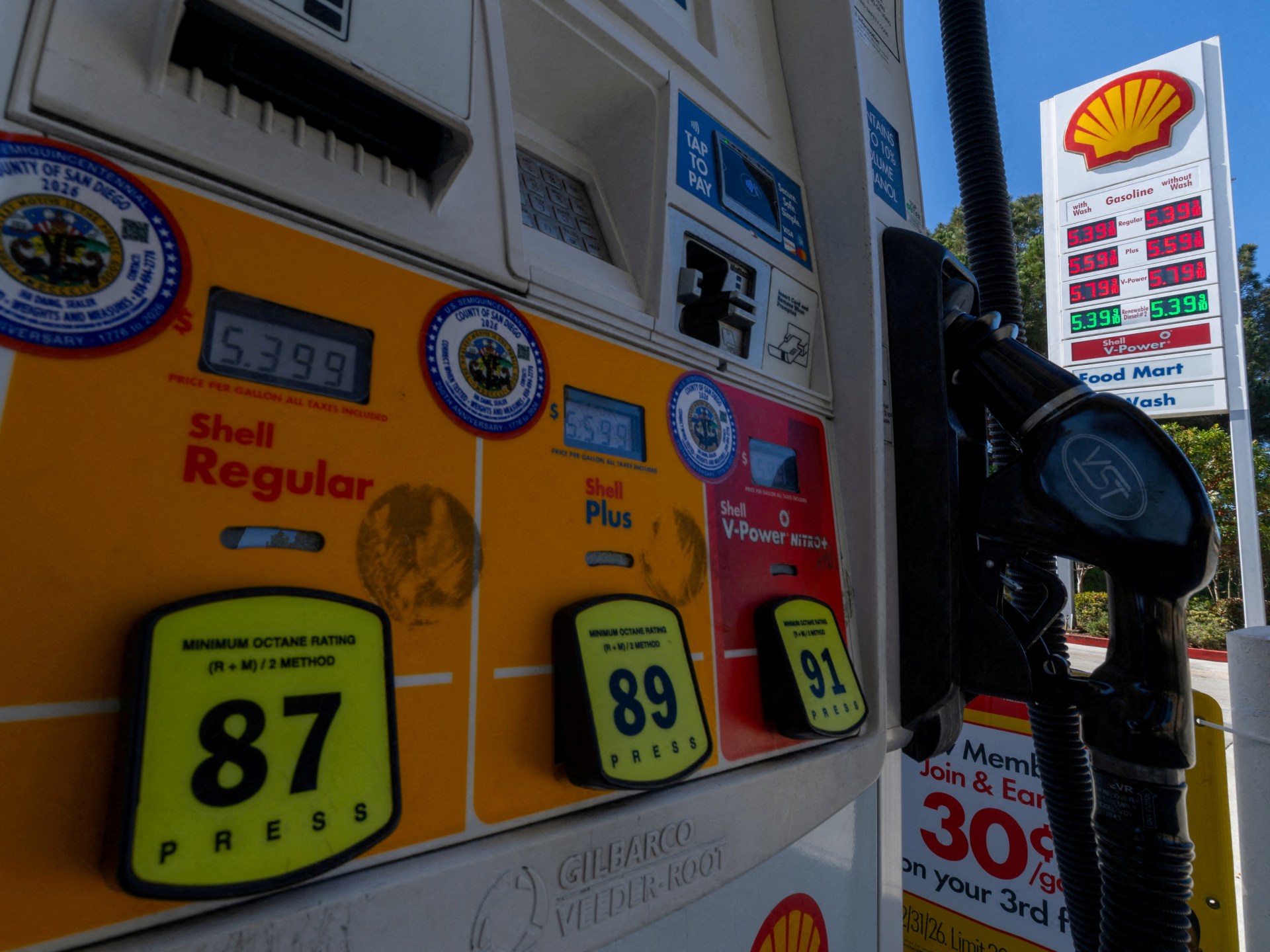
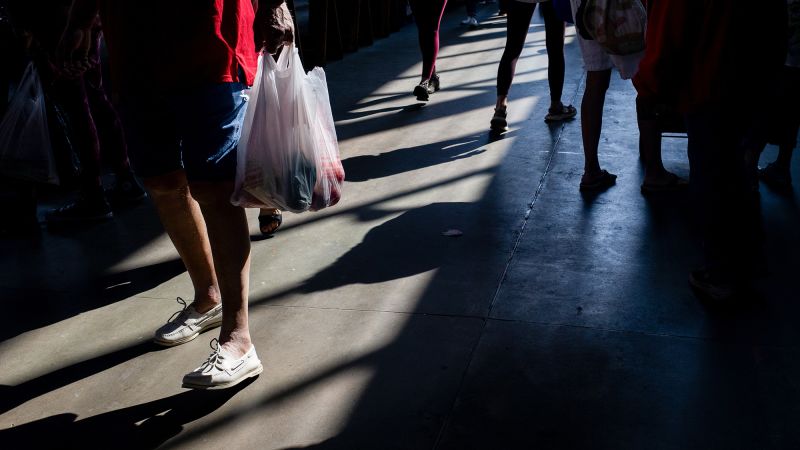
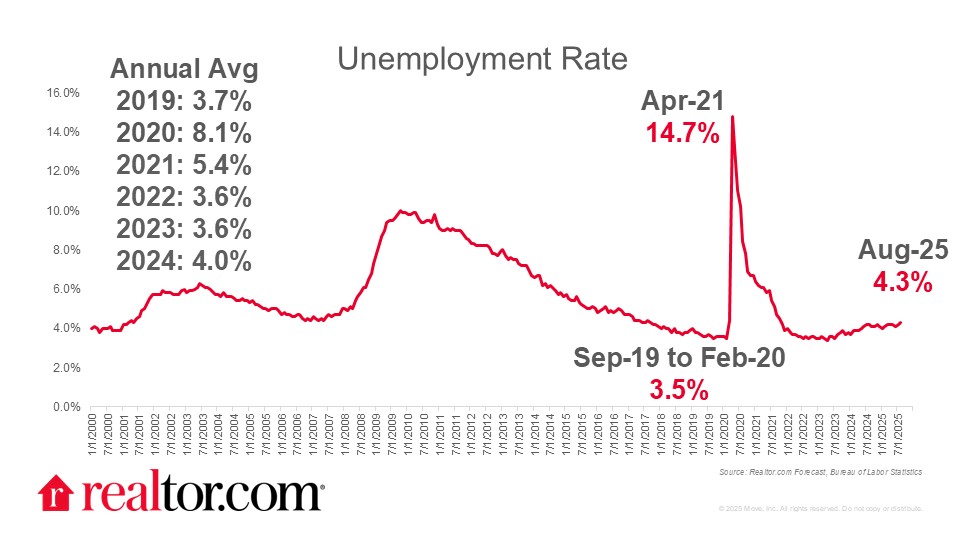
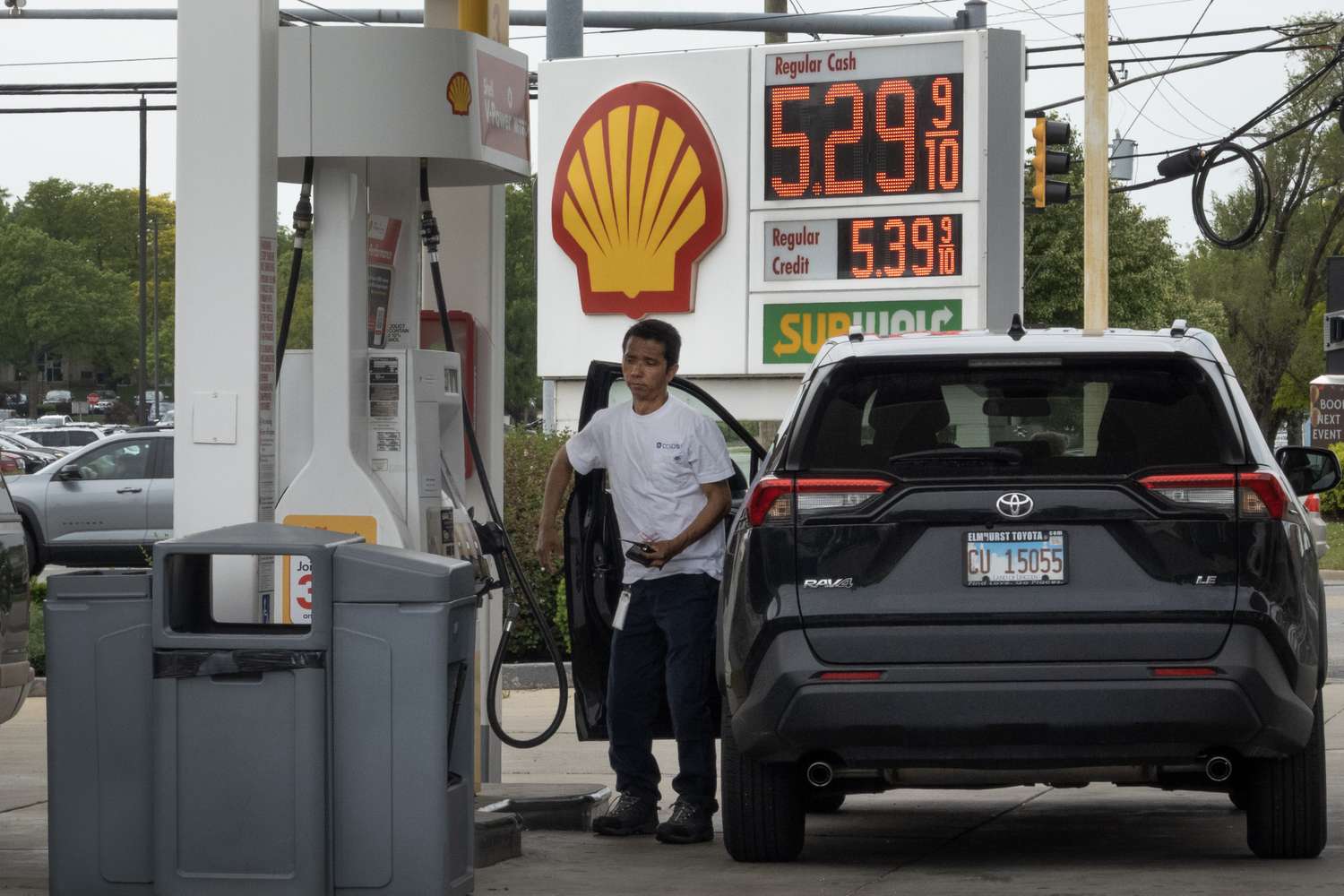
Consumers have grappled with five years of high inflation, while credit card annual percentage rates have remained near record highs, making it increasingly expensive to carry a credit card balance.
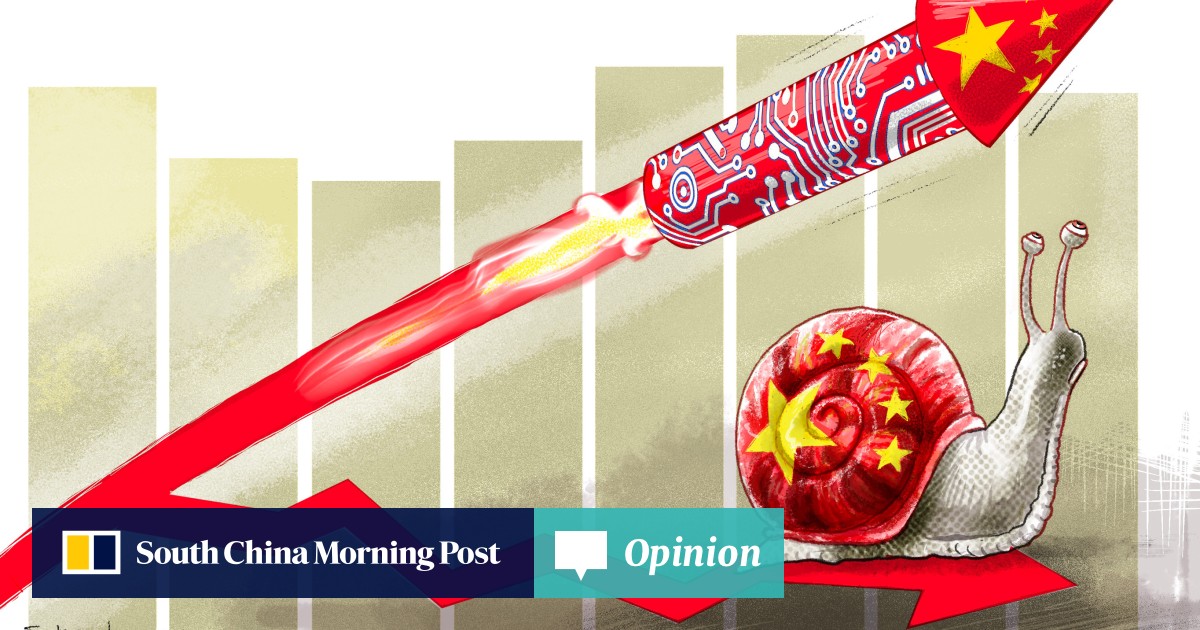
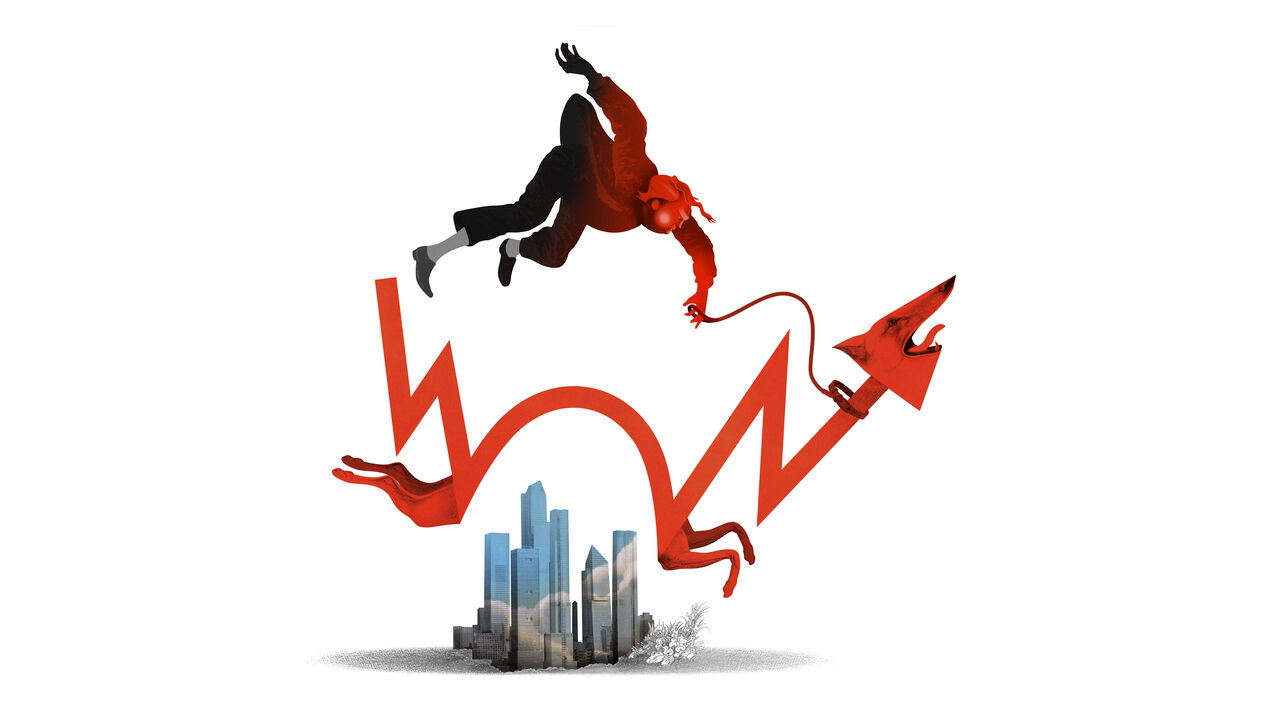
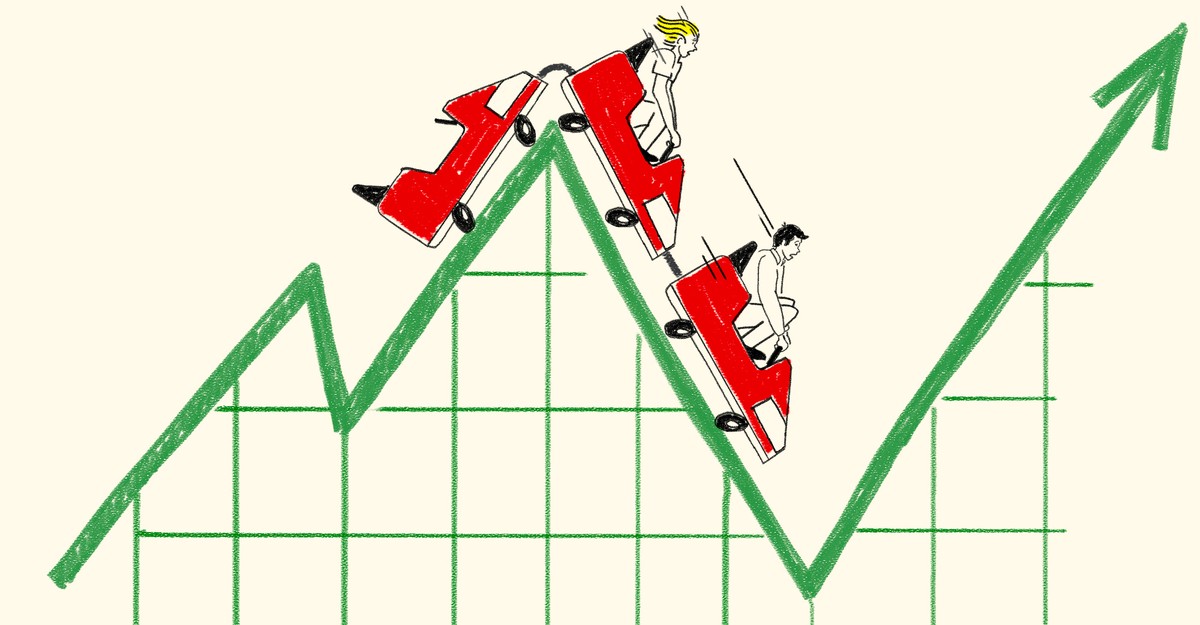
Analysts also warned that the data points to a deeper issue. Financial institutions like Bank of America warn of an intensifying “K-shaped” economic divide, in which there is a growing disparity between the rich and the poor.
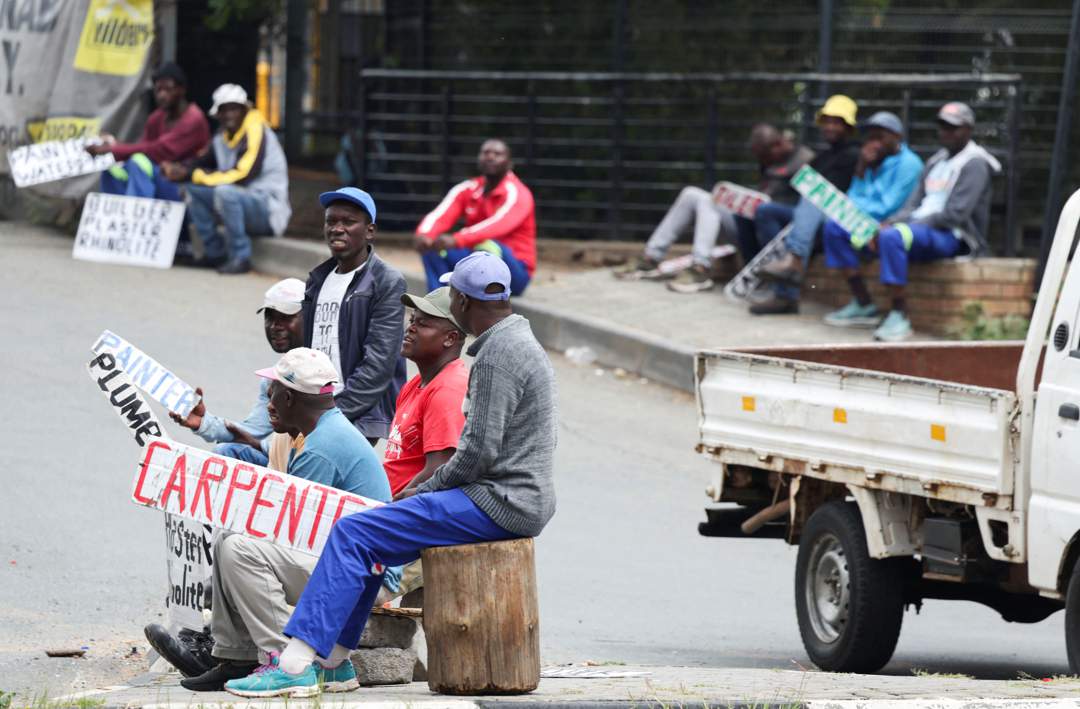
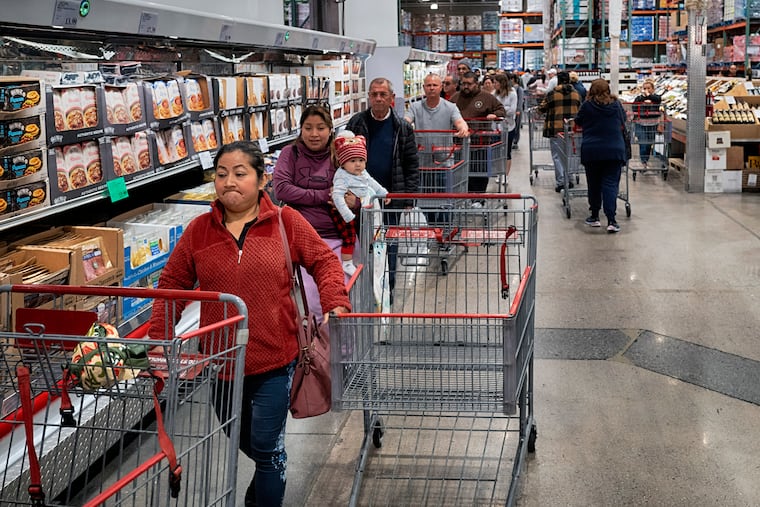
Wealthier households continue to spend comfortably, supported by strong asset appreciation. That includes the value of their homes and stock portfolios. Meanwhile, lower- and middle-income Americans are feeling the pain of record inflation in home prices, rent and food.
Rose Warren, 45, a data analyst near Washington DC, said she is focused on paying off her credit card.
“I still use it. But I canceled some trips that I planned, so I don’t spend too much,” she told Xinhua.
Faced with an economy in which costs continue to rise faster than wages, these demographic groups are cutting back on discretionary spending, meaning many individuals are reducing their reliance on credit cards.
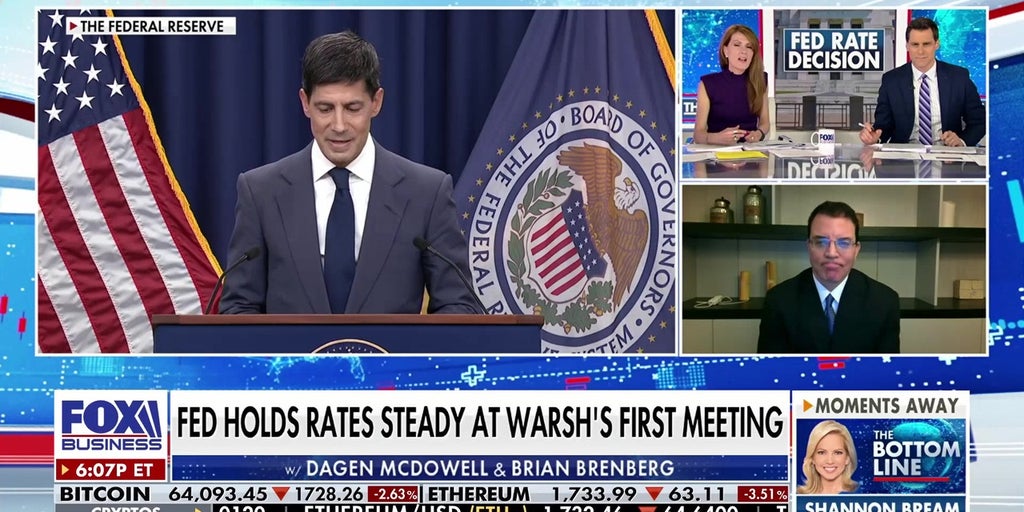
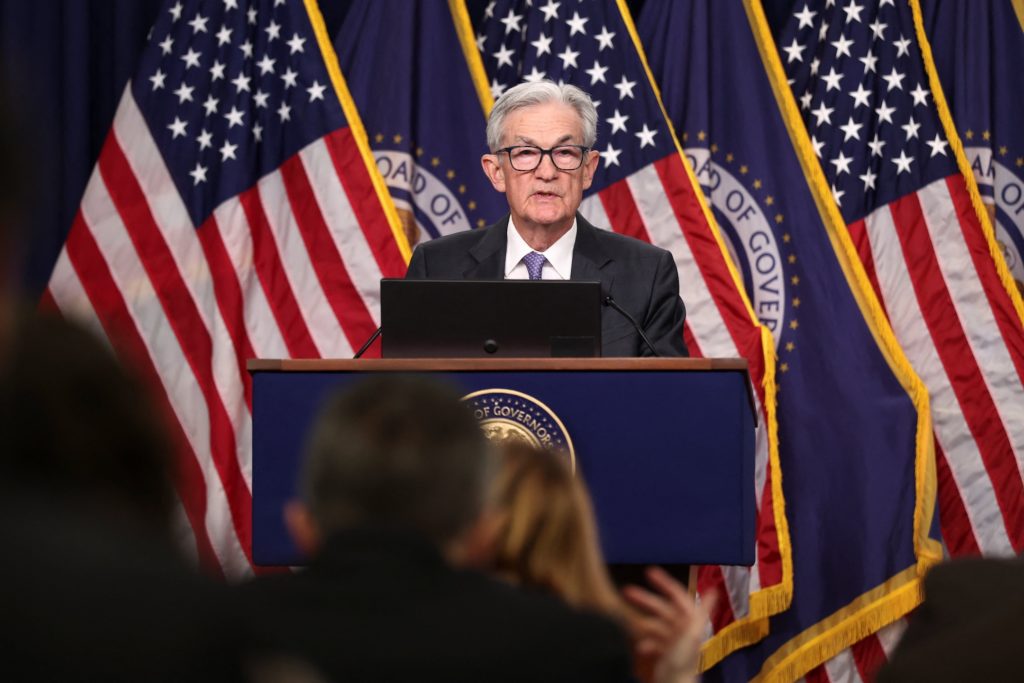
This dynamic places the Federal Reserve in a difficult situation, at a time when the central bank is focused on curbing record-high inflation.
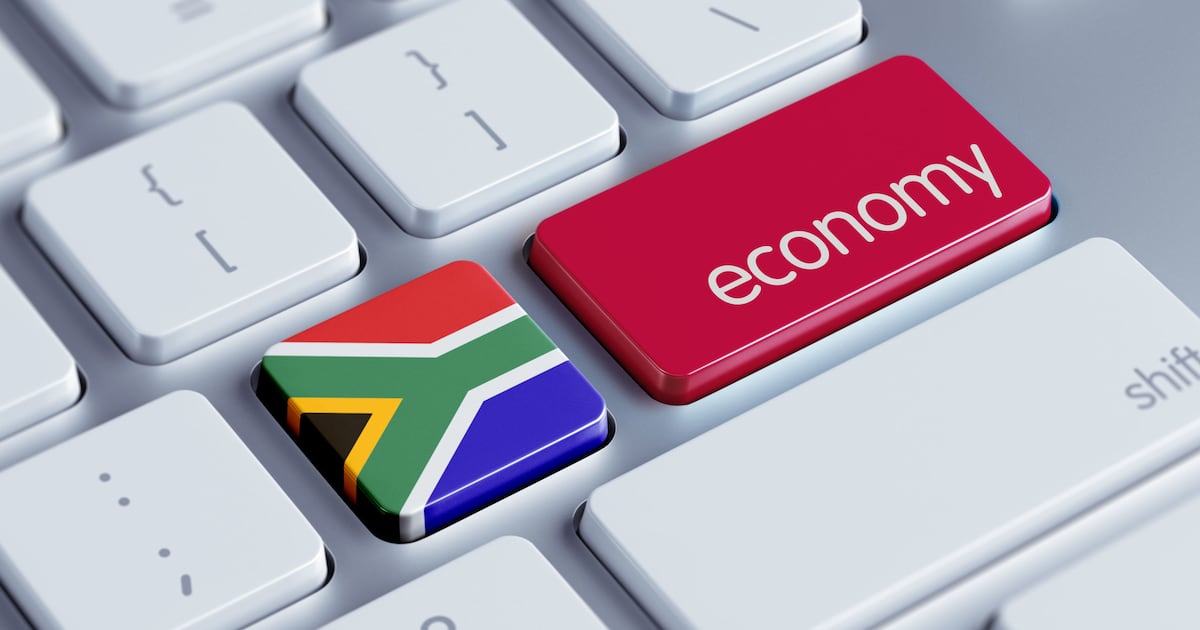
Consumer spending accounts for roughly 70 percent of the U.S. economy. A slowdown in credit card use could hurt corporate revenues in retail, manufacturing and other sectors, potentially putting pressure on the Federal Reserve to cut interest rates. At the same time, lower rates could risk fueling further inflation, experts said.