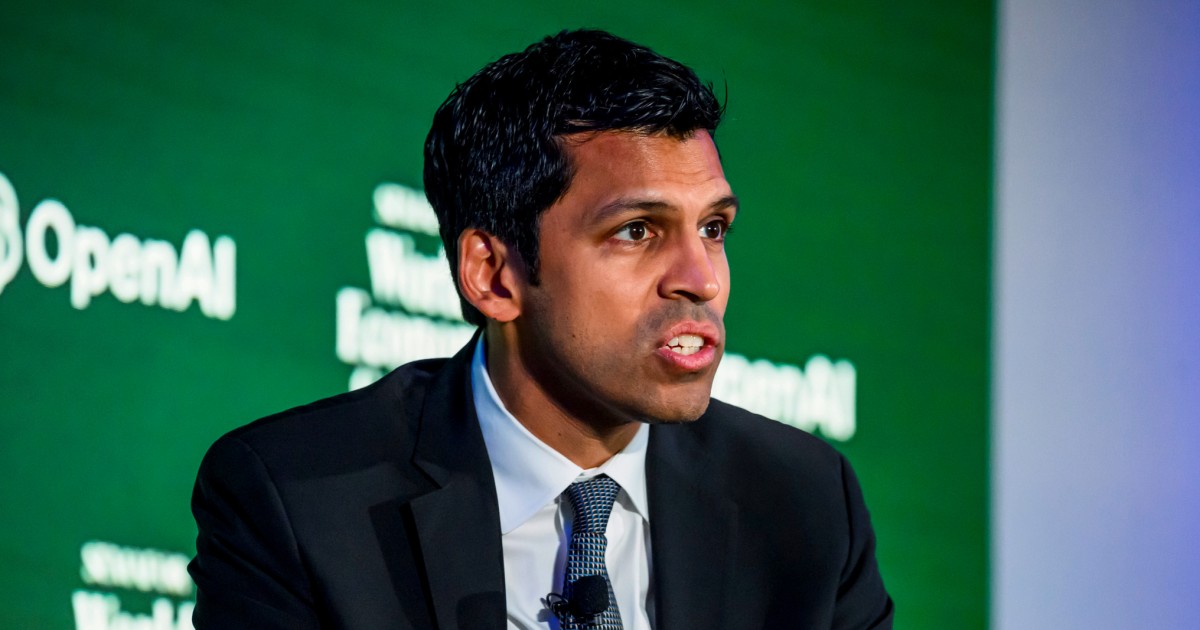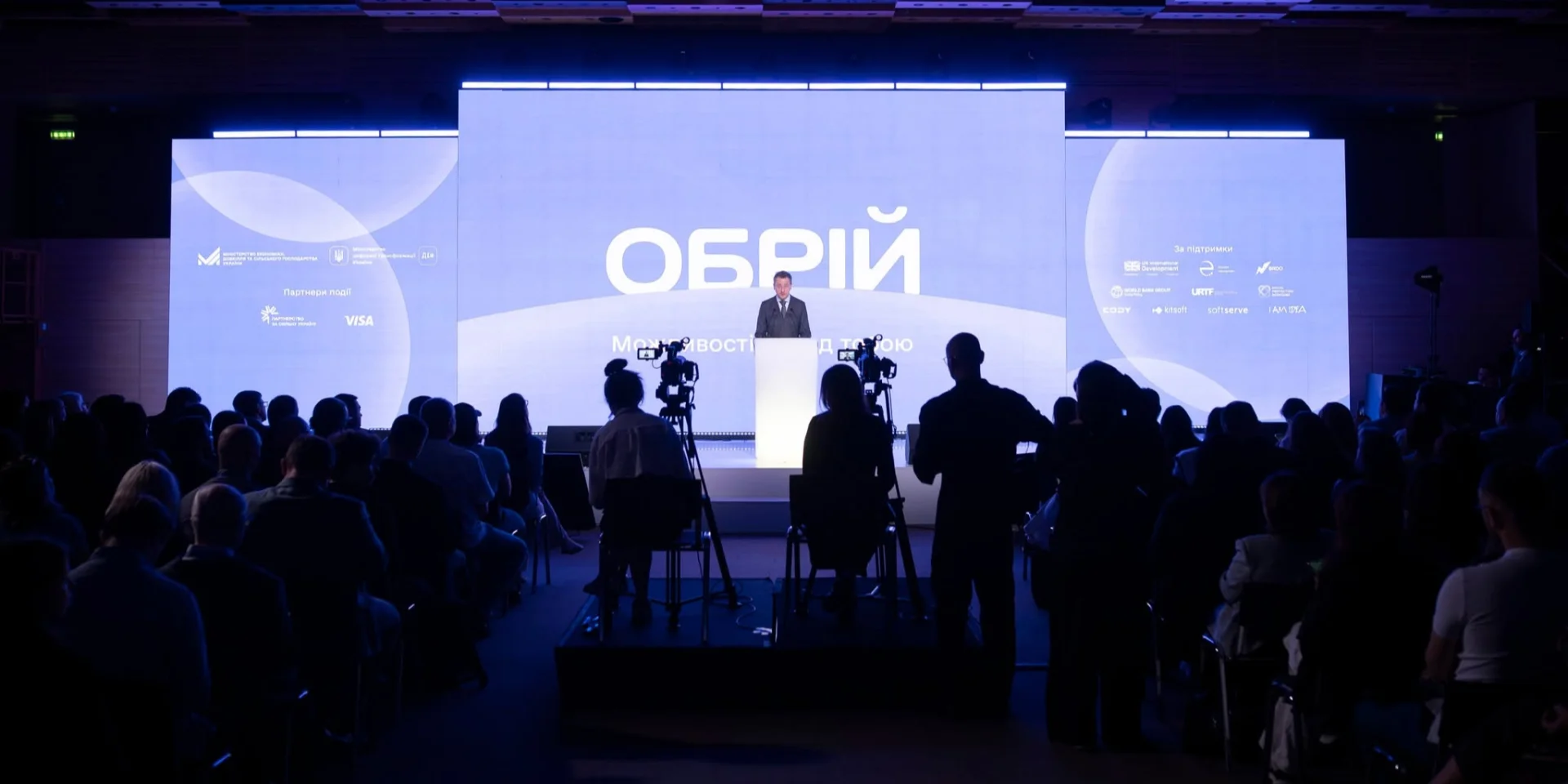
Circle co-founder and CEO Jeremy Allaire has published a wide-ranging personal treatise arguing that artificial intelligence and blockchain technology are converging into a single economic system that could reshape companies, labor markets, payments and global finance.
In The Agentic Economy, Allaire describes AI as an “operating system for intelligence” and blockchain as an “operating system for the economy.”
He argues that the first reduces the cost of cognition and work, while the second lowers the cost of transactions, settlement, and coordination.
Together, he believes they will create an economy in which autonomous software agents can perform work, enter contracts, exchange value, and access financial services on open networks.
AI Agents Could Decompose the Traditional Company
Allaire’s central argument is that AI agents will gradually break the conventional company into modular, automated skills.
Rather than viewing a firm mainly as a collection of employees, offices, and products, he describes it as an information system organized around functions such as engineering, sales, marketing, finance, legal, compliance, and customer support.
Many of those functions are built around human cognition, coordination, and communication.
As AI systems become more capable, companies may convert specific tasks into agentic workflows that can be delegated to specialized software.
A general AI orchestrator could break a business objective into smaller tasks, assign them to different agents, and combine the results.
Humans would remain involved by setting goals, reviewing output, exercising judgment, and deciding when intervention is required.
Allaire argues that this could enable one-person companies and highly leveraged small teams to perform work that previously required entire departments. However, he does not present the trend solely as labor replacement.
He also expects AI to amplify human creativity and allow workers to take on broader, more cross-functional roles.
Why the Agentic Economy May Move Onchain
As companies turn internal functions into reusable agentic skills, Allaire expects a global marketplace for specialized agents to emerge.
Businesses may be able to discover and hire software agents for tasks including contract negotiation, research, video production, accounting, marketing or customer service.
But such a market would require reliable systems for identity, reputation, accountability, contracts, and payments.
That is where blockchain becomes essential to Allaire’s thesis.
He argues that public networks can provide cryptographically verifiable records showing that a payment occurred, a contract executed, and a balance moved.
Each agent could operate through a wallet and verified credentials linked to an accountable real-world entity.
In this model, autonomy would not mean anonymity. An agent’s actions would trace back through its wallet and credentials to a person or organization responsible for its behavior.
Allaire believes this identity and trust stack would allow reputation to move across companies, marketplaces, and borders rather than remain trapped within a private platform.
Stablecoins Could Become the Money of Autonomous Software
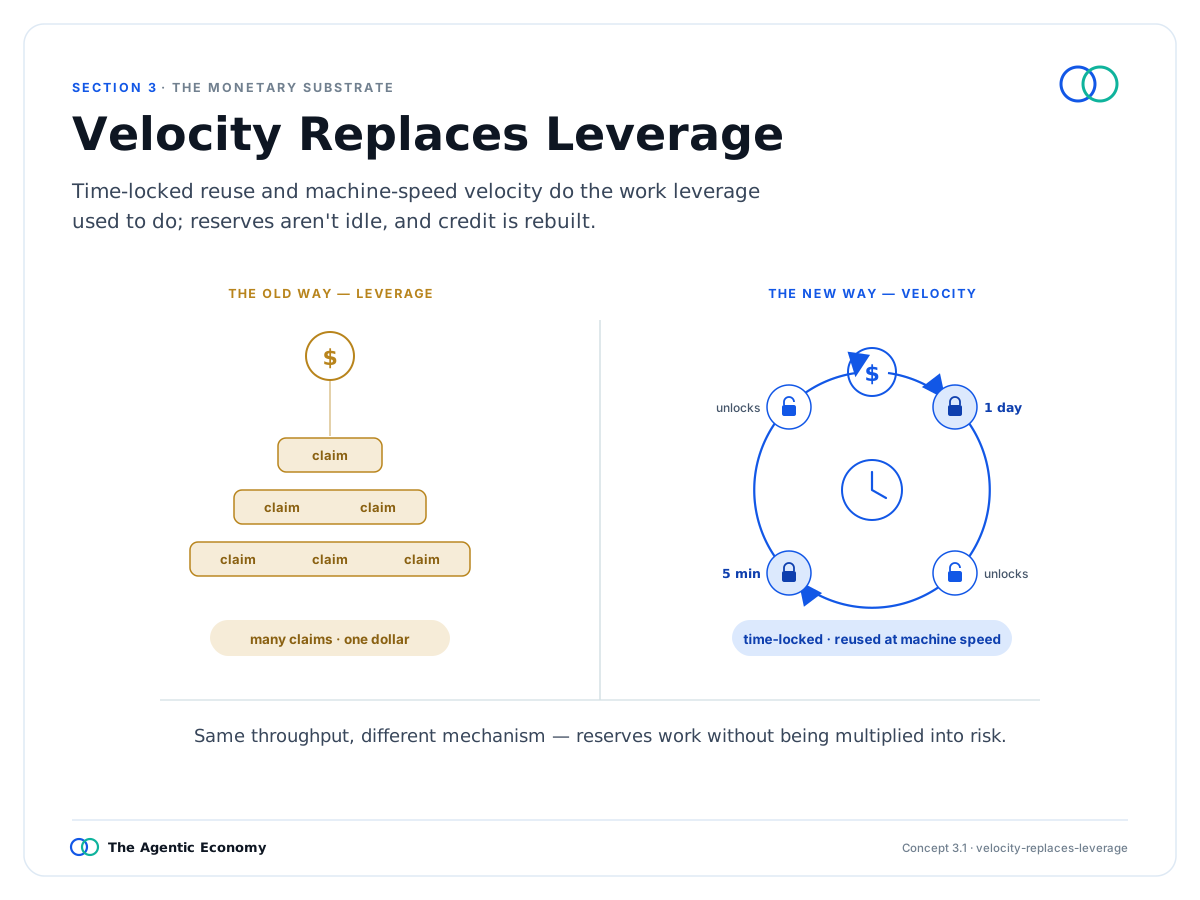
The agentic economy would also require money that software can move continuously, globally, and in very small amounts.
Allaire argues that full-reserve stablecoins settled on open networks are perfect for that role.
Agents need money that can move at machine speed without forcing them to evaluate an issuer’s solvency or the risk of reversal before every transaction.
He says the ideal monetary foundation would combine one-to-one redeemability, stable value, and deterministic settlement finality.
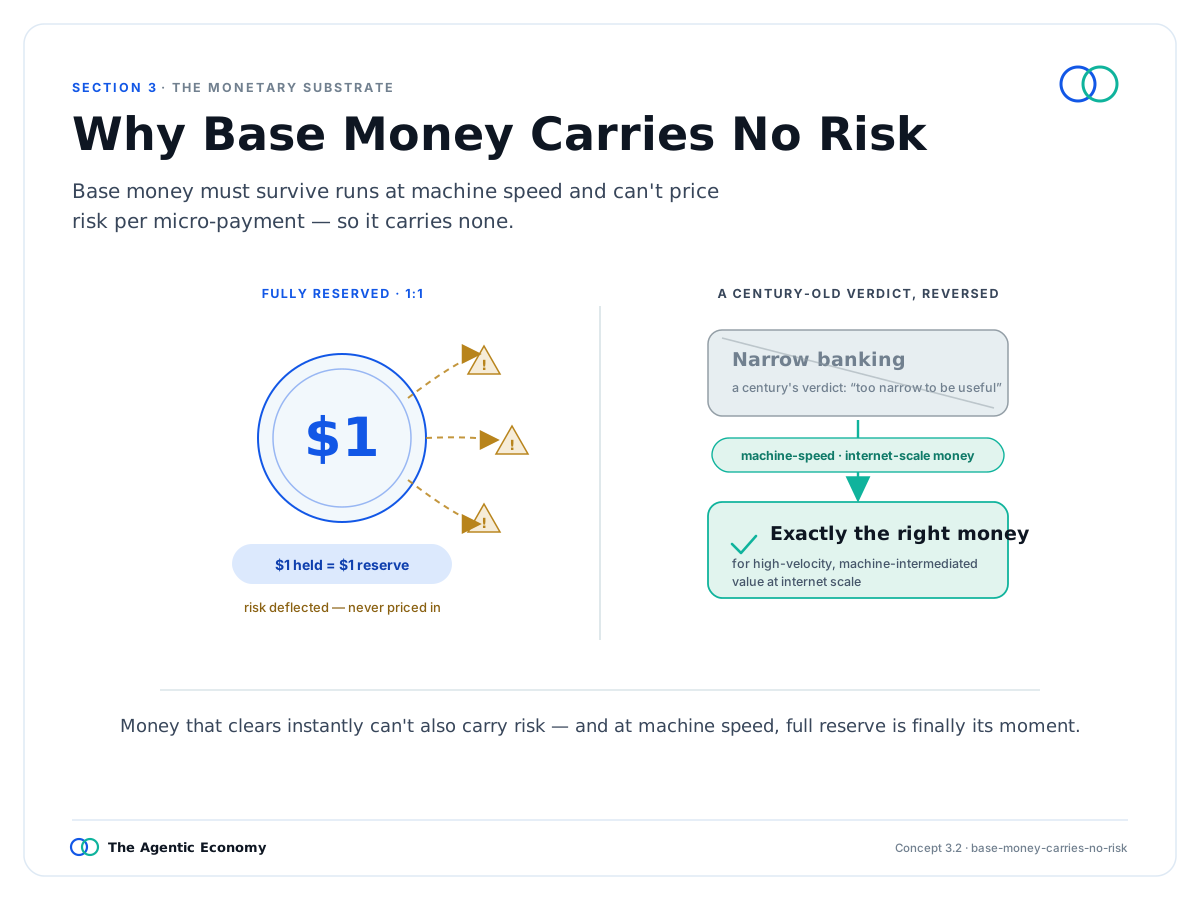
Credit, yield products, and insurance could then be built as separate layers above the base asset rather than embedding risk directly into the money itself.
Allaire also envisions AI agents acting as underwriters, treasury managers, and participants in onchain credit markets.
Software could evaluate borrowers using real-time financial data, price risk, extend short-duration working capital, and manage repayments through smart contracts.
The broader conclusion is that AI and blockchain are not separate technological trends.
In Allaire’s view, AI supplies the intelligence needed to conduct economic activity at machine speed, while blockchain provides the infrastructure for agents to transact, coordinate, and settle value.
Top Trending Crypto Articles