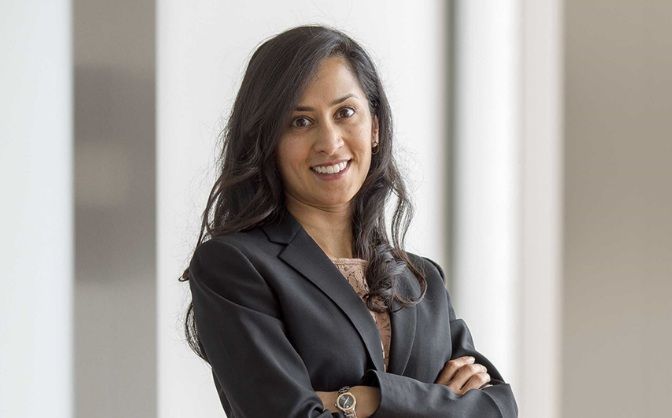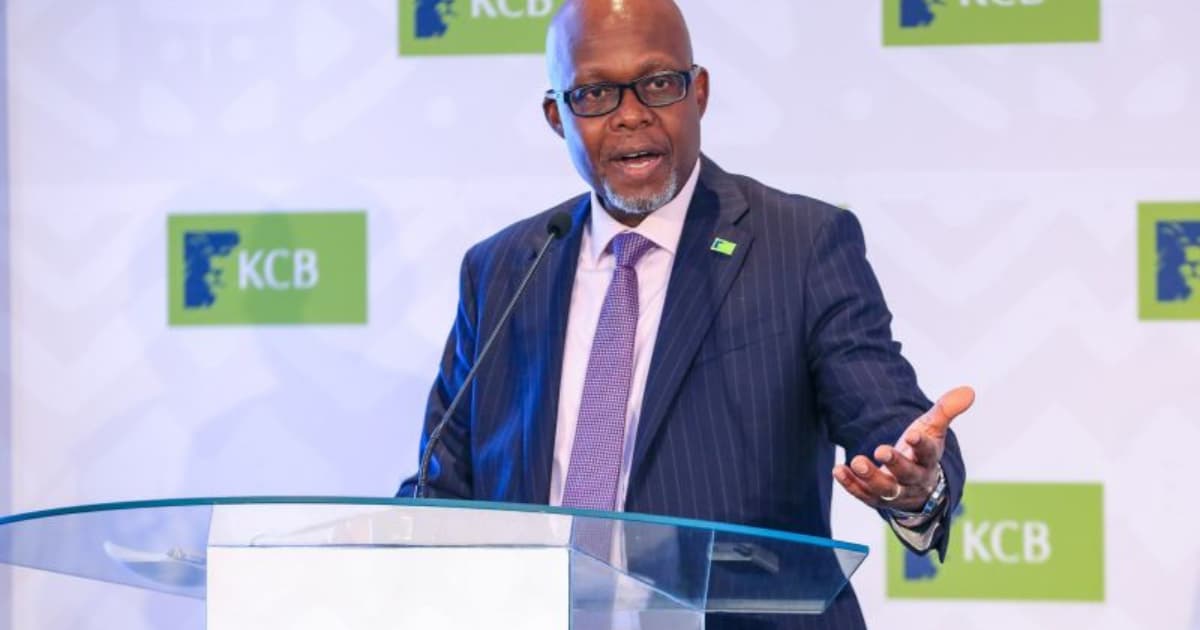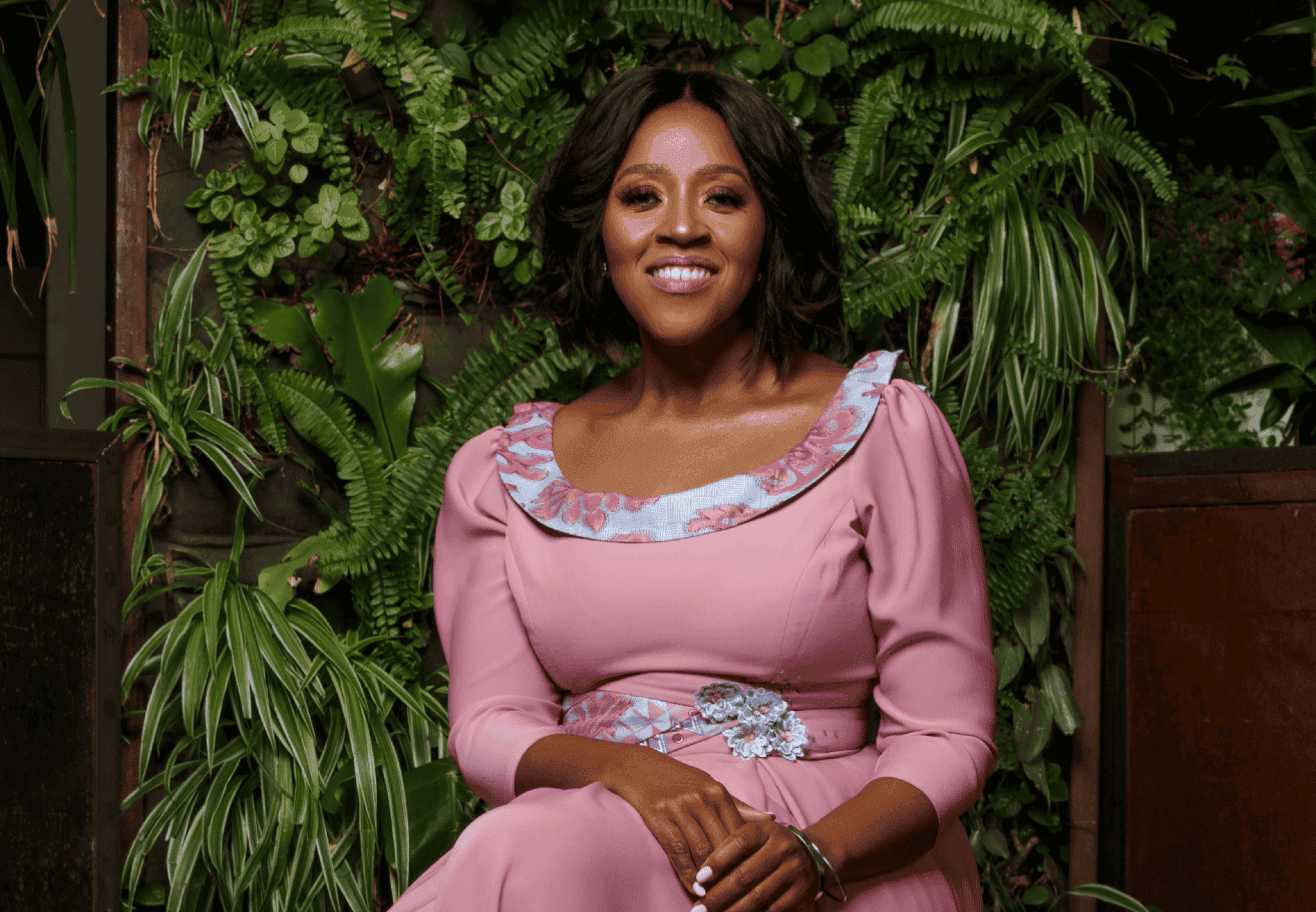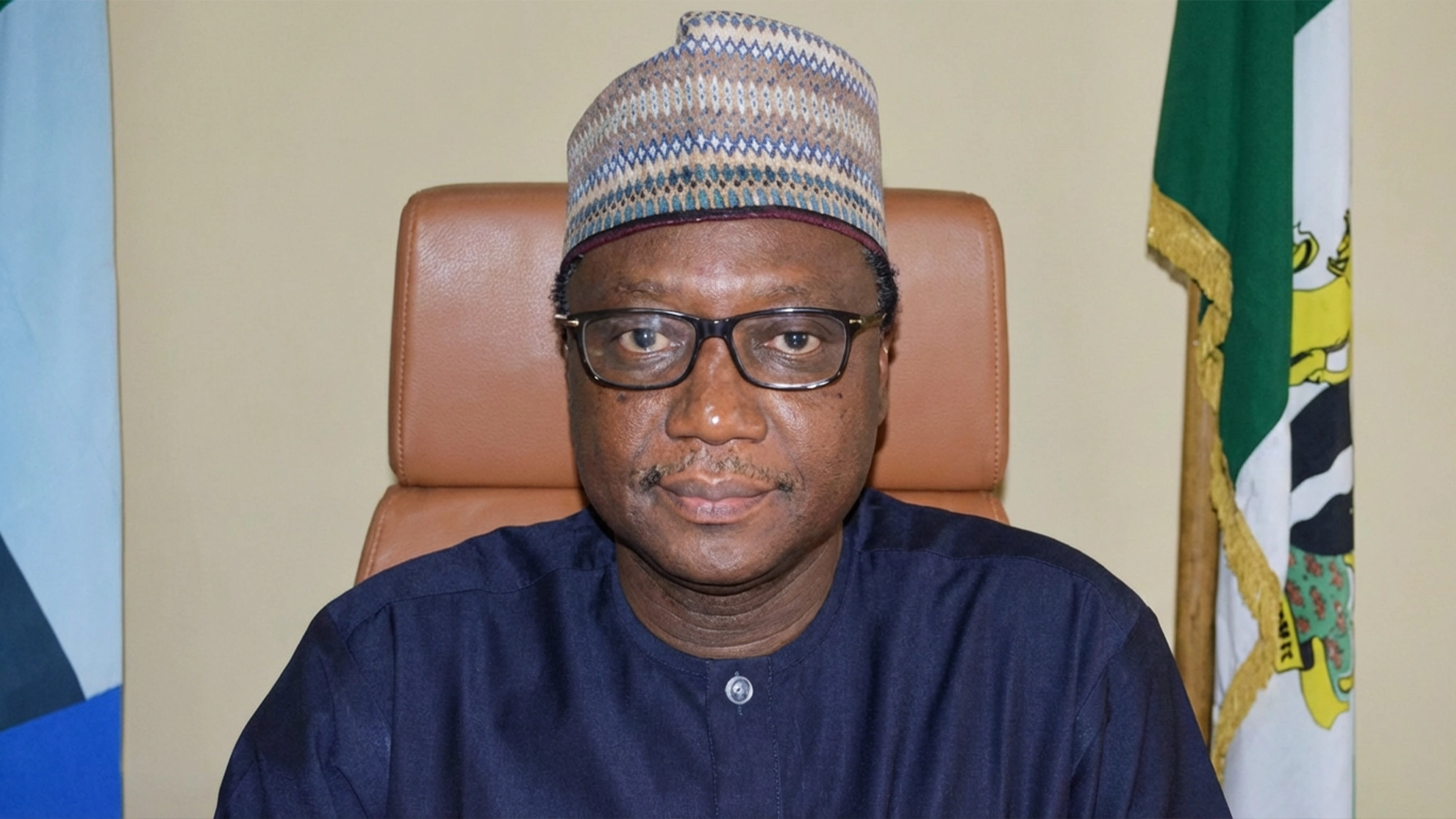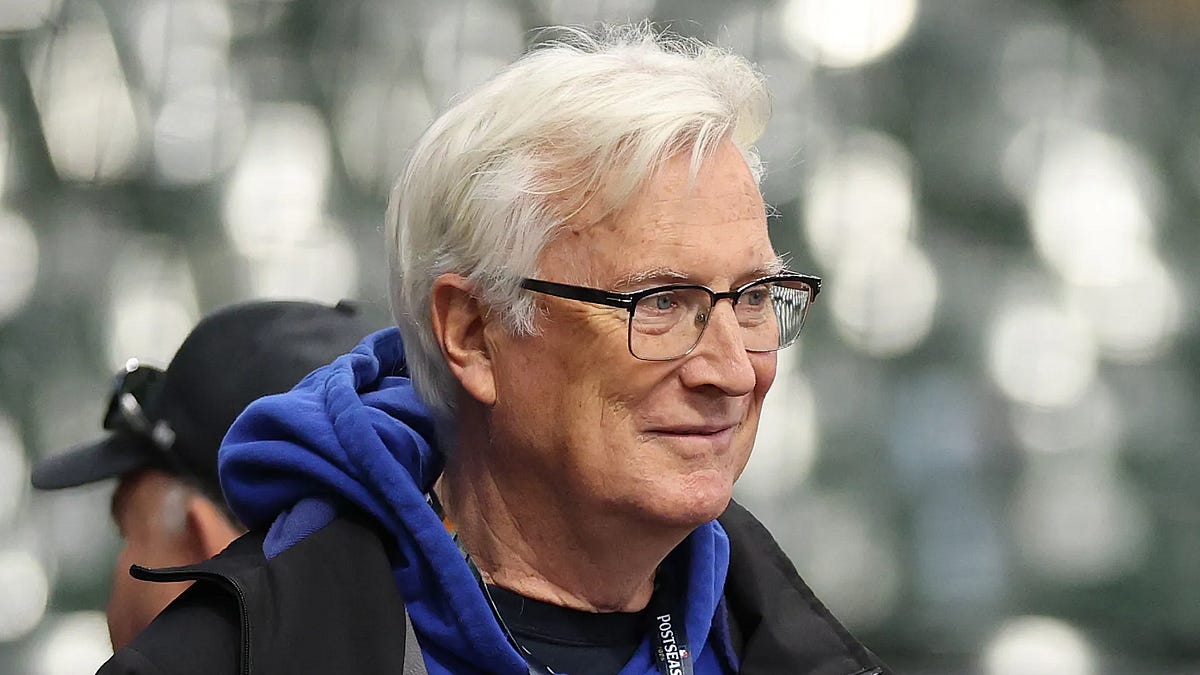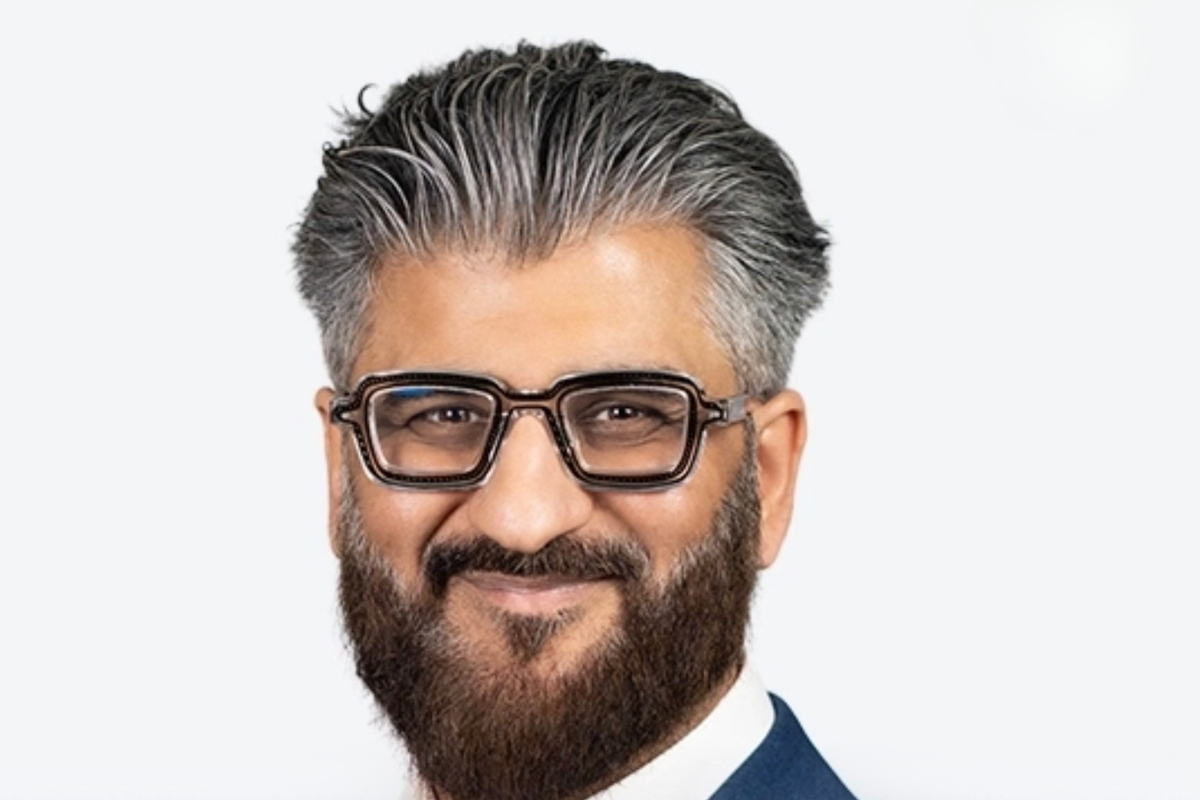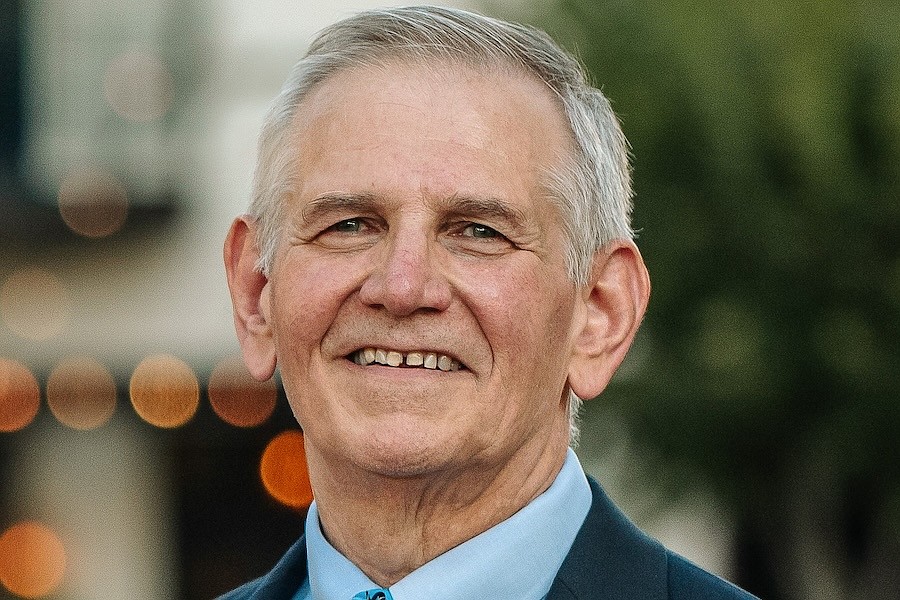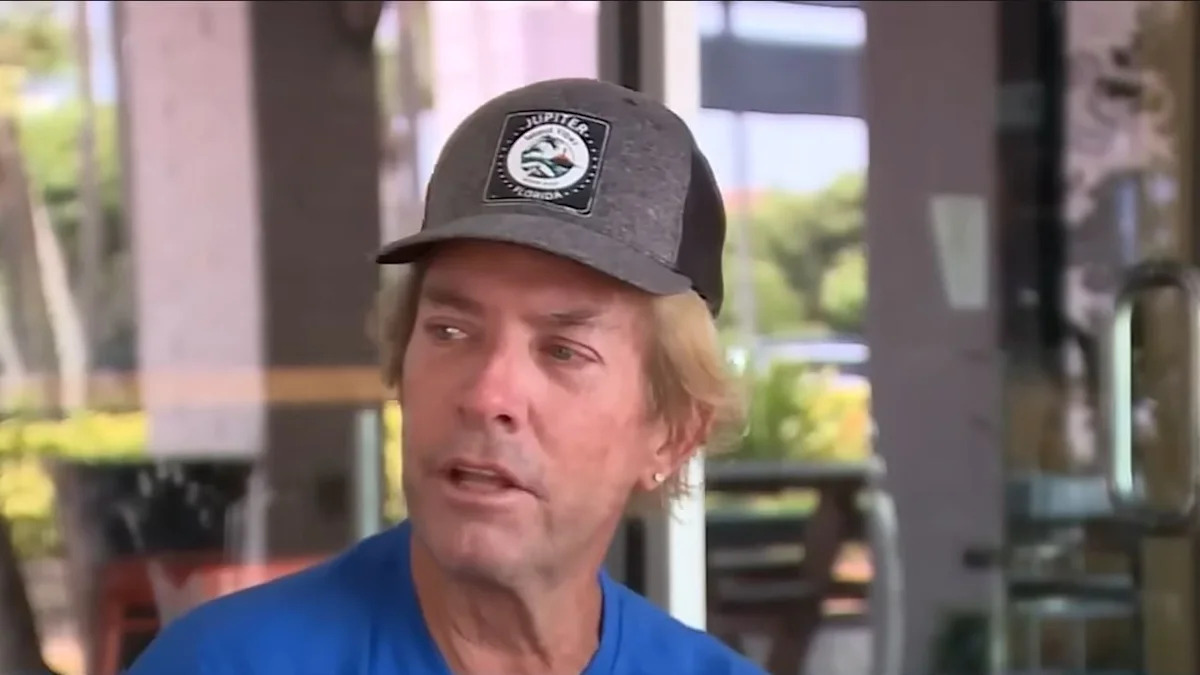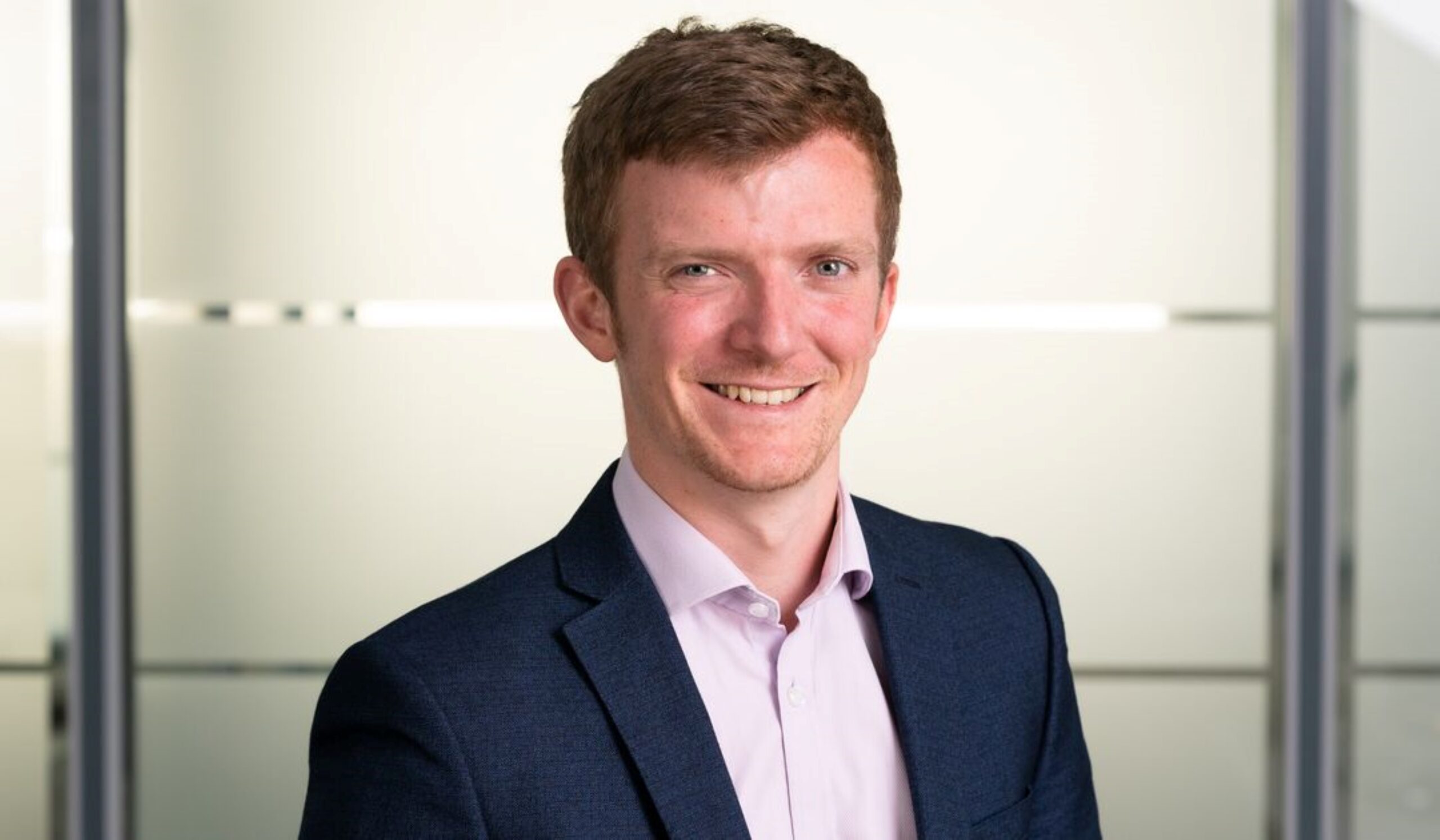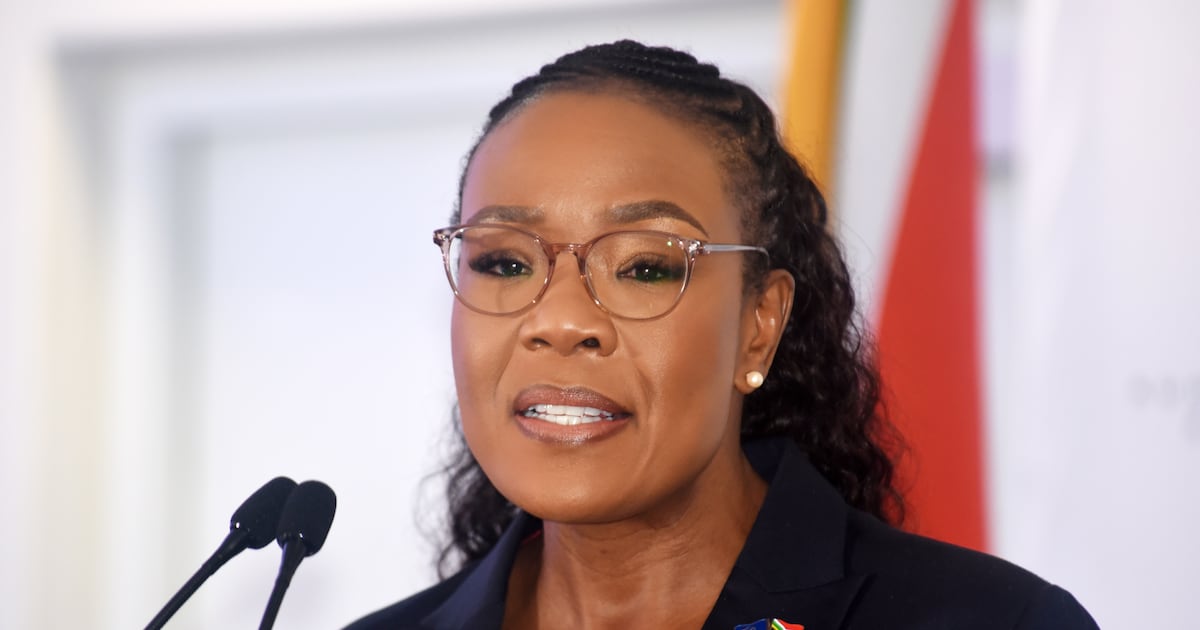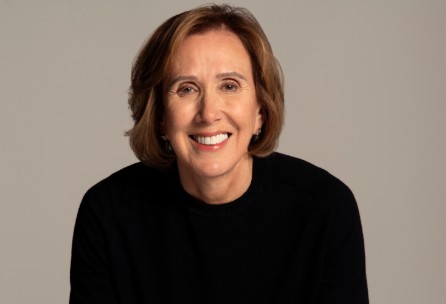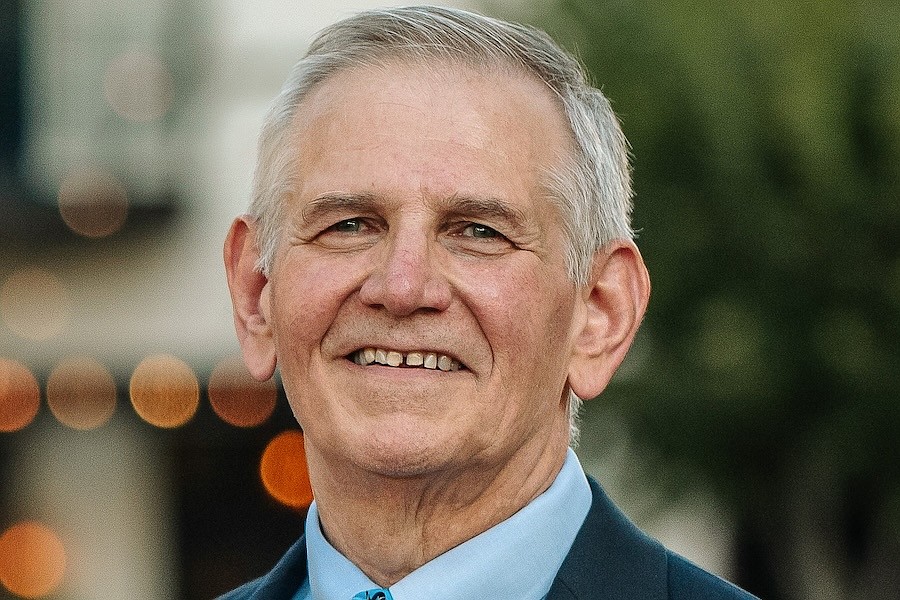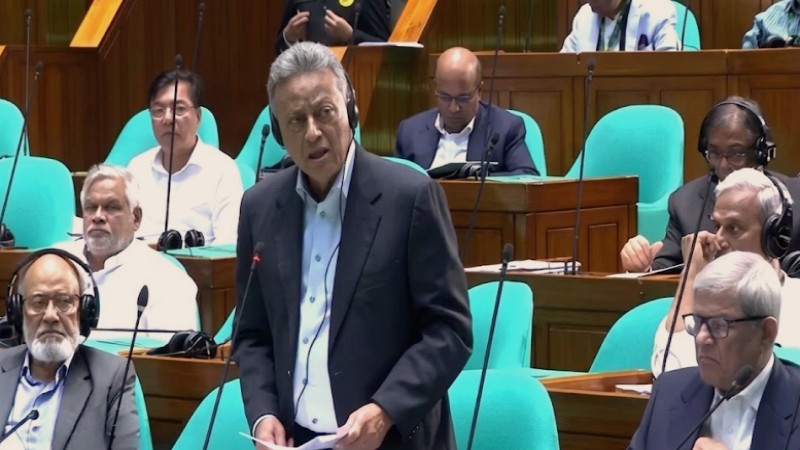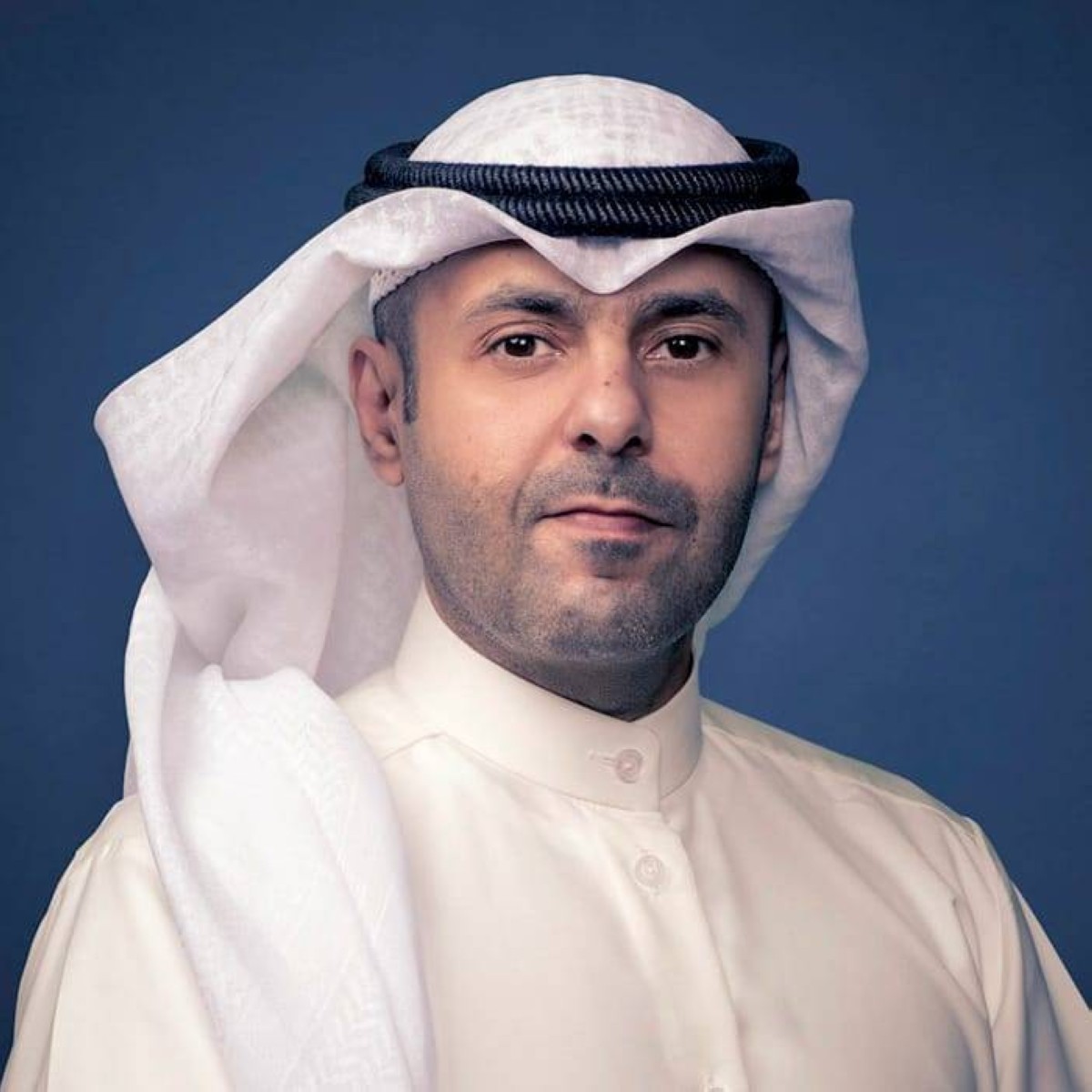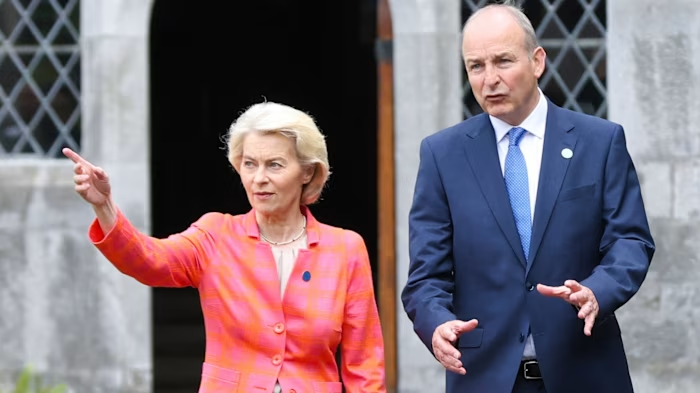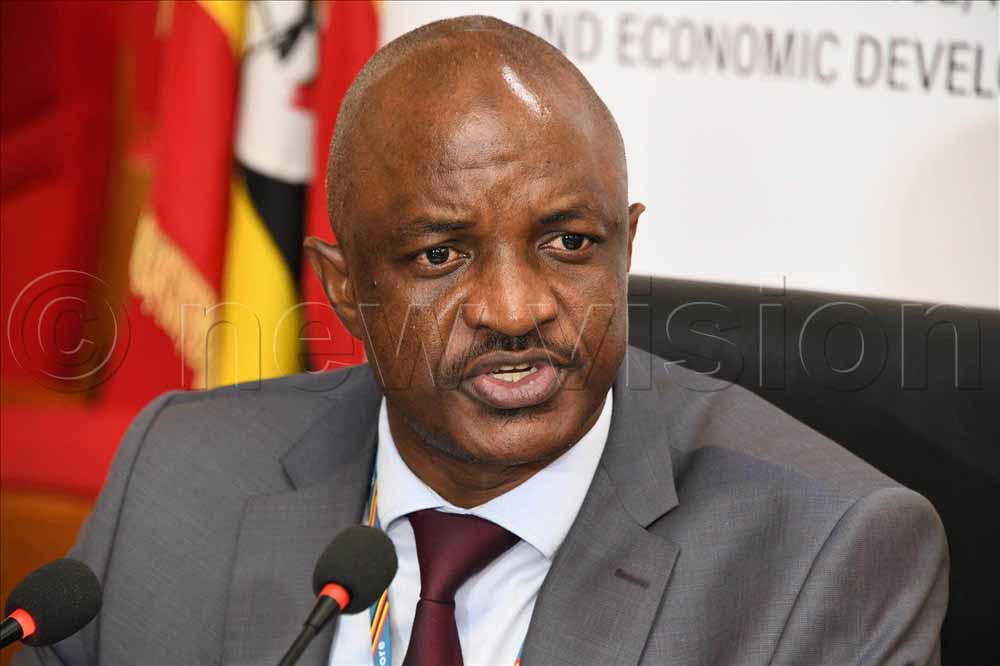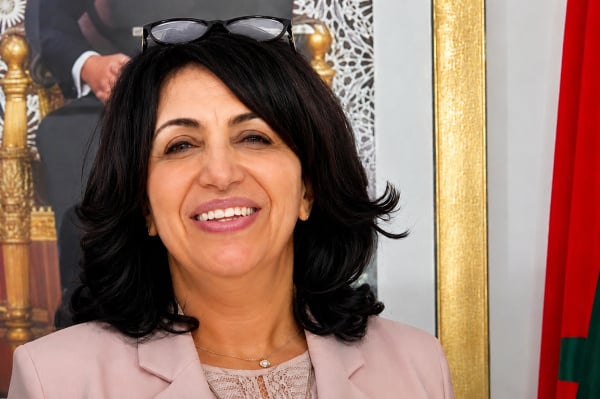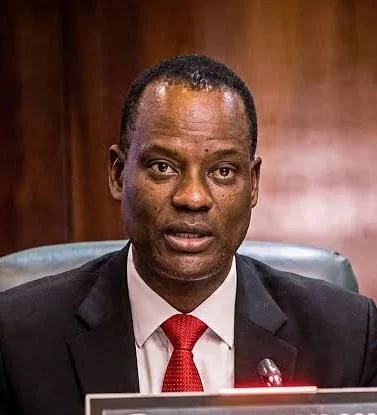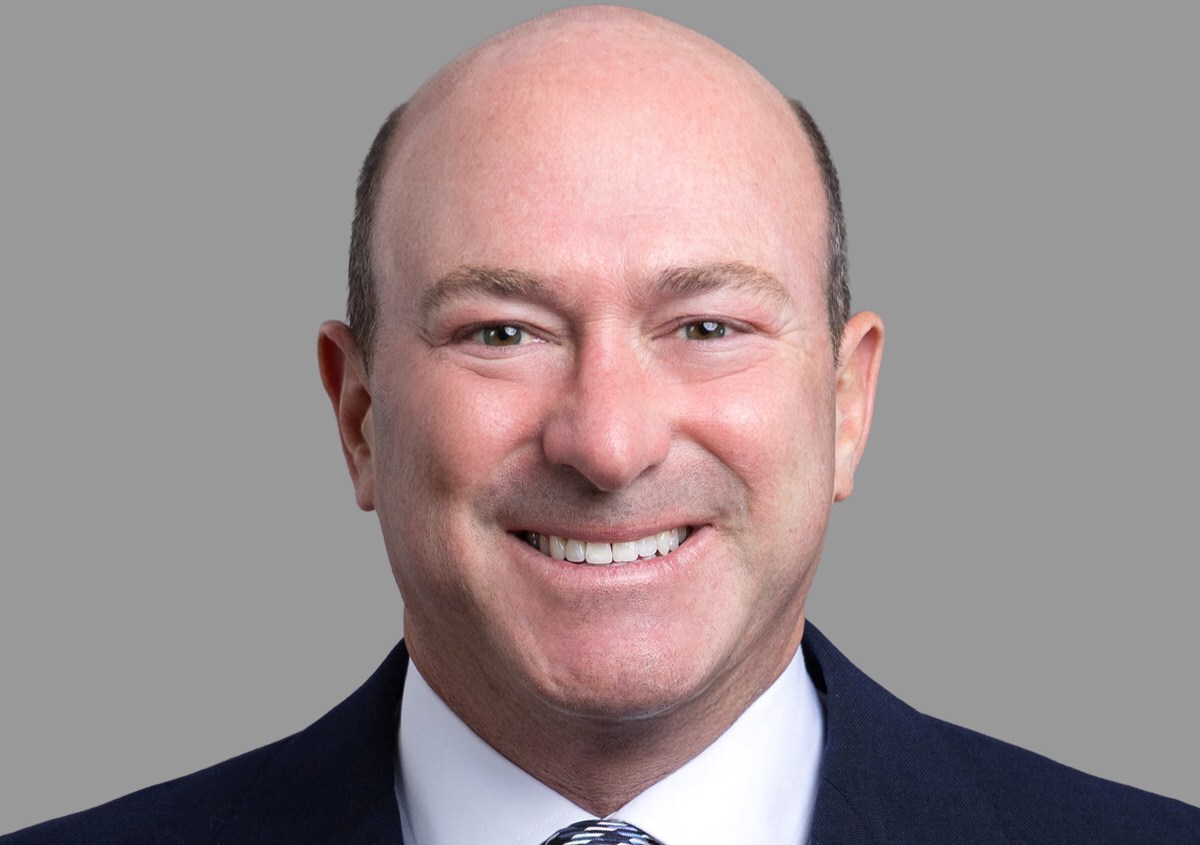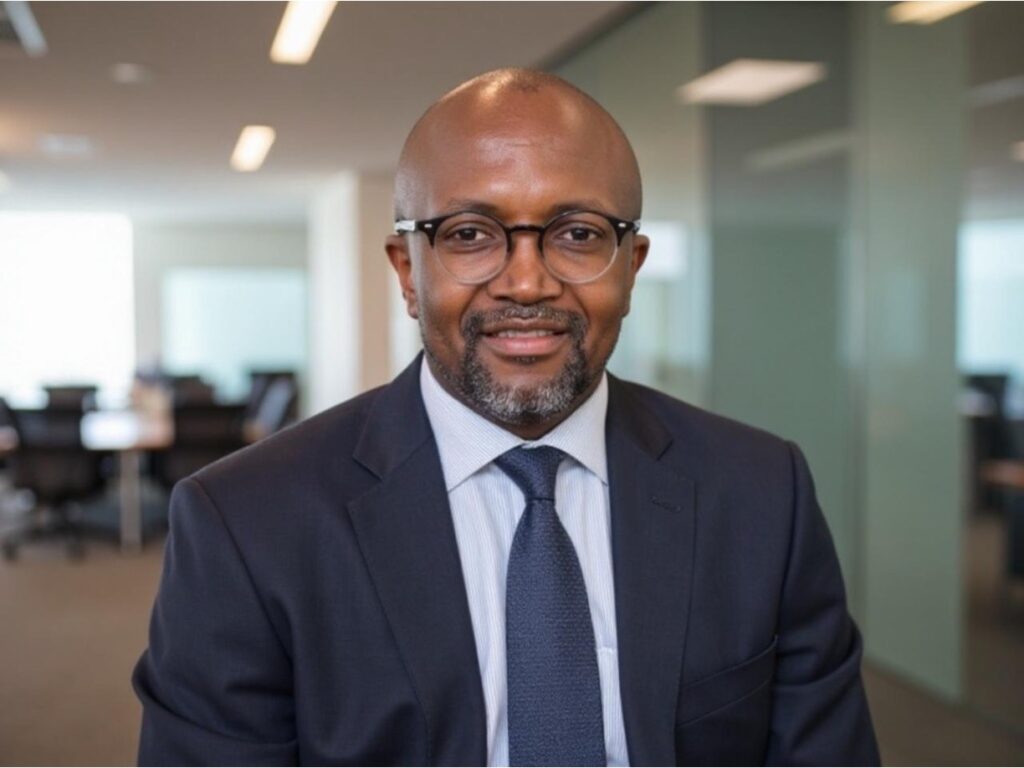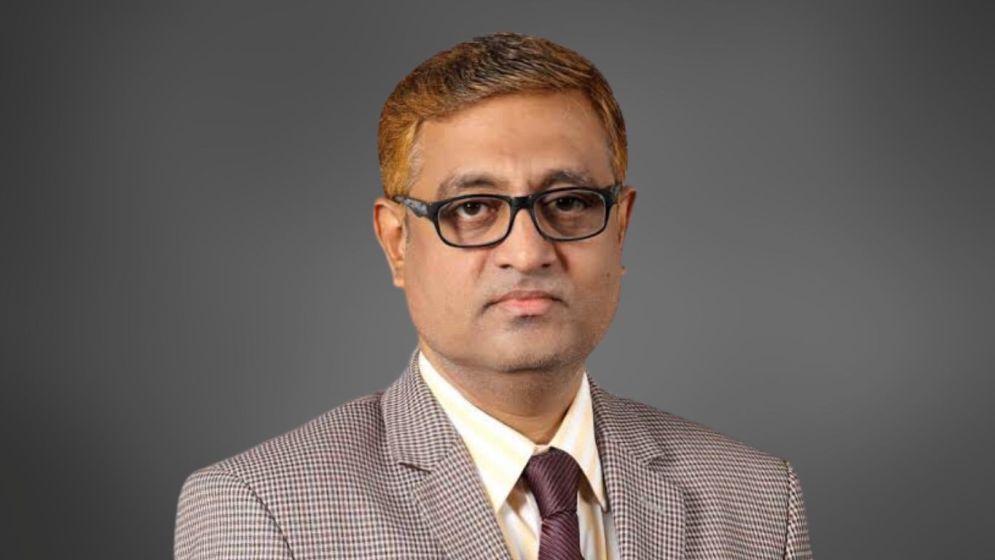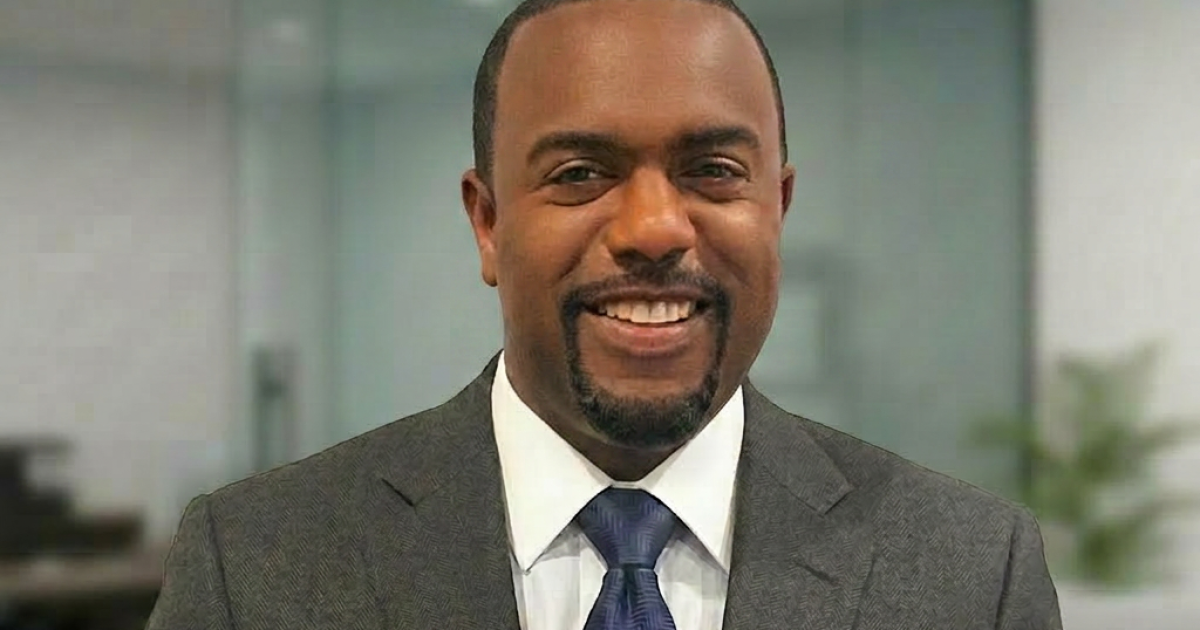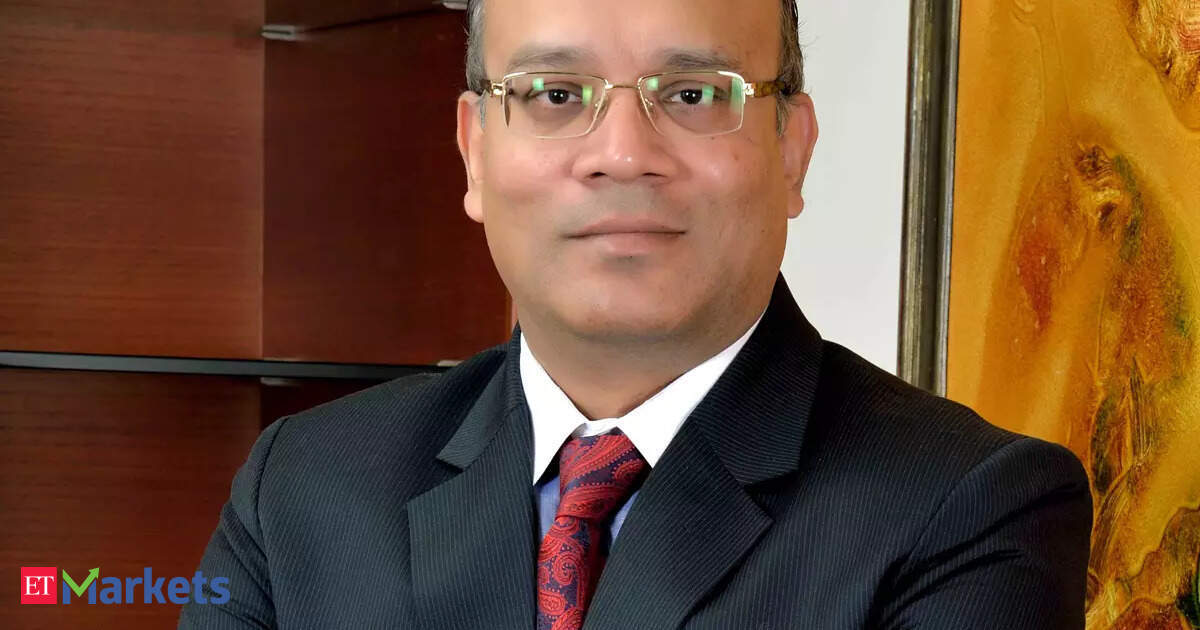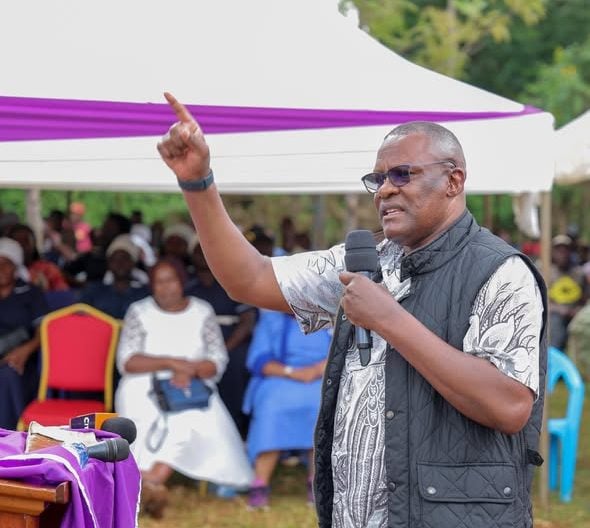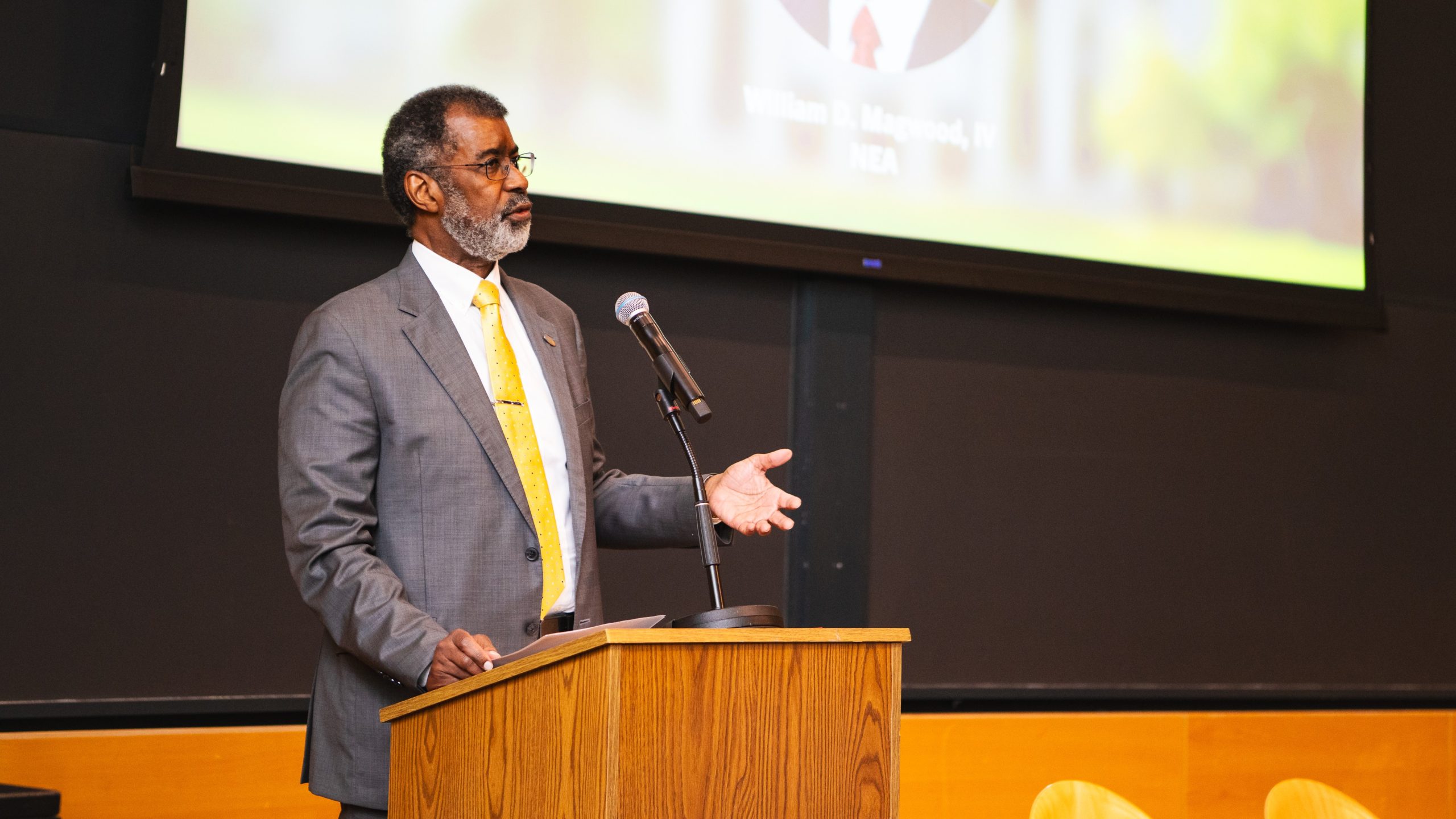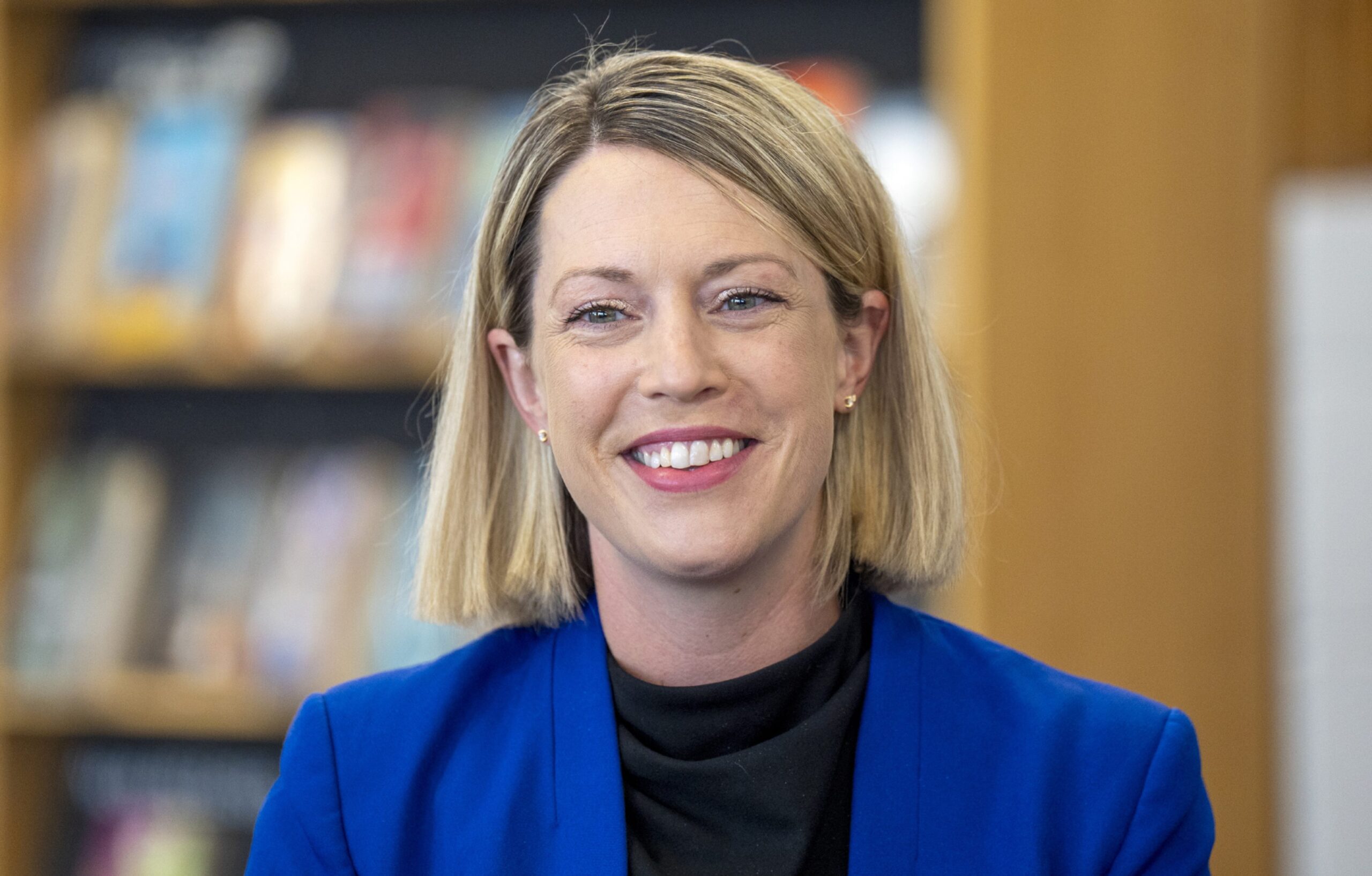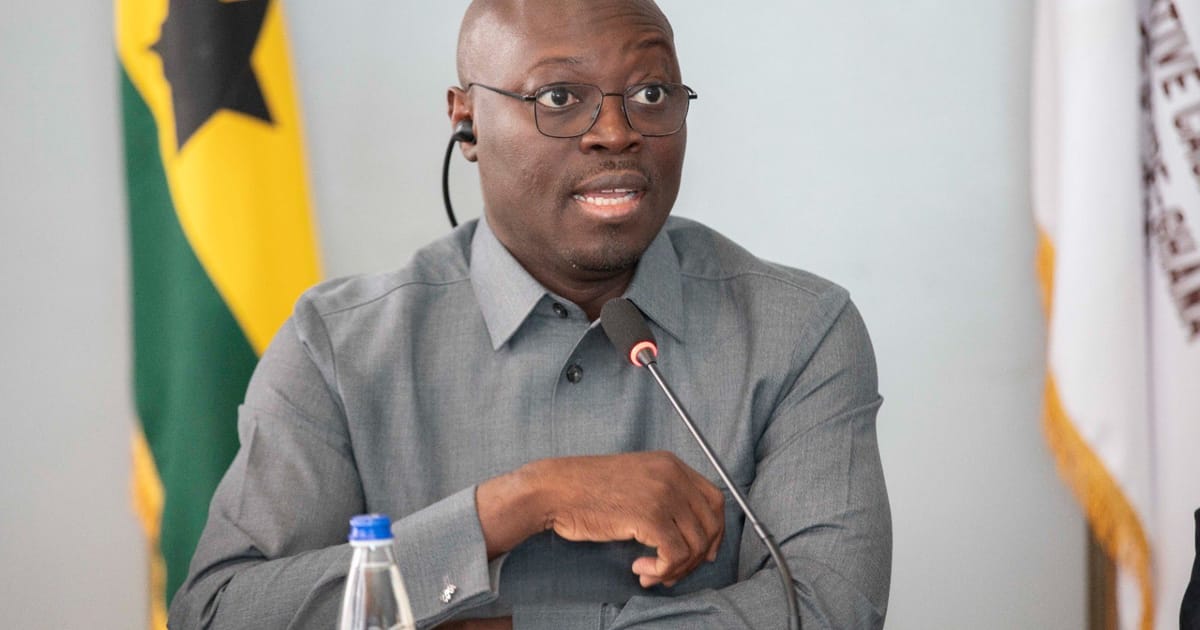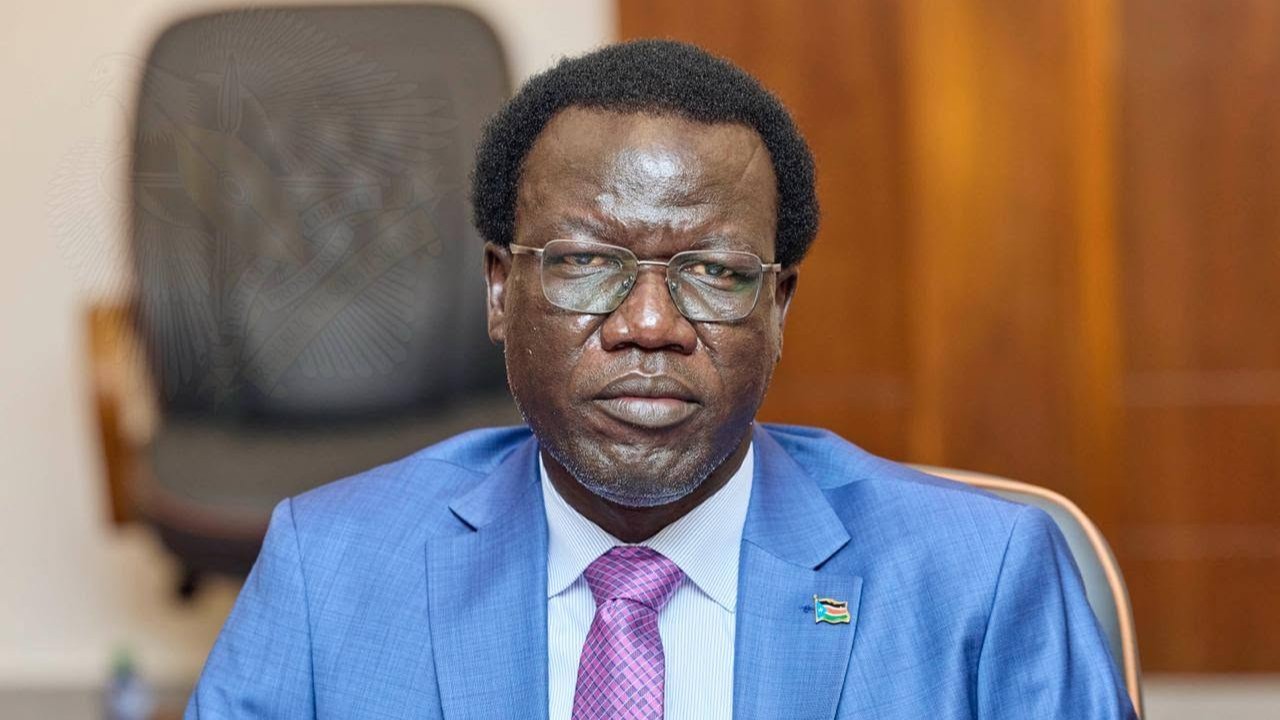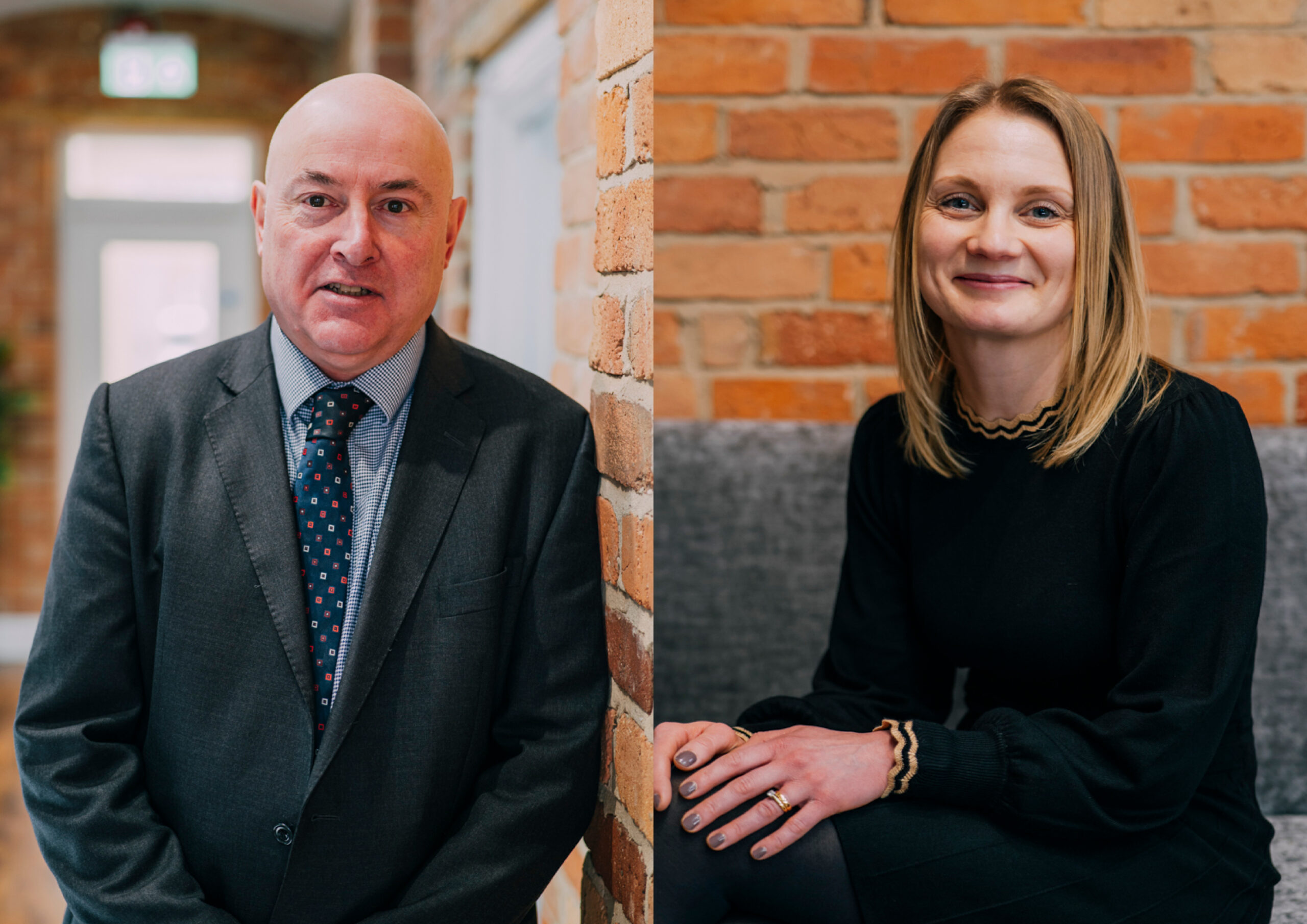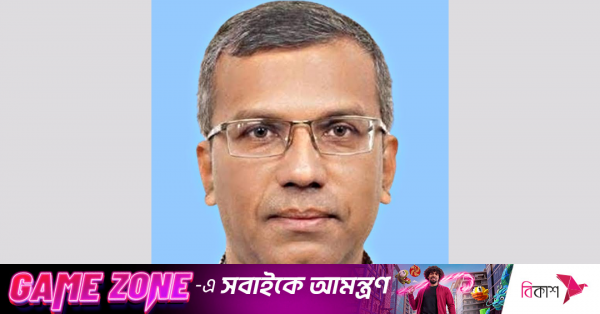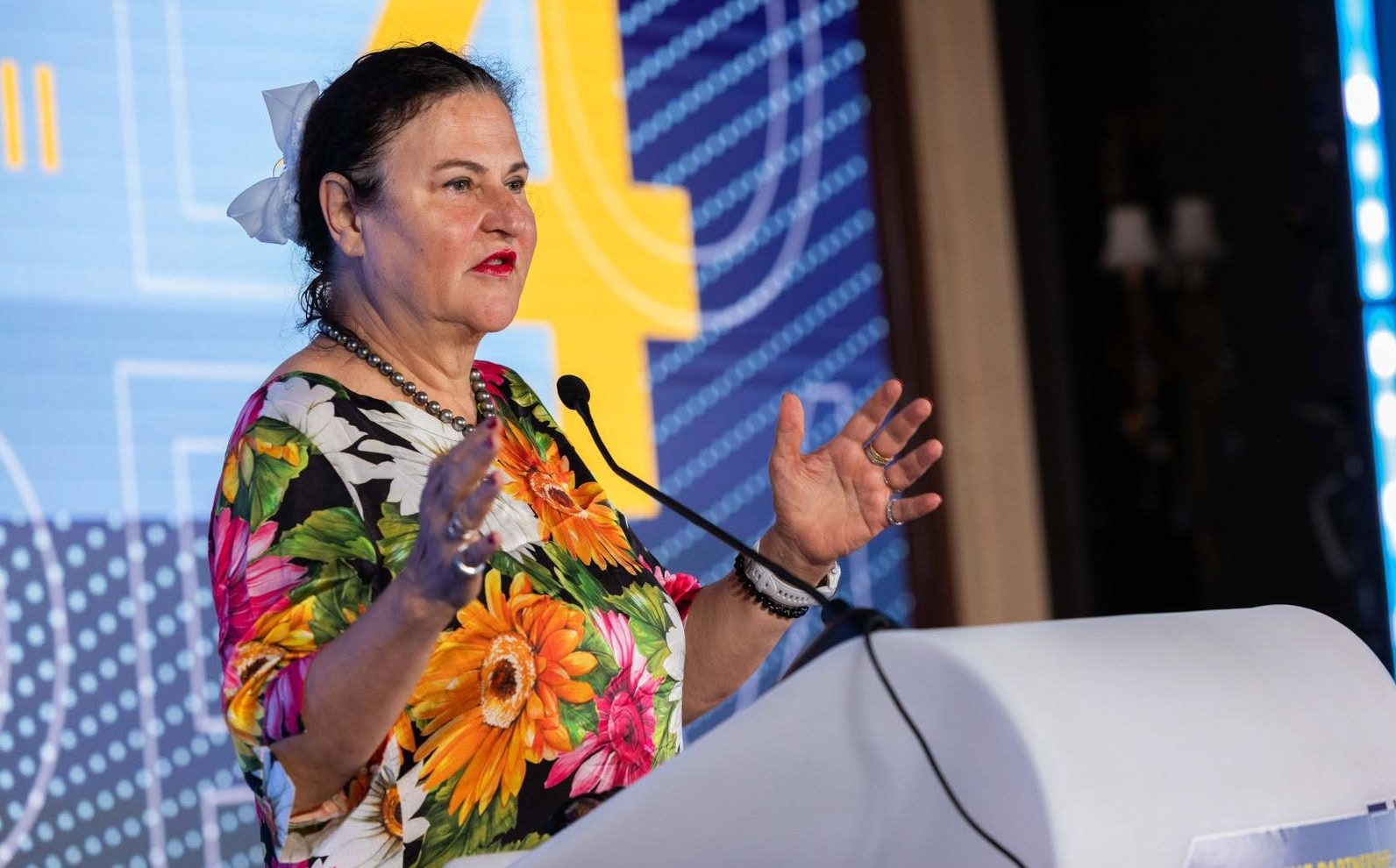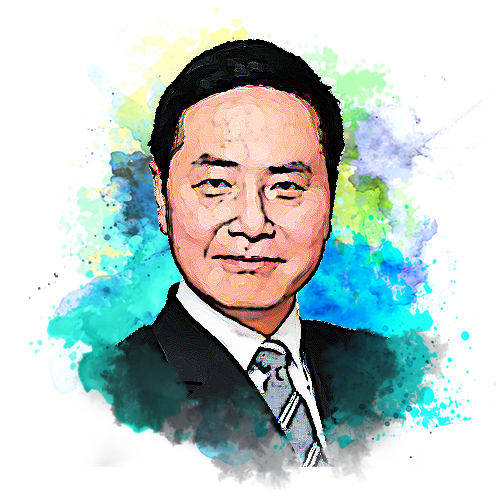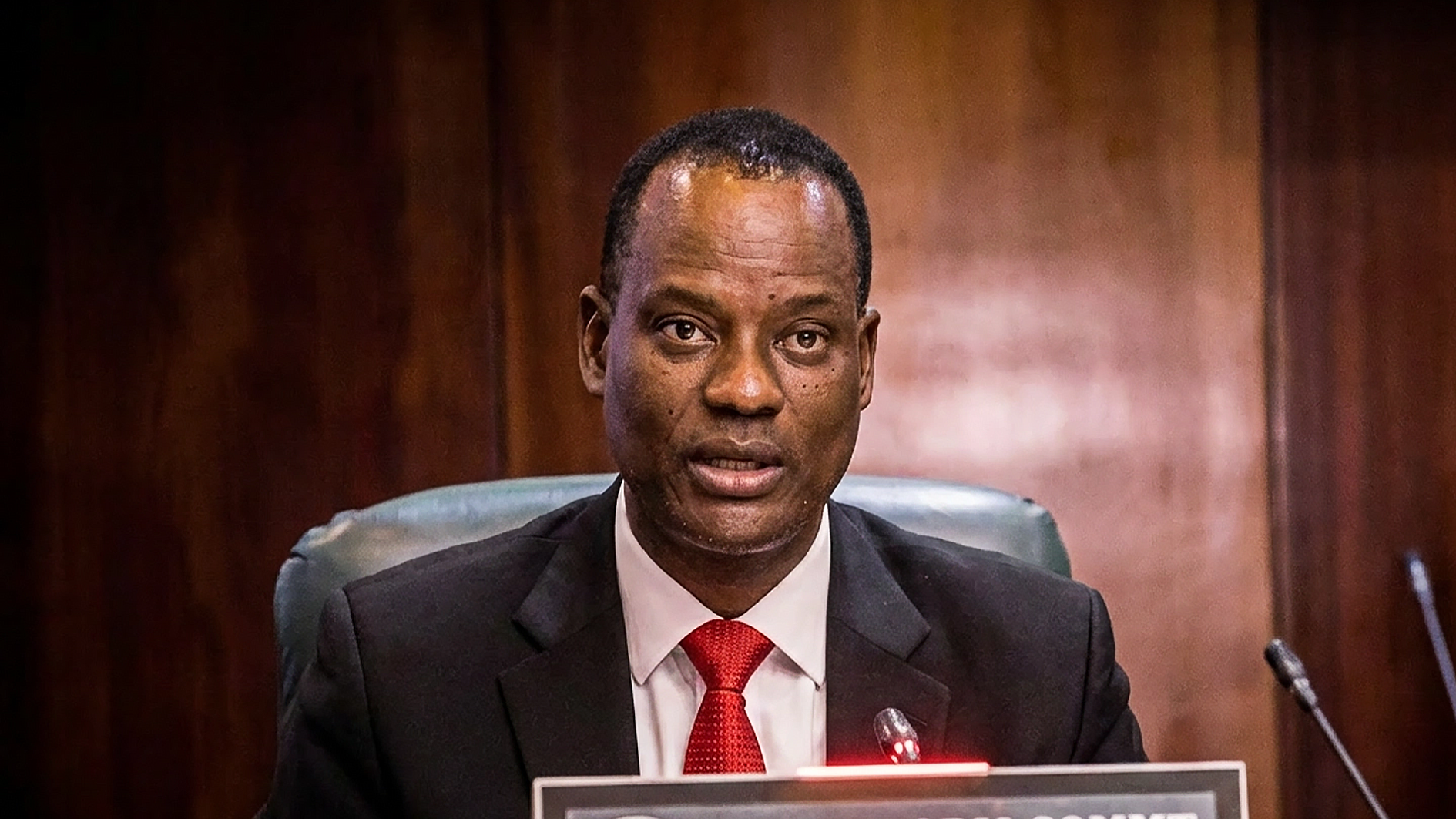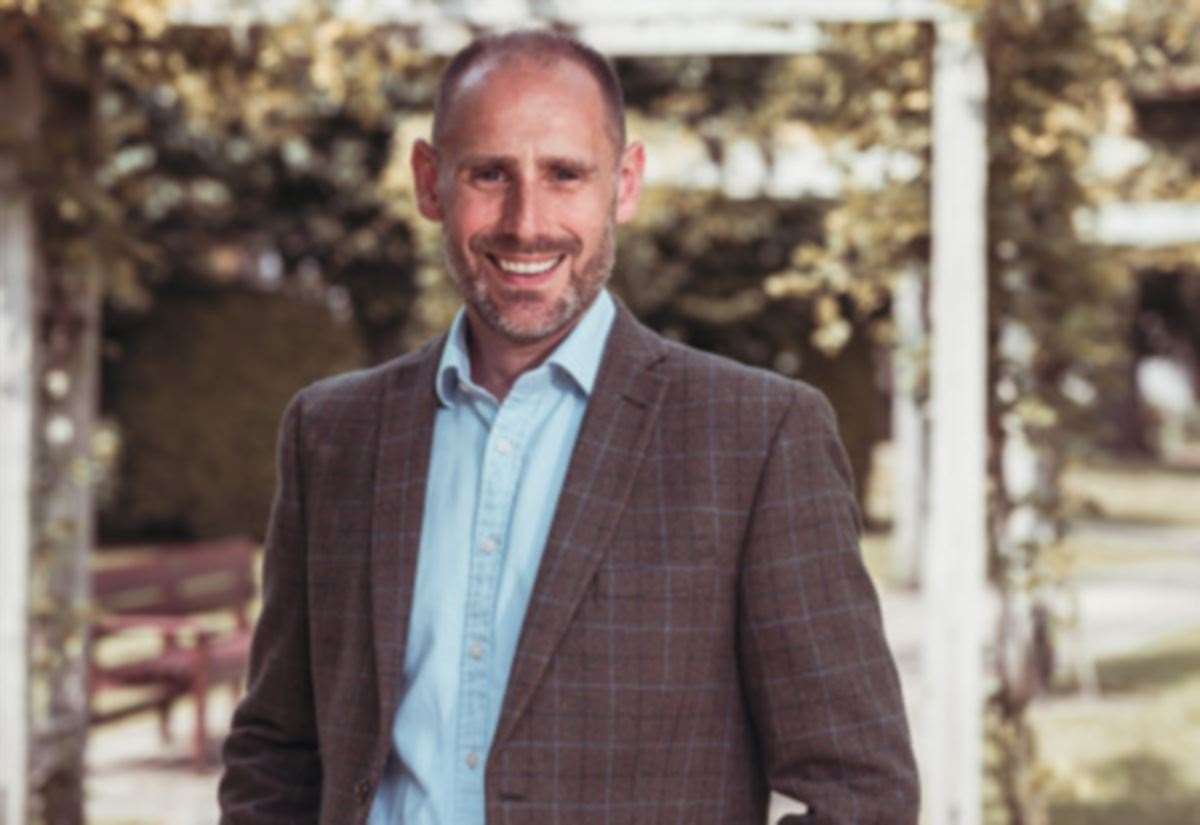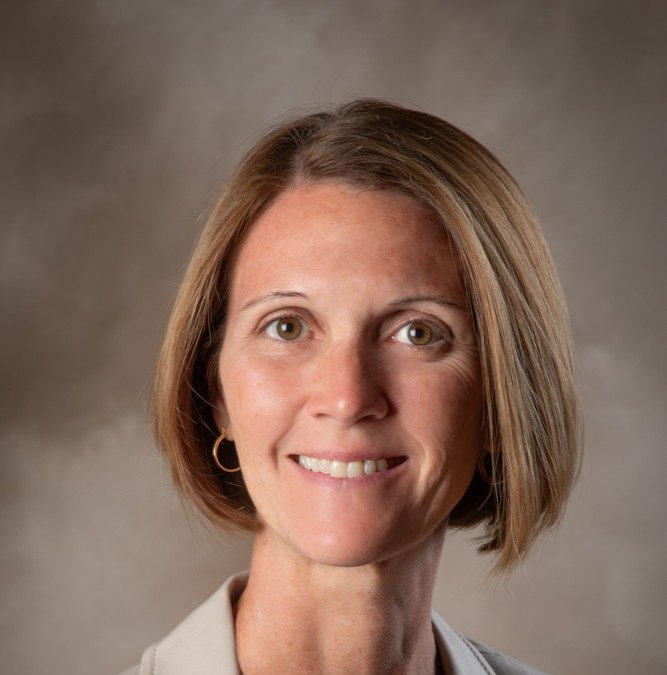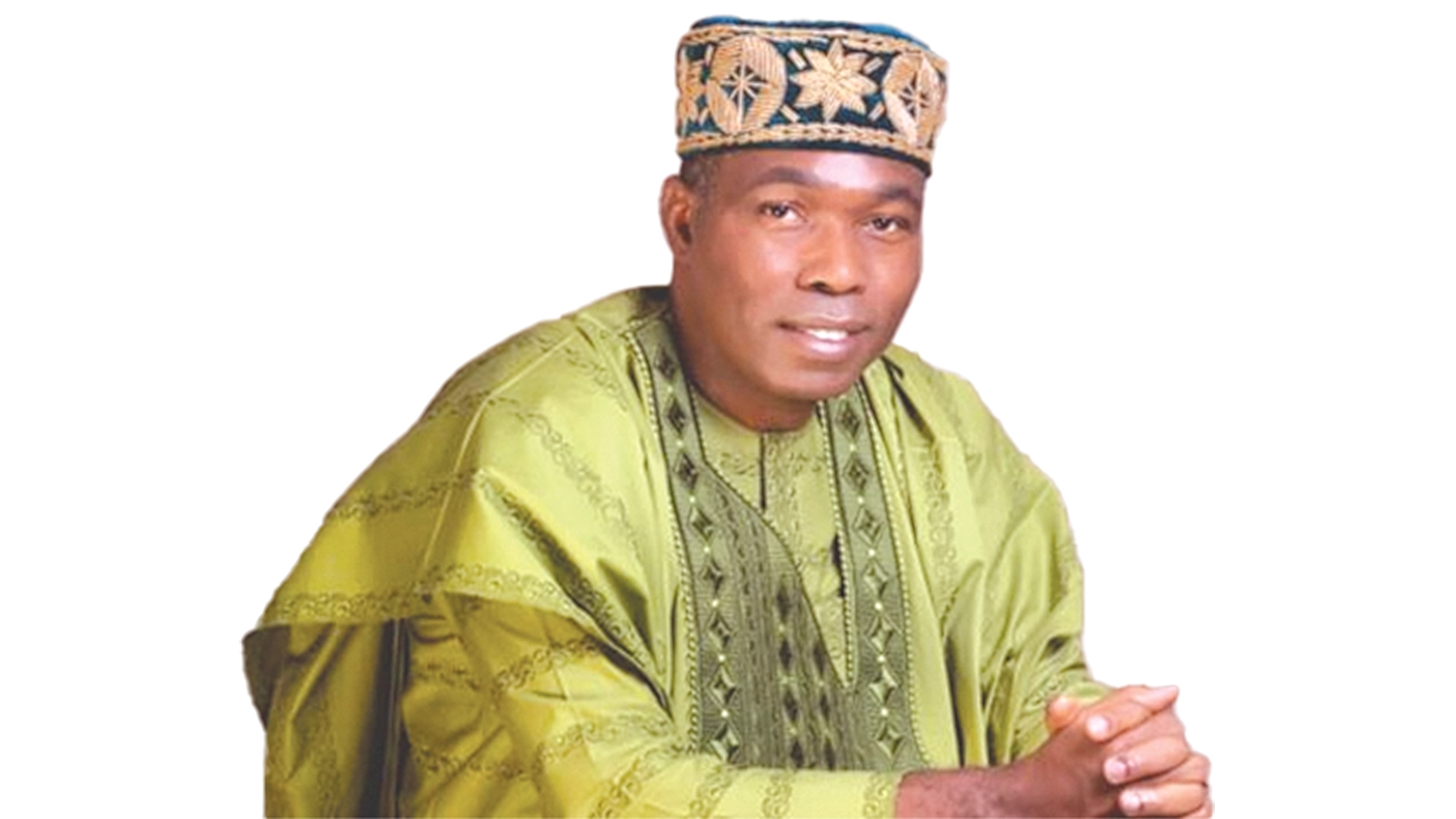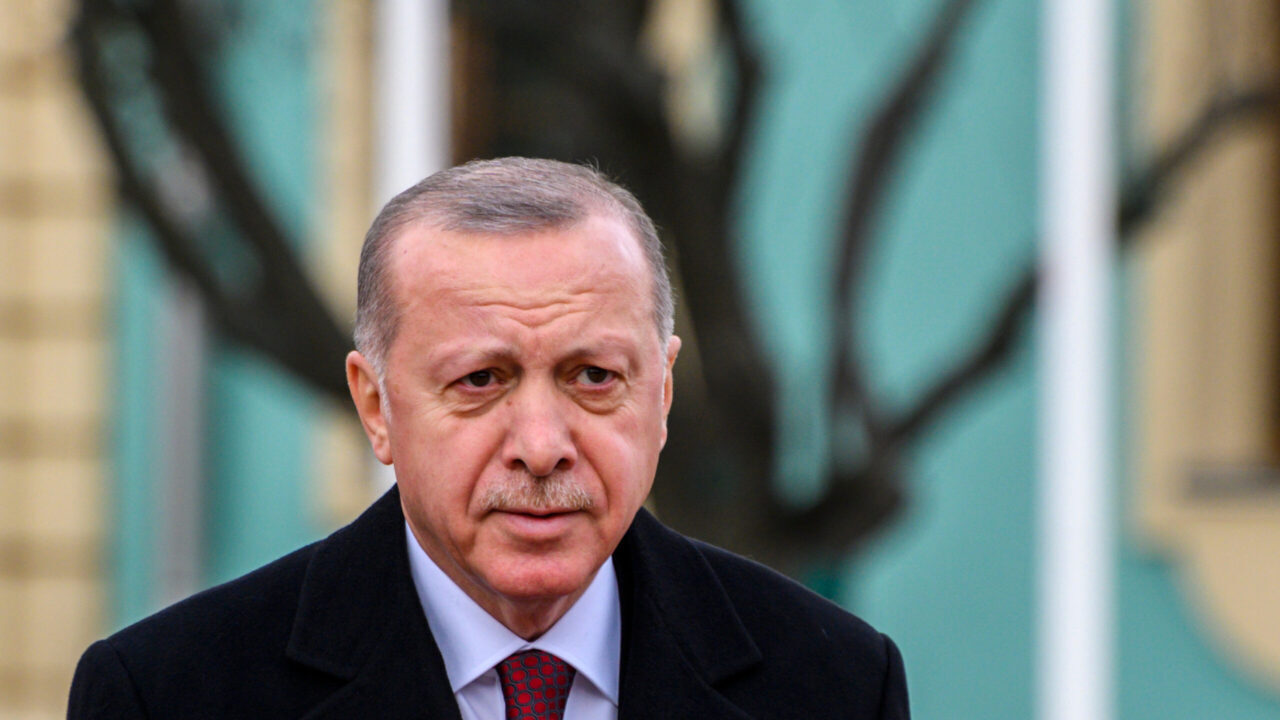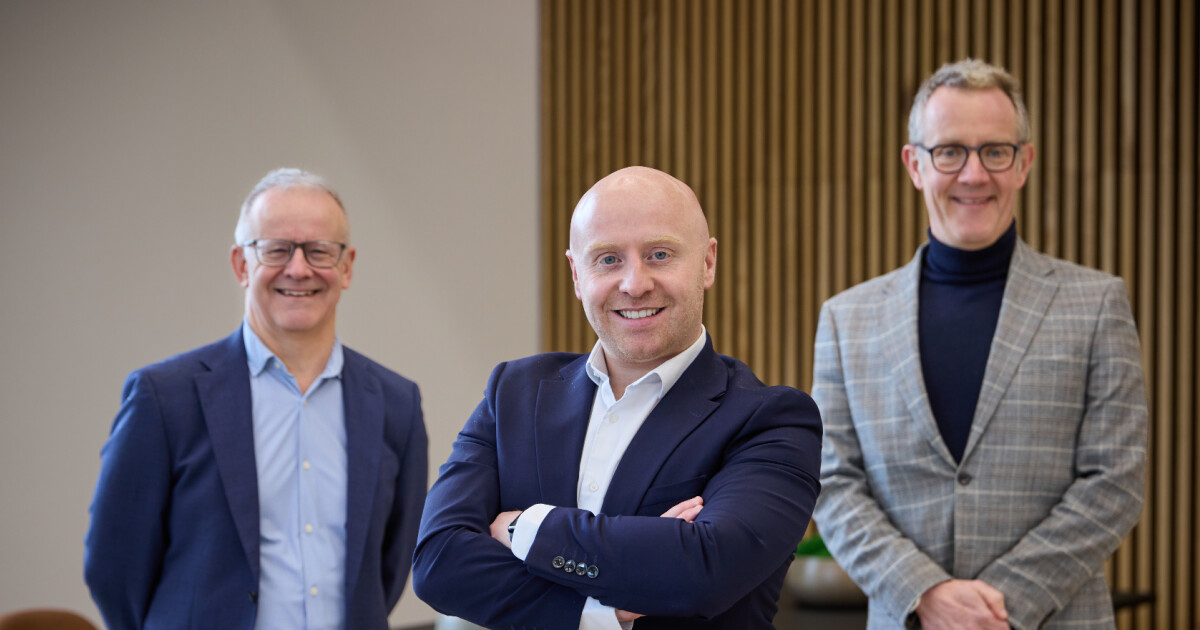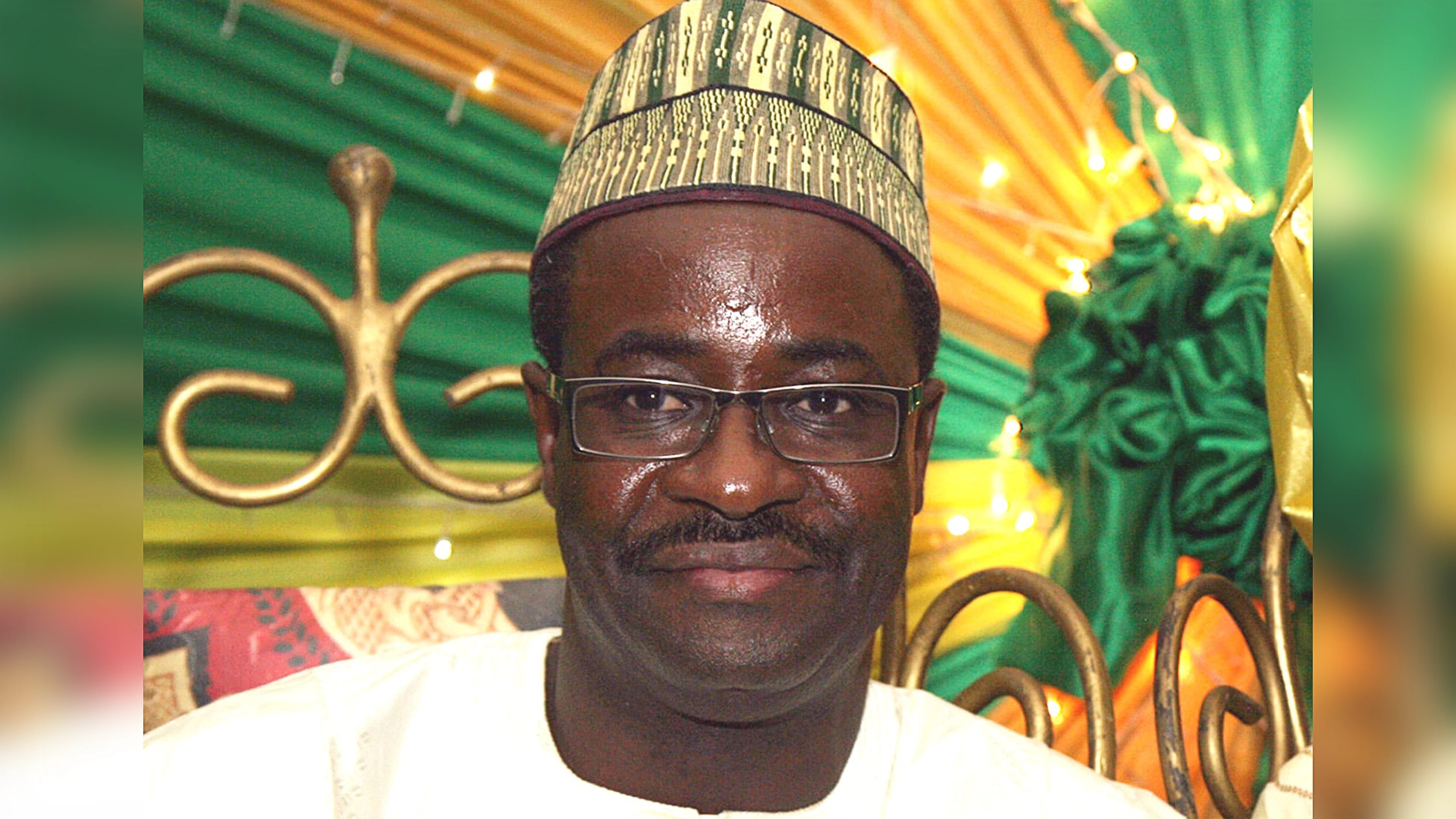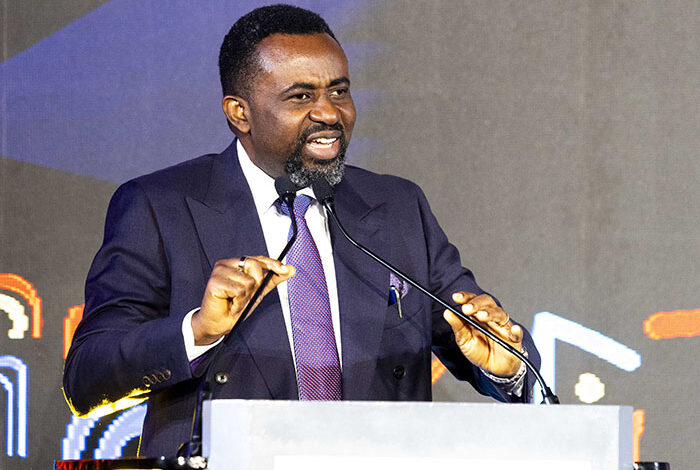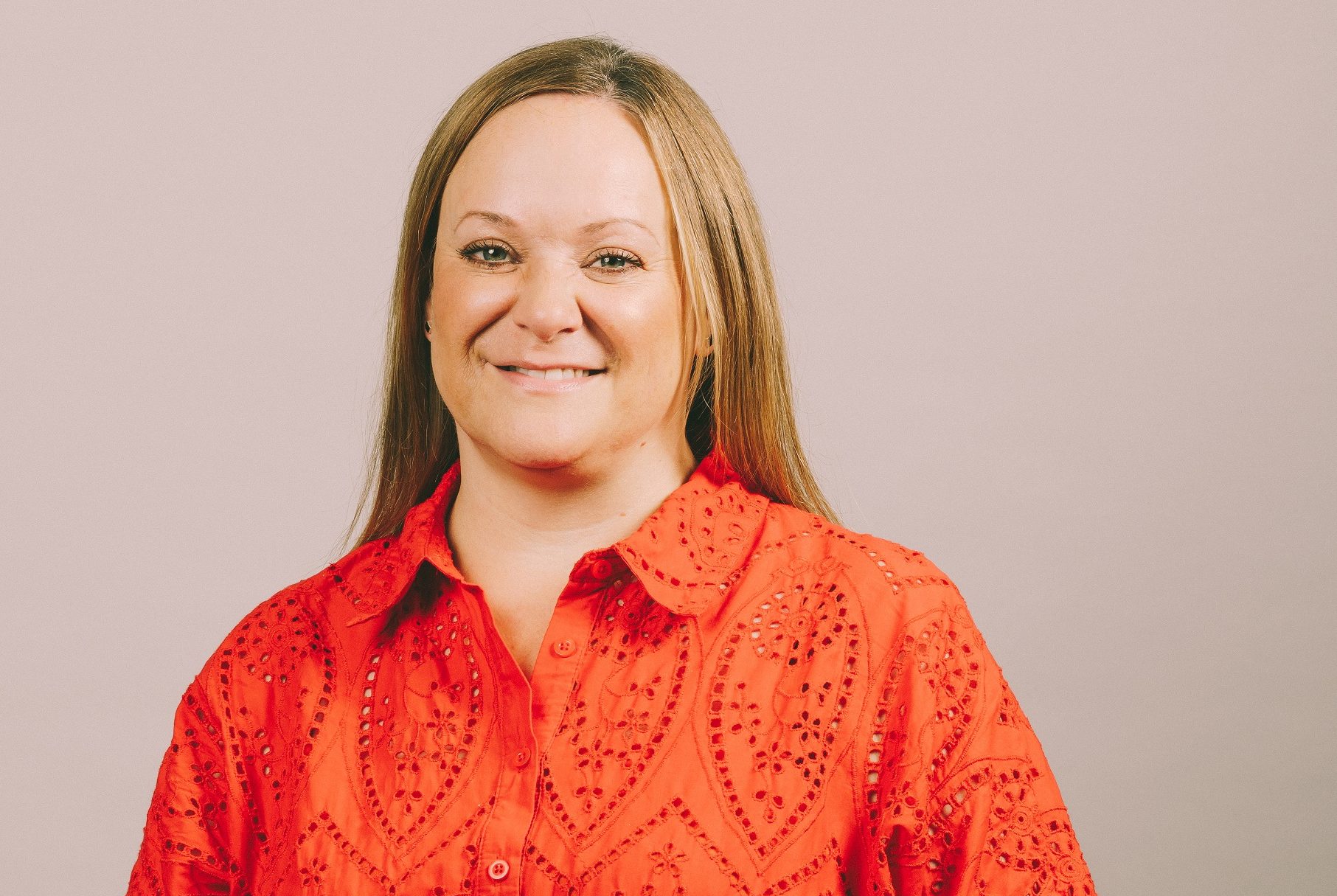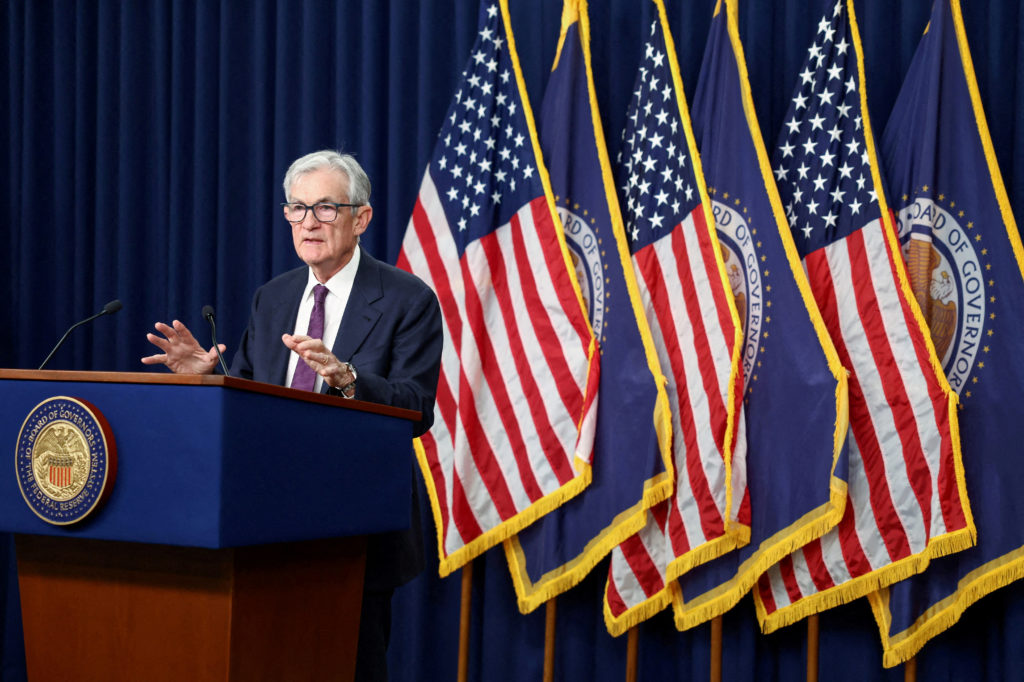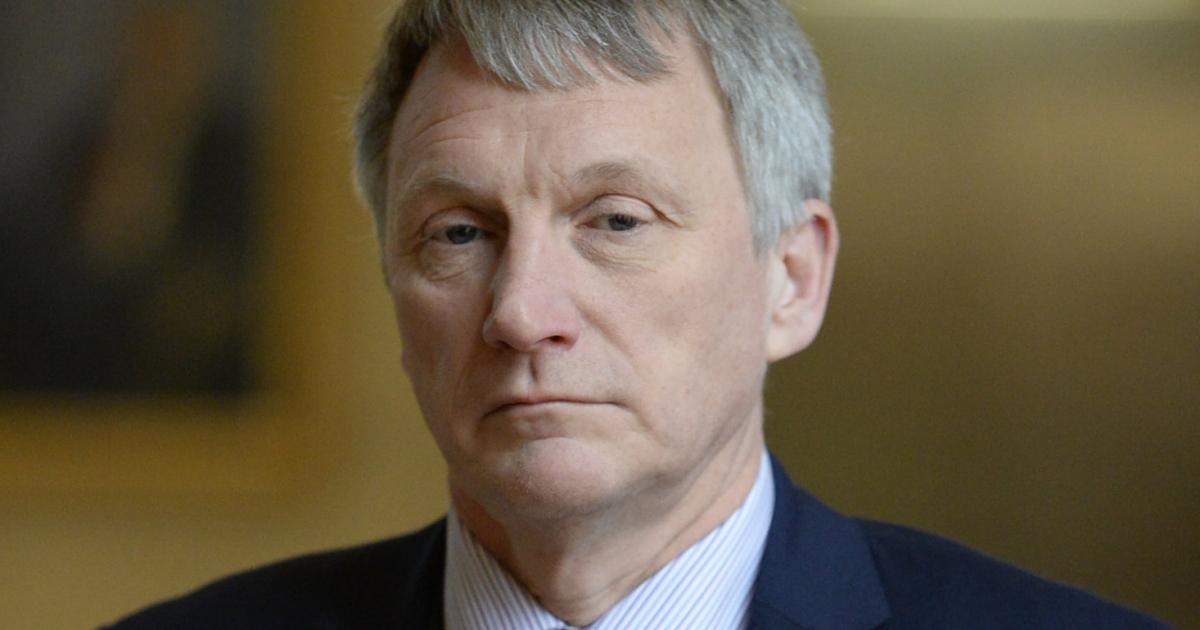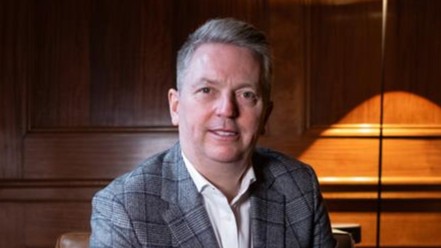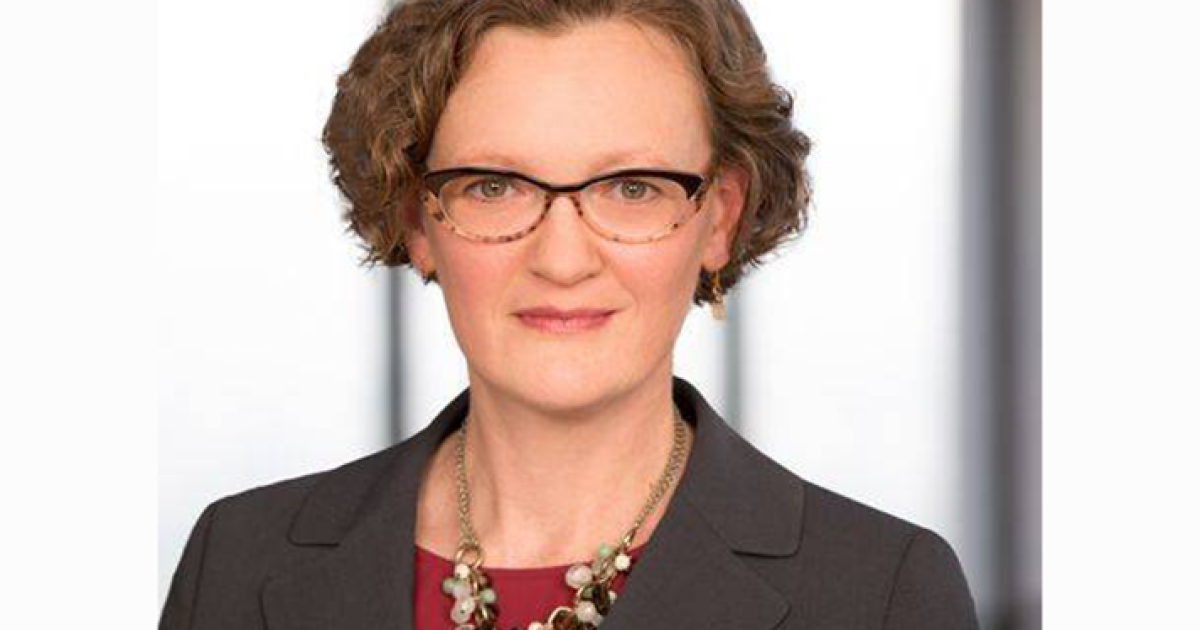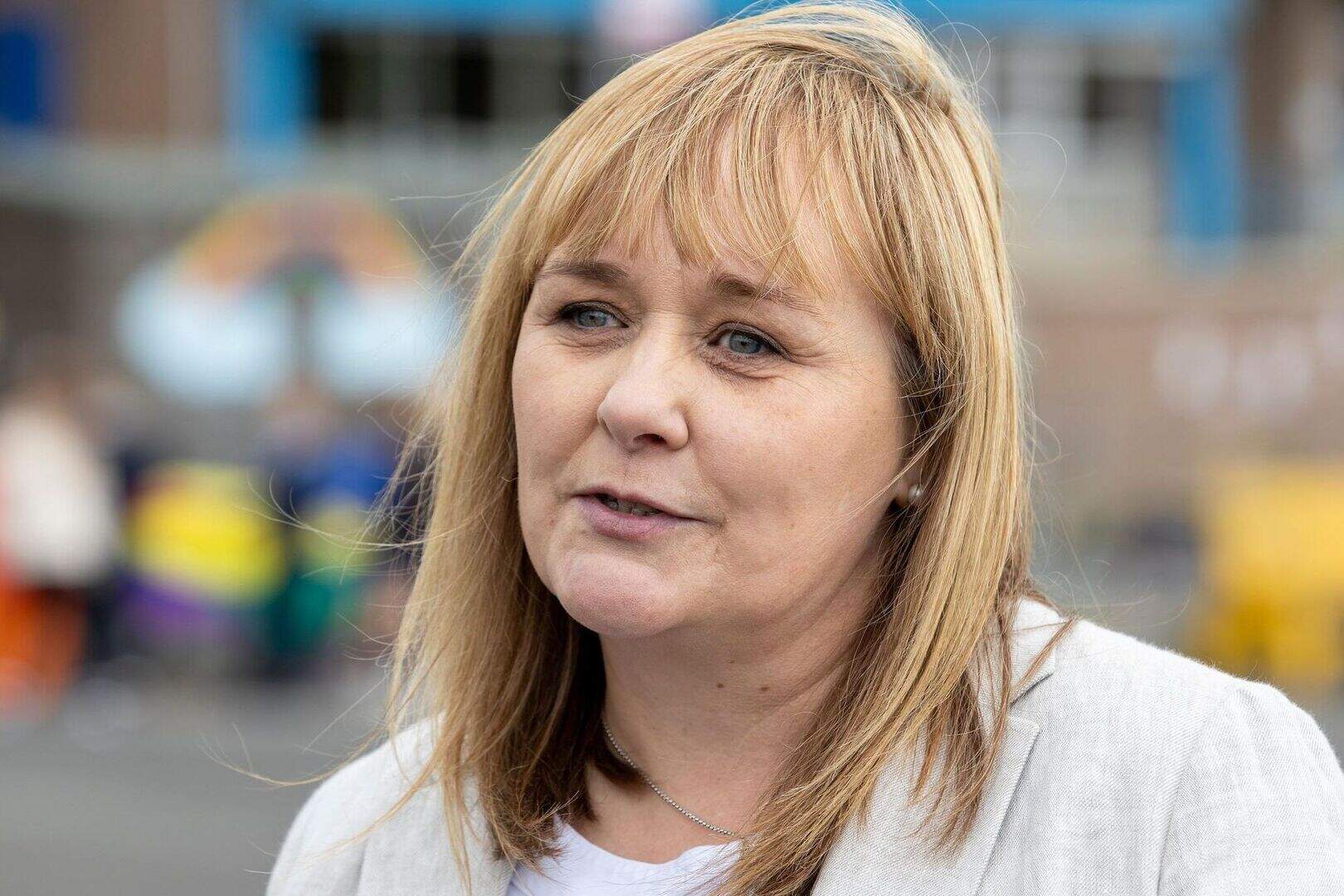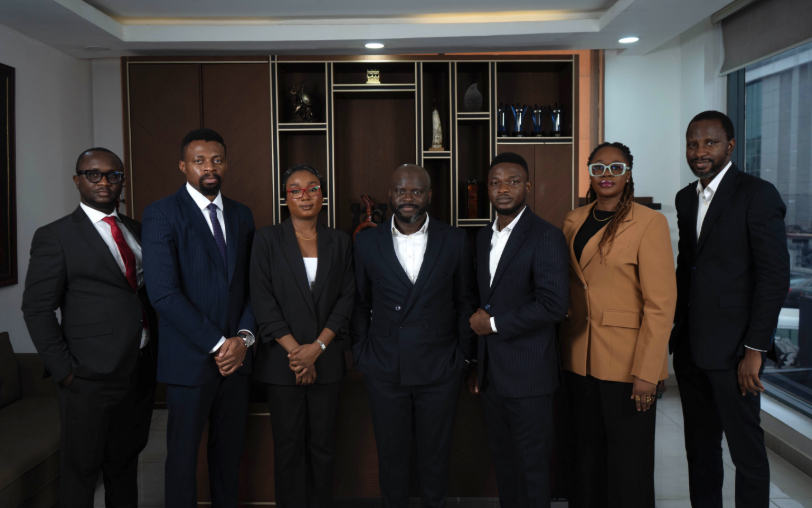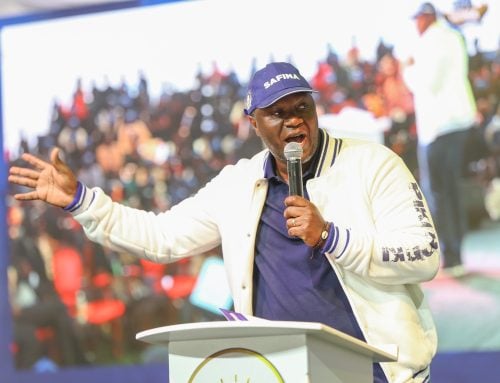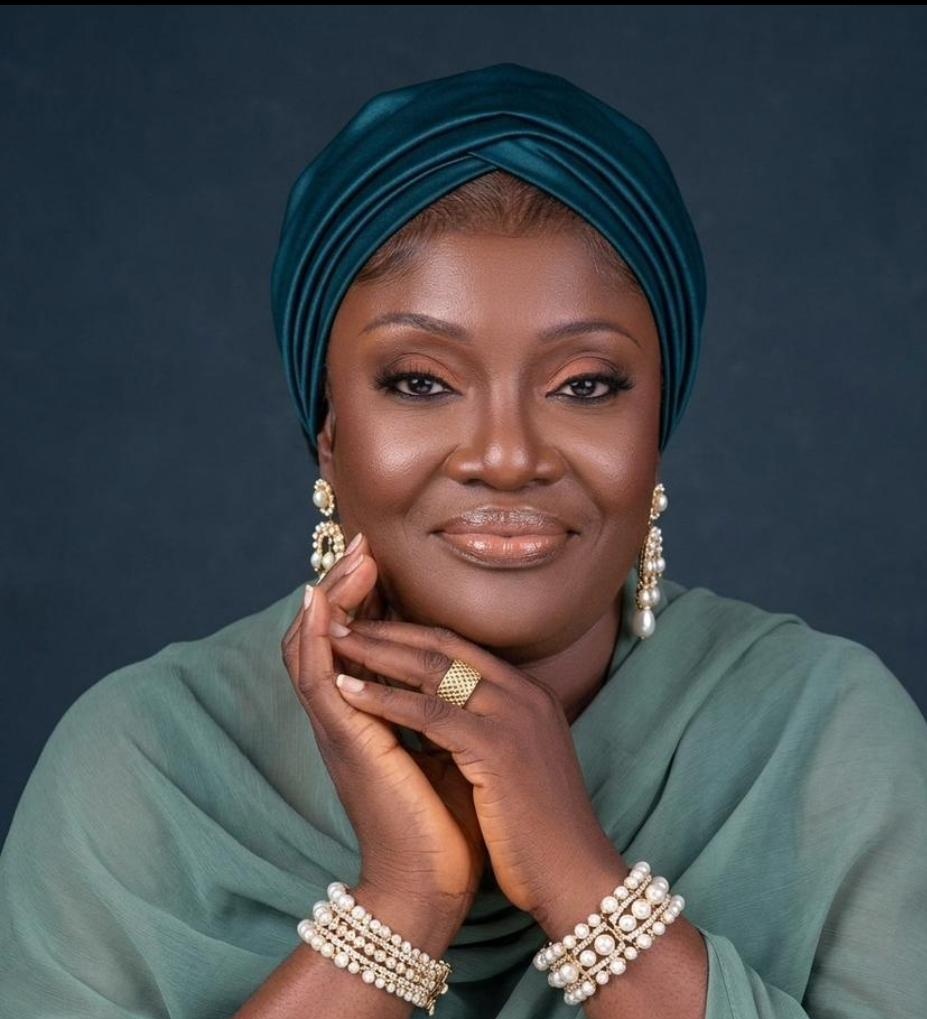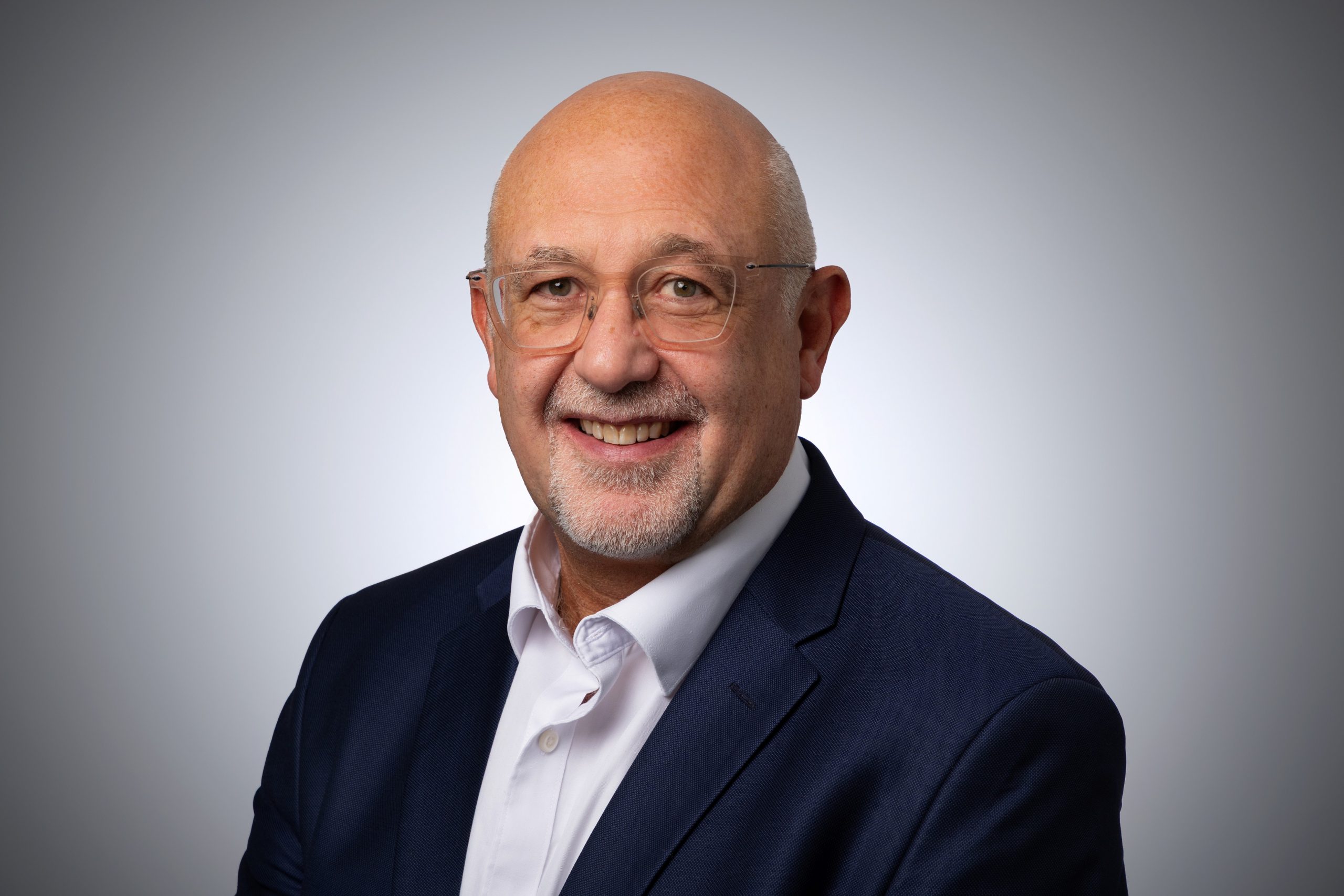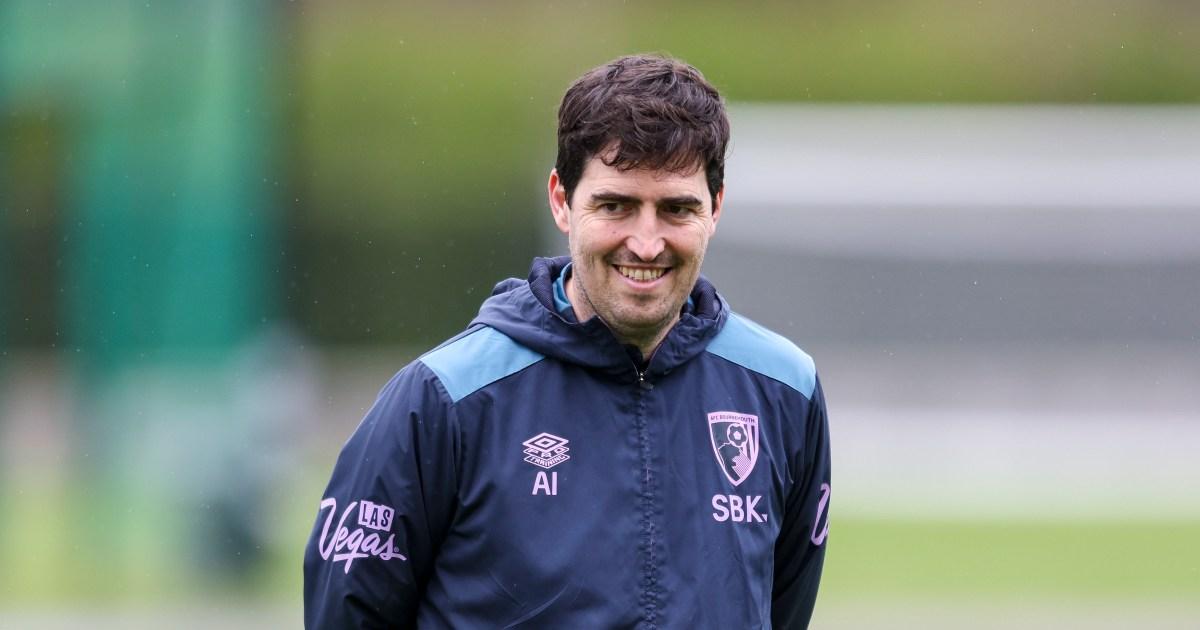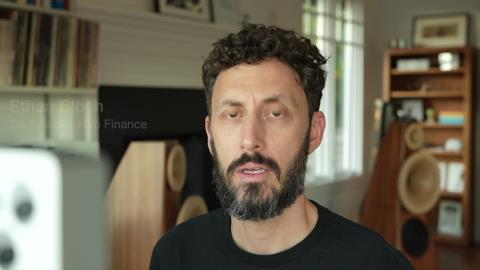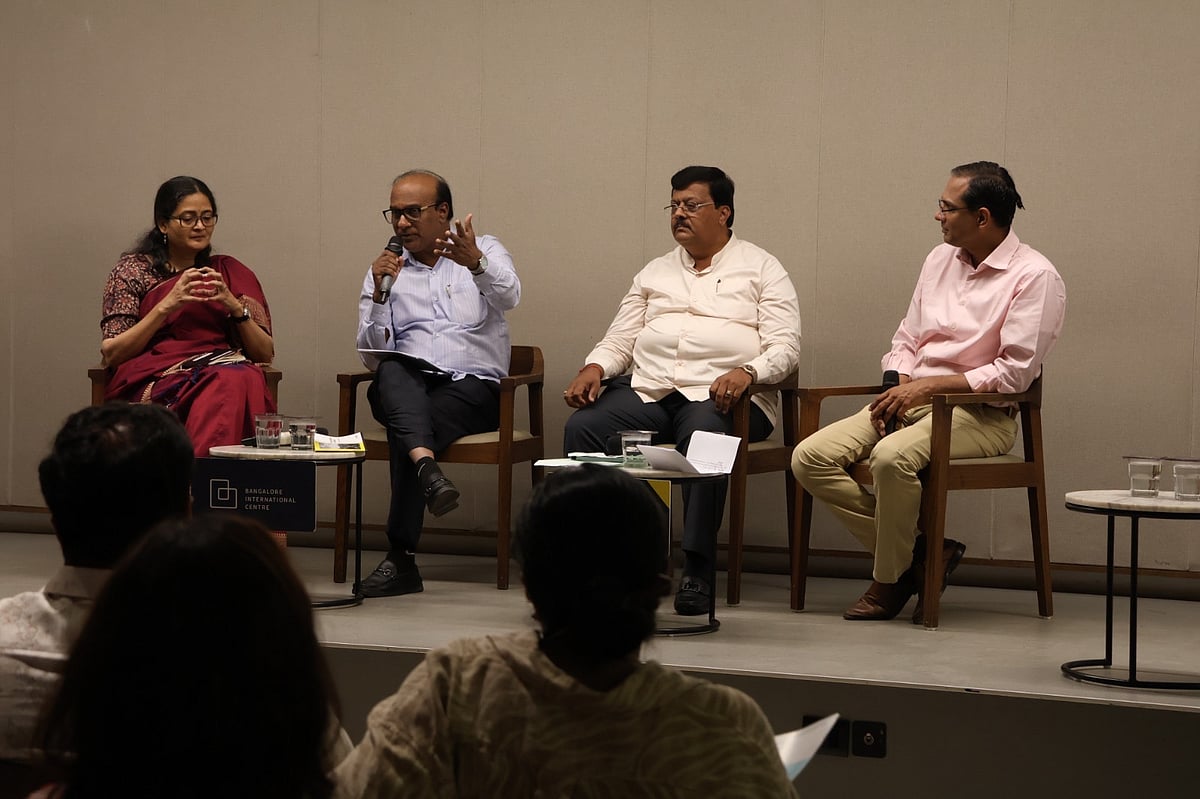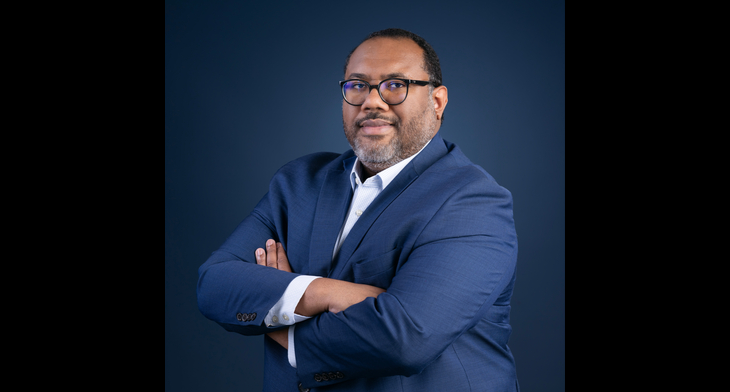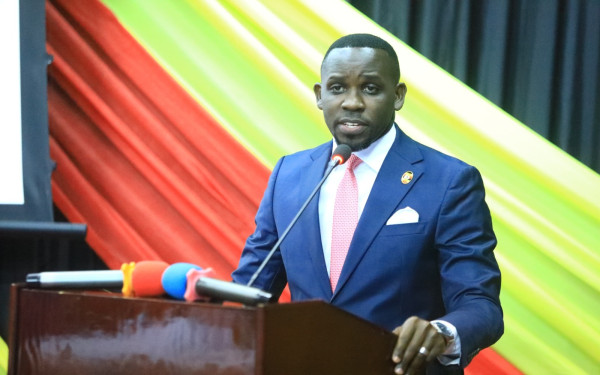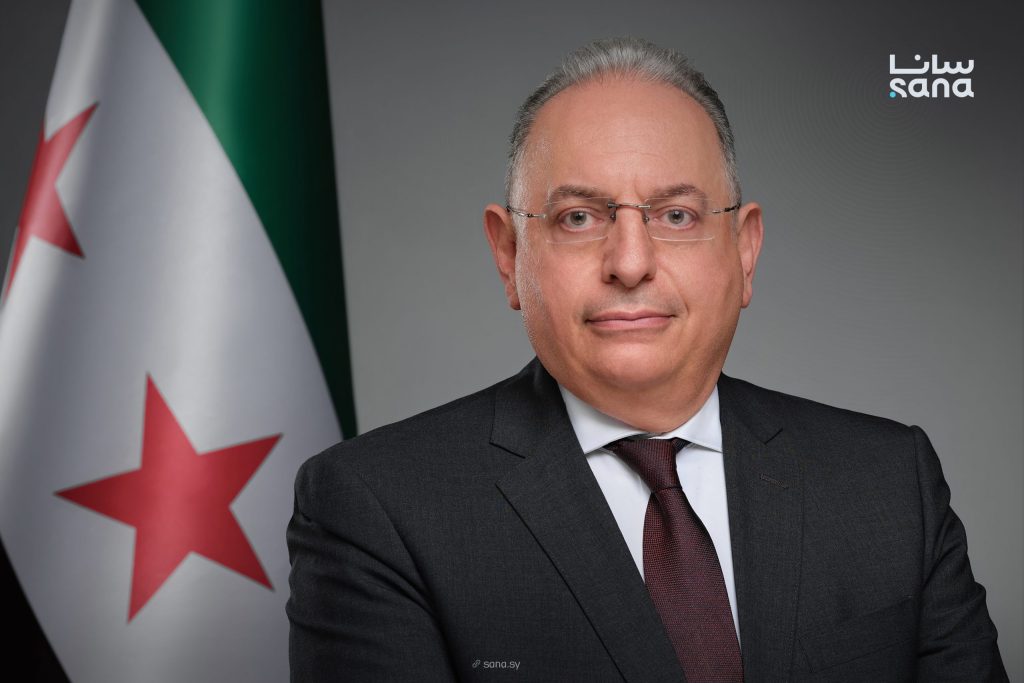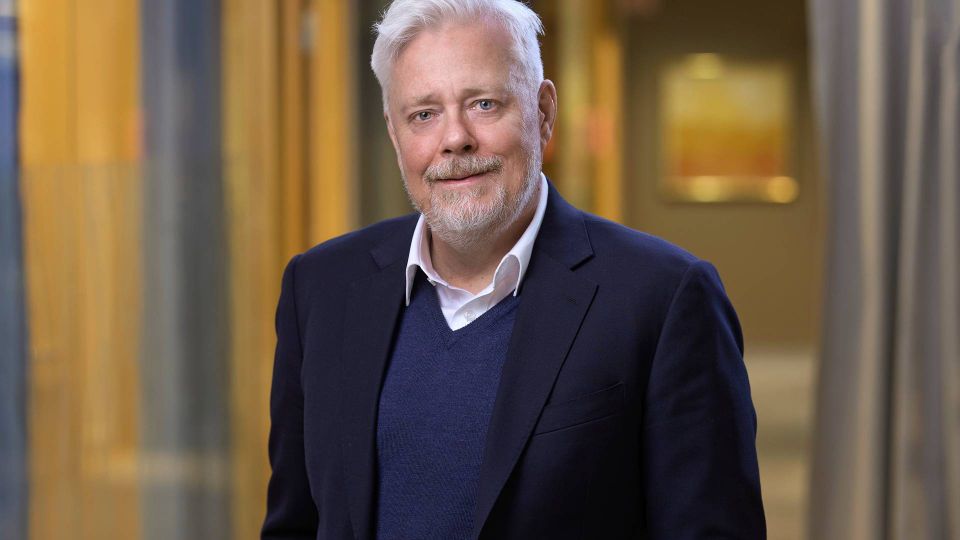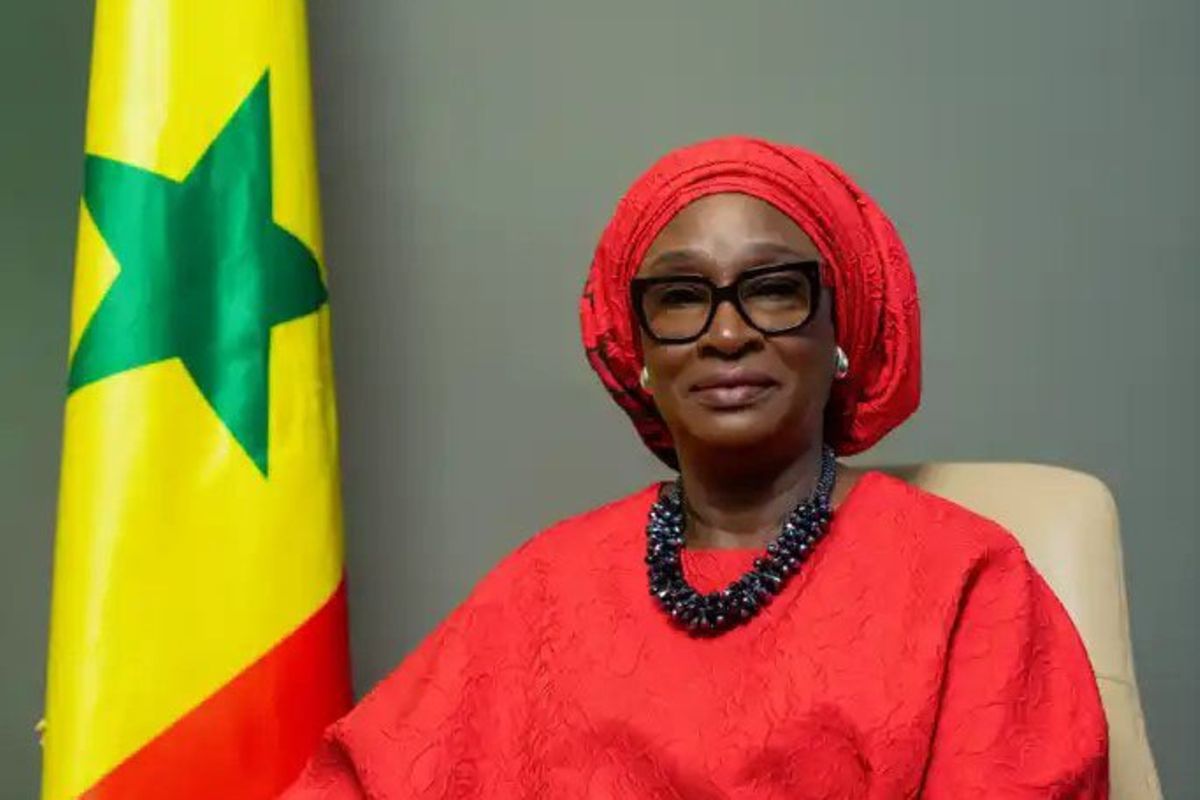
The former Senegal minister for Justice Yassine Fall speaks with Jackson Mutinda about the political situation in the country and explains the debt crisis.
So, you just finished your tenure at the Justice ministry. What do you consider to be your legacy in that ministry?
The justice system was one of the major issues between our party and Macky Sall’s government, because Macky Sall used it as a political weapon to marginalise candidates.
He used the justice system to marginalise Karim Wade, a son of former president Abdoulaye Wade. He did so with Khalifa Sall, who was the mayor of Dakar, to declare him unfit to be a candidate. And he tried that with Ousmane Sonko.
But, with Sonko, of course, he bumped on a ramp, because the Senegalese people had had enough.
Sonko was popular because he offered to the Senegalese a break from the old system — neo-colonial governance, an economy where you have a gross national product that does not reflect the lives of the people because of high levels of poverty, unemployment, poor levels of education, a failing public health system, poor agricultural policies, an infrastructure system filled with corruption.
So Sonko offered to the Senegalese what we called sovereignty, you know, Africa-looking policies. And when Macky Sall tried to use the courts and the justice system to undermine him, to incarcerate him, essentially to prevent him from being a candidate, young people came out in their numbers and fought for democracy and the rule of law.
We lived in very difficult years, where our party was finally banned and a lot of young people, over 80 of them, were killed. Others had to flee to neighbouring countries like Mali.
So, the Senegalese people needed to be reconciled with the justice system – they needed to trust it.
When I came in as minister, there were systemic issues in the justice system. For instance, the jails were overcrowded. I visited five major jails with prosecutors and judges and governors. And it had a chilling effect on me to see people who have problems with the law but who are treated inhumanely.
We felt that to be a country that protects human rights and respects international instruments that we are signatories to, we needed to address the issue of overcrowding in the jails.
We had a lot of files that were stacked up in the registries. I gave deadlines to the judicial officers to address these issues. We also organised for presidential pardon for some of the prisoners.
We also started using the electronic bracelet, to that people in for lesser crimes could go home.
We also tried to look at building more prisons. Senegal has not built a prison since independence because there is talk that the Minister of Justice who builds a prison may end up there.
A French company had received a lot of money but did not deliver. So we needed to unearth those contracts and see how we could take over and start building new jails. That was, to me, beyond politics; it was a human rights issue.
Another thing that I tried to do was to look into the Financial Judicial Pool put together in 2024, when we came into power, to address financial crimes and ensure that people responsible of embezzling public funds were held accountable.
I tried put together a small council that would work with me, because we had an amnesty law, but the constitutional court had stated that the amnesty law doesn’t include torture, because these are international crimes — crimes against humanity, and they cannot be forgiven.
Is there just one thing that you wish you had done before handing over?
I wished I could have caught the criminals who were involved in killing and maiming. And I was in the process of doing so.
Your party Pastef held a congress recently and now you are vice-chair. So now, with what is going on in the party, is the president likely to call early elections, considering that he has lost control of the party and now the former prime minister controls parliament as Speaker? Is it going to work?
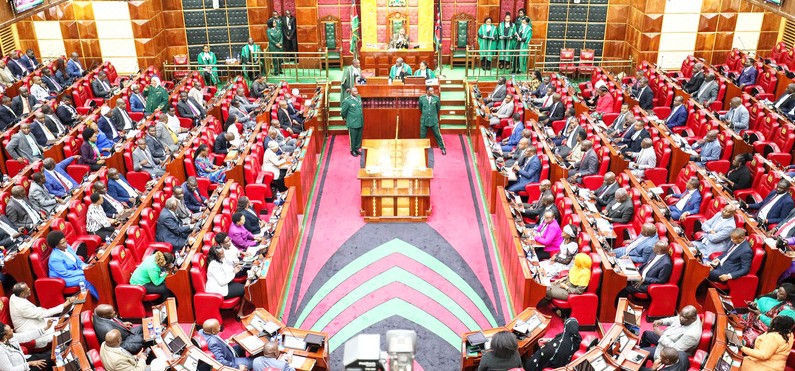
Well, I think that is a question for him to answer. All I know is that Senegal’s democracy has advanced and it is healthy. There is no institutional crisis in the country. The president is with the executive. He also has his political coalition. And Pastef holds the parliament – 130 over 165.
Explain Senegal’s debt crisis and why your party leader Ousmane Sonko and the president differ. How did this crisis come to be, and why won’t the two leaders agree on the way forward?
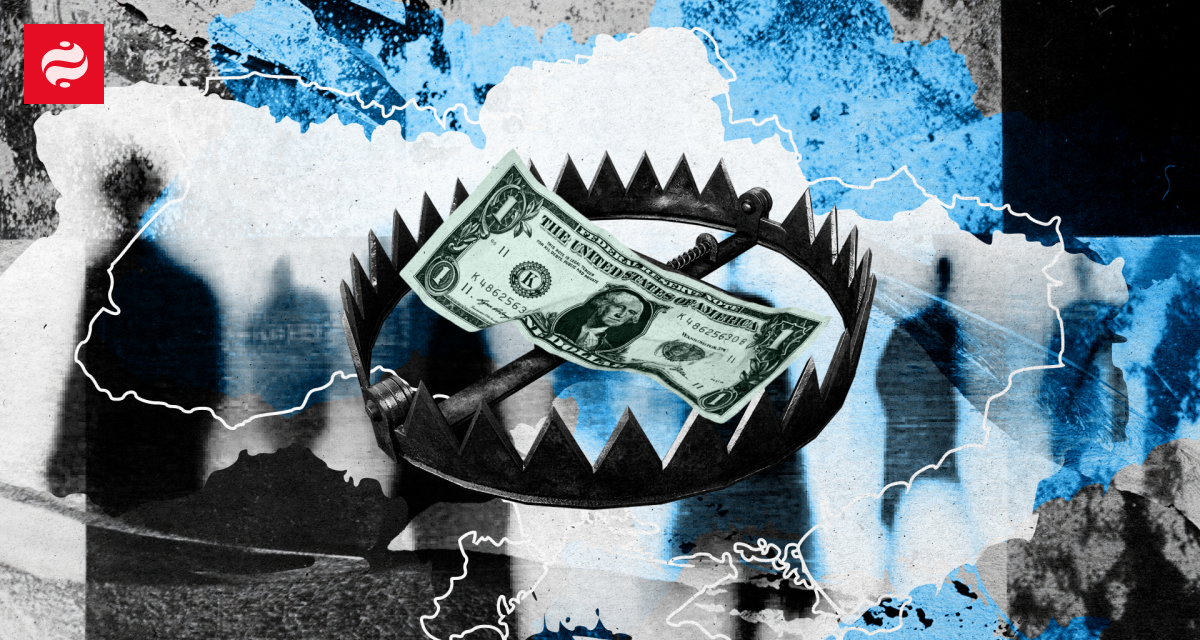
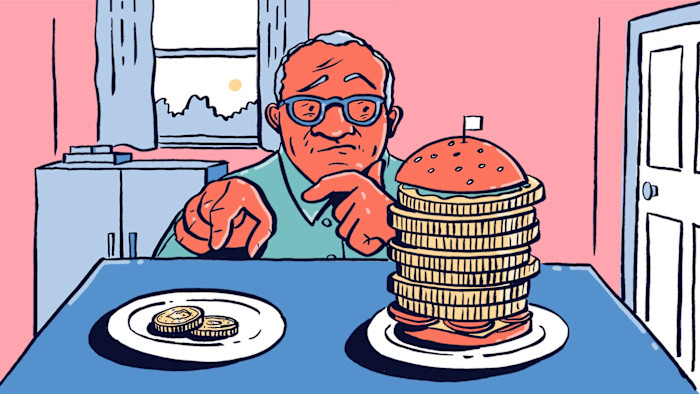
Well, in 2024, when we came into power, we found out that there was a huge hidden debt, which forced a recalculation of the debt-to-GDP ratio from 73 percent to 99.67 percent.
It was merely a failure of governance, financial management. But the vulnerability of the economy was exposed, with macroeconomic data that required creditors like the IMF and others to understand what was happening.
One of the major things that created a shift of vision between the president and the prime minister was that the prime minister decided that we could not hide this to the Senegalese.
We don’t believe the IMF didn’t know about this. So, this was something that also created a shift in terms of vision.
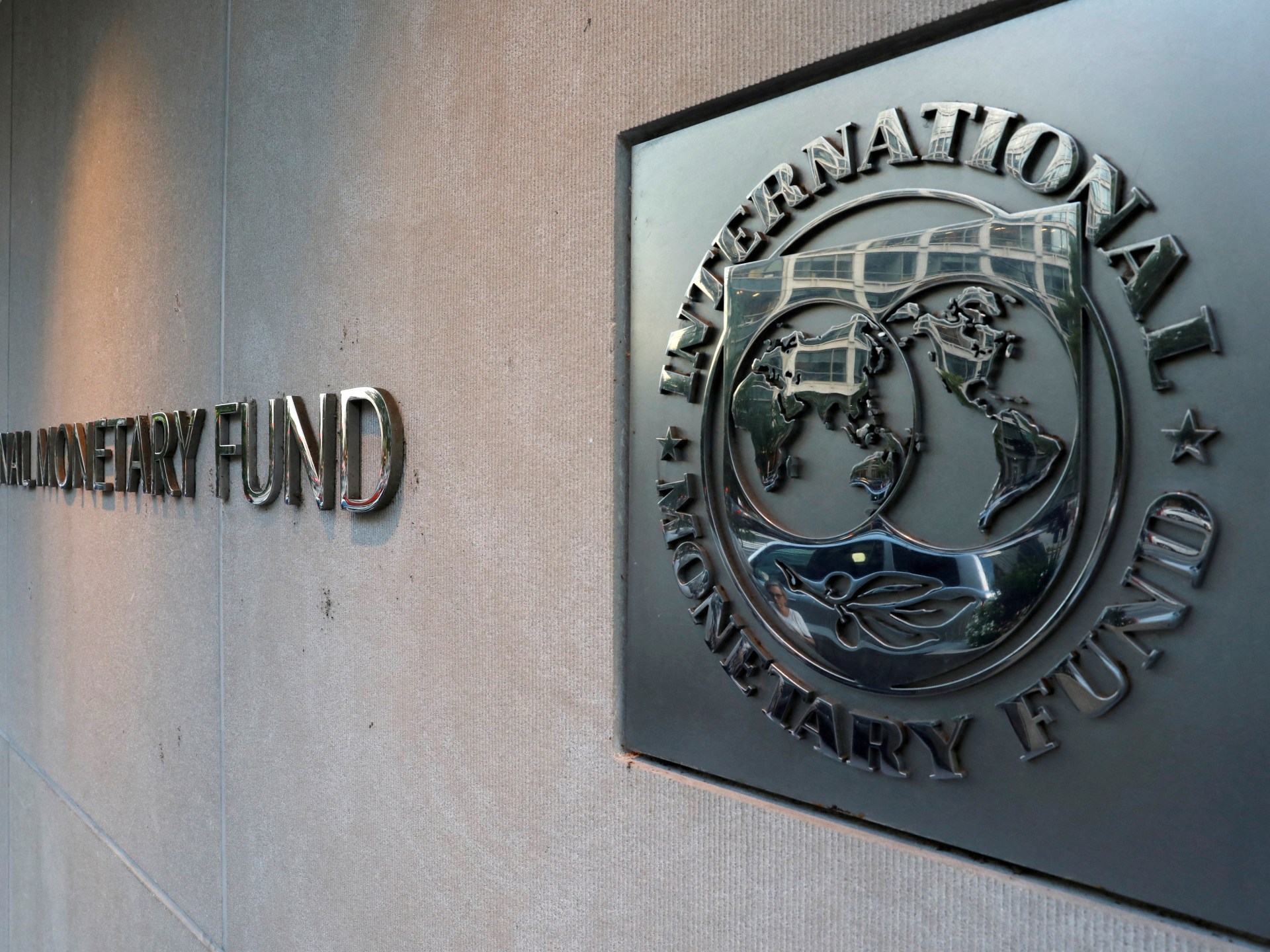
The second thing is what the IMF is saying and what we are saying. The IMF is proposing restructuring —renegotiation with bilateral and multilateral creditors. We have structural functionalities, external monitoring mechanisms, and we are saying that we need to review the fiscal space.
It allows protection of vulnerable populations, it allows monetisation of our national resources — oil and gas, land and sea — and we cannot allow policies that are being imposed into reforms that will jeopardise our fiscal space.
Senegal has a liquidity problem, but it doesn’t have a problem of assets and natural resources.
So, we need to review this one-size-fits-all pill that is given to every poor country that comes into crisis.
We’re going to take our own measures to, first of all, review the government expenditure on our own and cut down on expenditure that is not needed, and have a lean government.
Second, this issue of restructuring requires that the people who own the debt must also have the ability to give a proposition the same way as the creditors are proposing. And that’s what the IMF doesn’t want. They want to come up with their own proposal without the borrowers being able to say that this is what we see, this is what we want.
There is a need for reform of the financial architecture. And any genuine reform of the global financial architecture must include lender accountability, you know, not just borrower disclosure. So, this is another point we don’t agree on.
The other point we don’t agree on is the natural resource change in Senegal. Senegal is entering into an oil and gas phase. Locking in restructuring agreements before these revenues come means bargaining away sovereignty.
Any agreement must incorporate the revenue-sharing clauses tied to exact resources. And this is a matter of timing as much as principle, and this is not something that is being taken into account by financial institutions.
We came to power with a promise of strengthening the care economy: Education, health, trade, youth employment and empowerment, women’s development. So, cutting social expenditure in the name of debt sustainability means making the most vulnerable absorb the cost of adjustment.
And we’re saying that debt sustainability must be assessed against the SDGs (Sustainable Development Goals), not exclusively against debt-to-GDP or debt-to-service-to-revenue ratios determined by credit alone. That is not a technical act; it is a political undertaking.
Senegal cannot accept conditionalities that mortgage its capacity to invest in its people and to valorise its resources at the precise historical moment when the opportunity is finally at hand, where the people are willing to make sacrifices to put in place programmes.
We cannot afford to go through this system, and this is a major disagreement between the president and the prime minister and our party.
The second point of disagreement is political funds or confidential expenditure. The president doesn’t account for them, no one knows where the money is spent. When we were campaigning, we said that we were going to ensure that these hidden funds would be monitored.
We’re not saying we cancel them, because the president can have situations where he needs to spend on certain things like security, fighting terrorism, but it has to go towards the interests of the people, not into the pocket of anyone, even the president.
When Sonko was a candidate in 2019, this was among our campaign promises. We took that same paragraph and put it back in (Bassirou Faye) Diomaye’s candidature. He said that the confidential funds were going to be monitored and, every year, we’d report to parliament how much was spent.
But the president said no. He is against any monitoring of these funds. Sonko was sacked because he talked about the two bills he proposed for him to review, and he said, ‘I will get back to you.’ He didn’t get back.
The third thing is the justice system. The fact that the justice system is so slow moving that, even as a minister of justice, prosecutors would ignore my orders. The financial crimes cases are at a standstill. The cases of crimes against humanity are not moving, and the Senegalese want justice.
So these are elements of major disagreement: The financial system, the justice system, and the accountability system.
Looking at the Senegalese economy, you sound very confident that the only problem is liquidity, but the assets are there. What would you say are the pillars of the economy?
Well, the number one sector that would support the economy is agriculture. At the same time, we need to support the private sector. We need to stop importing food that we can produce in Senegal. Agriculture can employ many people.
The second sector, of course, is human capital. We have the resources, and we have the young population. In Senegal, the mean age, median age is 19 years.
So we have a wealth in terms of labour, but that labour needs to be educated, trained, fed, and needs to be healthy. We need a health system that is not corrupt, that is working.
We have, in Senegal, very good universities teaching medicine. People from Morocco, Tunisia, and many African countries come to study here. But when Senegalese are sick, they go to get treated in Morocco or France.
Our vision, Senegal 2050, has put emphasis on care. I call it care, but it’s all human capital.
But we also have other sectors that need to be developed. Everyone recognises Senegal’s creativity, from making jewellery to clothing, to making leather bags and furniture.
Senegalese are skilled. We need to develop these low-hanging fruits, and create decent jobs, and more revenues for tax collection.
The other area is natural resources. In the 20 months we were in government, we were able to negotiate contracts that were skewed to the benefit of private companies, instead of Senegal. We said we want partnership, that is a win-win. Senegal cannot have resources — natural gas, oil, sea, land — and we get 5-10 percent out of them.
In many cases, the contracts were badly negotiated. Corruption, I’m sure, was an underlining element. But, even after the contracts were negotiated, the private companies did not respect what they signed on.
We renegotiated about 50 contracts. We have a natural gas field called Yakaar-Teranga that was owned by foreigners. Today, it is under the ownership of Senegal.
In that same vein, how did you redefine your relations with France?
I was first minister of Foreign Affairs and one of the things we decided to do was to diversify our partnerships with African countries. When I came in, and I looked at the joint commissions, and found that our joint commission with Guinea-Conakry, which is our neighbour, had not met for 17 years.
Yet we were doing joint commissions regularly with France, even twice a year. We said we wanted to focus first on African countries. I organised several joint commissions, with South Africa, Cameroon, and we were planning one with Kenya, and with Sierra Leone.
So, how do we reorient our diplomacy? Senegalese diplomacy is extremely good. But, at some point, it was really focusing on ensuring that Macky Sall had a third term. But we now came back to reorientate to economic.
This is also our position towards major issues, such as multilateralism and Palestine. because Senegal is the country that is holding the Council on the Exercise of the Inalienable Rights of the Palestinian People, a body in the United Nations that Senegal has been leading since the ‘80s.
Senegal was the first country that gave a passport to President Yasser Arafat. So, we had a very strong position on the issue of Palestine, but that was fading. So, we came back and took a position on Palestine, condemning the genocide, atrocities, and having a very clear position in line with our old position.
We also diversified our partnership with China, Russia, and other powers that are not all in the Western world, because we feel that we will work with whoever wants to be a part of Senegal on an equal basis, in a respectful relationship.
One of the things our government said was that we no longer wanted foreign forces stationed in Senegal. Of course, the foreign military forces were French, who had been here since independence. We asked France, as a partner, to accept that, and we finally signed an agreement and the French military left.
Senegal has decided to have its own sovereignty in defending itself, in supporting its neighbours, working with Mali, a country we have the most economic ties with, also voicing our support for the Sahelian states while we are still active within Ecowas as a member, positioning ourselves at the global level in the African Union, at the United Nations.
So why did you refuse to endorse Macky Sall to run for secretary-general of the UN?
Macky Sall has been endorsed by Burundi for his campaign. When you’re running for secretary-general, normally, your country endorses you. And it was, of course, a request from him to be endorsed by Senegal. But the president didn’t. Senegal didn’t endorse him.
Back to Pastef. What is the future of that party? Does it still want the presidency or does it just want to keep the current administration in check? What is the game plan?
Pastef is the biggest party in Senegal. And Pastef’s level of organisation in terms of political structure has never happened before in Senegal. We are represented in all the towns and villages in the country.
And we have movements, of elderly people, Quranic teachers, people living with disability, women, youth, artisans, and the diaspora. It’s a vision for sovereignty.
Our theme in the last congress was ‘Construct Sovereignty.’
How do you build sovereignty? Sovereignty is something that we need to construct as an African country, but also as a country in Africa, with other African countries. So, the objective of Pastef has always been to go to elections.
Of course, we are going for the presidential election. We have also re-elected Ousmane Sonko as the chair and he’s going to be our candidate in 2029. We are confident the Senegalese people will vote for him.
On April 28, 2026, Senegal’s National Assembly adopted amendments to Articles L29 and L30 of the Electoral Code. The reform changes rules on electoral ineligibility linked to criminal convictions, replacing some permanent disqualifications with time-limited restrictions.
The bill was approved by a large majority in parliament, with reports citing 128 votes in favour, 11 against, and two abstentions.
The reform removes any legal obstacle that could prevent Sonko or his opponent Barthelemy Diaz, or any other candidate from running in upcoming local, parliamentary, or the 2029 presidential elections.