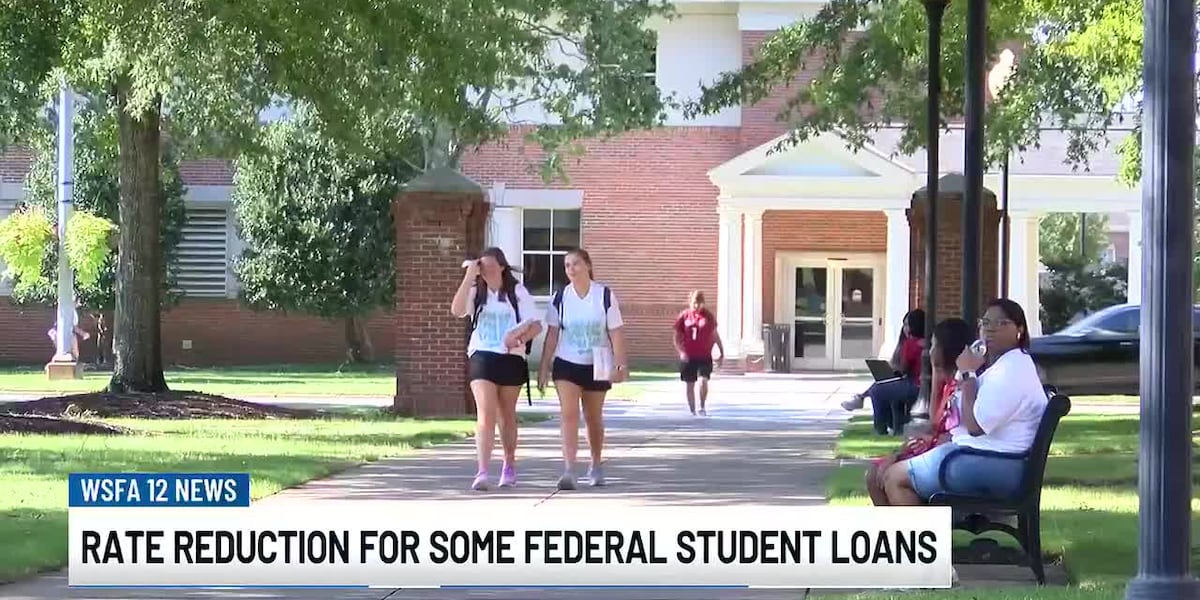
A years-long legal battle that left hundreds of thousands of student loan borrowers in limbo is ending.
After a recent court ruling, students who were defrauded by the schools they attended — mostly for-profit colleges that misrepresented the value their degrees could offer students — may soon get relief.
The Sweet v. McMahon case has been ongoing since 2019. Though a settlement was approved in 2022, some eligible borrowers still haven’t had their loans discharged or refunded. Appeals from the Department of Education and affected schools have led to delays in the process.
Read more: Best student loan refinance companies
But the July court ruling will offer relief to more than 170,000 additional borrowers who qualify as of earlier this year.
According to the Project on Predatory Student Lending (PPSL), which represents the borrowers, Sweet v. McMahon is now the largest-ever settlement against the U.S. government and totals at least $23 billion in relief. In addition to the latest 170,000 borrowers, more than 271,000 borrowers had already gotten relief from the settlement as of 2025.
Here’s what those who applied for relief under the settlement should know now.
Related story: How Trump Accounts could impact your child’s student aid
More about the Sweet v. McMahon settlement
The Sweet v. McMahon settlement (previously known as Sweet v. DeVos, then Sweet v. Cardona) was filed in 2019 on behalf of student loan borrowers seeking to have their loans discharged.
These borrowers claimed the relief under the borrower defense rule because they were misled by their schools. But after applying for the program, many students’ claims sat unresolved — sometimes for years.
The approved settlement
In 2022, a settlement was reached that allowed students who had previously filed a borrower defense application to have their loans discharged.
Borrowers who attended a school identified in a list of “Exhibit C” colleges were automatically eligible for full refunds and to have their loans discharged.
Borrowers who attended schools outside of the Exhibit C list were assigned a date (based on when they applied for the settlement) by which the department had to make a decision; if no decision was made by the deadline, the borrower would also receive full relief under the settlement.
Post-class applicants
The settlement terms included those who had already applied by the time the agreement was reached on June 22, 2022, as well as “post-class applicants” who applied between June 23, 2022, and Nov. 15, 2022, when the settlement got final approval.
The most recent court decision on July 17, 2026, affected these post-class applicants.
Post-class applicants were supposed to receive a decision on their borrower defense applications by Jan. 28, 2026, or receive automatic full relief. However, the Education Department appealed in late 2025 to extend this deadline.
“The Sweet settlement, negotiated by the Biden Administration, imposed an unrealistic deadline for the Department to either adjudicate 200,000 borrower defense applications or else discharge the debt — amounting to windfall cancellation of upwards of $12 billion in student loans this year,” Ellen Keast, spokesperson for the Education Department, said in a statement to Yahoo Finance.
Related story: What the student loan changes mean if you have both old and new debt

The latest decision
The court did not extend the deadline for Exhibit C post-class applicants, but did allow a temporary extension (until April 15, 2026) for non-Exhibit C post-class applicants.
The Department of Education’s appeal went to a federal court, which, in July, denied its request to delay relief for post-class applicants. Now, both deadlines have already passed, and post-class applicants from both Exhibit C and non-Exhibit C schools are eligible for relief.
According to the PPSL, this affects more than 170,000 borrowers who did not receive a decision by the deadline and will get full relief from their loans.
“The Department has complied in good faith with court orders, and we believe the court erred in not granting our reasonable request,” Keast said in a statement.
What the ruling means for eligible borrowers
Post-class applicants who did attend Exhibit C schools (and did not receive a decision on their application by Jan. 28, 2026) should have received notice from the Department of Education about their full settlement relief around March 30, 2026.
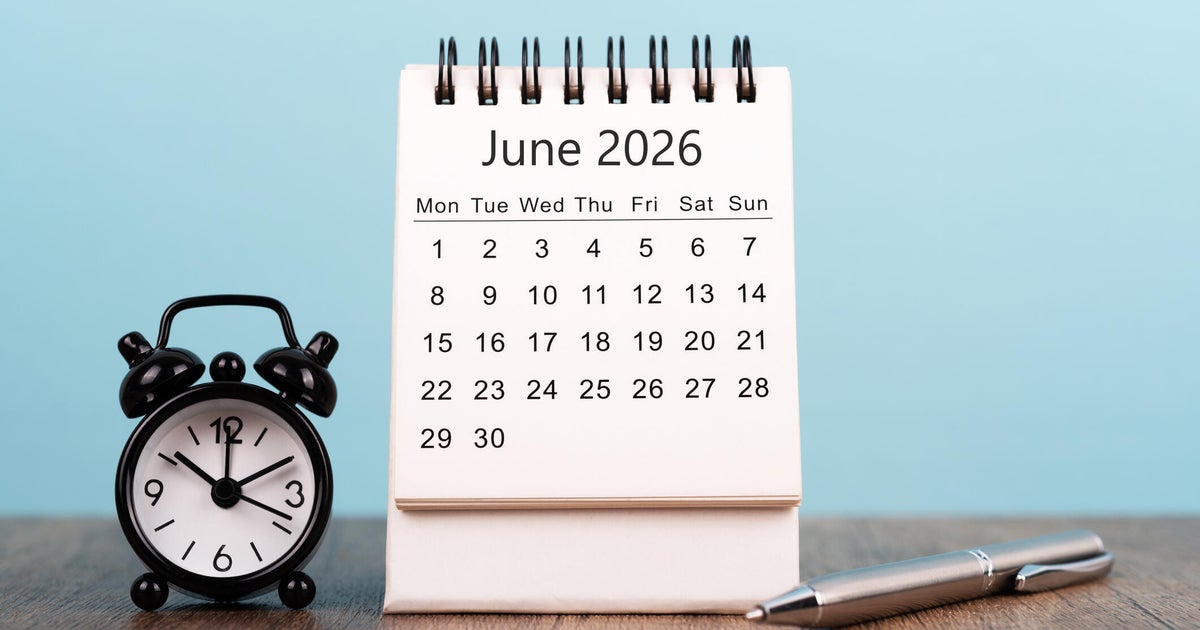
Post-class applicants who did not attend Exhibit C schools and did not get a decision on their application from the Education Department by April 15, 2026, should have received notice around June 15, 2026.
Make sure to check your email inbox (along with any spam or junk folders) for a message from the Department of Education around the date that applies to your situation. The PPSL said the notice often comes from noreply@studentaid.gov.
If you didn’t receive any email about qualifying for relief, you can email PPSL at info@ppsl.org and copy sweet@ed.gov. Include your name, email borrower defense number, and the date of your application.
The Department of Education says you are not responsible for making payments toward your loans throughout the discharge process, which should take place within one year.
The latest court ruling doesn’t allow more borrowers to apply for forgiveness under the settlement now. Those who did not apply for relief under the settlement as a post-class applicant by Nov. 15, 2022, won’t qualify.
However, borrowers who believe they attended a school that engaged in misconduct can still apply for borrower defense — the decision will just not be affected by this settlement.
See more: PSLF in 2026: What’s new and what to do if you’re in SAVE