Though a lackluster jobs report and weaker wage growth may sap consumer confidence, these factors could prompt the Fed to hold off on raising interest rates.
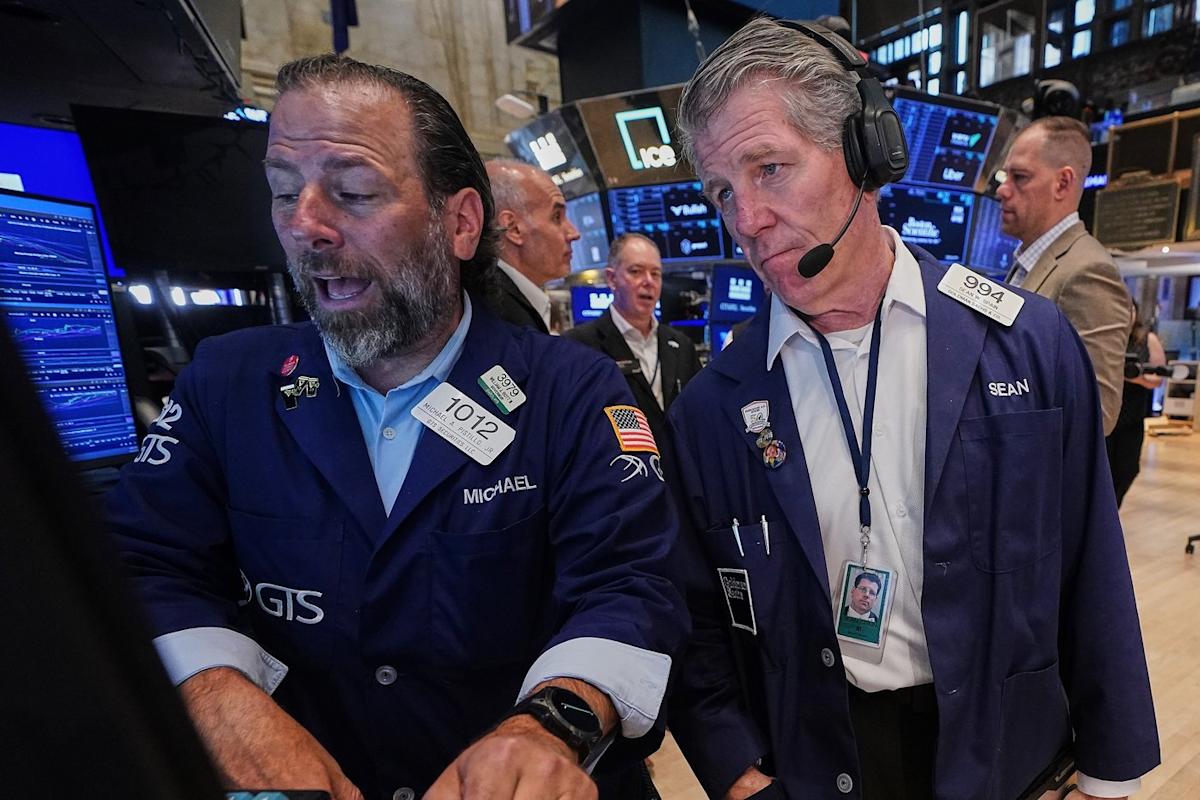
The U.S. labor market fell short of expectations for July growth, an unexpected shift after months of job gains that could impact how the Federal Reserve approaches short-term interest rates at its meeting next month.
Data surprises forecasters: Though forecasters expected the U.S. to add 83,000 jobs in July, the economy actually shrunk by 23,000 jobs, the U.S. Bureau of Labor Statistics reported on Aug. 7. This indicates “a more pronounced slowdown in the labor market than previously understood,” Cotality Chief Economist Selma Hepp said.
Meanwhile, the unemployment rate ticked down slightly from 4.2% in June to 4.1% last month as seasonal factors, like the end of the school year, led to a spike in workforce departures.
Wage growth also slowed to 3.2%, down from 3.5% in June and 3.4% in May. Though that slowdown could ease mortgage rates, next week’s inflation report will be key in determining whether consumers are still falling behind, said Jake Krimmel, senior economist at Realtor.com.
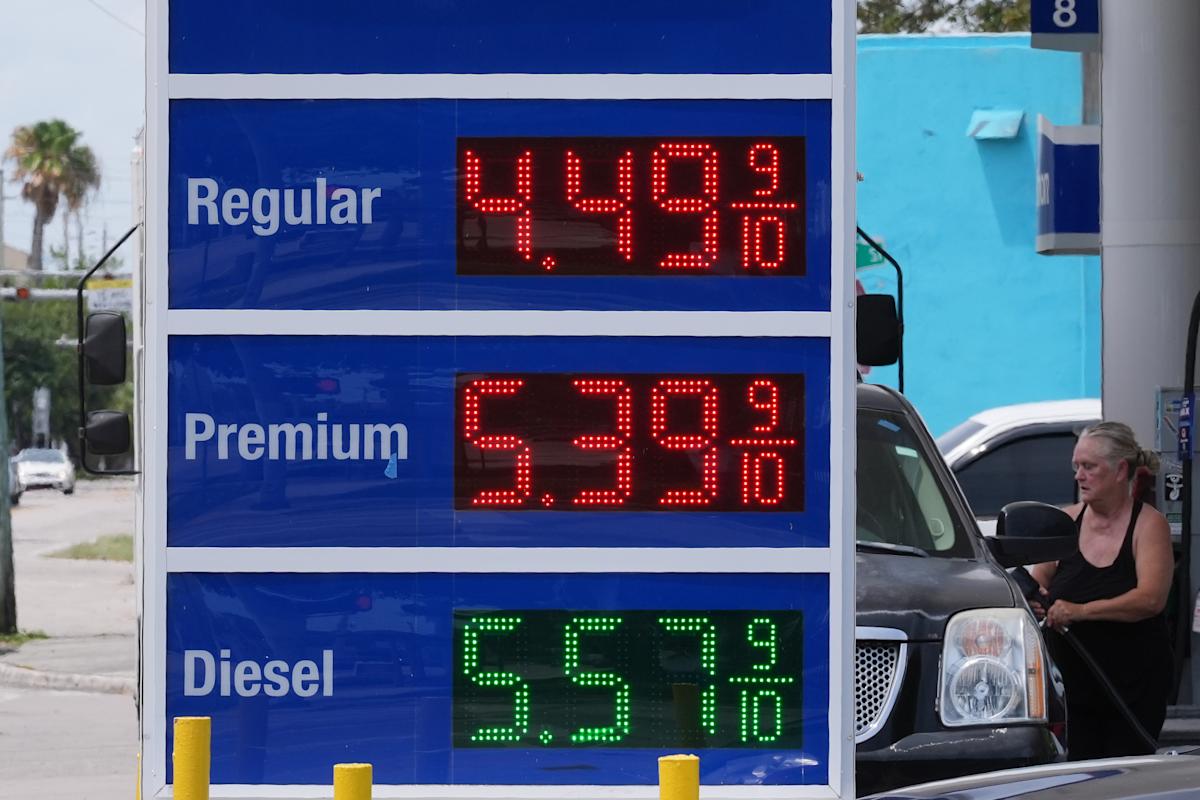
According to NAR Chief Economist Lawrence Yun, “Consumer price inflation is running faster, so wage gains are wiped out at gas stations and grocery stores,” though wage gains are “still outpacing home price growth.”
Fed to weigh shifting ‘balance of risks’: Even with exaggerations linked to seasonality, the jobs report shows a labor market that is clearly losing momentum, according to Sam Williamson, senior economist at First American.
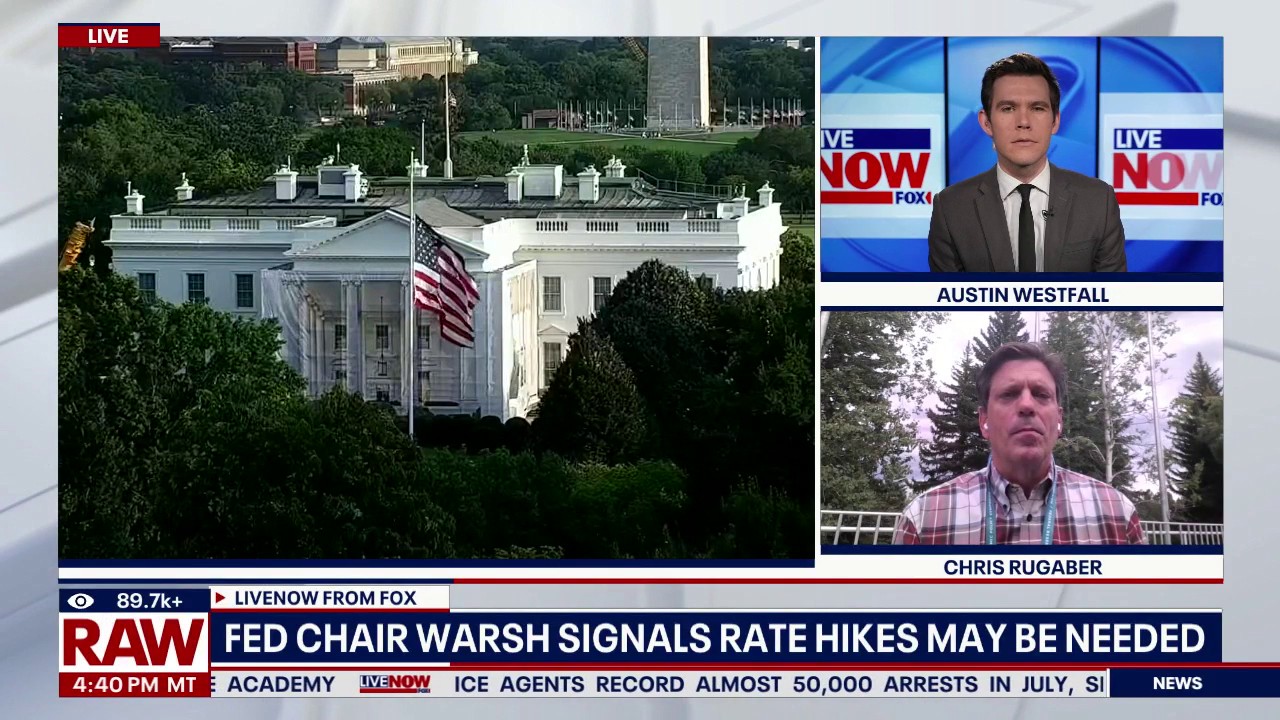
While the Fed doesn’t meet again until mid-September, this latest data will give investors more confidence that short-term interest rates will remain on pause. Three Federal Open Market Committee members voted against holding rates steady at last month’s meeting, signaling that there has been some appetite for a rate hike.
A cooling labor market “shifts the balance of risks for the Federal Reserve,” Williamson said. “Higher energy prices have recently revived concerns about inflation and raised the possibility of additional rate hikes later this year. A weaker jobs backdrop, though, shifts that calculation by giving policymakers more reason to weigh signs of labor-market softness alongside inflation risks, lowering the odds of further tightening.”
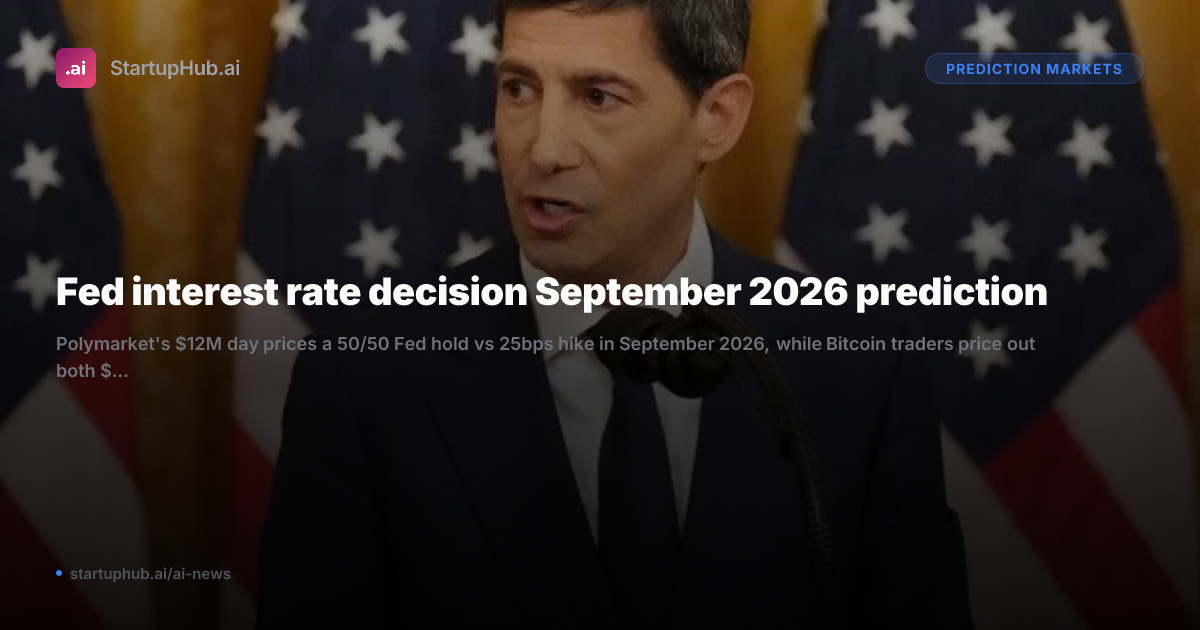
The July jobs report has already impacted forecasting for the next short-term interest rate hike. On Aug. 6, the CME Group’s FedWatch Tool estimated the chances of a rate hike in September at 55%; by Friday, that had fallen to 44%.
What the data means for housing: The latest labor market data brings both good and bad news for the housing market, which remains stuck in the “correction” phase of its typical four-phase cycle.
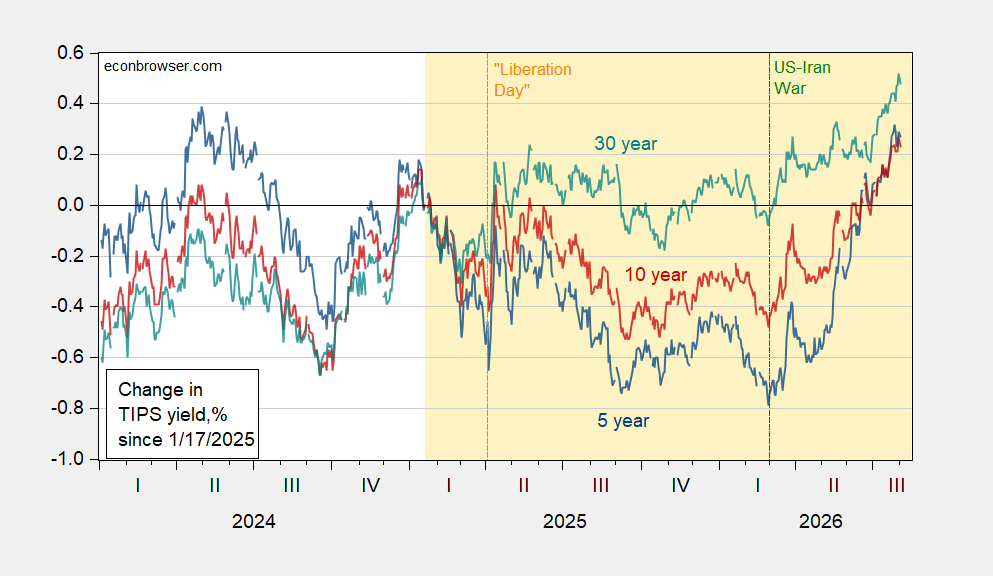
Weak wage growth will continue to stress consumers, especially if elevated inflation ticks up further. And while the lackluster jobs report could lead to some easing of 30-year mortgage rates — which at 6.69% are at the highest levels of the year so far — the lack of job growth implies less mobility and lower consumer confidence.
Mortgage rates would likely climb even higher if the labor market was stronger, Krimmel noted. “A cooler labor market that takes some pressure off borrowing costs would be a better backdrop for buyers than another leg higher in mortgage rates,” he said.
On the other hand, slowing job growth “can dampen consumer confidence and make households more cautious about major financial decisions, including home purchases,” Hepp said, adding that this could pressure the central bank “to take measures to stimulate economic growth.”