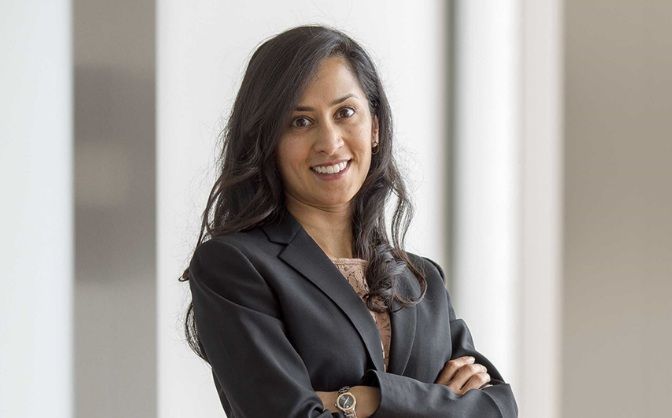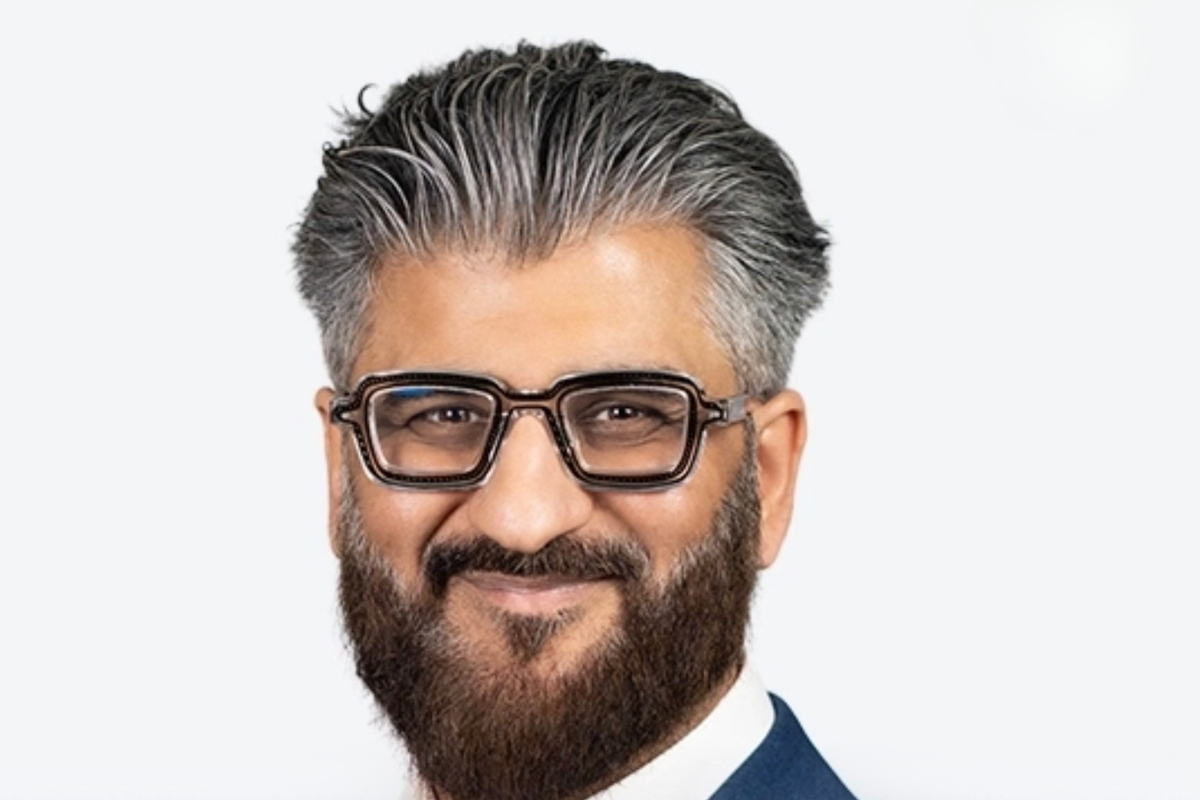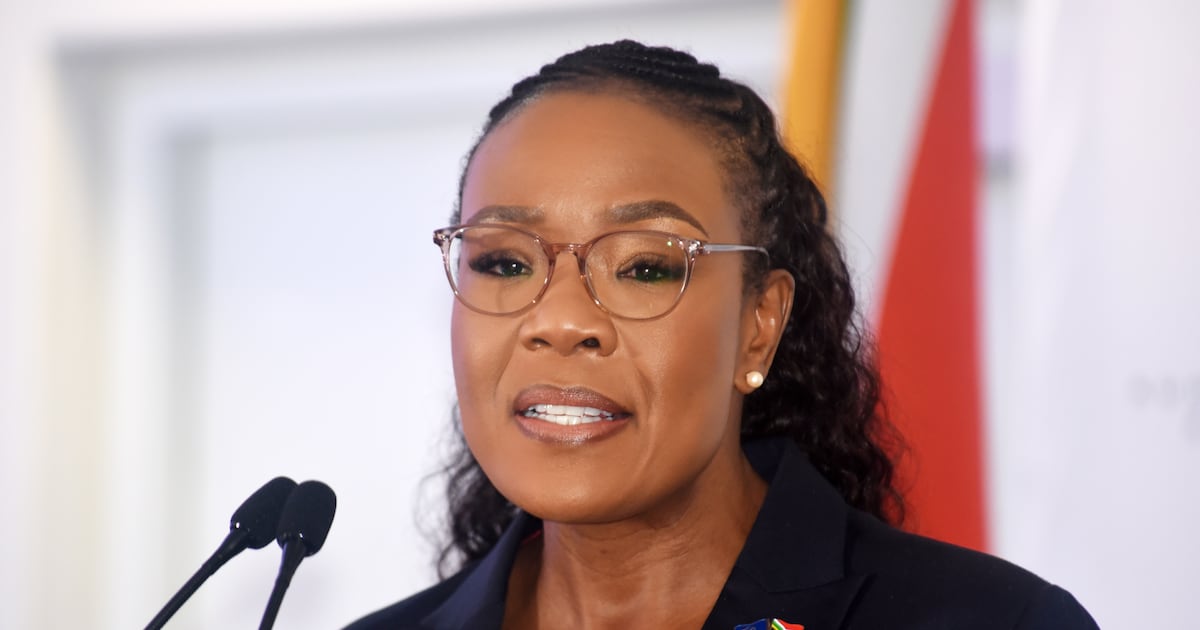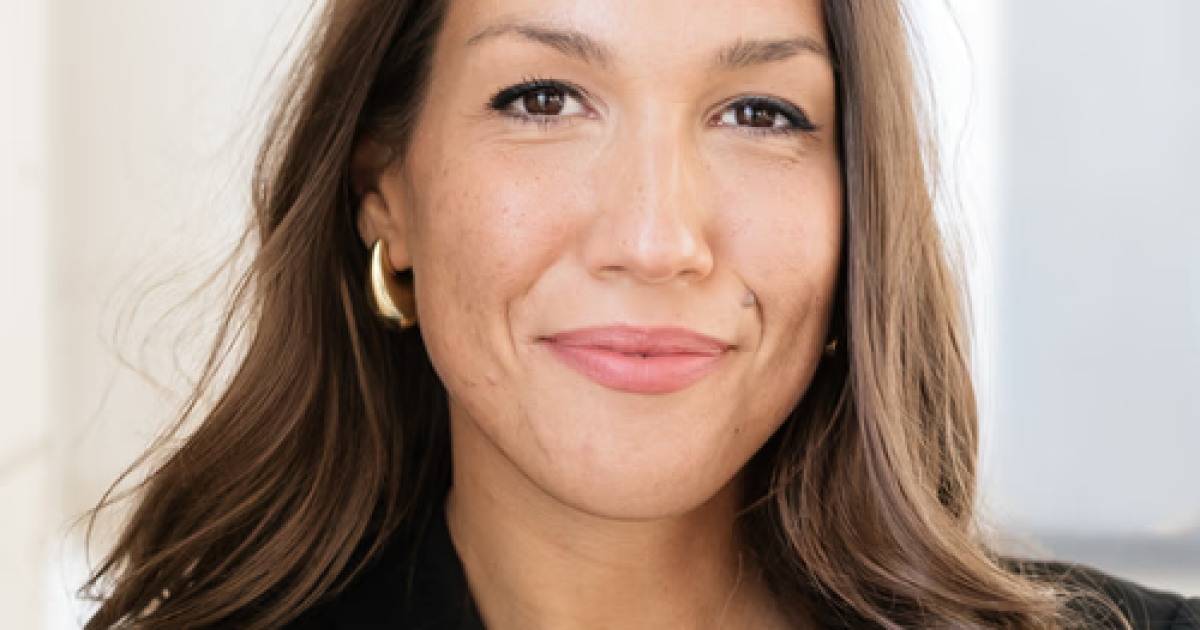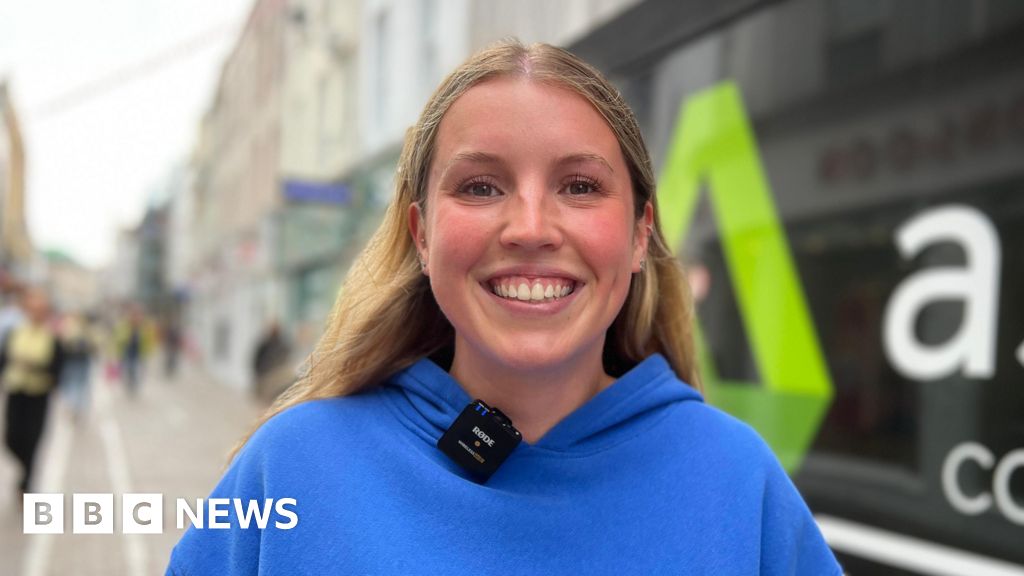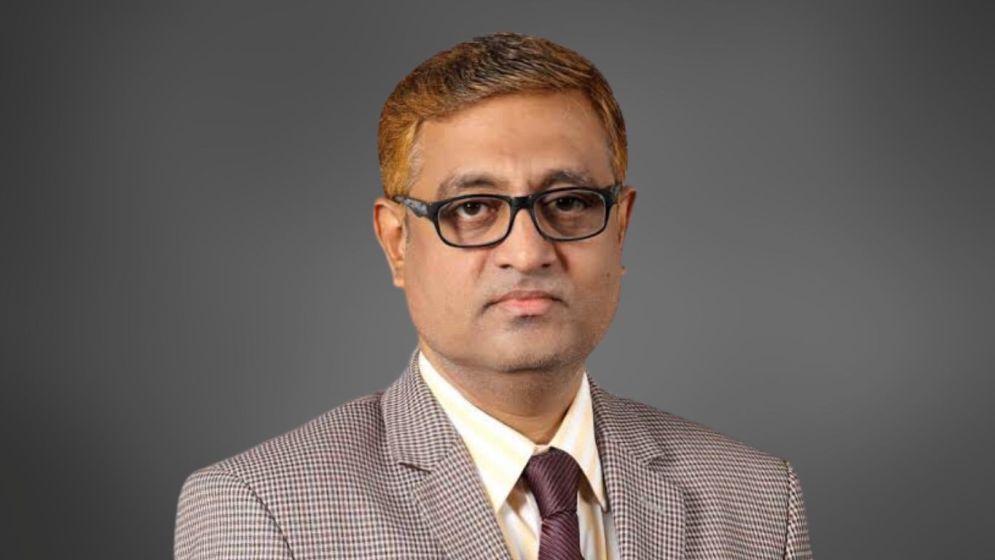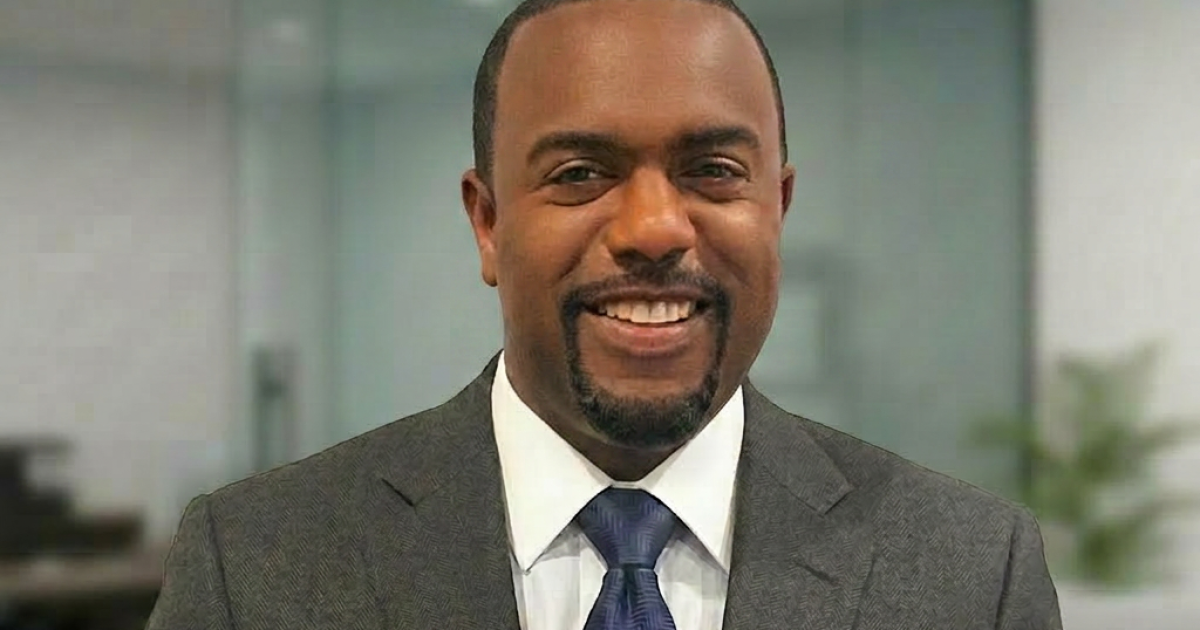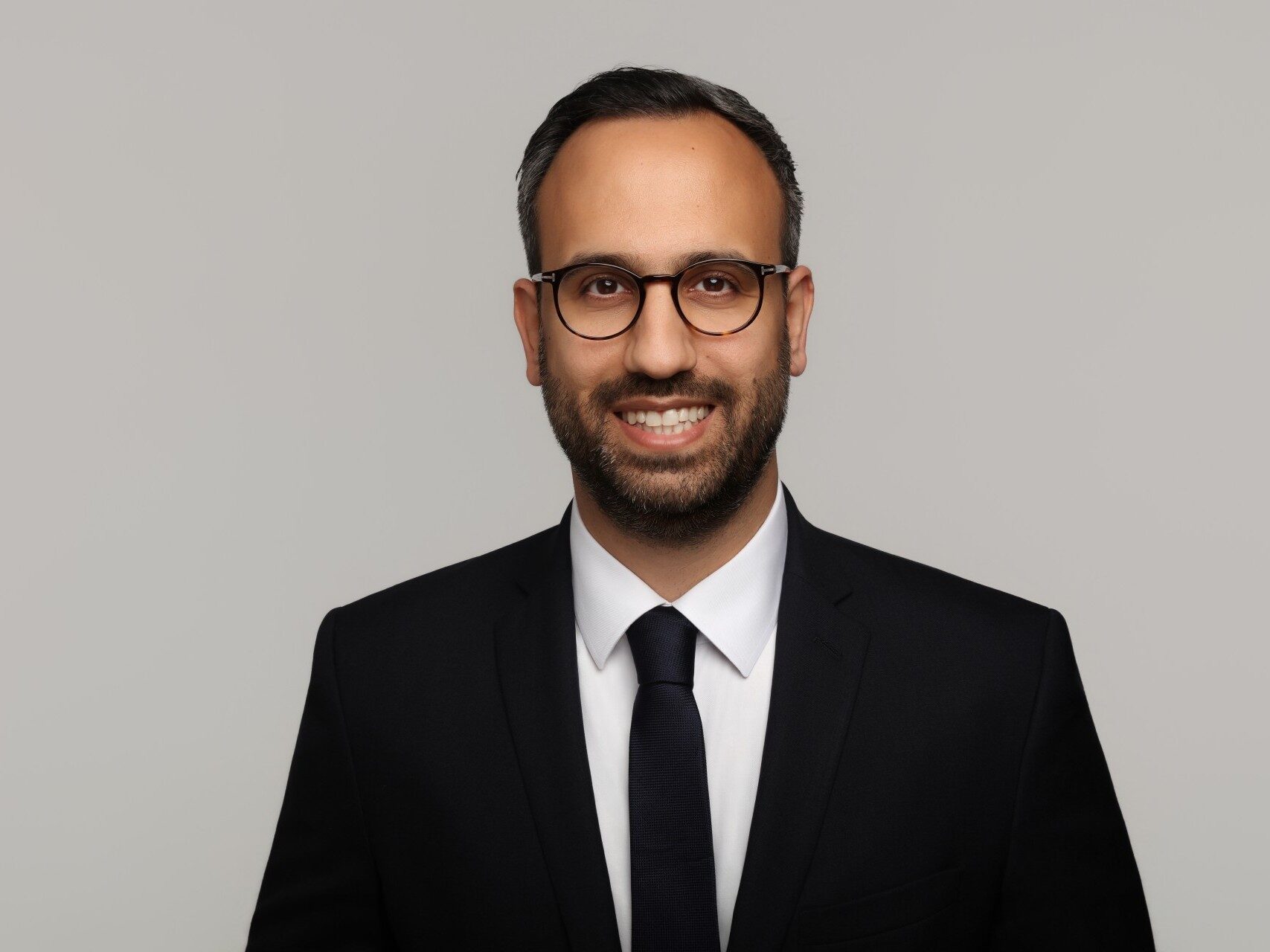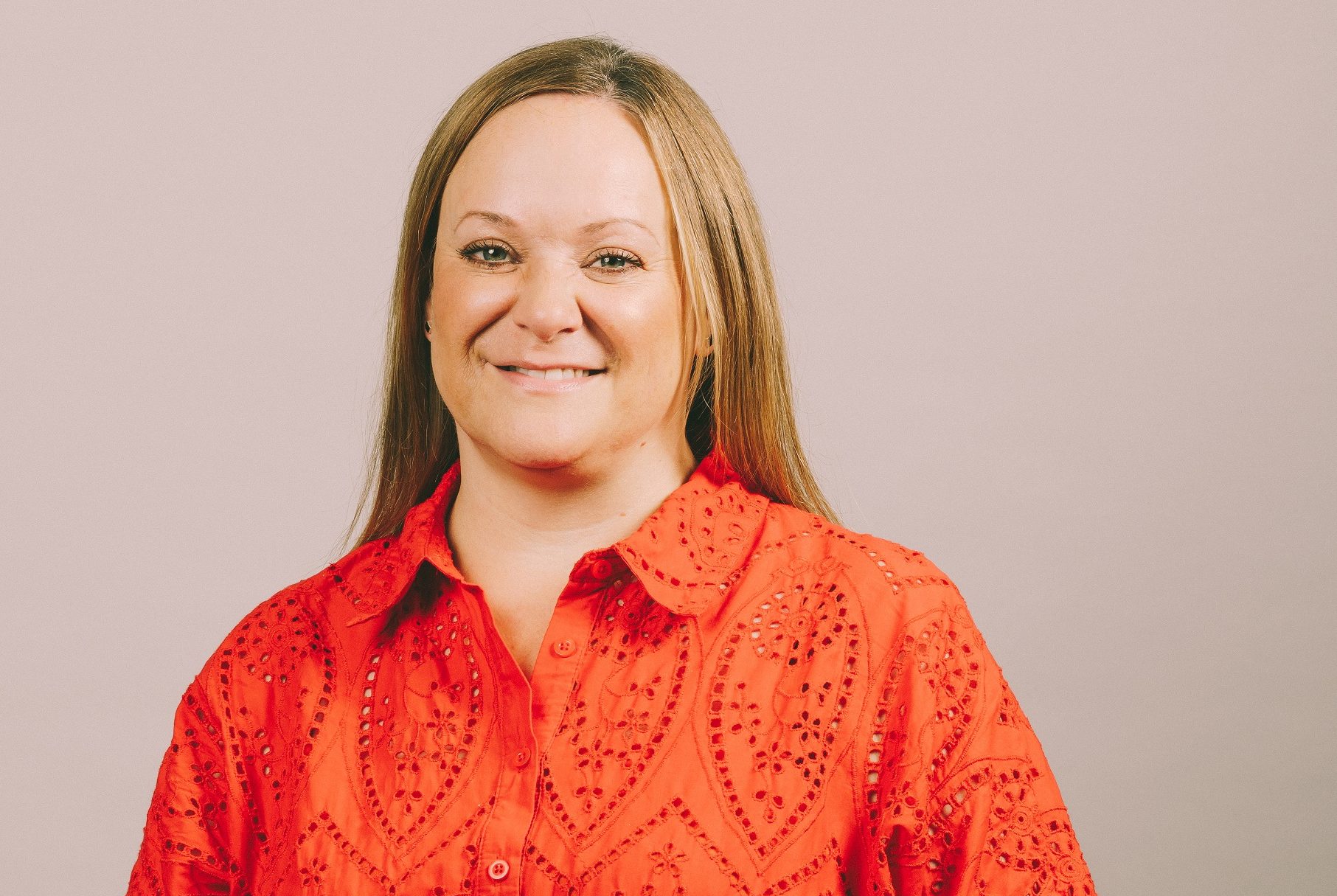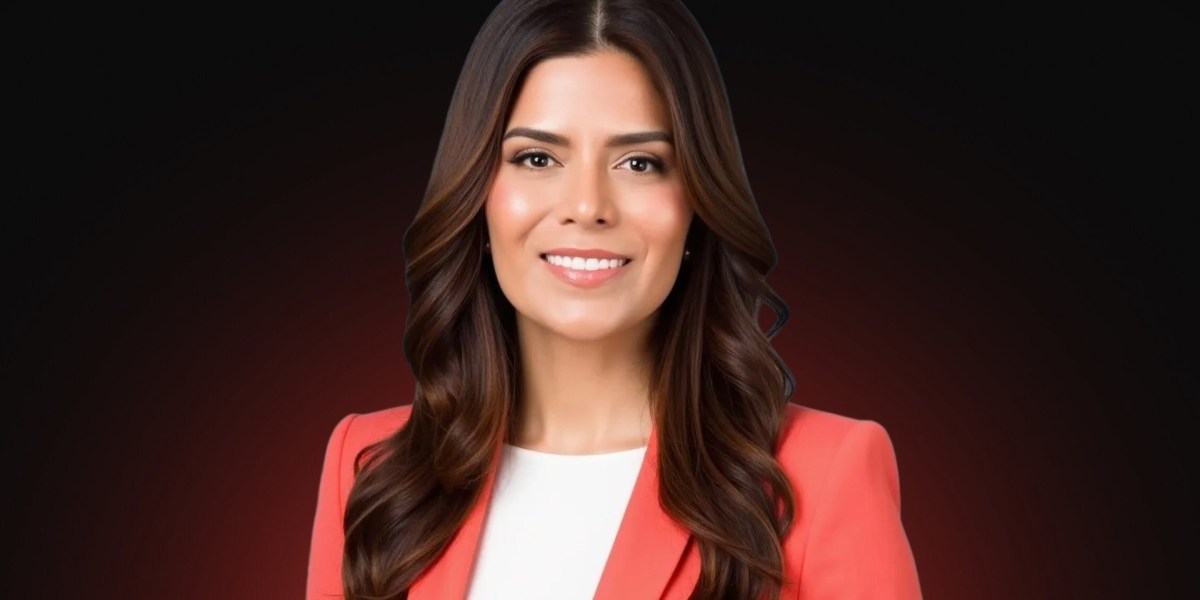
Six years ago, Anushka Rathod left a conventional, straightforward career track in investment banking to become a full-time content creator.
Today, with over two million followers on social media, Rathod stands out for making personal finance topics like investing, taxes, budgeting, credit cards and wealth creation simple and accessible through engaging short-form content.
“Back then, there wasn’t a lot of conversation happening around personal finance for young people. Young people didn’t have the attention span or interest to sit through long, technical conversations on YouTube and Google,” she explains.

Her first viral video was related to a brand people use every day and their business practices. Soon after, she started posting about personal finance—Employee Provident Fund (EPF), Equity Linked Savings Scheme (ELSS) funds, how to start an SIP, and so on.
“It started getting more interest because the people following me were joining the workforce for the first time and had no idea about these things. Just an easy-to-understand introduction to these topics really helped, and I think that’s why the algorithm supported it. I grew to 100K followers in under two months,” she says.
To break down complex topics into simple terms, she initially used skits and comedy to explain the concepts—bringing entertainment into personal finance explanations in 1- or 2.5-minute videos.
“I use the phrase aasaan bhaasha mein (in simple language) a lot — I’m not using jargon, and the explanation isn’t 100% complete the way it would be if you spoke to someone who fully understands finance, but it’s enough for a layperson to understand what’s going on,” she adds.
Her most popular video to date has been about fuel cards. Any new update from the government or new rules, like changes in taxes or EFP, also receive a lot of traction.
As her content and audience have grown, she has drawn clear lines from the beginning when it came to brand partnerships.
In August 2024, SEBI amended its regulations to restrict SEBI-regulated entities and their agents from associating with people who provide securities advice/recommendations without the required SEBI registration, or who make unauthorised claims about returns/performance. SEBI followed this with an October 2024 circular and detailed FAQs in January 2025.
“My content has never been about that. I refuse to talk about a single stock. My content has always been about general education. I will never ask them to directly invest in one specific mutual fund. I tell them how they can make a portfolio,” she says.
Rathod says she has repeatedly declined partnerships with banks seeking to promote products such as guaranteed-return plans and unit-linked insurance plans (ULIPs).
“I can’t make a video against these products and then turn around and sponsor a company promoting them. I genuinely feel I should only promote products that help my audience,” she says.
Rathod says that while several influencers promoted digital gold over the past two to three years, she consistently declined such collaborations. She points to SEBI’s subsequent warning around risks associated with digital gold and the fact that such products fall outside its regulatory framework.
Rathod also draws the line at undisclosed promotions. She says she has been approached for campaigns around IPOs and financial policies where brands have asked her not to disclose the commercial relationship and instead present the content as “organic”.
She acknowledges, however, that she has not always got every partnership right. There have been instances when she worked with brands or promoted products she later felt were not the best options for her audience. She cites the example of a credit card with caveats that she believes she should not have promoted when better alternatives were available.
“Those have happened. But I try my best to ensure that 99.9% of the time, the videos and brands I work with align with my ideology and are in the best interest of the people following me,” she says.
Rathod believes stronger standards for finance creators are necessary, although drawing a clear line between acceptable and problematic content can be difficult.
“There’s a lot of grey area. But anything that directly influences people to make financial decisions without proper education, research or understanding the complete picture should be actively discouraged,” she says.
Despite the abundance of financial content online, Rathod believes people struggle because there is too much conflicting information and building wealth requires patience.
She compares personal finance to health. “Everyone knows how to take care of their health, but people don’t necessarily do it,” she says. Just as there is no shortcut to getting fit, there is no quick route to wealth.
“Most financial decisions are boring—they’re built on small, day-to-day habits,” she says, adding that the lure of get-rich-quick schemes often makes it harder to stay consistent over the long term.
Women and wealth
Rathod is careful not to generalise about women’s relationship with money. Her audience, she points out, has consistently been around 40–45% women, and she sees younger women, as well as those in their 30s and 40s, increasingly taking charge of their finances.
Yet, she believes societal conditioning continues to hold many women back. Girls are often excluded from conversations around money and business while growing up, making finance seem intimidating later in life. Even among educated, working women in metros, unequal domestic responsibilities can mean that financial decision-making is left to husbands or partners.
The burden becomes particularly pronounced during the childbearing years. “There’s so much more going on biologically that certain aspects of their lives—personal finance being one—tend to fall to their partners,” she says.
Beyond urban India, the gap is wider. Women are still not always encouraged to work or participate in financial decisions and can be dismissed when they ask questions. “Full financial empowerment hasn’t happened yet,” Rathod says.
She speaks of an instance when she wanted to register for GST and approached her father’s CA, who dismissed her and wanted to speak to him instead.
“A lot of men will disregard you or be dismissive when it comes to how they treat women, and in those situations, you need to remember it’s your money, and you are entitled to ask as many questions as you need,” she says.
Looking ahead, Rathod wants her content to evolve with an audience that has grown alongside her. What began with questions around investing a first salary or buying a first car is now expanding into managing money as a couple, family finances and preparing for a home loan.
She also plans to focus more on accessible long-form content that goes beyond stocks, mutual funds and insurance to address everyday financial decisions—from budgeting and choosing bank accounts to navigating home loans.
Over the next one to three years, she also hopes to explore more specific financial situations, including managing and diversifying Restricted Stock Units (RSUs) for Indians working with global companies and personal finance for NRIs.