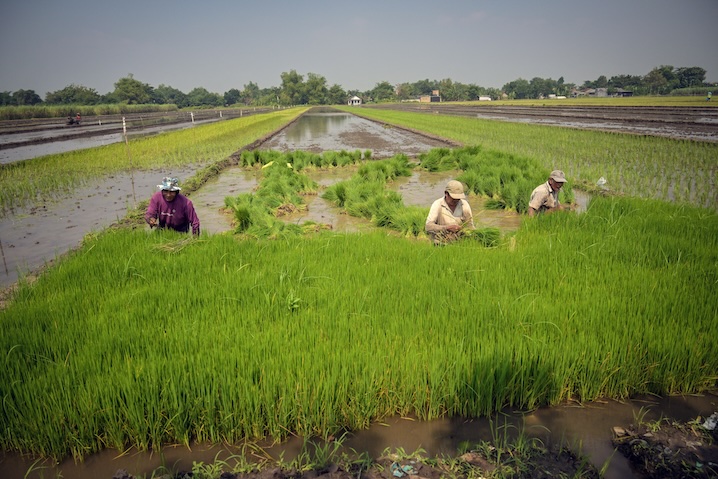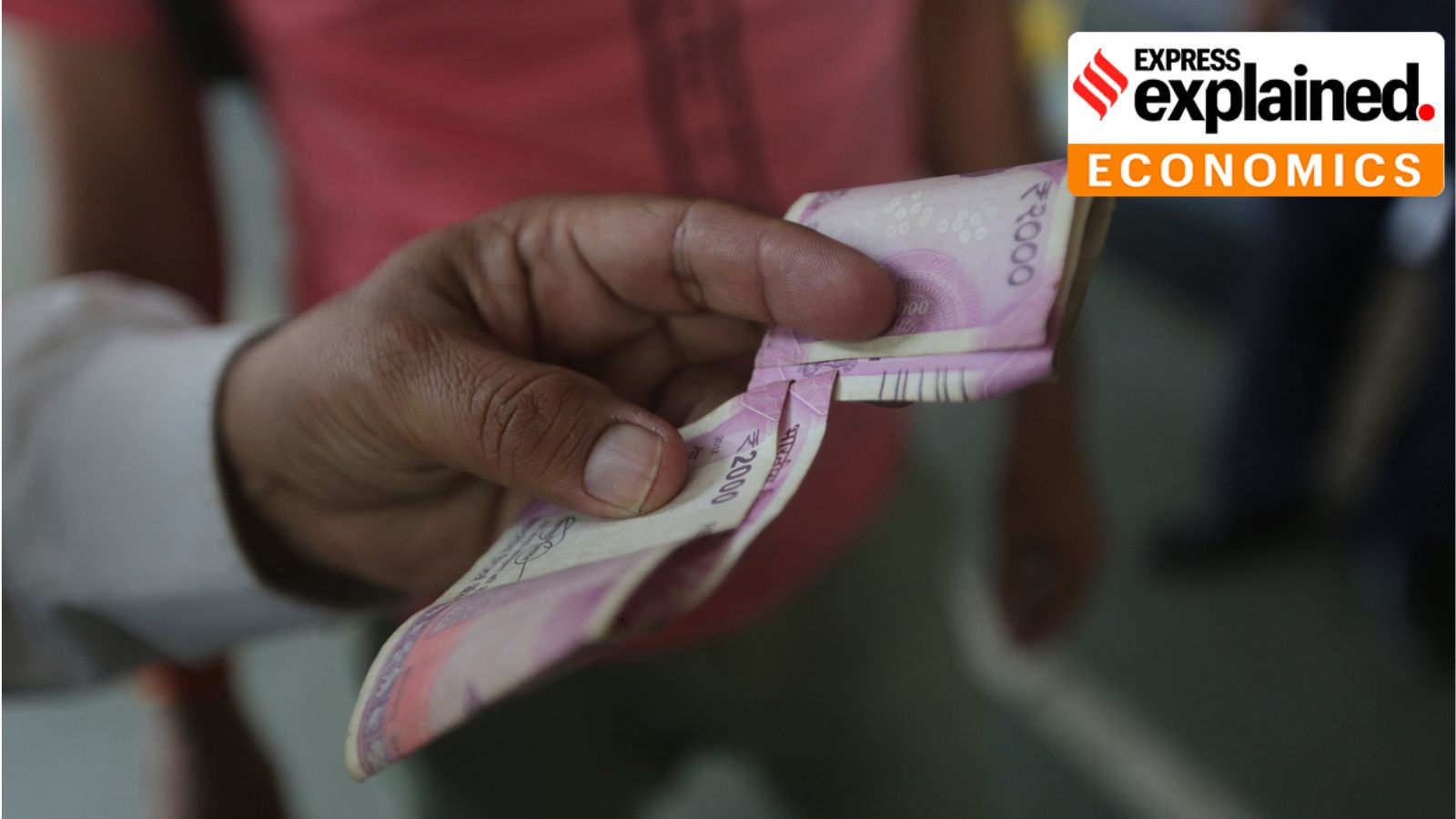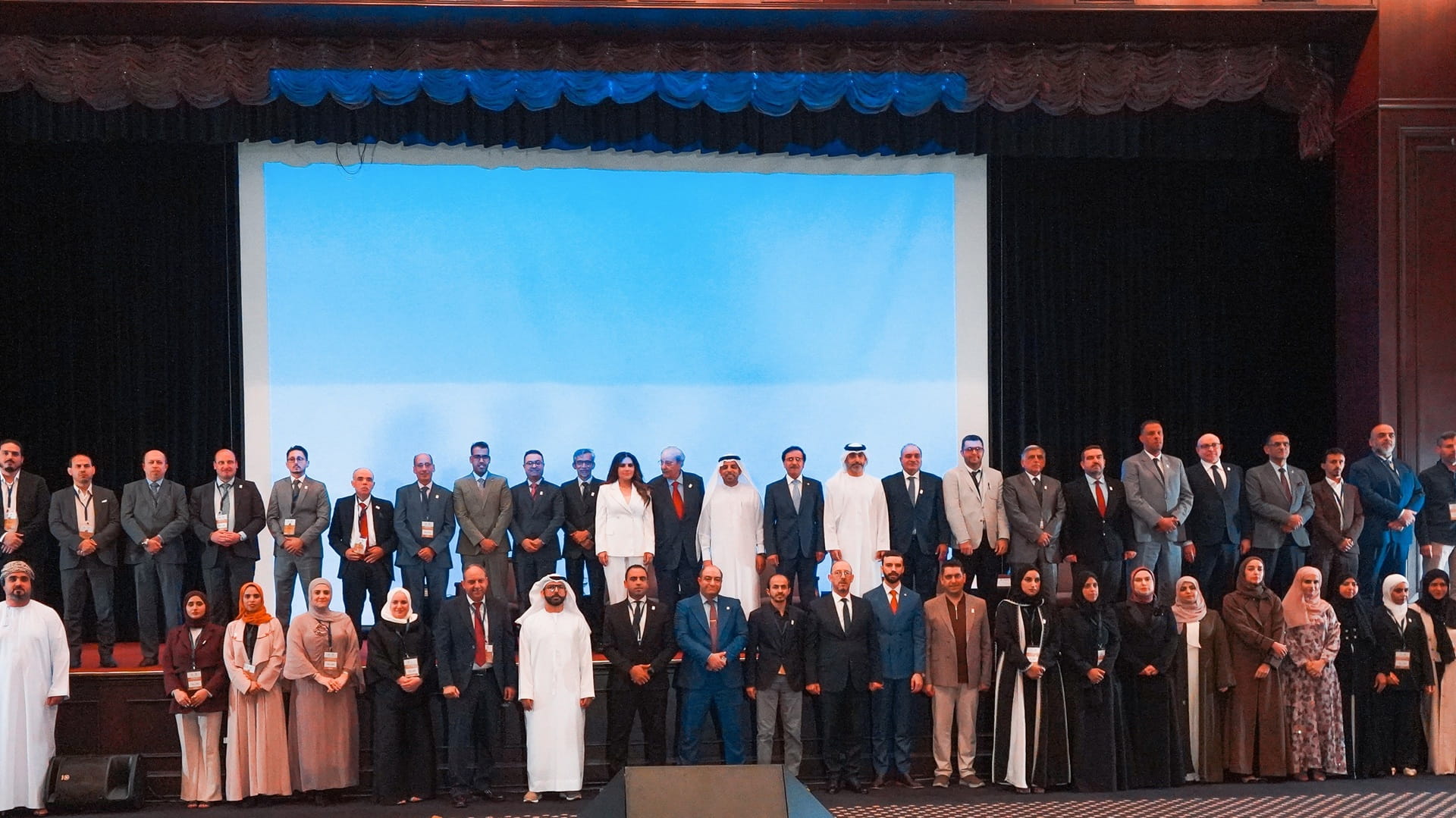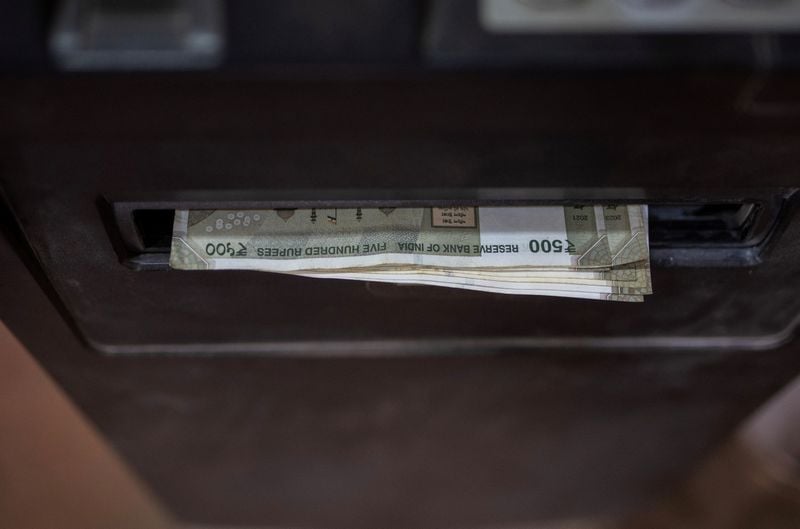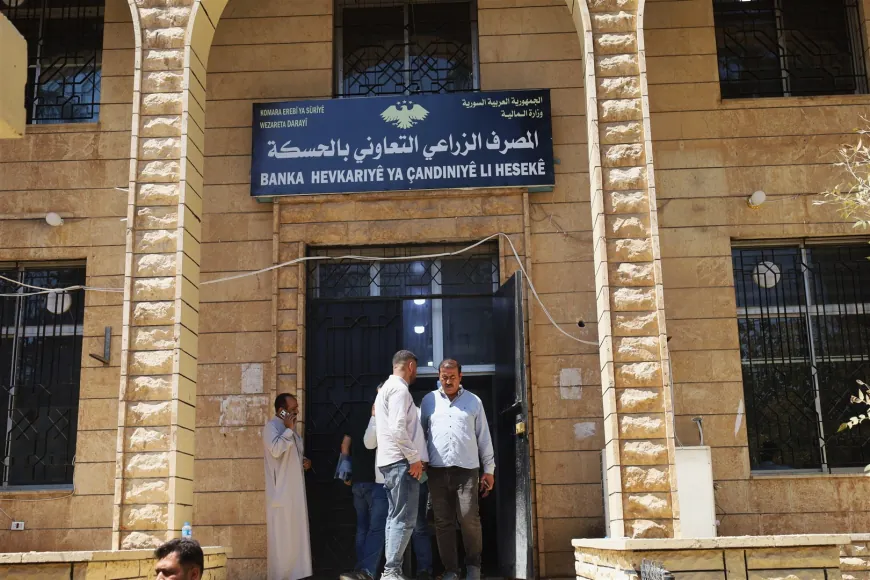
Delays in paying agricultural crop invoices have caused frustration and a sense of despair among farmers in Hasakah province, amid limited available liquidity and postponed payments for their crops. The Agricultural Cooperative Bank is adopting a payment mechanism based on the order of delivery and invoice values, with payments made in successive installments.
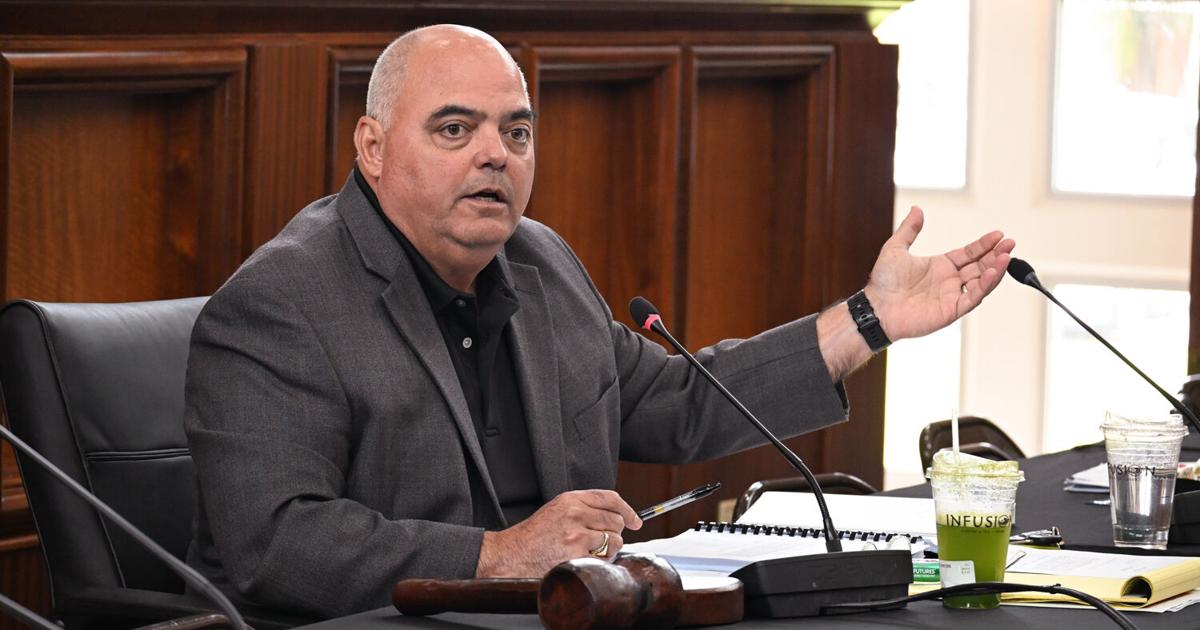
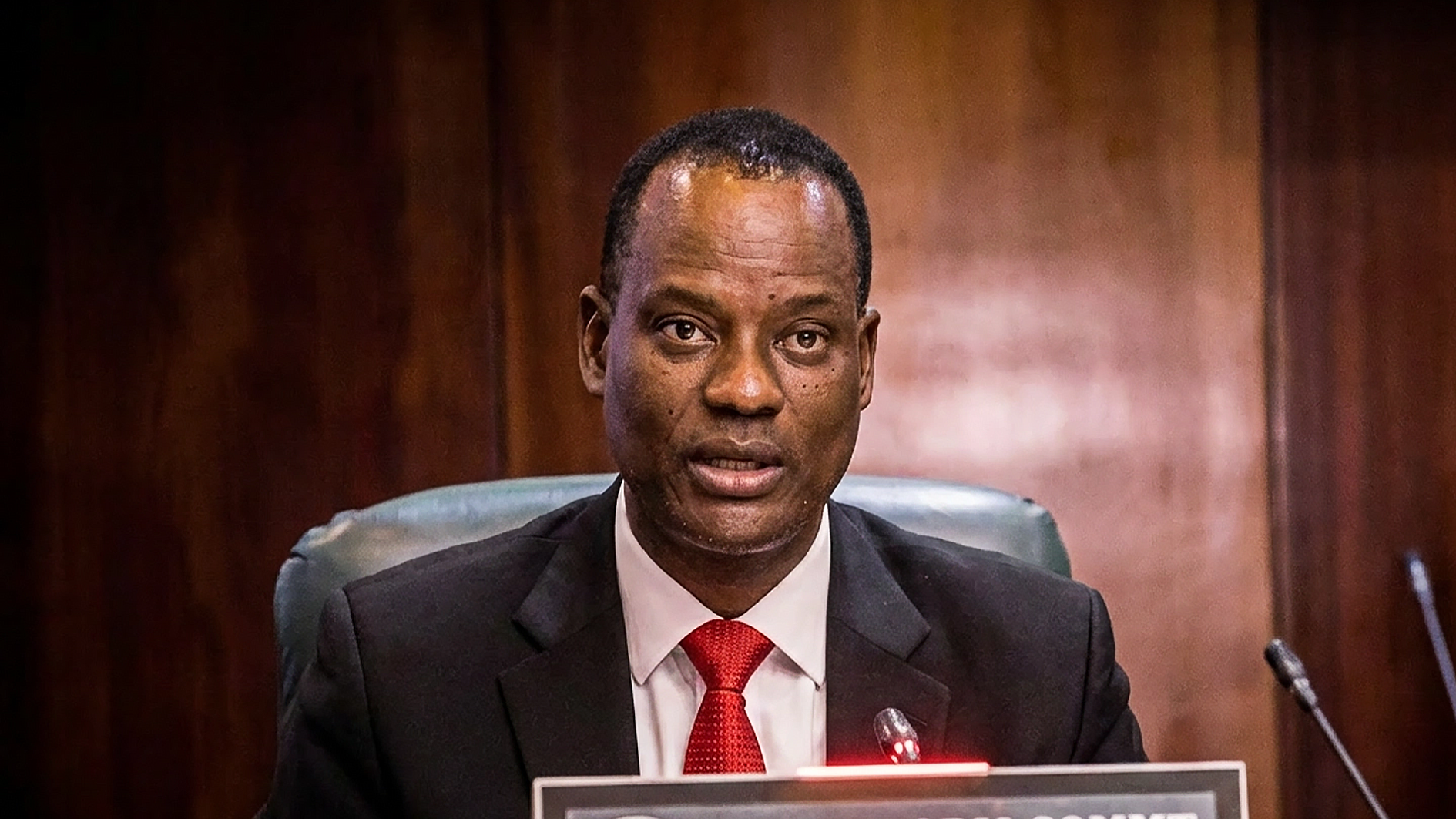
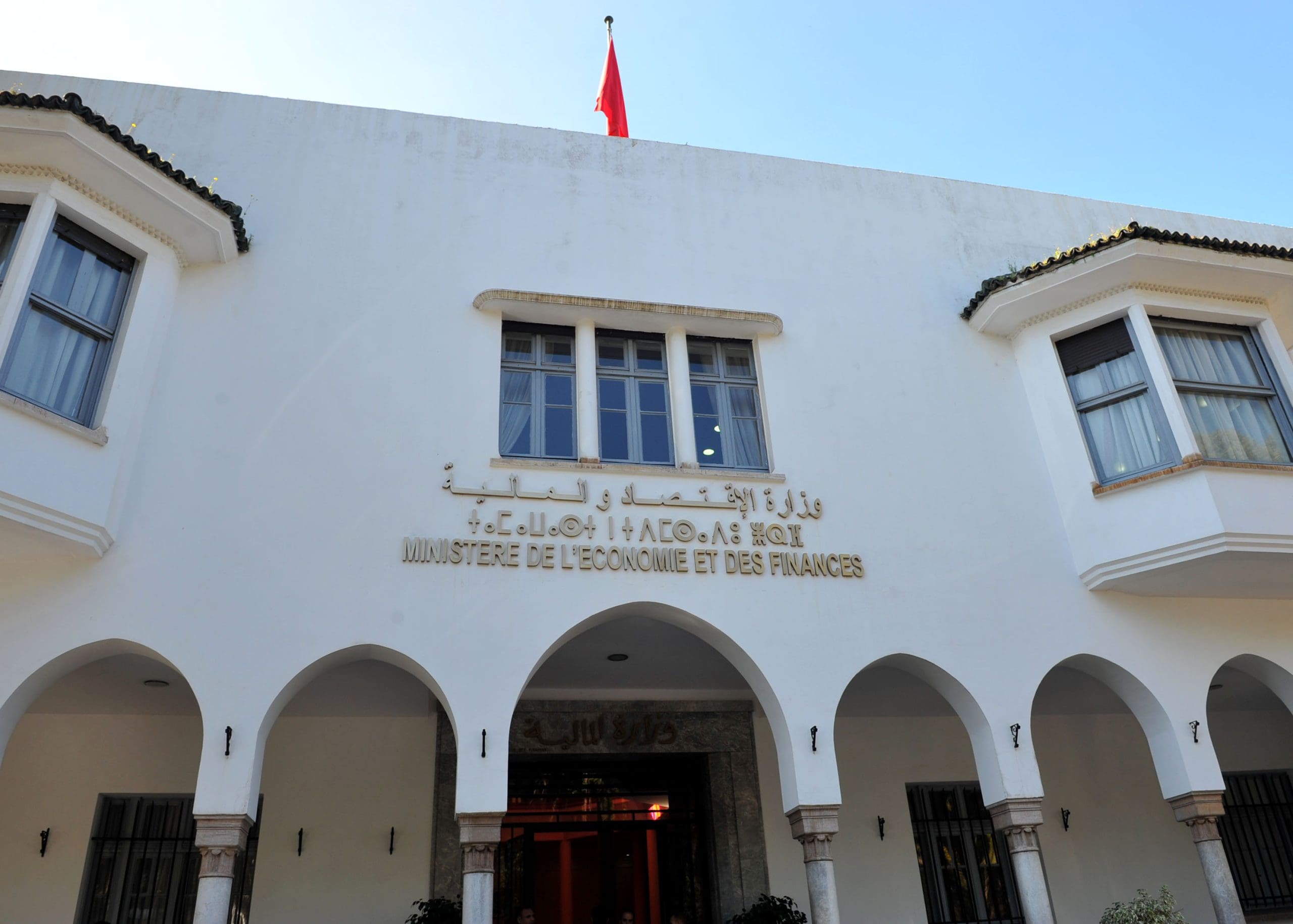
In this regard, Nawaf Al-Hariri, director of the Agricultural Cooperative Bank branch in Hasakah, said that the bank began last week paying farmers for their agricultural produce.
He made clear that, according to the issued circulars, farmers whose crop value is less than one million new Syrian liras will receive their full dues. Meanwhile, those whose crop value exceeds one million liras will receive only one million liras, while the remaining amount will be deposited into their current accounts at the bank.
He added that a farmer whose crop value amounts to five million new Syrian liras will receive 25% of the crop’s value, with the remaining amount deposited into their account and paid out in three consecutive installments.

Al-Hariri pointed to the existence of a circular stipulating the payment of 25% of the invoice value through the “Sham Cash” application. However, the platform has not yet been officially activated, and farmers are not required to receive their payments via it.
He noted that the approved payment mechanism in Hasakah province is based on the order of delivery and covers the Hasakah center and its eight affiliated branches, in addition to the centers of Amuda, Derbasiyah, Qamishlo, and Derik.
He said that the first payment installment had been disbursed to farmers, while the second installment is scheduled to begin at the start of next week. He added that the distribution of crop payments has so far not exceeded 1% of total purchases, valued at around 70 billion new Syrian liras.
He explained that limited liquidity is one of the main reasons behind the delays, noting that funds received from the Central Bank are distributed equally among the branches.
Regarding farmers’ complaints, Al-Hariri said they were justified, adding that this is the first time payments for agricultural crop invoices have been delayed. He attributed the delay to the shortage of liquidity and procedures related to currency replacement.
He confirmed that there are promises of an improvement in the situation in the coming days.
ANHA