
Photo credit: 21bitcoin.app
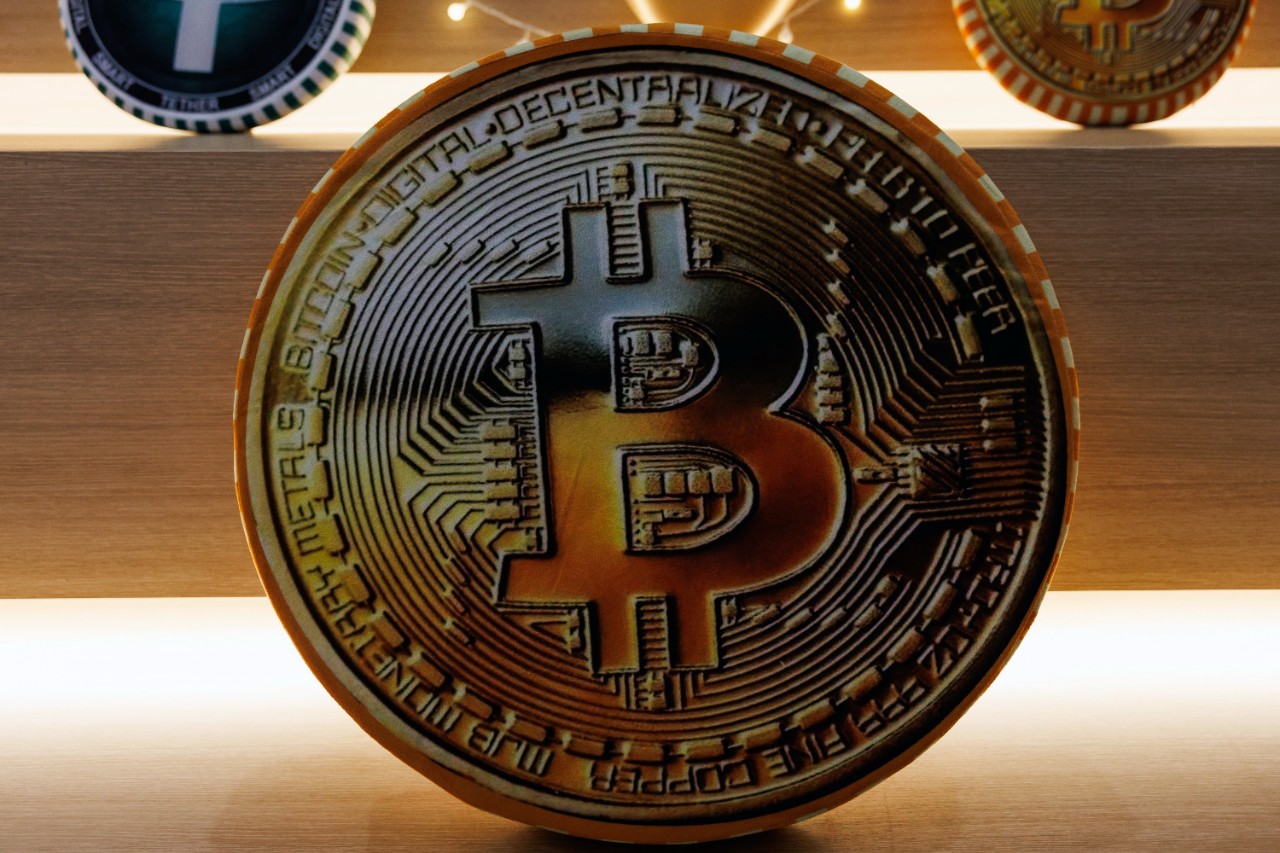
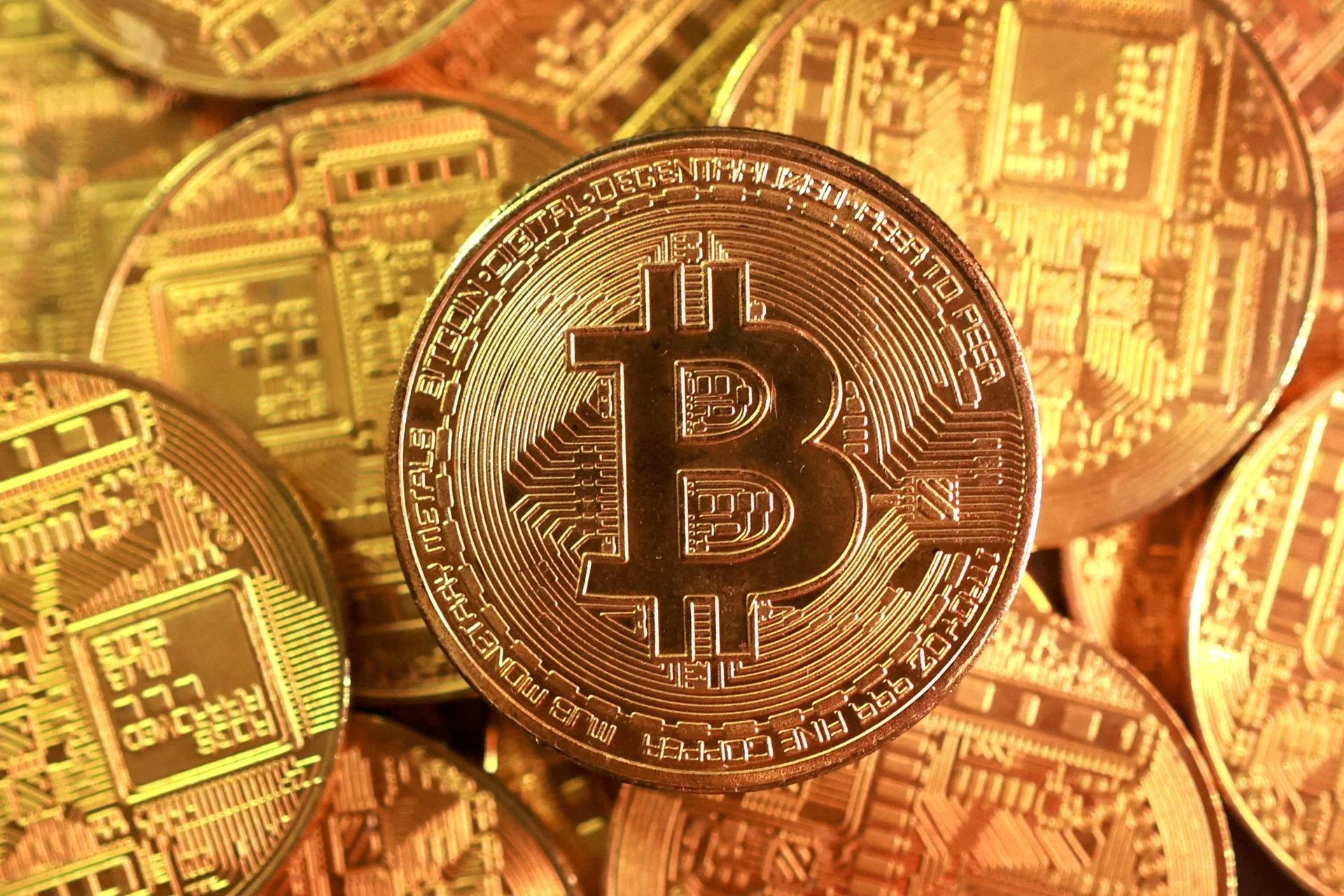
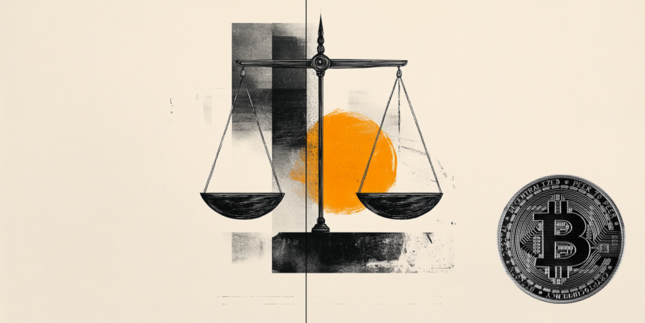
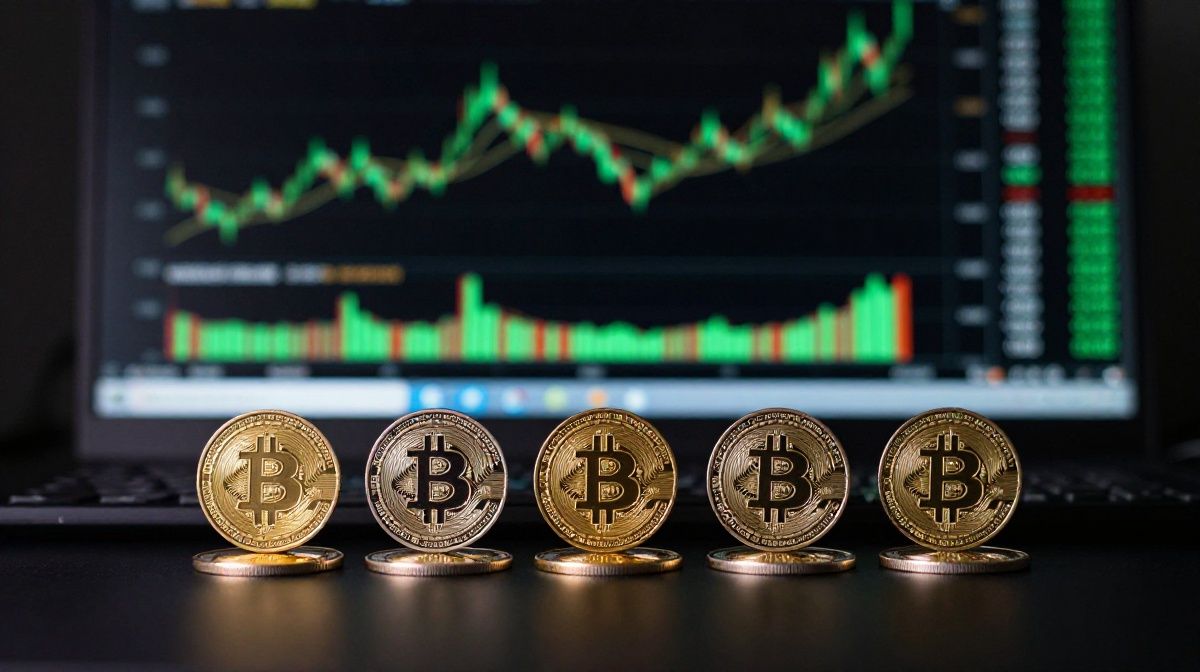
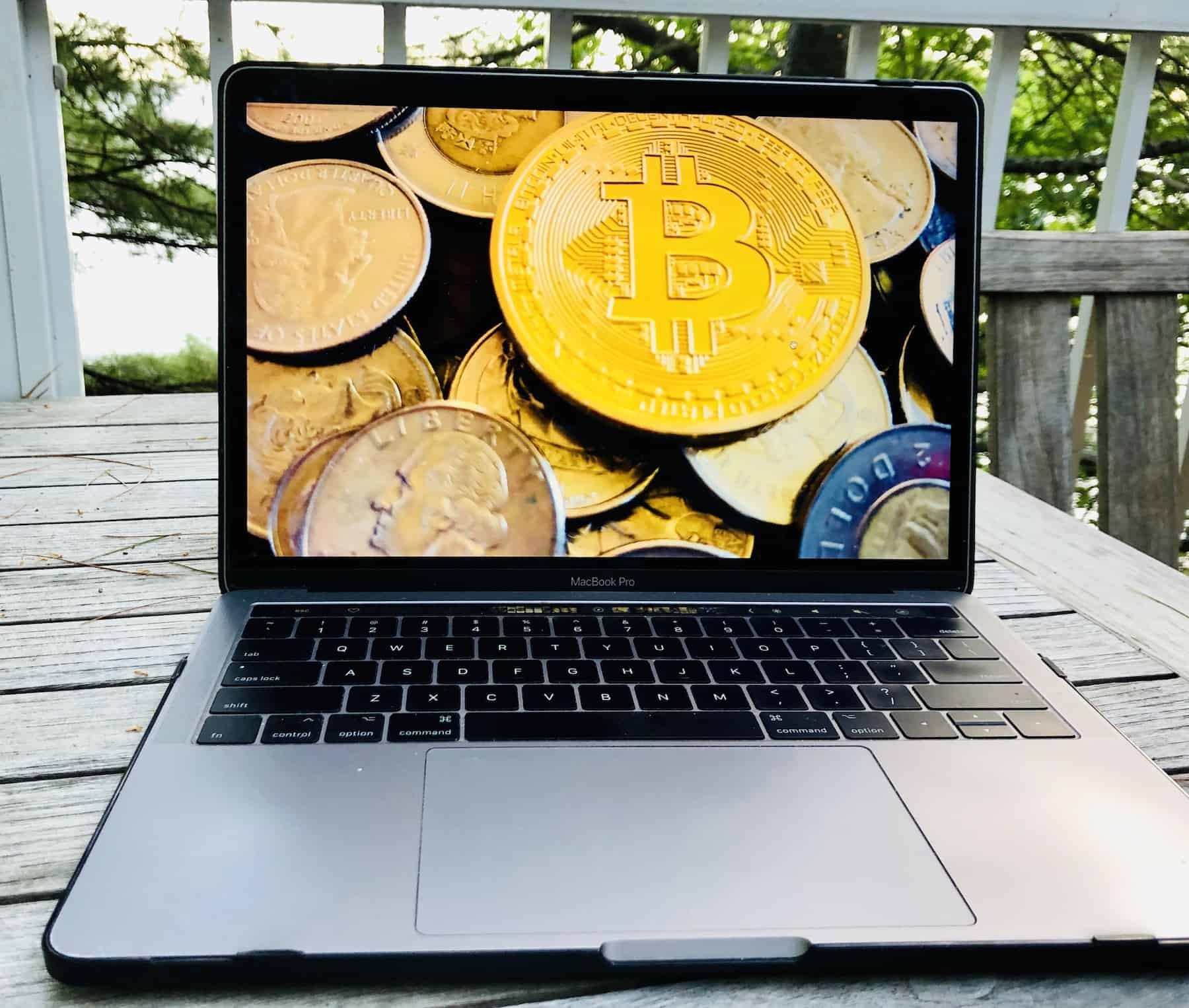
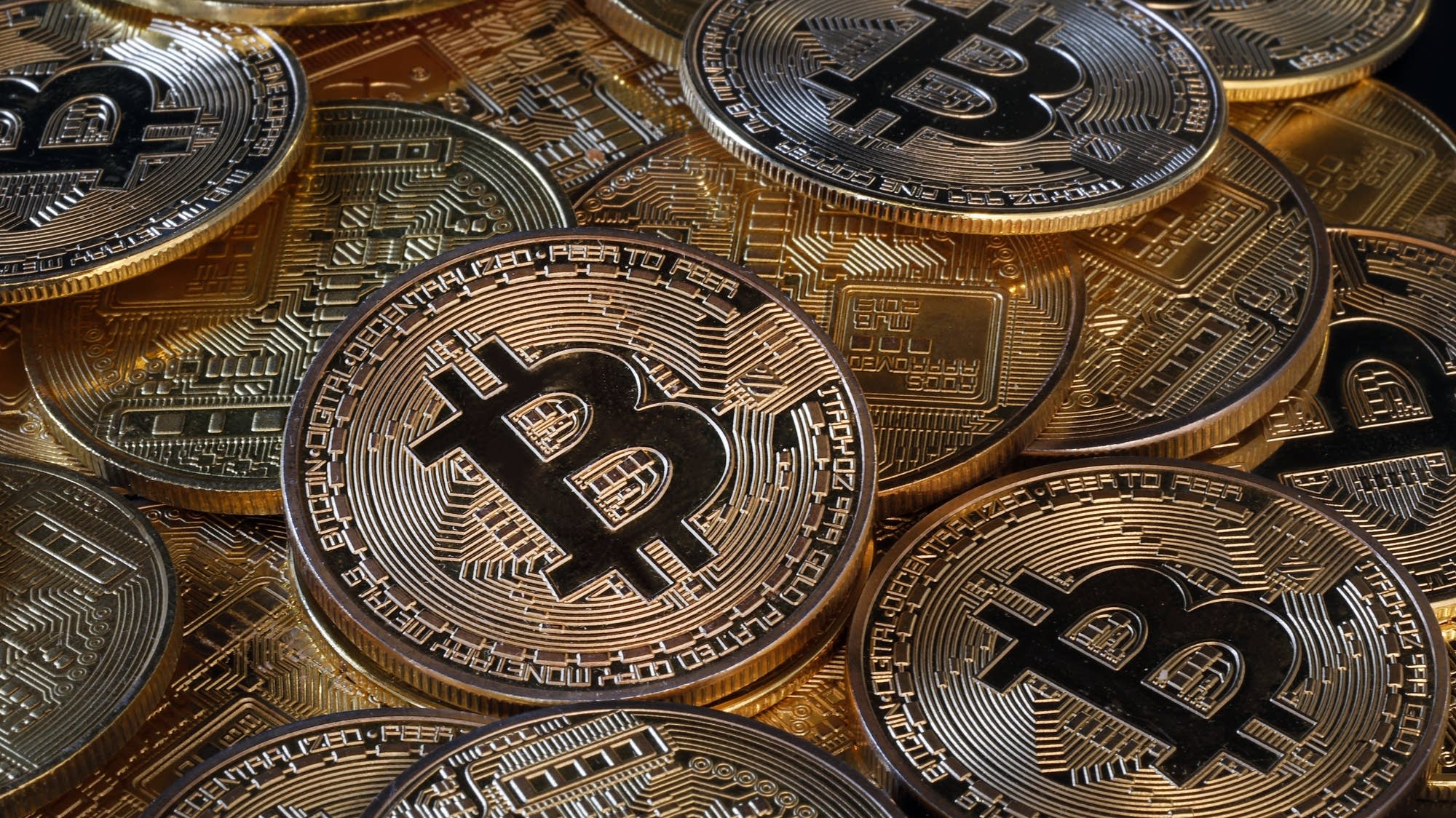
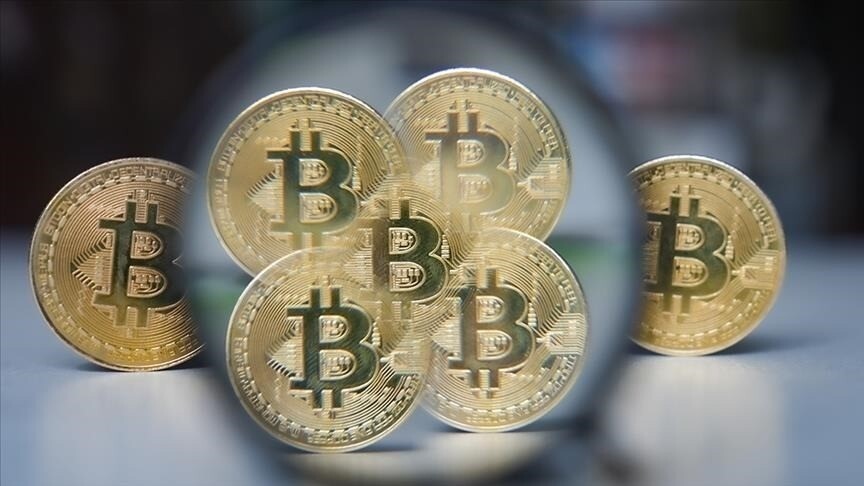
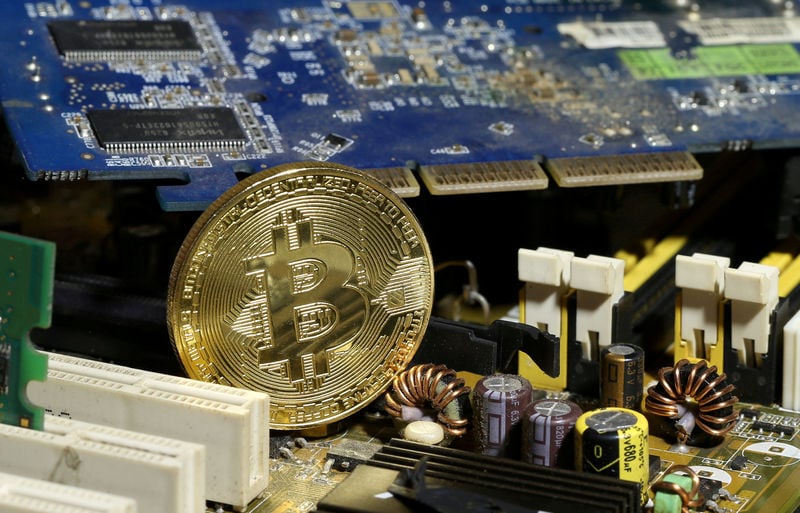
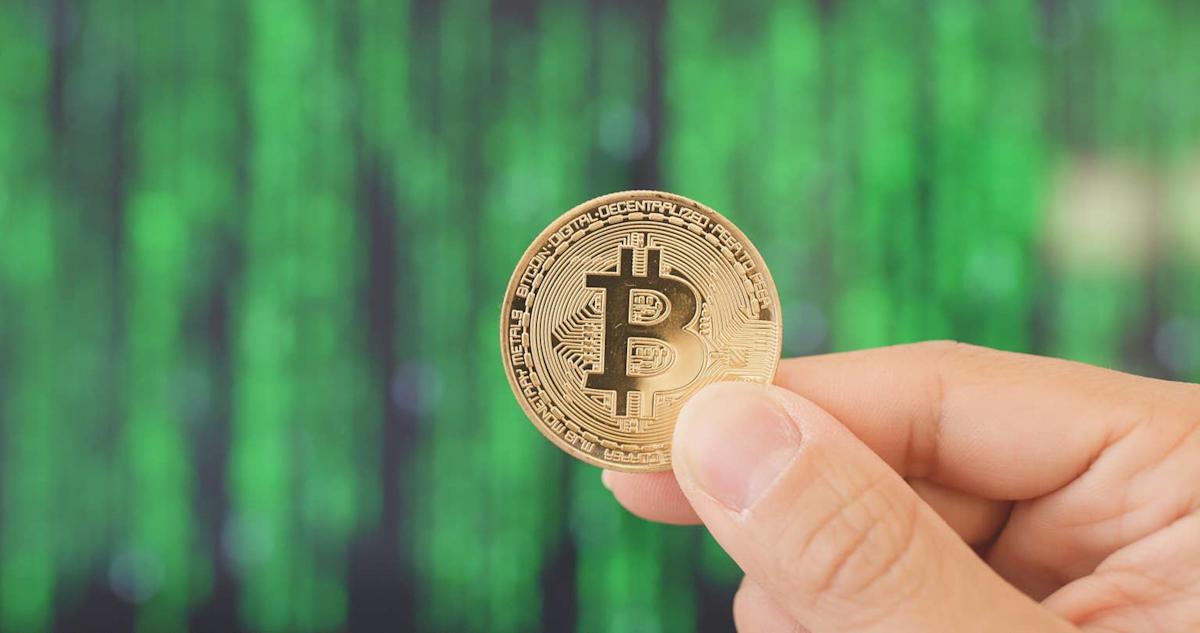
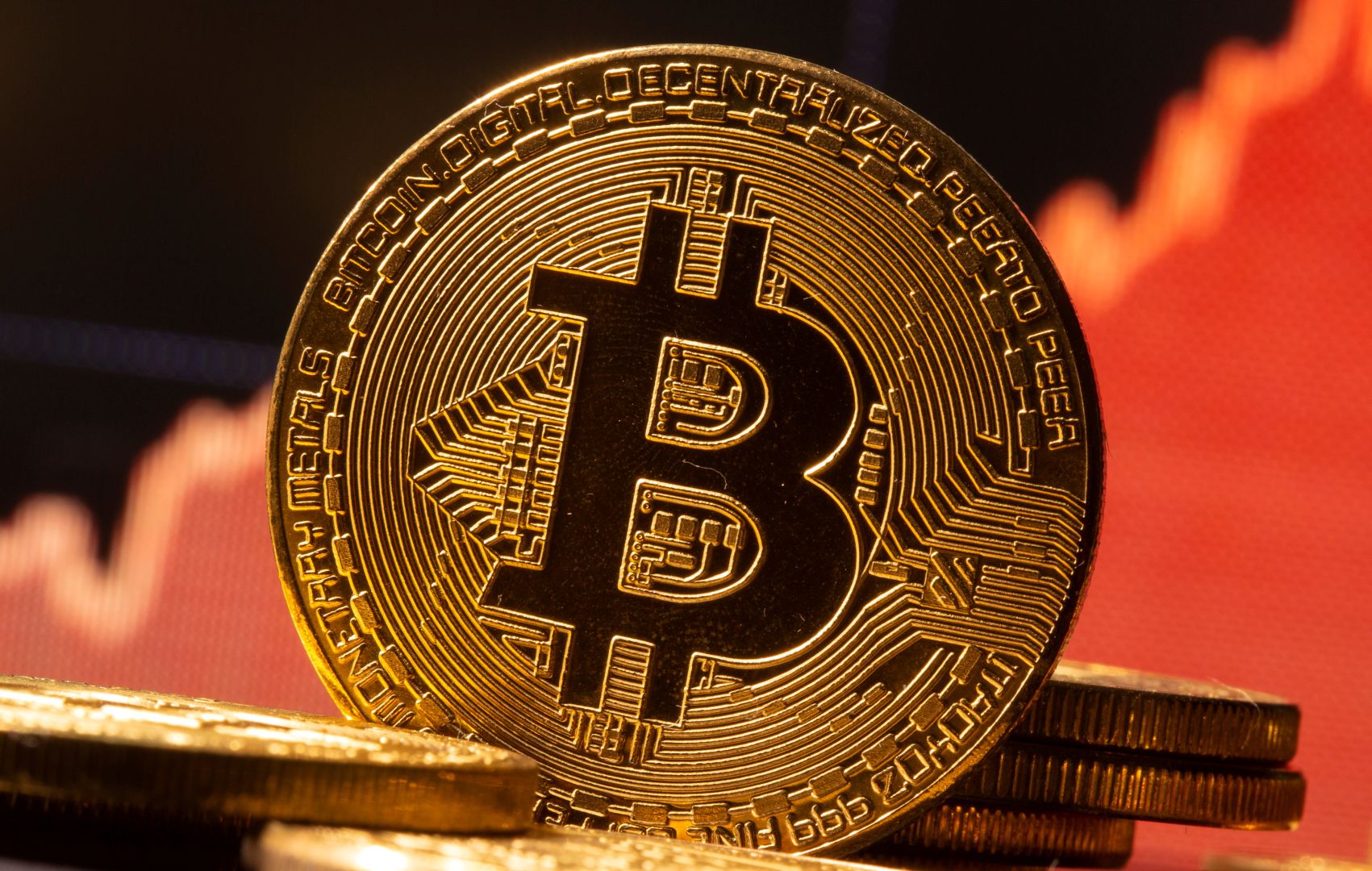
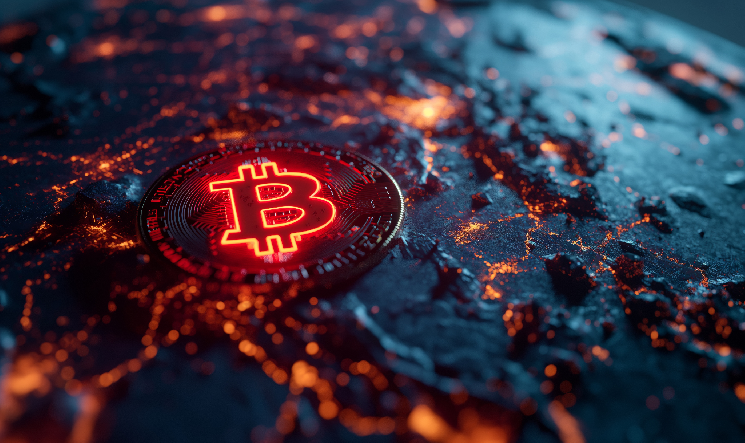
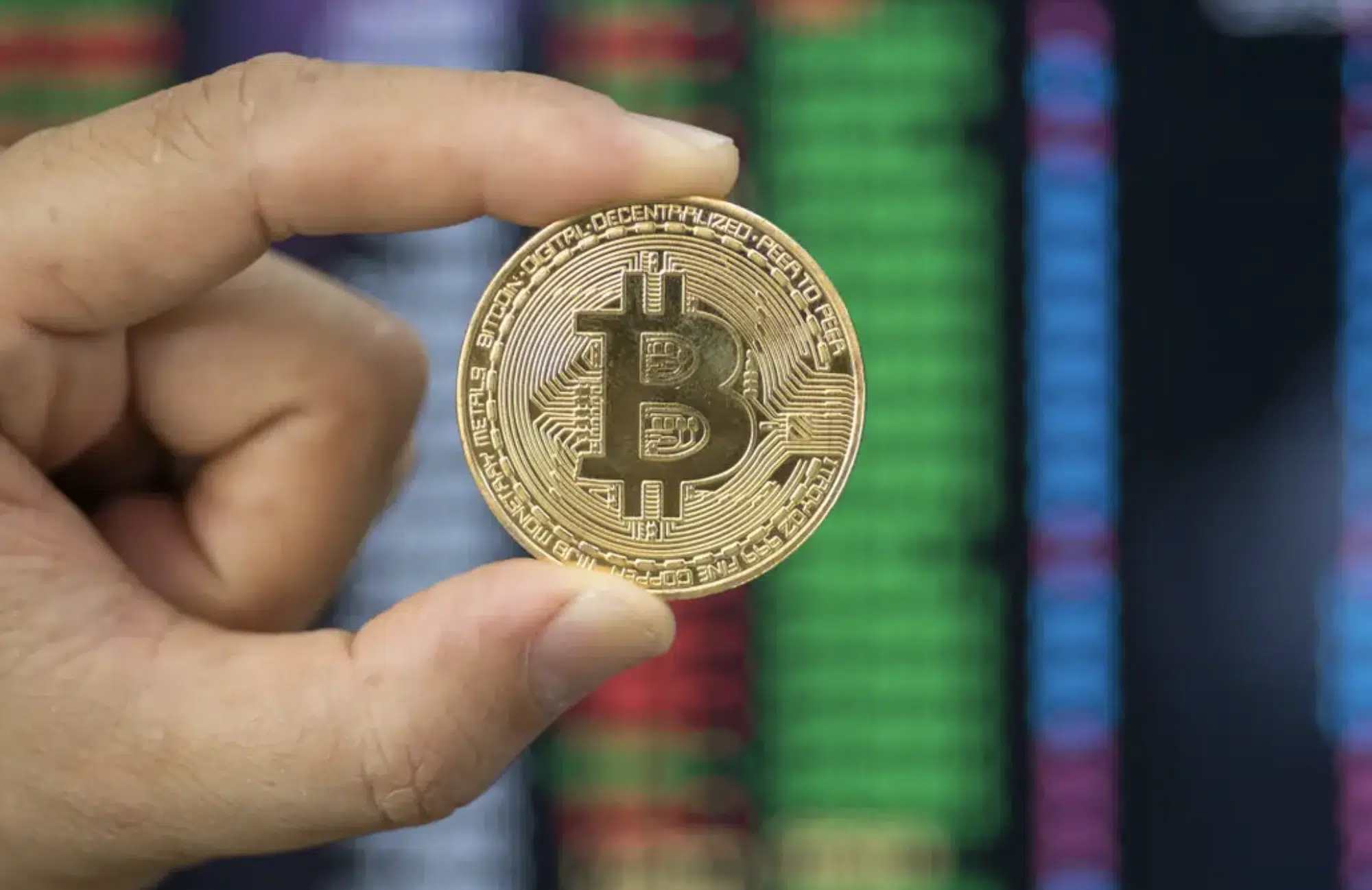
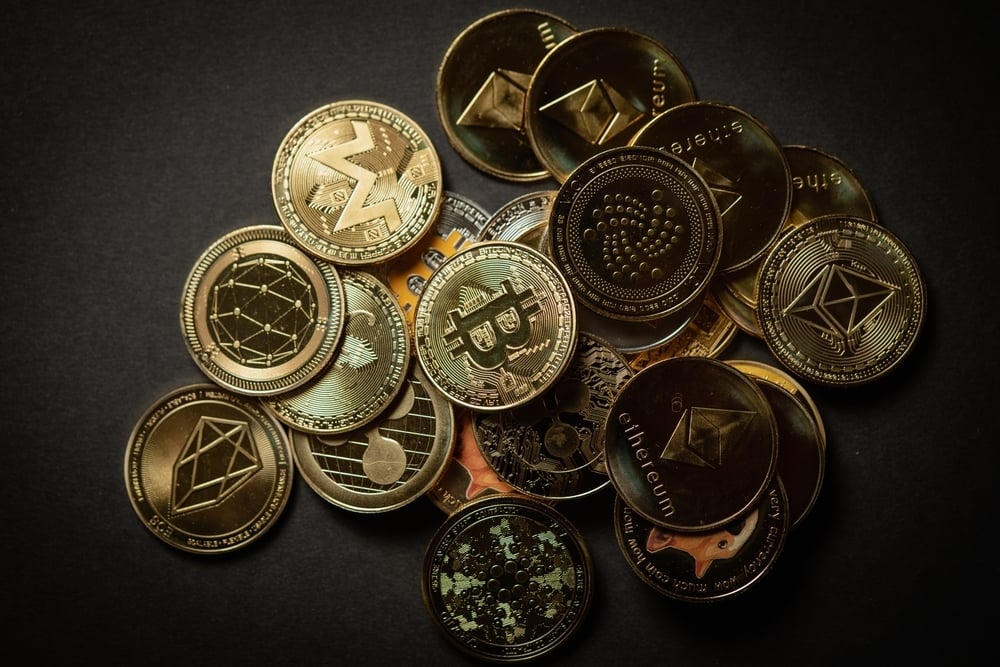
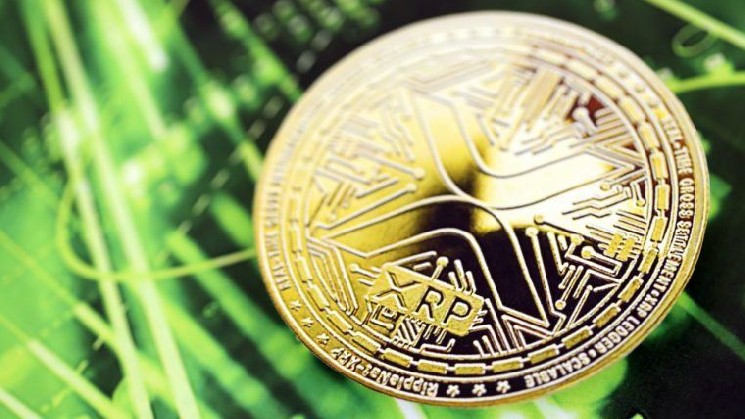
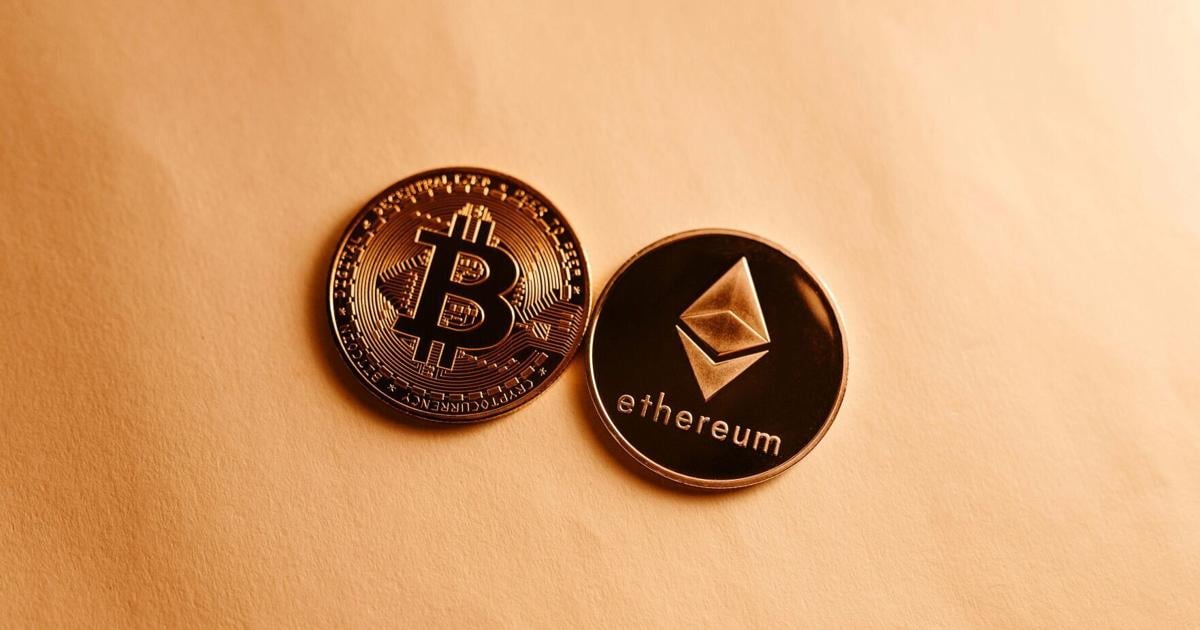
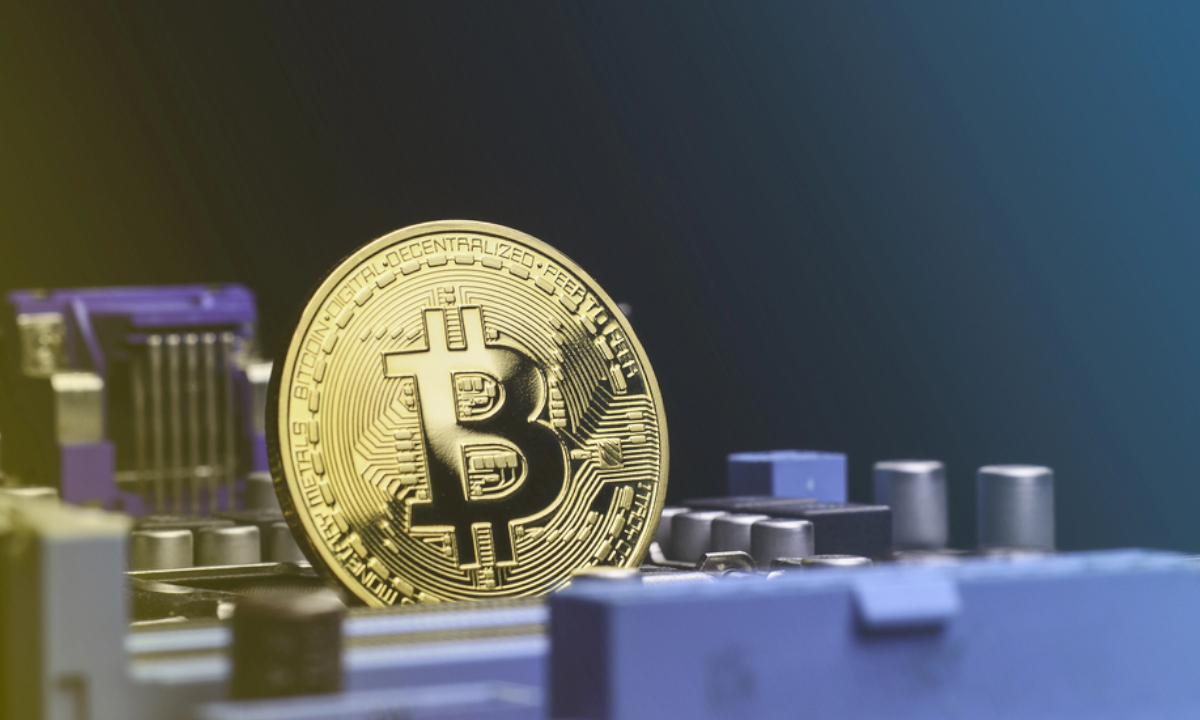
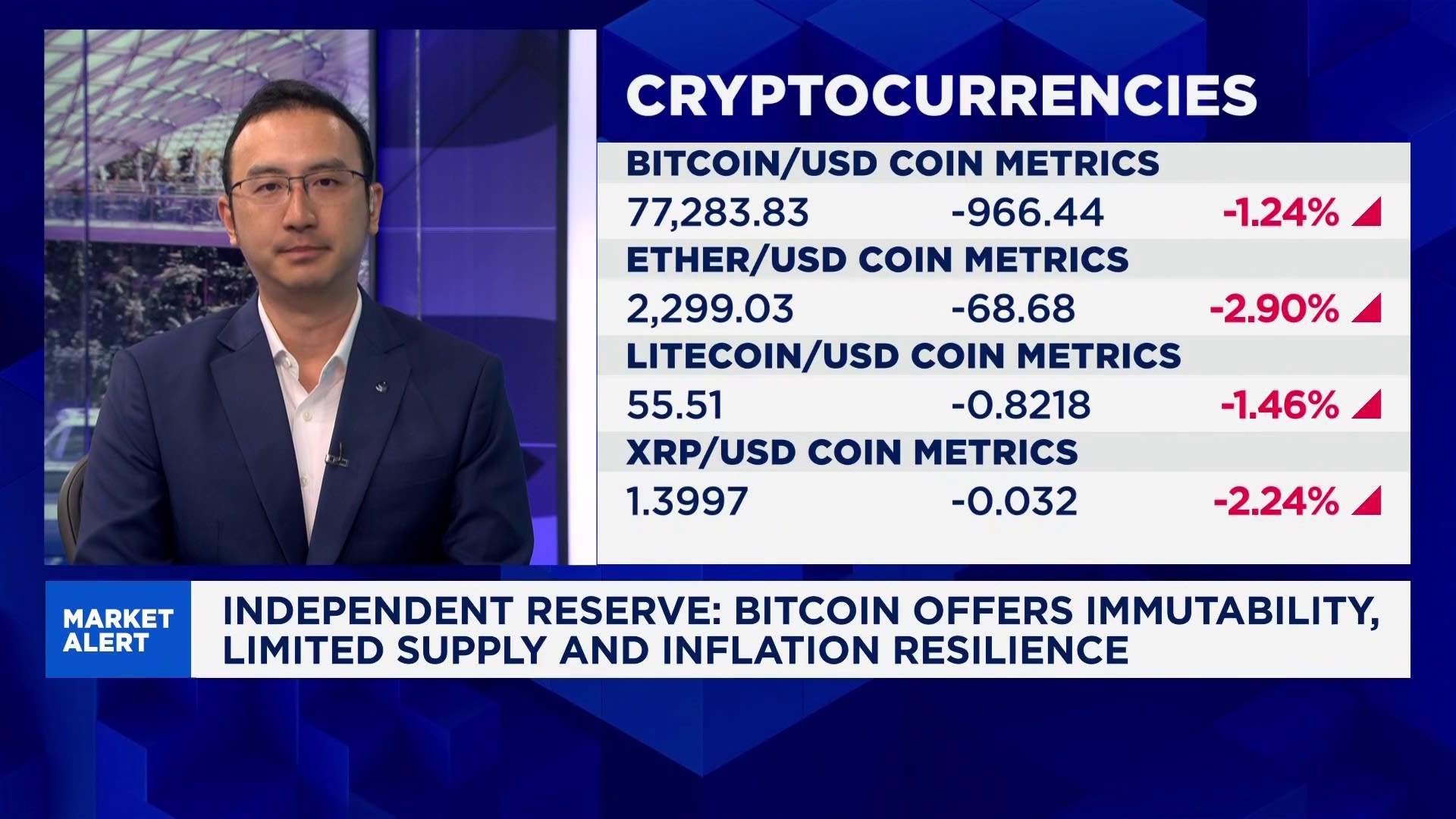
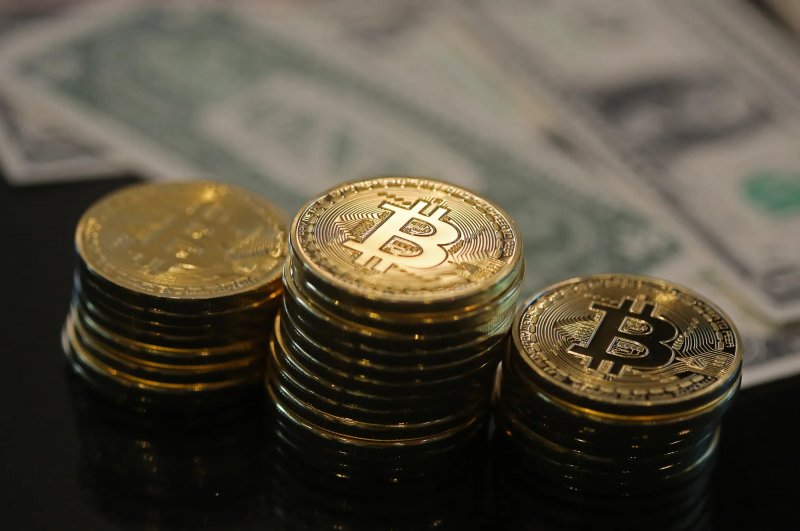
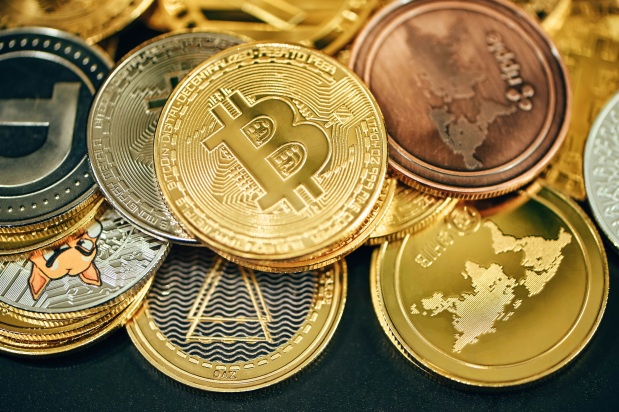
Bitcoin was designed to serve as a digital alternative to physical gold in certain aspects.
Here’s the pitch for the “digital gold” idea in plain English: It’s hard to make more Bitcoin.
That’s it. That’s the whole store-of-value argument. Everything else is commentary.
The 21 million coin limit isn’t a suggestion
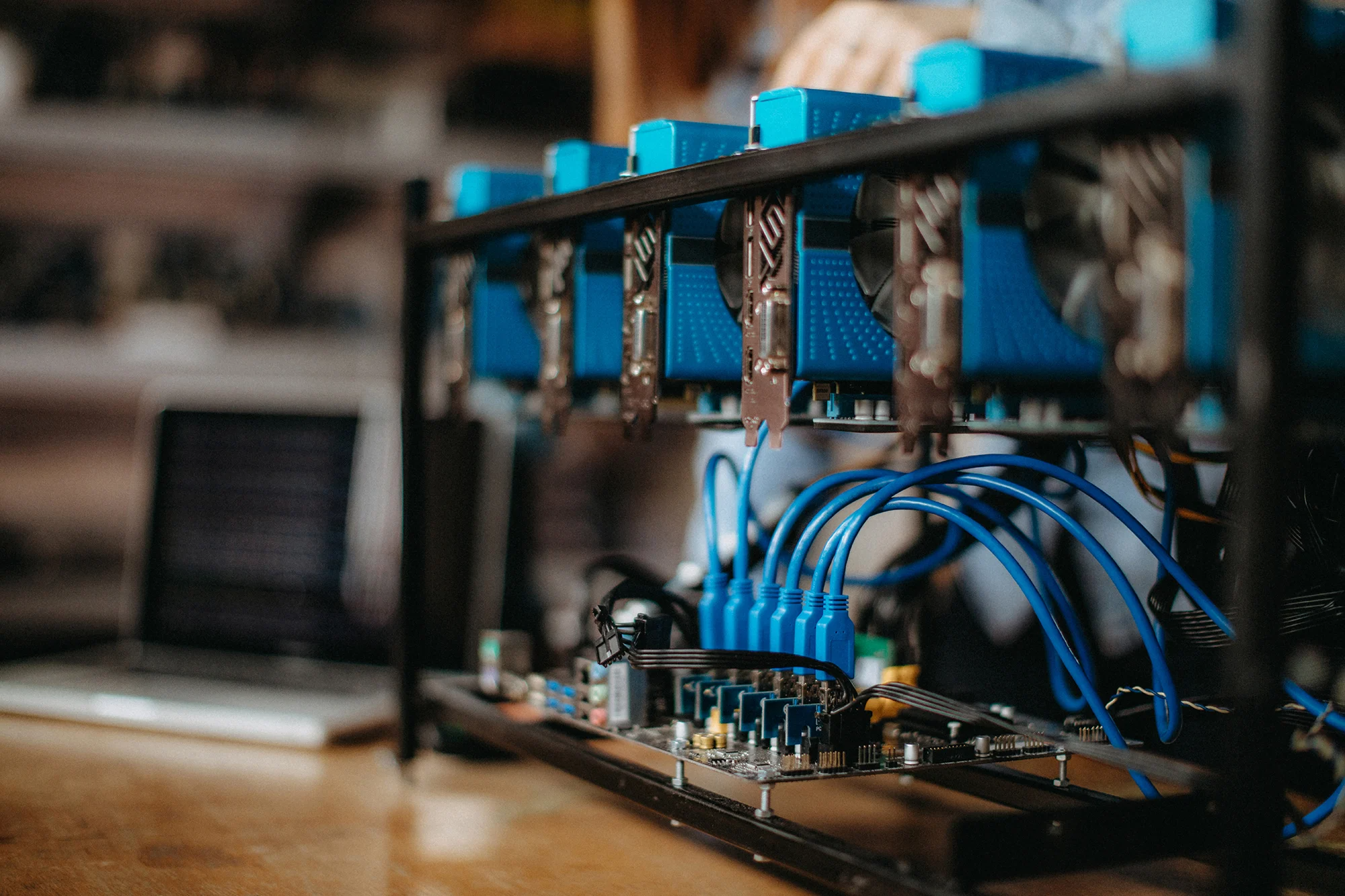
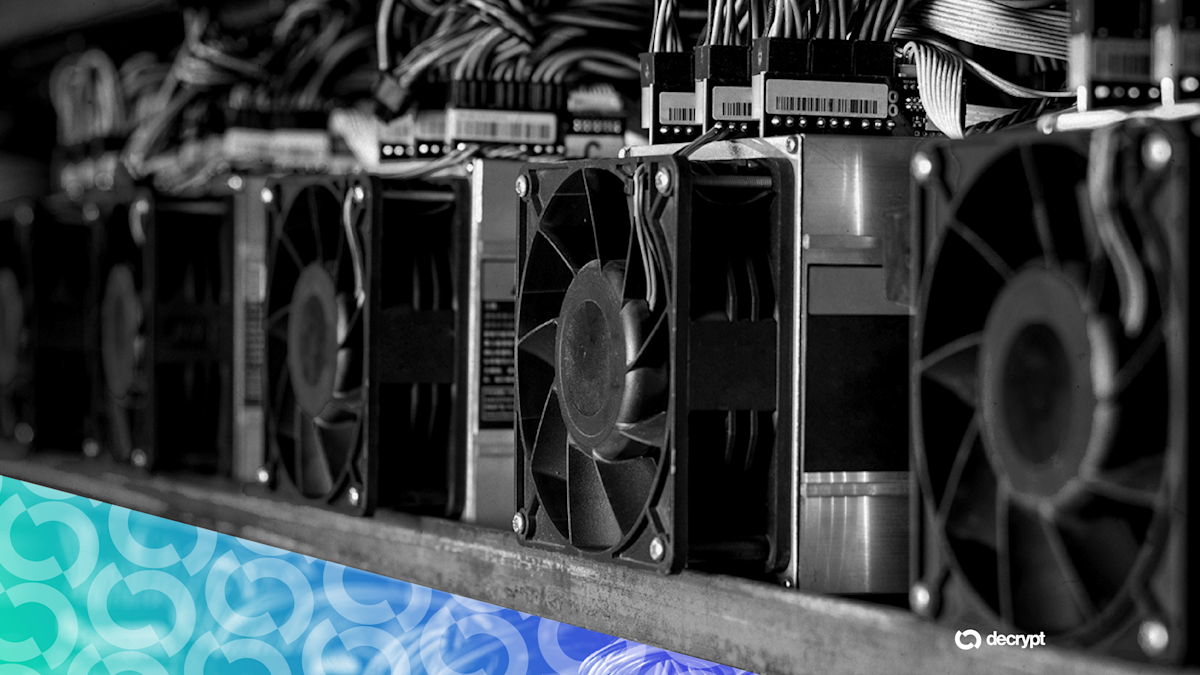
The underlying white paper by Satoshi Nakamoto spelled it out in plain English: “The steady addition of a constant amount of new coins is analogous to gold miners expending resources to add gold to circulation. In our case, it is CPU time and electricity that is expended.” Therefore, the significant (and constantly rising) cost of producing new Bitcoin should make it a robust long-term parking space for your capital, News.Az reports, citing foreign media.
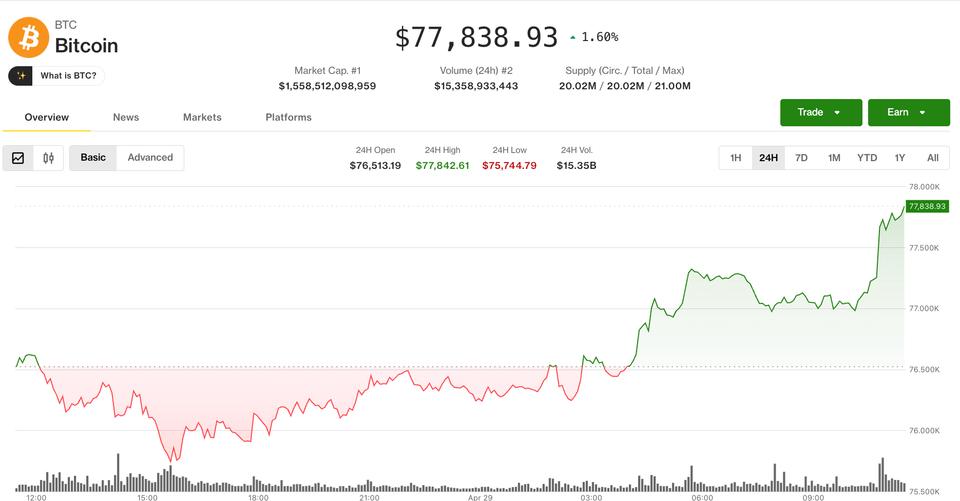
There will only ever be 21 million Bitcoin. That’s not because Nakamoto said so, and investors are just trusting the plan. It’s baked into Bitcoin’s code, which runs the encrypted ledger and also its mining operations.
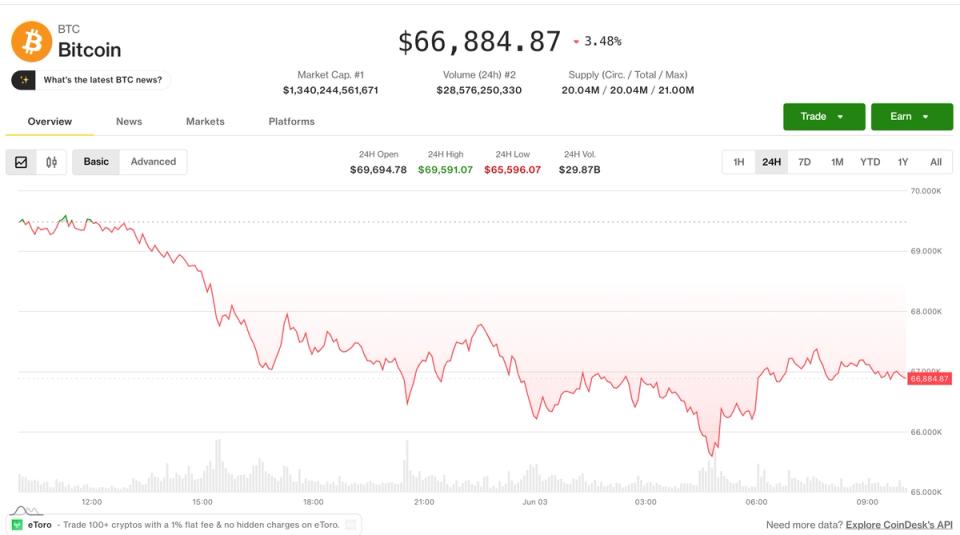
Changing that hard-coded number would require mass coordination among people who bought Bitcoin specifically because the number can’t change. Their vested interest (also known as Bitcoin’s market cap) is about $1.4 trillion nowadays. Good luck with getting popular support for undermining that massive investment.
Bitcoin’s receipts are always available
Gold works the same way, of course. You can’t print more gold just because you feel like it. Grab a shovel and hit the gold fields, dear prospector.
But gold has a trust issue: How much is actually sitting in those vaults? With Bitcoin, anyone can verify the total supply by running some software.
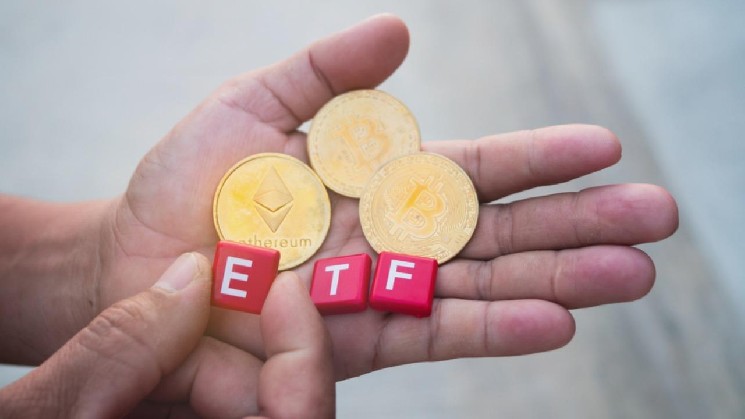
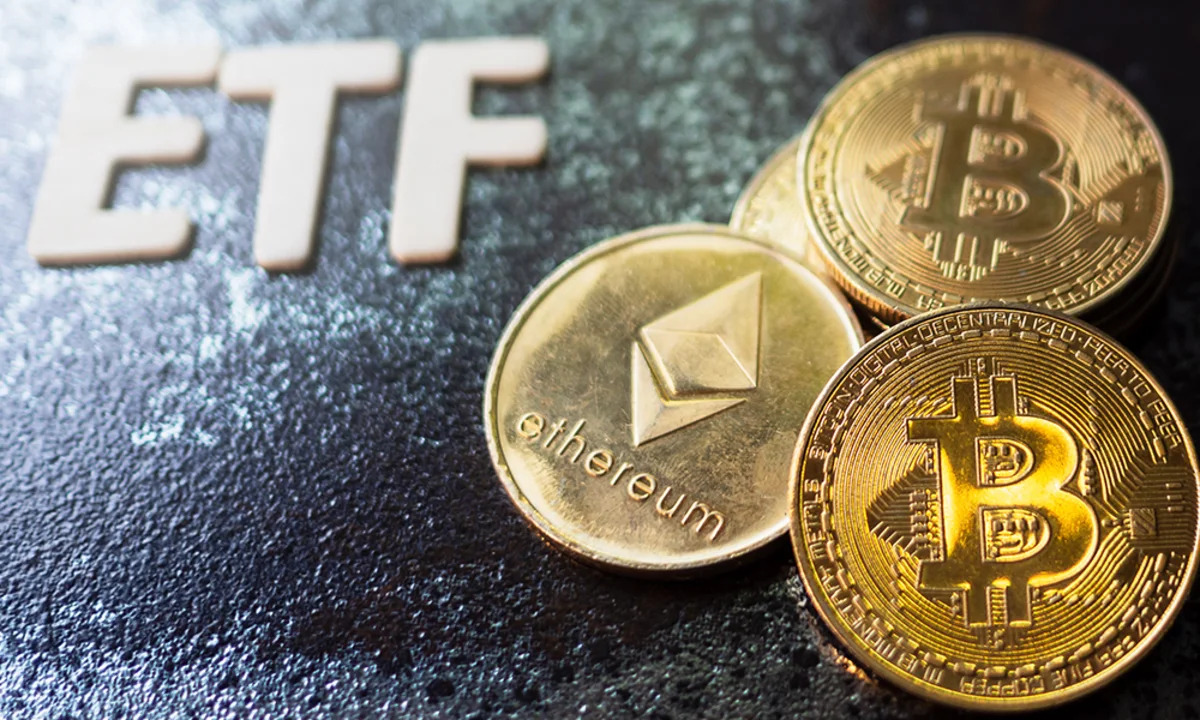
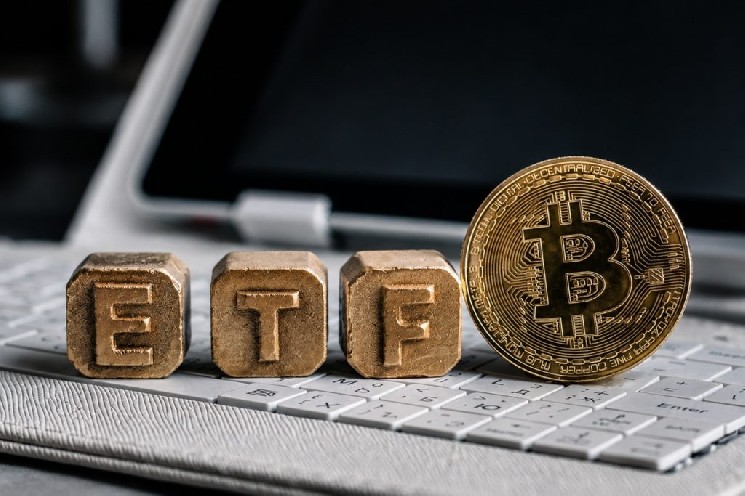
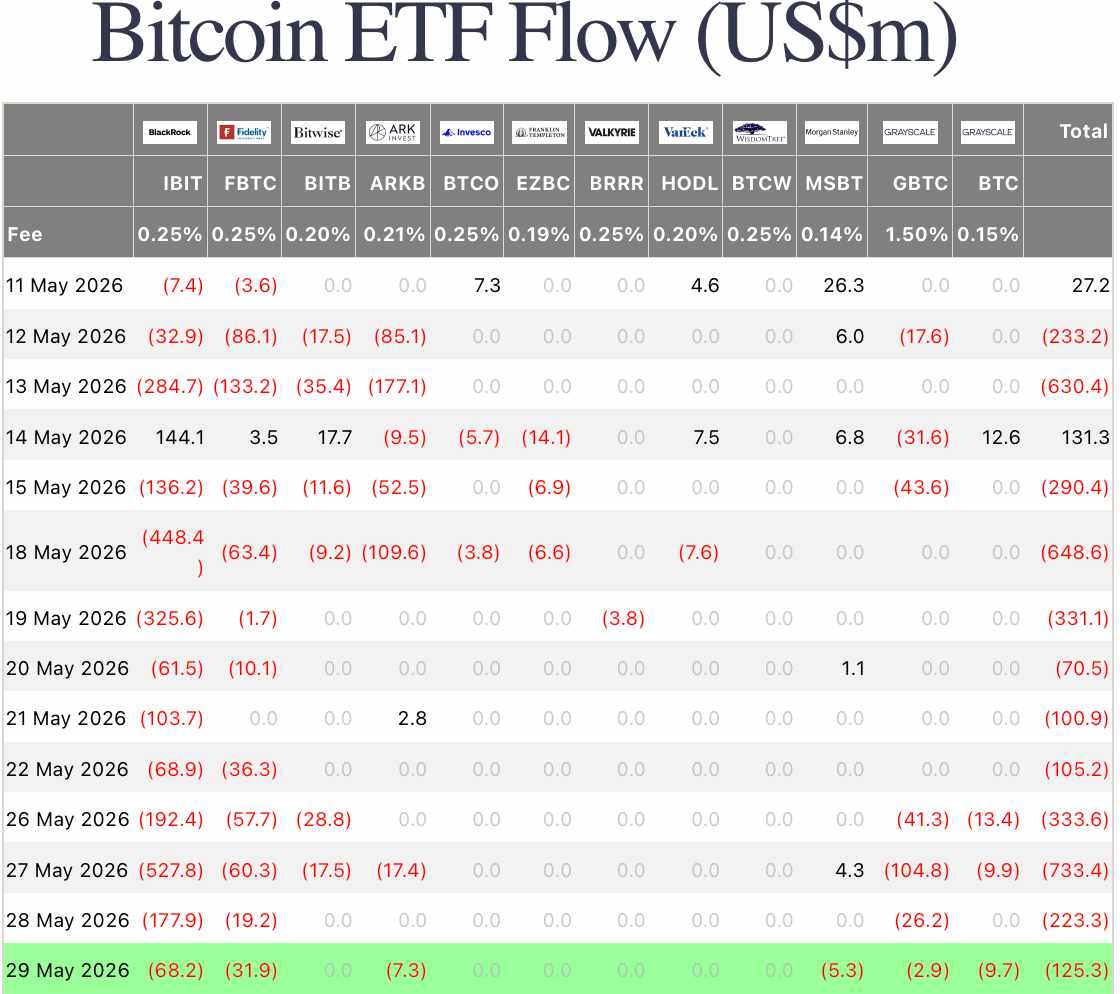
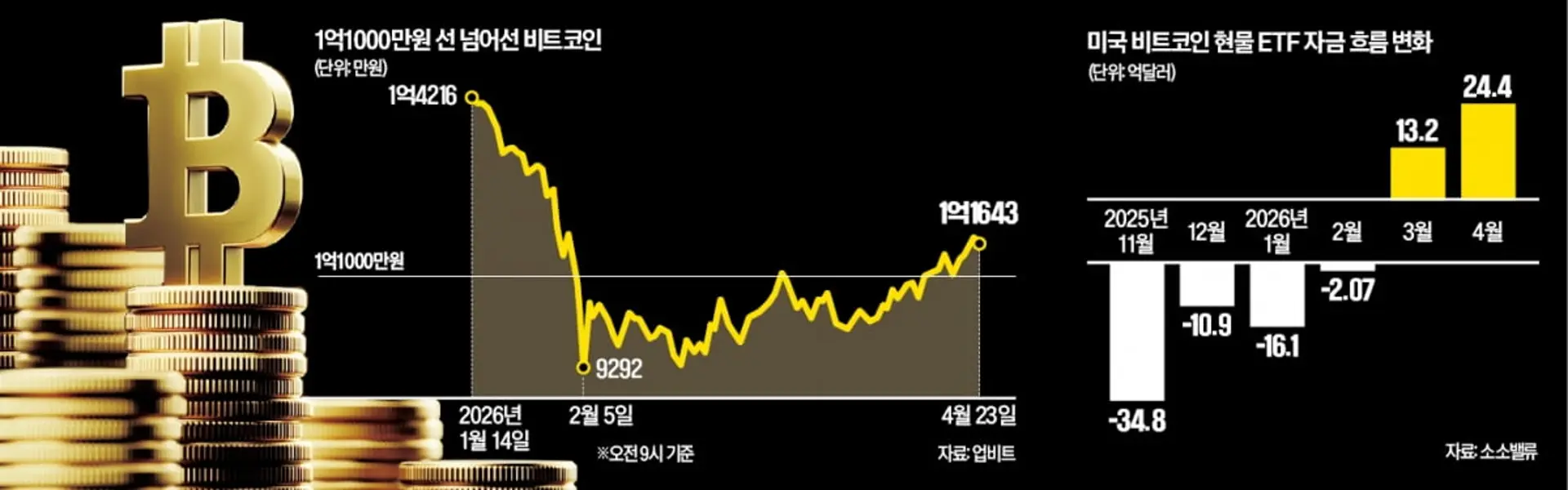
The market seems to be buying this logic — sometimes. When the latest CPI data came in cooler than expected, investors poured $1.1 billion into crypto-based exchange-traded funds (ETFs) in a single week. Bitcoin products grabbed $872 million of that.
As of this writing on April 13, the leading iShares Bitcoin Trust (IBIT+2.04%) ETF grew its assets under management by 15% since the start of March. That’s classic inflation-hedge behavior in a period where S&P 500 (^GSPC+1.10%) trackers such as the SPDR S&P 500 Trust (SPY+1.12%) saw a 1% outflow instead.
Bitcoin sells off when the world gets scary because it’s so easy to sell. Crypto markets are open around the clock, Bitcoin’s liquidity is deep, and when fund managers need to raise cash fast, they don’t wait for the gold vault to open. It’s a matter of convenience, not conviction.
Liquidity is a feature, not a bug
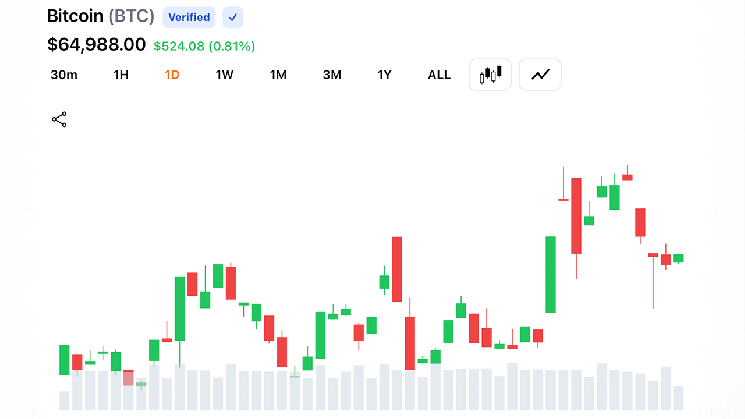
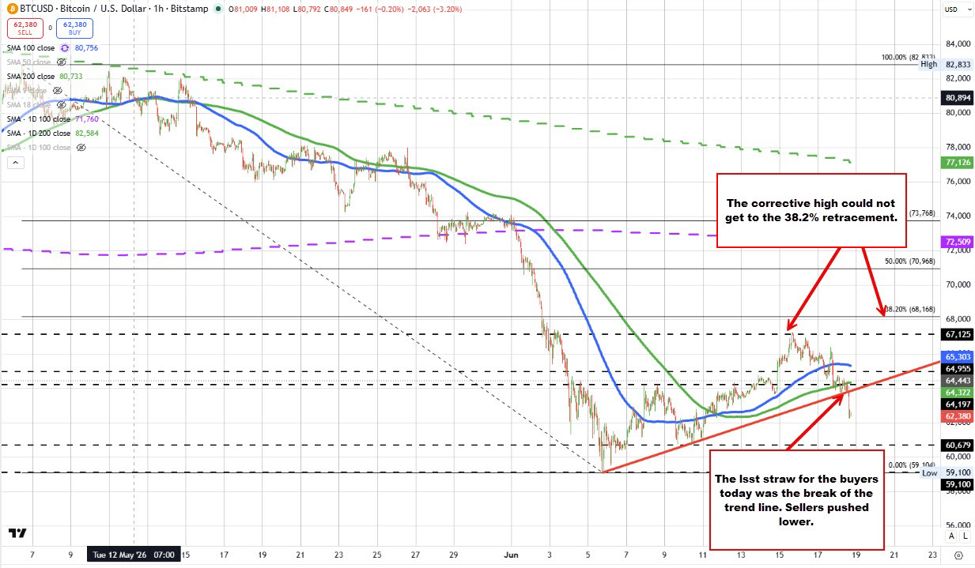
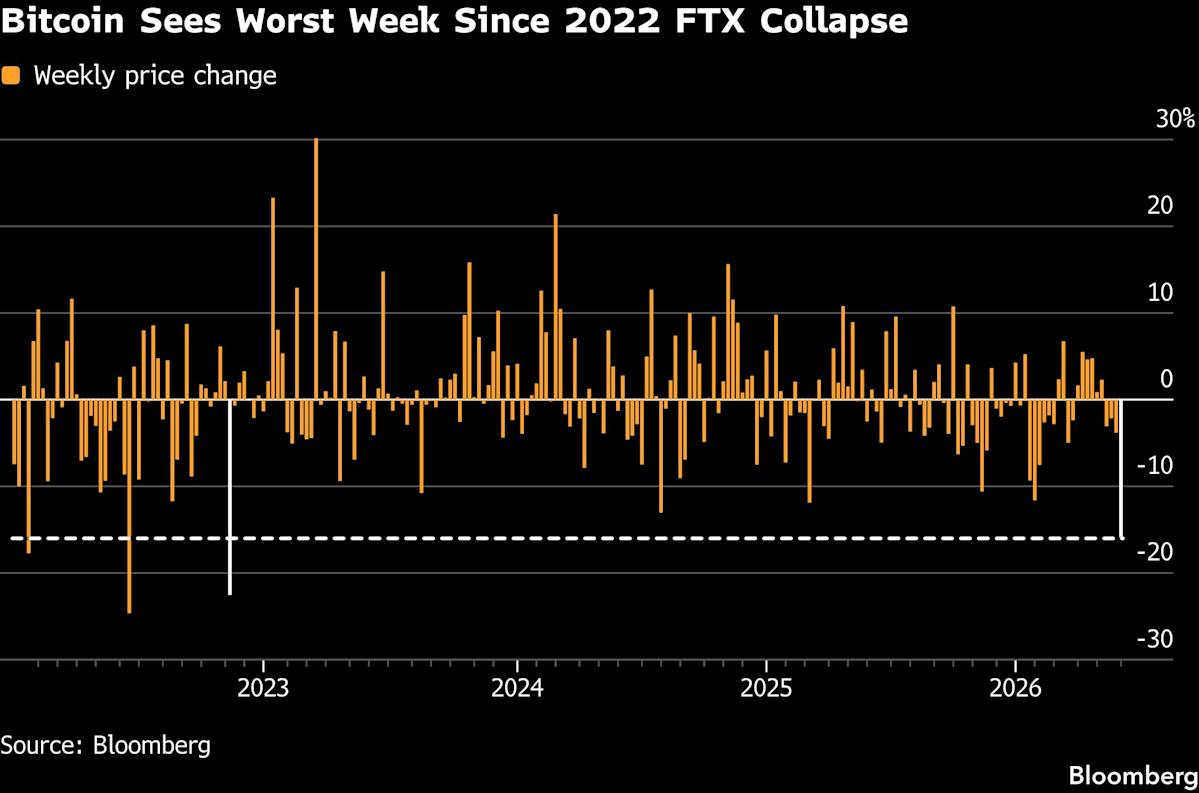
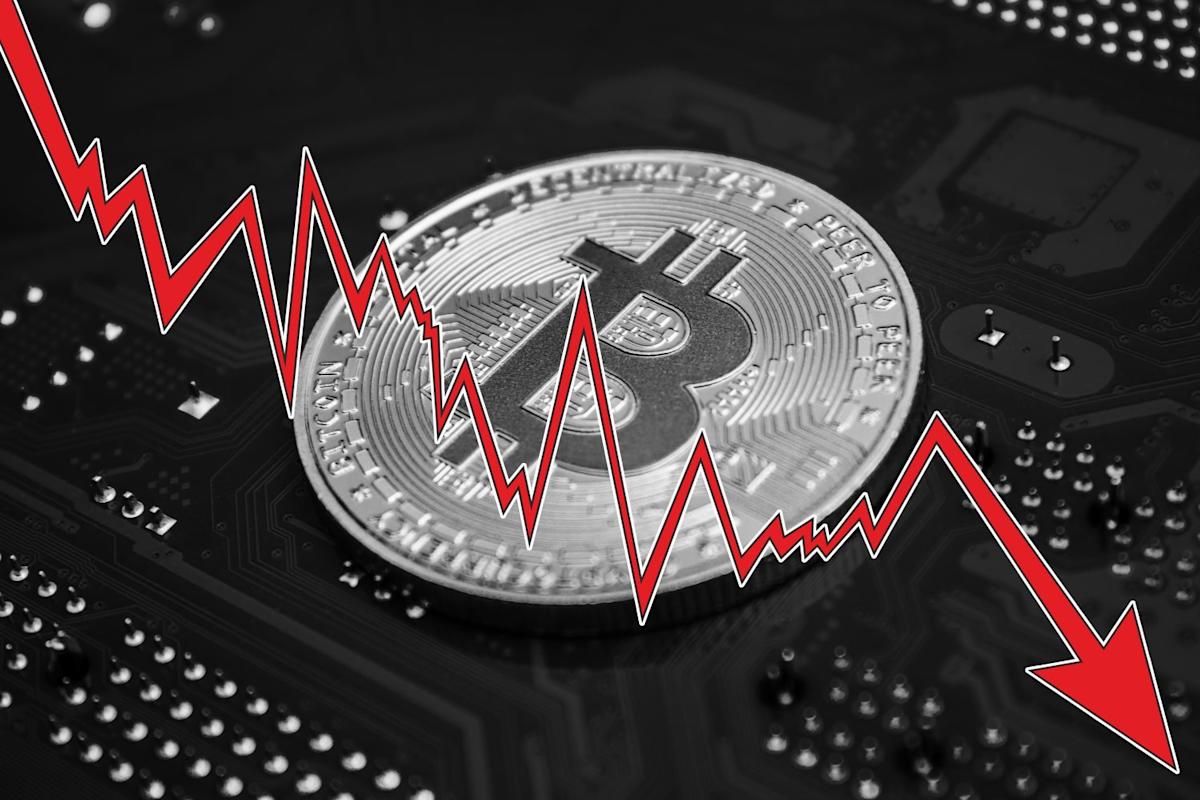
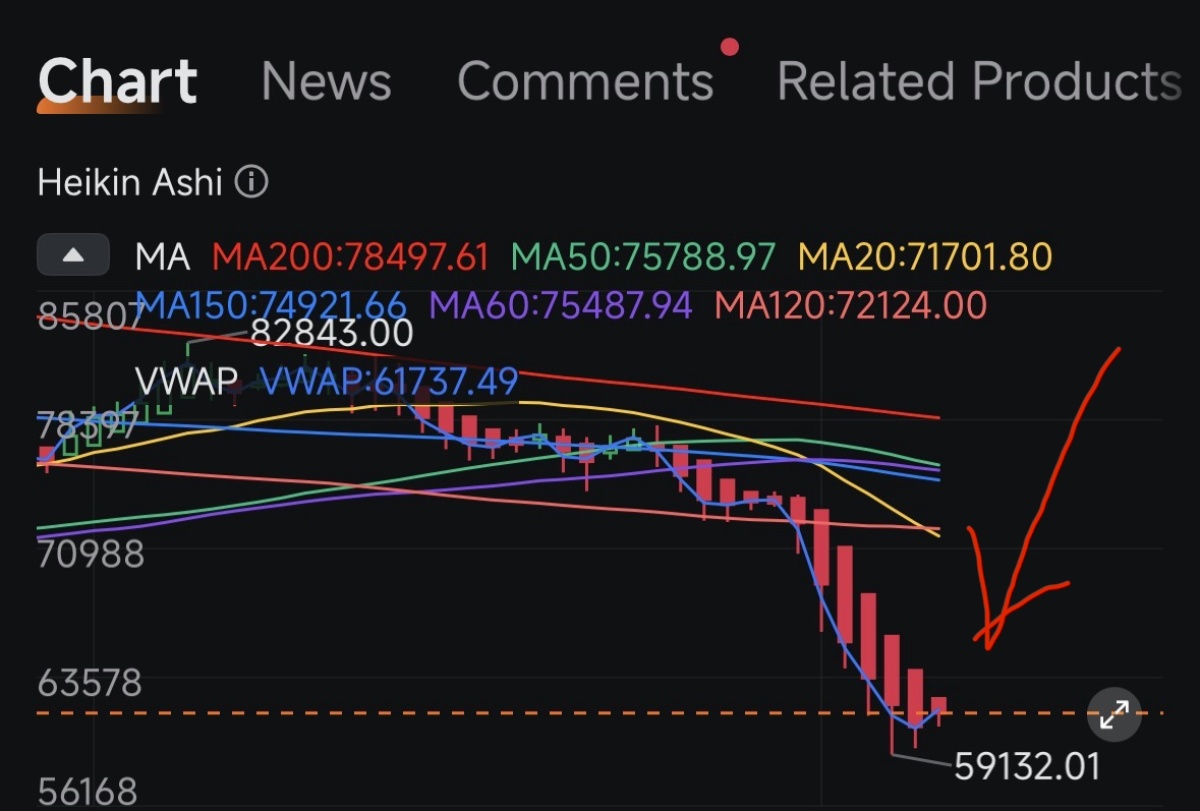
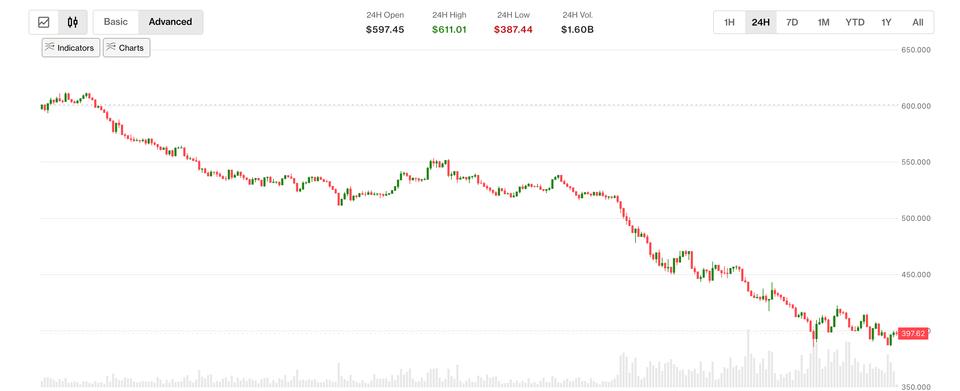
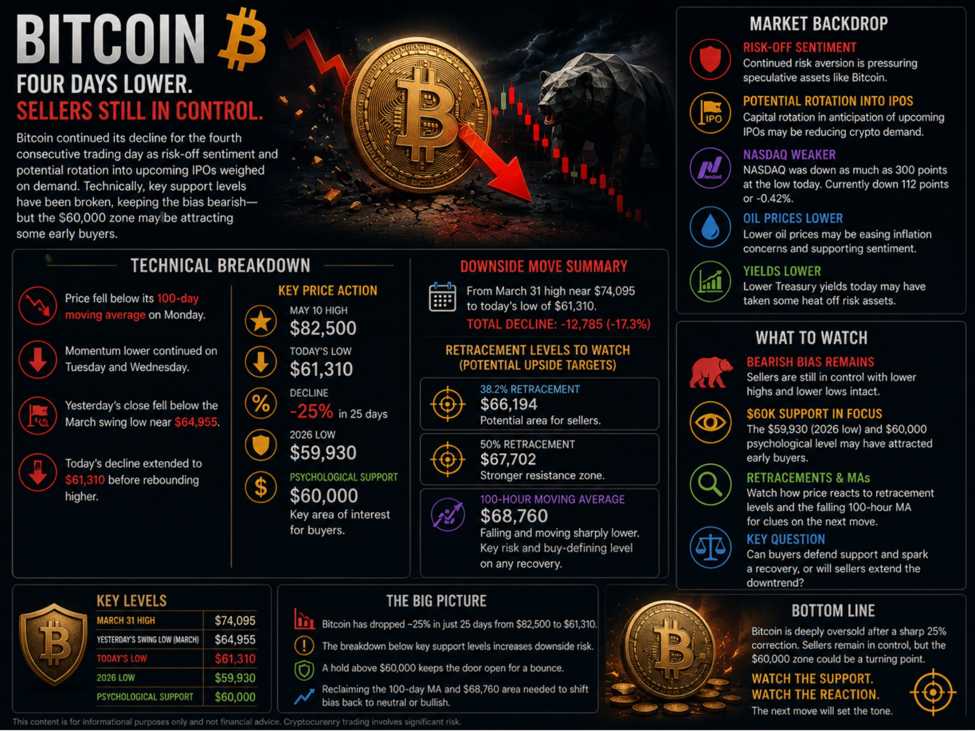
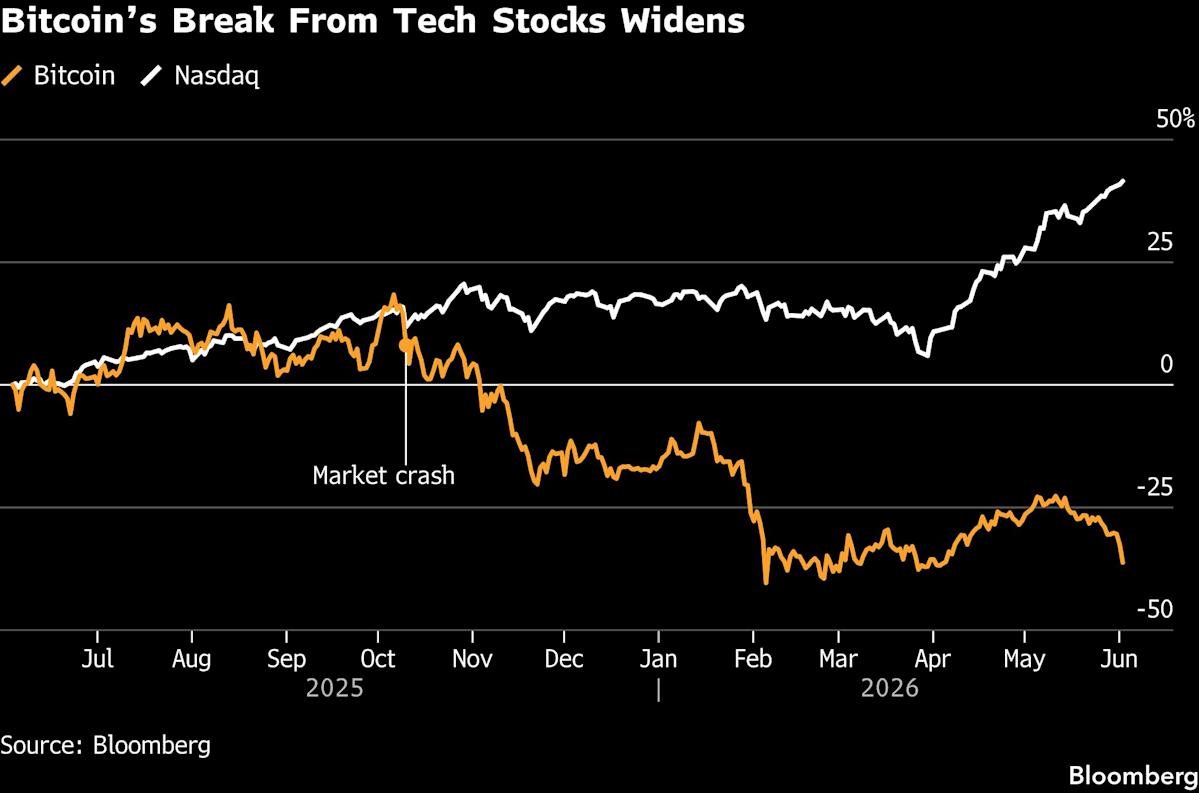
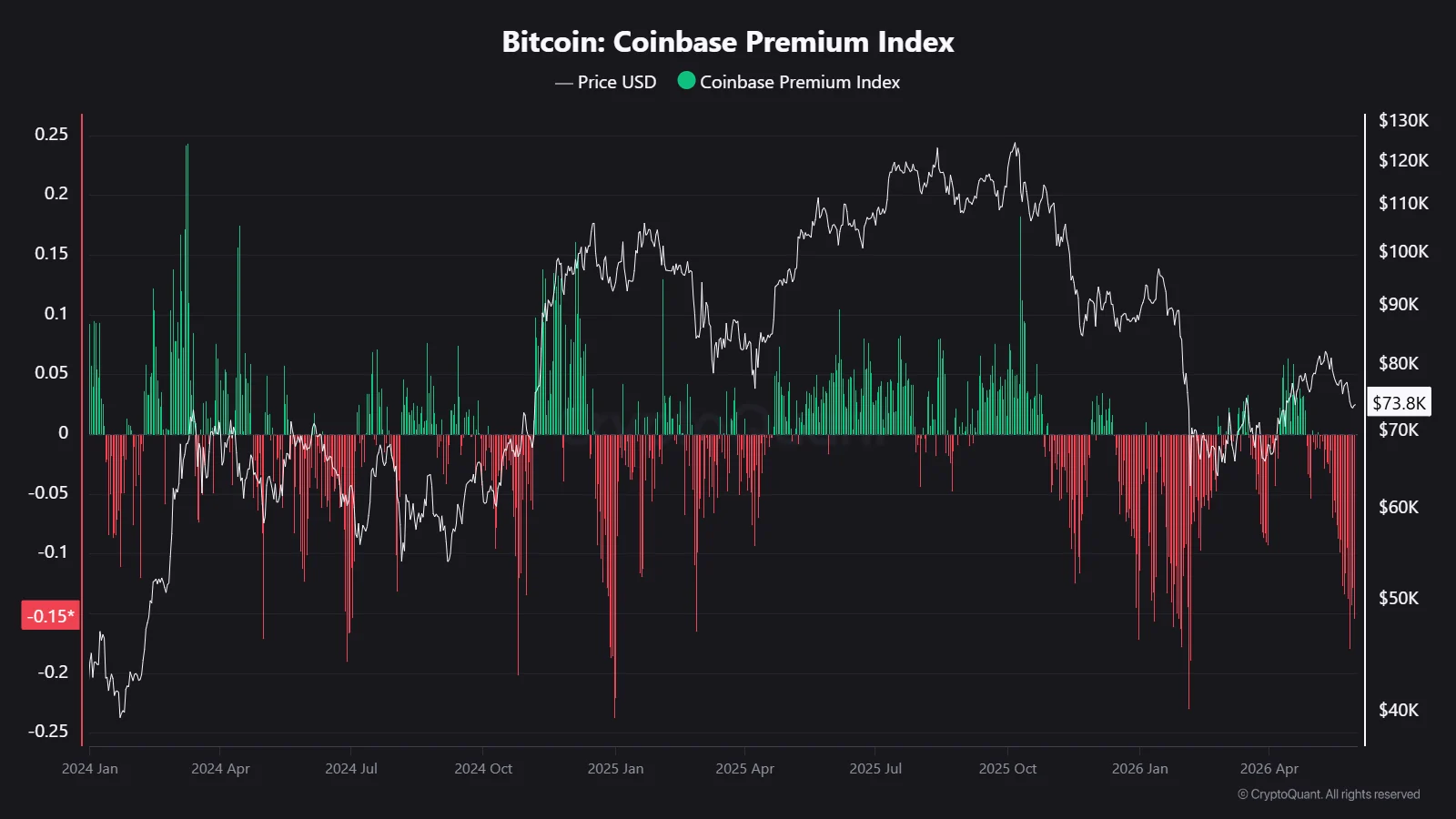
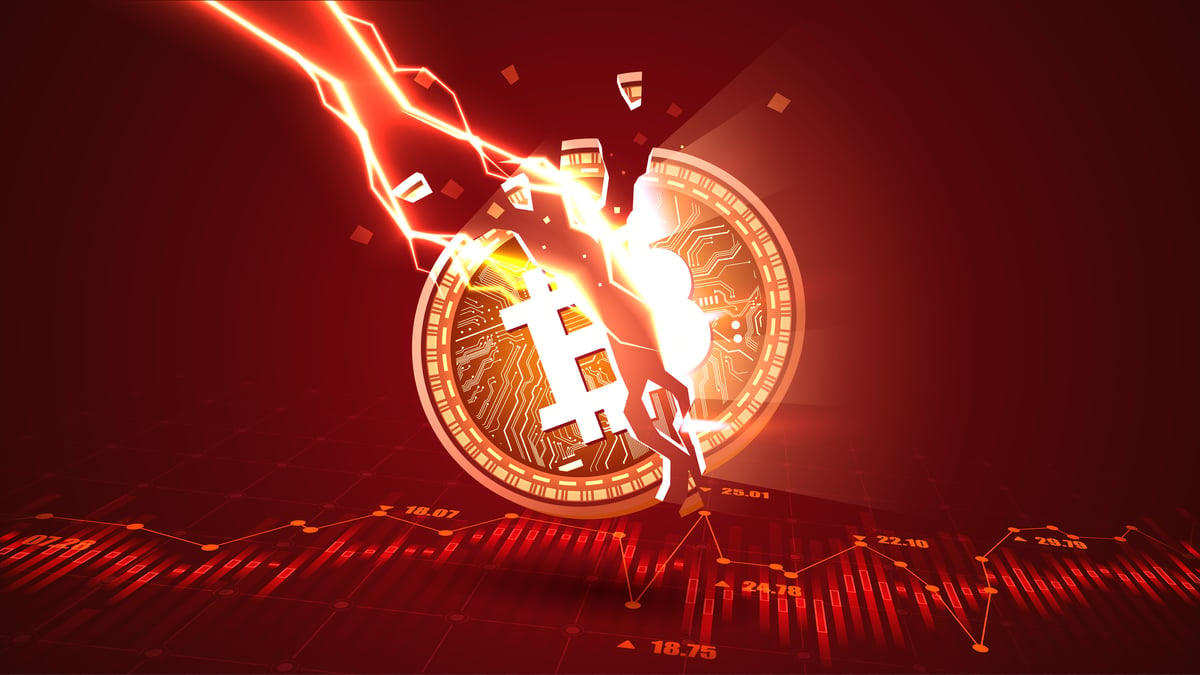
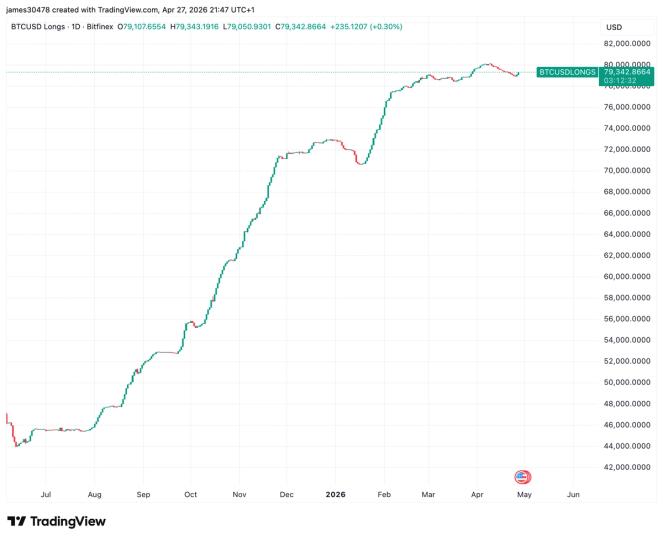
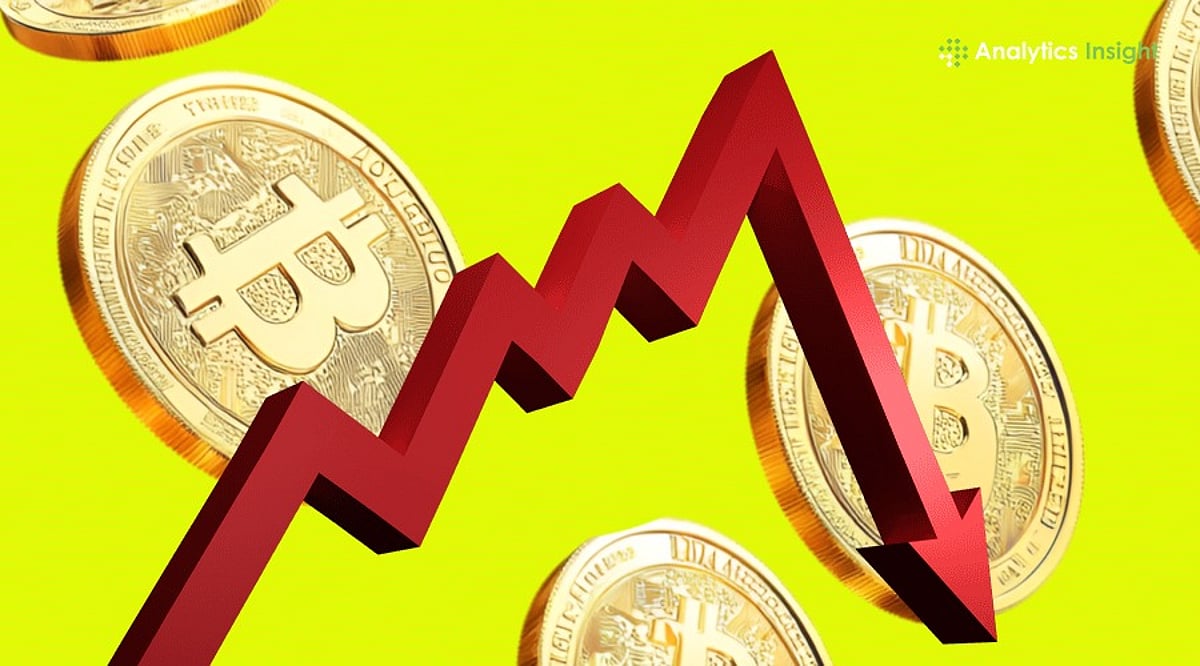
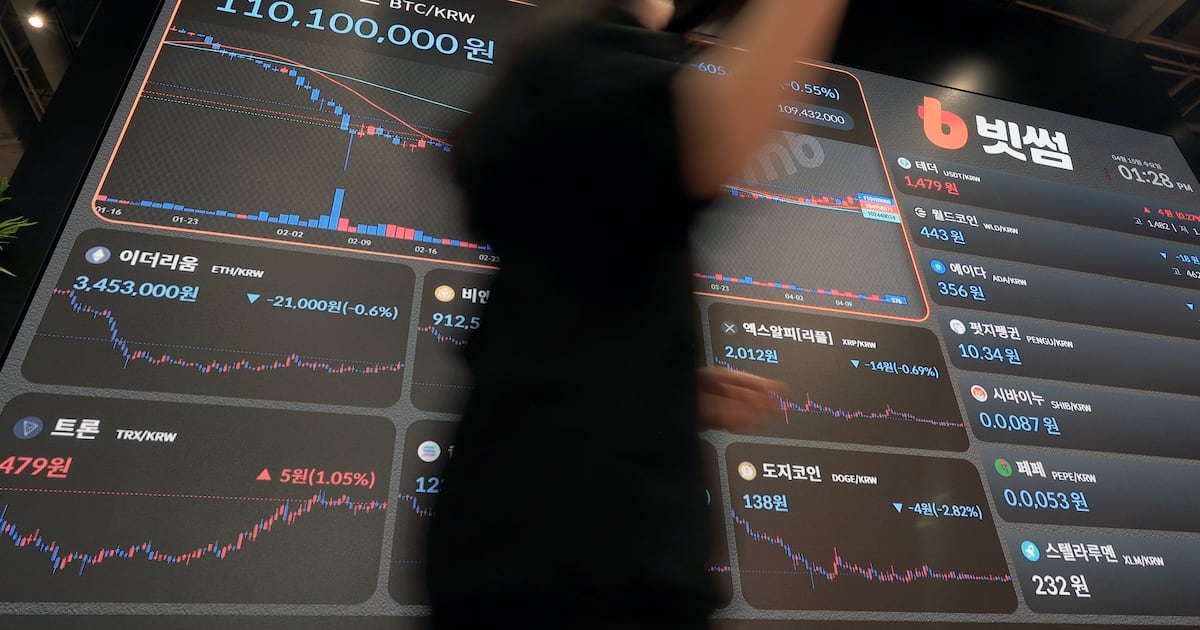
Bitcoin isn’t a perfect low-risk asset in 2026, not by a long shot. For example, the S&P 500 has traded sideways over the last six months amid geopolitical uncertainty. Meanwhile, gold prices rose by 20%, but Bitcoin plunged 37% lower.
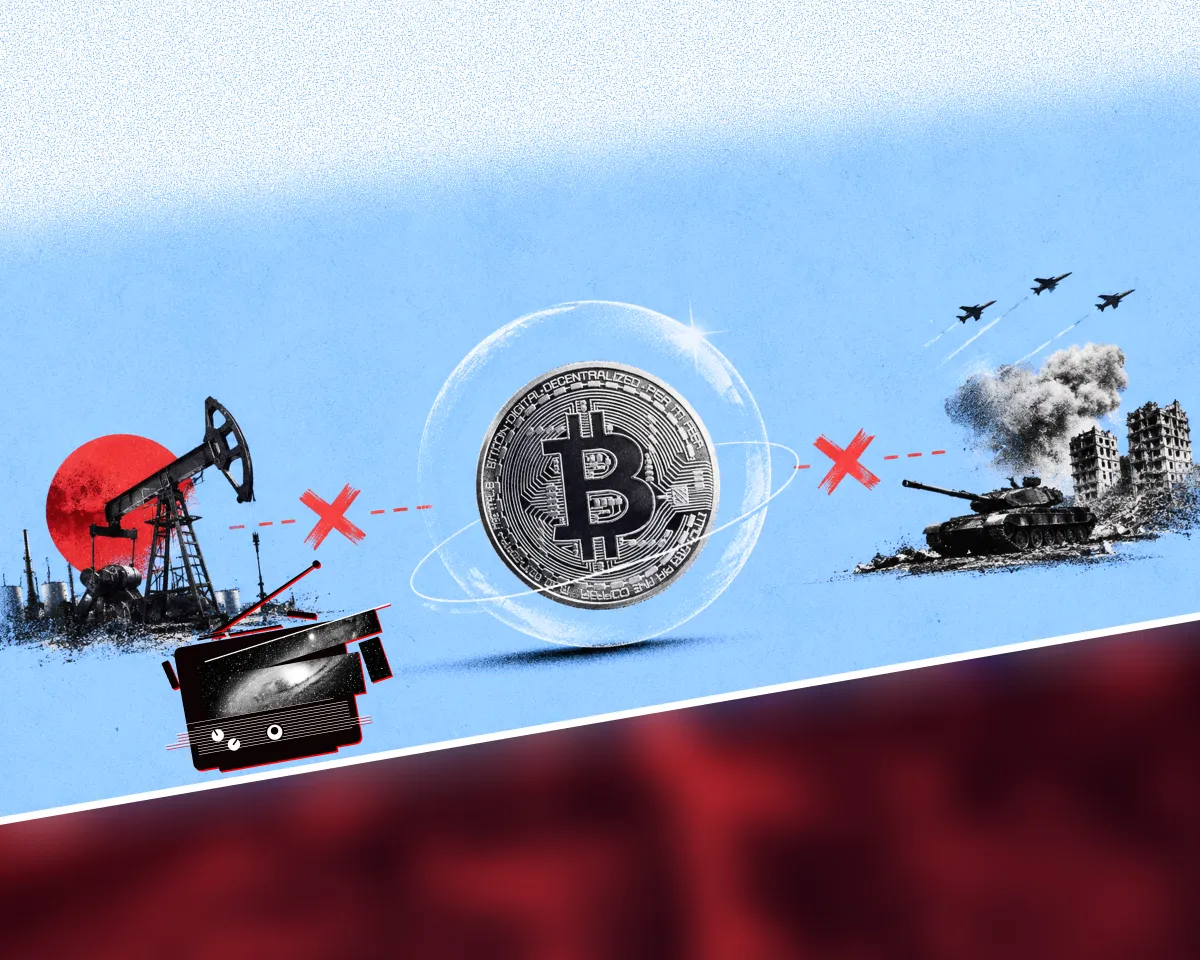
Bitcoin is earning its store-of-value stripes on the inflation side of the ledger. But when geopolitical chaos hits, it still trades like a volatile tech stock.
So, Bitcoin protects against your currency getting slowly debased. It doesn’t yet protect against broad economic crises. Gold still has that job until further notice. However, Bitcoin is moving into the “digital gold” role, step by step.