Tourism inflows threaten to lift revenues in Mexico City, but rising extortion and fraud may leave small businesses worse off.
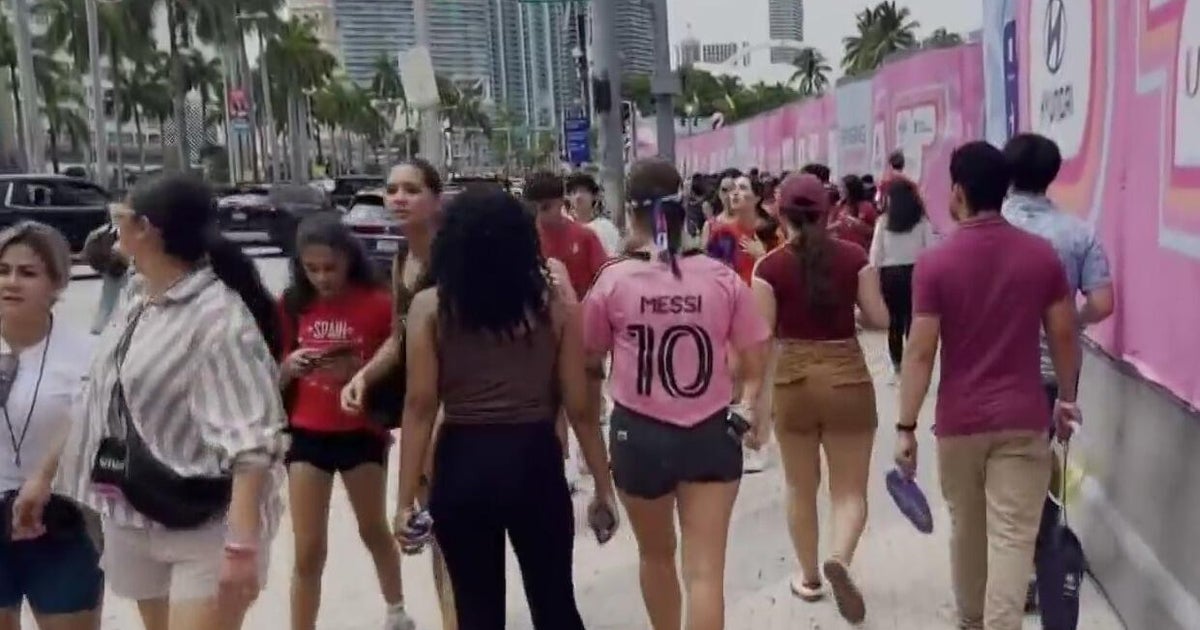
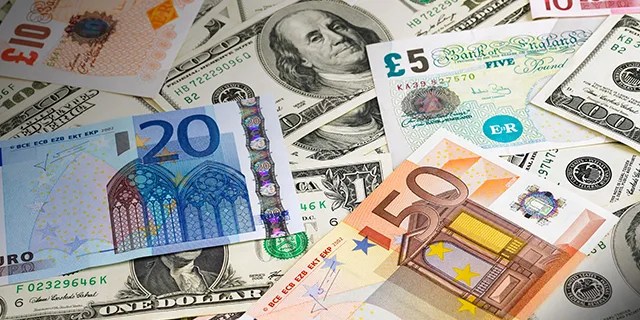
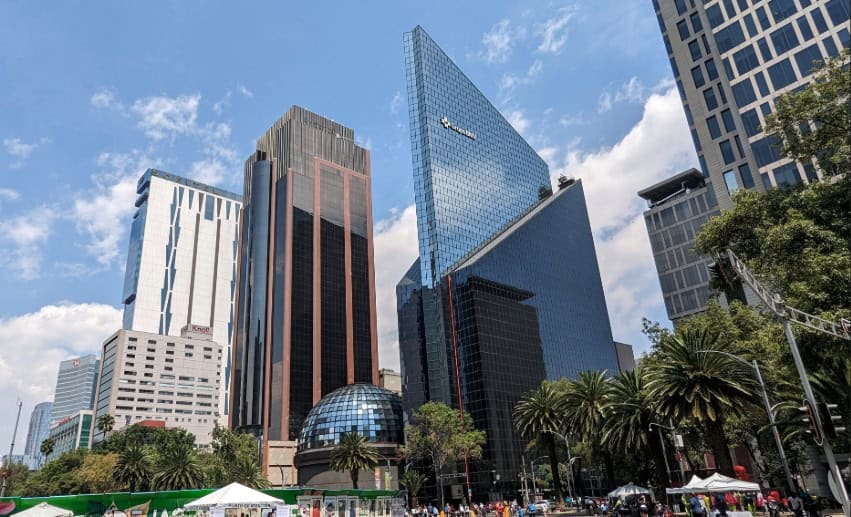
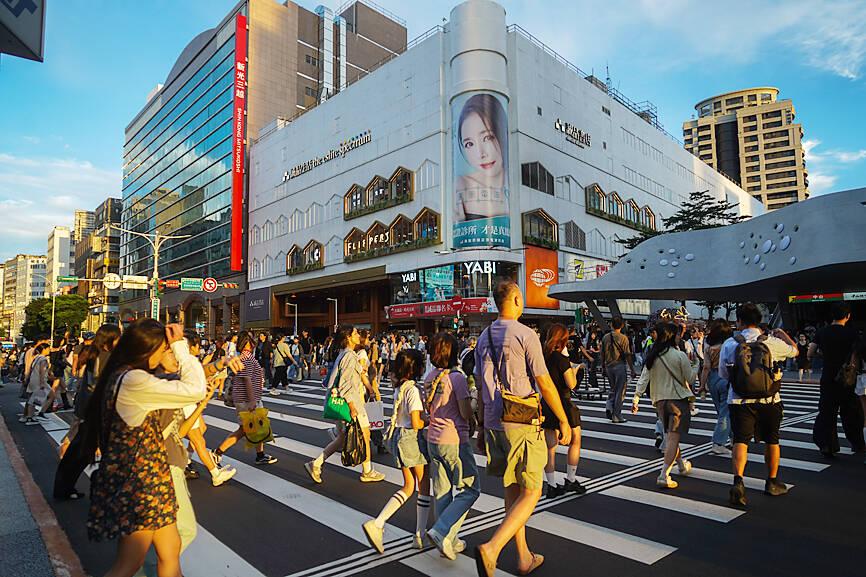
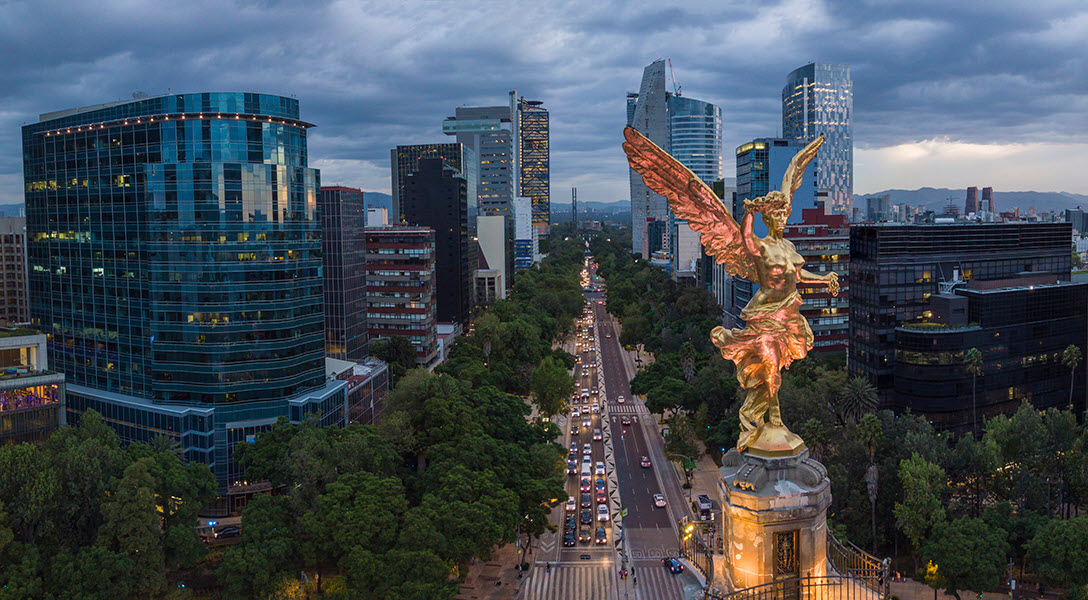
With the approach of the FIFA World Cup in Mexico City this Thursday, the country is expecting a significant economic boost: the tournament is estimated to bring in about $3.7 billion in revenue, with tourism in Mexico City potentially providing nearly half of that amount.
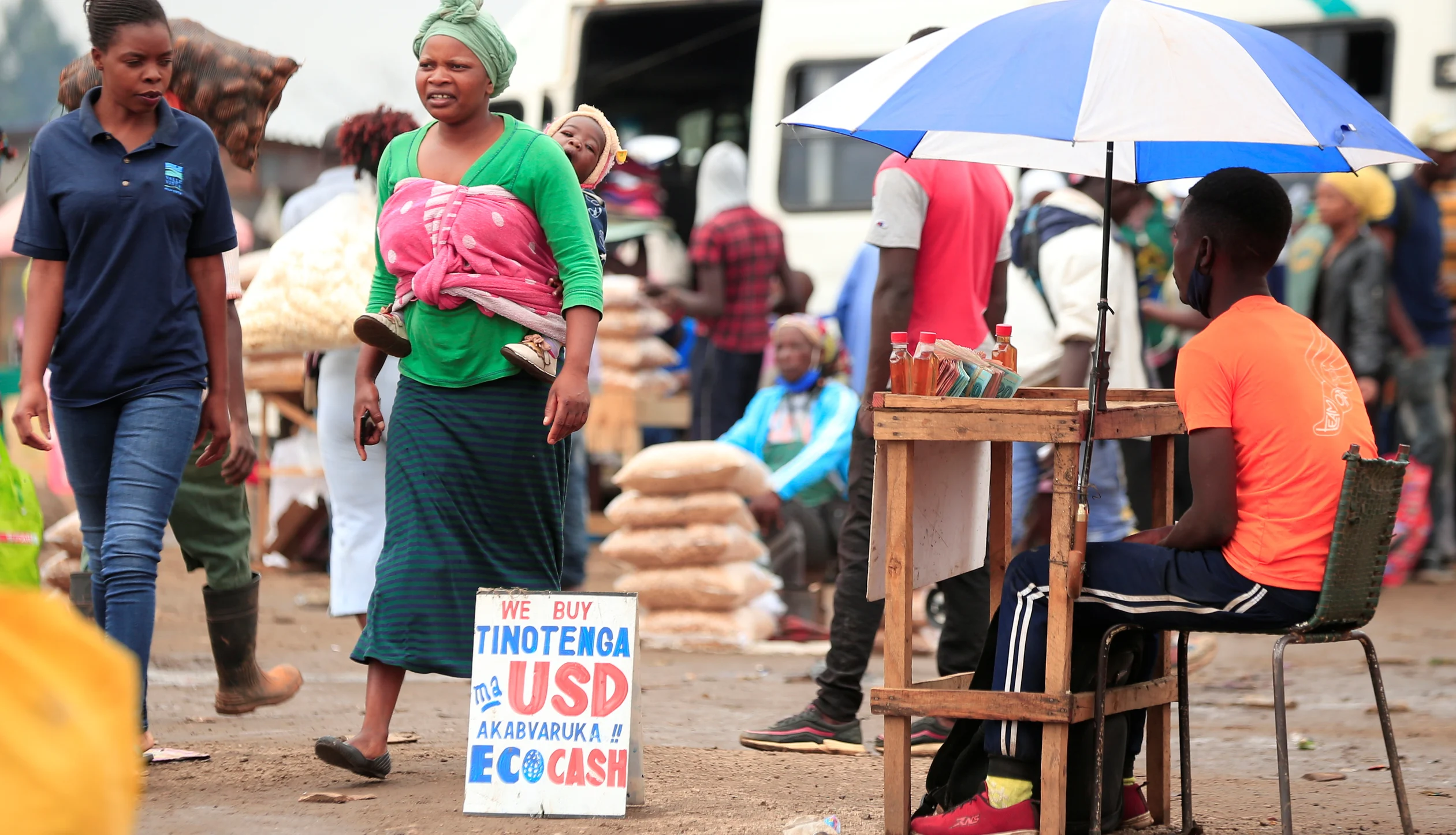
Although restaurants and street vendors are hoping for a tourism boom, experts warn that organized crime could profit through extortion and fraud aimed at businesses that serve guests.
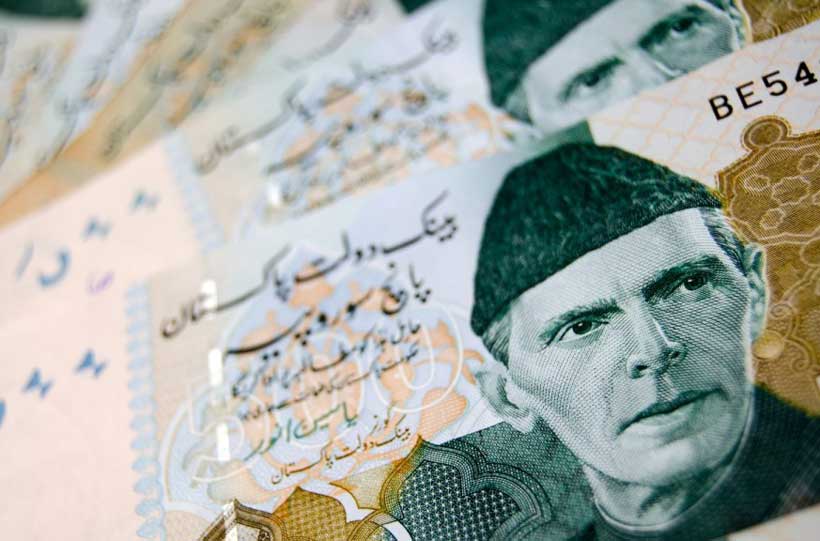
Many Mexicans are concerned that they will have trouble getting to matches because of high ticket prices: the opening match will cost between $3,000 and $10,000, while the country’s minimum wage is around $18 per day.
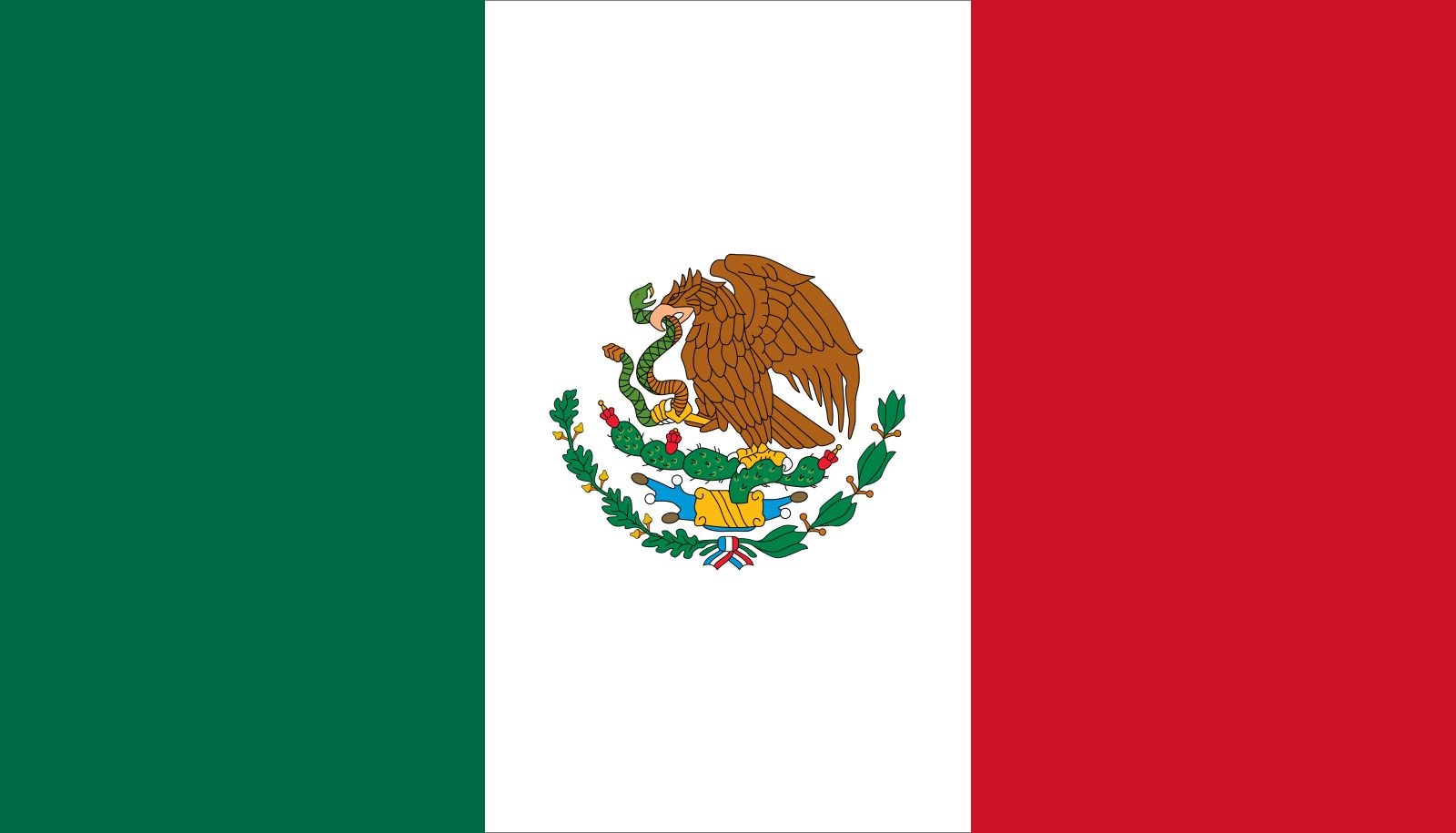
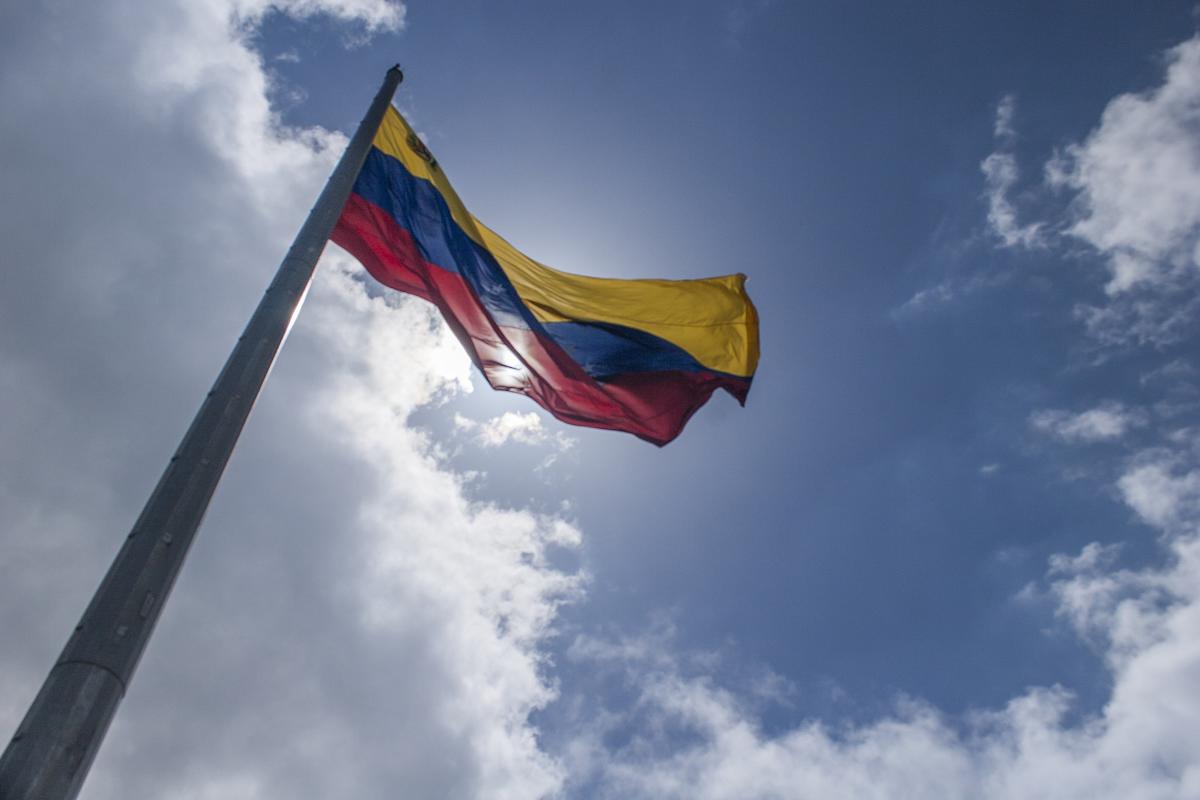
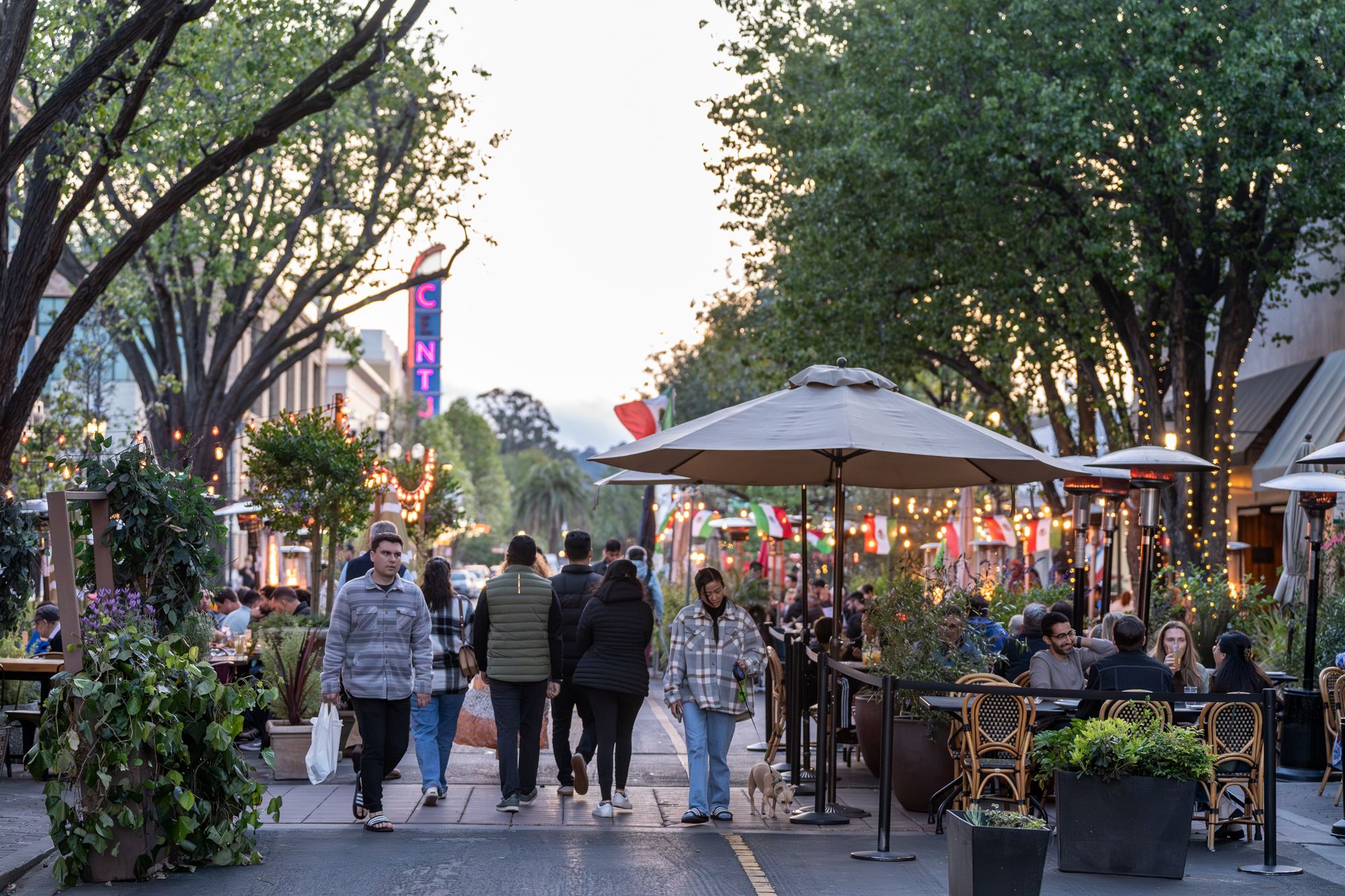
The green, white, and red colors of the Mexican flag filled Mexico City as the capital prepares to host the tournament opening.
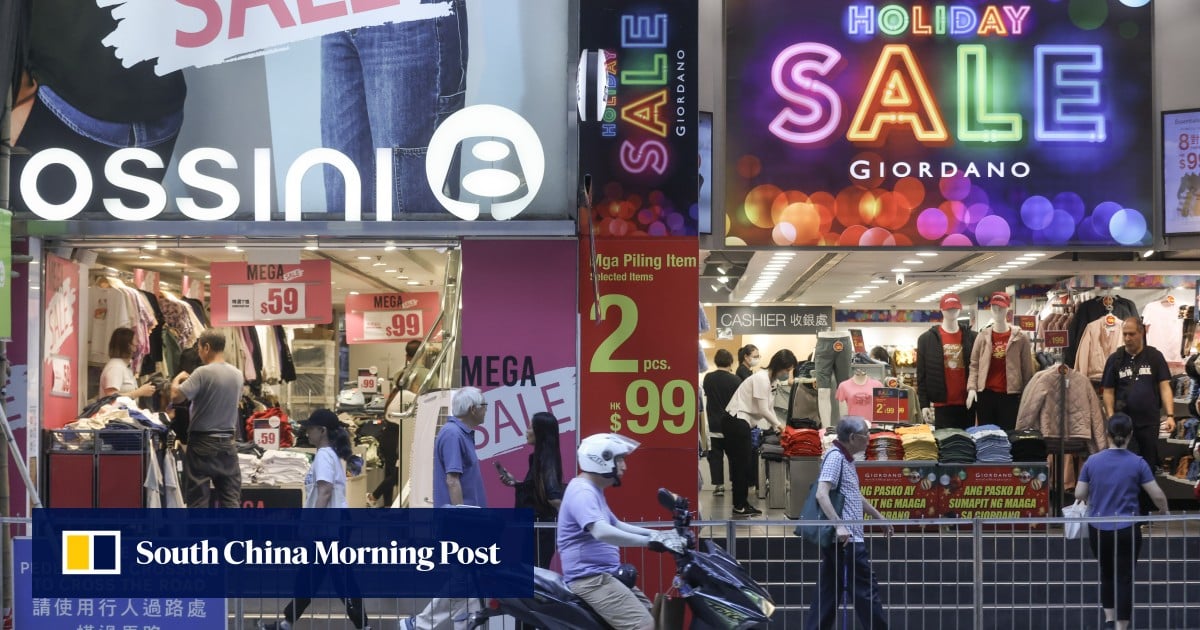
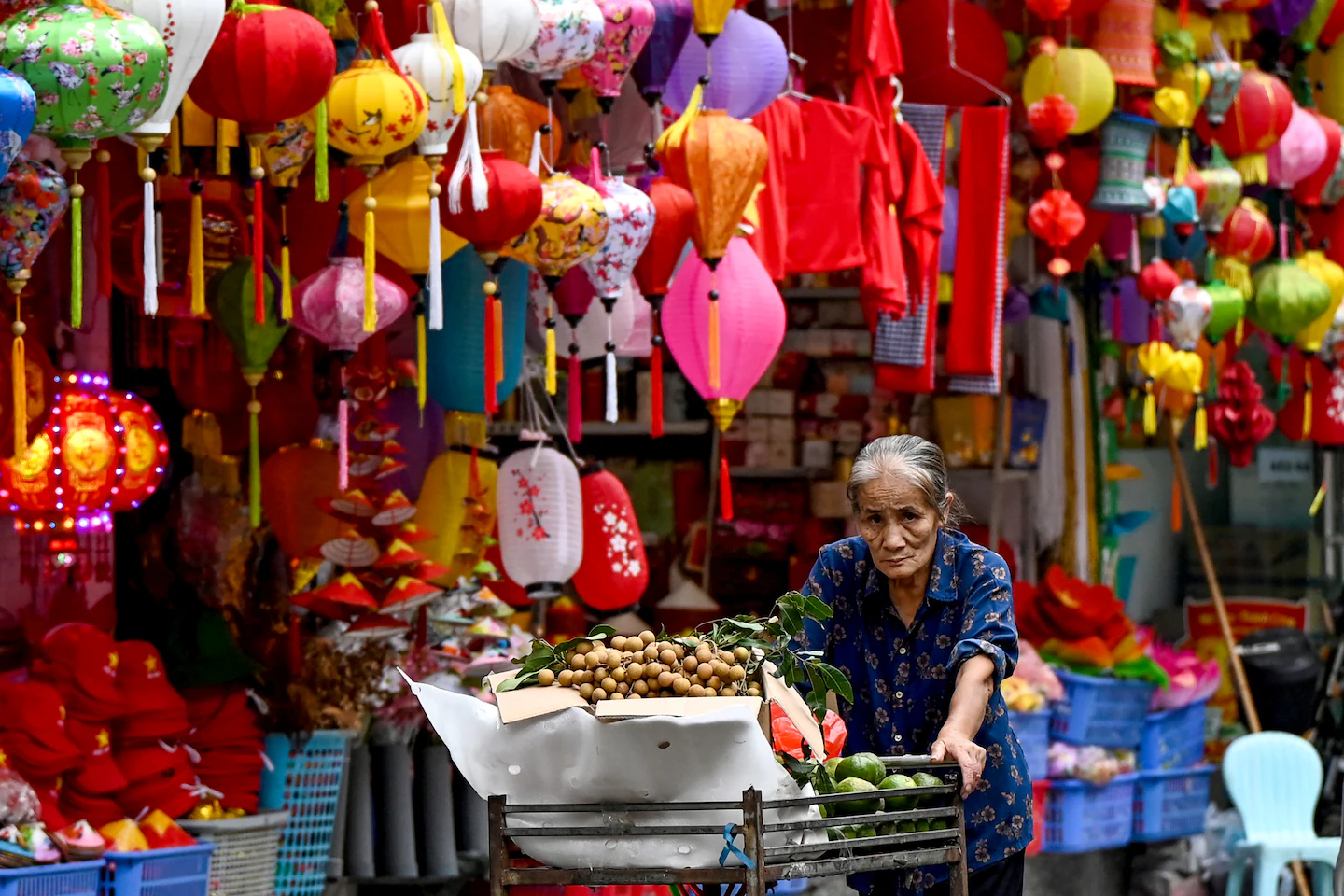
From producers in shops and street kiosks to digital billboards advertising the matches – everyone is actively trying to cash in on the event.
Who benefits from the tournament
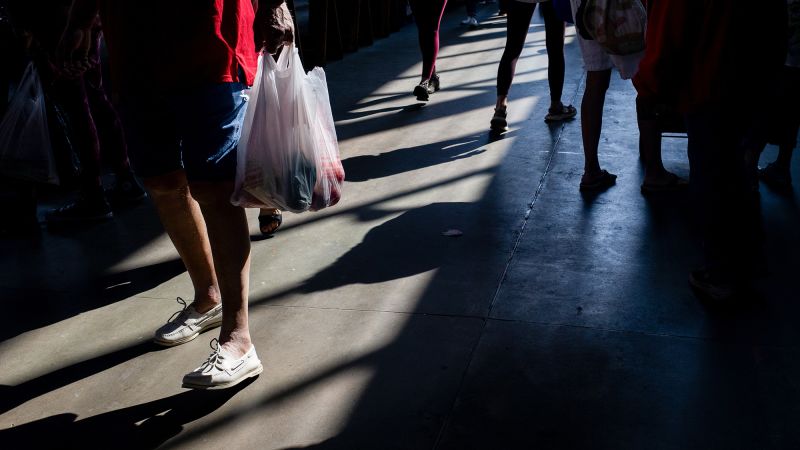
The flow of fans is gradually bringing in revenue for entrepreneurs in tourist zones, workers, and business owners, and gains are expected to grow after the tournament kicks off on June 11.
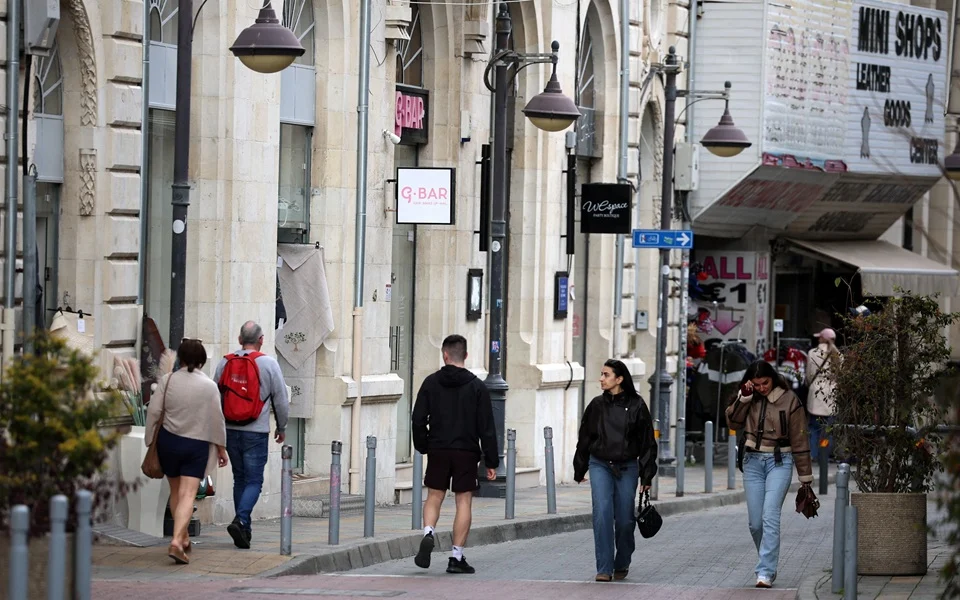
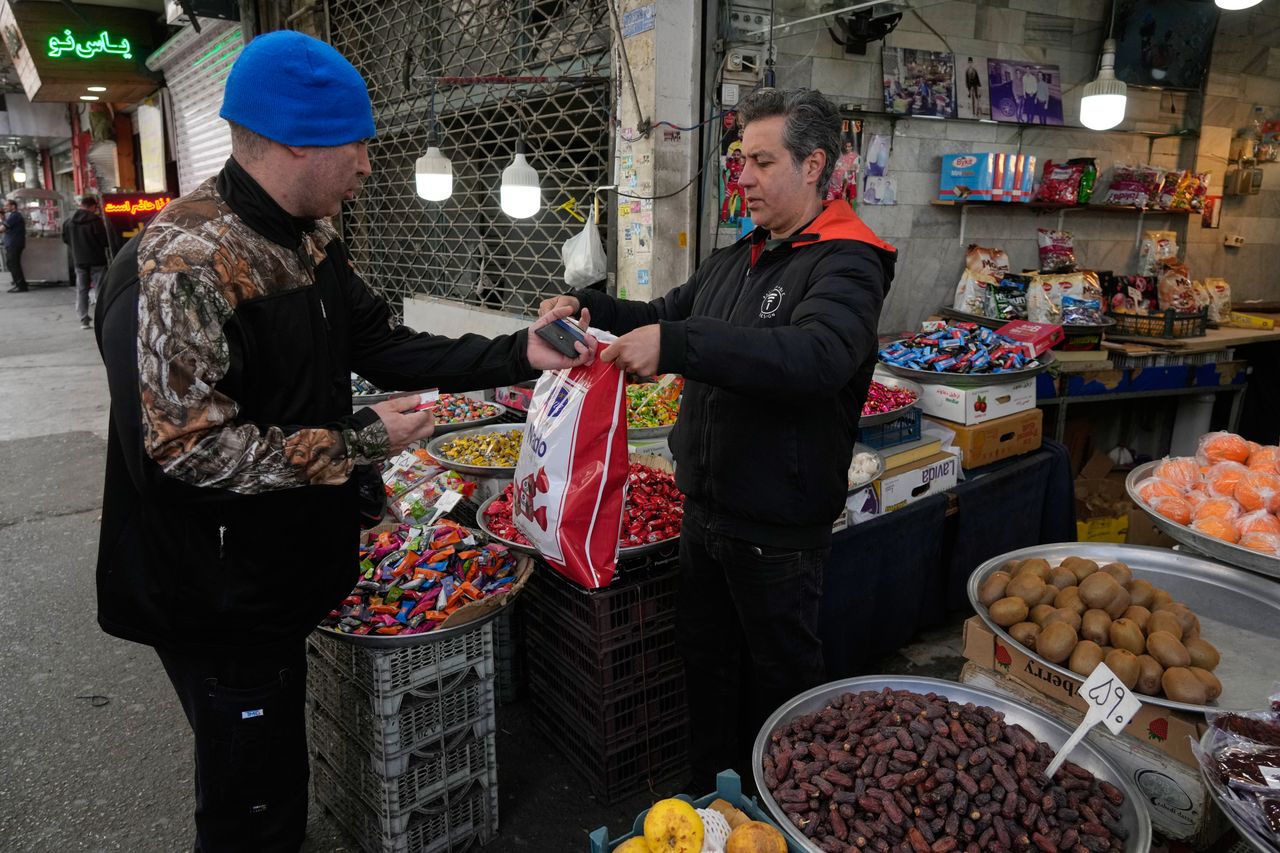
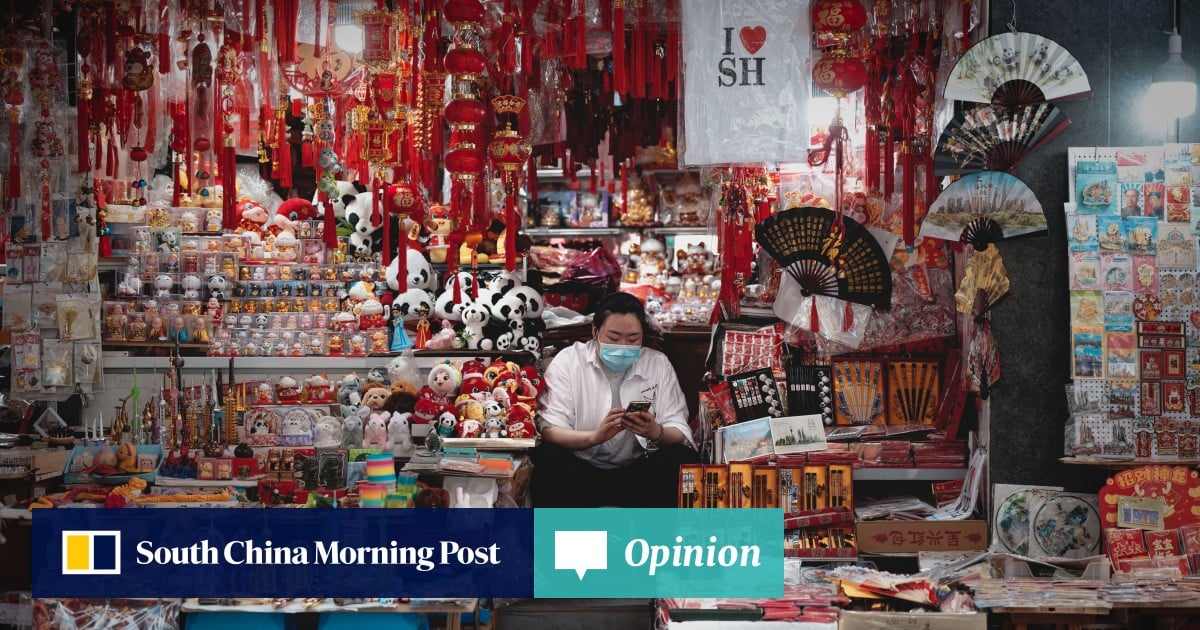
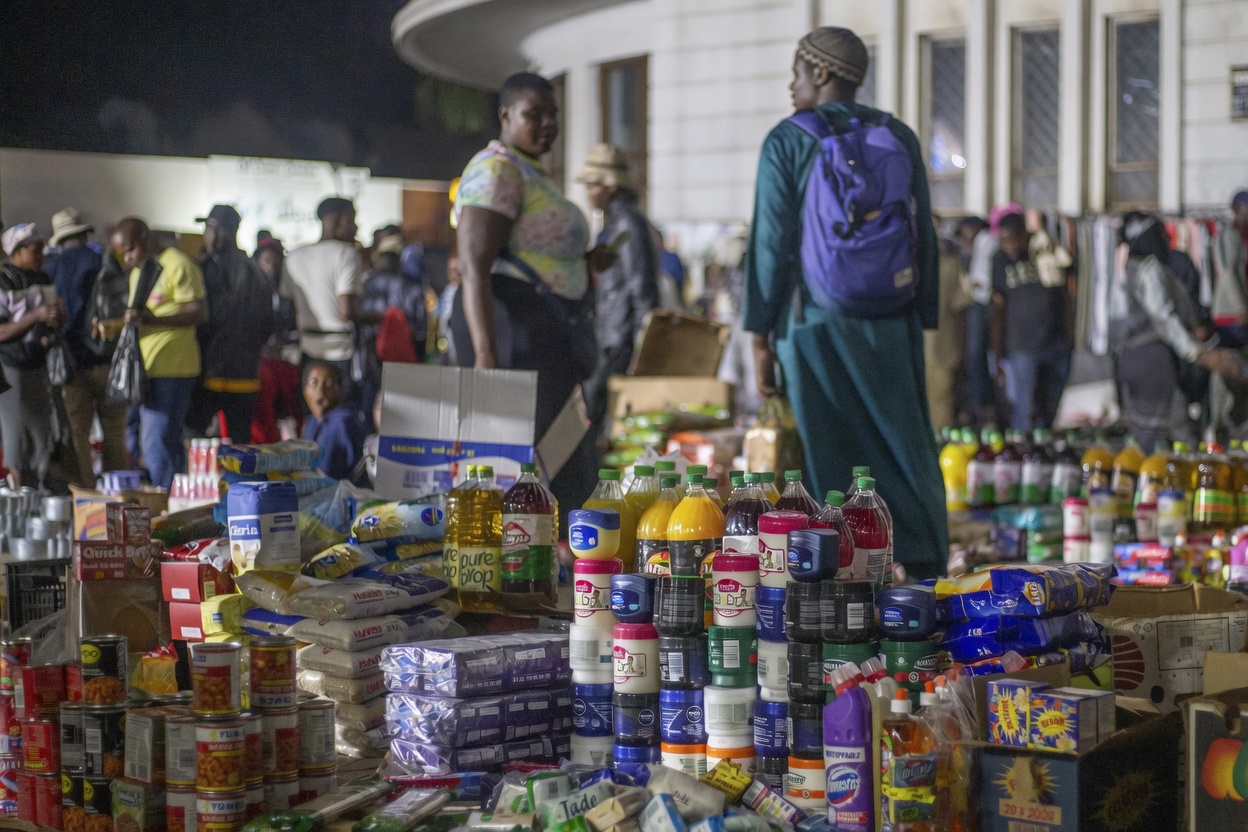
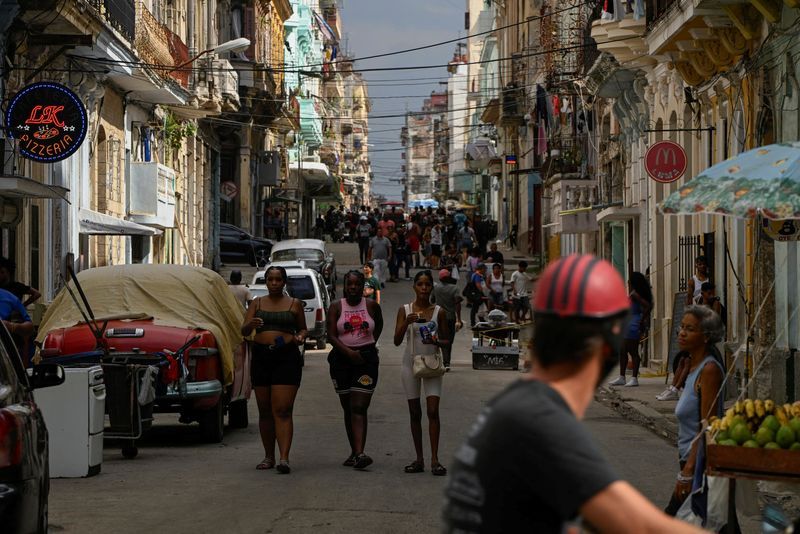
In Mexico City’s main square, El Zócalo, stalls, kiosks, and restaurants are already buzzing with unofficial World Cup merchandise – from football-shaped keychains to plush toys depicting presidents in team jerseys.
Salon Corona, one of the most popular venues for watching the matches, is already crowded, and manager Miguel Laguna expects attendance to rise by 45–50% during the month-long tournament.
In the area between the main cathedral and the presidential palace, Juan Carlos, one of the city’s many organ performers, notes that tourists are already arriving from all over the world.
“We’re here because this part of the city, the barrel organ, is a city classic.”
– Juan Carlos
In a quiet residential neighborhood in the south of the city, Alejandro Gonzalez says his Garage Burger restaurant also expects a significant uptick in business after the tournament begins, even though it sits in a “less touristy” area.
Like other entrepreneurs, he is running promotions and decorating the establishment with sports-themed touches – ball-shaped balloons and ice-cold refrigerators – to attract customers.
“As I tell people, we must seize this moment,” he added.
Cartels and fraudsters
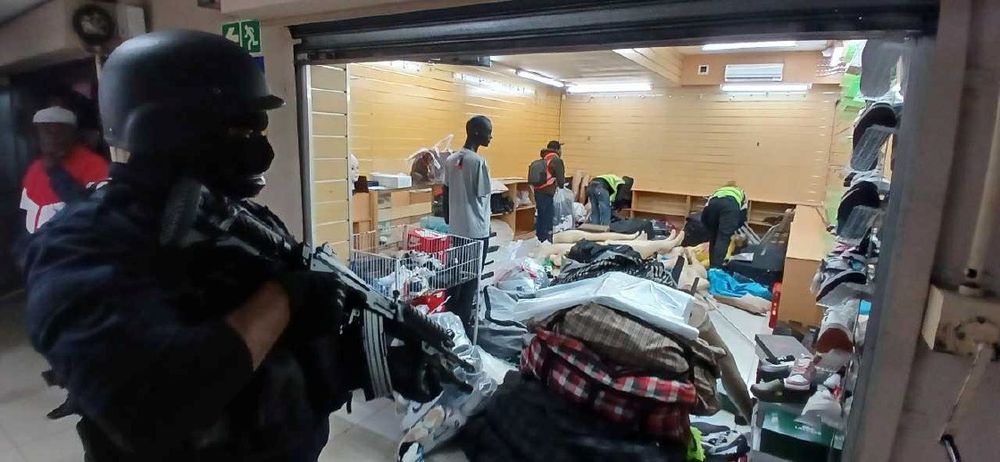
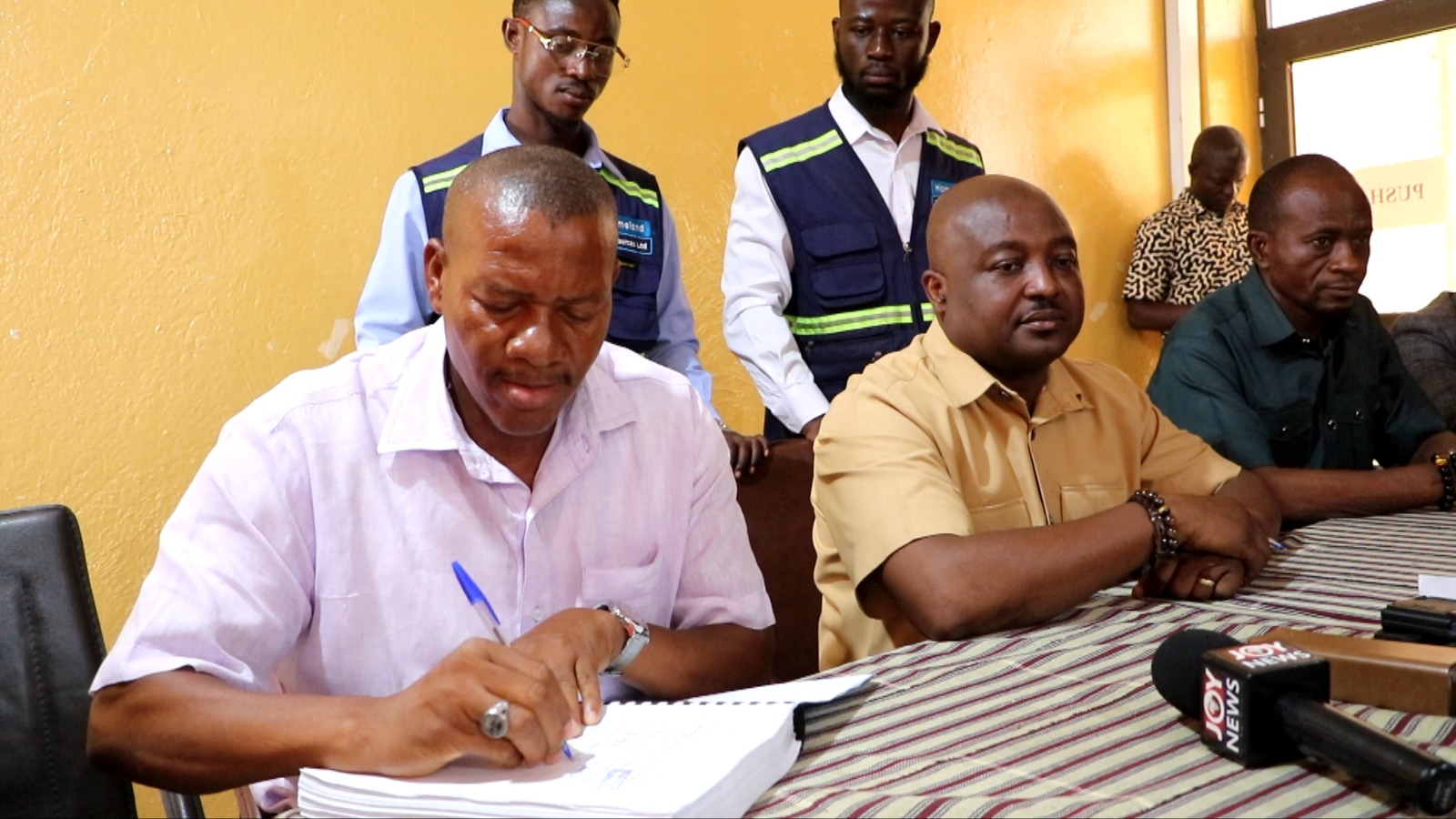
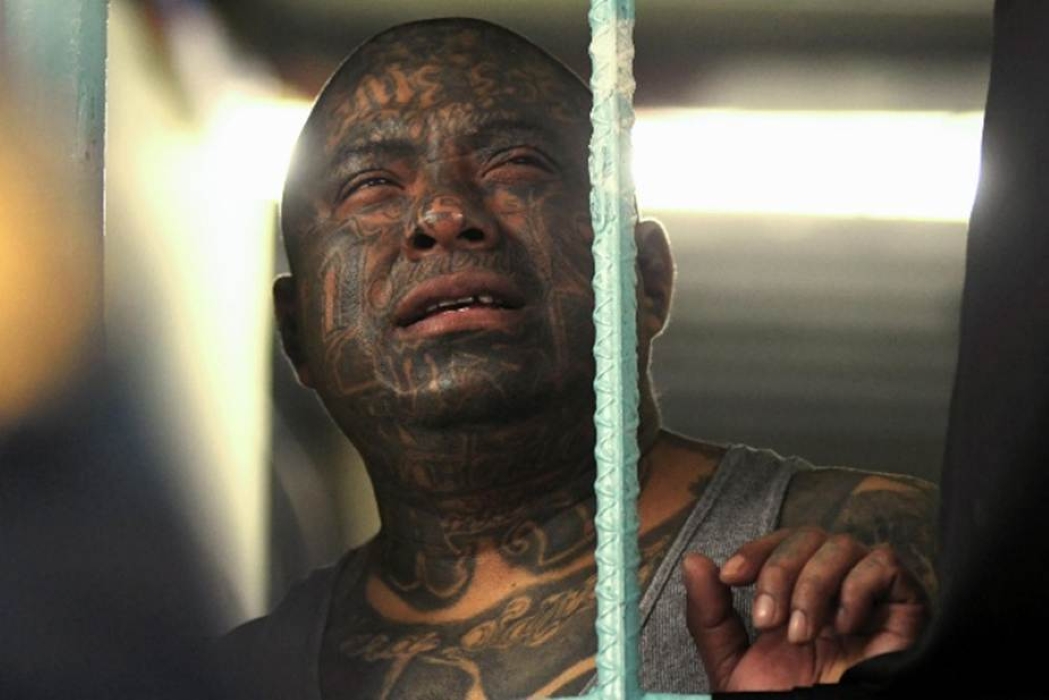
Cartels and organized criminal networks are also looking to profit from the tournament. One of the most lucrative strategies this summer will be extortion and other forms of blackmail, according to security analysts. Tours with tourists generally minimize risk for guests, but the venues they visit can become targets.
In resort towns such as Cancun and Puerto Vallarta, which do not host matches directly but expect daytime visitors, criminals have a history of extorting restaurants, nightclubs, and hotels, taking a portion of their revenue from tourists.
“These local businesses have become incredibly lucrative, especially for localized organized crime networks,” said Victoria Dittmar, senior research fellow at the InSight Crime think tank in Mexico.
Criminals also expect to profit from fraud and cybercrime: selling counterfeit goods and services, including match tickets, fake programs, and sites that promise live streams but host malware.
“The aim of these platforms is not to provide entertainment, but to compromise victims’ personal and financial information through tools capable of stealing banking data, tracking device activity, or integrating it into botnets used for illegal activity”
– Government of Mexico
The government has issued several warnings urging people to avoid unreliable third-party sellers and to buy only from official or accredited sources.
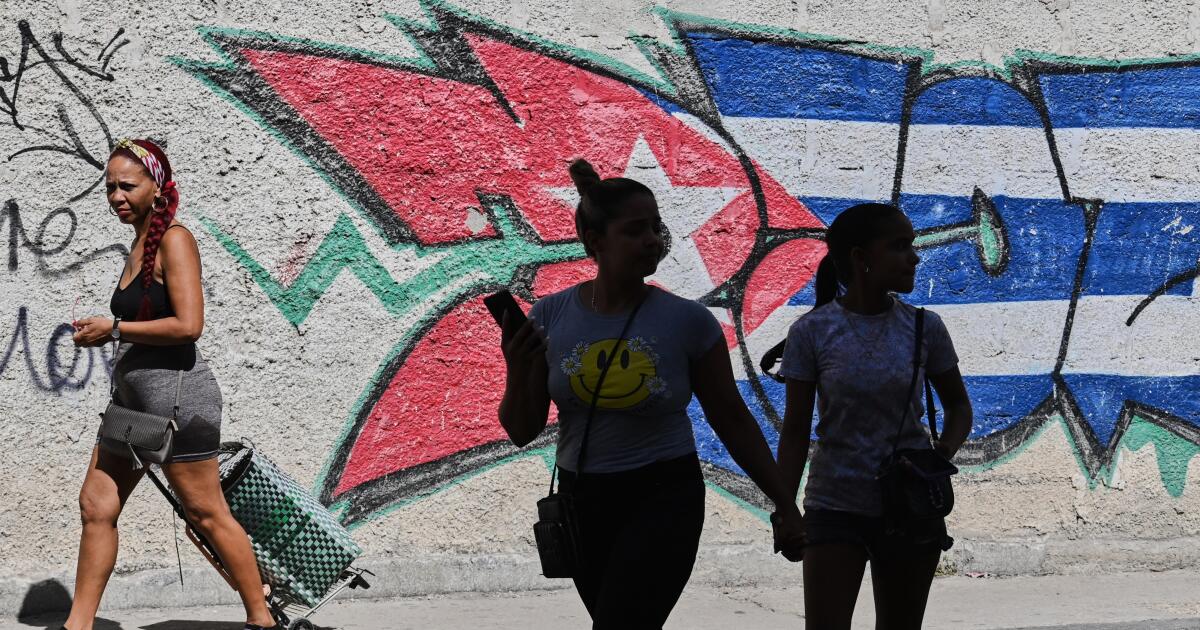
While part of the population warmly welcomes the tournament’s return to the country, others feel the benefits have not yet been fully realized. Nayeli asserts that small businesses may be left out due to anticipated restrictions and temporary closures.
The World Cup organizers have set up a fan zone with a large screen, a stage, and official vendors. Nayeli worries that such events could lead to street closures and a reduction in customers to her business, something that has already happened during big concerts.
Overall, the World Cup in Mexico brings both economic opportunities for some sectors and serious risks for others, requiring careful management by the government and the business community. The focus remains on balancing tourism, security, and price caps for residents who want to feel the atmosphere of a global event.