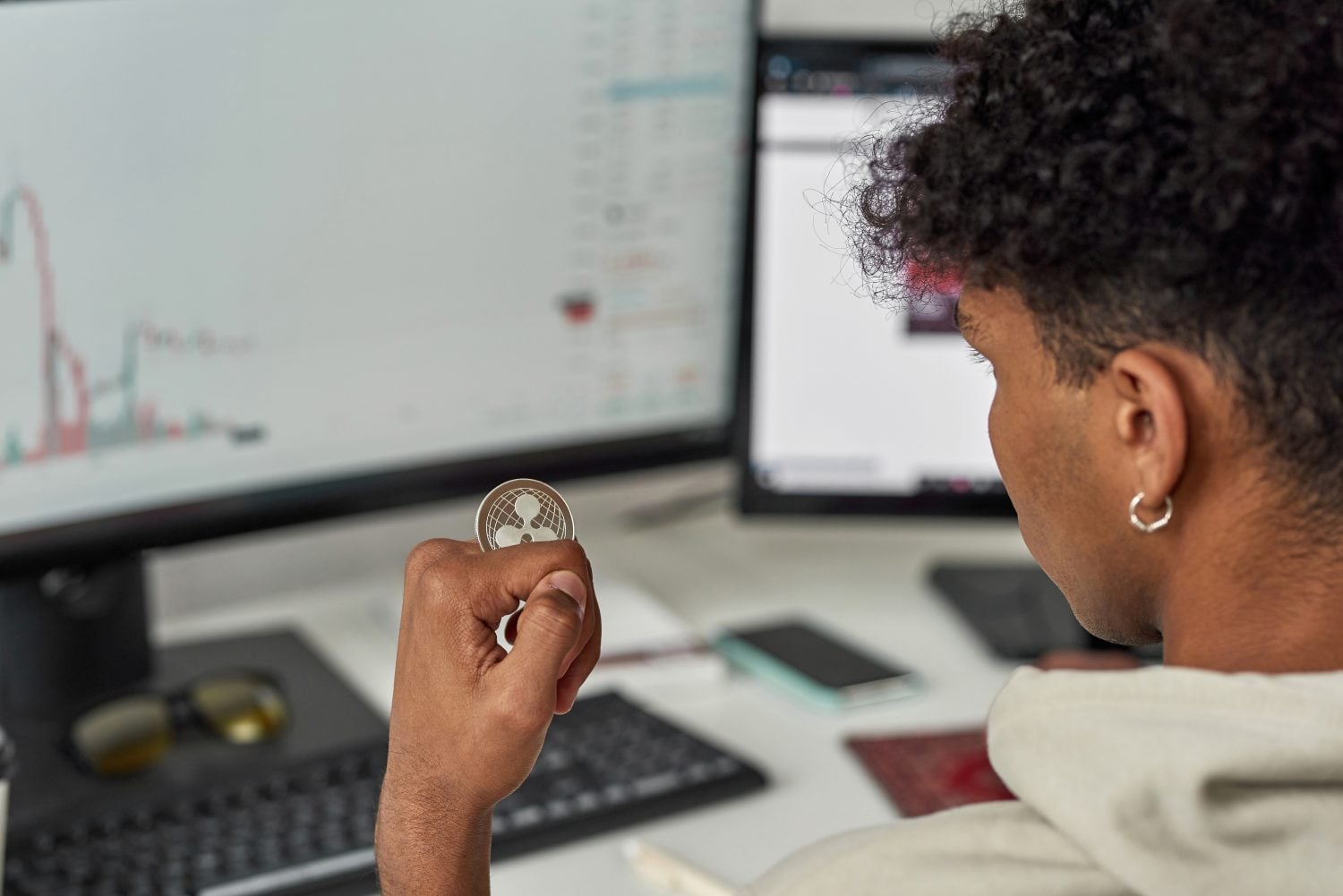
For most Bitcoin holders or HODLers, selling does not feel like taking profit.
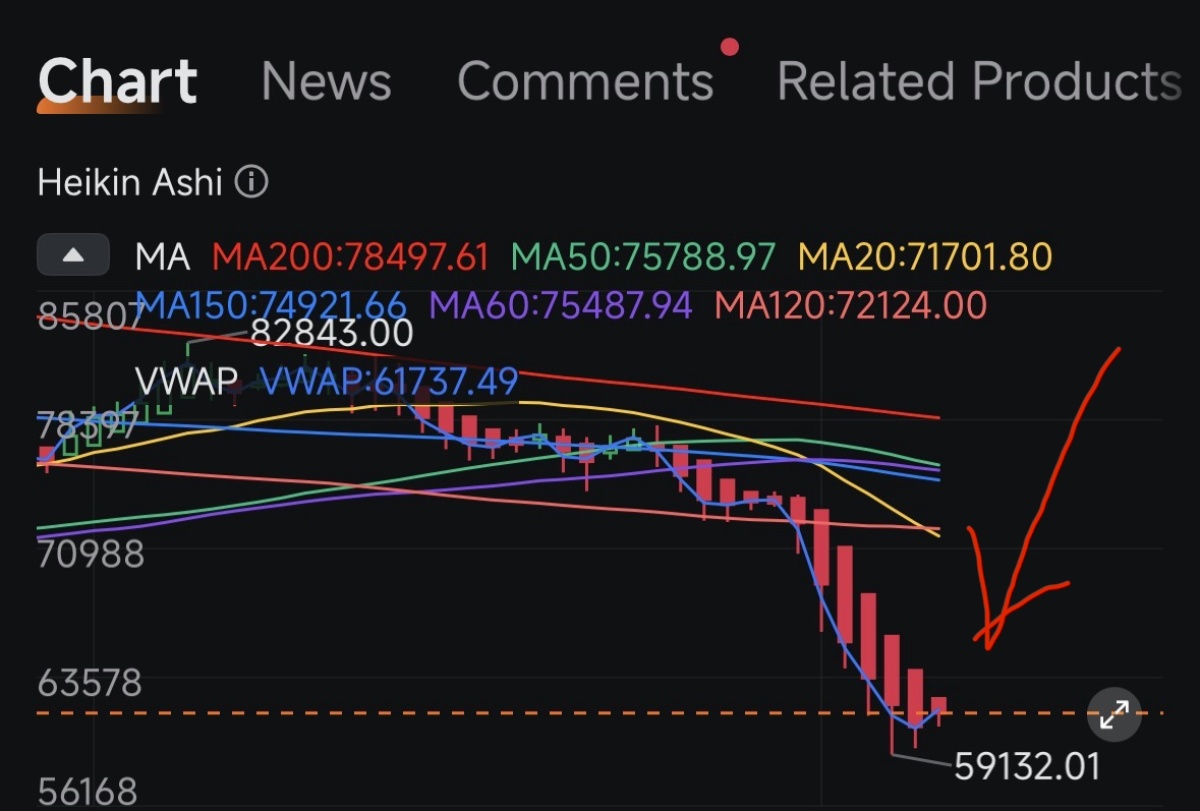
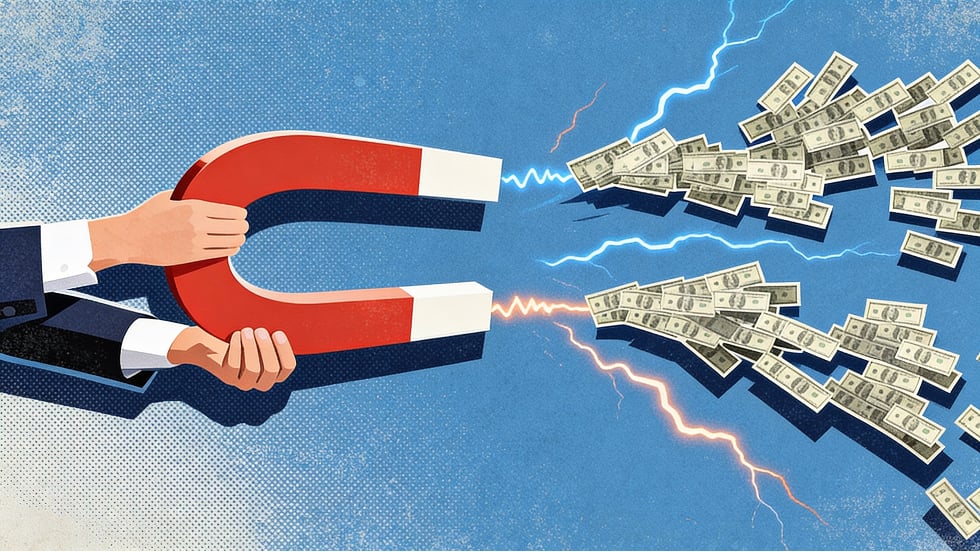
It feels like giving up something they spent years holding onto, the asset they kept through the 80% crashes of 2018 and 2022. So instead of cashing out, a growing number are borrowing against their Bitcoin and keeping every coin.
Over 88% of holders based in U.S. and Australia said they would consider borrowing against their digital assets, but only 14% currently do. The findings come from research commissioned by Ledn, a Bitcoin-backed lending platform, which partnered with research firm Protocol Theory to survey 1,244 crypto holders across the U.S. and Australia.
Ledn calls it the “collateral gap,” a 6-to-1 ratio between the people open to borrowing and the people actually doing it.
What Ledn is
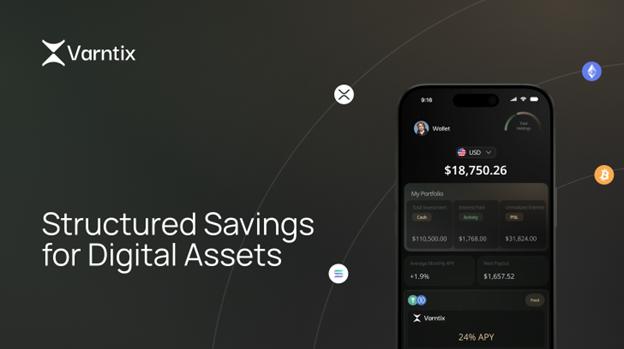
Ledn has been making Bitcoin-backed loans since 2018 and says it has crossed more than $10 billion in loan originations.
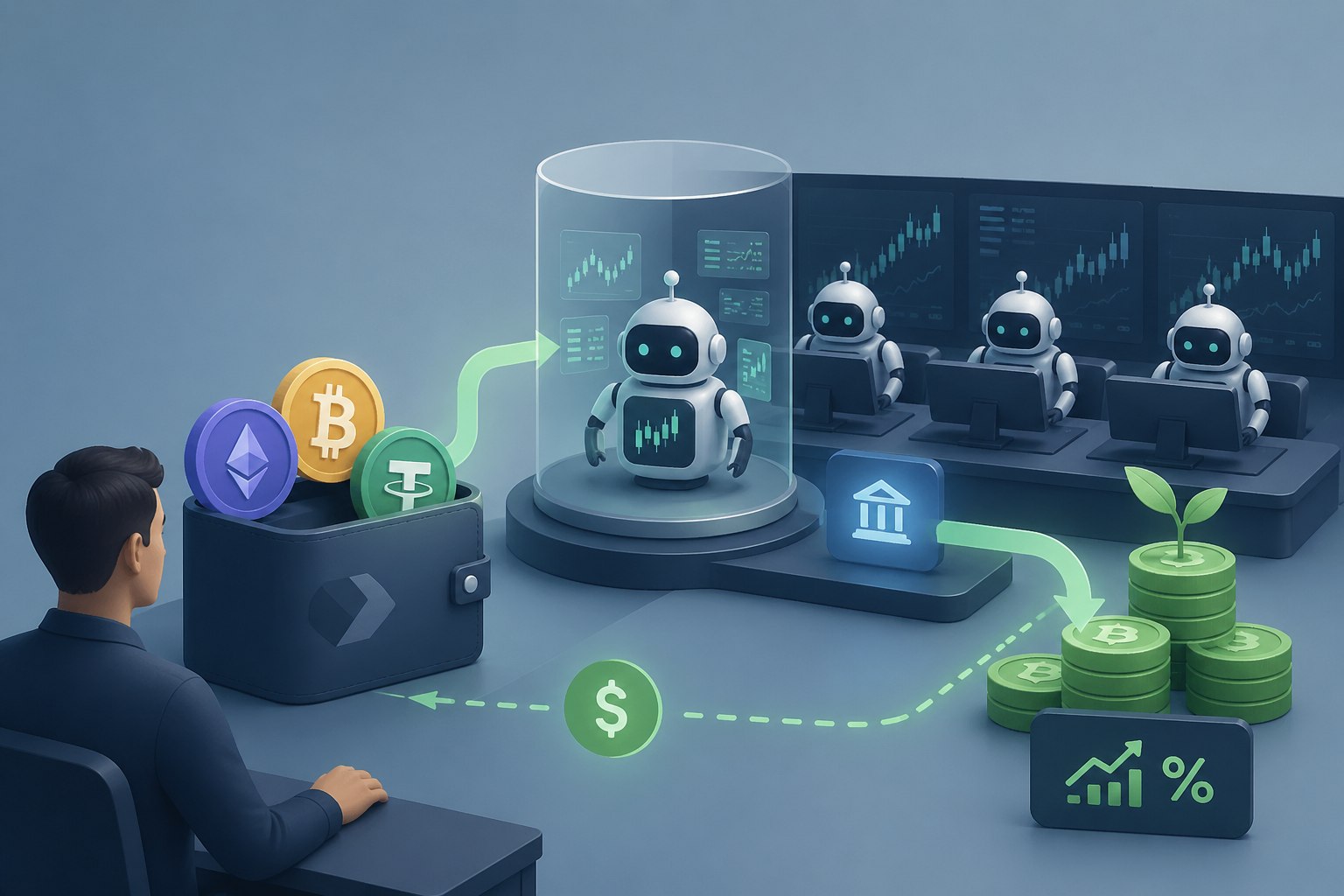
Its core product lets a holder pledge Bitcoin as collateral and borrow dollars against it without selling the coins, and it also runs savings accounts, a borrow-to-buy product called B2X, and a trading desk.
Ledn is SOC 2 Type 2 certified, publishes proof-of-reserves and an open-book report, and is a registered virtual asset service provider with regulators in the Cayman Islands and Spain. It also recently issued what it billed as the first S&P-rated Bitcoin-backed asset-backed security, carrying a BBB rating.
New details emerge from the research
When Protocol Theory asked the non-borrowers what was holding them back, the answers were about trust, not understanding.
The three most-cited concerns were managing Bitcoin’s price volatility, managing liquidation risk, and regulatory uncertainty around crypto-backed loans. Not having enough crypto ranked far below.
Rates and features ranked below trust signals: risk-management practices, reputation, clarity of terms, ease of use, and track record were what mattered most.
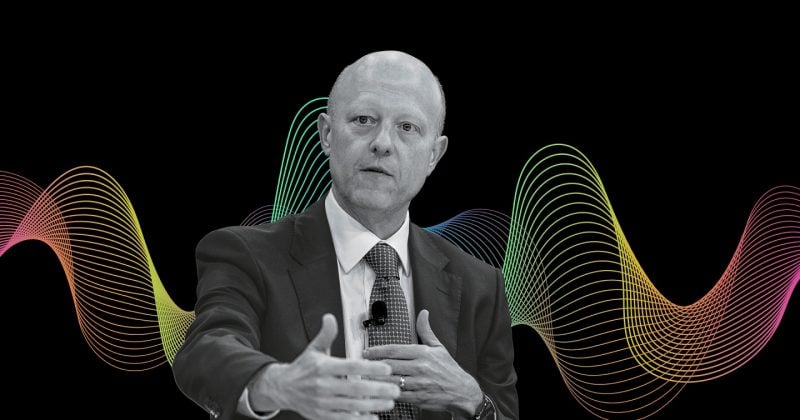
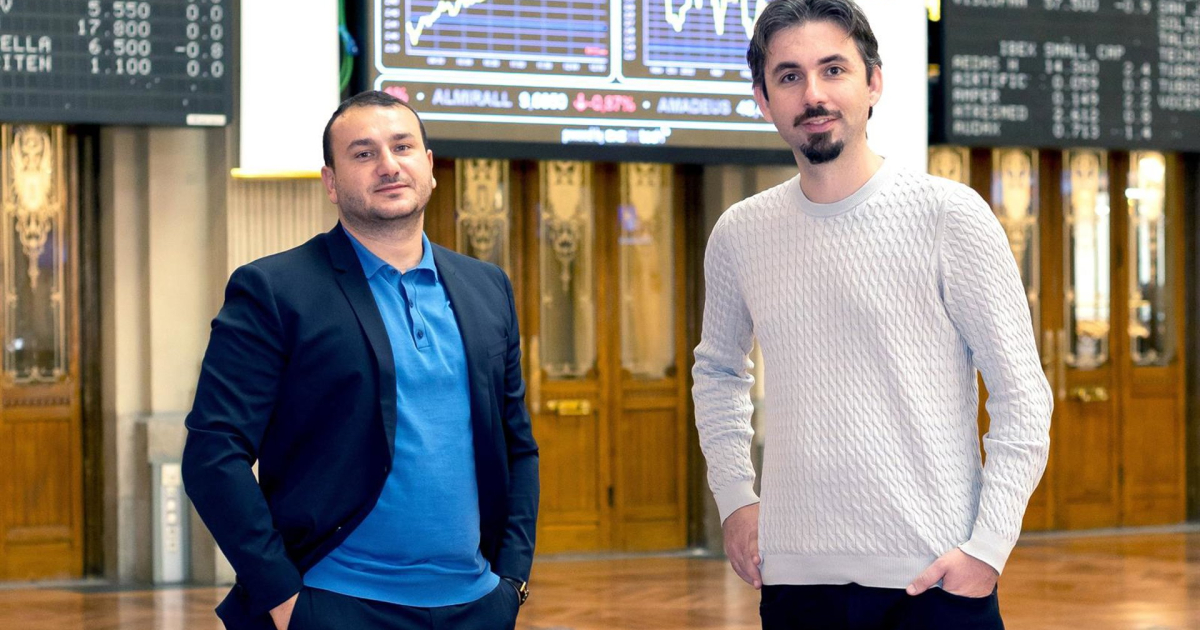
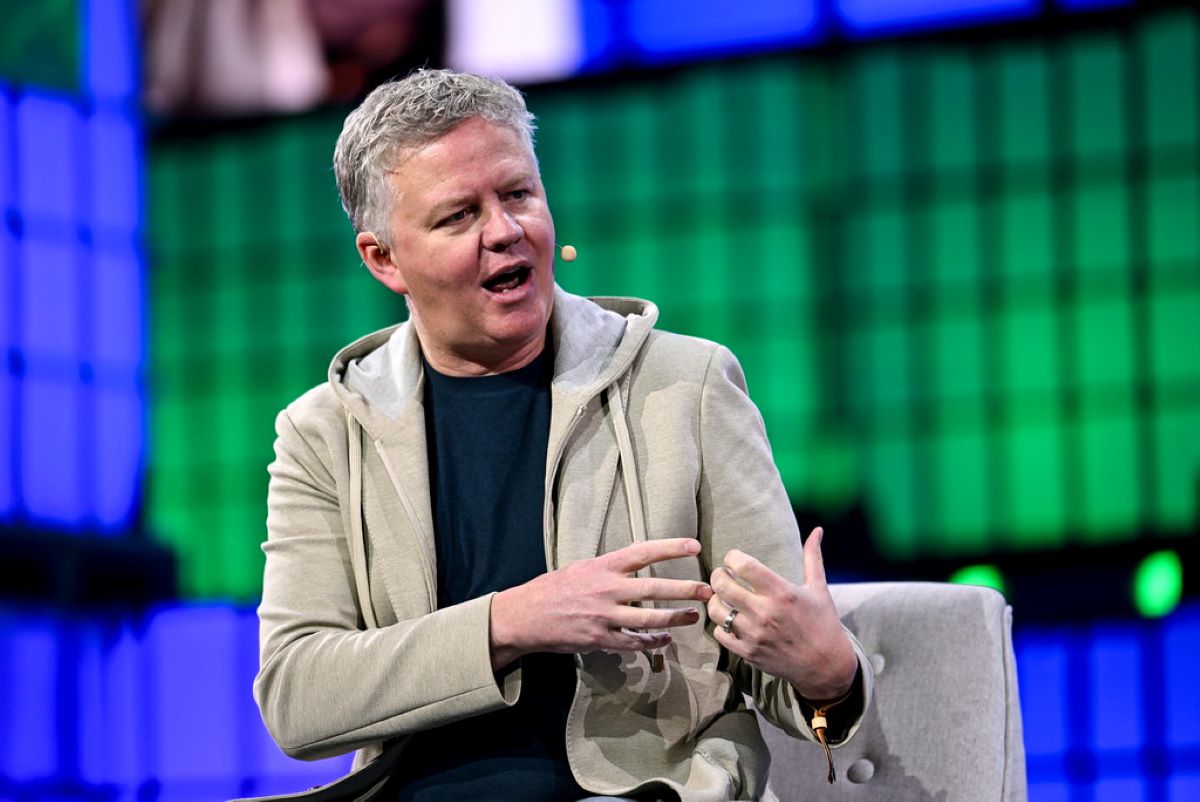
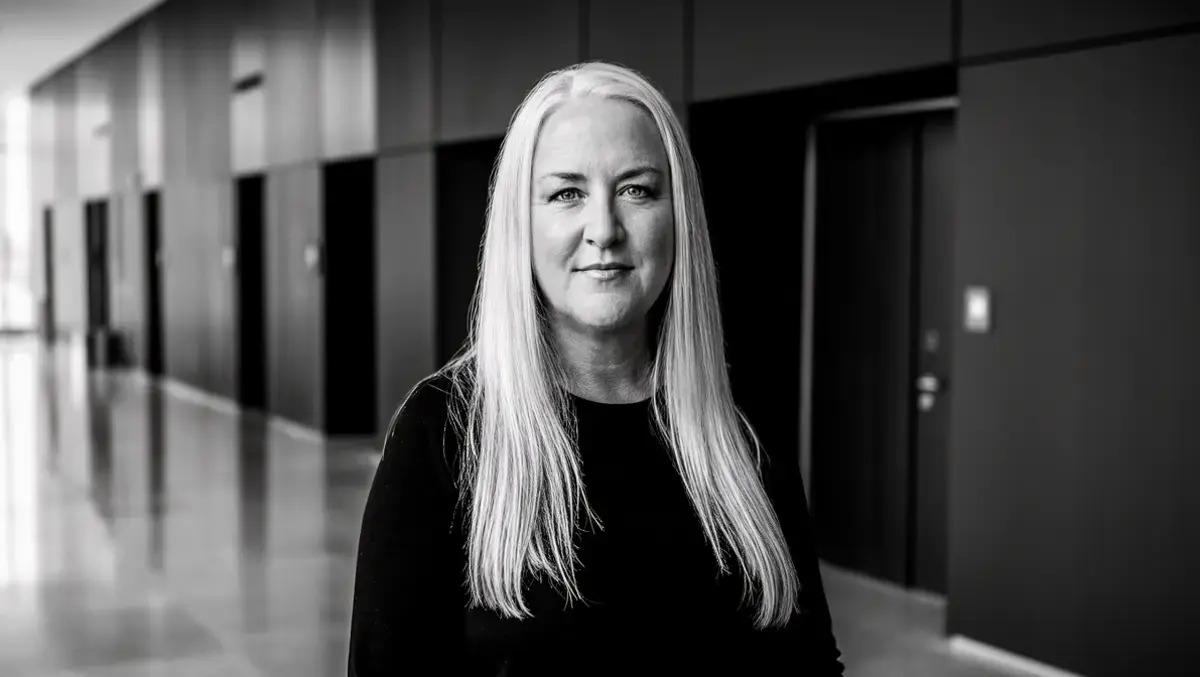
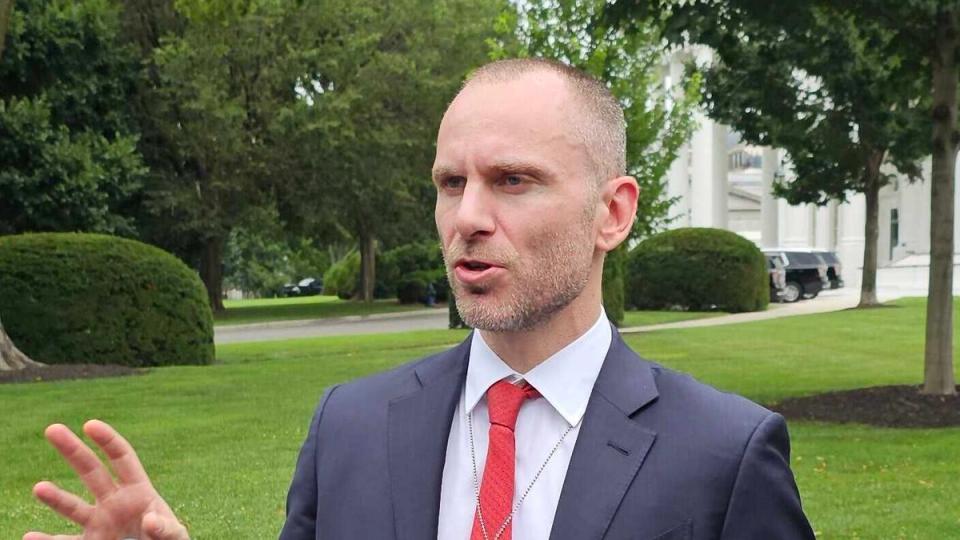
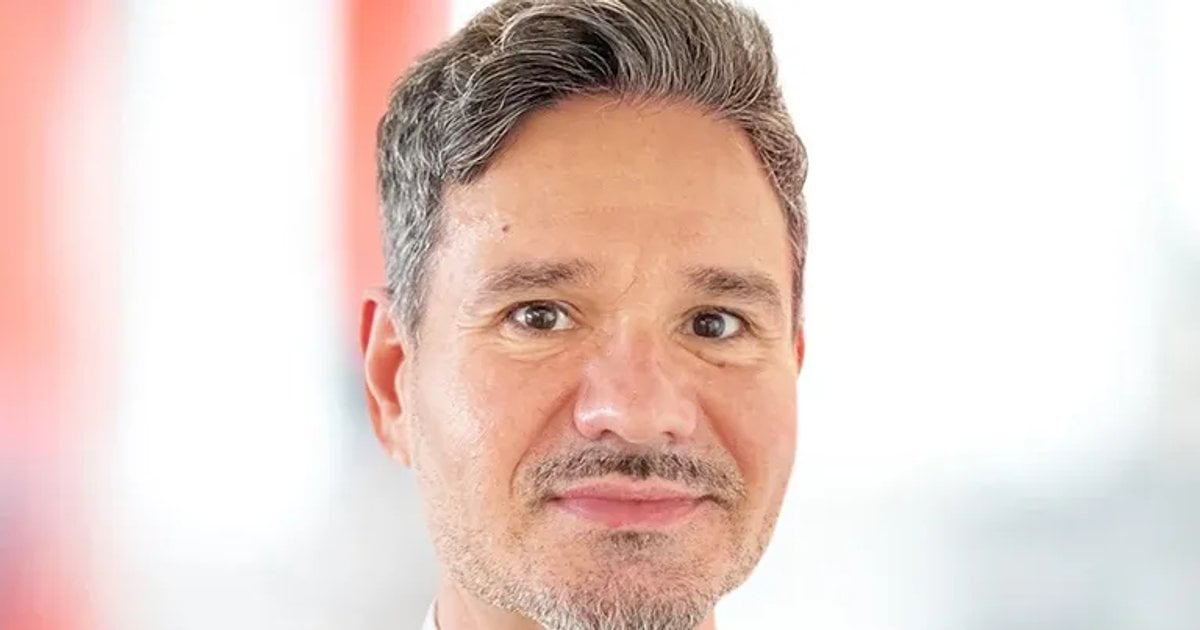
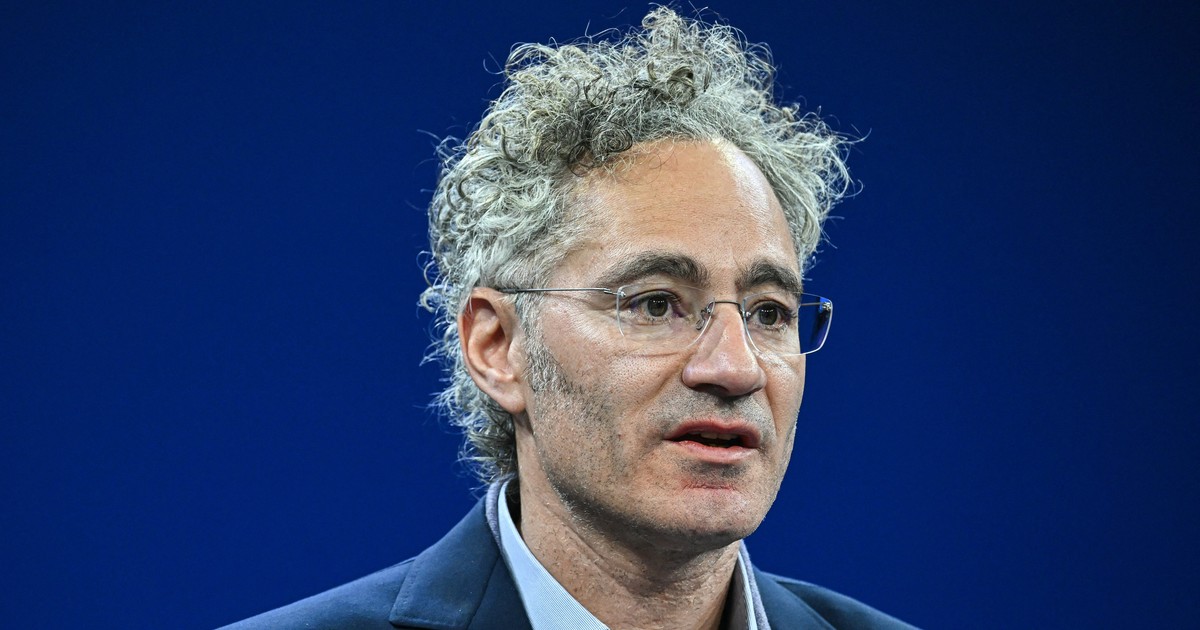
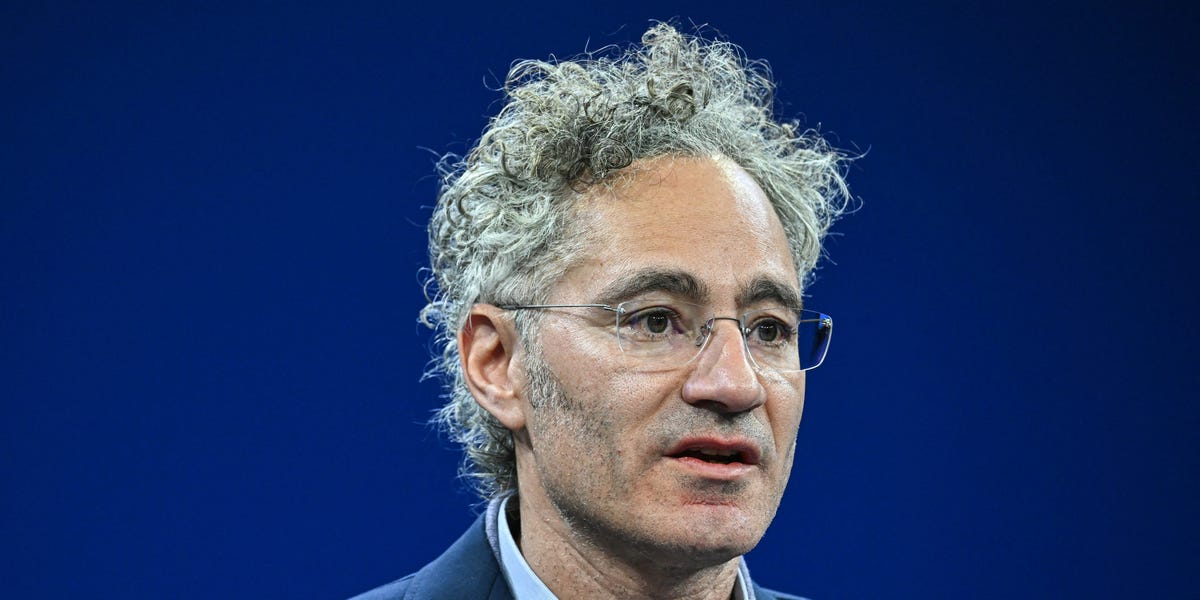
“Bitcoin is now held by tens of millions of people, managed by regulated institutions, and covered by major ratings agencies — yet collateralised borrowing against it is still in very early innings compared to any traditional asset class of this size,” said Mauricio Di Bartolomeo, co-founder of Ledn. “The demand side of the equation is solved. What’s still catching up is the trust infrastructure that gives borrowers the confidence to act.”
Why holders borrow instead of sell
The 14% who do borrow are not accessing emergency cash.
The research describes a financially sophisticated group, comfortable with leverage and accumulating for the long term. Among current crypto-loan users, 62% are buying more Bitcoin and just 1% are selling.