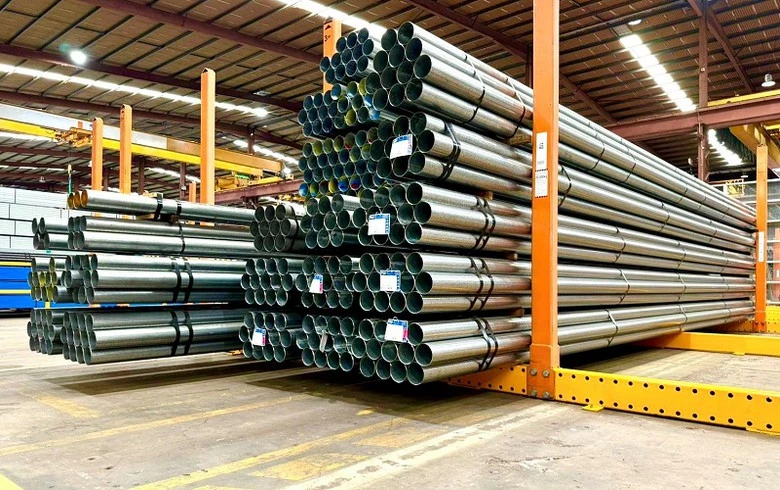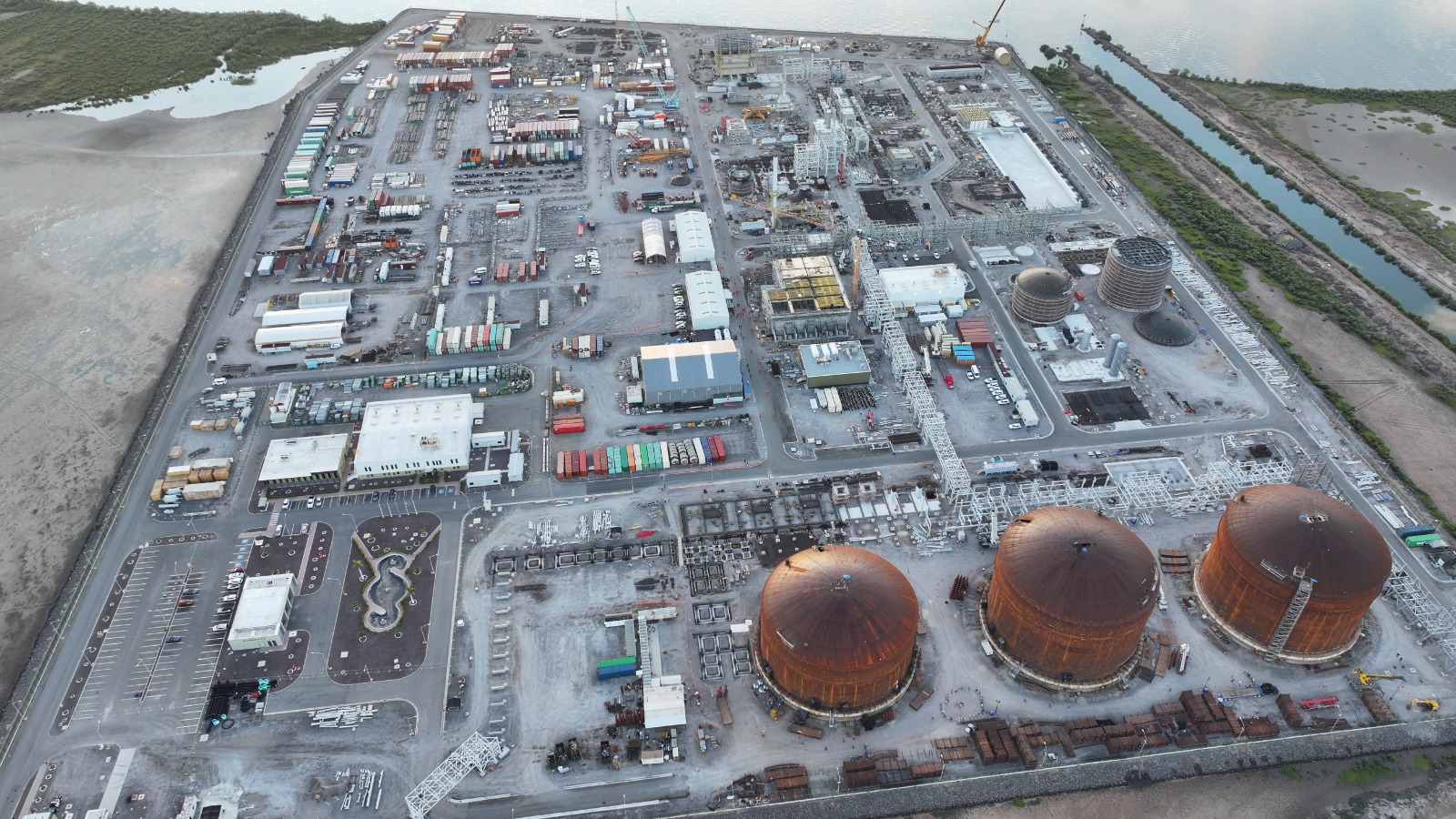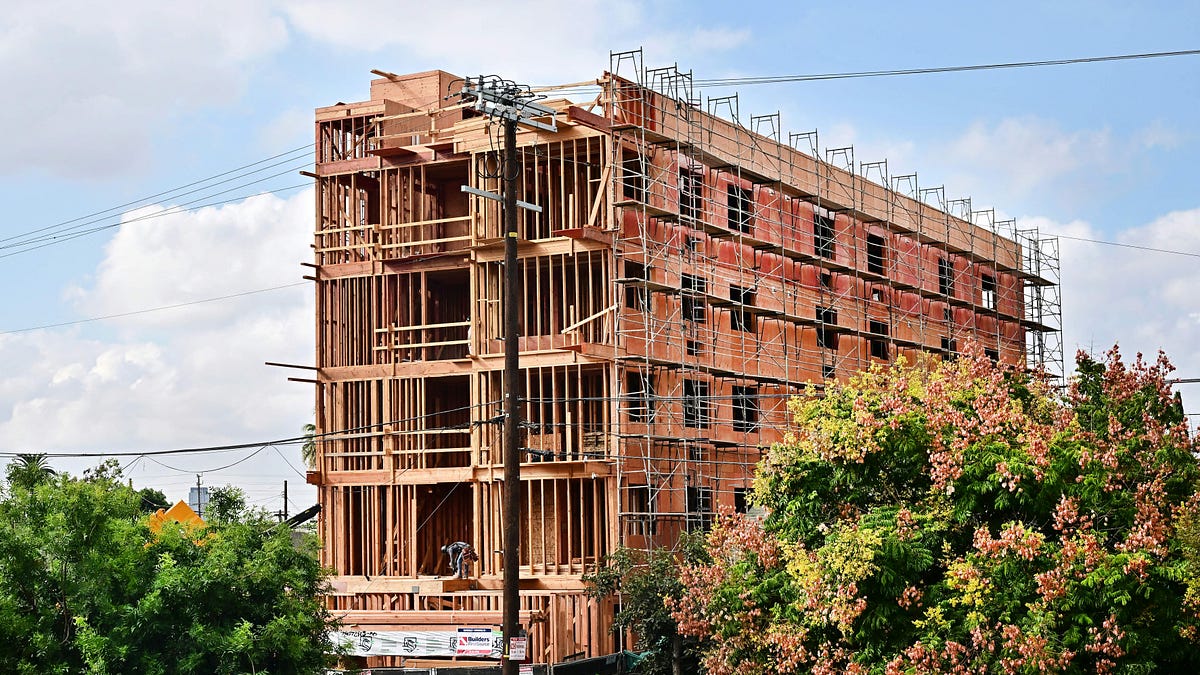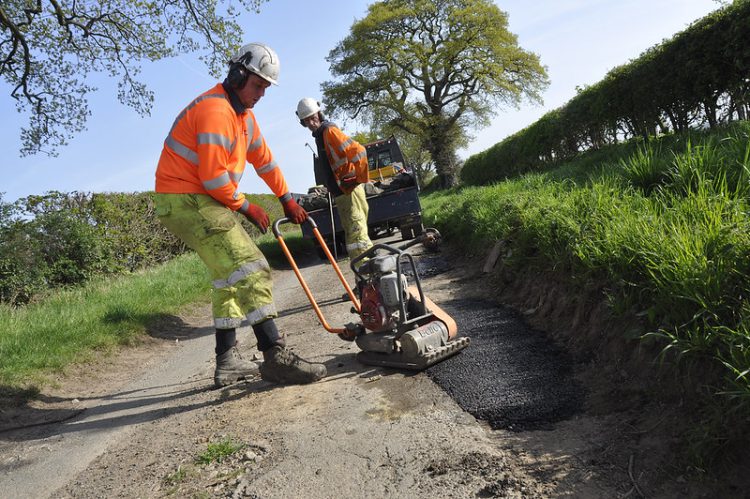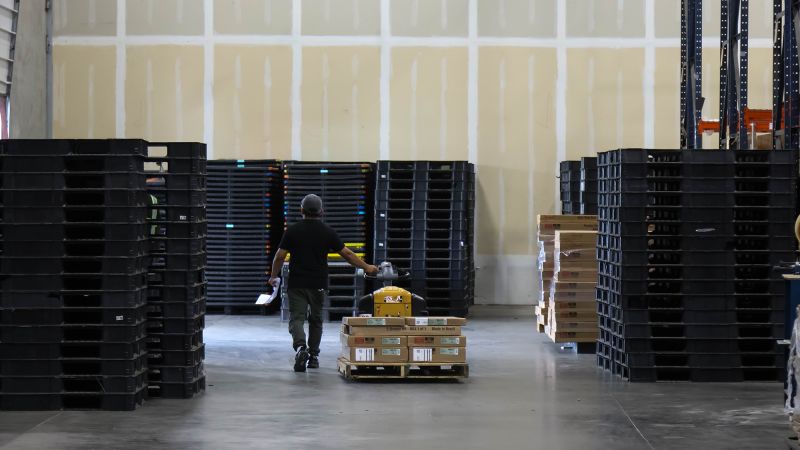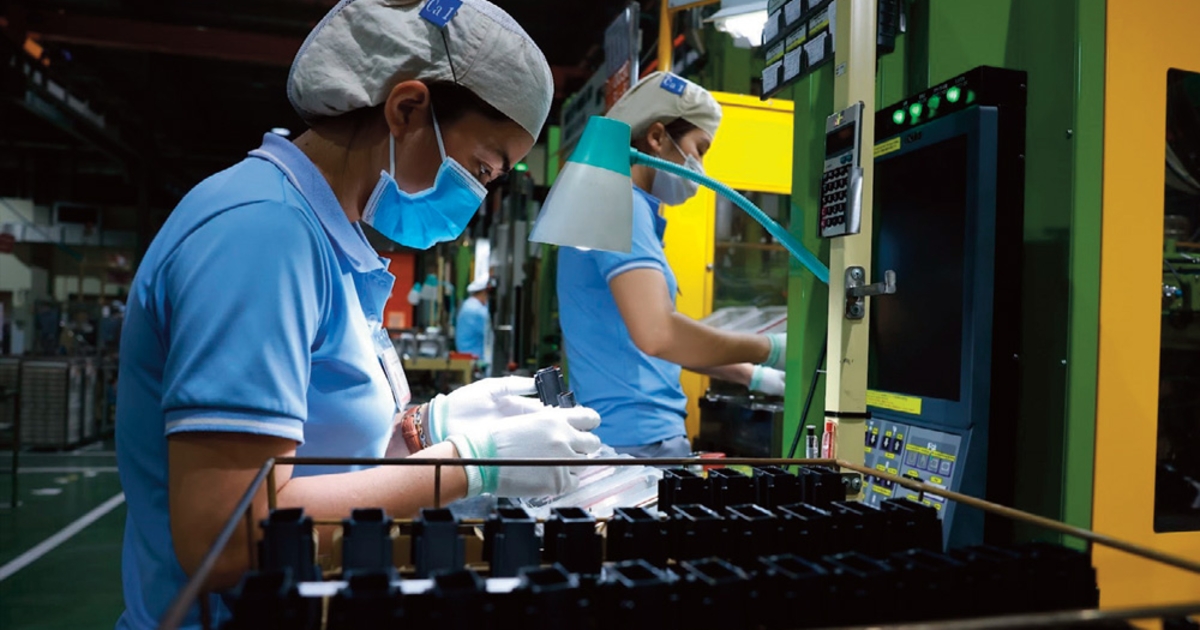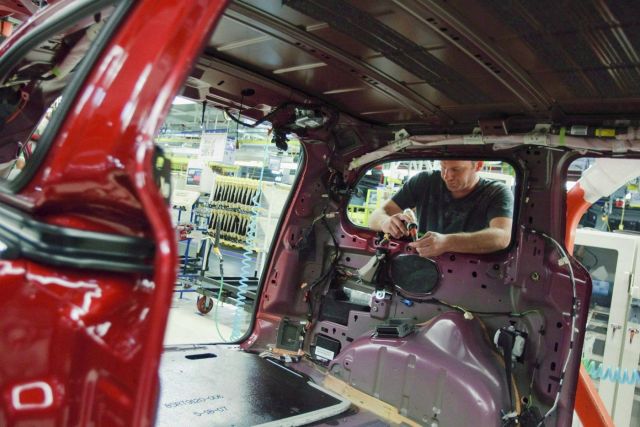

Baton Rouge’s construction sector added some 6,500 jobs over the past year, more than any other sector, thanks to projects such as Hyundai’s steel mill, CF Industries’ ammonia facility, Linde’s air separation unit and the Interstate 10 widening project. The data was released by the Greater Baton Rouge Economic Partnership in its Q2 State of the Regional Economy report.
The Partnership expects construction to remain a major employment driver through 2030. Baton Rouge is outperforming many of its regional competitors on several key economic measures, from job growth and pay to housing affordability and worker productivity.
Other notable takeaways from the report:
Jobs are at an all-time high. Nonfarm employment reached a record 438,200 jobs in April, surpassing pre-pandemic levels by more than 26,000 positions. The region added 6,800 jobs over the past year, a 1.6% increase.
Baton Rouge leads its peers in job growth. The Capital Region posted the strongest year-over-year job growth among peer metros and has now moved ahead of Columbia, South Carolina, in total employment. (The Capital Region’s peer metros are Columbia; Birmingham, Alabama; Little Rock, Arkansas; Greenville, South Carolina; and Knoxville; Tennessee.)
Workers are earning more than anywhere else in Louisiana. Private sector employees in the Capital Region now earn an average of $1,254.86 per week, the highest among Louisiana metros. Weekly earnings grew 5.4% over the past year.
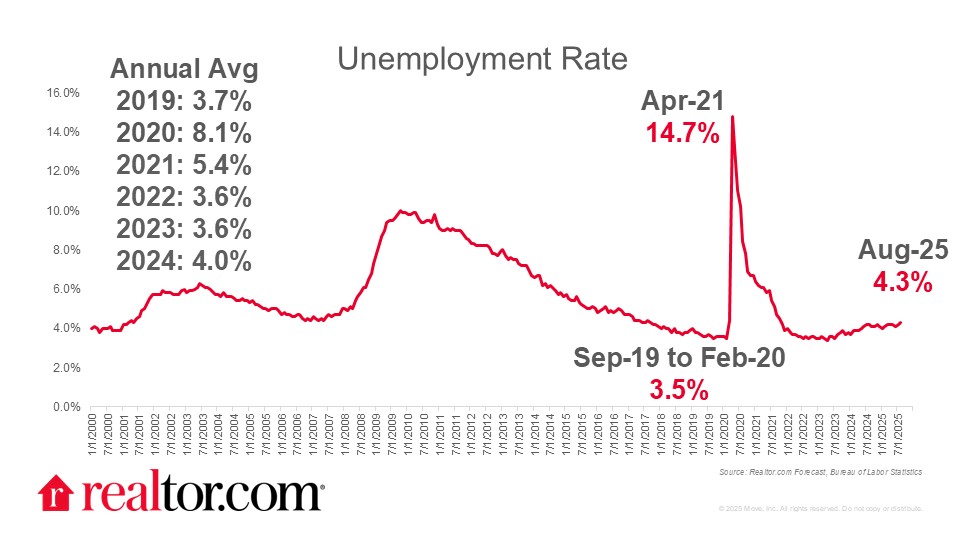
Unemployment claims have fallen sharply. Claims are down a “staggering” 42.7% from a year ago, but the Capital Region’s 4.2% unemployment rate is still the highest among peer metros.
College enrollment continues to climb. Regional higher education enrollment reached a record 68,528 students during the 2025-26 academic year, up roughly 20,000 students over the past decade. LSU accounted for much of the growth.
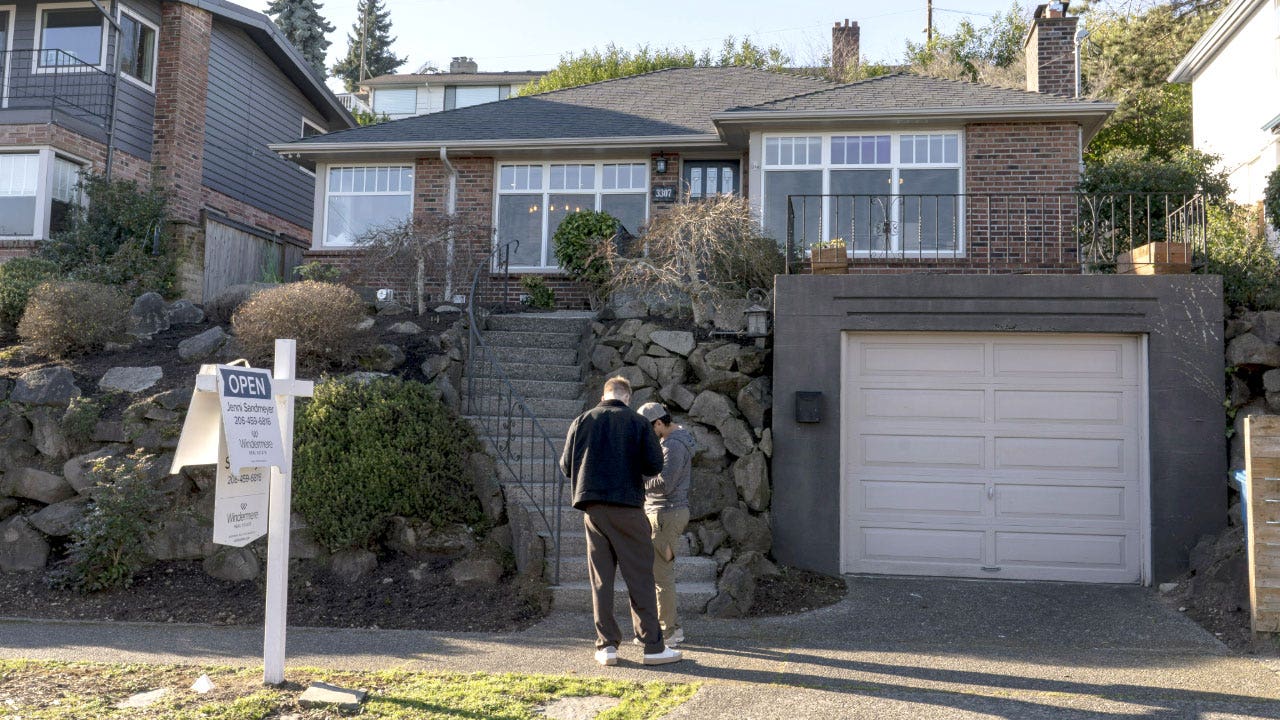
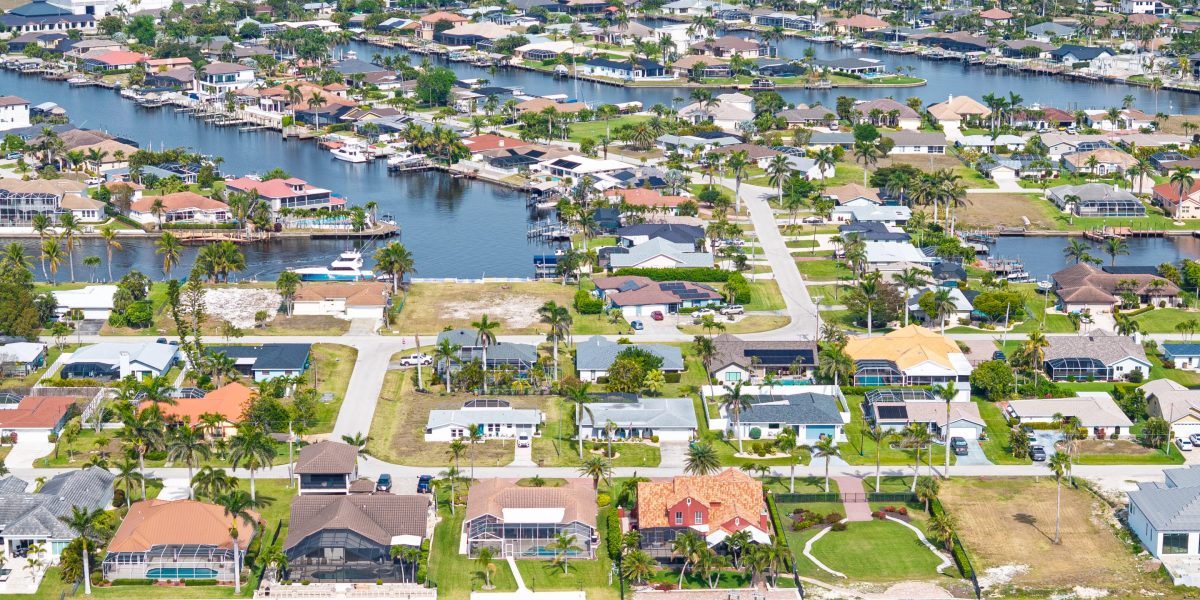
Housing remains relatively affordable. The median home costs 3.6 times the median household income in the Capital Region. Among peer metros, only Birmingham and Little Rock are marginally more affordable.
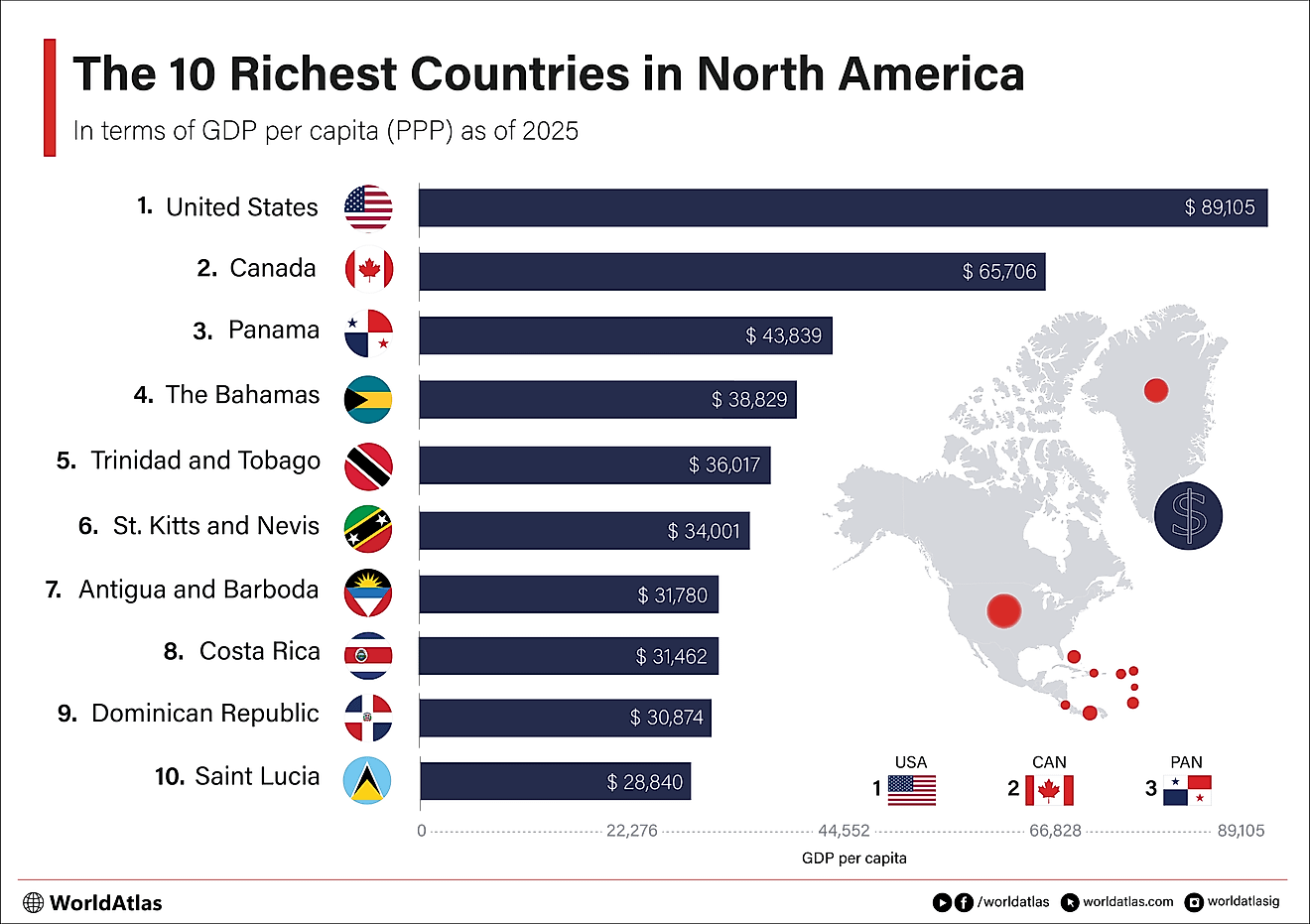
The region is highly productive. The Capital Region’s GDP per capita of $83,600 is the highest among peer metros, outpacing even Birmingham, a region with a significantly larger population and the largest overall economy among peer metros. That means Baton Rouge generates more economic value per resident than any comparable metro. The Capital Region’s economy totaled $73.8 billion in 2024, second only to Birmingham among its peers.
Read the Partnership’s full Q2 State of the Regional Economy report here.