John Newton, Ph.D.
Vice President of Public Policy and Economic Analysis
Key Takeaways
- Farm country has endured three consecutive years of worsening economic conditions, spreading financial stress across much of rural America.
- A prolonged cost-price squeeze has increased demand for credit, reduced equipment purchases and contributed to a slight uptick in farm bankruptcies.
- Farmland values continue to provide equity support for farmers, helping to keep aggregate debt-to-asset ratios low and support access to capital.
- Policy solutions such as year-round E15, the farm bill and economic aid are within reach in the Senate, offering opportunities to improve farm income, expand market access and support rural economies.
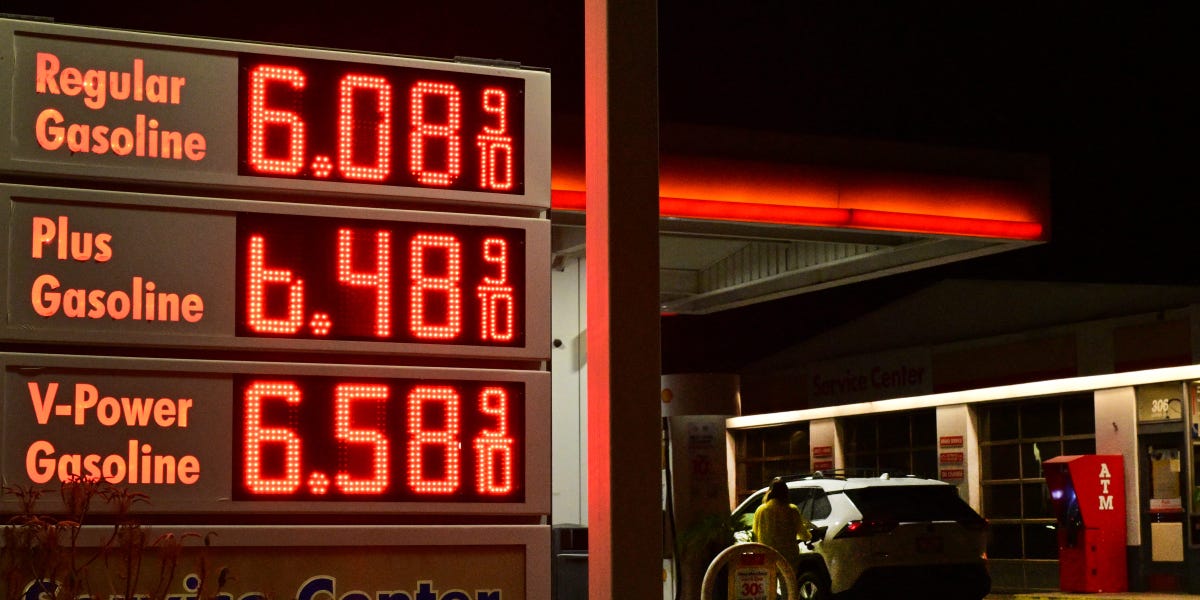
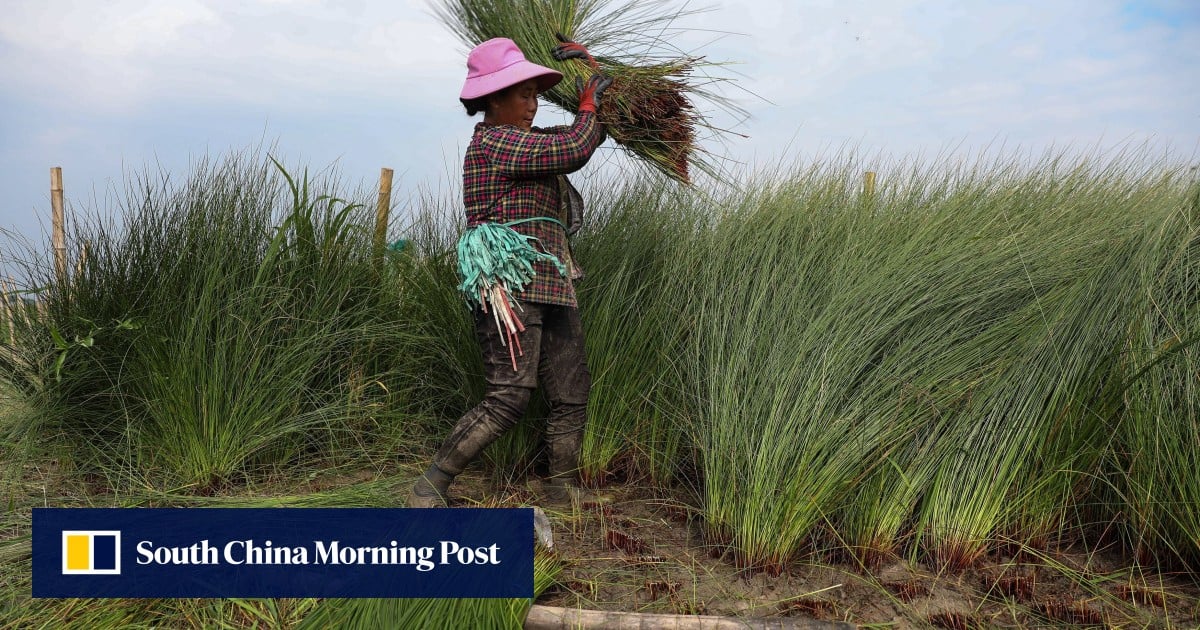
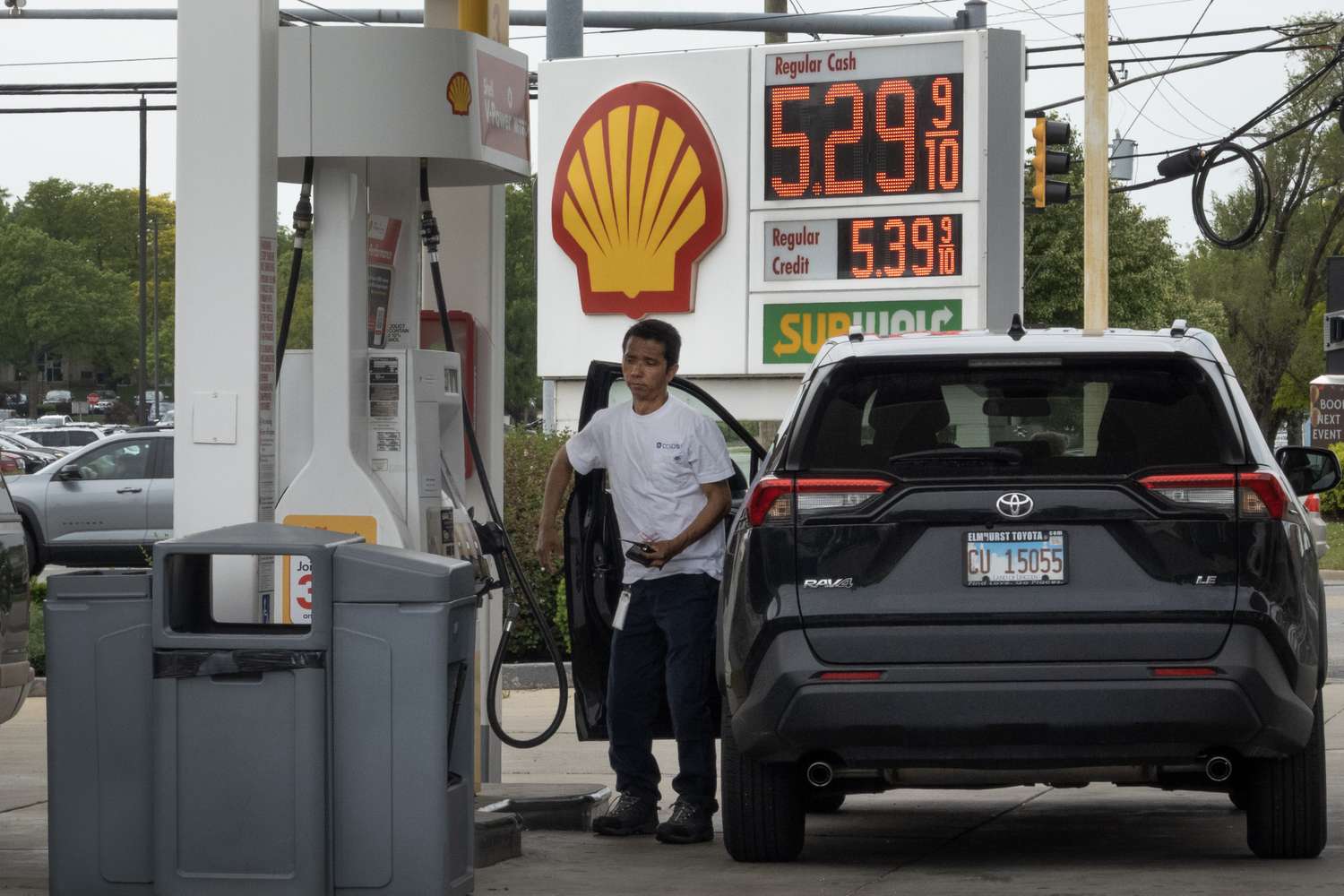
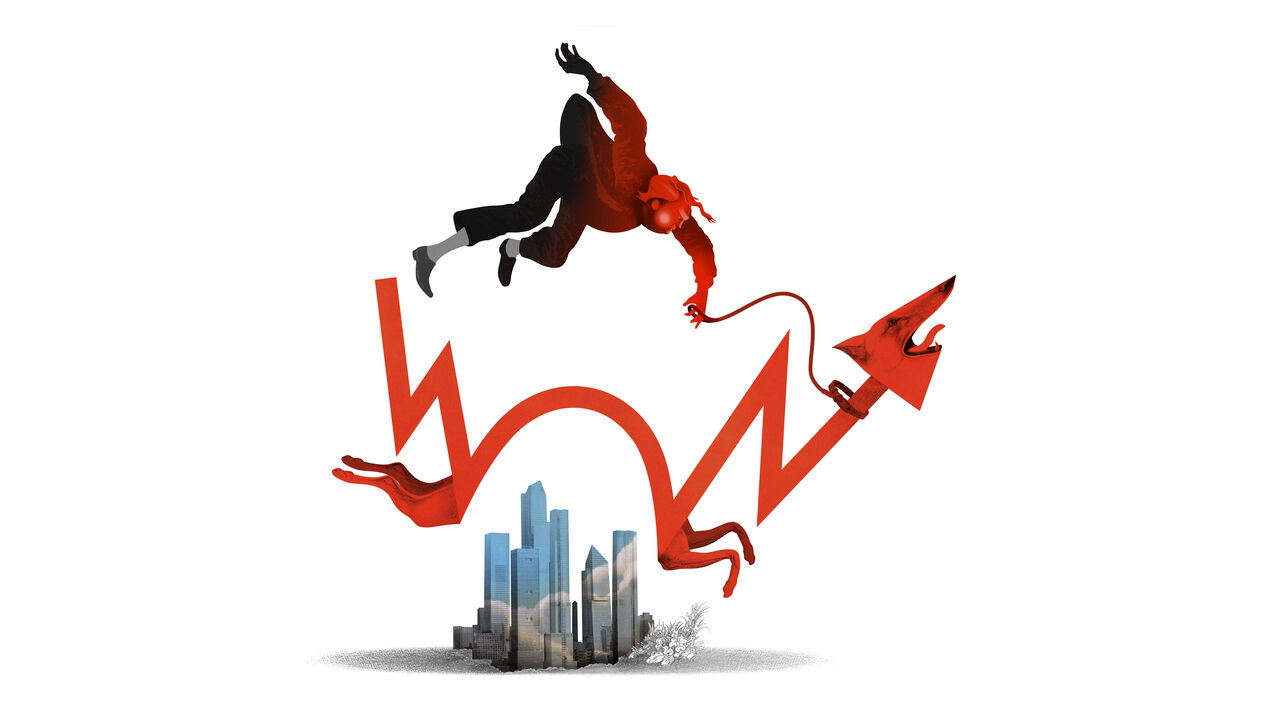
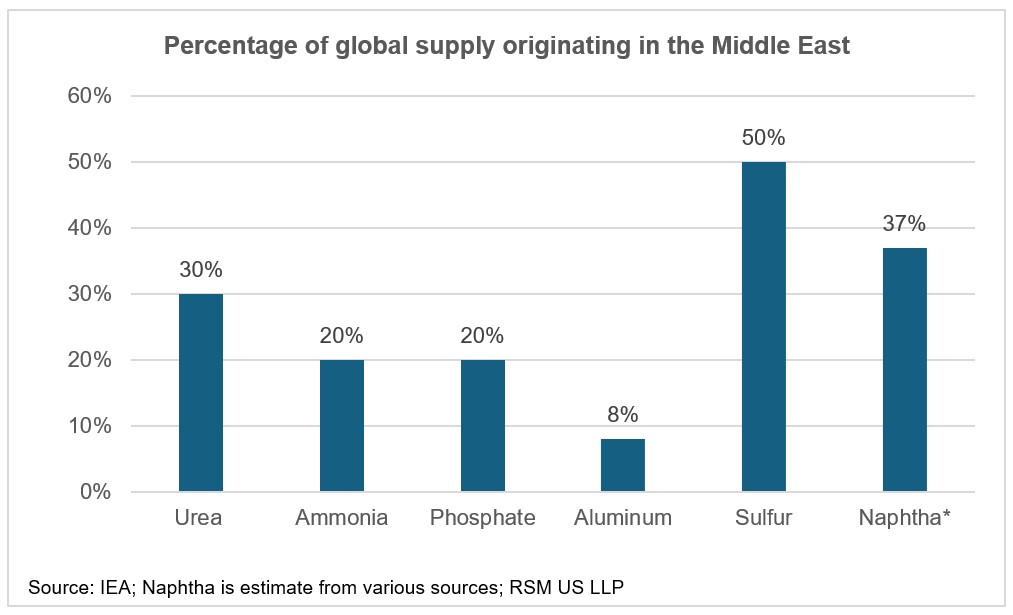
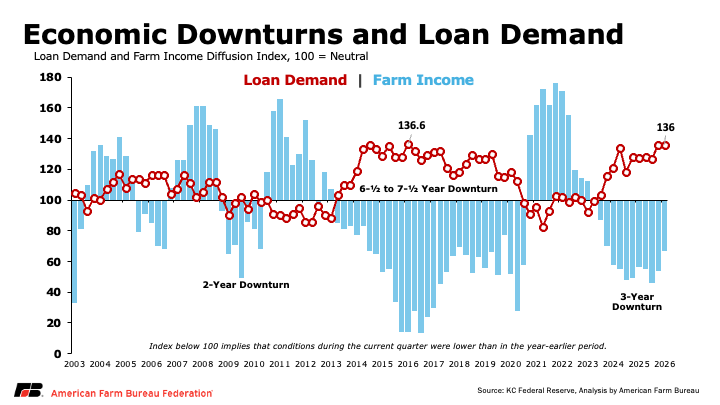
The U.S. farm economy is currently in the 12th consecutive quarter of a farm economic downturn, and given the cumulative effect of inflation, new economic pressures on input costs such as fertilizers and fuel, and crop prices below breakeven, how long the current downturn lasts will depend a lot on congressional action in the coming weeks and months.
According to the most recent data from the Kansas City Fed’s Agricultural Credit Survey, the farm income diffusion index — which measures the year-over-year change in economic conditions — was 66 in the first quarter of 2026, marking three straight years of deteriorating economic conditions on the farm and the longest downturn since that began in 2013 and lasted until 2020-2021.
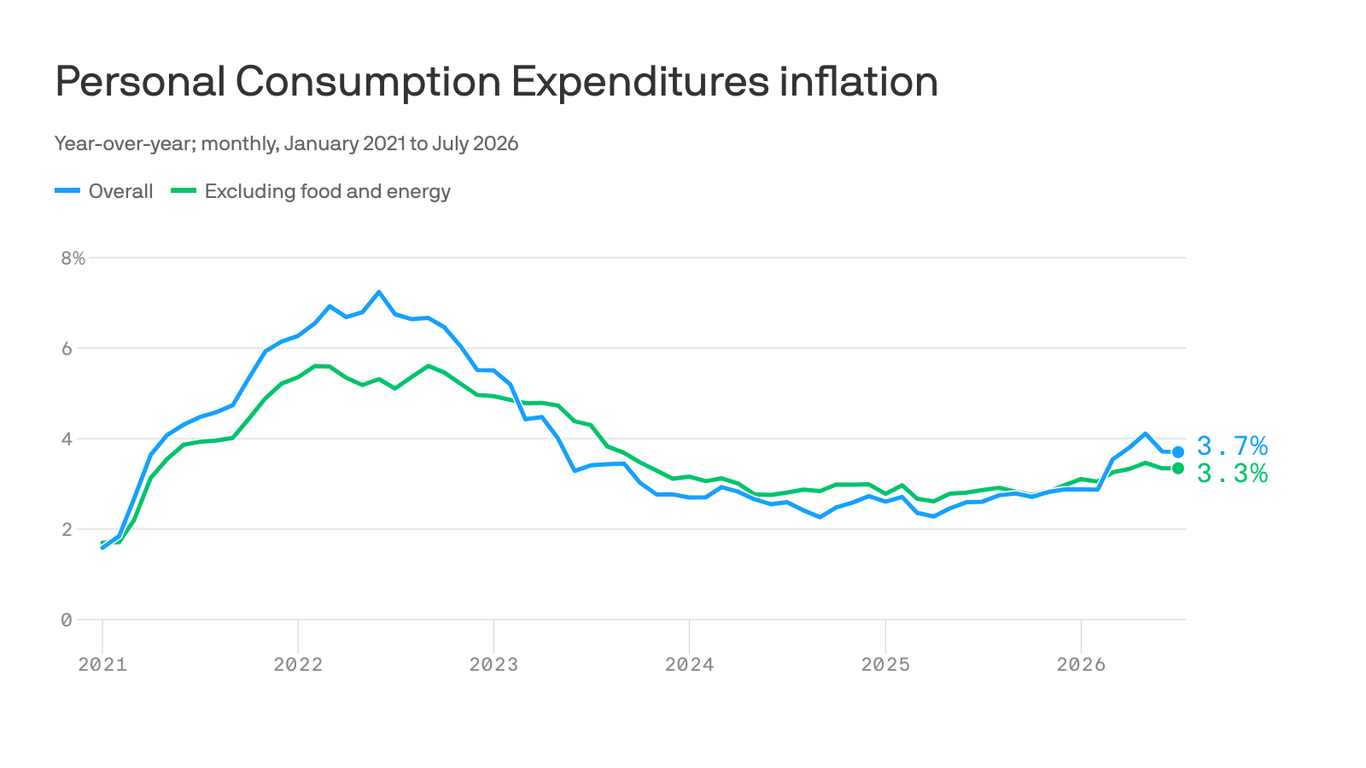
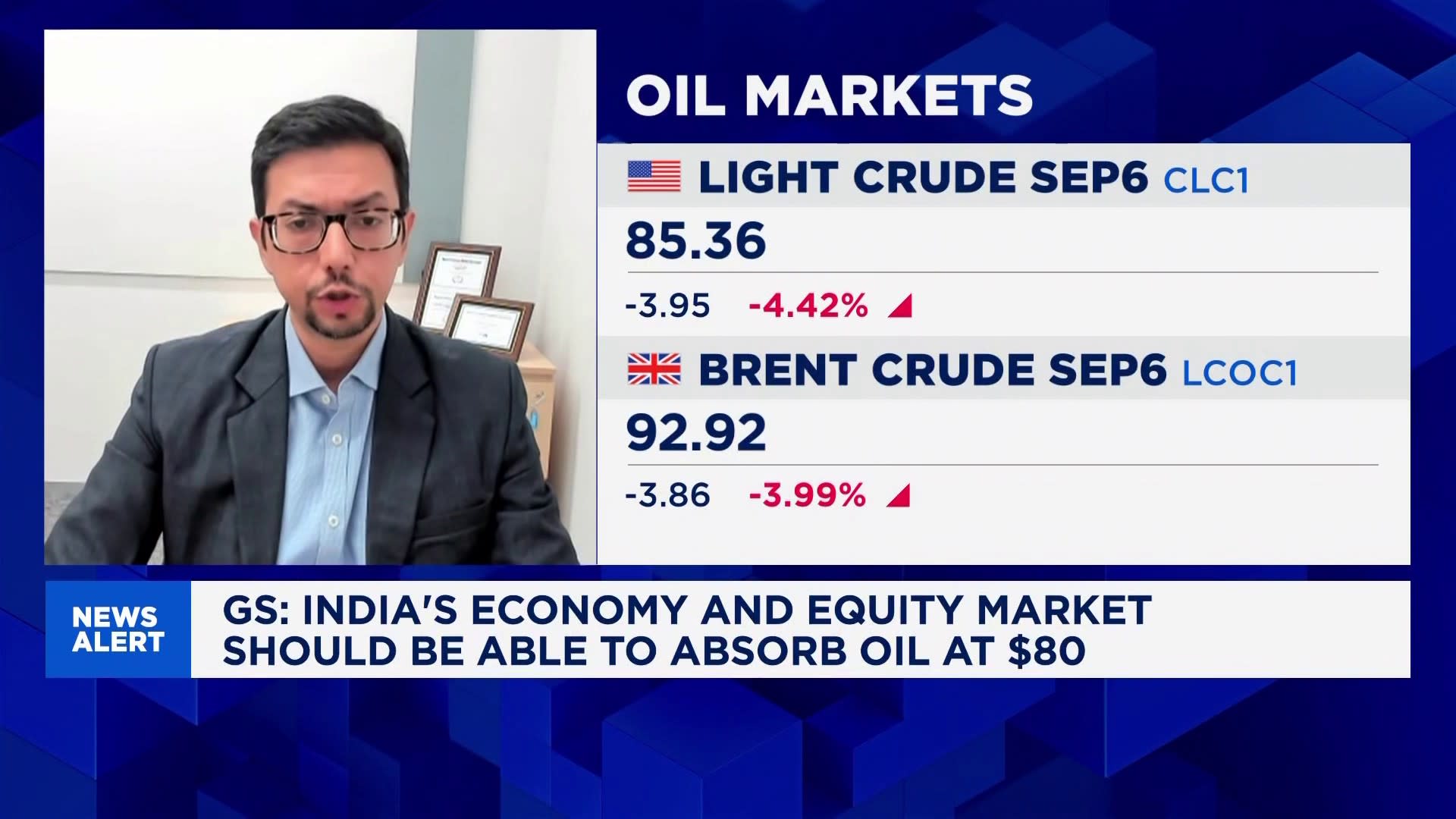
The current downturn has been building for several years. The inflationary period that began in 2021 dramatically increased the cost of doing business on the farm. Farm production expenses have risen sharply, with total expenses up 34%, or $120 billion, since 2020 and annual gross farm production expenses now approaching a half trillion dollars nationwide.
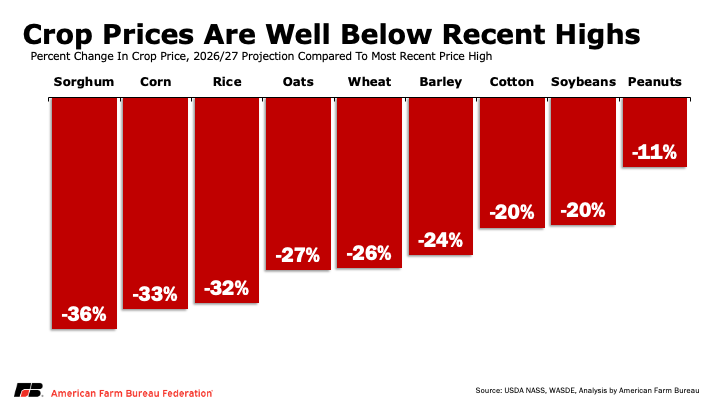
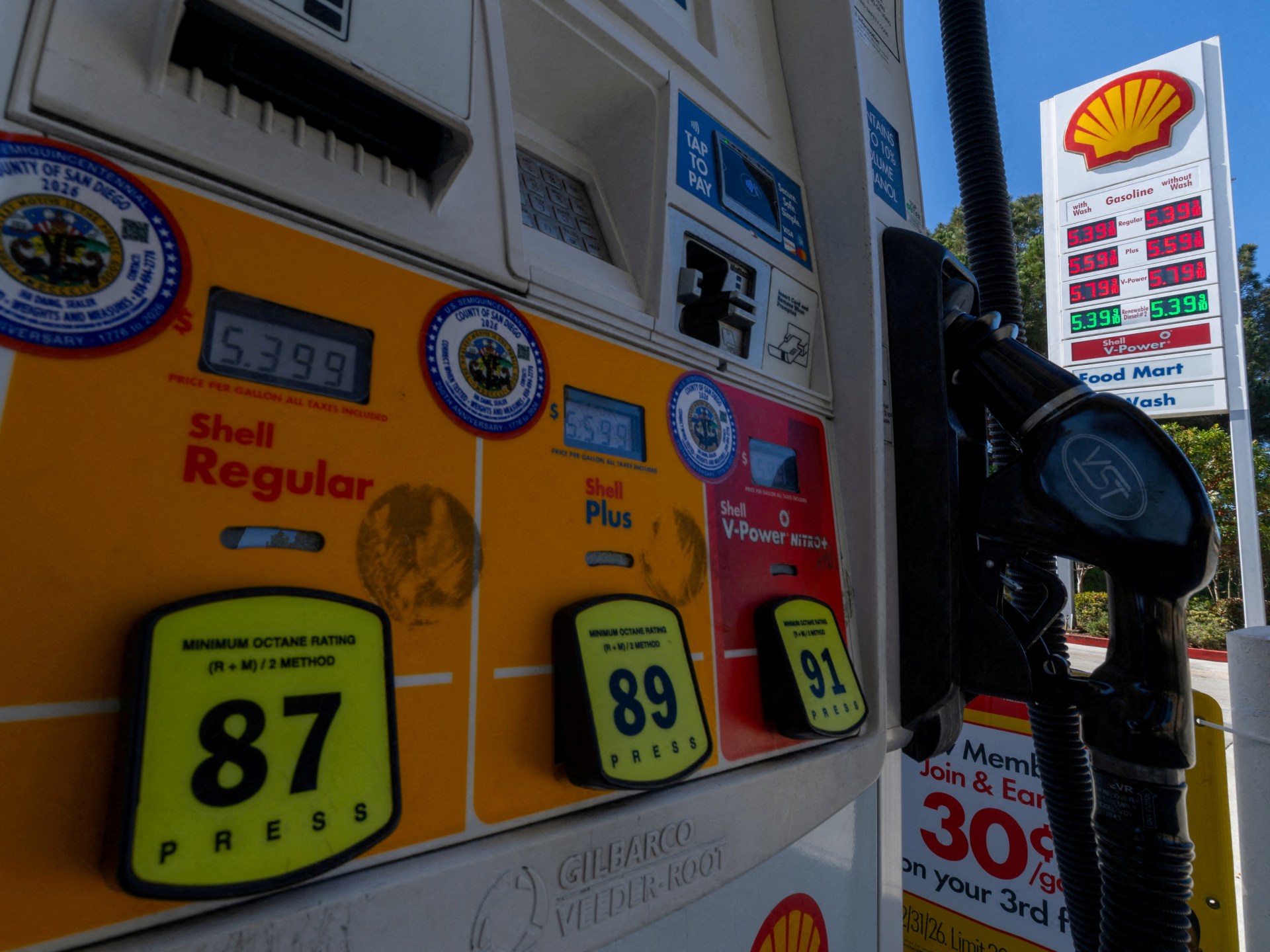
While major crop prices are expected to rebound slightly in 2026, prices for this year’s crops are anywhere between 11% and nearly 40% below levels reached only a few years prior. This price-cost squeeze has resulted in an erosion in working capital, near-record demand for loans and, in some cases, farm bankruptcies.
Rural Main Street Feels Farm Economy Slowdown
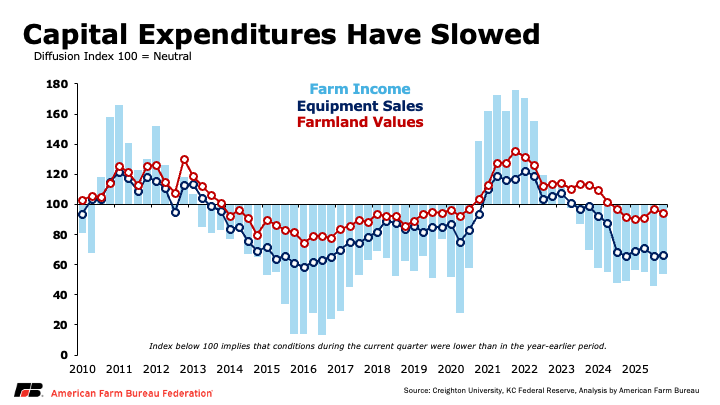
While loan demand is at near-record highs — behind only 2016 levels — this demand is likely to service lines of credit needed to keep the farm afloat through the trough. This is best supported by the significant slowdown in economic activity on rural Main Street. Data from Creighton University’s Rural Mainstreet Index reveals that farm equipment sales have fallen to among the lowest levels in the data’s history as farms hold off on making large capital purchases given the uncertain farm economic outlook.
Land Values Remain Strong
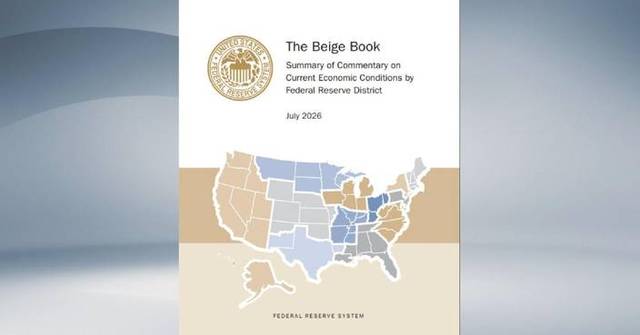
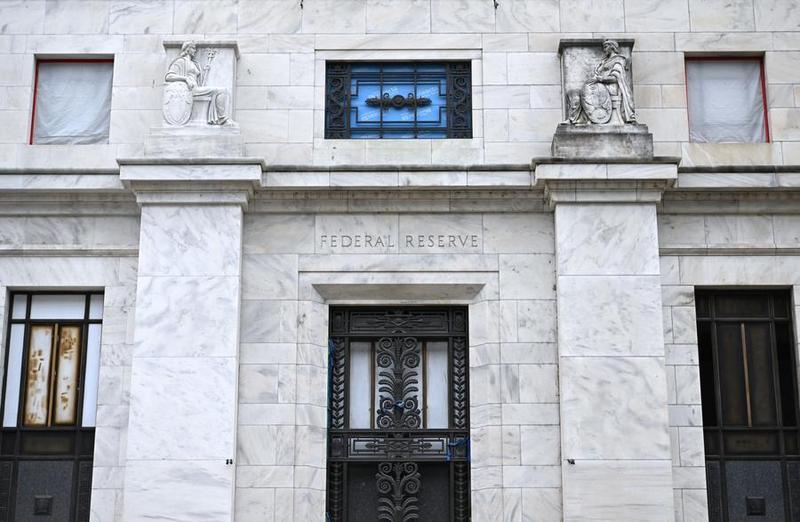
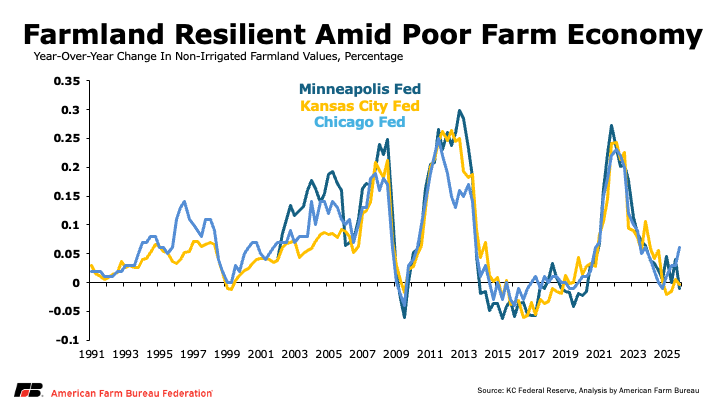
One area of the farm economy that remains resilient is farmland values. Both the Rural Main Street Index and the Federal Reserve show farmland values and values for non-irrigated farmland continue to see modest year-over-year growth and have shown no major signs retreating from the elevated values. The strength in farmland values has helped to keep equity measurements like the debt-to-asset ratio relatively low despite record farm debt and a weak farm economy. At the same time, strong land values can improve a farmer’s access to credit by providing collateral for borrowing and helping bridge short-term cash flow or liquidity challenges. However, because land itself is not a liquid asset, higher land values do not necessarily translate into immediate or expanded access to working capital.
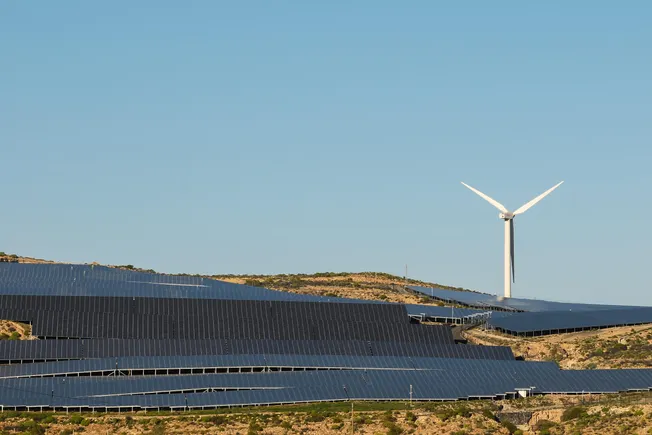
Importantly, farmland values are influenced by more than farm income. For example, farmland values are supported by several factors including economies of scale and farmland acquisitions, real estate investment trusts, urban sprawl, demand for renewable energy and more recently, the growth in data center development in rural areas.
Farm Economy Policy Solutions are Within Reach
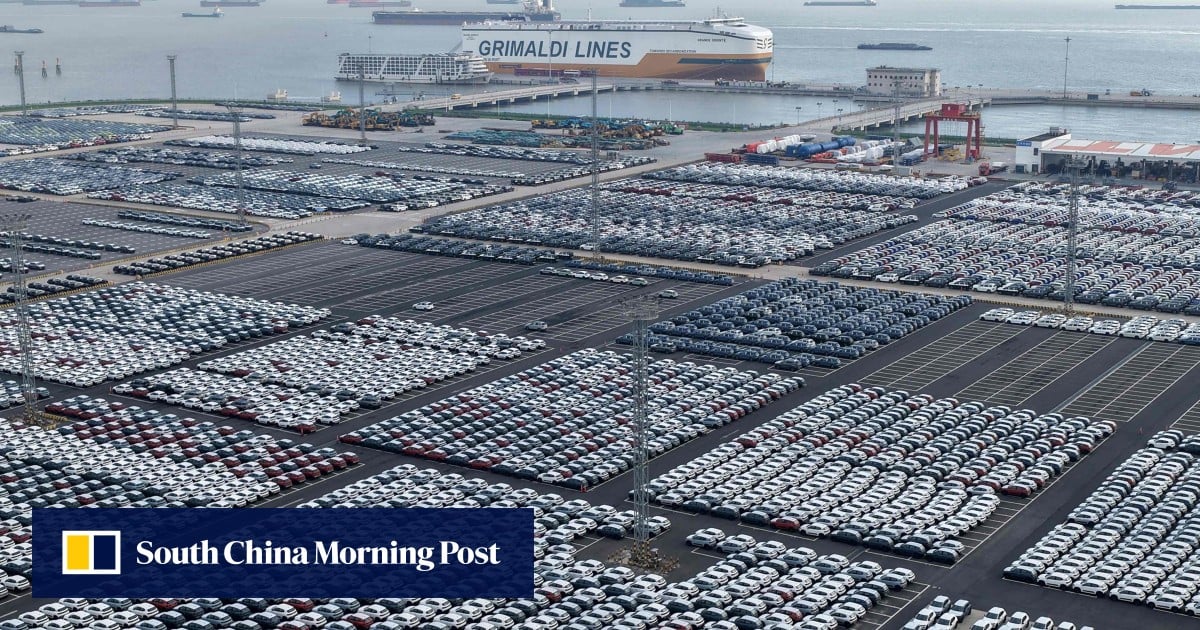
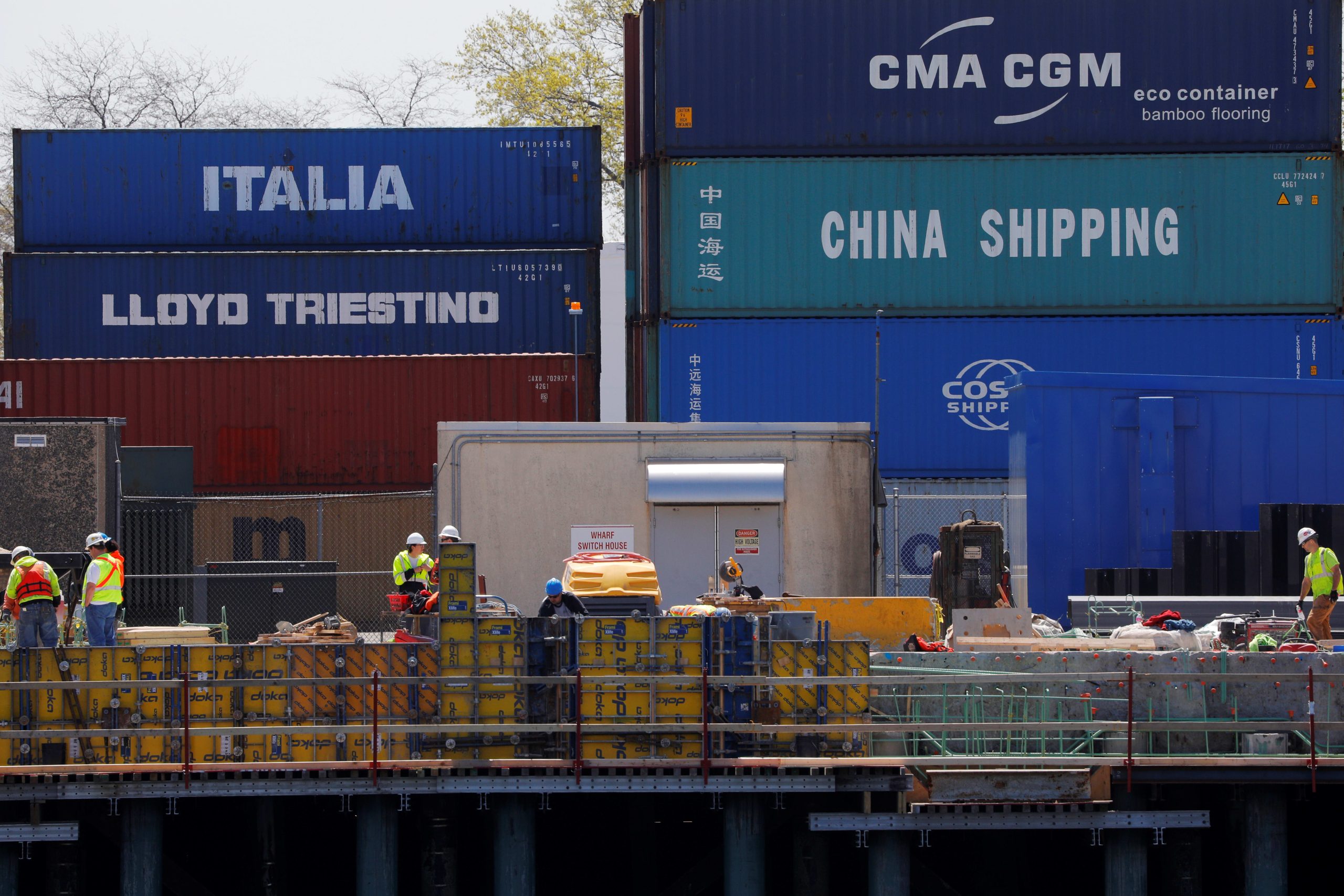
There have been a number of tailwinds recently to help the farm economy, beginning with congressional support for ad hoc assistance in 2024, the One Big Beautiful Bill Act which included significant tax relief and made a historic investment in farm risk management programs, new agricultural trade frameworks including the recently announced trade deal with China (widely expected to result in approximately $30 billion annually in agricultural purchases), and strong Renewable Volume Obligations alongside a number of regulatory relief efforts.
There are other efforts on the goal line. Both year-round E15 and the farm bill have passed the House and await action in the Senate. Moreover, there is growing bipartisan support to provide additional economic aid for farmers this year to help offset rising fertilizer and fuel prices and address catastrophic natural disasters.
Combining the achieved policy solutions with those that await action in the Senate would go a long way toward improving the economic outlook for farmers, ranchers and rural America, making the weeks and months ahead in the Senate a critical time for farm country. The upcoming weeks and months ahead in the Senate will be a critical time for farm country.