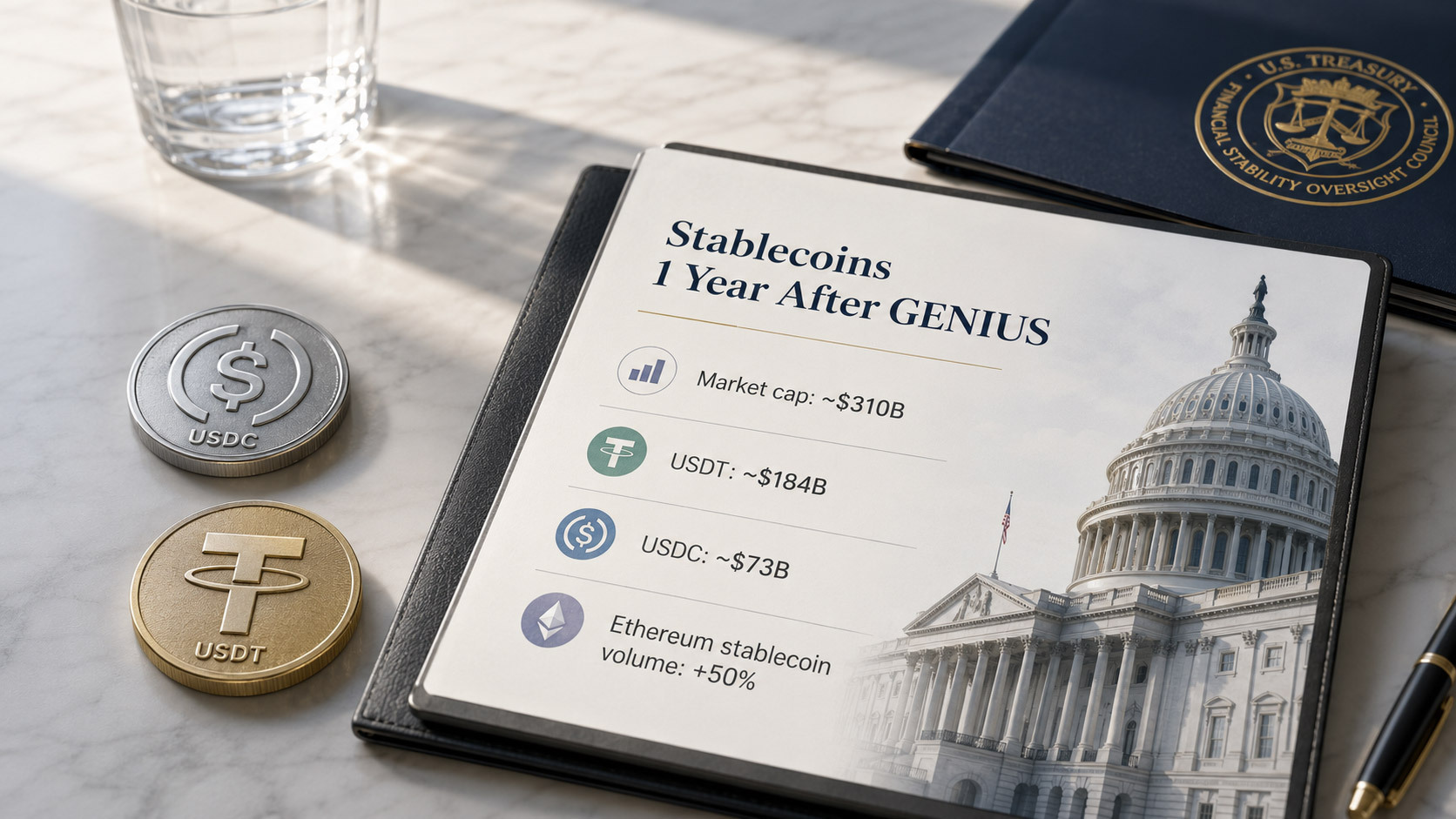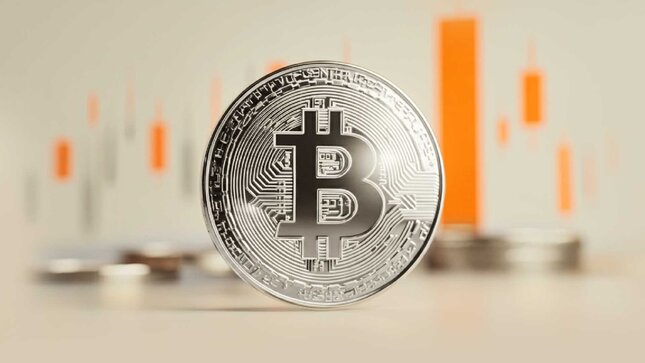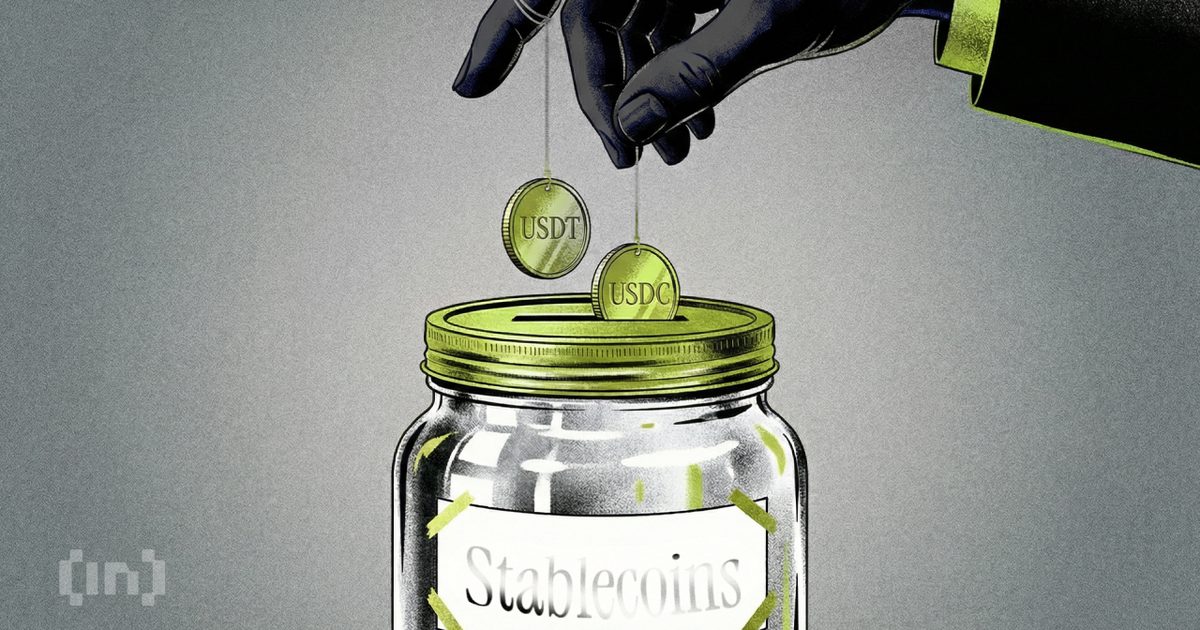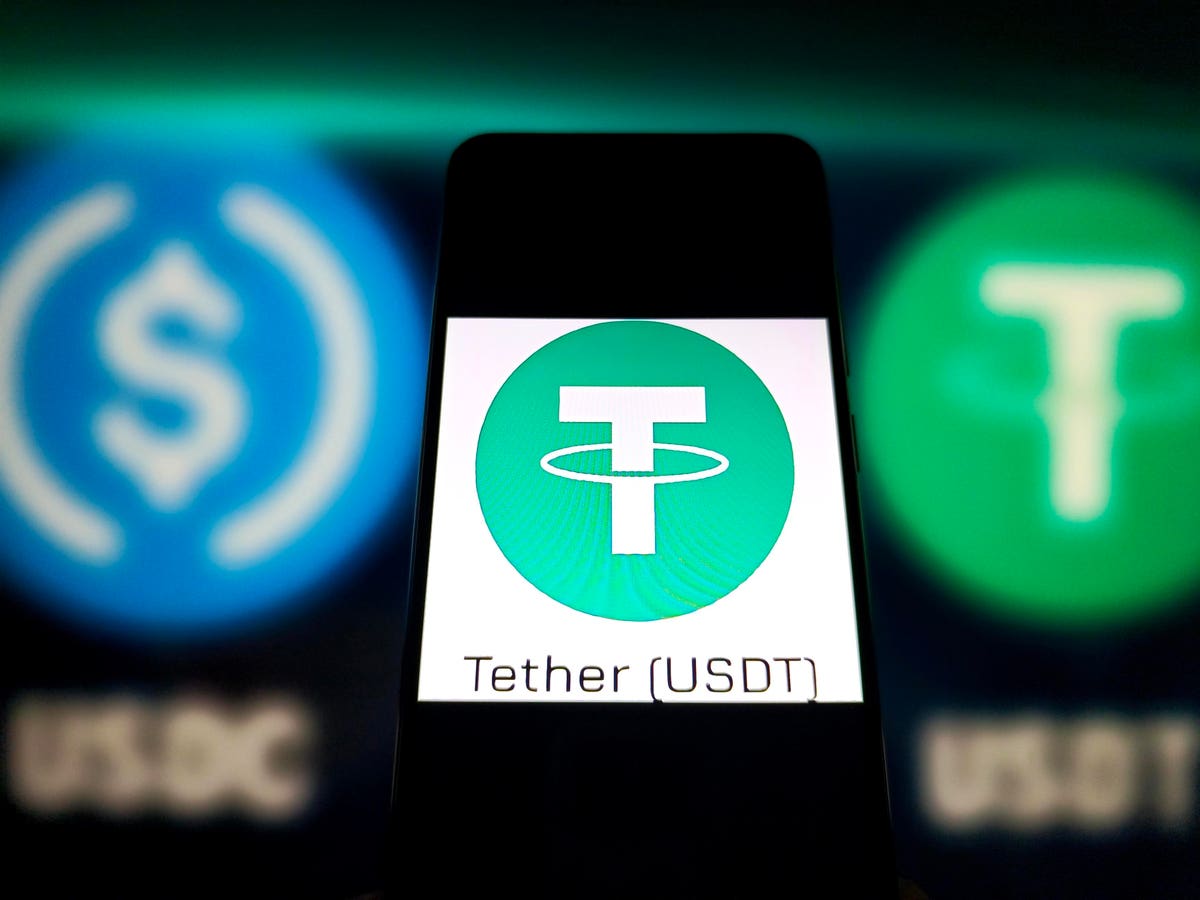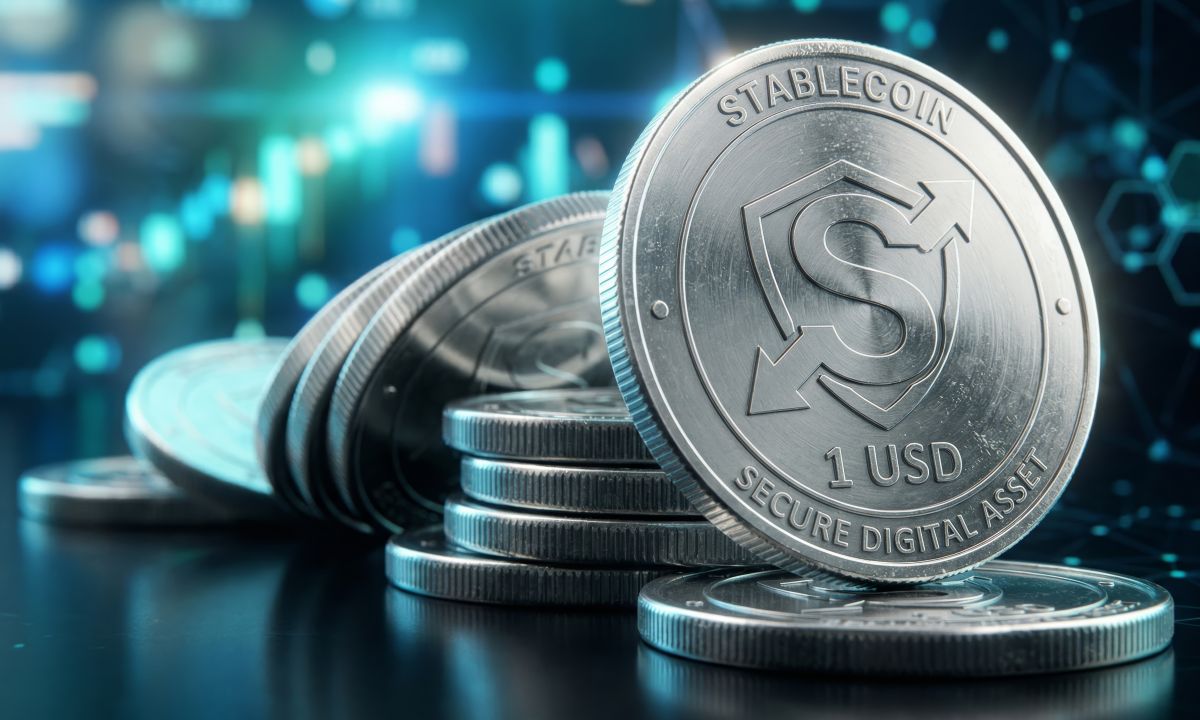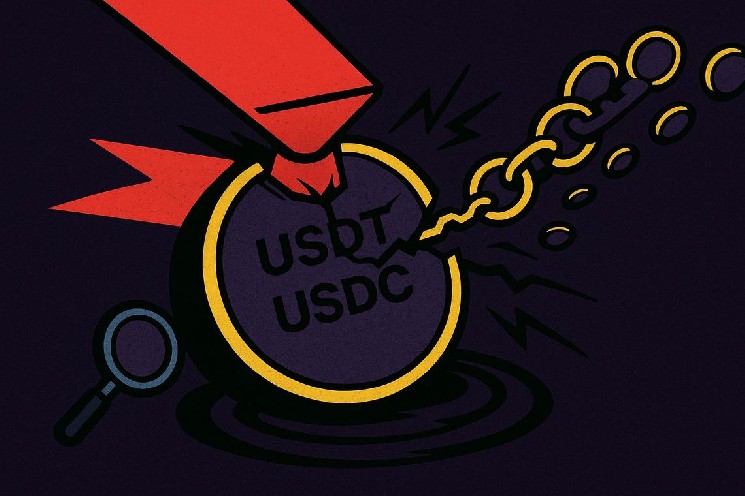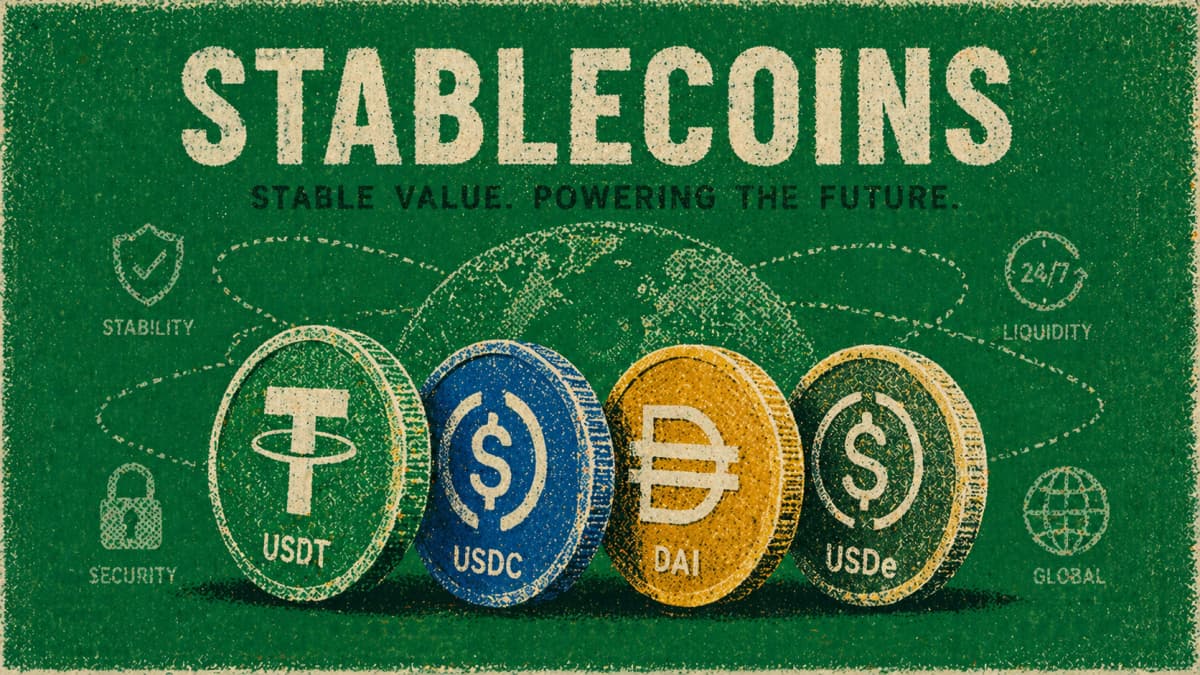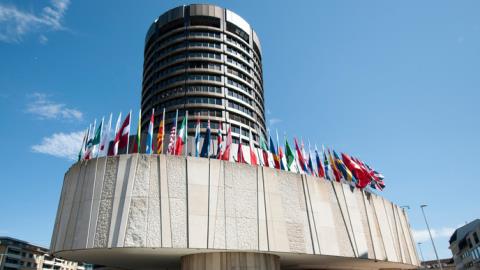
Stablecoins, as currently designed, have structural flaws that could affect macroeconomic and financial stability if they were to see widespread adoption, according to the Bank for International Settlements.
Editorial
This content has been selected, created and edited by the Finextra editorial team based upon its relevance and interest to our community.
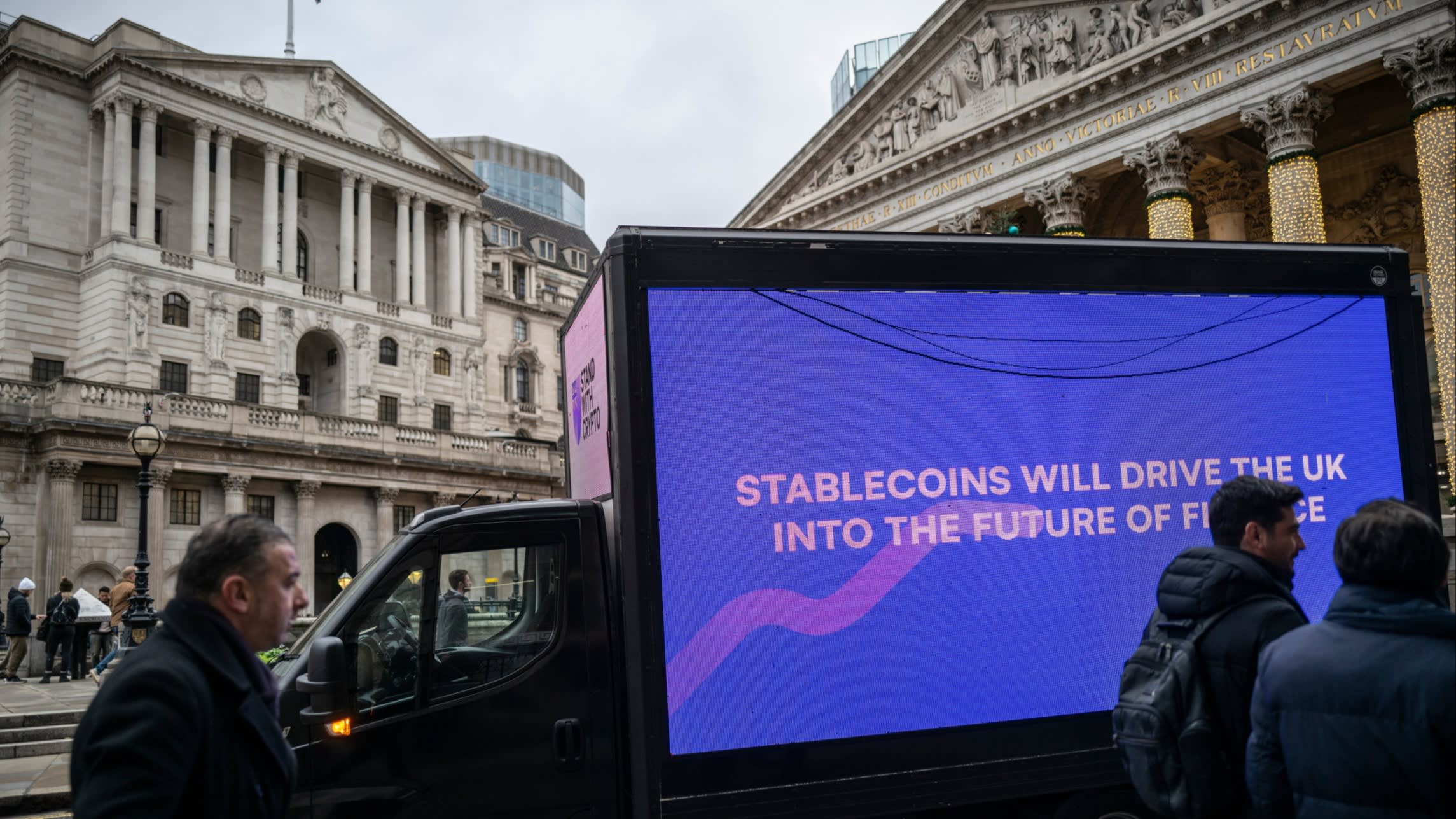
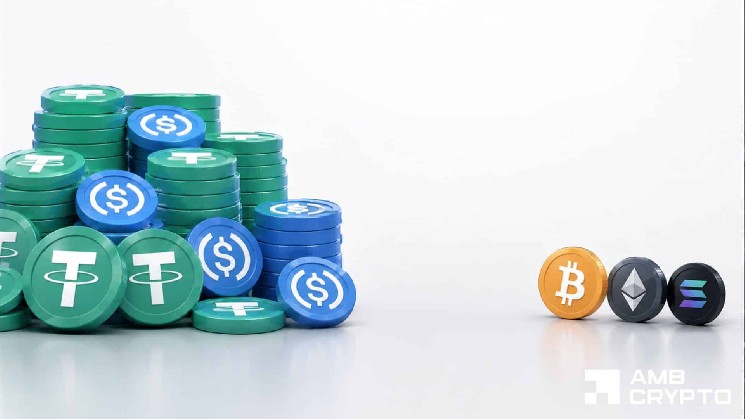
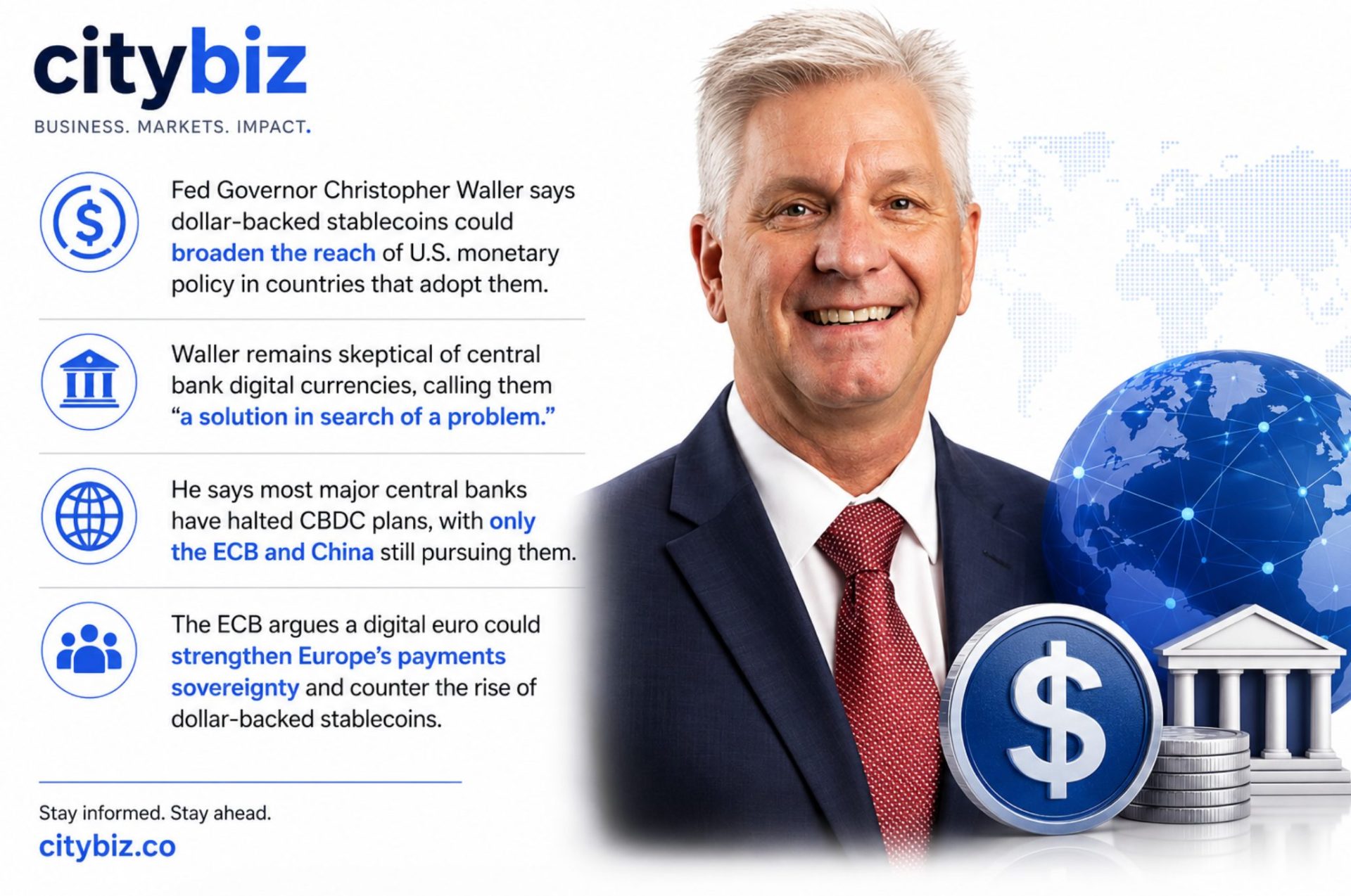
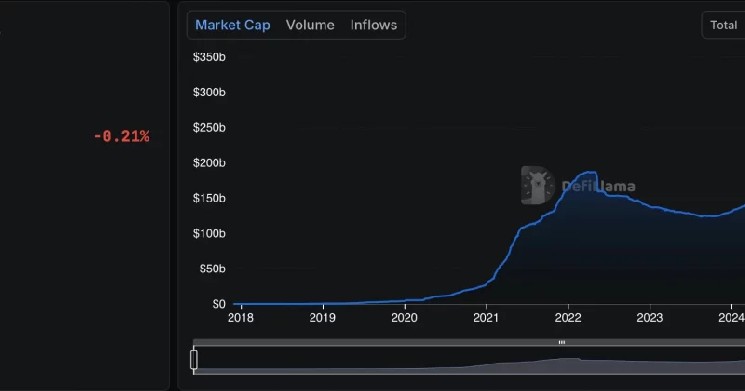
Stablecoin usage has soared in recent years, in part thanks to backing from the US administration which, via the Genius Act, has encouraged dollar-pegged options as a means of ensuring the “global dominance” of its currency.
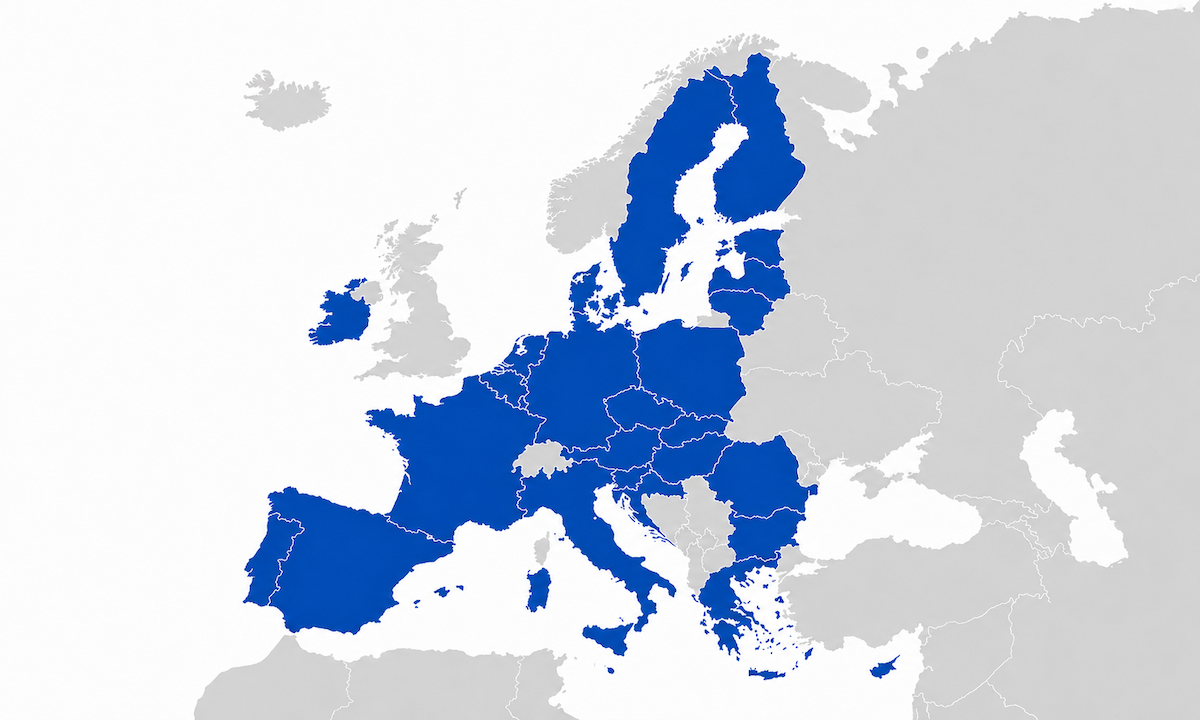
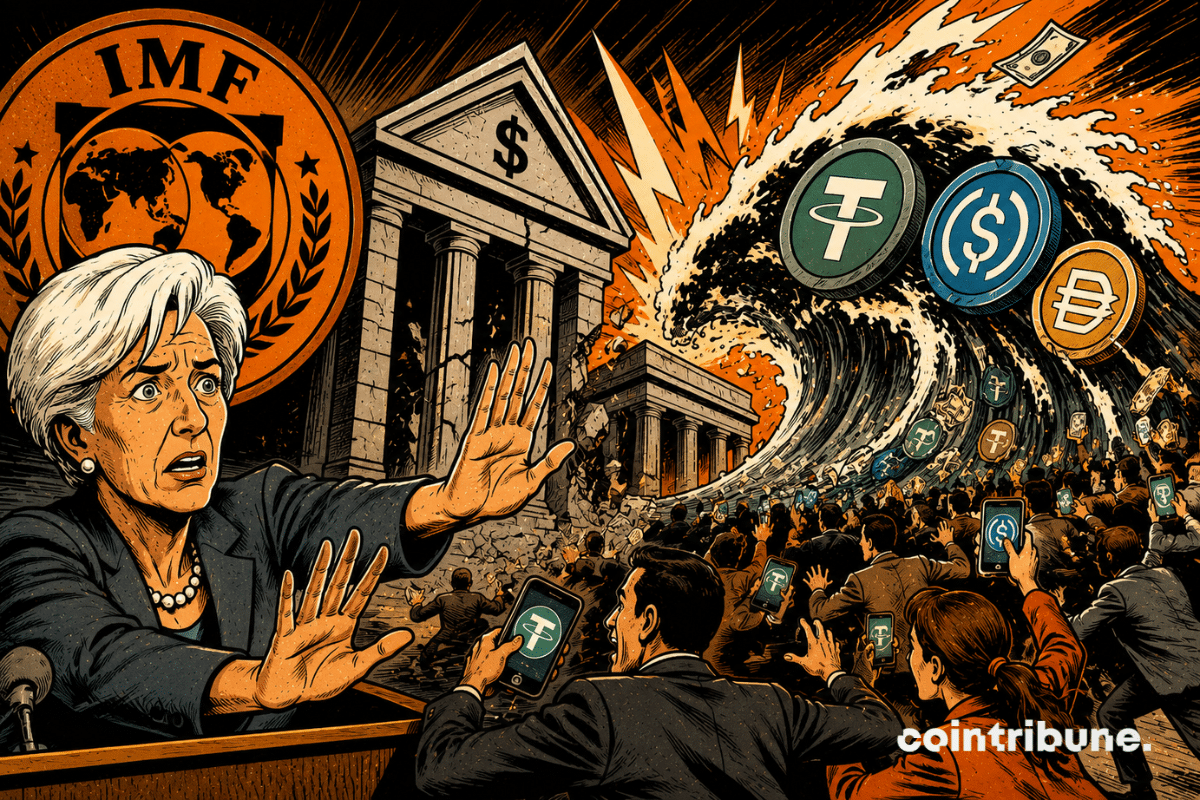
However, not everyone is enthusiastic – European Central Bank president Christine Lagarde recently poured cold water on euro-denominated stablecoins, arguing that they are not an effective way of strengthening the currency’s international appeal.
The BIS has weighed into the debate in its annual economic report, arguing that current stablecoin designs fall short in terms of the key properties that ensure trust in money – in particular singleness, or the ability to redeem different forms of money exactly at par in exchange for central bank money.
Circulation on public, permissionless blockchains and features of their design also introduce challenges for resilience against financial crime and redeemability and interoperability across ledgers.
And, while their overall impact on economic growth could be modest, wider stablecoin adoption could usher in “significant changes in bank funding and credit provision and potentially pose financial stability challenges”.
High global demand for stablecoins, which today are mostly denominated in US dollars, could also make capital flows more volatile and challenge monetary sovereignty in economies with relatively weaker fundamentals.
The BIS offers an alternative in the form of a “unified ledger” that integrates different forms of tokenised money in the same venue that could help harness the benefits of digital innovation while preserving trust in money.
Correspondent banking provides an example: the BIS-led Project Agorá prototype, a public-private partnership that brings together eight central banks and over 40 regulated institutions, showcases the potential to improve wholesale cross-border payments. It features a shared platform with a unifying ledger for tokenised commercial bank deposits and separate, jurisdiction-specific ledgers for tokenised central bank reserves.
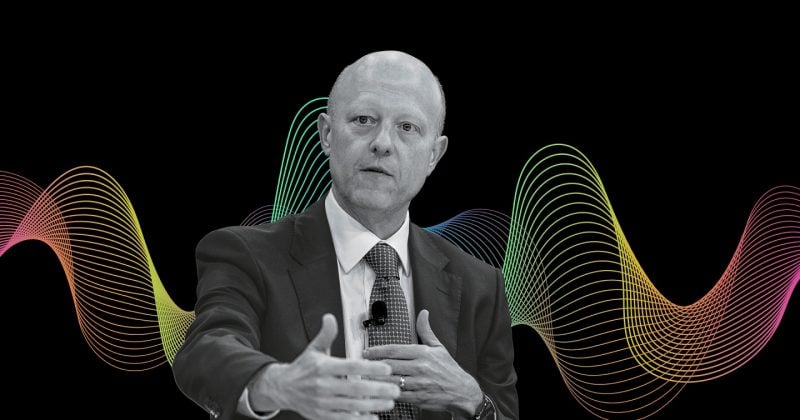
“By integrating digital innovation such as tokenisation into the existing financial architecture, authorities can shape the future of money, the economy and the financial system in the public interest while preserving trust. Achieving this will require domestic and international coordination and cooperation,” says Pablo Hernández de Cos, BIS general manager.