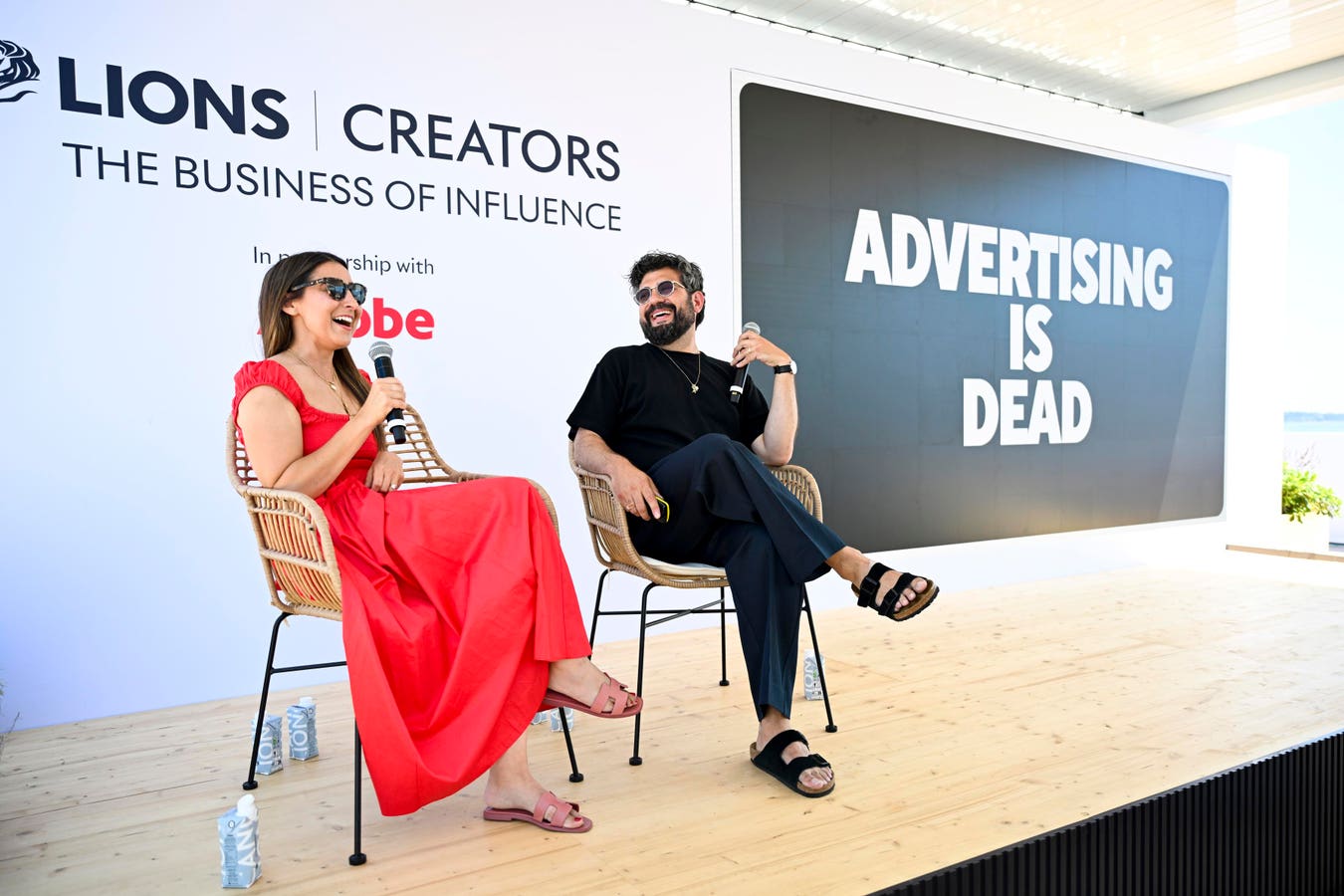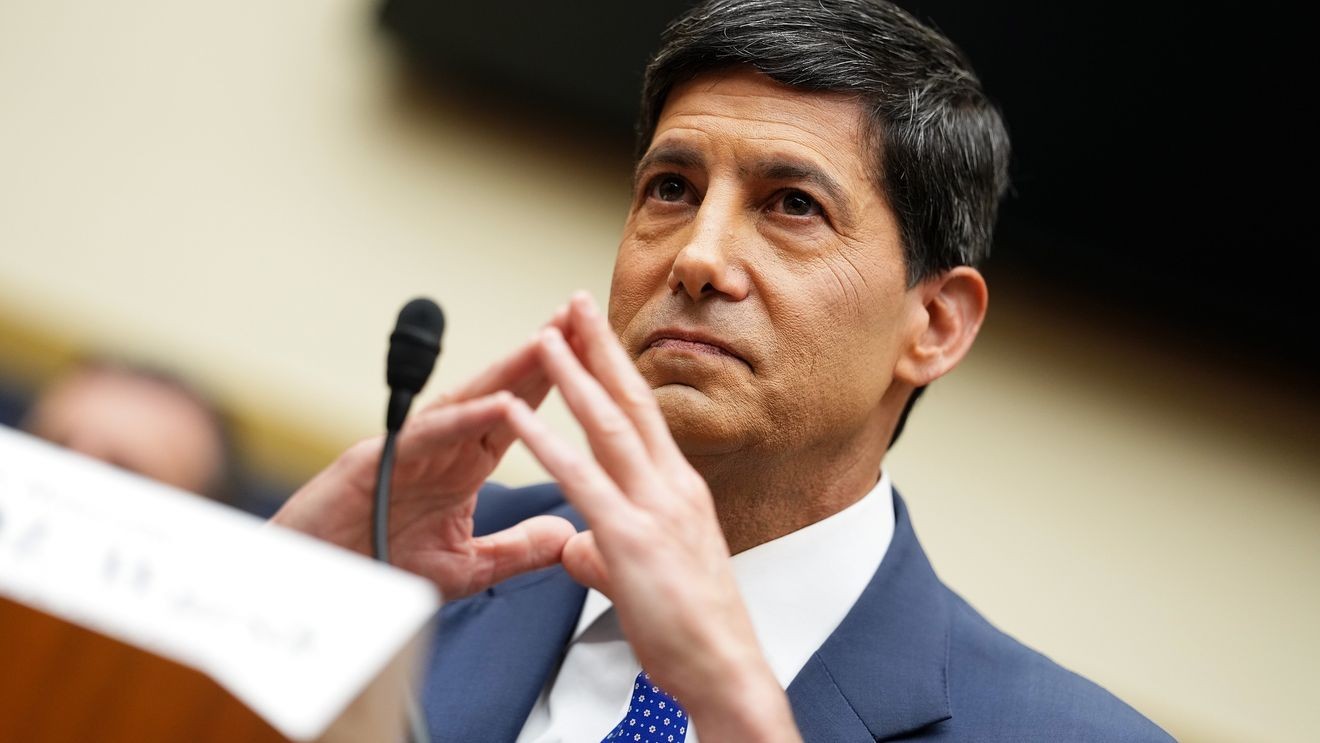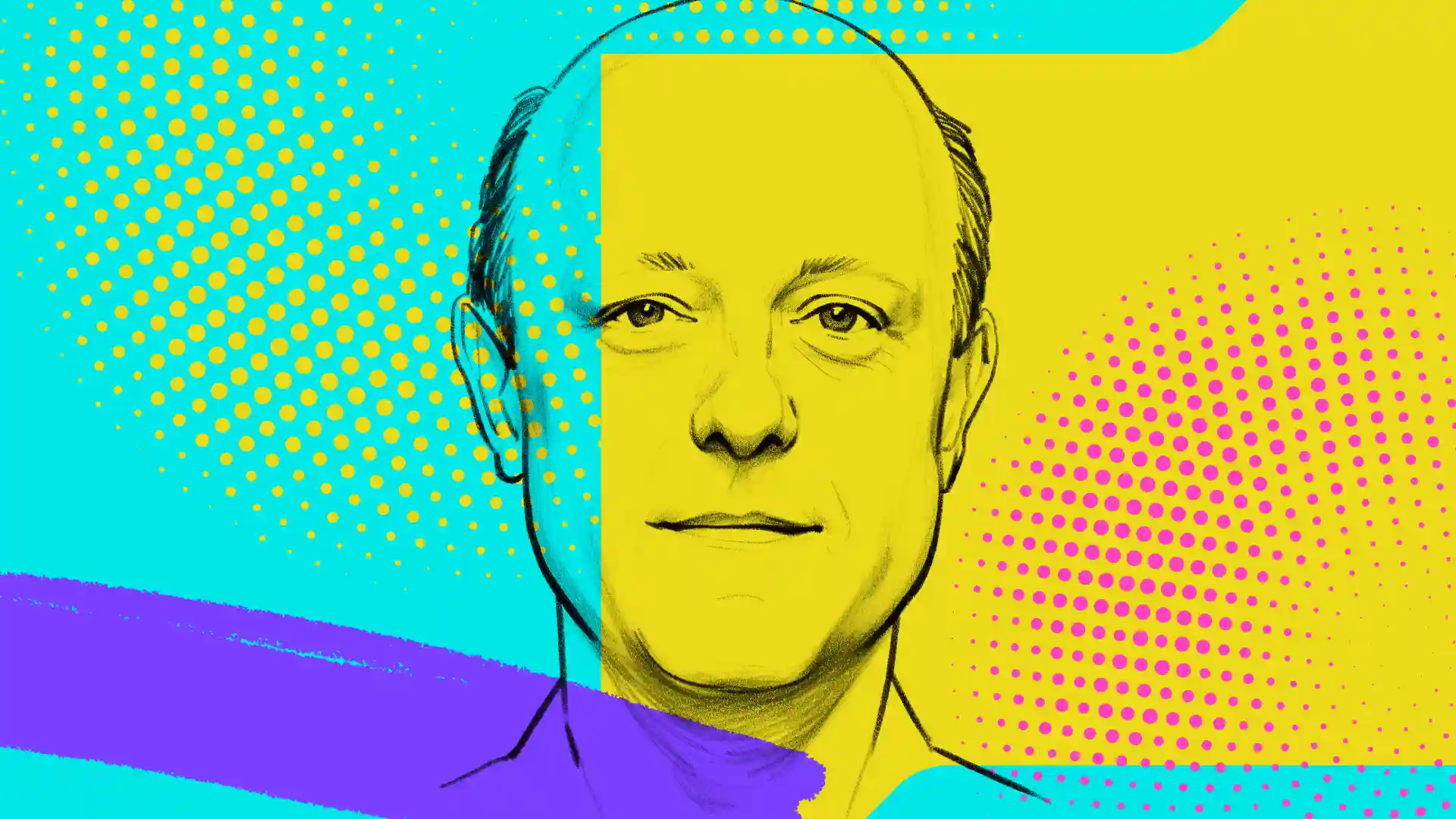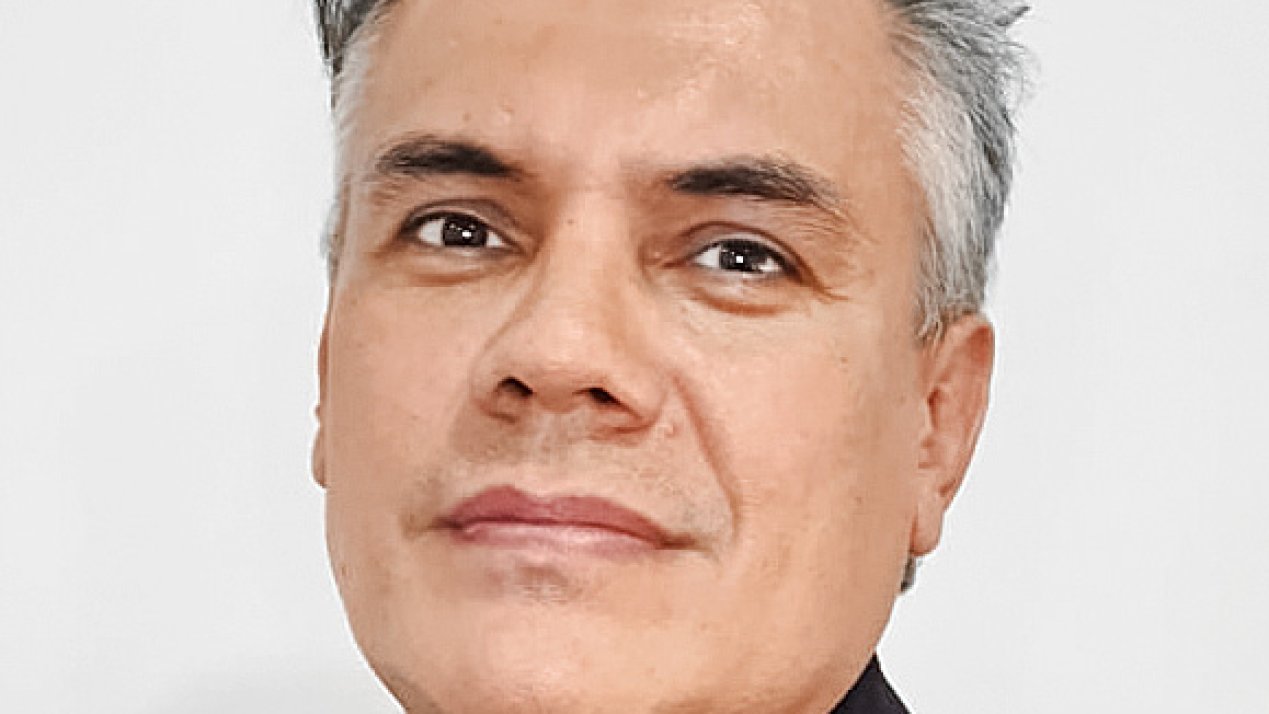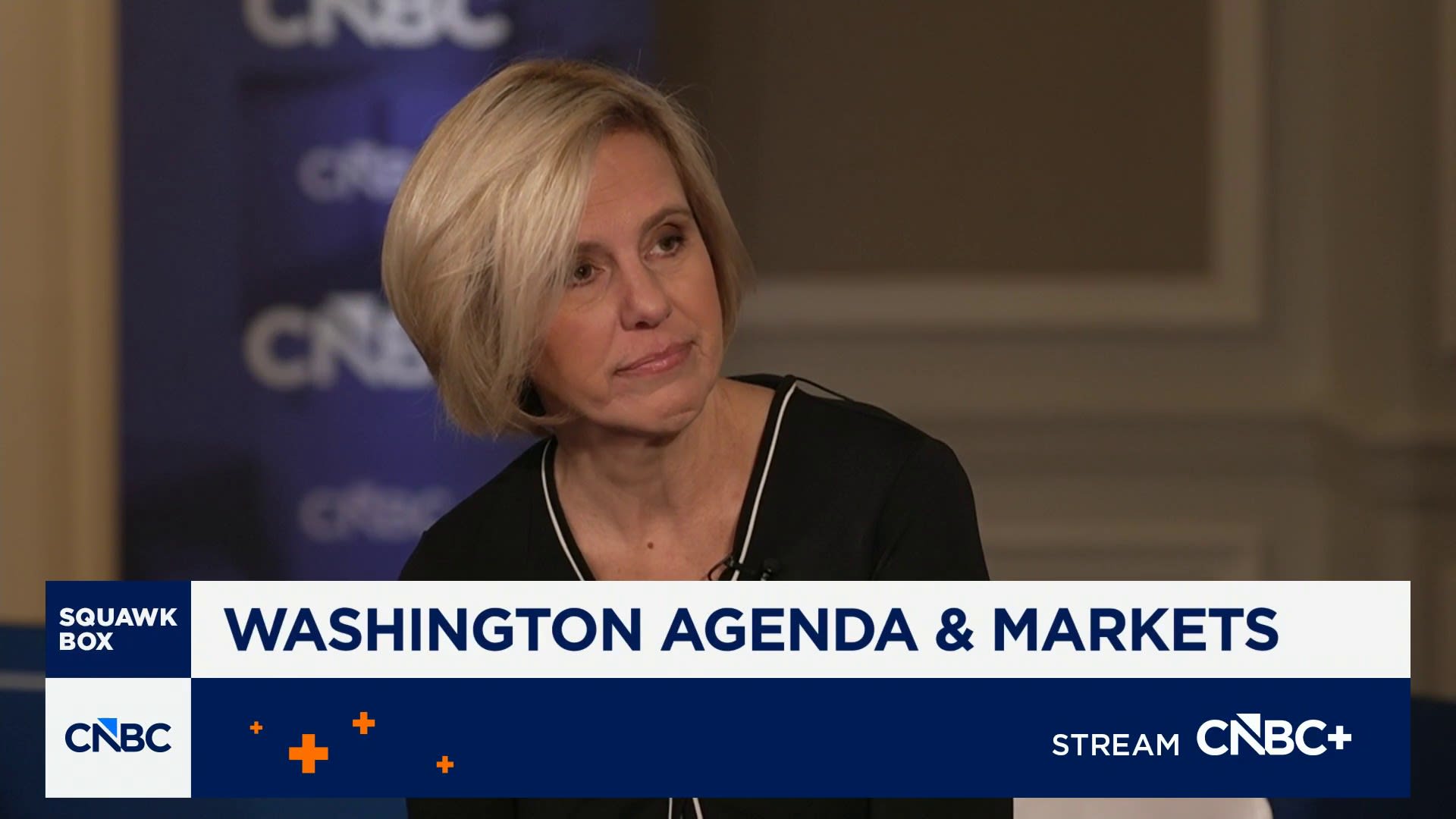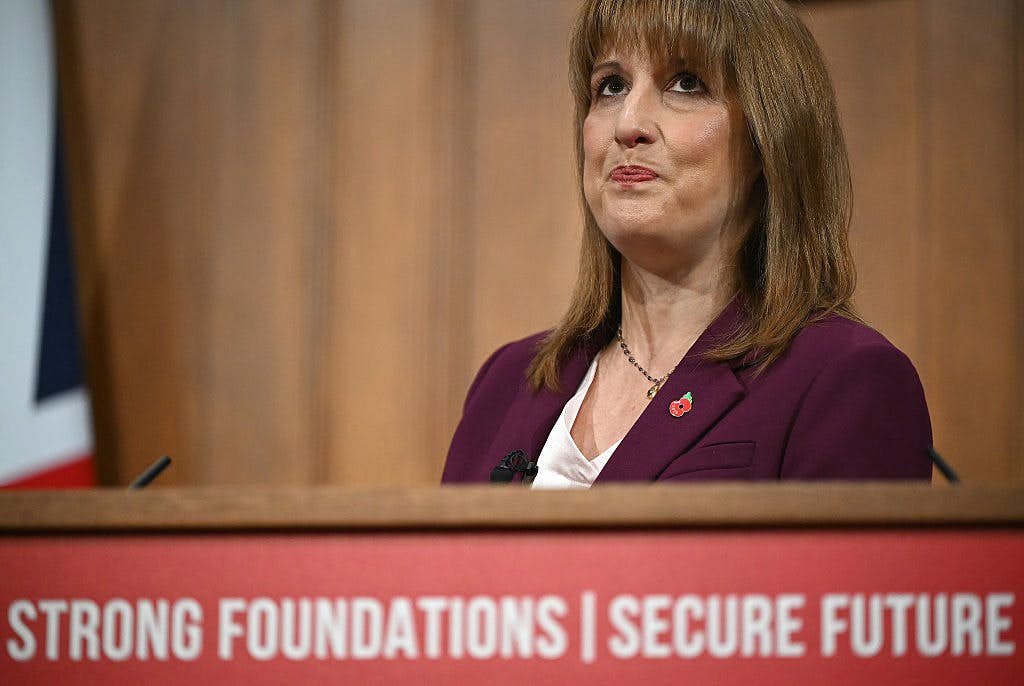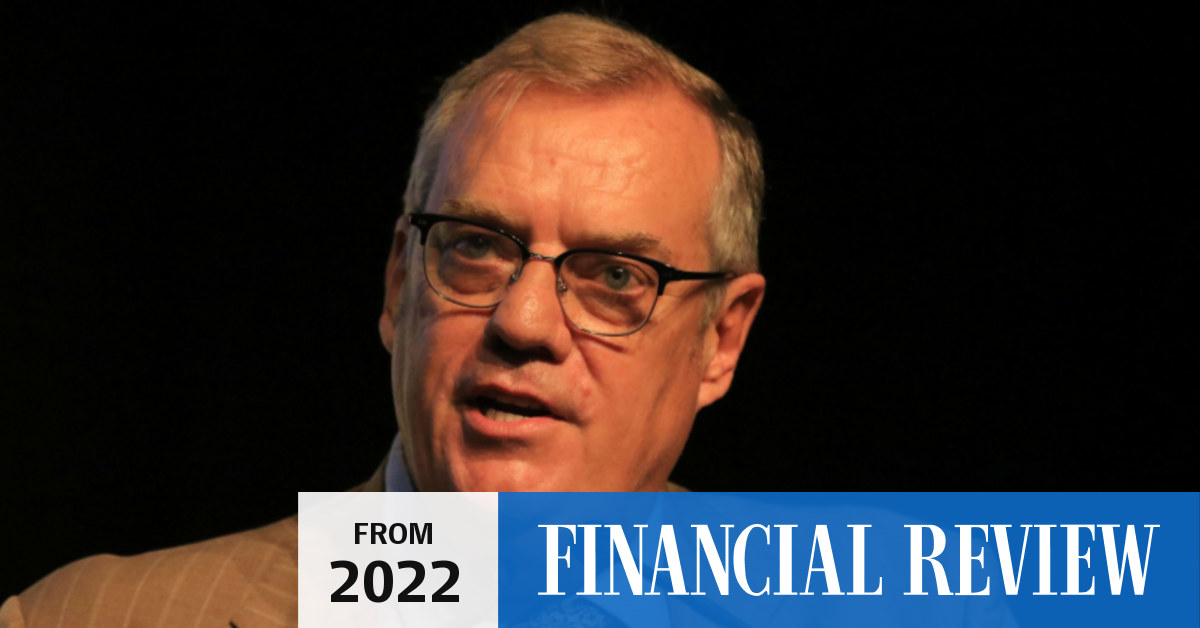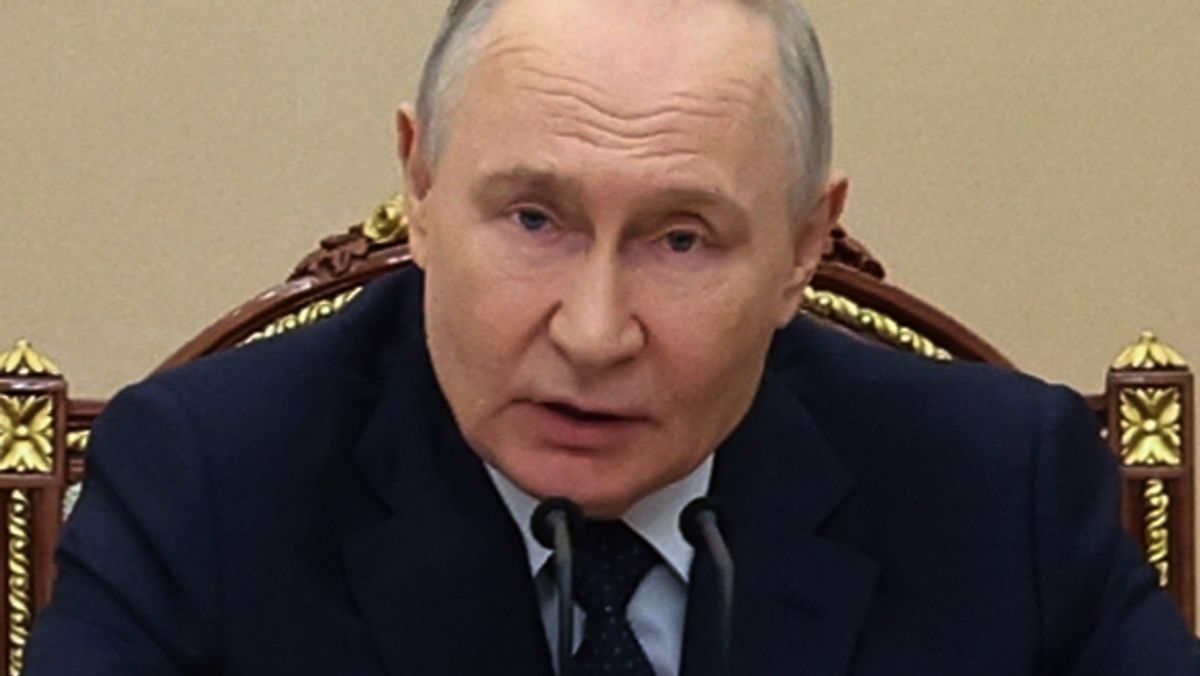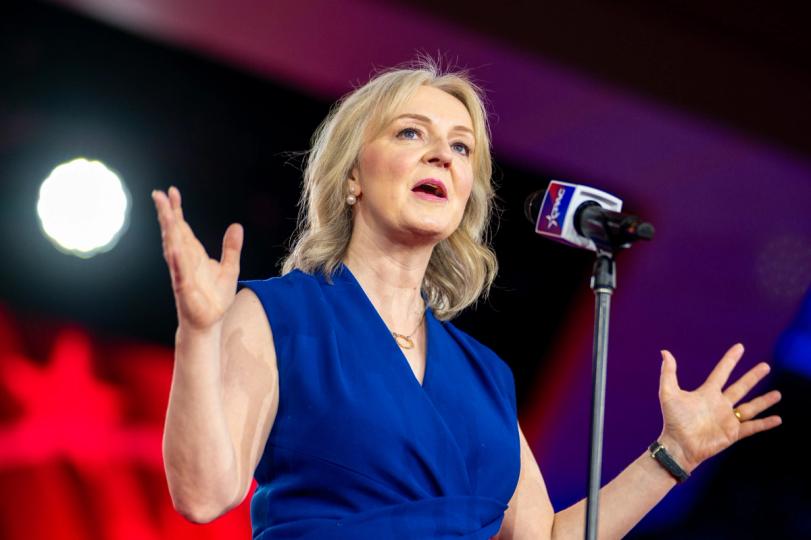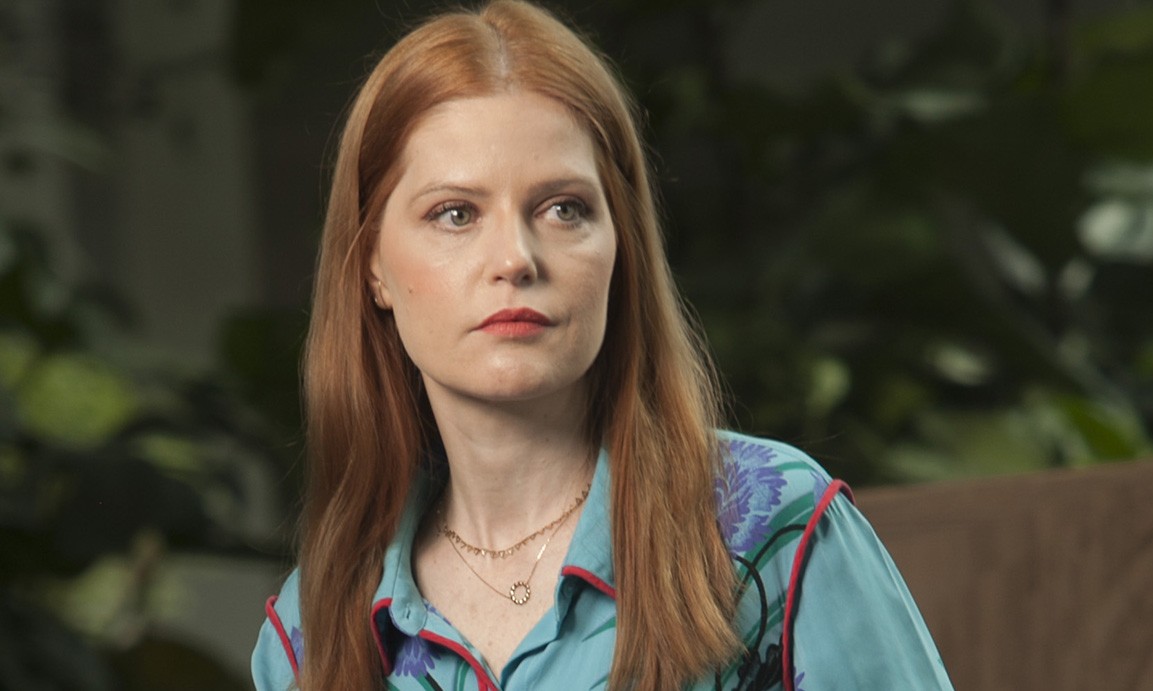
Loud as the chatter about outcome-based remuneration is across the holdco space, the reality of it is still some way off, according to one of its most vocal proponents, WPP CEO Cindy Rose.
It’s a notable admission given Rose has made outcome-based pay a core pillar of WPP’s turnaround plan, overhauling how global client leaders — the senior execs running the biggest accounts — get paid, tying it directly to client growth. Getting clients to pay the same way is another matter. So far, only one has: Jaguar Land Rover.
“If you look at the history of this industry, the commercial model has been evolving for the past 40 years, and I think we’re going to have to continue to adapt because the time and materials model is probably not sustainable in the long term because AI ultimately will enable us to do our work faster with fewer people,” Rose told Digiday today (August 6) as the agency giant published its first-half earnings report.
She added, however, that Jaguar was so far “unique” in embracing the approach. “It’s going to take time for this evolution to take place… I suspect it will take a few years,” she said.
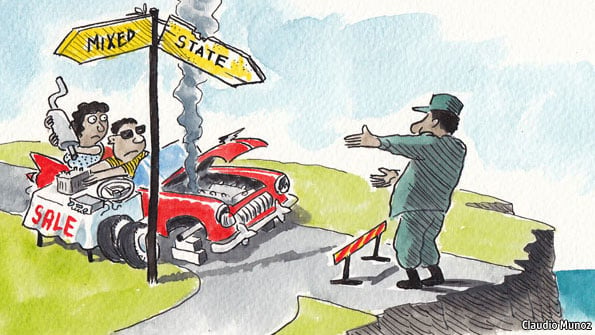
WPP’s recovery, too, remains a work in progress. Eleven months into Rose’s tenure and six months after she unveiled her turnaround plan, there are early signs from its latest earnings update that the group’s core media and creative businesses are stabilizing. To keep the momentum going, Rose said WPP would embrace a “mixed economy of business models.”
WPP’s first half
H1 revenues less pass-through costs were £5 billion ($6.7 billion), down 4.7% from the same period last year. Its creative businesses, including VML and Ogilvy, saw a 3.5% decline in revenue less pass-through costs, though its production unit saw revenue increase 1.9%. WPP Media saw revenues fall 5.4% compared with the same period last year, but Rose said higher spending from new and existing clients had contributed to an “improving quarterly trend” within the network.
Rose, who was appointed CEO last September, said the business was on track to recovery according to key indicators: new business, client retention, tech partnerships and cost cutting. Evidence for the former, she said, was in the wins for Heineken and Honda’s accounts, and retentions such as Huawei and Reckitt.
“My priority, my north star, is to get WPP back to positive organic growth,” she told analysts during the company’s earnings call. “The priority in 2026 has been to stabilize the business, make the structural changes needed, and strengthen our execution. The next phase is to build on these foundations, returning the company to growth sometime during 2027.”
The market appears to agree with Rose’s diagnosis. WPP’s share price had risen 25% following the earnings release at the time of writing.
AI plans
The company’s turnaround plan is closely tied to its AI investment and development plans. CFO Joanne Wilson declined to provide details on WPP’s token costs (the firm committed in 2024 to invest £300 million annually), but said its Open platform was a key tool for “optimizing” AI-related costs.
“We are using AI and applying it across our business. So, as you would expect, with that comes token costs… we’re actively optimizing that cost. We’ve also been very thoughtful about how we use agents across the business,” she said.
“Open is widely deployed across our business now, and our clients. We use [Open Intelligence, WPP’s AI media targeting solution] in all of our pitches. It’s absolutely front and center of our proposition,” added Wilson.
Wilson suggested that outcome-based commercial models might provide a means for WPP to operate without absorbing all AI-related costs. “In the past, our business and values really come almost entirely from people, now it’s people and tech costs. We’re evolving our commercial model so that we’re reflecting those inputs between people and tech,” she said.
What role WPP Open Pro, the self-service SME creative tool launched last autumn, will play in the holding company’s commercial model is less clear. Rose said 24 clients were now using the tool. “We’ve got a very healthy pipeline of active client opportunities, and we’re encouraged by the progress there too,” she said.
Token costs, outcome based models and organic growth expectations weren’t the only subplots updated this morning:
WPP’s open to offers
By the end of this year, WPP will have clawed back £200 million ($269 million) through sales of “non-core” business units, to use Rose’s terminology, and what CFO Wilson referred to as the “long tail” of agencies, during the company’s investor call. It’s quite a turnaround for a company once defined by its aggressive approach to agency acquisition.
“We identified assets in the group which are great assets, but we felt that they were of more value to the outside of the group than inside. We have initiated processes on those assets earlier in the year, and those processes are ongoing,” said Wilson, who didn’t name the agencies in question. “I would expect some more in 2027.”
Staff cuts will continue
WPP isn’t the only major agency group shedding staff at the moment, but it’s shrunk its headcount by around 8.1% in the past year. The company now employs 97,400 staffers, versus 105,900 during the first half of 2025. Though most of those job cuts fell in the second half of 2025 Rose indicated this was an ongoing project, telling reporters that “some jobs will be impacted” as the company pursues £500 million ($673 million) in cost cuts over three years. “This isn’t just about cost savings per se. These actions will make us more agile and simpler to navigate, and that’s an important part of our new simplified operating model,” she said.
Those cuts mean that WPP, once the industry’s largest employer, is now smaller by headcount than either Omnicom or Publicis Groupe, which both have over 100,000 employees. Rose argued that embracing alternative commercial models like outcome-based pricing would enable it to compete.
“Moving away from a time-and-materials model,” she said, “frees me up from staffing plans so that I can serve clients with a hybrid workforce of humans and agents, and that reduces my cost to serve, and ultimately becomes a source of expansion.”