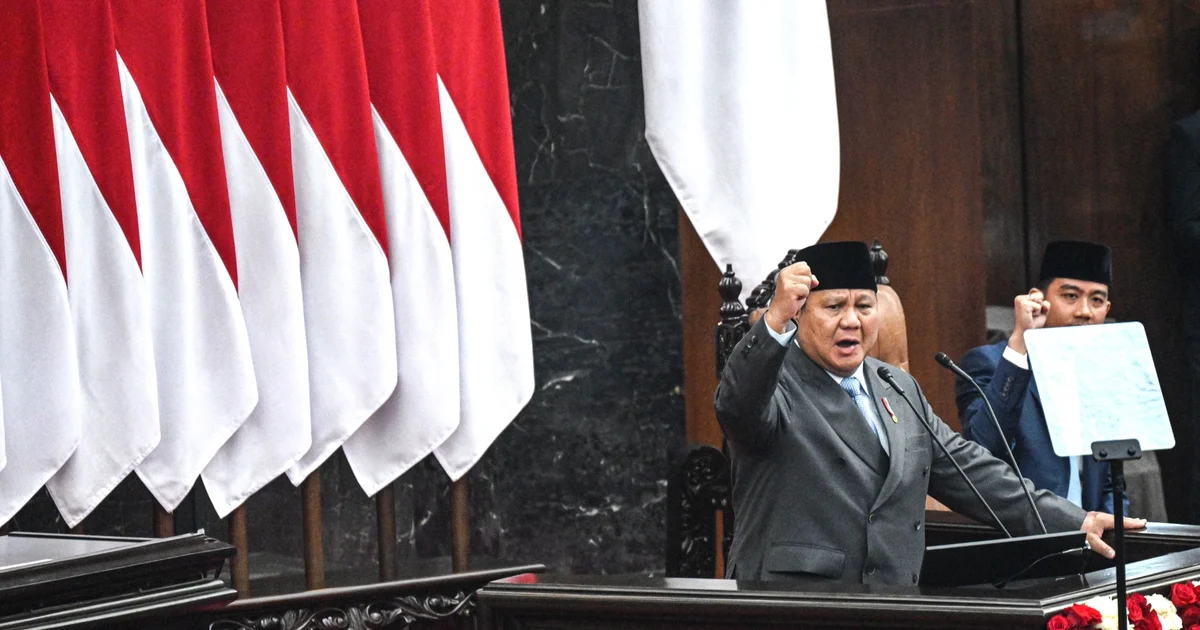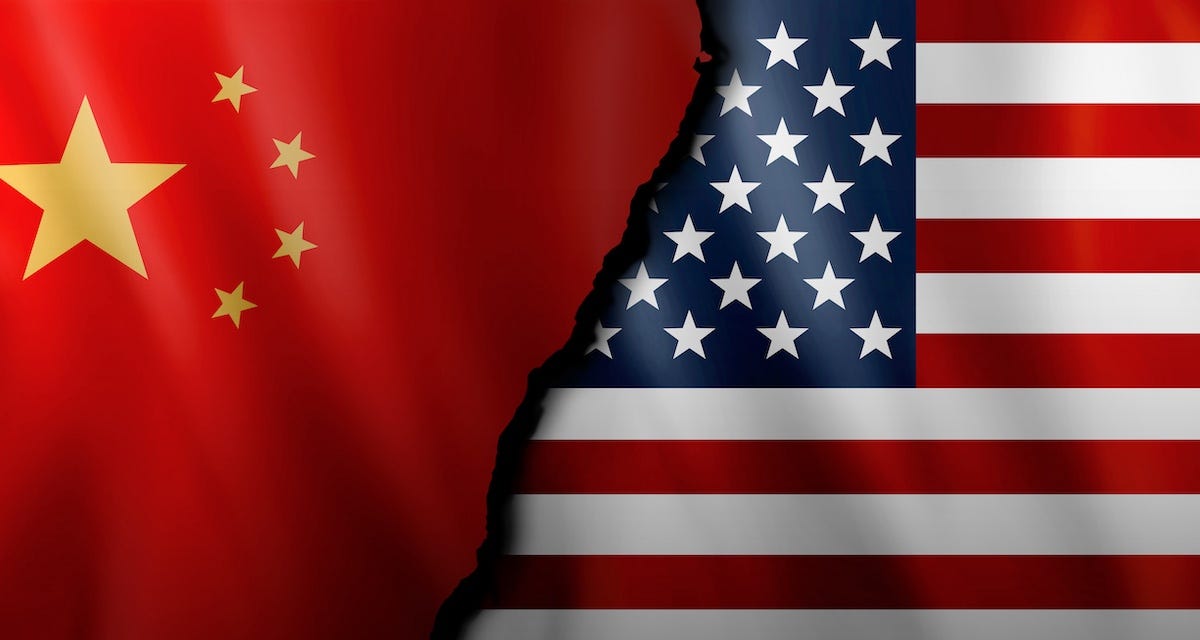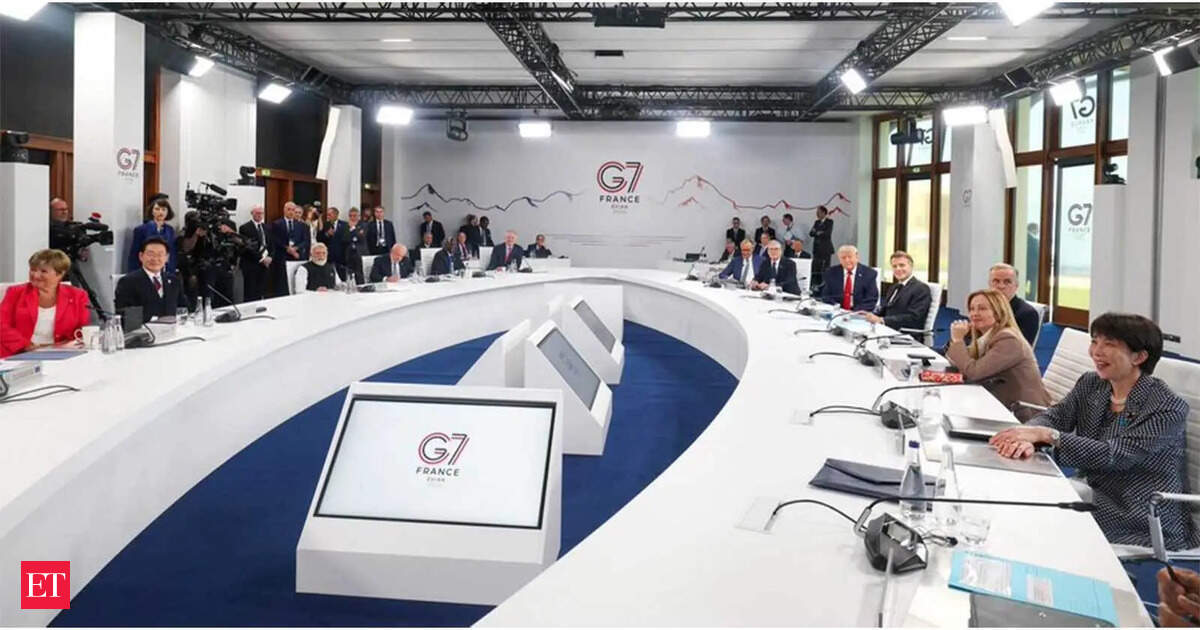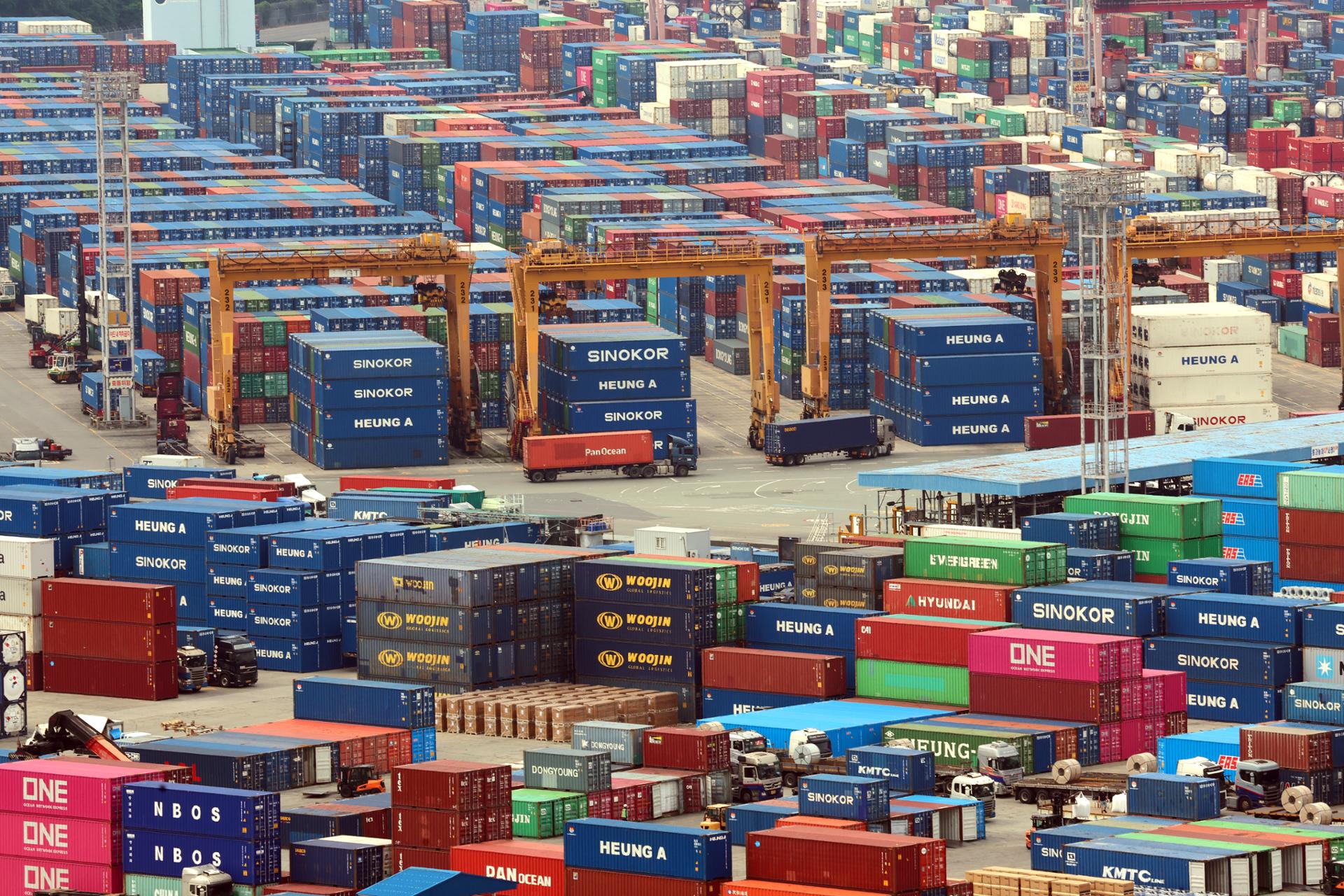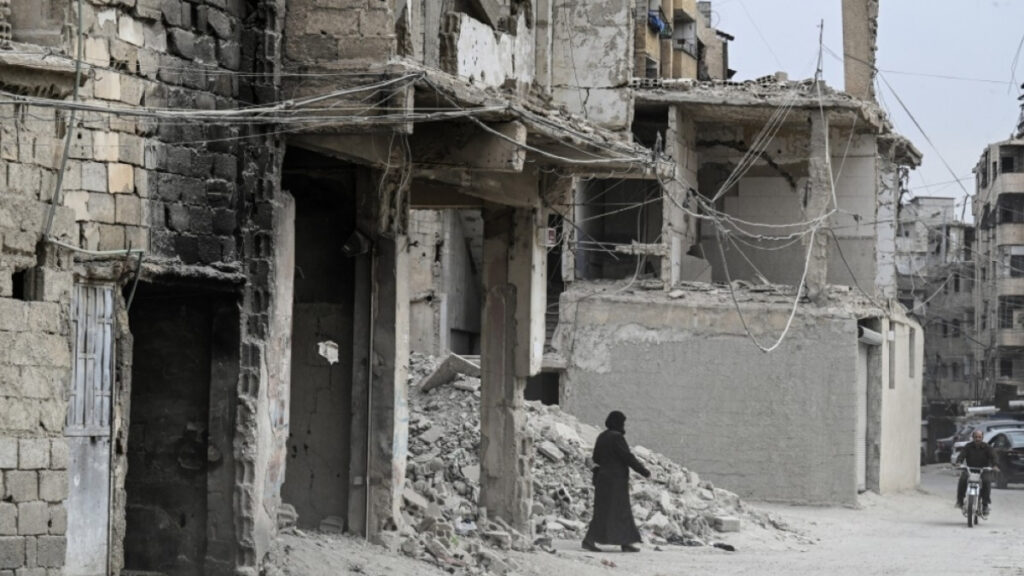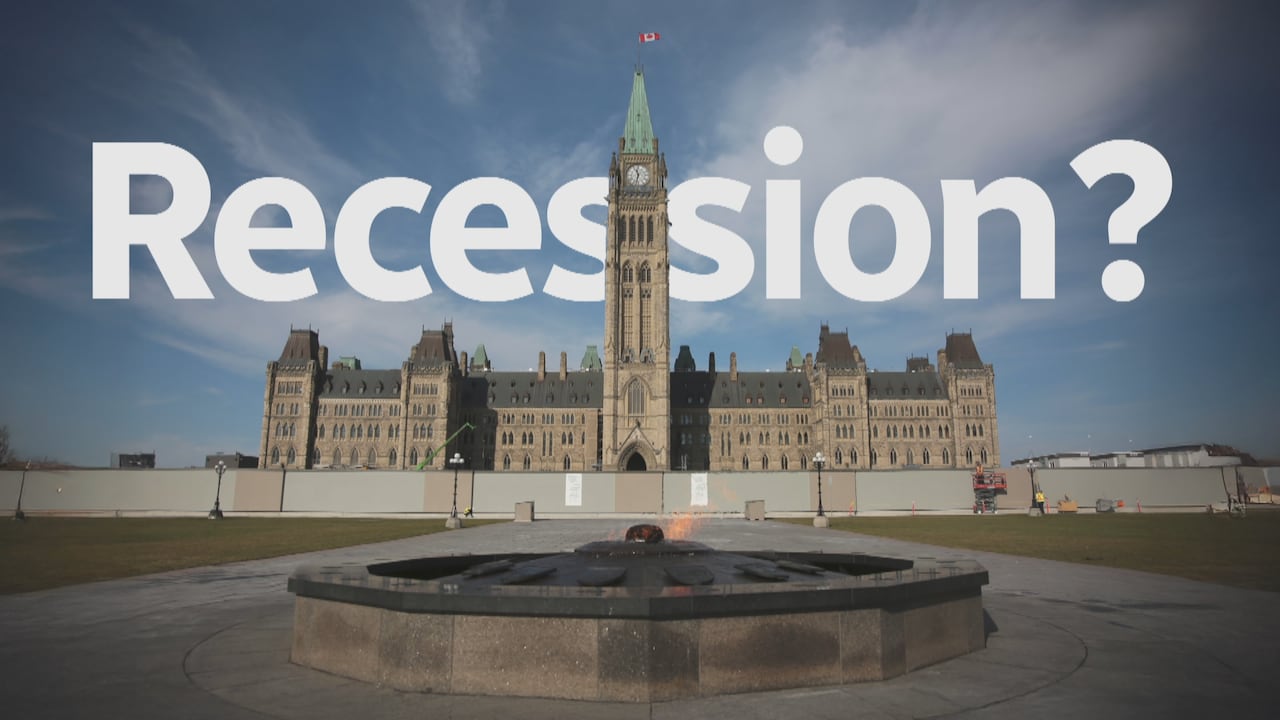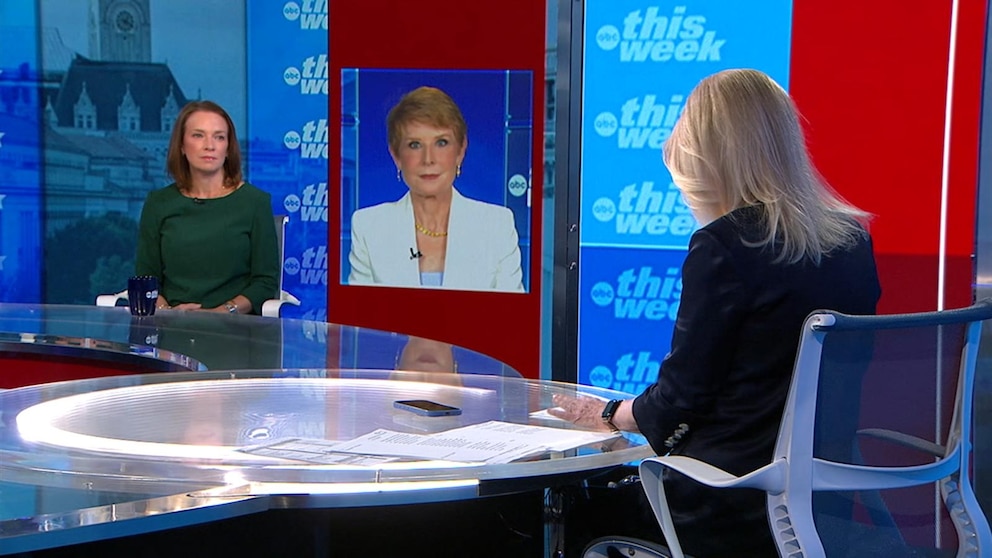
This week, Conservatives used one of the limited oppositions days to force a debate as well as vote on Canada’s economic performance. This put every MP on record on a pointed question: has federal government policies over the past year left Canada with the first and only one in the G7 in a recession?
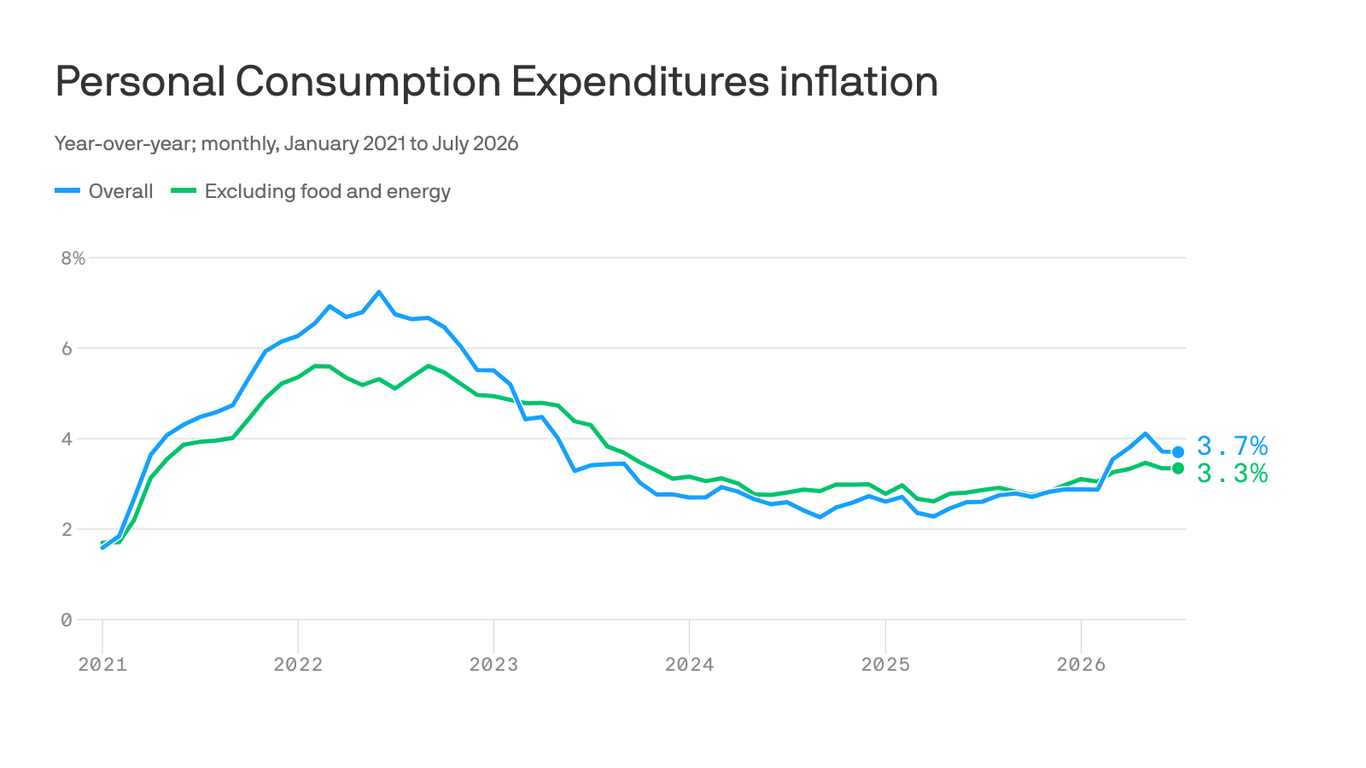
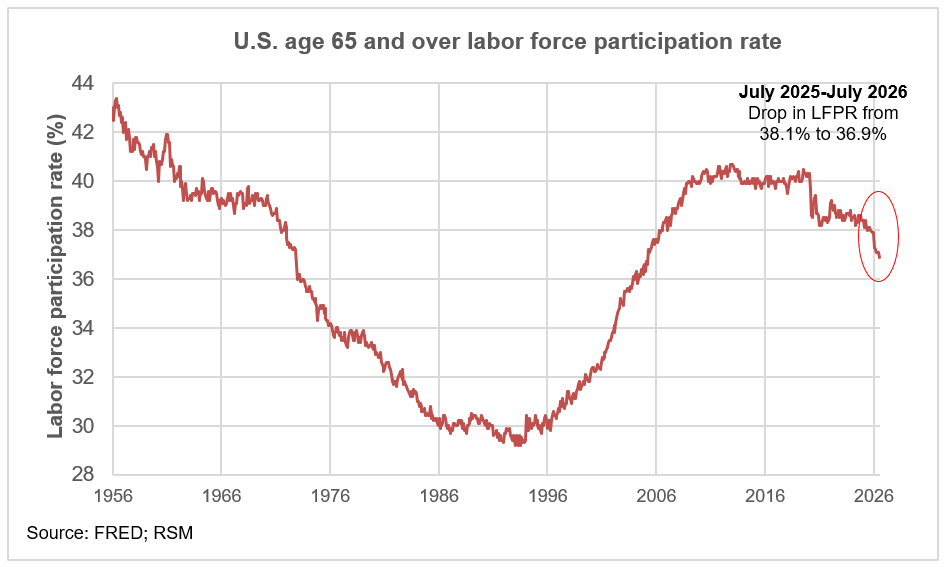
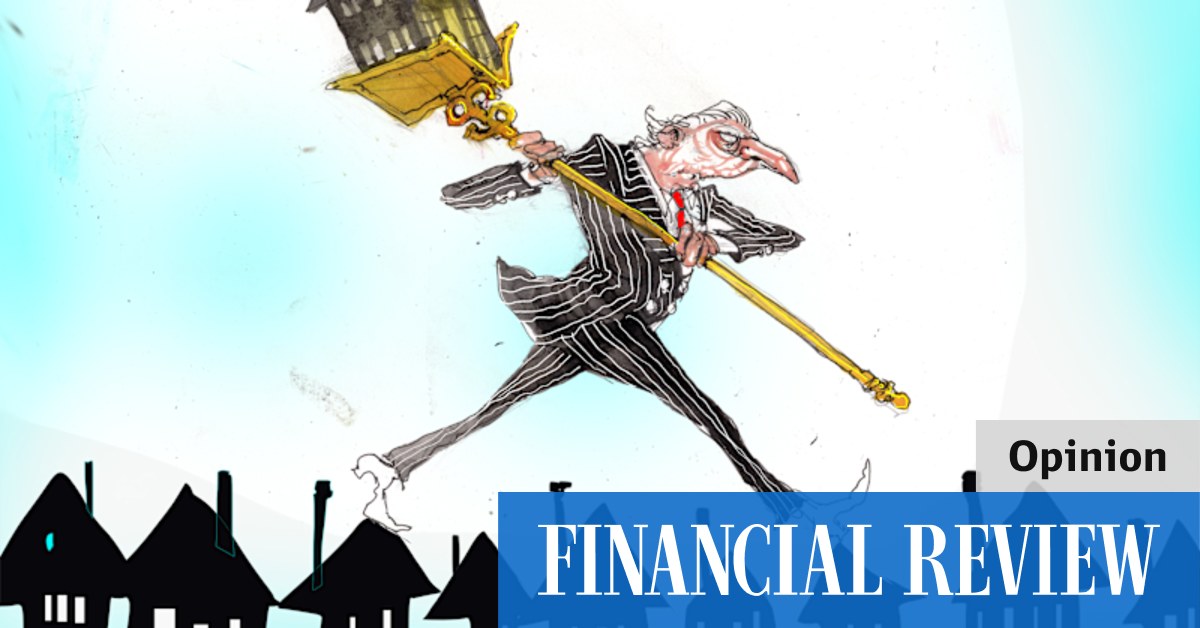
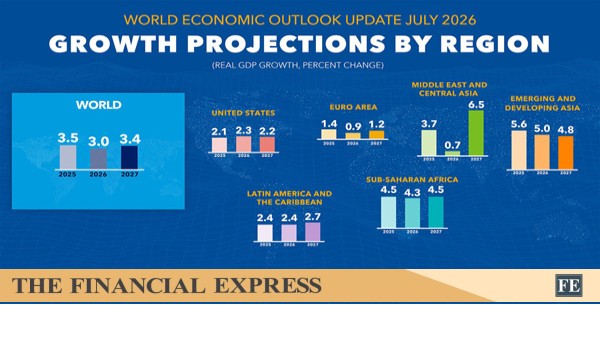
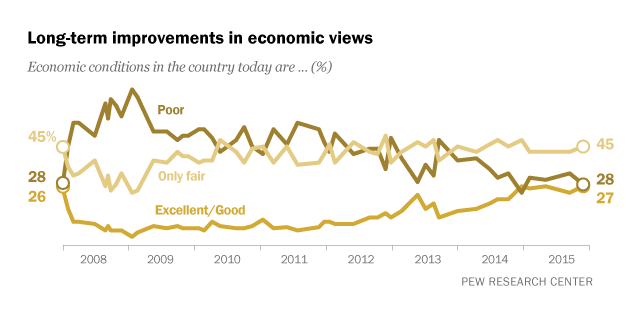
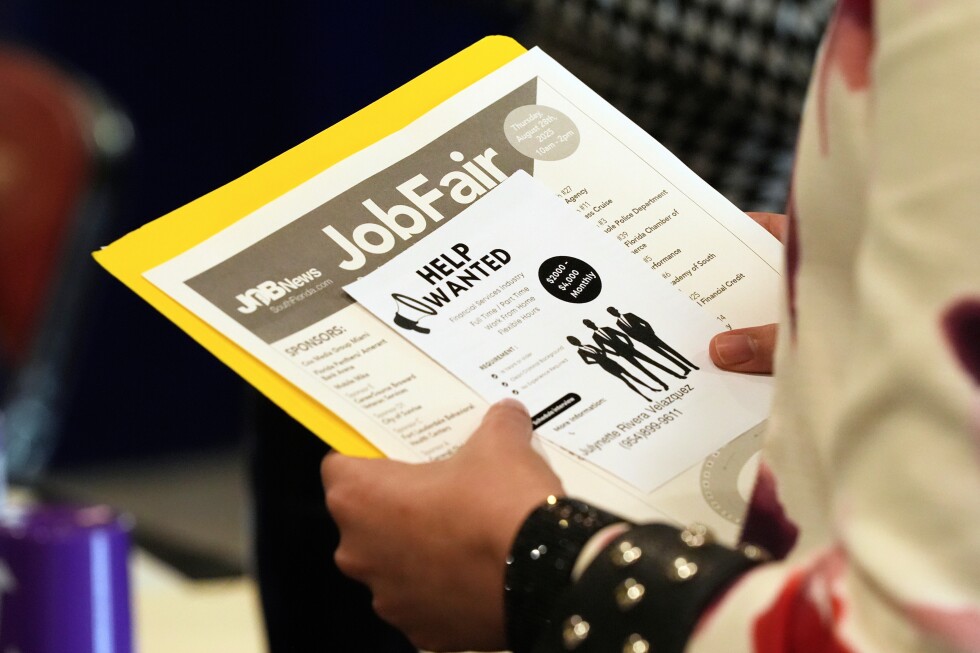
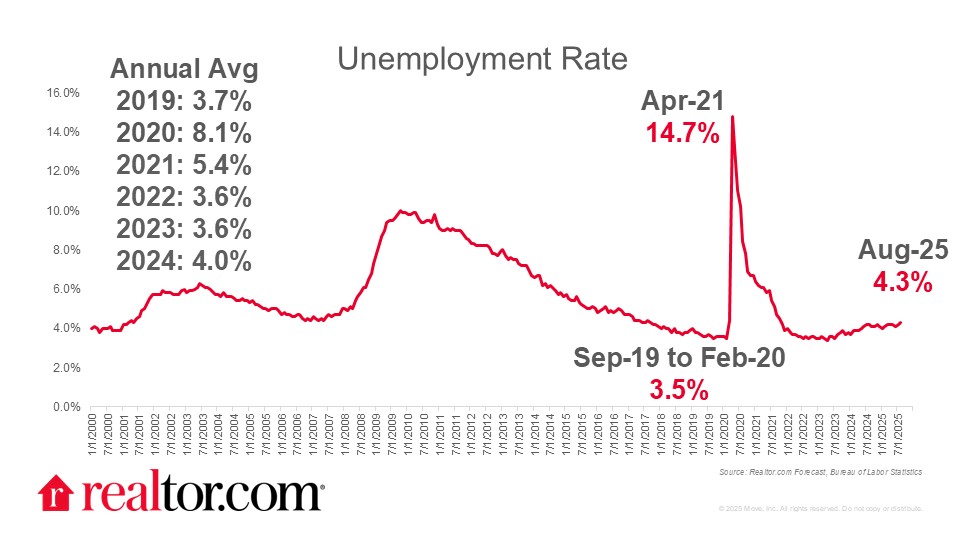
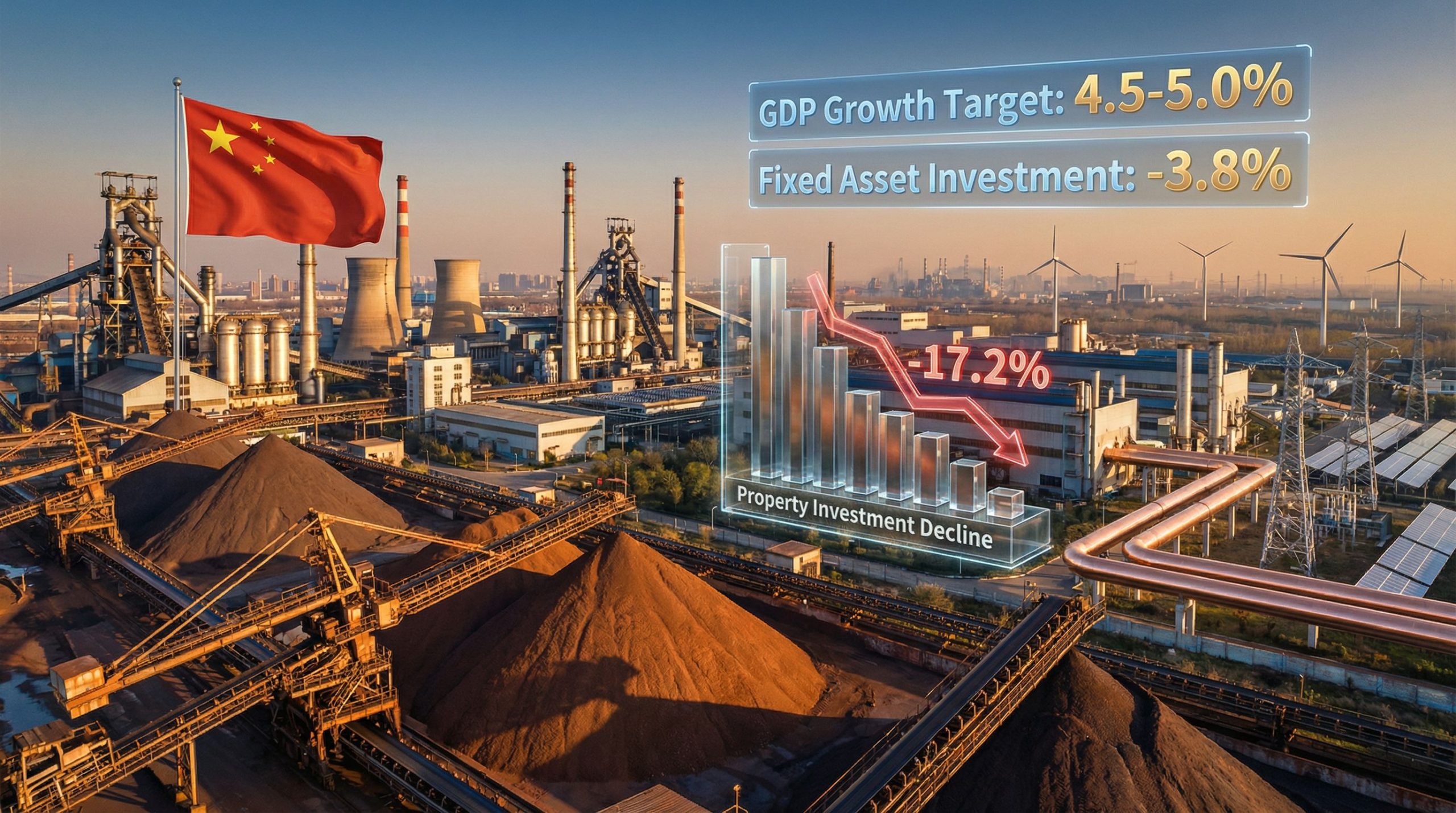
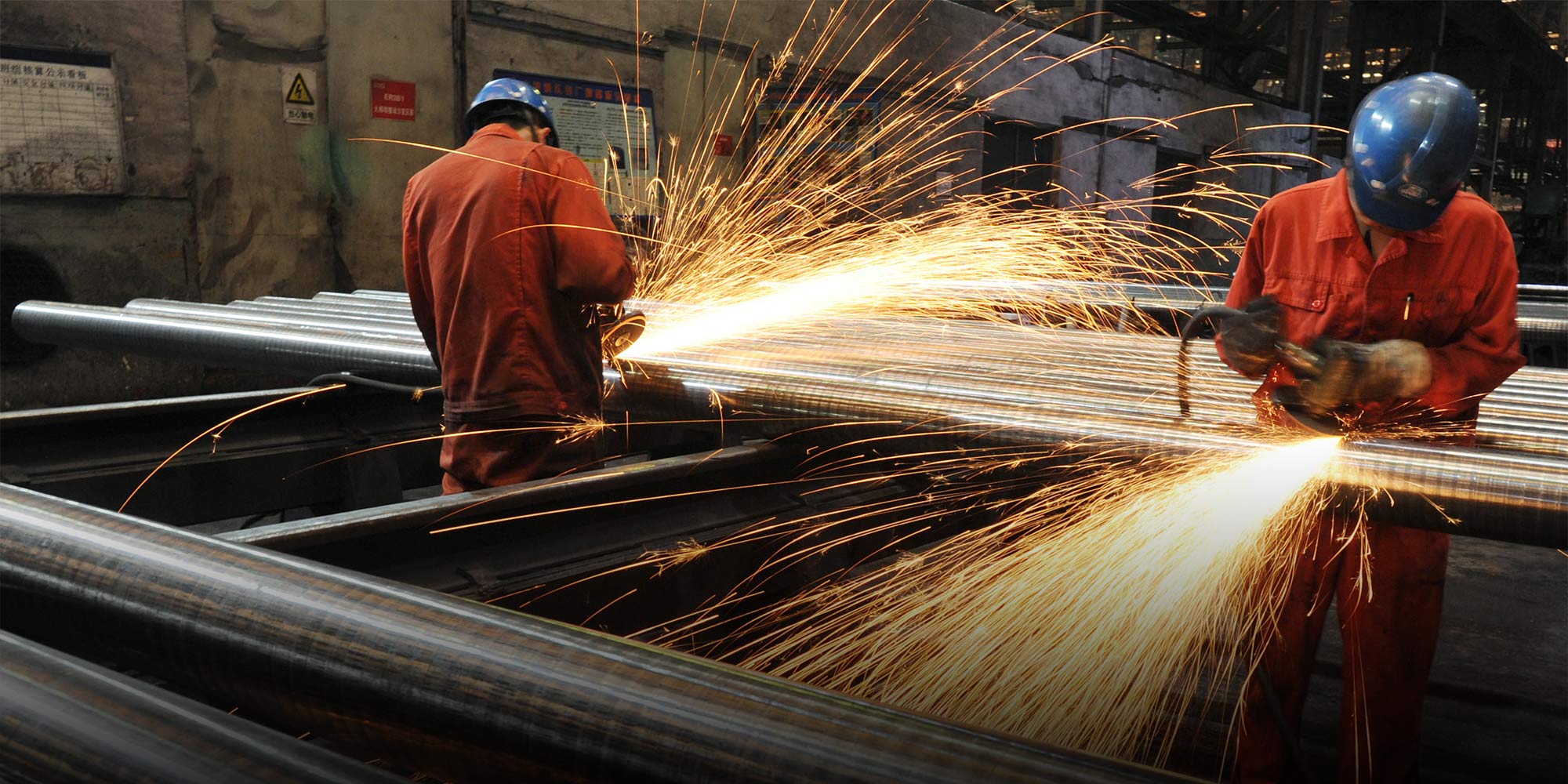
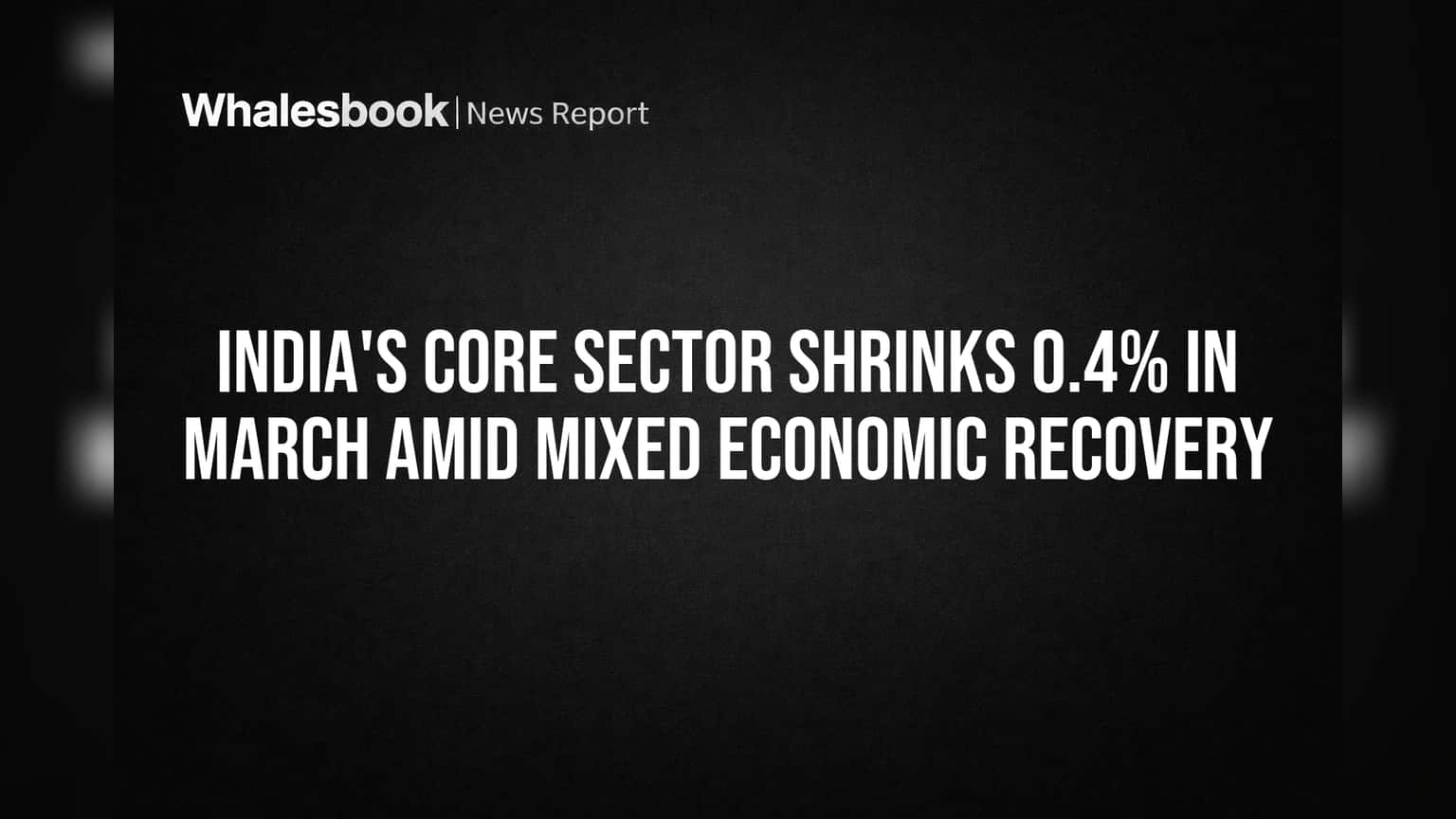
Statistics Canada reported last week that Canada’s GDP contracted for a second consecutive quarter, the definition of a recession. The two quarterly declines were small (a revised 1.0 per cent annualized drop in Q4 2025, followed by 0.1 per cent in Q1 2026), and some economists have pushed back on the recession label given the marginal numbers. But the broader picture is harder to dispute. Canada carries the second-highest unemployment rate in the G7, running roughly a third higher than the United States. Household debt remains the highest among our peers. And housing costs, despite some moderation, are still the worst in the group. Many residents are telling me they are feeling it and we can see it in our own communities.
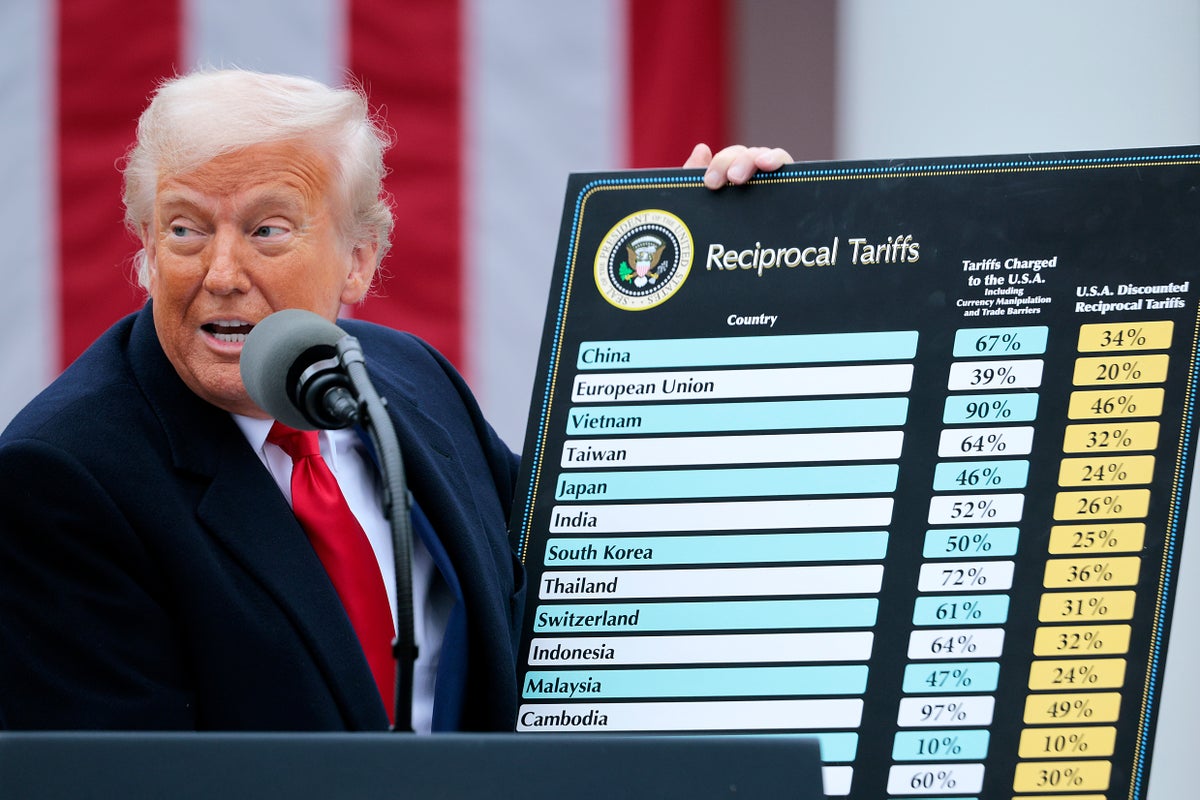
The motion asked Parliament to recognize those four data points and call on the Prime Minister to immediately present a plan to reverse the economic policies that led to them. The argument driving it is straightforward: every G7 country has faced the same U.S. tariff pressure, and not one of the others entered a recession. Germany, France, Japan, Italy, the United Kingdom, all navigated the same global headwinds. Only Canada contracted. If external conditions were the full explanation, you would expect to see the same result across all seven. You don’t. That gap points to domestic policy choices: on spending, borrowing, and investment conditions as part of what has set Canada apart.
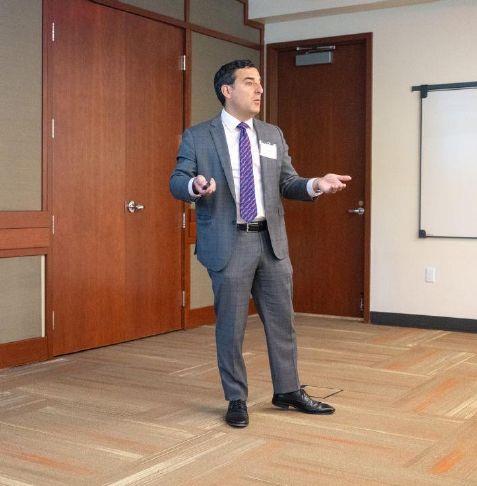
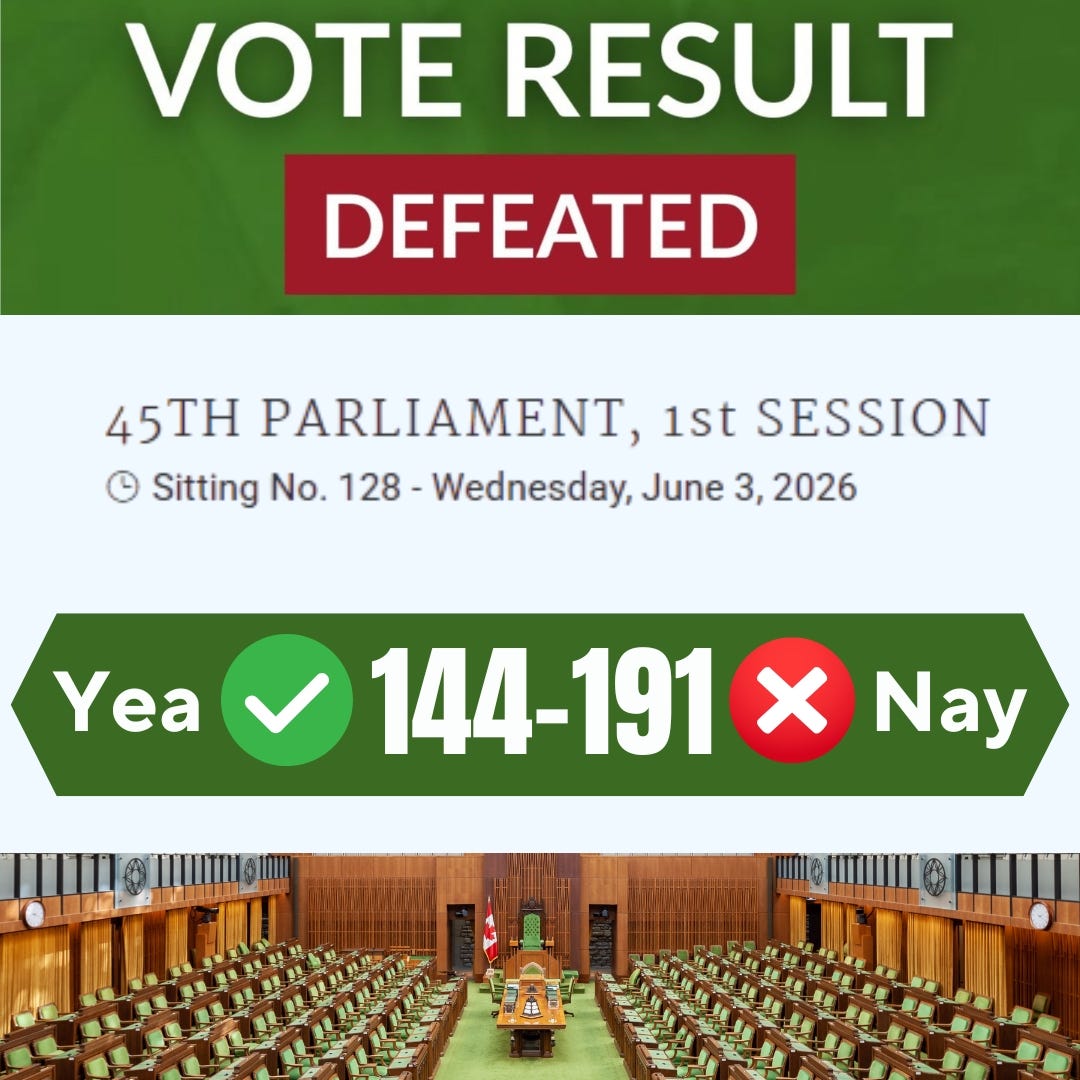
The conservative opposition motion was defeated. 191 members of Parliament voted against it; 144 voted in favour. The federal government and the Bloc Québécois opposed it. Conservatives and the NDP supported it. Like all opposition day motions, it was non-binding, even a successful vote could not have compelled the federal government to act. The purpose was to force the debate, put every MP on the record, and press the government to account for Canada’s position relative to its peers. Just having the debate to air different views and bring opposing viewpoints from our ridings is the purpose of the opposition supply days.
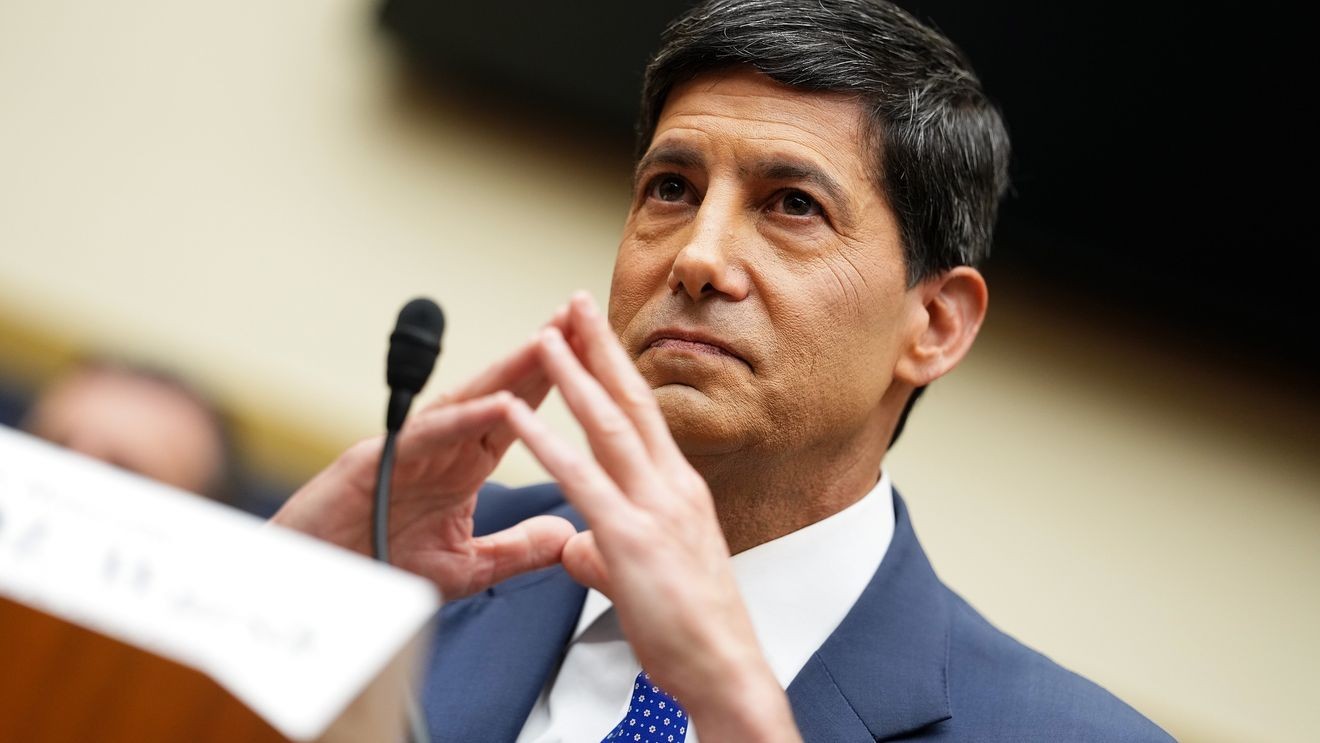
The next day, the Parliamentary Budget Officer released her June economic and fiscal outlook, her first since taking the role in April. I cover it in detail in the next section, but the numbers in that report are directly relevant to everything this motion raised.
The Parliamentary Budget Officer released her June Economic and Fiscal Outlook. The picture it paints is of a government borrowing more than it projected, growing less than it hoped, and carrying a fiscal anchor with almost no chance of holding.
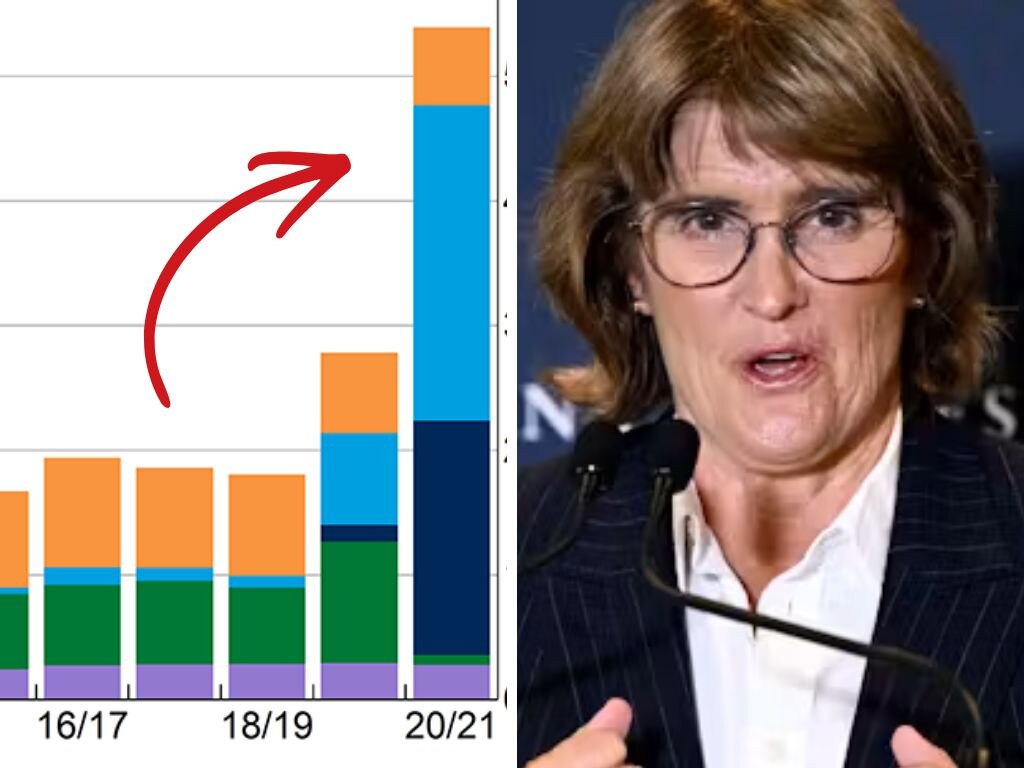
The PBO projects this year’s deficit at $71.8 billion, roughly $6.5 billion higher than what the government forecast in its spring economic update. Over the full forecast period, annual deficits are expected to average $4.6 billion above the government’s own numbers. The main drivers are lower income tax revenues and higher program spending than the government anticipated. Lower public debt charges offer some offset, but not enough to close the gap.
On growth, the PBO has revised its outlook down from its September 2025 forecast. It now expects the economy to expand 1.1 per cent this year and 1.6 per cent next, on the assumption that current Canada-U.S. tariffs remain in place permanently. For context, Scotiabank is forecasting just 0.8 per cent growth for Canada this year, and BMO has it at 0.5 per cent, either of which would rank among the weakest years for the Canadian economy in recent memory outside of a pandemic or financial crisis. The PBO also noted directly that business investment continues to lag as firms hold back on expansion, and that the labour market has softened in line with the broader slowdown.
The federal government set itself a fiscal rule: the deficit as a share of the economy must fall every year. The PBO’s baseline actually shows that happening, the deficit-to-GDP ratio declining from 2.2 per cent this year to 1.5 per cent by 2030-31. That sounds like good news. But PBO Officer Ryan stress-tested that path against the kinds of economic shocks Canada has experienced historically, and her conclusion is the most important sentence in the report: the odds of that ratio falling in every single year through 2030-31 are less than one per cent.
That is a significant finding. The federal government’s own fiscal rule, the number it put forward to demonstrate borrowing is under control, has a near-zero probability of being met under realistic conditions. For residents of Calgary Shepard trying to assess whether the country’s finances are on a sound path, that is what this report is really telling us.
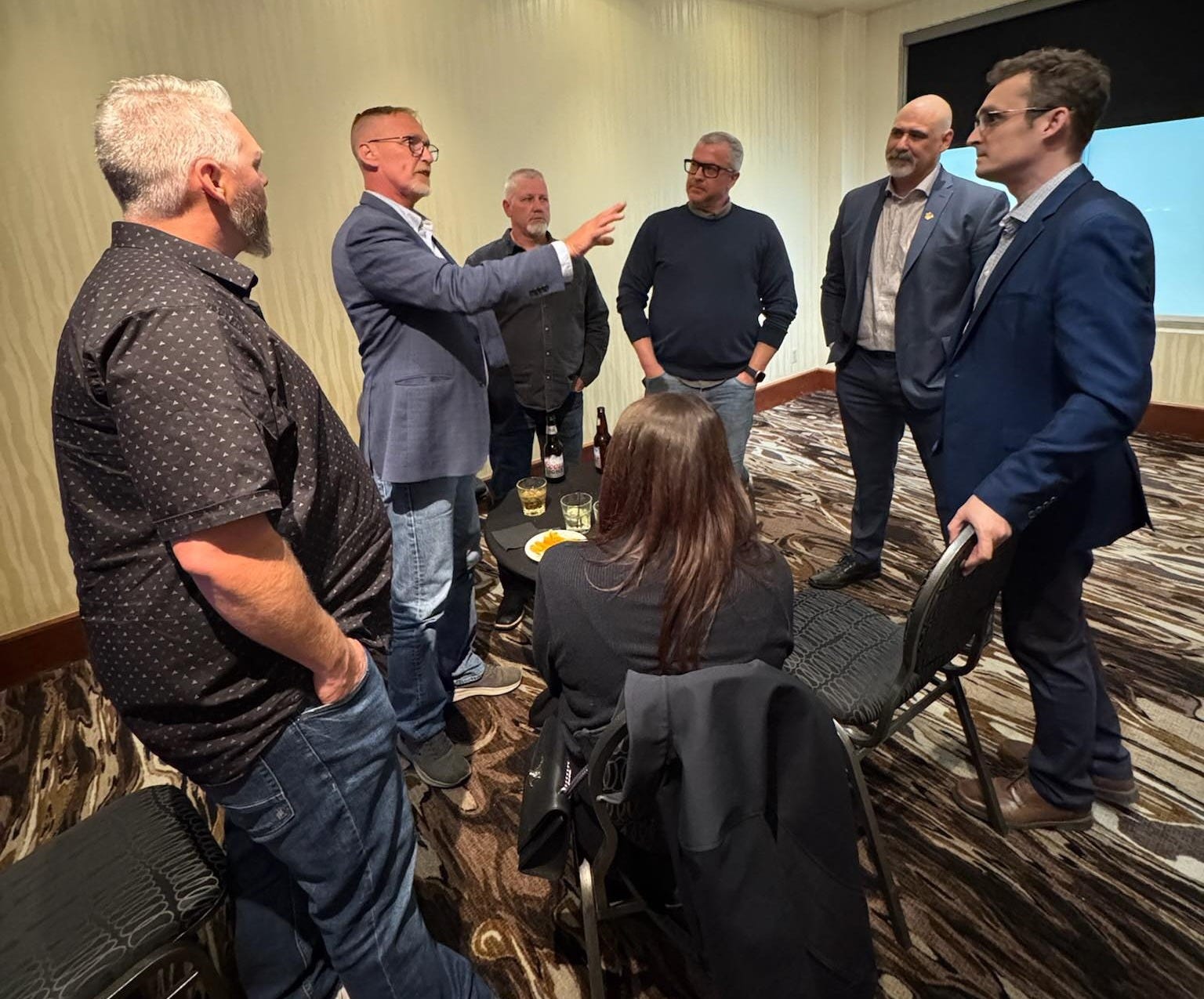
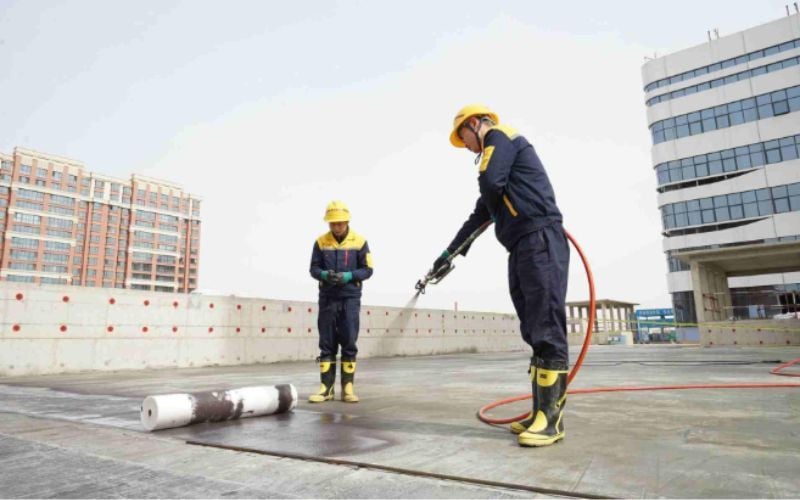
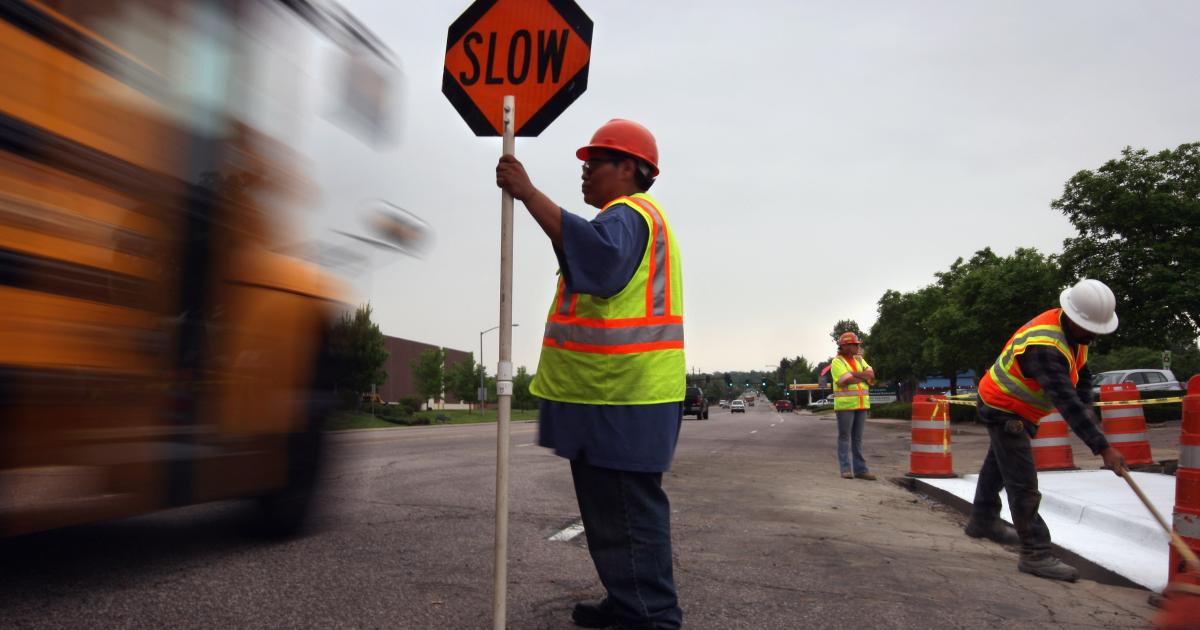
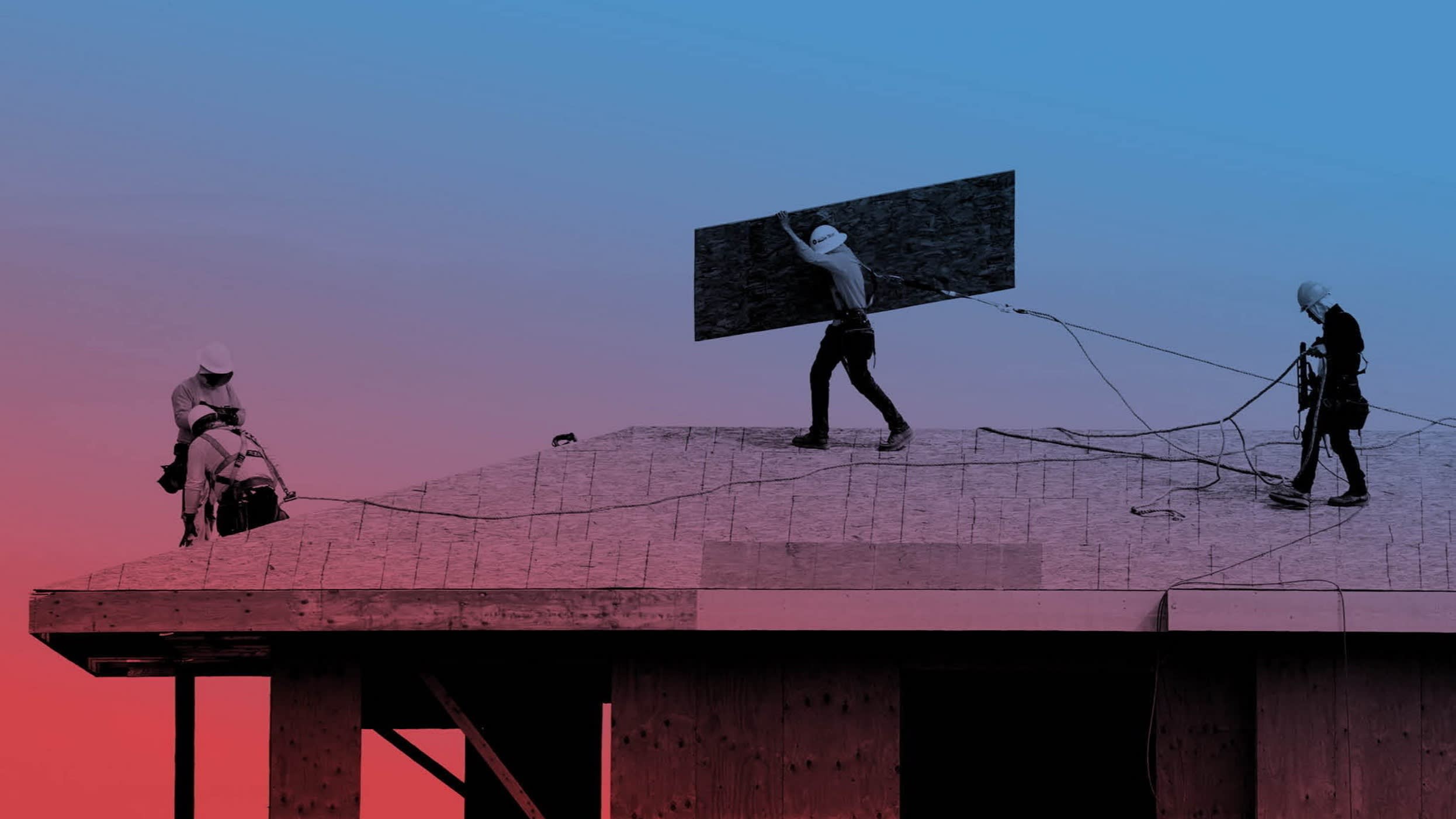
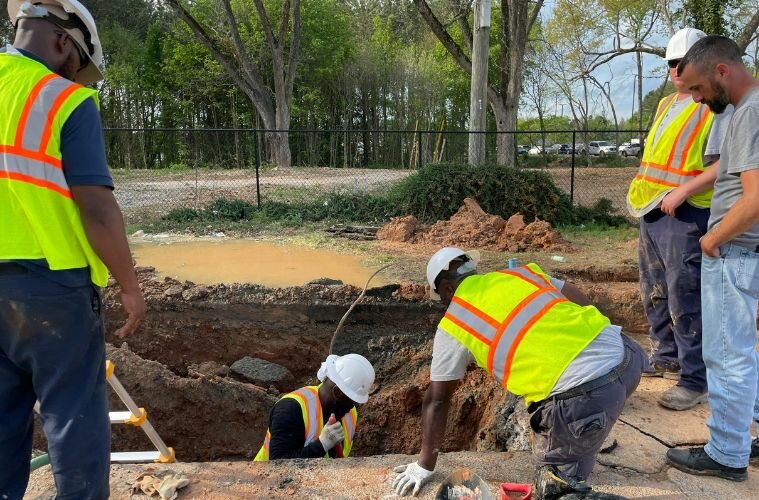
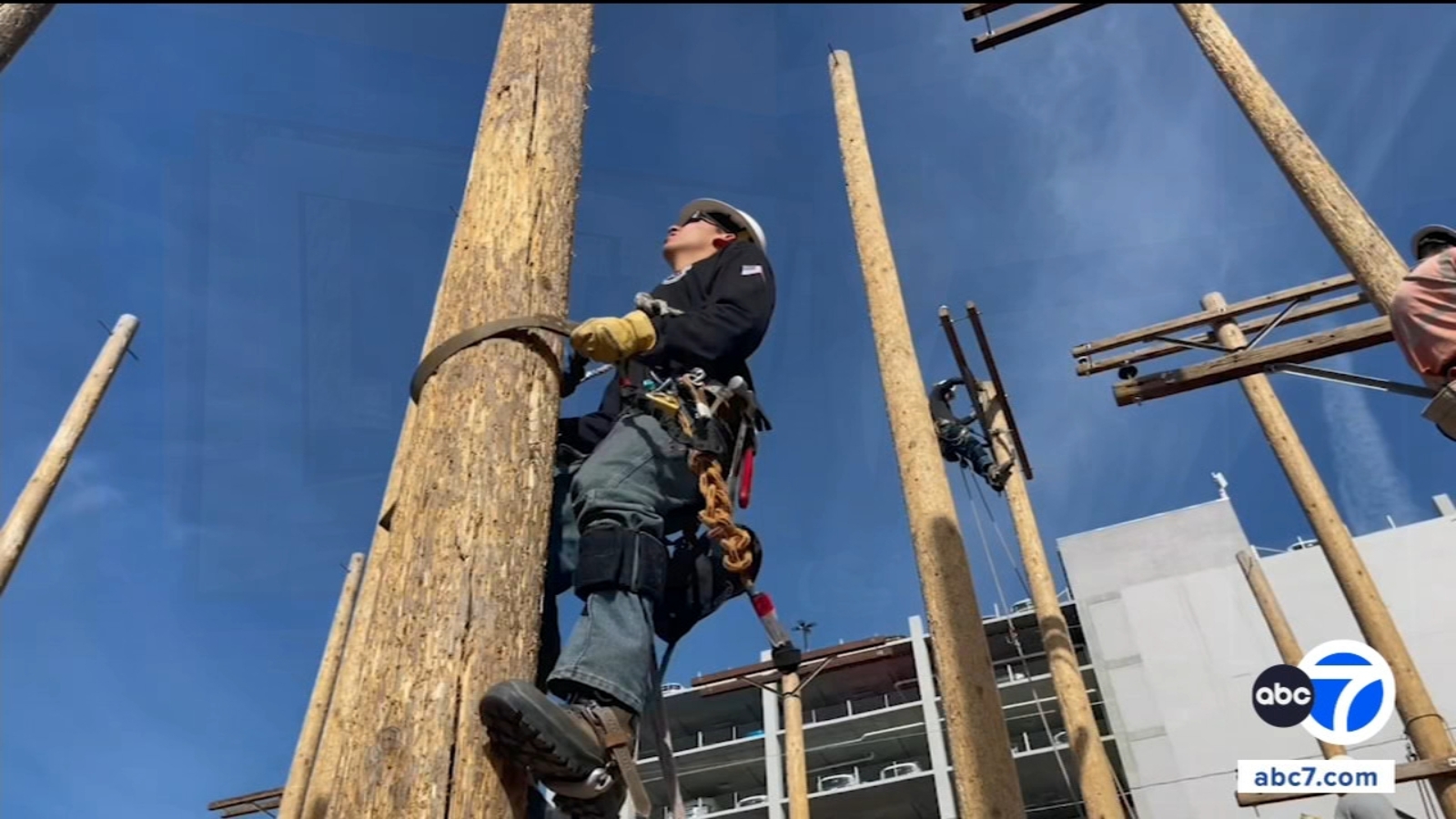
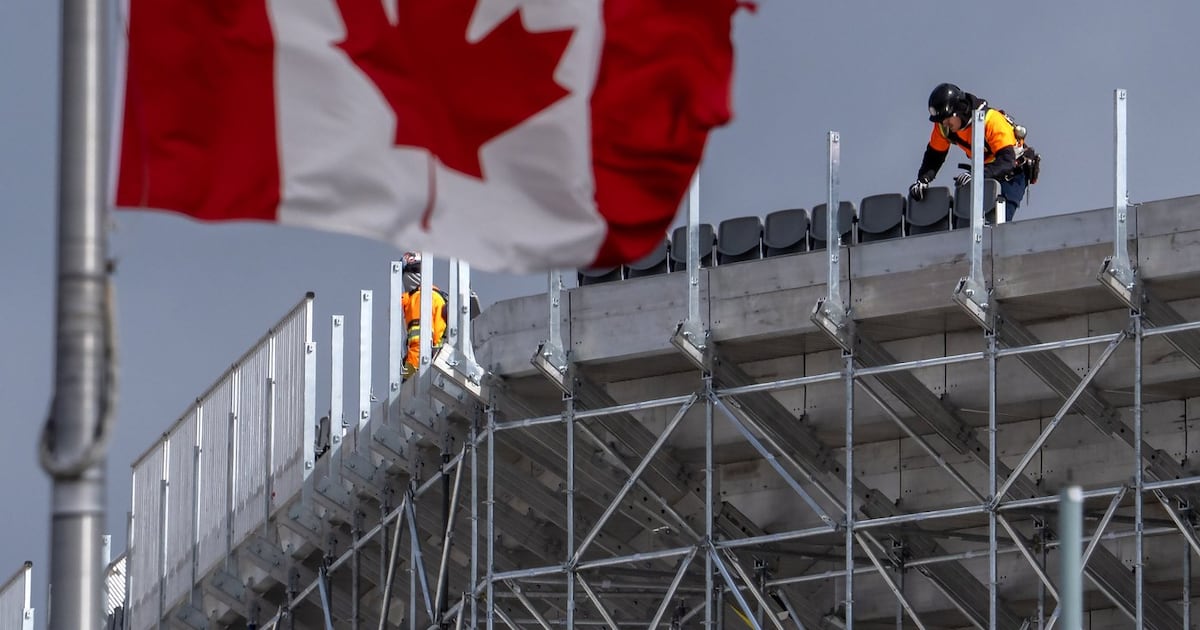
This week I attended the Western District Council Annual Apprenticeship Competition in Calgary, and if you want to understand what skilled trades training looks like at the highest level, watching ironworkers compete in a column climb is a good place to start.
The main competitions included: column climb and rebar tying, with food trucks and a crowd gathered to watch. These aren’t novelty events. Column climbing and rebar tying are core to what ironworkers do every day on job sites across Western Canada, building the steel frames of towers, bridges, and industrial plants. In competition, they become a test of speed, form, and technical precision, and the stakes are real: top competitors earn the right to represent their Local at the International Competition this October in Washington, D.C.
The Monday evening reception at the Deerfoot Inn brought together Ironworkers leadership from across all of Western Canada. These are the people running the apprenticeship programs that turn recruits into certified tradespeople and advocating for the conditions that make a career in the trades rewarding and sustainable. The organizational depth behind a trade that doesn’t always get the public attention it deserves was on full display.
A thank you to Jay Smart, Ironworkers Local 725, the Western District Council, and the Southern Alberta Building Trades Council for putting this together. The infrastructure that residents of Calgary Shepard drive across, work in, and depend on every day was built by people with this level of skill. Events like this one make sure the next generation of those workers is being trained right here in Alberta.
If you’re a young person figuring out what comes after high school, the Trades Exploration Program (TEPF) through Campus EIPS is worth a look. TEPF puts students in real trade environments, welding, electrical, carpentry, automotive, and more, while still earning school credits. Learn more about the TEPF Summer Camp, link below.

Carla Obuck was a founding member of the Auburn Bay Community Association, the person behind the Stampede breakfast and the Parade of Lights, and by any honest measure the most dedicated community volunteer Auburn Bay has ever had. She passed away on May 27, 2026, at the age of 56.
Some people talk about community. Carla built it. She had been part of the fabric of Auburn Bay for nearly twenty years. She wasn’t president of the ABCA for long, but so many people assumed she was, for years, because of the way she carried herself and got things done. That says everything about her.
I awarded Carla the King’s Coronation Medal. She earned it without question. The medal recognizes Canadians who have made a significant contribution to their community. Carla is exactly the person that recognition was designed to honour. She didn’t volunteer for acknowledgment. She volunteered because she genuinely loved Auburn Bay and the people in it. For anyone in public life trying to understand what community service actually looks like, Carla Obuck is the standard.
My thoughts are with her husband Darrel, her children Matthew and Alex, and everyone who had the privilege of working alongside her. A Celebration of Carla’s Life will be held on Saturday, June 20, 2026 at 11:00 a.m. at the Auburn Bay Residents Association, 200 Auburn Bay Blvd SE. If you would like to honour her memory, the family asks that tributes be directed to the Auburn Bay Community Association, the organization she helped build and gave so much of herself to.
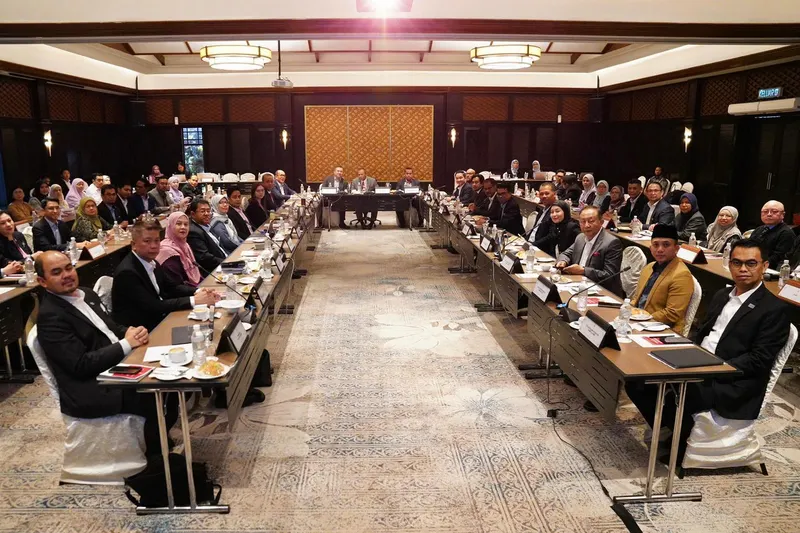
National Defence Committee: MPs continued the Defence Industrial Strategy study with aerospace and space-sector witnesses who argued implementation will hinge on faster procurement, stronger domestic capacity, and more defence R&D. Later, the committee heard from the Secretary of State for Defence Procurement and officials on how the “build, partner, buy” approach and the Defence Investment Agency will operate, with MPs pressing for clarity on competitive processes and transparency; a notice of motion was also given to invite the Minister of National Defence and officials on Supplementary Estimates (A) for two hours.
International Trade Committee: MPs continued work on Canada’s trade ahead of the 2026 CUSMA review, hearing from manufacturers, agriculture, automakers, and small businesses on tariff uncertainty, dumping concerns, and sector-specific risks. A later meeting included evidence on trade with Japan (including pork-sector risk management such as African swine fever preparedness and port logistics) and further CUSMA testimony from cattle, coffee, and tech witnesses focused on predictability and stable market access.
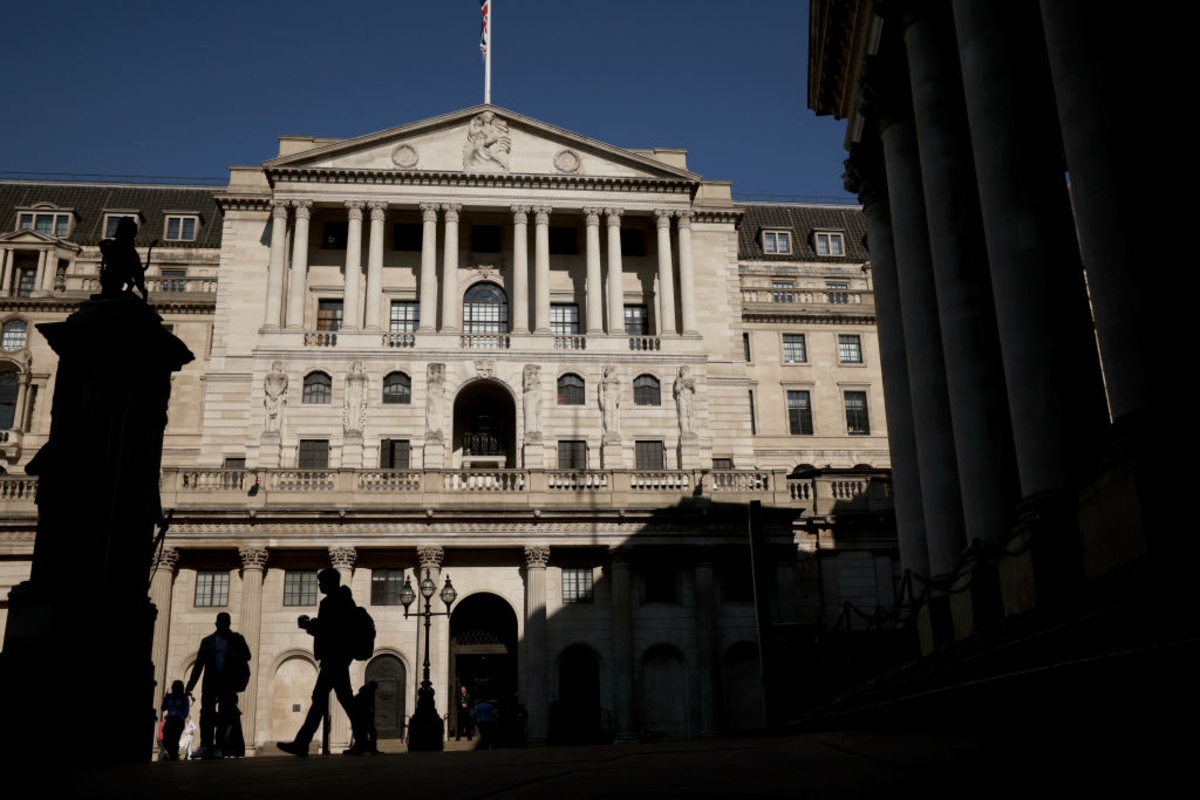
Public Accounts Committee: MPs reviewed the 2024 and 2025 Public Accounts with Canadian Heritage officials and then the Bank of Canada. Discussion included oversight questions related to spending and governance, including issues raised about the Office of the Commissioner of Indigenous Languages and separate questions about CBC-related matters; with the Bank, MPs discussed debt-servicing costs, monetary conditions, and broader financial-system risks.
Immigration Committee: MPs held two meetings, one on the provincial distribution of asylum seekers (including municipal, legal, and settlement witnesses and IRCC officials), and another on attracting and empowering global talent. On redistribution, MPs focused on municipal capacity pressures and program integrity, while IRCC officials confirmed relocation agreements are voluntary and that only New Brunswick and Newfoundland and Labrador have signed agreements, noting Charter considerations as one reason involuntary relocation is not pursued; the “global talent” meeting focused on labour-market pathways and monitoring, including questions about the temporary foreign worker program in construction.
Justice Committee: MPs studied Bill C-235, which would allow judges to set parole ineligibility between 25 and 40 years in a narrow category of cases involving abduction, sexual assault, and murder of the same victim. The committee heard victims’ family testimony, the Federal Ombudsperson for Victims of Crime, policing representatives, and Justice officials who flagged Charter considerations; MPs then proceeded through clause-by-clause, agreed to the bill as amended, and ordered it reported to Parliament.
Veterans Affairs Committee: MPs continued reviewing the PCVRS rehabilitation services contract, hearing allegations about restricted provider choice, pressure tied to benefit compliance, and the absence of a clear complaints mechanism, alongside questions about oversight and renewal. The committee also continued its work on the experience of Black veterans, with testimony focused on barriers, representation, and supports.
Science and Research Committee: MPs continued a study on Canada’s dual-use and defence research needs, hearing from National Defence and Public Safety officials and research-sector witnesses. Discussion focused on research security, protecting Canadian IP, clearer definitions of dual-use, and building faster pathways from research and commercialization into operational capability and procurement.
Human Resources Committee: MPs held one meeting on homelessness and another on housing starts in relation to federal programs. Witnesses emphasized prevention and diversion, supportive housing, flexible funding, and coordination across housing, health, and social systems; on housing starts, testimony focused on cost pressures and project viability (including the effect of taxes/fees and development charges), alignment across governments to reduce delays, and the risk of losing trades capacity as projects are cancelled or paused.
Industry and Technology Committee: MPs continued the AI study with witnesses spanning law, space, cultural industries, and AI governance. Discussion covered adoption and productivity, IP and content issues, safety and accountability, and how regulation can keep pace with rapidly deployed systems.
Ethics Committee: MPs continued the statutory review of the Lobbying Act with witnesses from civil society, business, and the legal sector, focusing on transparency, compliance, and how lobbying rules operate in practice.
Finance Committee: MPs studied Bill C-30 (the spring economic update implementation bill), hearing from officials and then ministers, with discussion centred on provisions that would require regulators to consider “food security” and “economic security” in decision-making and how those terms are defined and applied. A later meeting continued Bill C-30 evidence with additional witnesses (including CFIB recommendations for small business), and MPs debated procedural motions about further minister appearances and additional hours of testimony before clause-by-clause, alongside reminders on amendment deadlines.
Public Safety Committee: MPs studied Bill C-22 (lawful access), focusing on the requirement for service providers to retain specified metadata for up to one year and build lawful-access capabilities. Witnesses raised Charter and privacy questions (including section 8), with discussion also touching on encryption and the practical impact on privacy-focused services; MPs also raised process concerns about the pace of study and flagged proposals to separate less controversial elements from broader privacy issues.
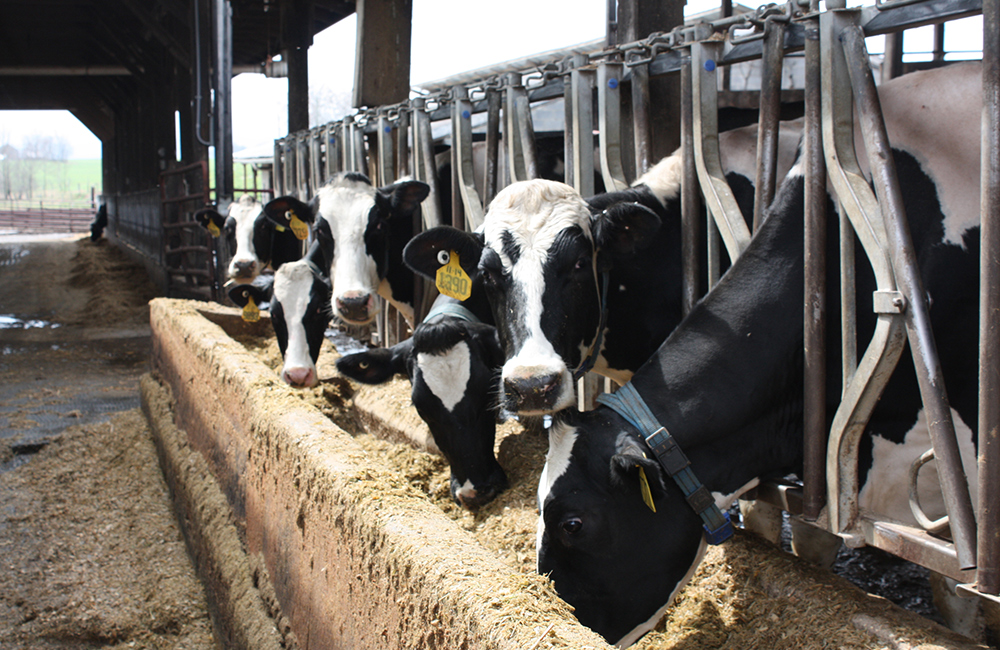
Agriculture Committee: MPs continued the business risk management study, including testimony on whether programs keep pace with costs and animal-health realities and how to strengthen resilience. The committee also heard from Competition Bureau officials on competition across the food supply chain, including market concentration and barriers affecting independent grocers and suppliers.