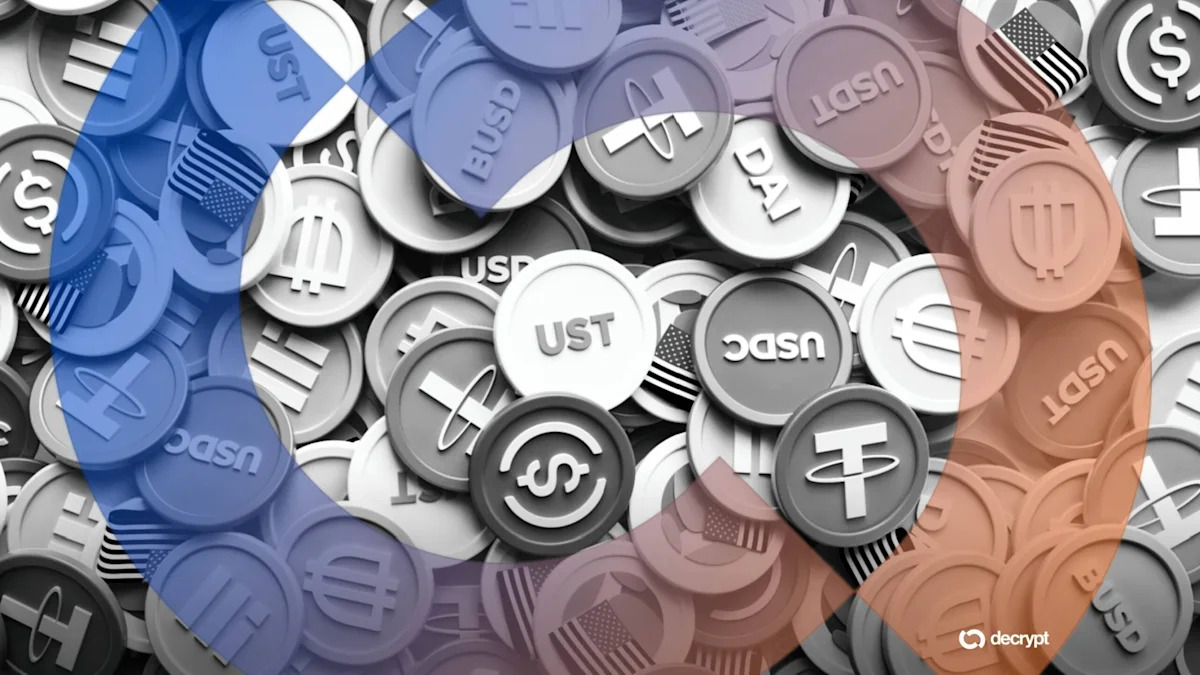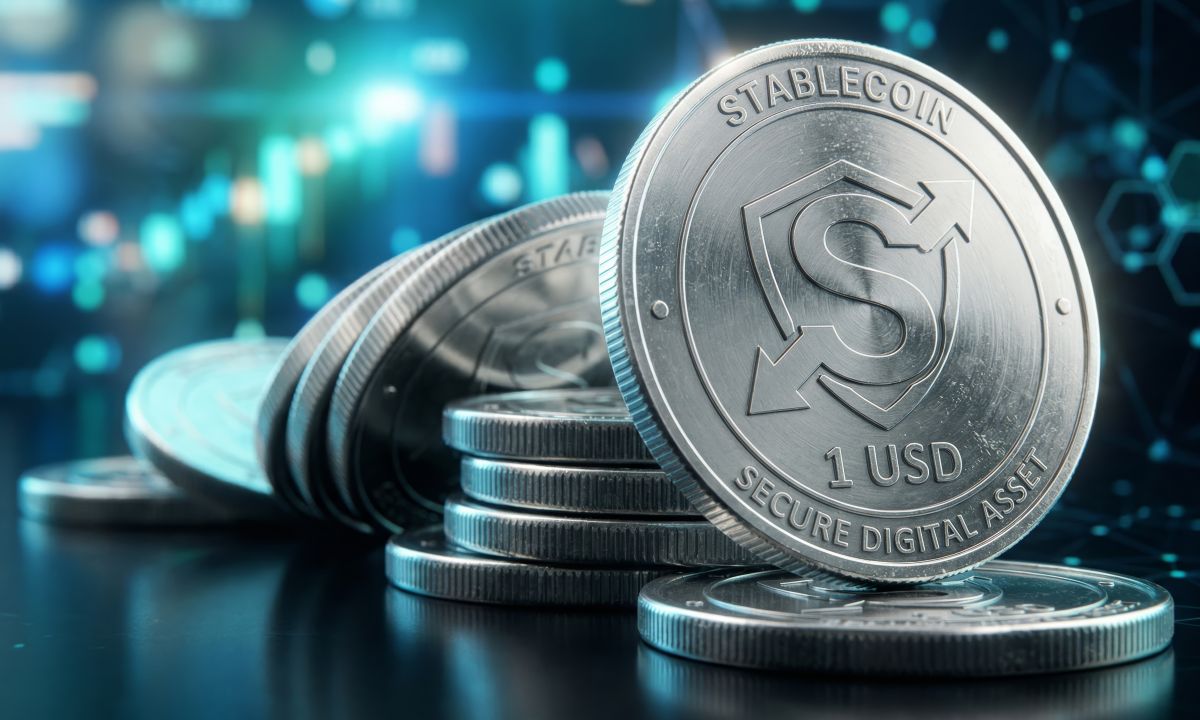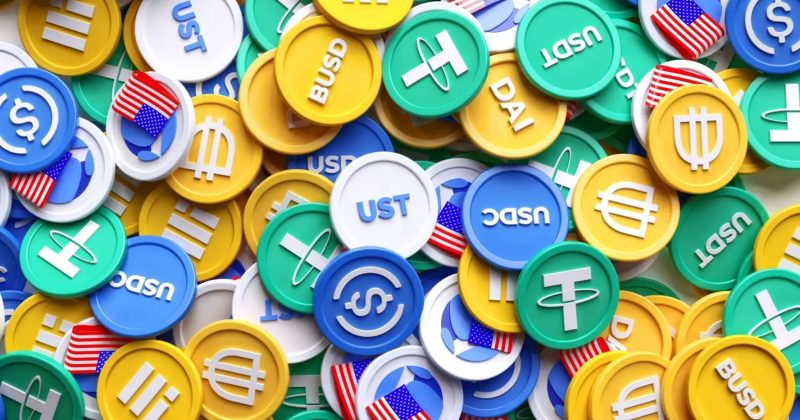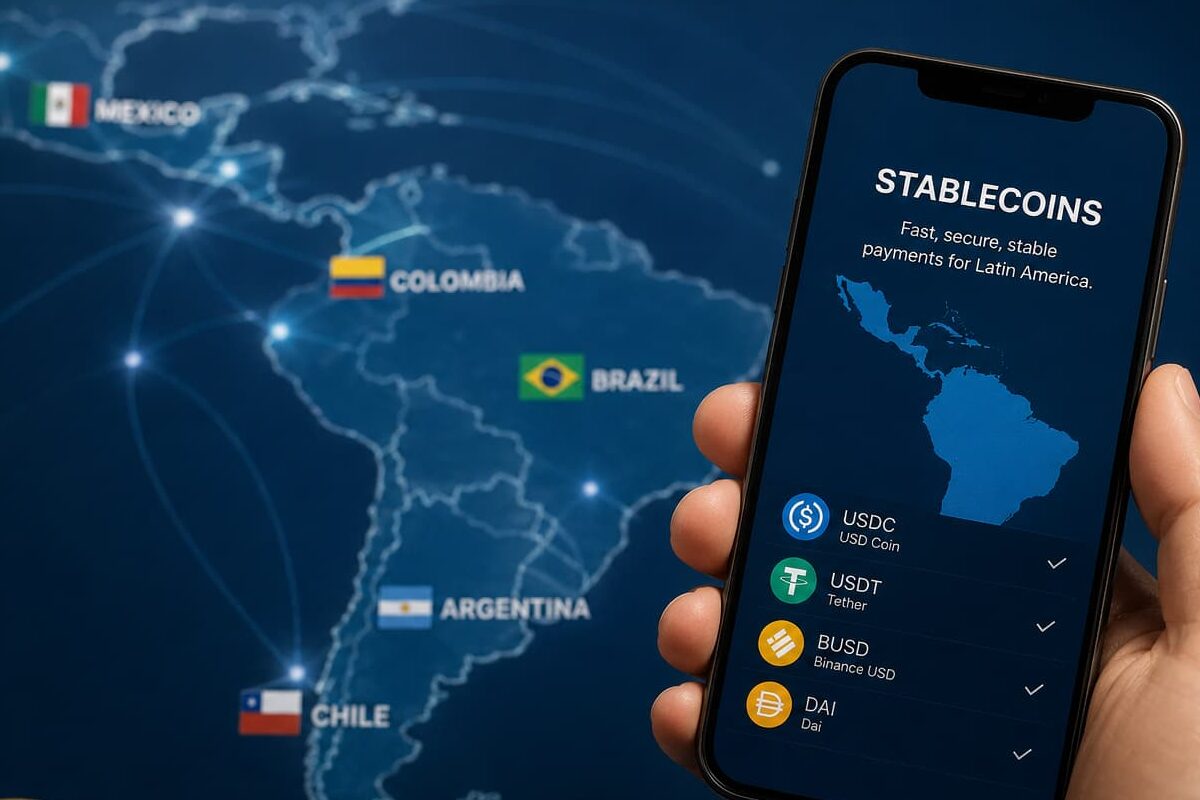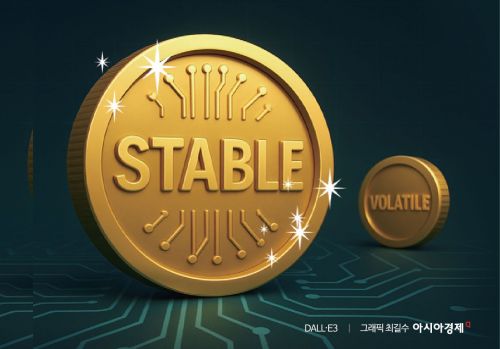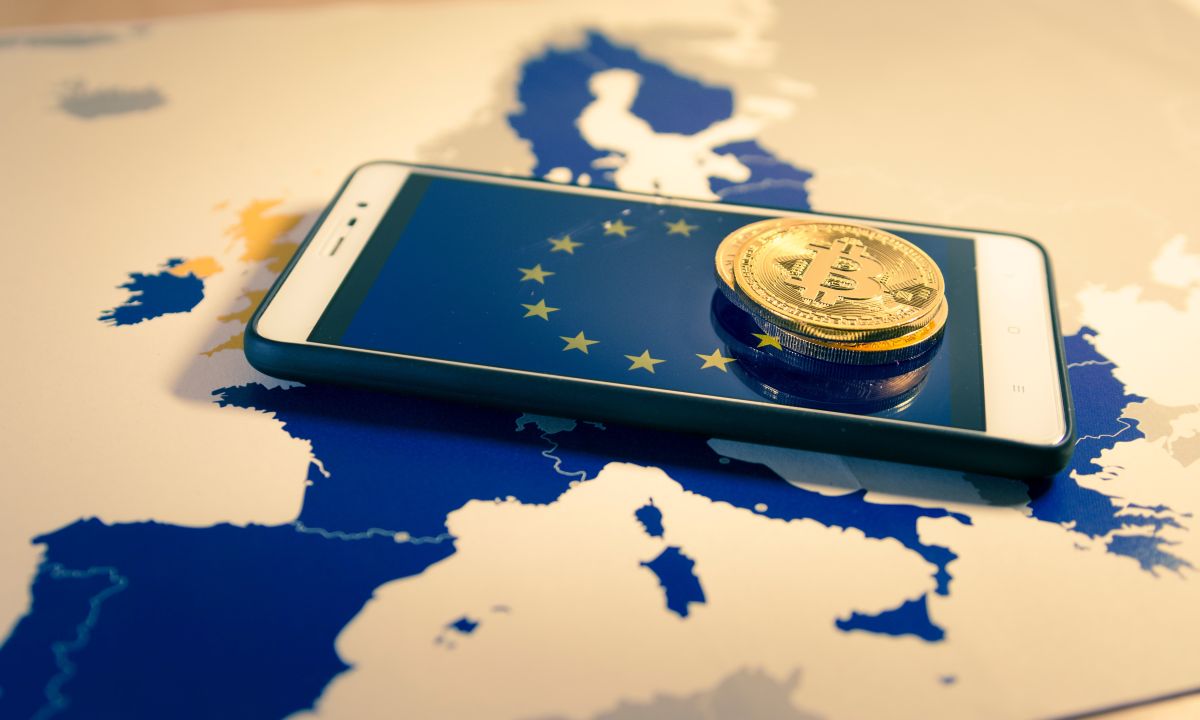
It may not have dominated the headlines yet, but Qivalis has been quietly building momentum for several months. The European bank-led joint venture is developing a fully regulated, 1:1 euro-backed stablecoin that is on track to launch in the second half of 2026 under the supervision of the Dutch Central Bank. Danske Bank and ING are among the founding members of what has now grown into a consortium of 37 banks.
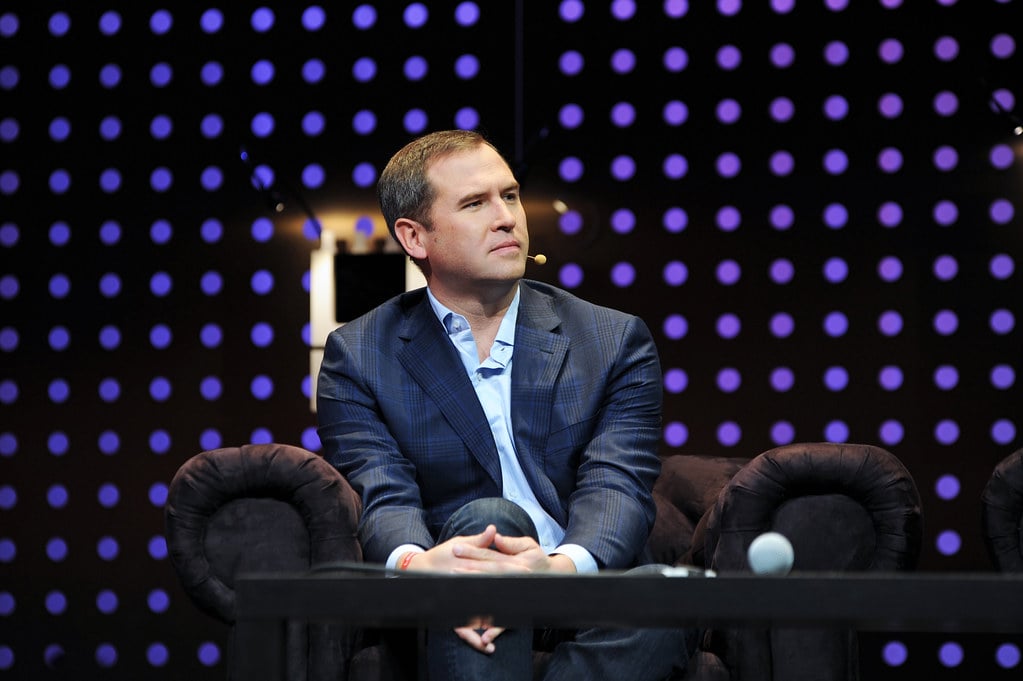
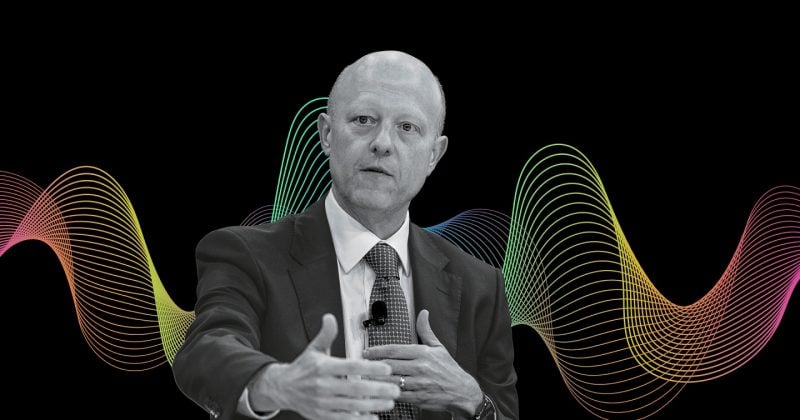
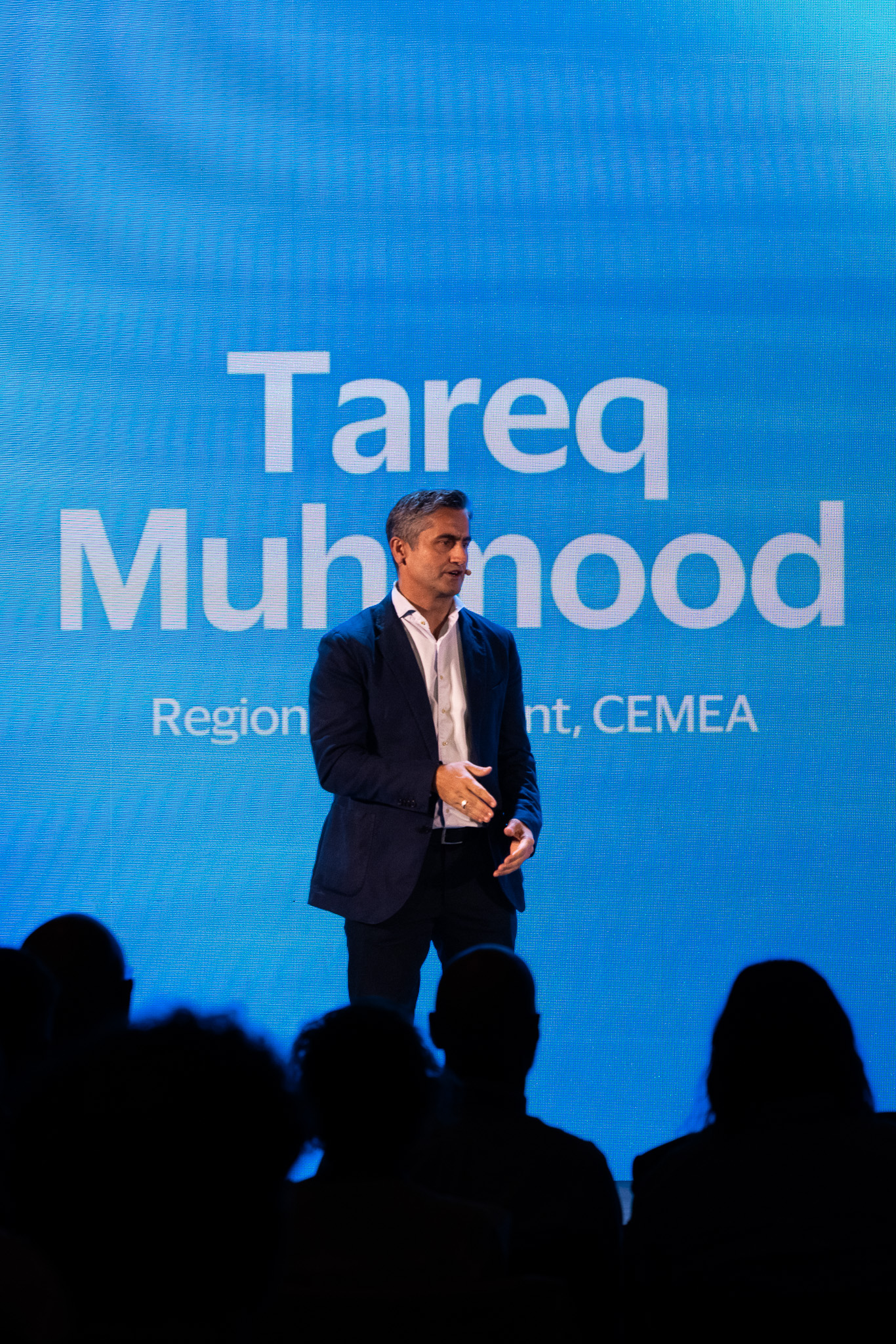
When our editorial team saw that Sir Howard Davies, Chairman of the Supervisory Board at Qivalis, was speaking at the Point Zero Forum in Zurich, covering his session became essential. Not only for the project’s significance, but also because Davies serves as President of the Cornhill Club in London, one of the City of London’s oldest banking institutions. If you haven’t investigated it yet, consider putting it on your radar.
Two Roads to Programmable Money: Stablecoins vs Tokenized Deposits at Point Zero Forum
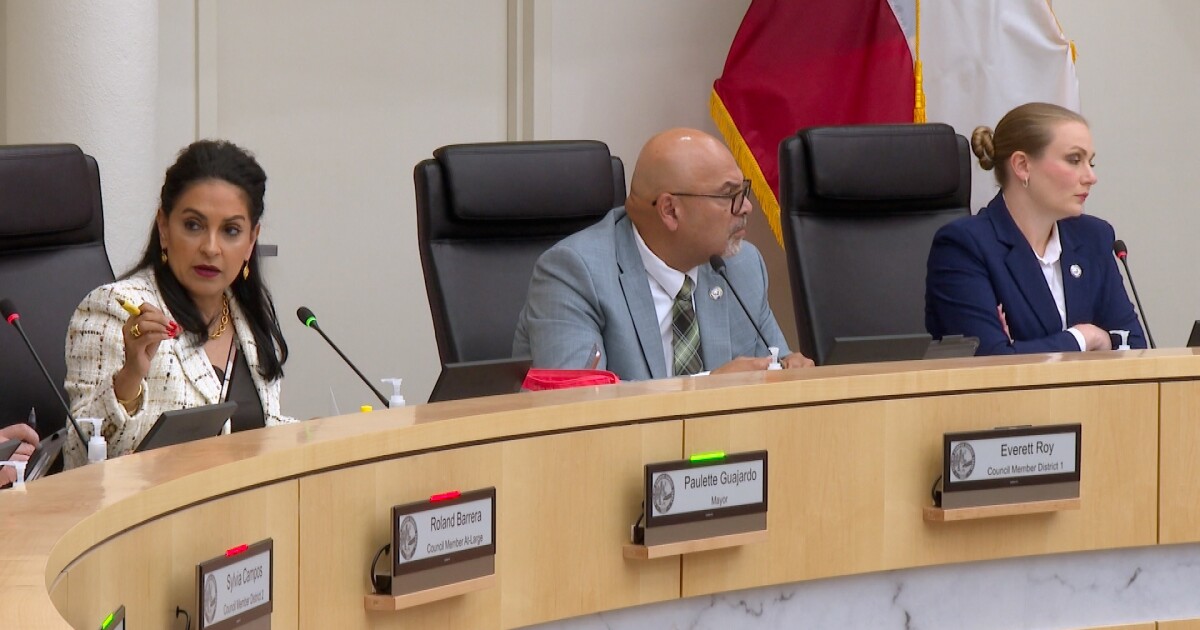
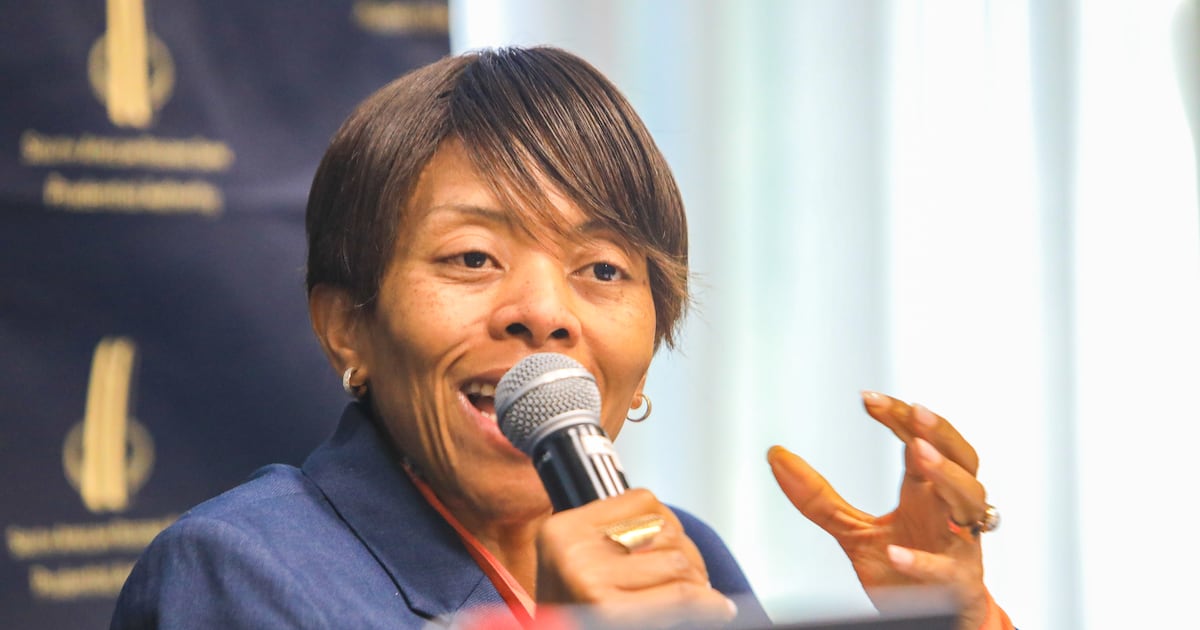
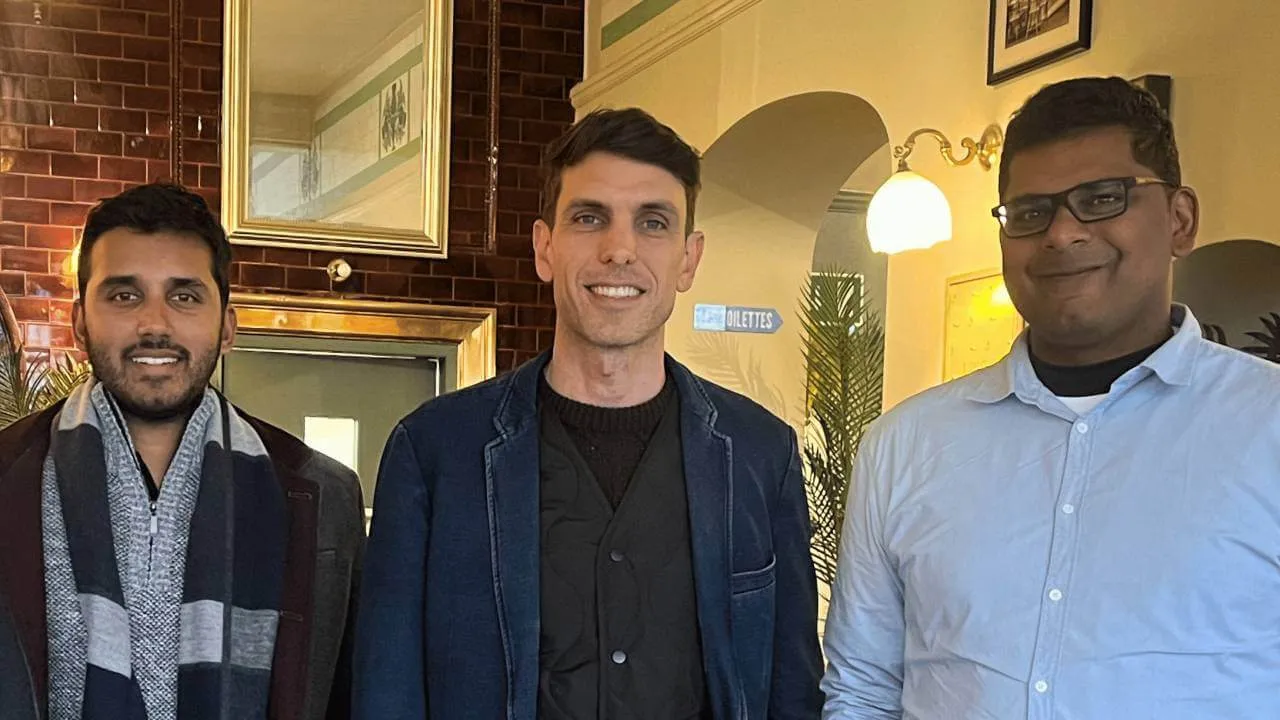
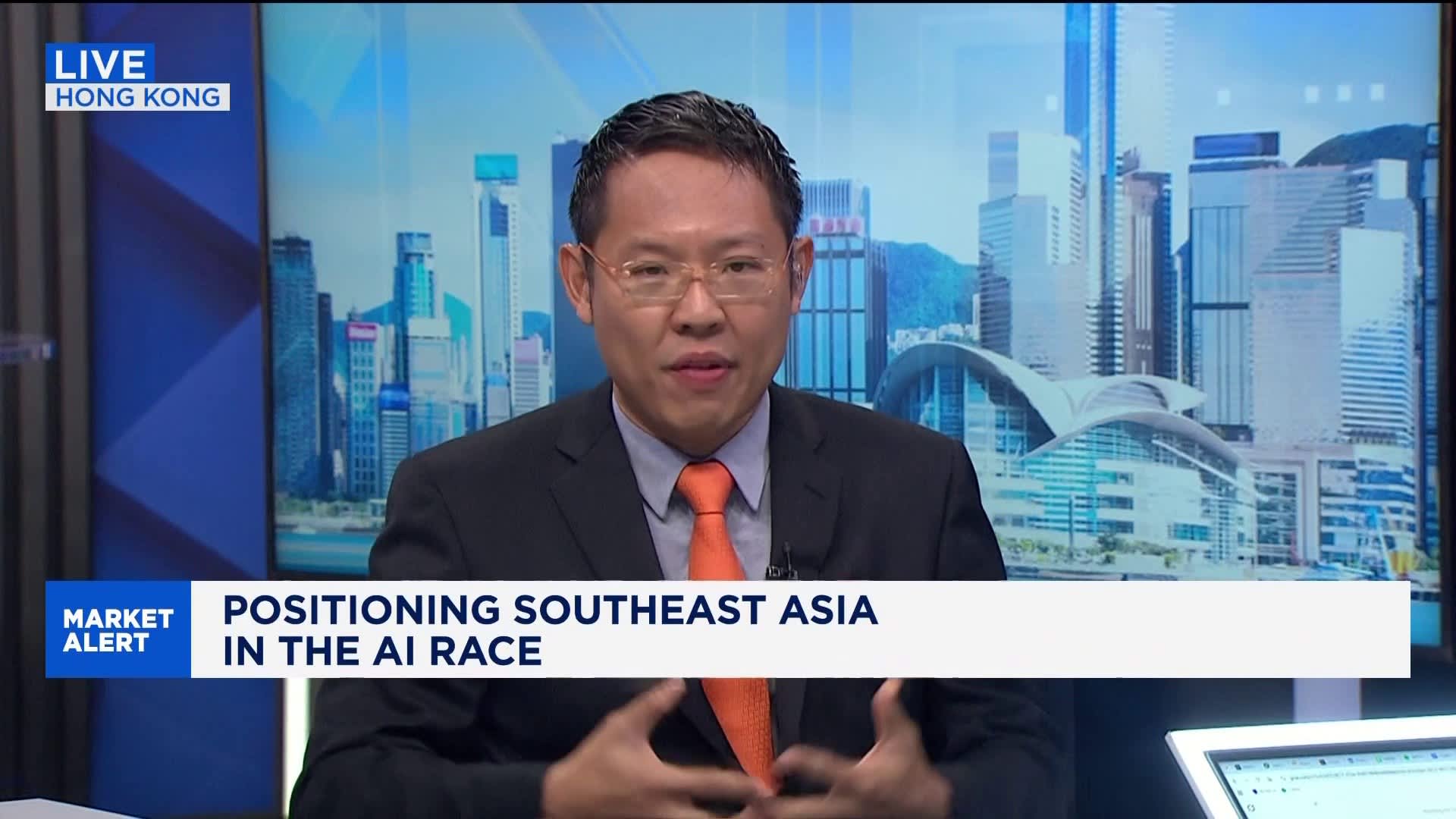
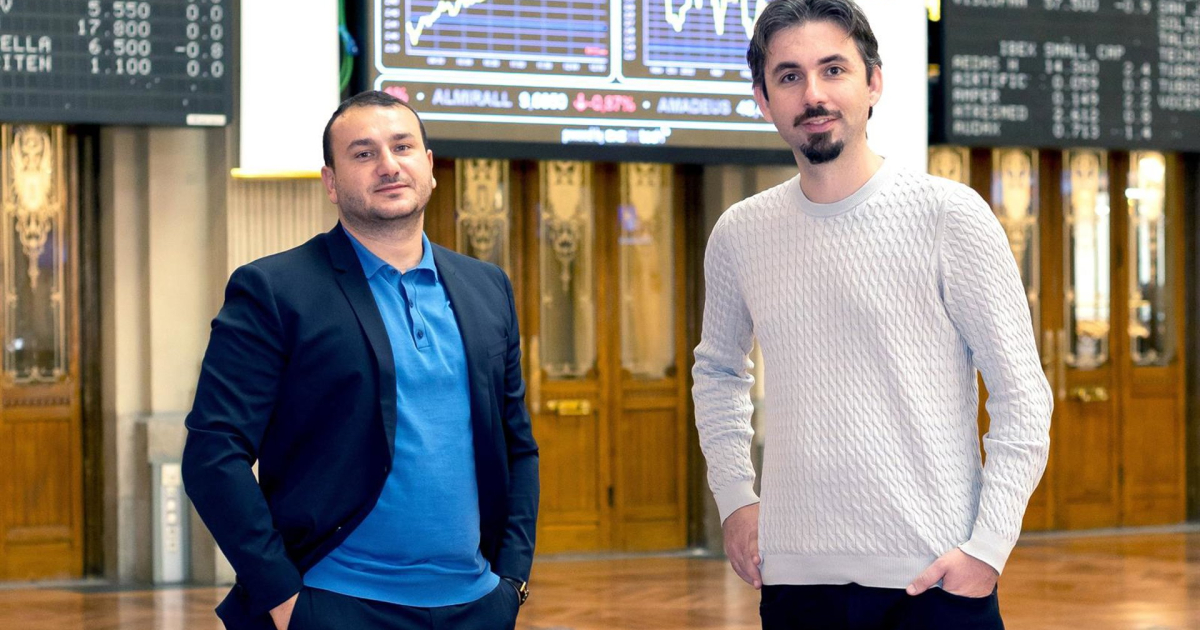
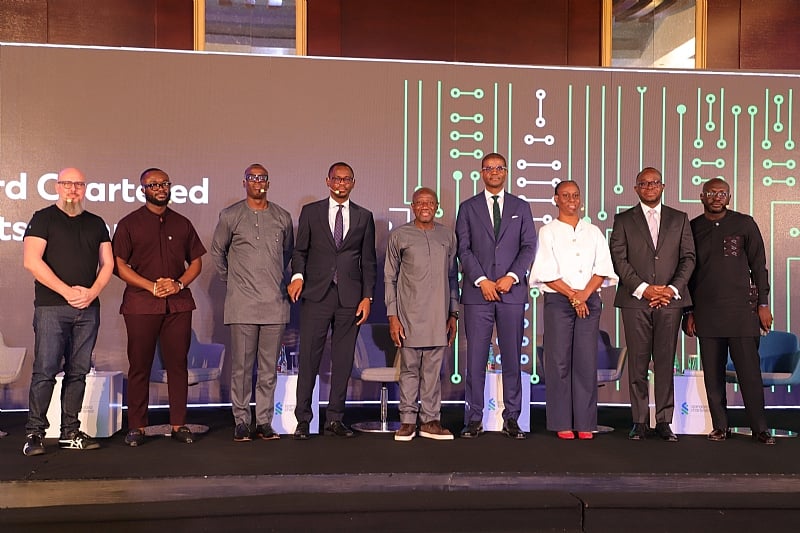
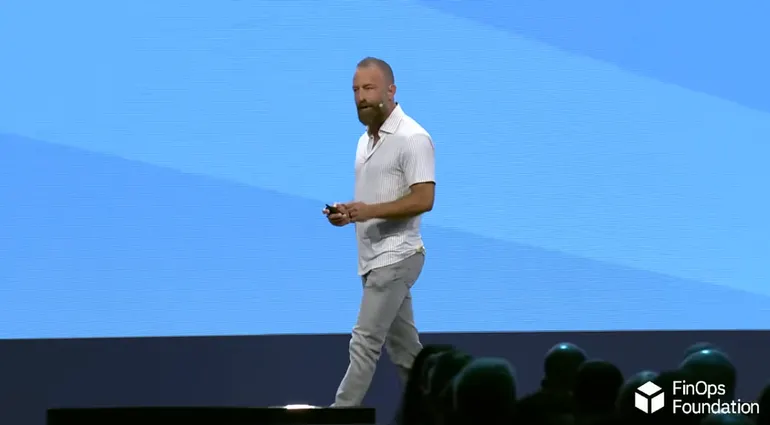
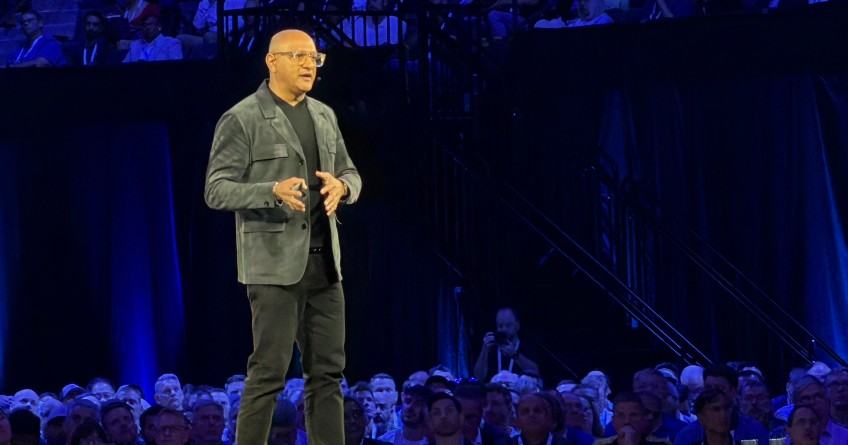
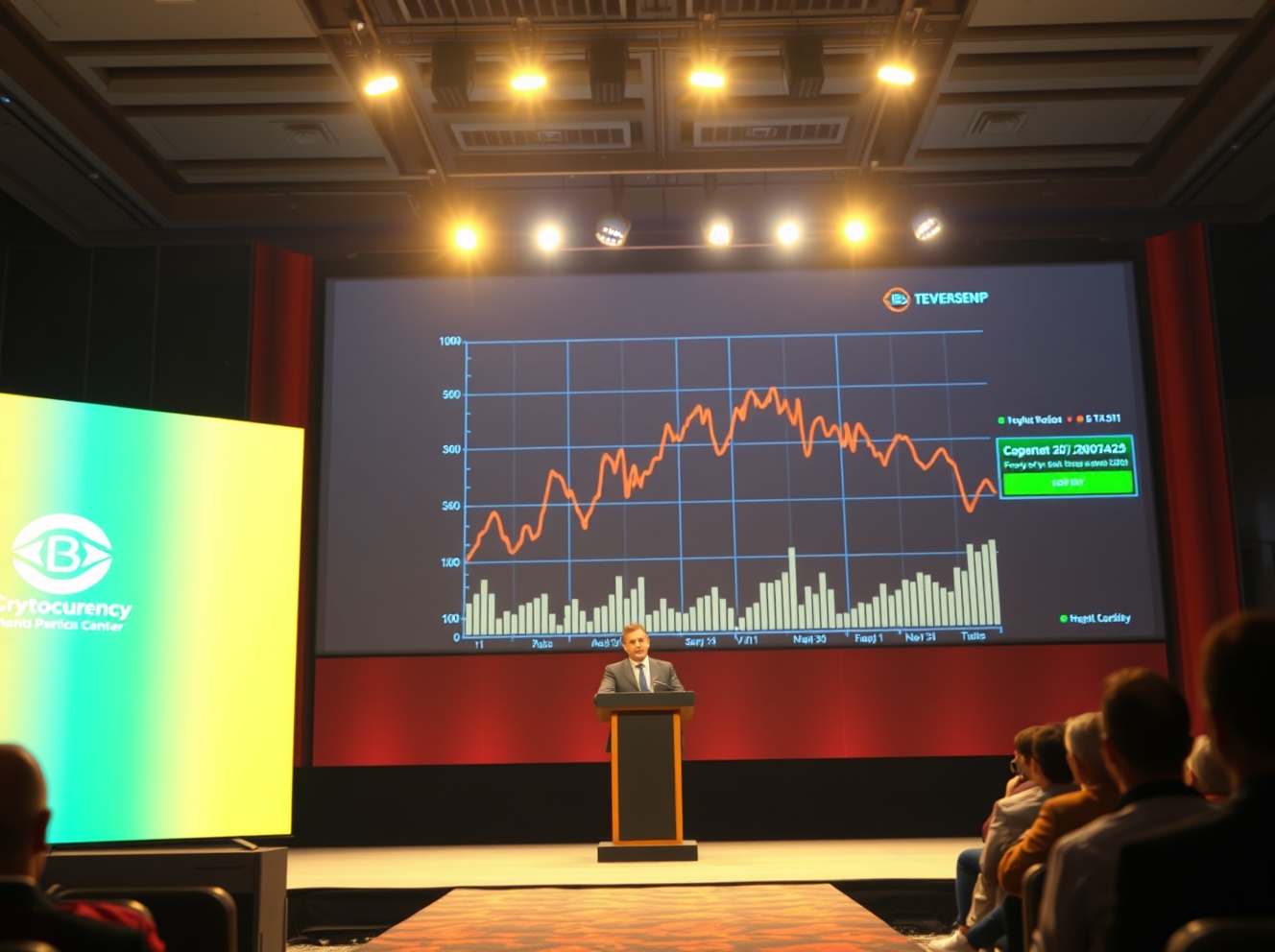
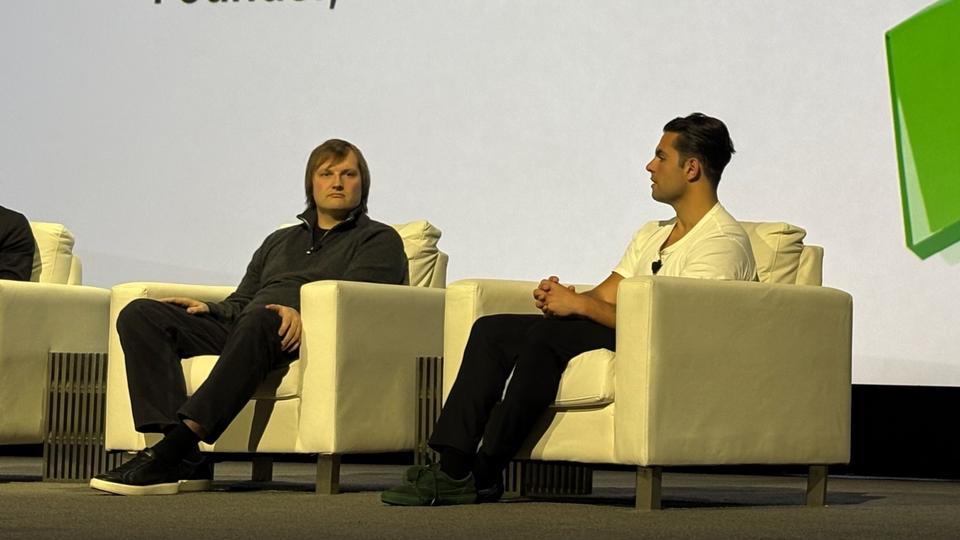
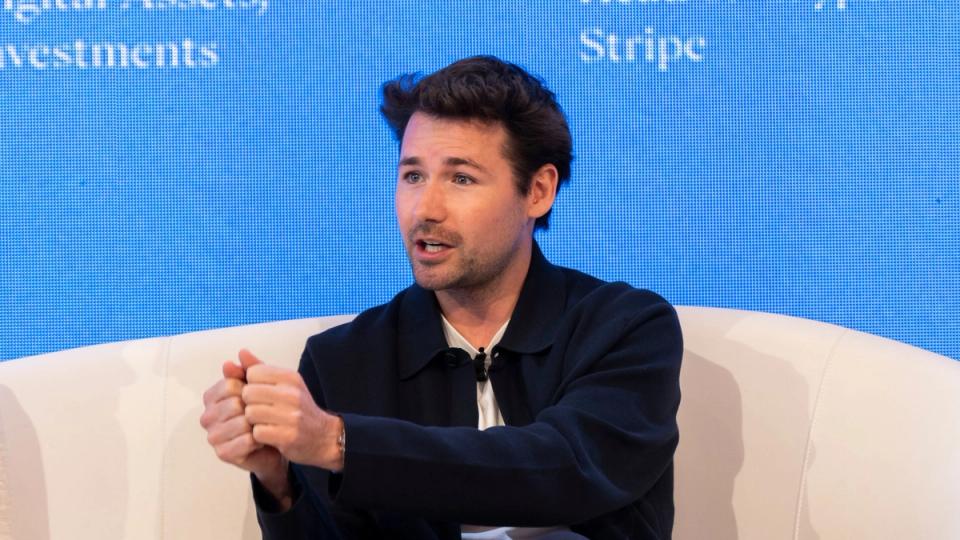
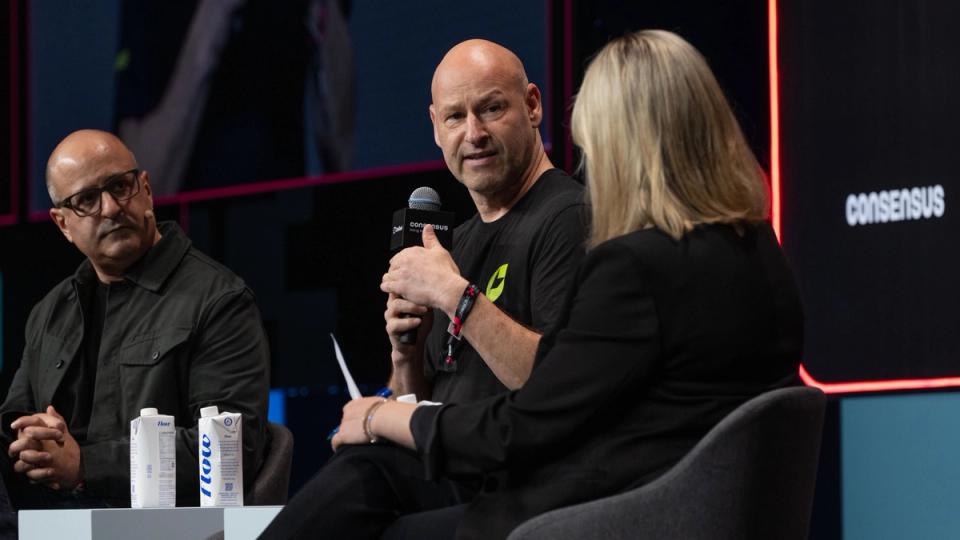
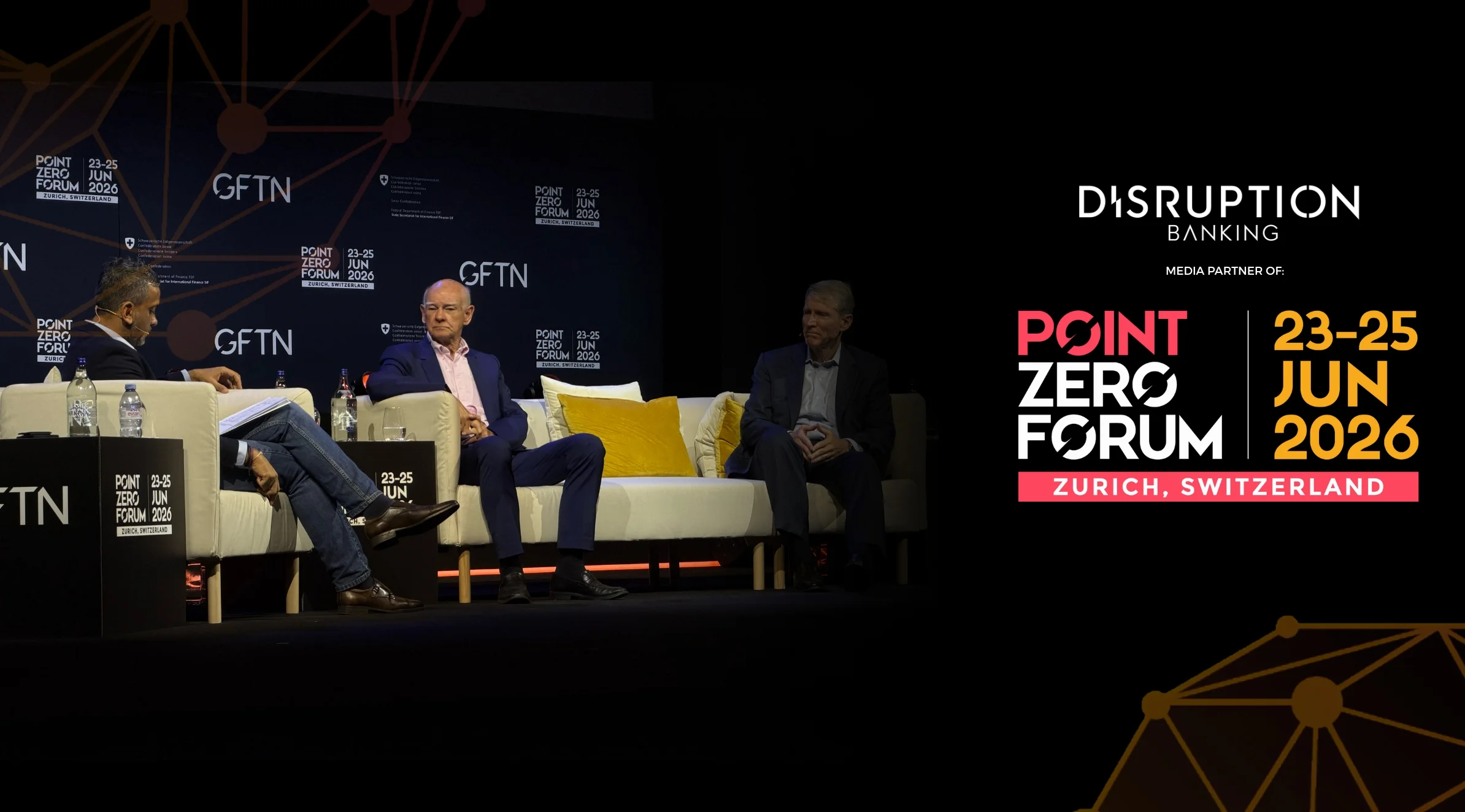
Moderated by the charismatic Pat Patel of the Global Finance & Technology Network (GFTN), the session titled Two Roads to Programmable Money: Stablecoins, Tokenized Deposits, and the Future of Rails featured Sir Howard Davies alongside Timothy Adams, President and Chief Executive Officer of the Institute of International Finance (IIF).
Adams has led the IIF, which represents over 500 major financial institutions worldwide, since 2013. Davies has long been involved with the IIF during his time as Chairman of RBS/NatWest and in other senior roles. The two men know each other well.
Patel opened with a telling question to the audience: how many had heard of Qivalis? Only around 20 percent of hands went up. The stage was set.
Watch the moment here:
Sir Howard Davies on the Qivalis Model
Davies outlined the project’s origins and structure.
“Qivalis was conceived by a couple of banks, including ING and Danske Bank actually, which quickly became a dozen banks… the idea would be to set up a consortium-owned utility. What Qivalis will do is simply mint and burn stablecoins, and they will be used by the members of the consortium… We’re going through a regulatory approval process with the Dutch Central Bank at the moment.”
After an investment presentation in March, 25 additional banks joined, bringing the total to 37. The model is designed for interoperability, a key advantage over single-bank stablecoins, while banks retain customer ownership. This addresses AML, KYC, and related concerns.
Davies highlighted practical use cases, particularly cost savings in cross-border payments and remittances for sectors like European tourism (travel agents, hotels, airlines).
He also addressed governance: a board with rotating bank representatives and independent members, plus ongoing shareholder engagement.
Regulatory and International Challenges
Davies was candid about the hurdles. While MiCA provides a foundation, gaps remain, including differential capital treatment for stablecoins on permissioned versus permissionless blockchains and uncertainty around high-quality liquid asset (HQLA) eligibility for banks.
“There’s plenty of elements of MiCA that we would like to see improve… there are all kinds of other elements, like the capital regime… regulators need to think about how to adapt to a world in which stablecoins are an important part of the monetary stack.”
He noted growing international interest from Asia and elsewhere, as the euro’s role in global reserves continues to evolve.
Timothy Adams: Leadership, Innovation, and the Global Picture
Timothy Adams emphasized the importance of strong leadership in complex projects like Qivalis and the IIF’s Project Agora (co-chaired with the BIS), which involves dozens of institutions and central banks working toward “the rails of the 21st century.”
He observed that C-suite understanding of stablecoins and tokenization has advanced rapidly.
“A year ago some CEOs seemed to be whispering about stablecoins… 1782479275 they are celebrating their latest stablecoin product.”
Adams noted that innovation cycles move faster than policy cycles, with central banks naturally more cautious due to their stability mandates. He stressed that leadership from both institutions and individuals will be essential to turn these initiatives into reality.
Why Qivalis Matters for Europe’s Digital Future
The panel illustrated a key theme at Point Zero Forum 2026. While public initiatives like the digital euro advance slowly, private-sector consortia like Qivalis are moving to build practical, interoperable infrastructure for programmable money.
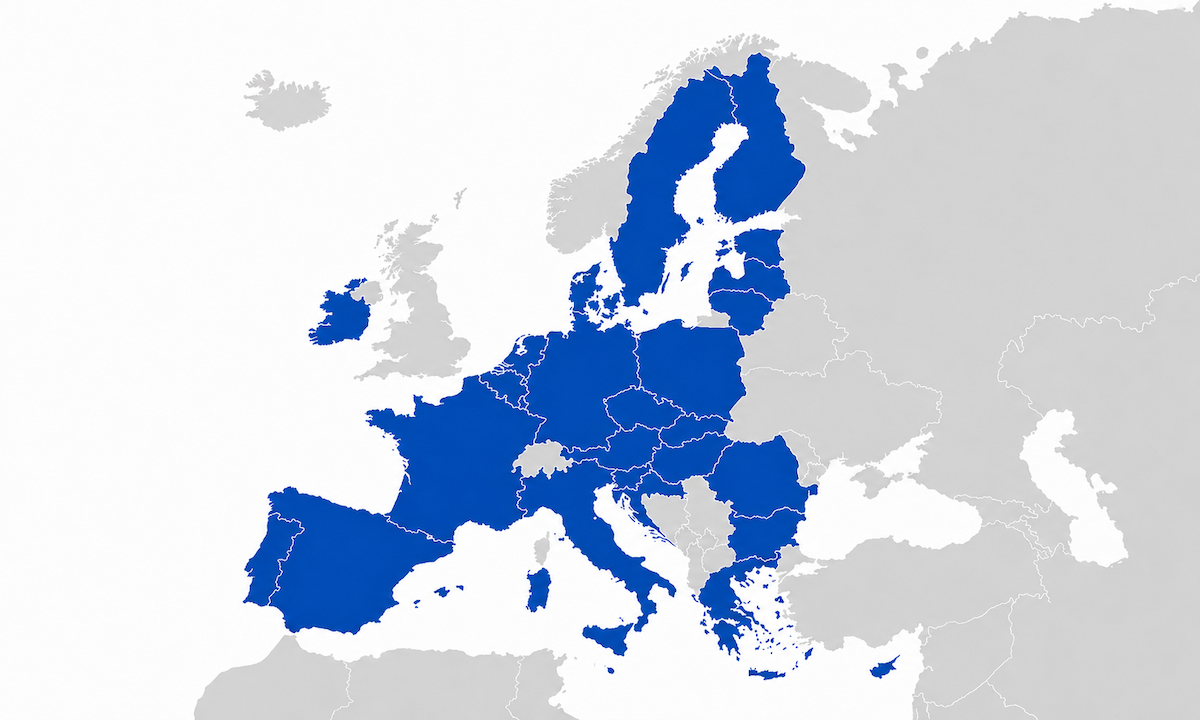
With 37 banks already committed before launch, Qivalis represents a serious European effort to reduce reliance on USD-dominated rails and shape the future of on-chain finance on its own terms.
Author: Andy Samu
The editorial team at #DisruptionBanking has taken all precautions to ensure that no persons or organisations have been adversely affected or offered any sort of financial advice in this article. This article is most definitely not financial advice.