Most assume the stablecoin opportunity is centered where the capital is, in New York, San Francisco, and London. The largest stablecoin markets on Earth are in countries where most VCs have never held a meeting.
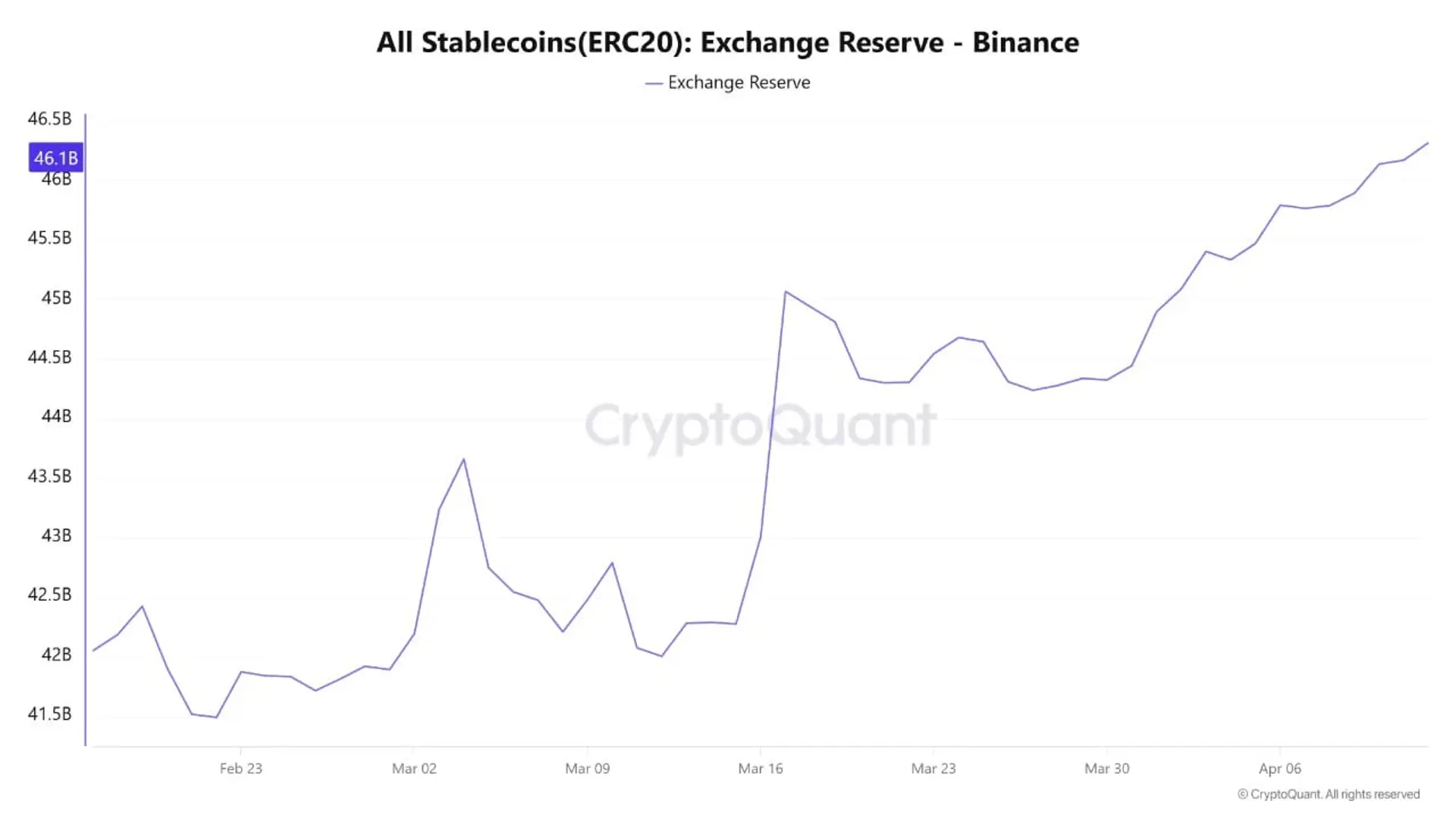
In 2025, stablecoin transaction volume crossed $28 trillion globally, surpassing Visa and Mastercard combined. Most founders and capital remain concentrated in the U.S. and Europe, where stablecoins remain an institutional product. That layer is already contested: BlackRock, JPMorgan, and Fidelity are moving into tokenized money markets and enterprise settlement, leaving far less room for venture-backed startups than the narrative implies.
The real demand is happening somewhere else. Nigeria alone has over 26 million crypto users, more than one in eight adults, and 59% of them hold USDT. Across Latin America, stablecoin flows represent 7.7% of regional GDP according to IMF data. The question is no longer whether emerging markets matter. The question is why so many VC portfolios still behave like that data does not exist.
The stablecoin volume map does not match the founder map
Stablescape, which tracks over 3,000 stablecoin and crypto-fintech companies globally, finds that 1,300 are based in the United States. Emerging markets across Latin America, sub-Saharan Africa, Southeast Asia, and the Middle East represent just 32% of tracked companies, despite generating the majority of real-world stablecoin volume.
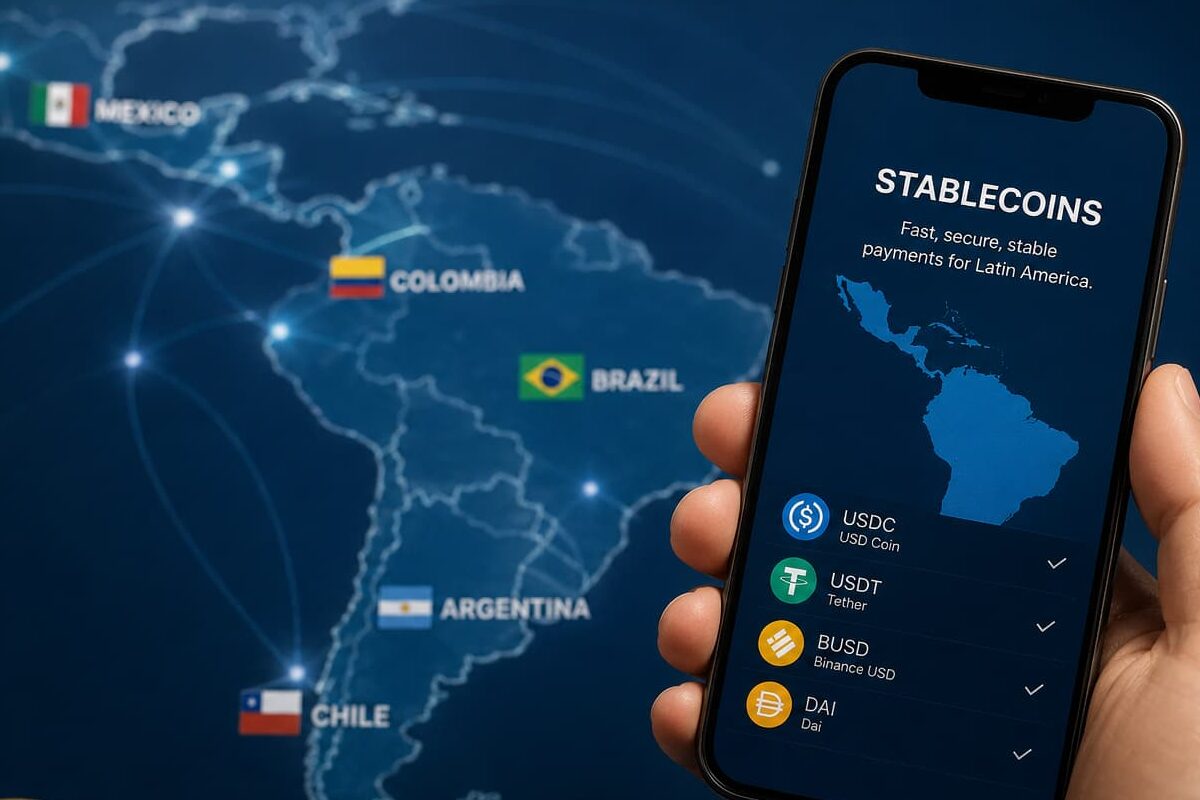
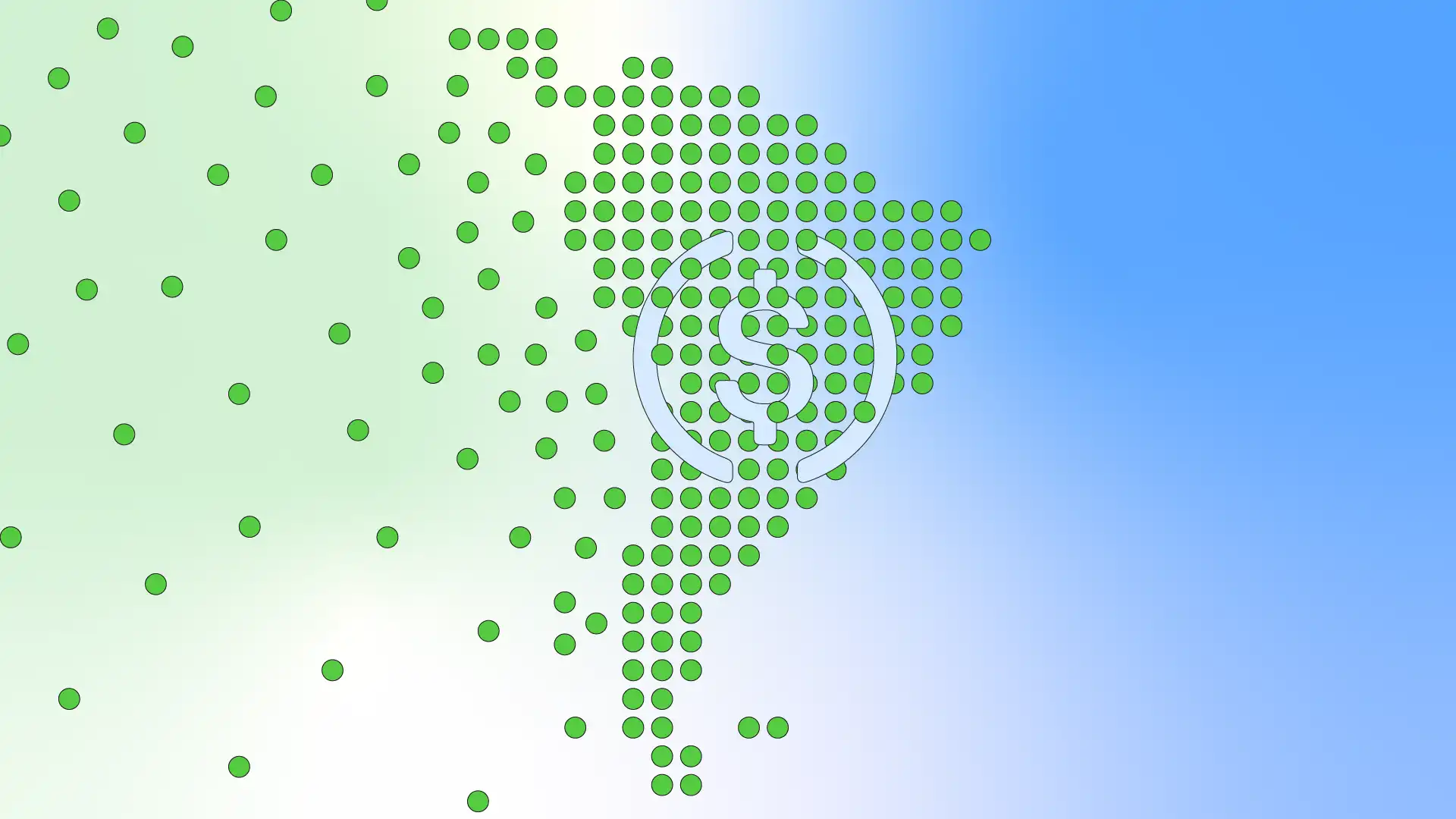
In Argentina, stablecoin purchases make up over half of all exchange transactions, driven by triple-digit inflation and currency controls that make dollar access a bureaucratic obstacle course. Brazil registered $318.8 billion in crypto inflows through mid-2025, with over 90% flowing through stablecoins. Sub-Saharan Africa grew 52% year-over-year, receiving over $205 billion in on-chain value. The founders building infrastructure for that demand remain concentrated in cities where the problem has never existed.
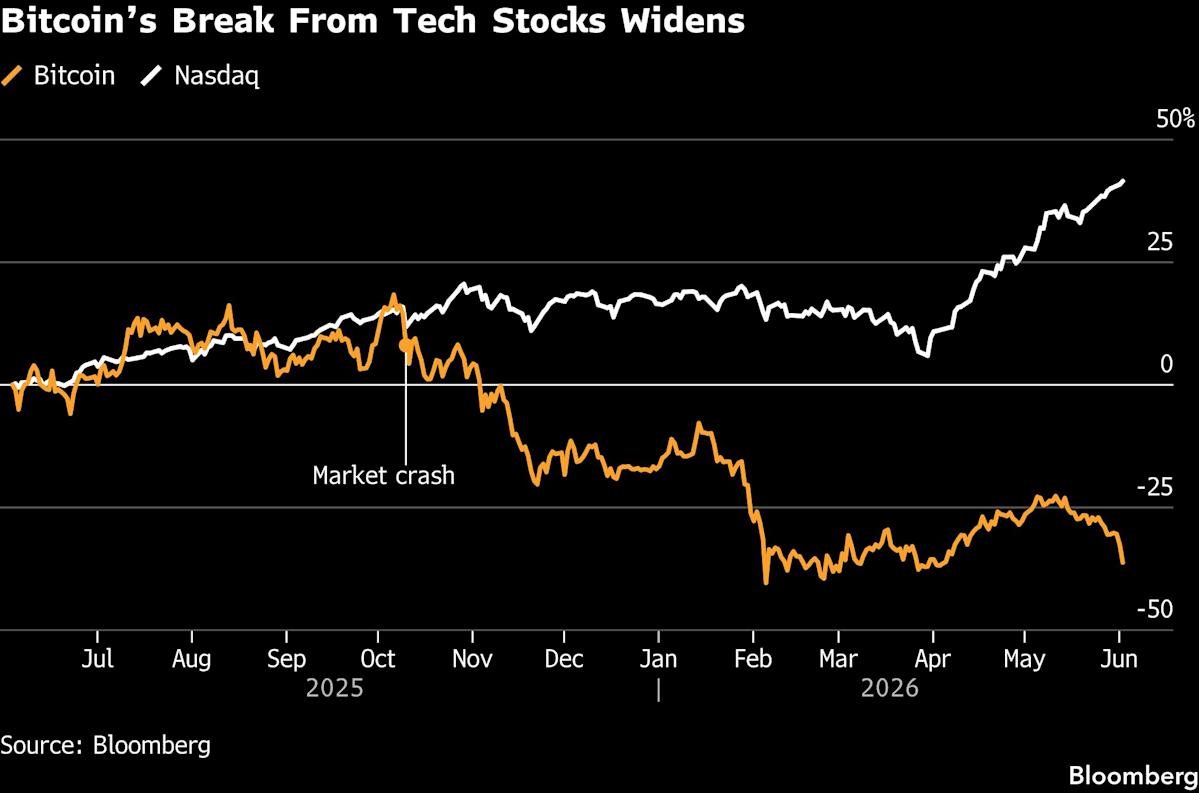
Argentine Stablecoin Use Surged Ahead of President Milei’s Midterm Election Win
In emerging markets, stablecoins are the product
The Western crypto narrative frames stablecoins as infrastructure for more sophisticated use cases, programmable settlement rails, DeFi yield, enterprise treasury management. In those markets, stablecoins improve systems that already function. In Lagos, Buenos Aires, and Istanbul, the starting point is different. For millions of people, stablecoins are the first reliable way to hold dollar value outside banks that fail, currencies that collapse, or intermediaries that can cut access overnight.
Opera, Celo Scale Up Partnership to ‘Make Stablecoins Useful’ For Millions of Users
B2B stablecoin payments across Latin America grew from under $100 million per month in early 2023 to over $6 billion per month by mid-2025, a 60x increase in 30 months driven by cross-border commerce rather than retail speculation. Consumer stablecoin products carry compounding overhead: compliance costs that scale with user count, fragile local banking relationships, and unit economics that rarely survive small retail transfers. Yellow Card, operating across 34 countries, exited its consumer business entirely to focus on B2B. Bitso built its durable position in the Mexico-U.S. corridor through business payment flows, not retail wallets. In each case, the advantage was proximity: founders who understood their corridors from the inside.
Why venture capital keeps missing stablecoin emerging markets
In 2024, 30 VC firms captured 75% of all capital raised by U.S. funds. Those funds have the stablecoin macro thesis right. They have the geography wrong.
A Sand Hill Road fund’s pattern recognition about San Francisco founders provides almost no signal about which Lagos or Buenos Aires or Manila founder can execute. The counterargument is that emerging market fintech lacks viable exits. The data disagrees. OPay is seeking a $4 billion valuation ahead of a potential IPO built on African payments infrastructure, and Modern Treasury acquired Beam, a stablecoin cross-border liquidity startup, for $40 million. The exit market is forming around the same corridors Western funds have been slow to back.
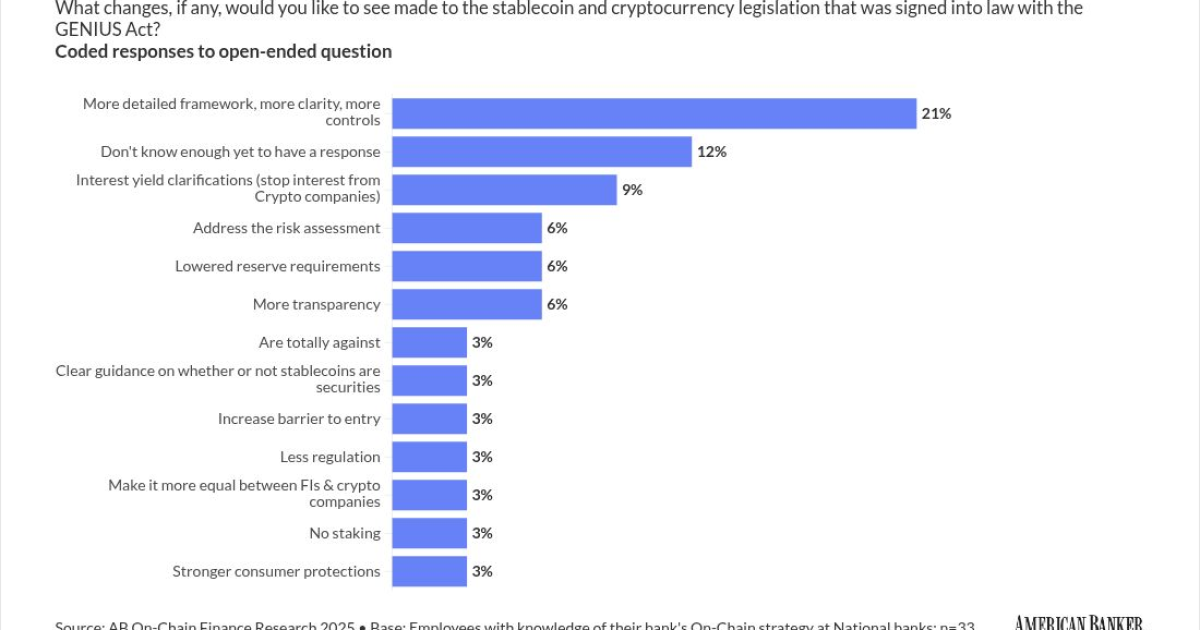
Regulatory gravity compounds the concentration. The GENIUS Act and MiCA are meaningful, and institutional capital follows clarity wherever it arrives. What that framing misses is that U.S. regulatory clarity is about making stablecoins safe for compliance departments. The volume in Nigeria and Argentina requires no additional regulatory clarity, outgrows the U.S. market on nearly every metric, and is served by companies funded by regional networks that Western funds have no relationship with.
Scale of Stablecoin Adoption in Nigeria Makes Risks ‘More Pronounced’, Says IMF
The stablecoin corridors that will produce the next generation of winners
The Philippines received $39.6 billion in personal remittances in 2025, with transfer costs averaging 5 to 7% against a stablecoin transfer cost measured in fractions of a percent. Nigeria’s 2025 Investment and Securities Act brought virtual assets under formal oversight, with licensing regimes across South Africa, Botswana, Mauritius, and Namibia, and regulatory sandboxes now live across East and West Africa.
Nigeria Invites Stablecoin Startups, a Year After Binance Crackdown
These corridors will produce the stablecoin companies of the next decade the same way Brazil produced Nubank: by building for a customer the incumbent system ignored, with local knowledge outside entrants spent years failing to replicate. El Dorado, a Latin American stablecoin super-app, crossed 600,000 users and 3 million transactions in 2025, reaching $2.7 million ARR through 12x annual growth, and became Venezuela’s most downloaded crypto app. Multicoin Capital and Coinbase Ventures backed it after the market had already validated the model. Volume first, local validation second, global capital third, that sequencing will repeat across every major emerging market corridor over the next five years.
The stablecoin investment thesis most funds are missing
The stablecoin market has already split in two. One side builds enterprise infrastructure for regulated Western institutions: treasury orchestration, compliance tooling, settlement rails. The other builds dollar access for billions of people inside unstable monetary systems, where stablecoins are not a crypto product but a financial lifeline. One side controls most of the venture capital. The other already has most of the demand.
The on/off-ramp layer, where 57% of companies are locally founded in emerging markets, along with regional remittance networks and local-currency issuers across MENA, Latin America, and Southeast Asia, remains underfunded relative to the demand beneath it. Companies like Kulipa, building stablecoin payment infrastructure for African markets, and Mural Pay, focused on cross-border B2B payments across Latin America, represent the category that appears small by Western VC standards until the corridor they serve becomes impossible to ignore.
The next generation of stablecoin companies will come from founders in Lagos, São Paulo, and Manila. The funds building those relationships today will generate the best returns in stablecoins over the next decade. Those that wait until the companies appear in Crunchbase will pay the same premium investors have paid in every emerging market cycle before this one.
The map is already drawn while the volume is already there. The only thing missing is where venture capital is looking.
The views and opinions expressed by the author are for informational purposes only and do not constitute financial, investment, or other advice.