
Participants in the digital asset sector were busy this week opining on Bitcoin, AI, stablecoins, and quantum resistance before heading off for the July 4 holiday (in the US).
Bitcoin
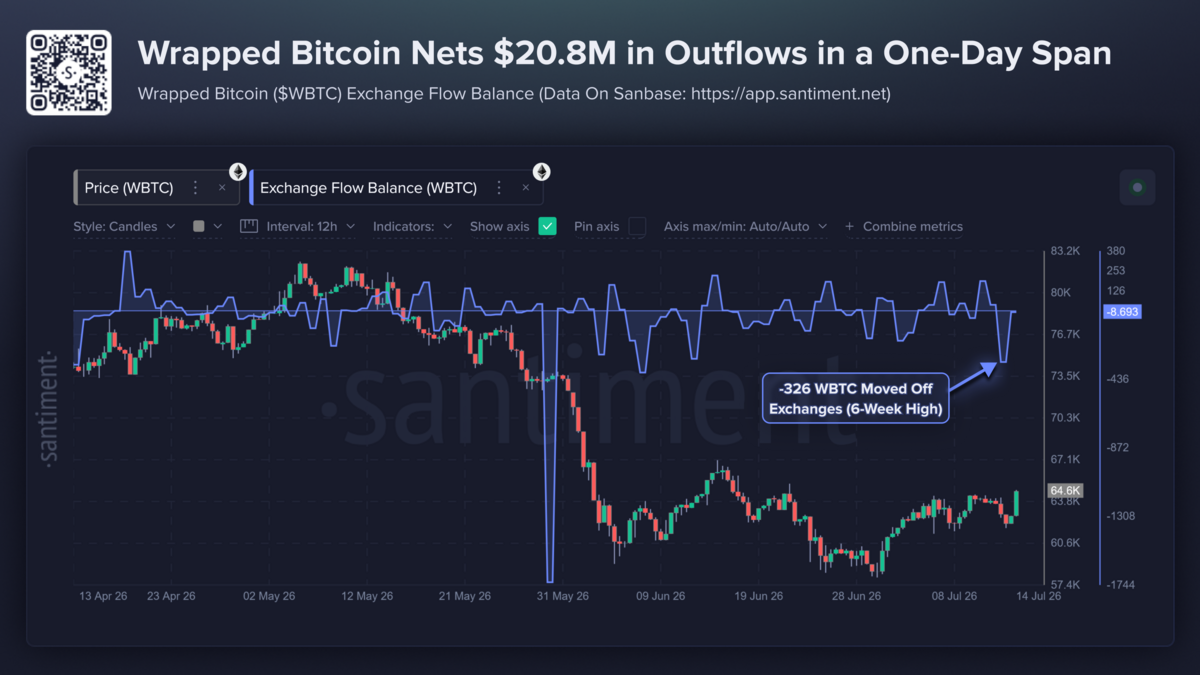
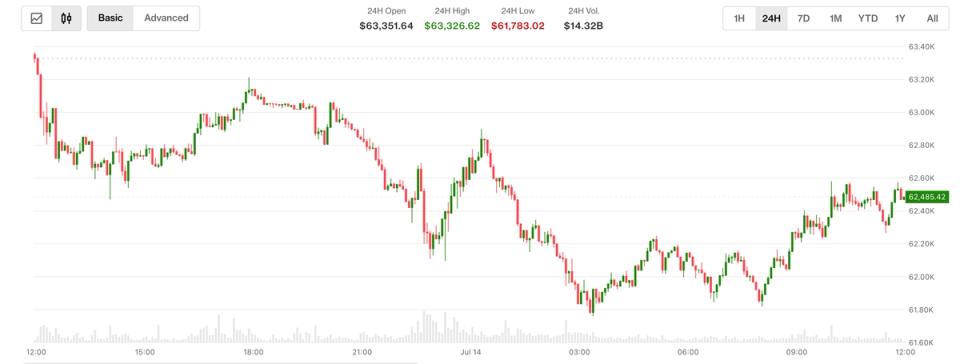
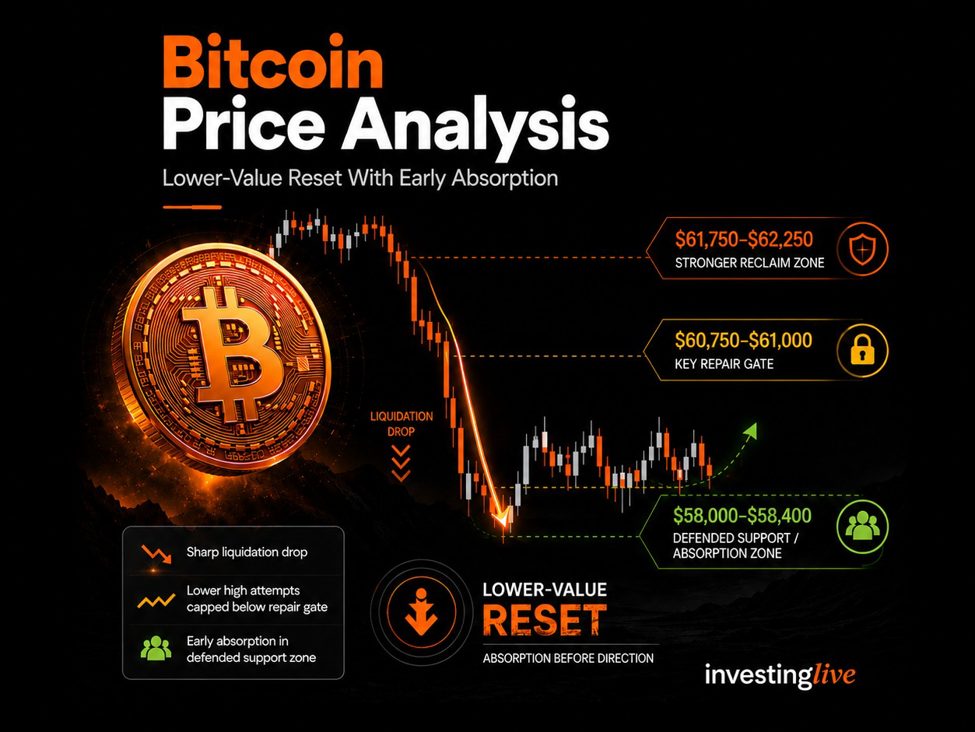
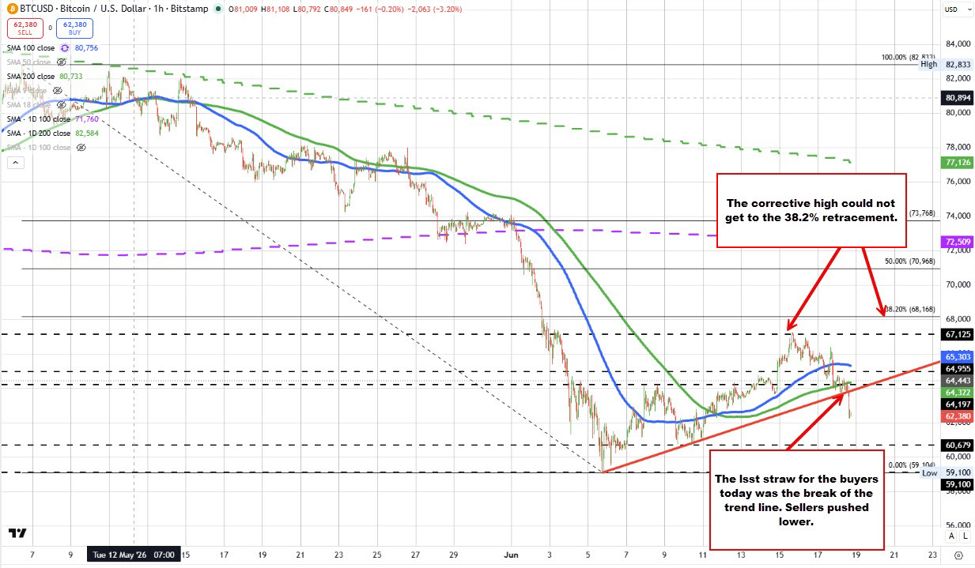
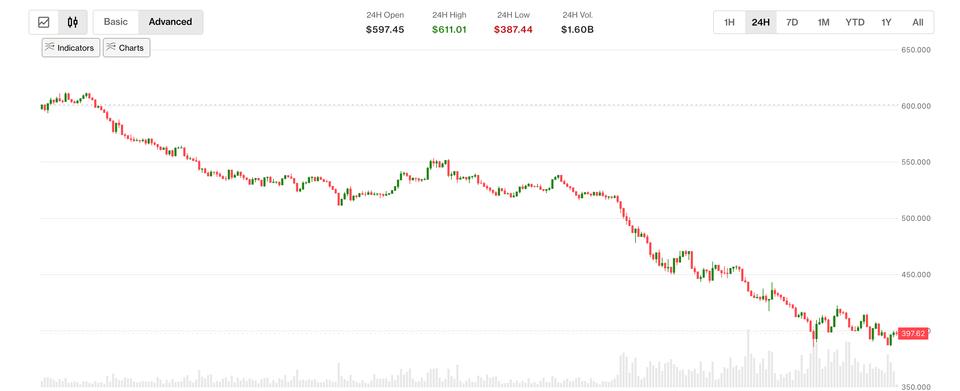
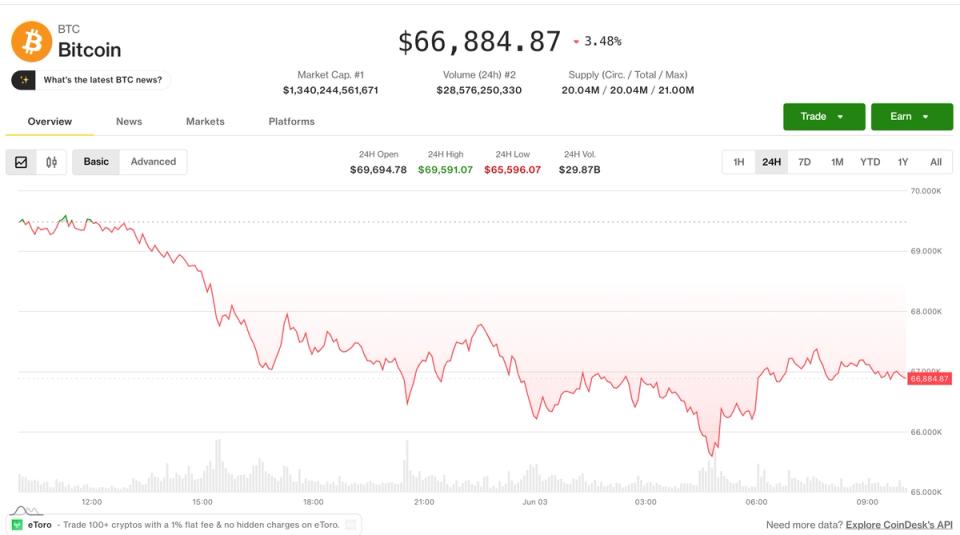
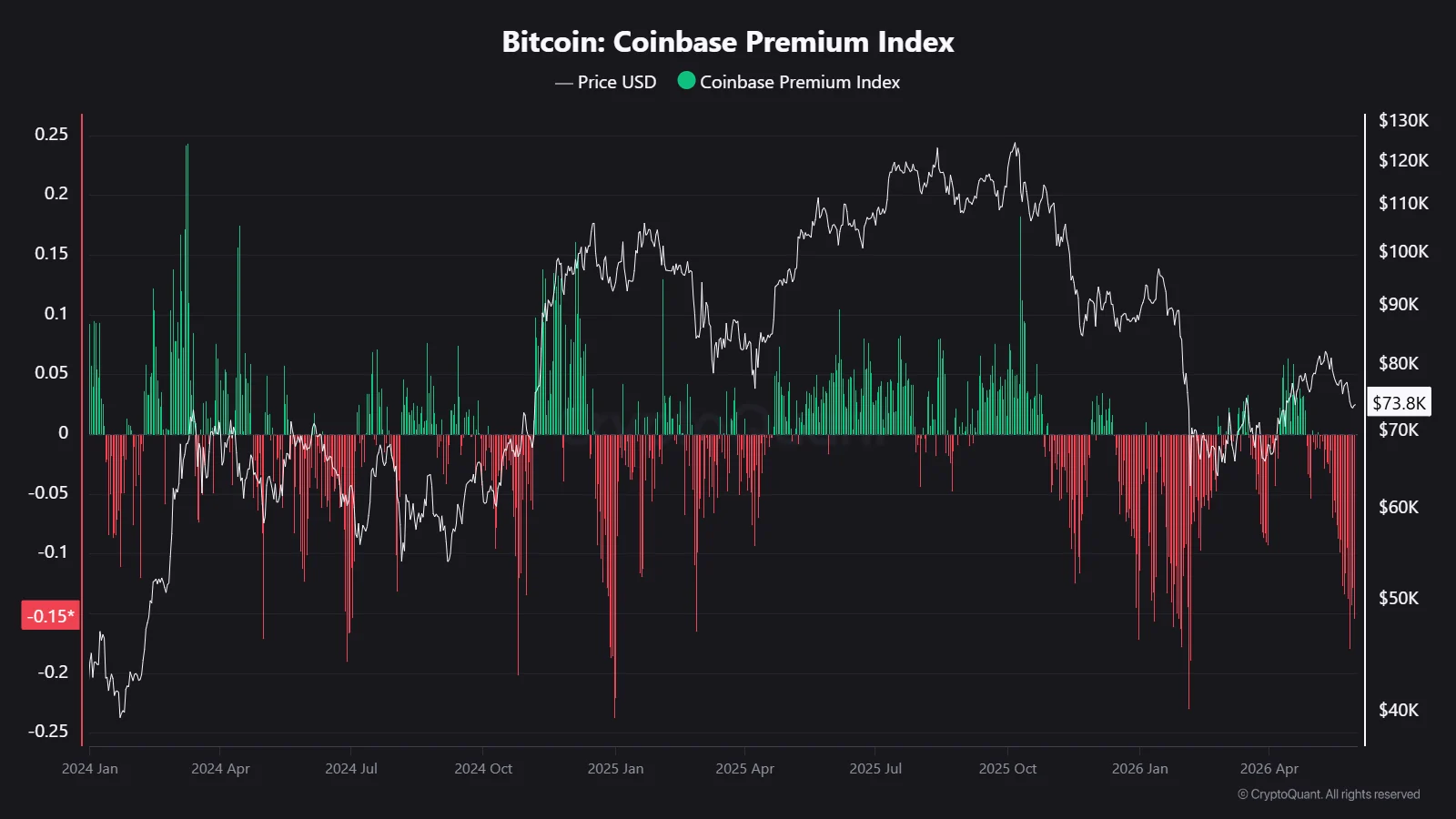
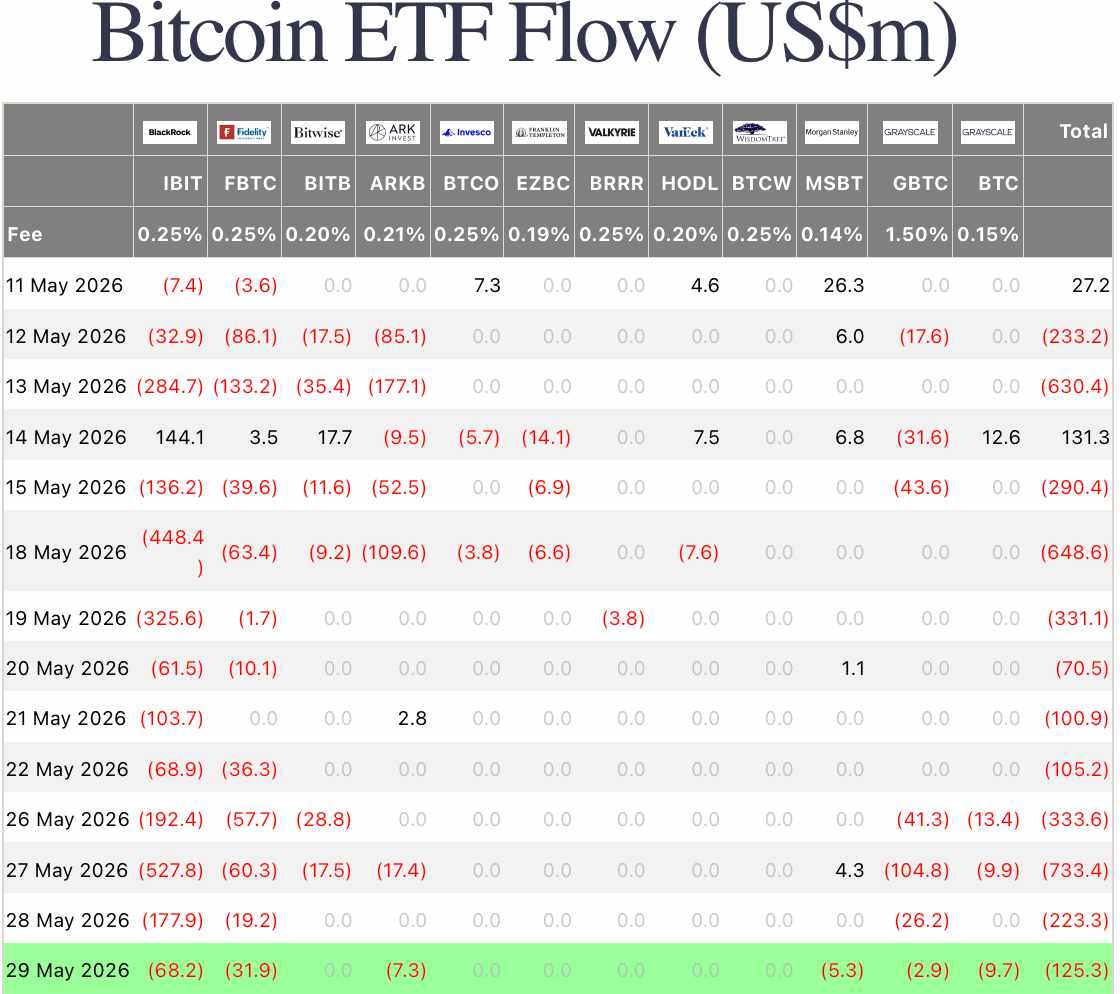
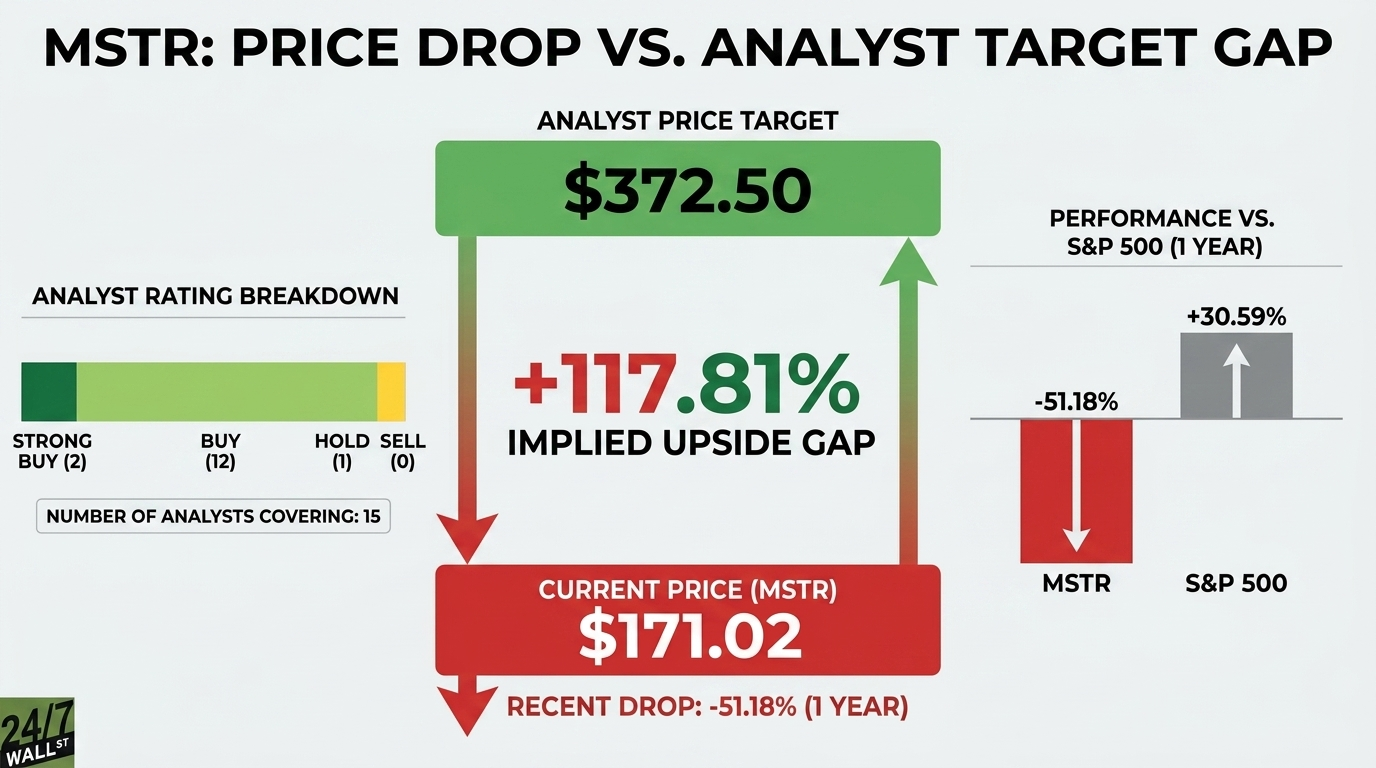
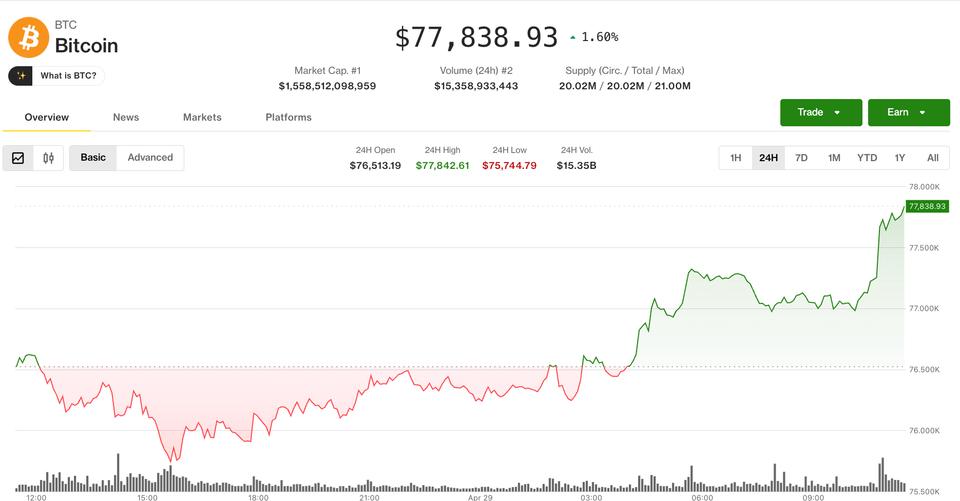
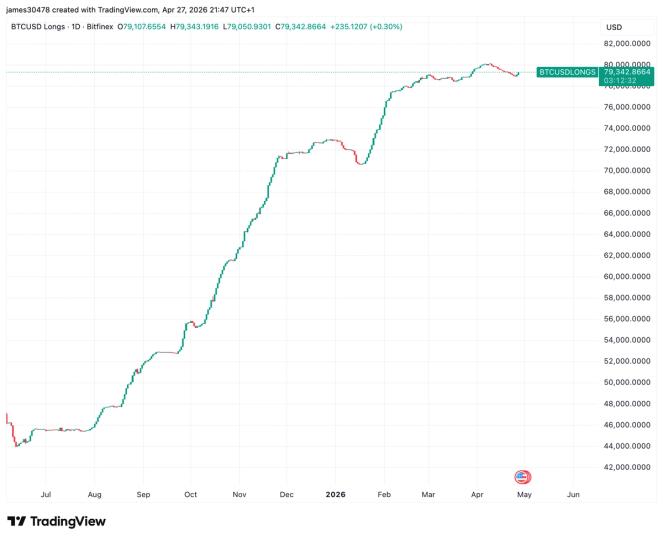
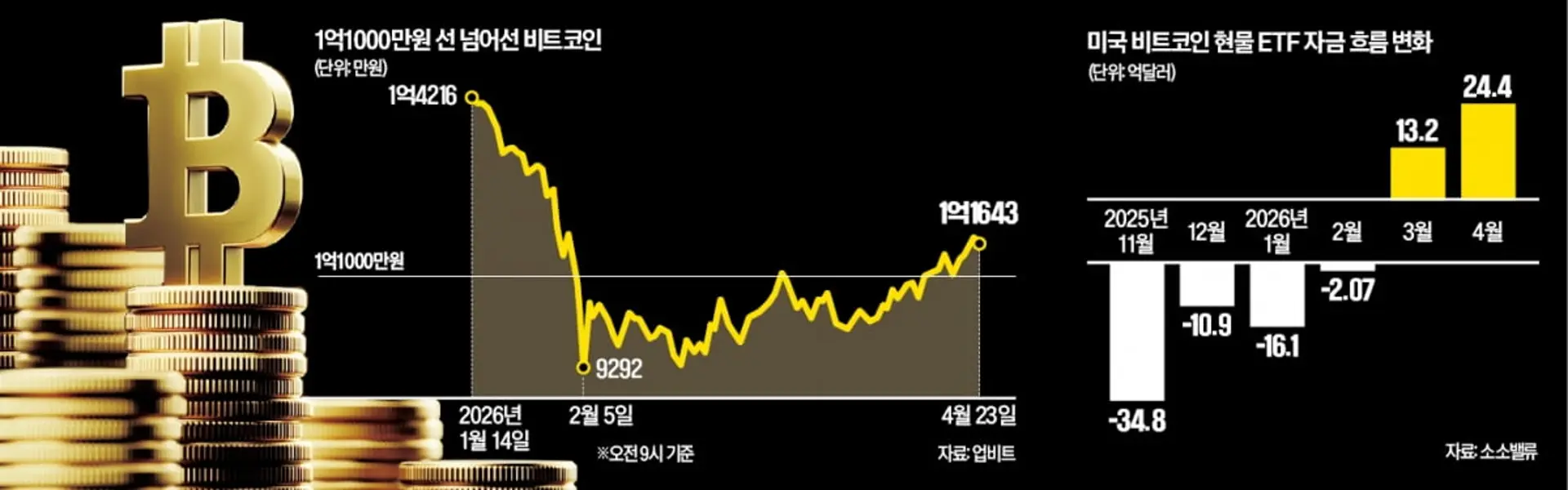
“BTC’s negative premium on Coinbase has been widening — a sign that U.S. institutional buying remains tepid. Meanwhile, Strategy (STRC) briefly dipped below $84. No immediate blow-up risk, but the ‘what if they need to sell?’ overhang is real, and it’s keeping a lid on sentiment.
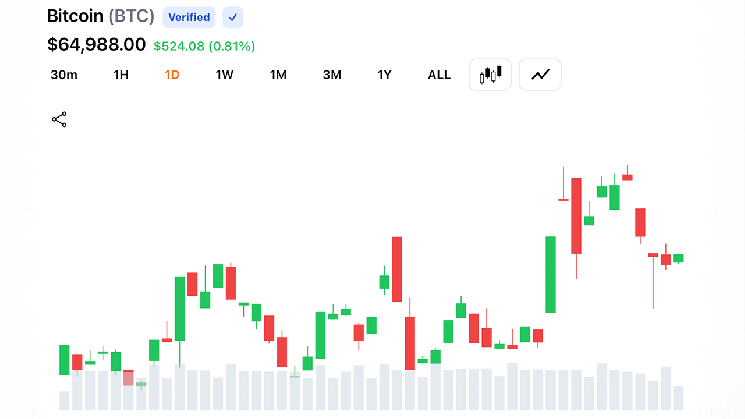
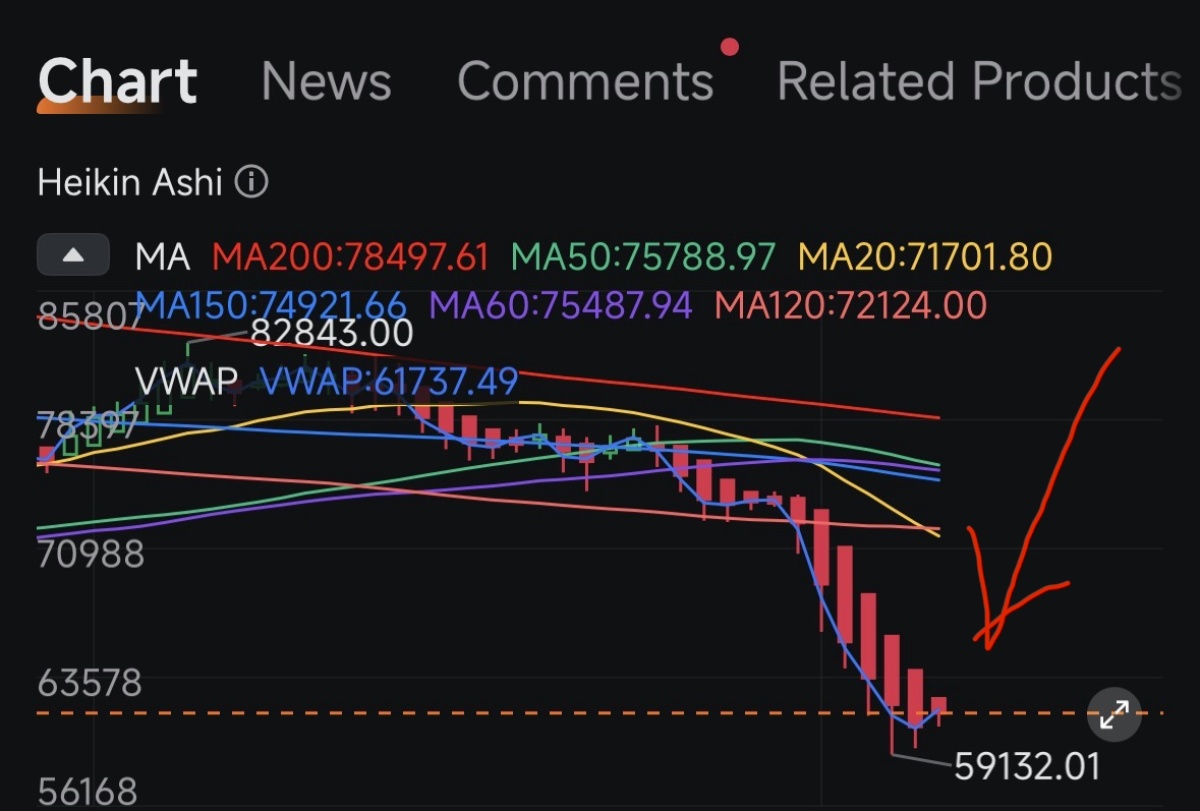
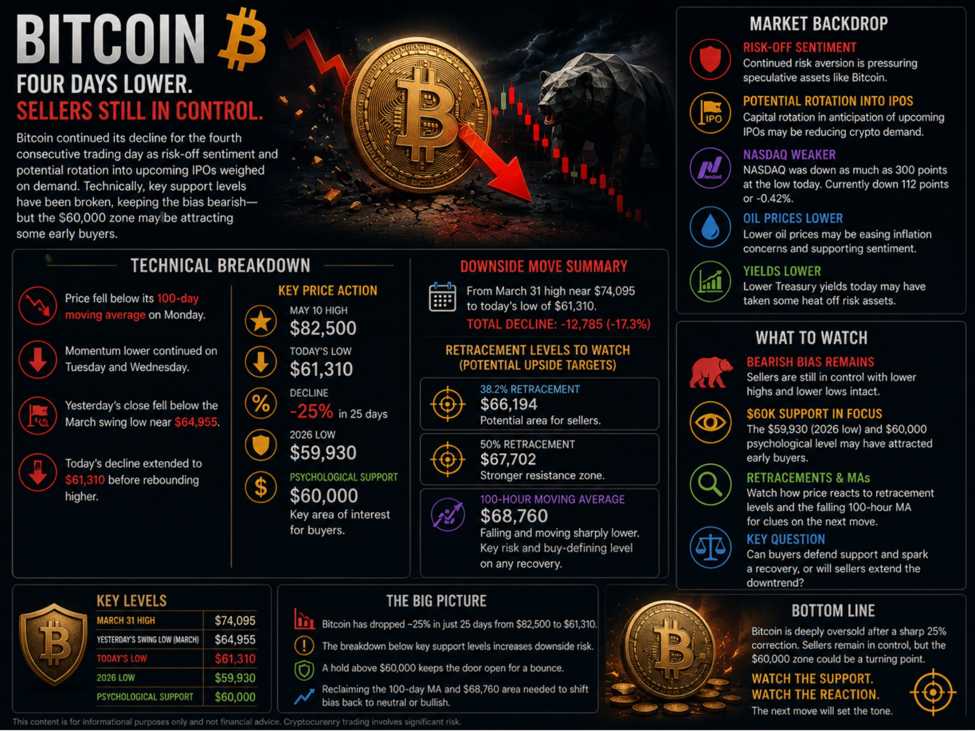
“On the technical side, BTC remains pinned under its daily 20- and 50-day moving averages, with short-term MAs bearishly stacked and diverging. The daily RSI sits near 40 — weak, but not yet oversold. Bollinger Bands are tilting slightly downward, with the middle band acting as strong resistance.
“With bulls struggling for follow-through and bears holding the momentum, BTC will likely continue grinding below resistance, probing for real demand on the downside.”
Key Levels:
Resistance: $64,650 / $66,900 / $69,800
Support: $63,500
– Bitfire Group
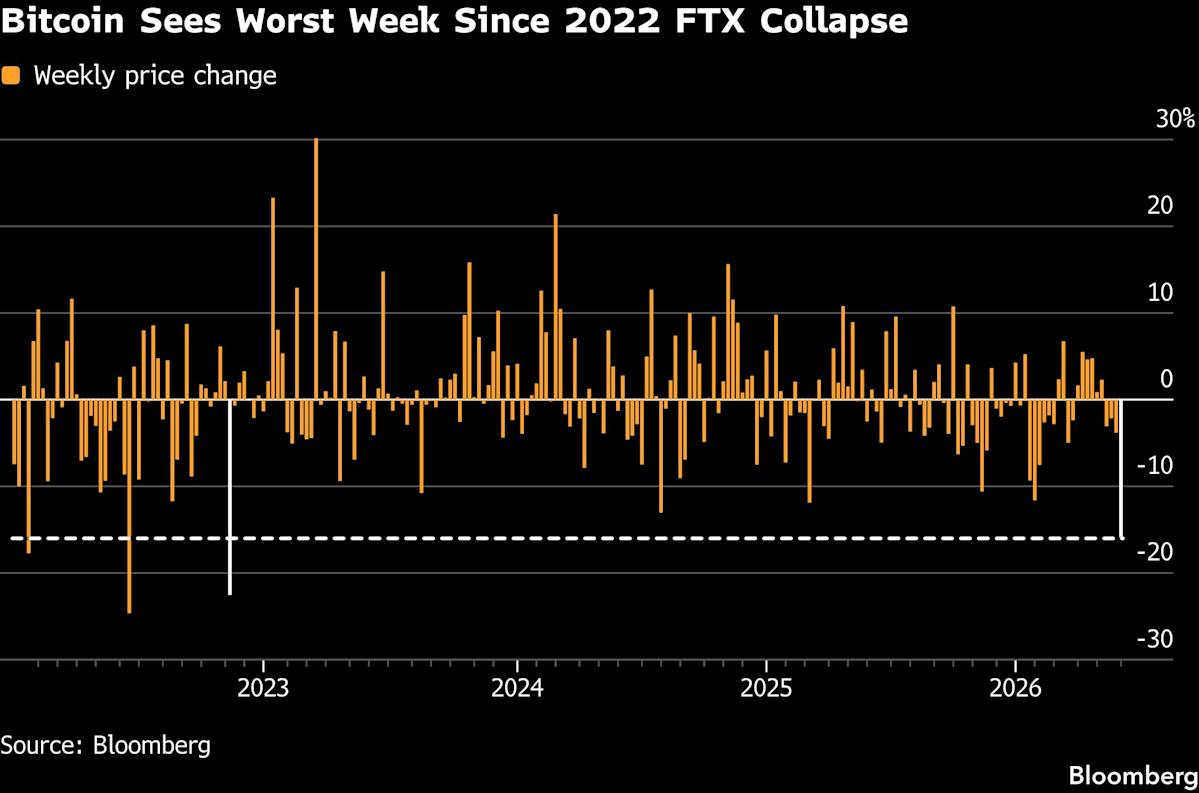
“Bitcoin dropping in price during its quadrennial bear market phase is the norm, not the exception. Layer in a risk-off move in the overbought chip sector, and it adds to the sell pressure from institutions.
“Retail sees the price going down, and many follow like sheep. The smart money looks at the charts and sees a buying opportunity. Nothing fundamental has changed with Bitcoin; it always has a year-long bear market after the bubble pops.”
– Michael Terpin
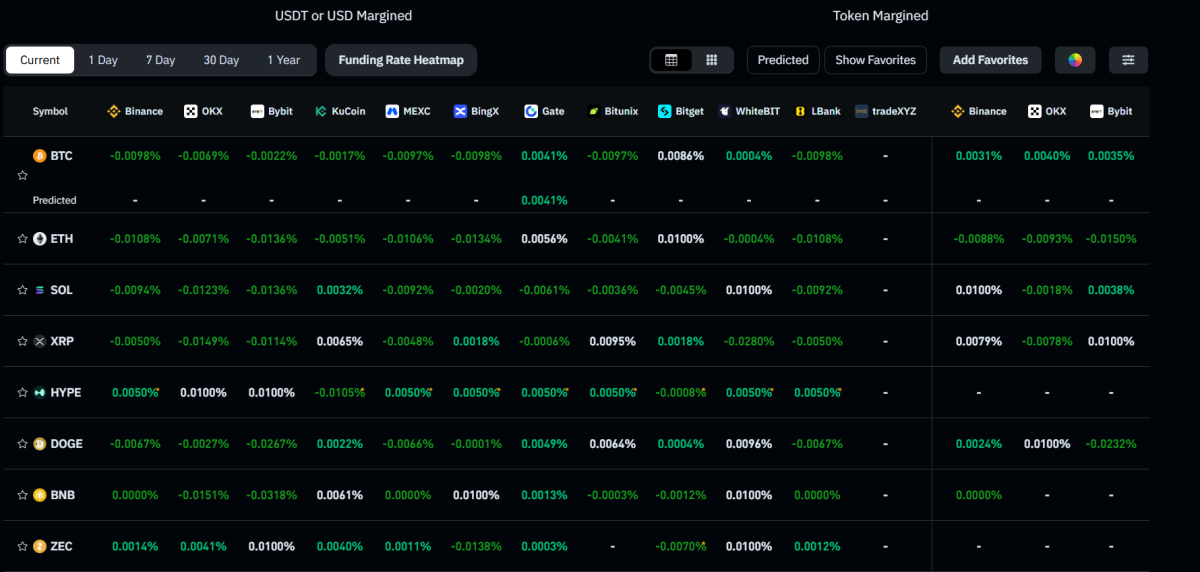
“The global tech stock selloff of the last 24 hours has coincided with another bout of de-risking out of digital assets and pushing up options prices. This indicates that investors are paying more for insurance against further potential downside price movements.
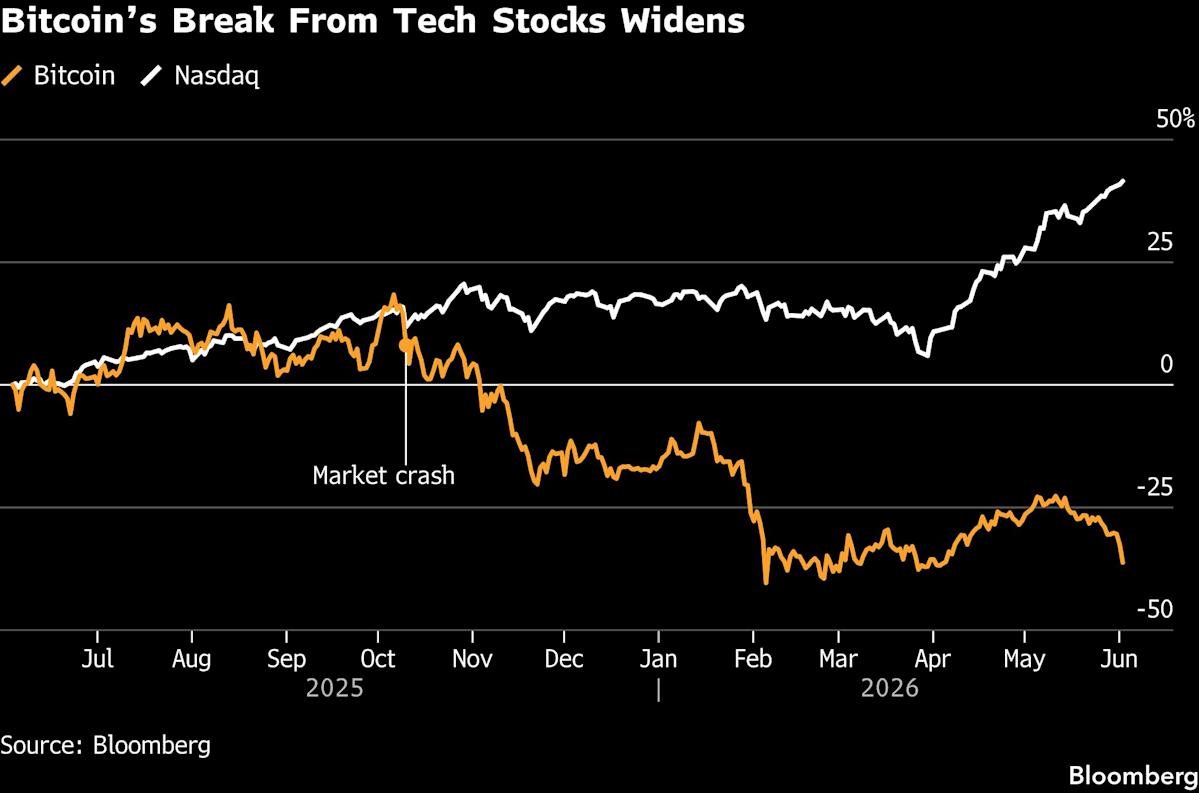
“We’ve seen this story several times over the past year alone. Fears over lofty AI valuations and concerns around AI spending have driven risk-off moves in US equities, and those risk-off moves have coincided with a selloff in BTC and crypto, which remain strongly correlated to the S&P 500 and Nasdaq-100.
“Seven-day at-the-money BTC implied volatility jumped from 35% to 42%, while the volatility premium for downside protection increased once more. The 25-delta put-call skew, a measure of the implied volatility of out-of-the-money calls relative to puts, has fallen from -3% last week to -10% yesterday.
“We’ve seen OTM puts trade with higher implied volatility than calls for most of this year, unsurprising given how far BTC is from its all-time high. Even brief periods of spot recovery, for example, the May rally back towards $80K, have been unable to drive a meaningful skew back towards call options, further indicating investors’ risk aversion.
“Beyond the recent tech selloff, our data has revealed an interesting trend in volatility and options markets over the first half of 2026, namely the compression in the ETH/ BTC at-the-money implied volatility ratio.
“Last year, that ratio increased to as much as 2.5, indicating that ETH seven-day options traded with an implied volatility 2.5x larger than similarly dated BTC options. In 2026, however, the ratio spent much of the year hovering between 1.3 and 1.4, driven partly by a compression in ETH volatility towards BTC volatility. One potential factor behind that compression could be the impact of institutional sellers of volatility.
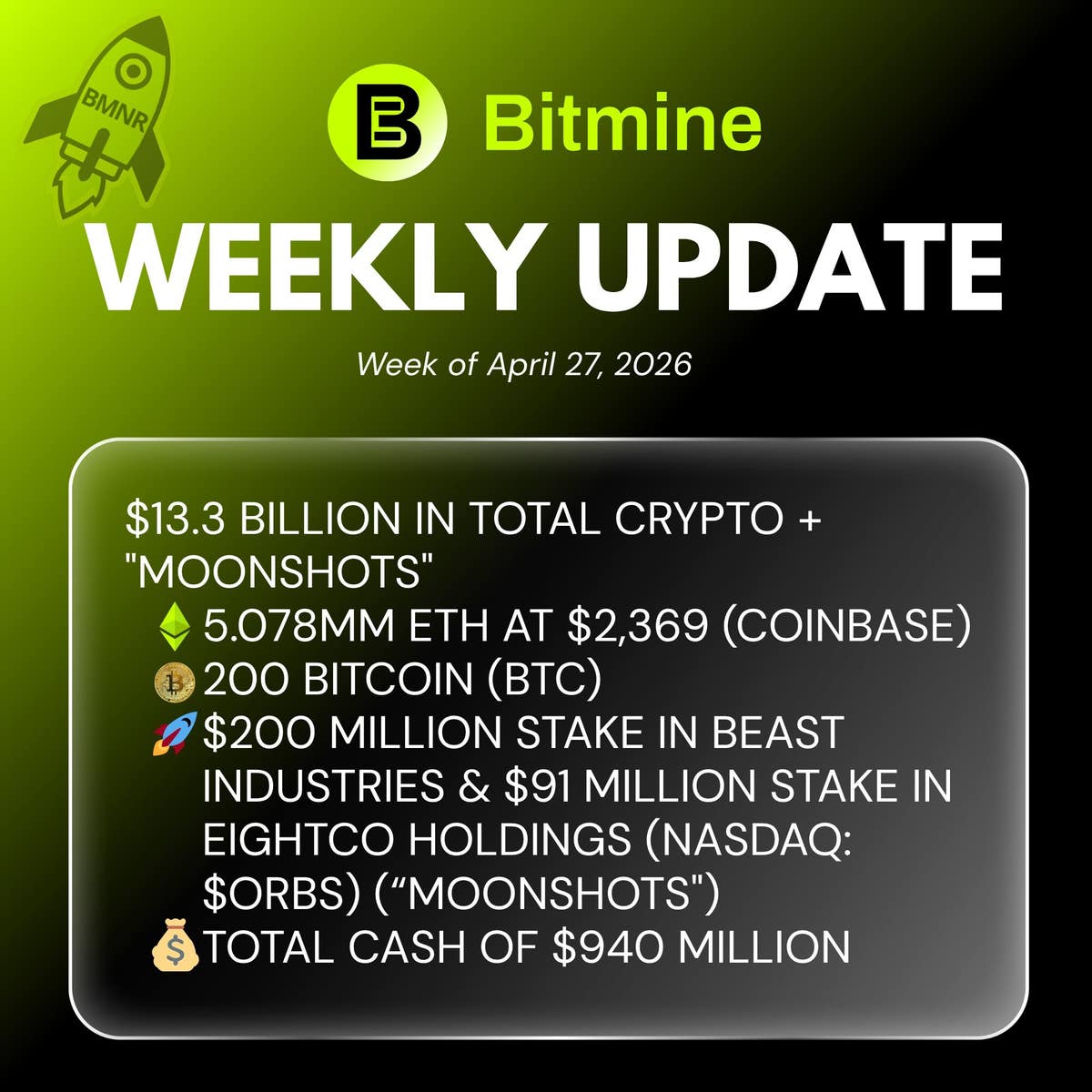
“In a SEC filing covering the period ending Feb. 28, Bitmine, the largest digital asset treasury firm for ETH, announced that the ‘Company began entering into ETH-denominated option contracts, primarily through the sale of put options.’”
“Additionally, there are a number of covered-call style ETH ETFs available, including Grayscale’s ETCO, Global X’s EHCC ETF and Amplify ETFs EHY. We’ve speculated in the past that the structural selling of volatility by digital asset treasuries had been one factor contributing to the oversupply of volatility in BTC options markets, and we could now be seeing something similar in ETH options.”
– Thahbib Rahman, research analyst at Block Scholes
Quantum resilience
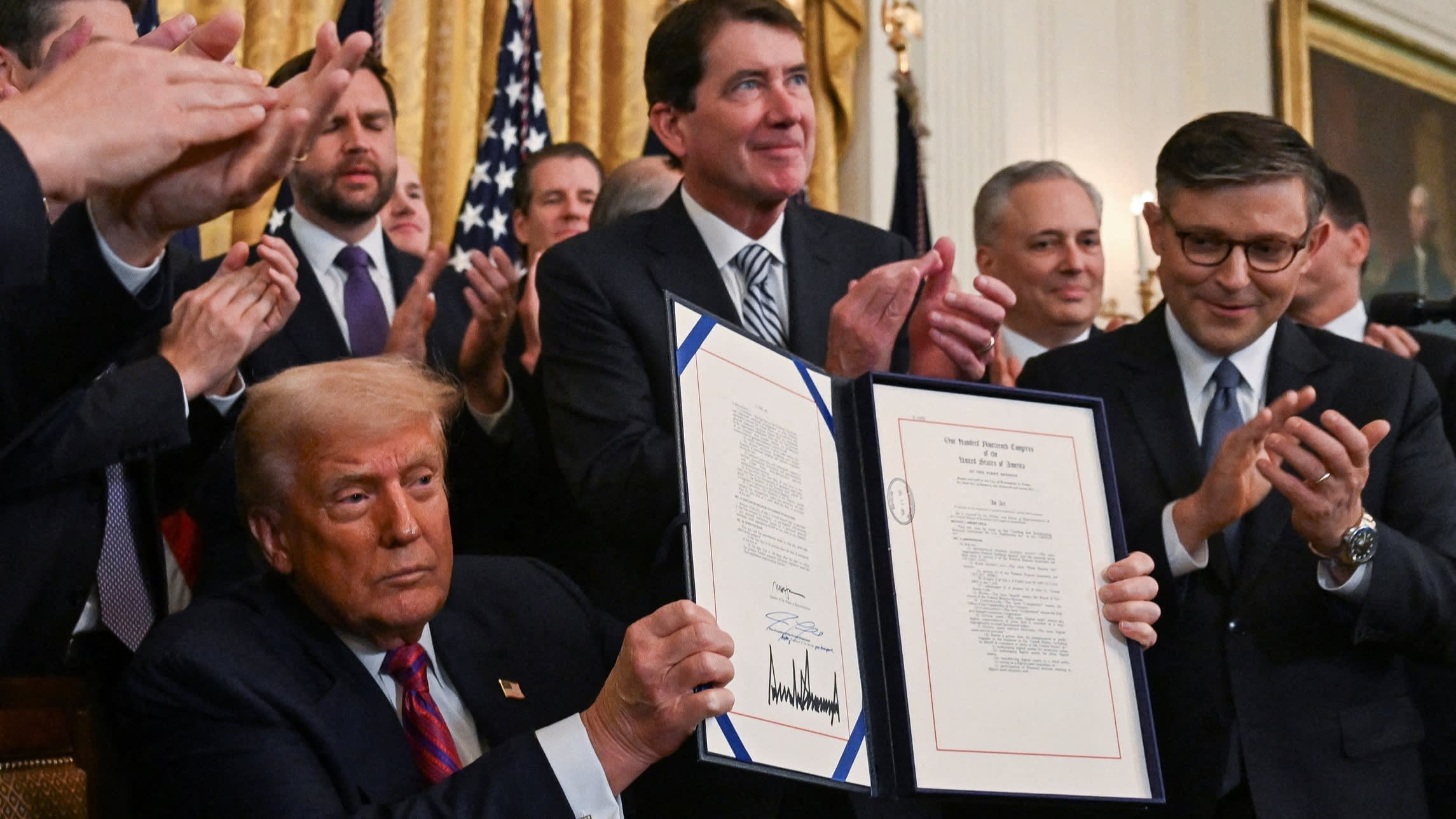
The US Quantum Resilience Clock just became operational
“The attack will begin quietly, inside traffic that was stolen years earlier and stored in a government warehouse, a hostile intelligence archive, or a private server farm no one was supposed to know existed. The files will look useless at first: encrypted diplomatic cables, defence communications, financial records, source code, identity data, and authentication logs.
“Then, one day, the machines will catch up. What could not be read yesterday will become readable tomorrow. That is the premise behind ‘harvest now, decrypt later,’ and it is why Executive Order 14409, ‘Securing the Nation Against Advanced Cryptographic Attacks,’ matters.
“For years, post-quantum cryptography was treated as a technical issue for standards bodies and cybersecurity teams. Important, but not yet urgent.
“That changed when the United States put dates on the board. Federal high-value assets and high-impact systems must move to post-quantum key establishment by Dec. 31, 2030, and post-quantum digital signatures by Dec. 31, 2031. Federal contractors and suppliers supporting federal systems are increasingly drawn into the same operating environment, with NIST-aligned quantum-resilience expectations likely to influence procurement and compliance requirements well before the deadlines arrive.
“Washington is not moving alone. Australia is telling organizations to stop relying on traditional asymmetric cryptography by the end of 2030. Canada is targeting 2031 for high-priority federal systems and 2035 for the rest of its non-classified government systems.
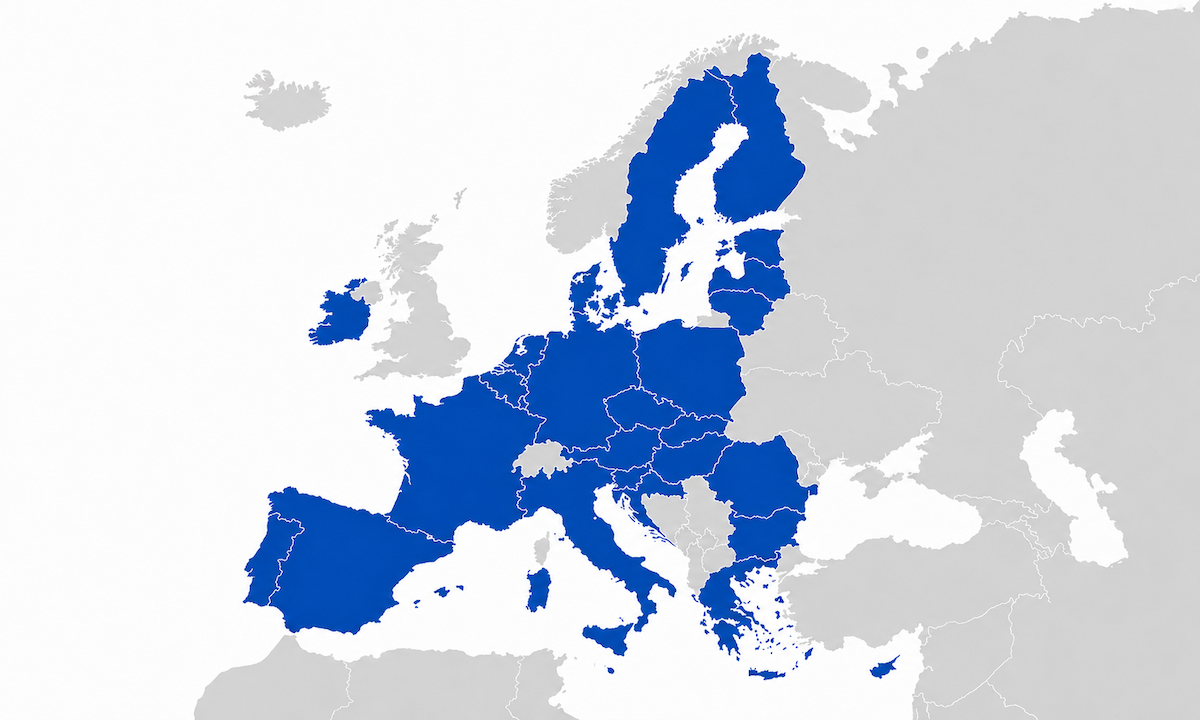
“The United Kingdom wants discovery and planning finished by 2028, priority migrations completed by 2031, and full migration by 2035. The European Union is coordinating member-state transition plans. France, Germany, and Japan are moving on their own tracks. Different capitals, different bureaucracies, same conclusion: the old cryptographic perimeter is running out of time.
‘The private sector has read the intelligence, too. Google has set its own internal target to migrate systems to post-quantum cryptography by 2029. That is not a symbolic date. At Google’s scale, a cryptographic migration is not a software patch; it is a global logistics operation.
“Ethereum is also preparing for the same threat from a different battlefield. Its quantum-resistance roadmap points toward full post-quantum protection by 2029, including changes to the signatures and cryptographic foundations that secure accounts, consensus, and the network itself.
“One is a hyperscale technology company. The other is a decentralized financial and computing ecosystem. Both are moving before the decade is out. But while a centralized giant can mandate a patch from the top down, a decentralized network faces a massive logistical bottleneck: upgrading immutable infrastructure without fracturing the network.
“The challenge extends beyond replacing one algorithm with another. Cryptographic standards will continue to evolve. New vulnerabilities will emerge. Regulatory requirements will diverge across jurisdictions.
“The organizations best positioned for this transition will not simply deploy post-quantum cryptography. They will build the ability to adapt as cryptography itself changes.
“That is the signal everyone else should be watching. The United States remains the world’s largest economy by nominal GDP and the anchor market for global technology procurement. When Washington sets a deadline, federal vendors hear it first. Then cloud providers hear it. Then banks, defence contractors, telecom networks, energy companies, software platforms, insurers, and capital markets hear it. The deadline does not stop at the federal firewall. It moves through the supply chain.
“The organizations that survive this transition will not be the ones that wait for quantum computers to arrive. They will be the ones who already know where their cryptography lives, which systems depend on it, which vendors can migrate, which certificates need replacement, which devices cannot be upgraded, and which contracts need to change.
“The hard part is not the math. The hard part is the inventory and the agility to act on it. Somewhere inside every enterprise is a forgotten protocol, an old appliance, a buried dependency, or a long-lived certificate that still assumes the future will look like the past. Executive Order 14409 is a warning that it will not.”
– Yoon Auh, founder of BOLTS Technologies
Bank of England’s stablecoin stance
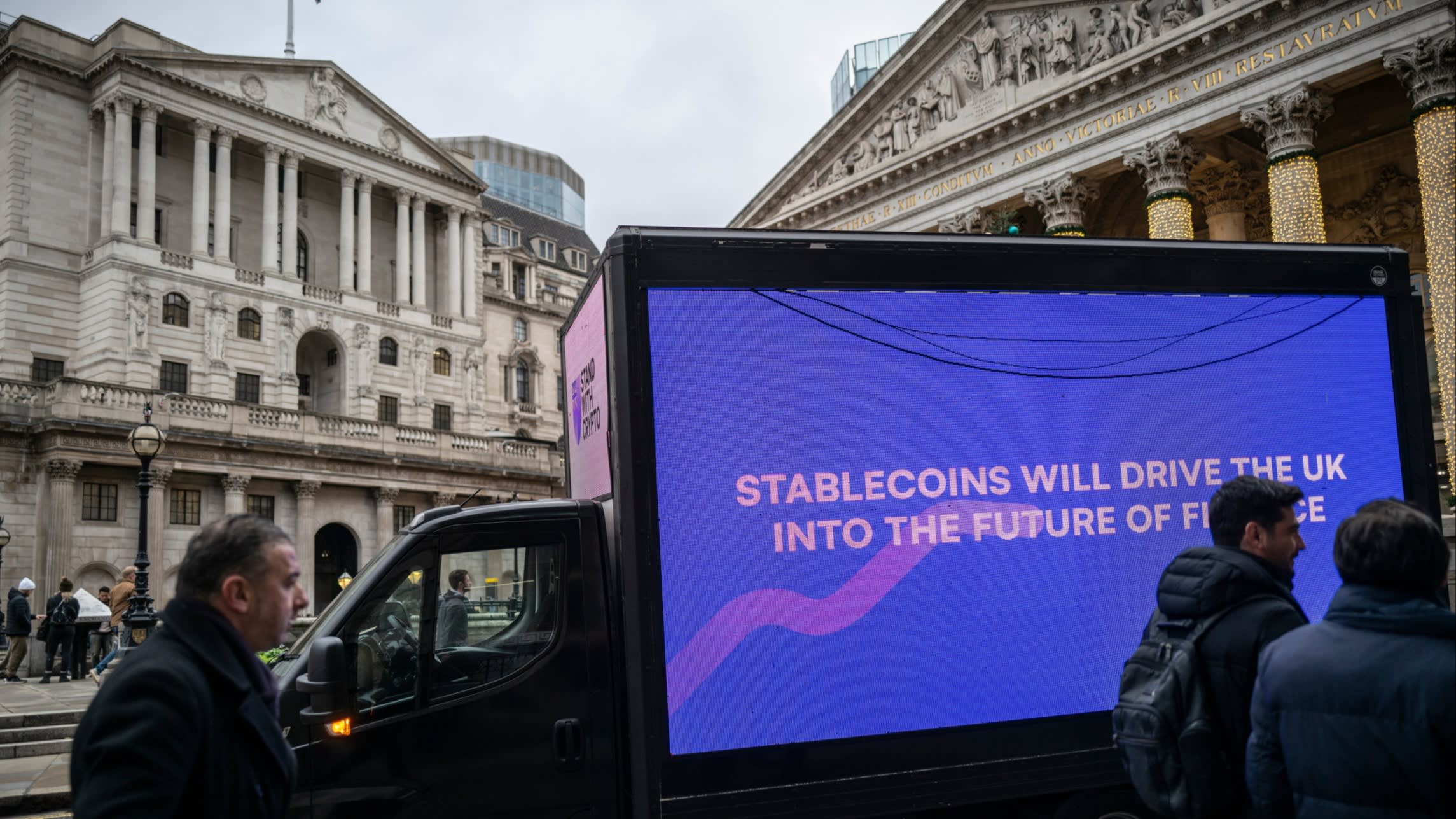
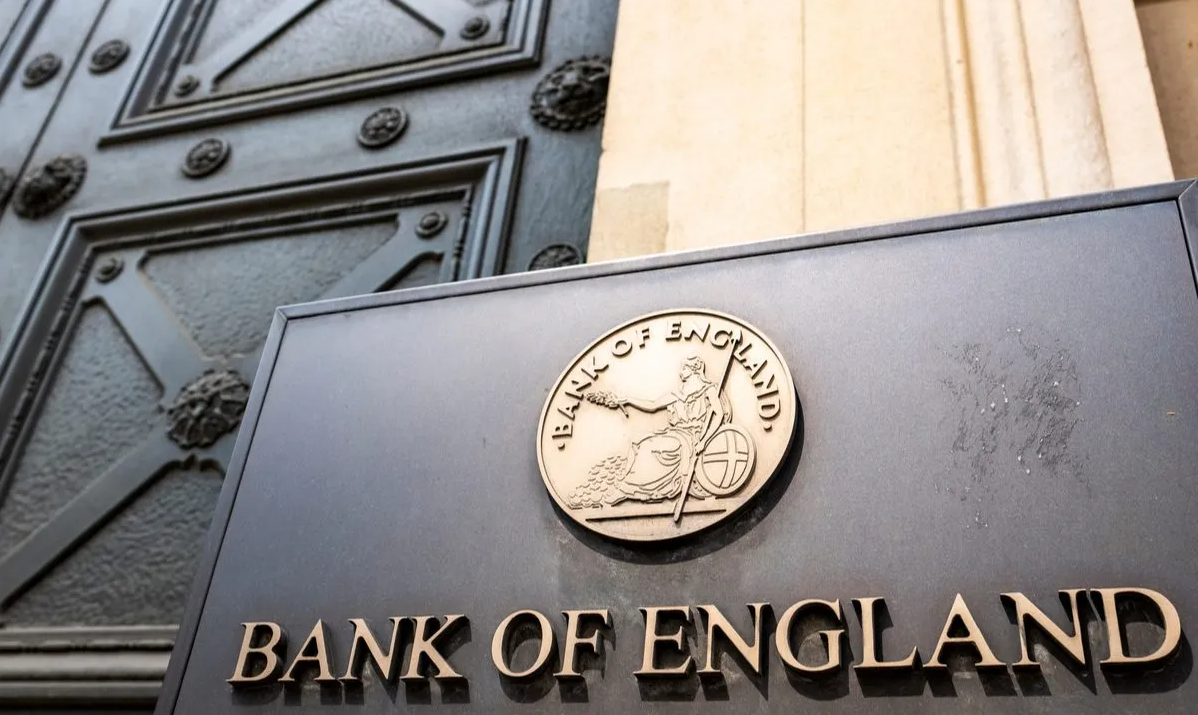
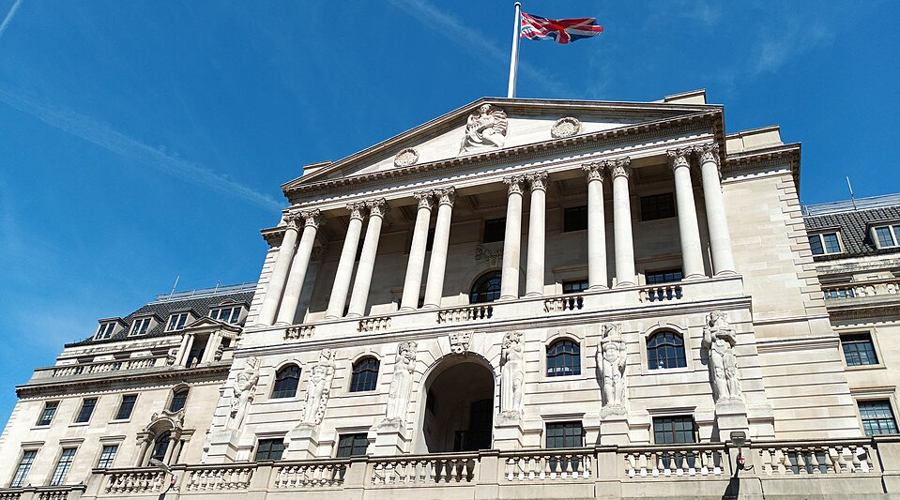
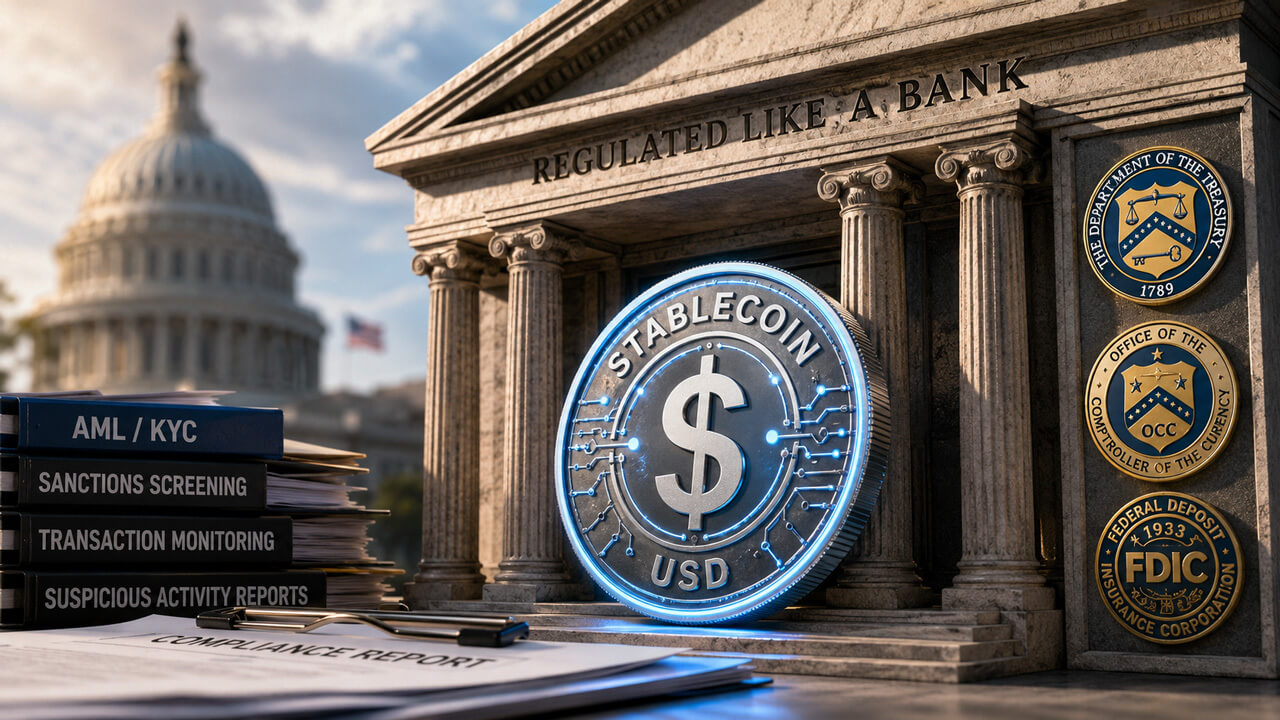
“The Bank of England’s decision to remove individual ownership caps and lower reserve requirements is a welcome step forward, but the £40B issuance limit suggests policymakers are still focused on the wrong risk.
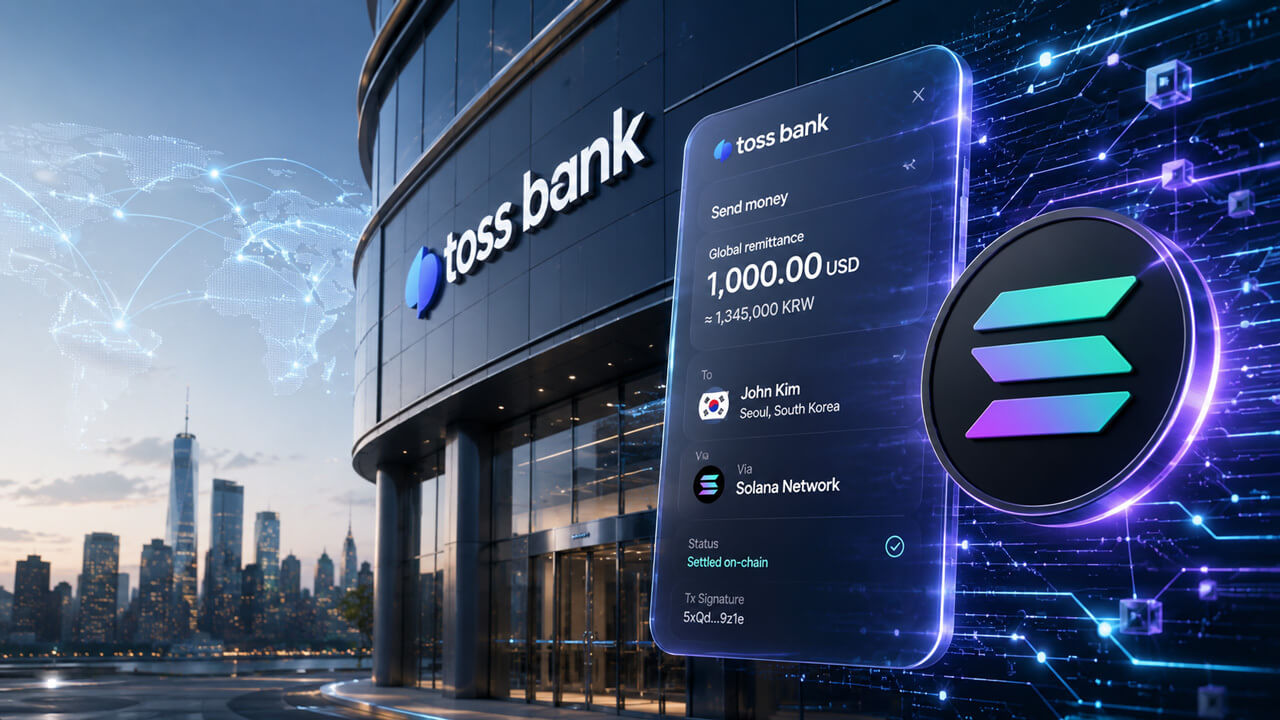
“The framework assumes stablecoins primarily compete with domestic bank deposits, when much of the demand is driven by cross-border payments. Migrant workers in the UK send more than £9B abroad each year, often losing 6-8% of every transfer to correspondent banking fees and delays.
“A £40B cap on sterling stablecoins may sound generous, but it effectively keeps the infrastructure at pilot scale while dollar stablecoins issued elsewhere are already supporting real remittance flows.
“We operate under US state licensing through Anzens, where regulators focus on reserve quality, redemption rights and consumer protections rather than imposing artificial limits on growth. The UK now stands alone among major jurisdictions in capping stablecoin issuance in its own currency. That distinction will matter when payment networks and infrastructure providers decide where to invest and build.”
– Shantnoo Saxsena, founder and CEO of Encryptus
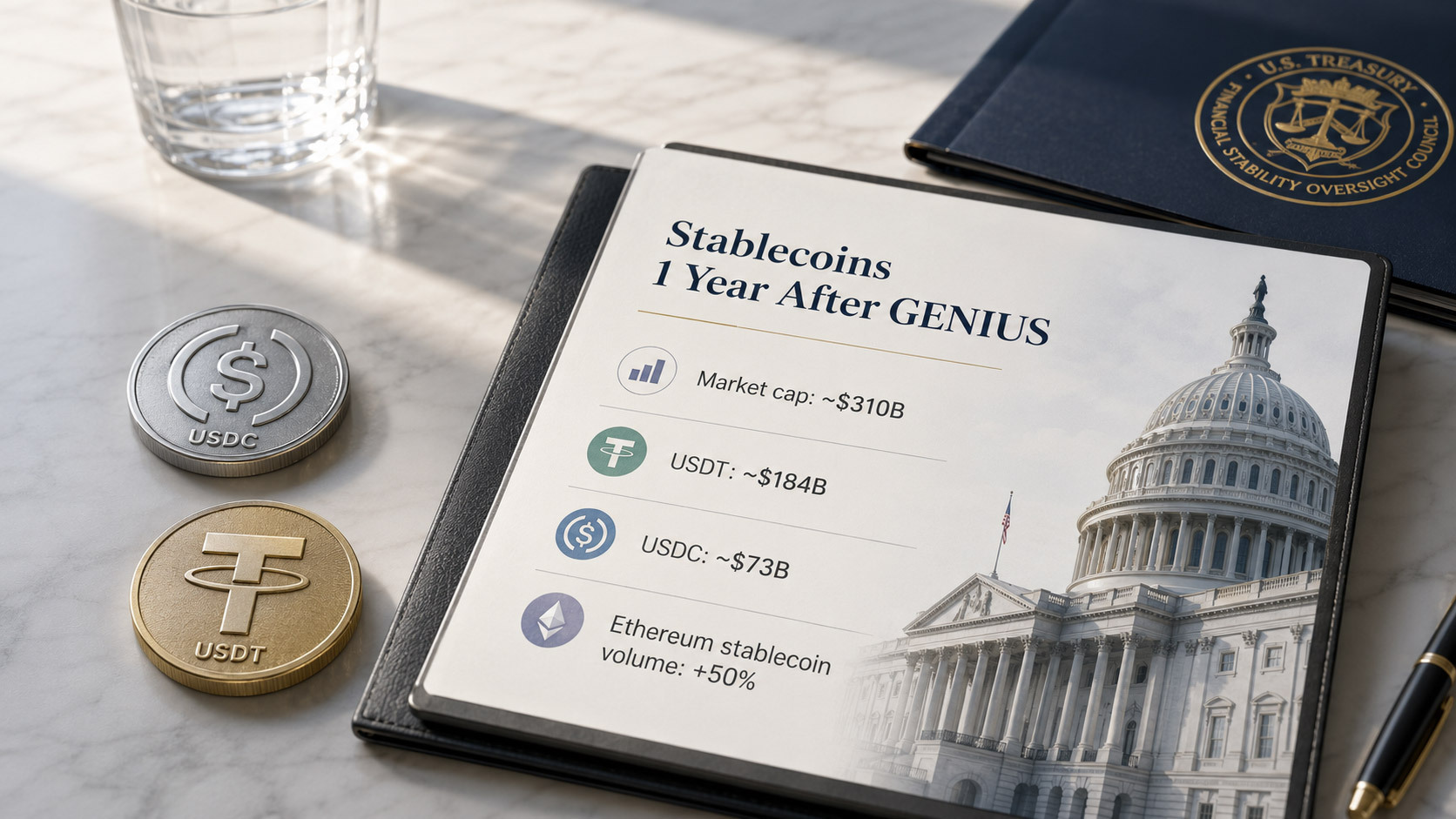
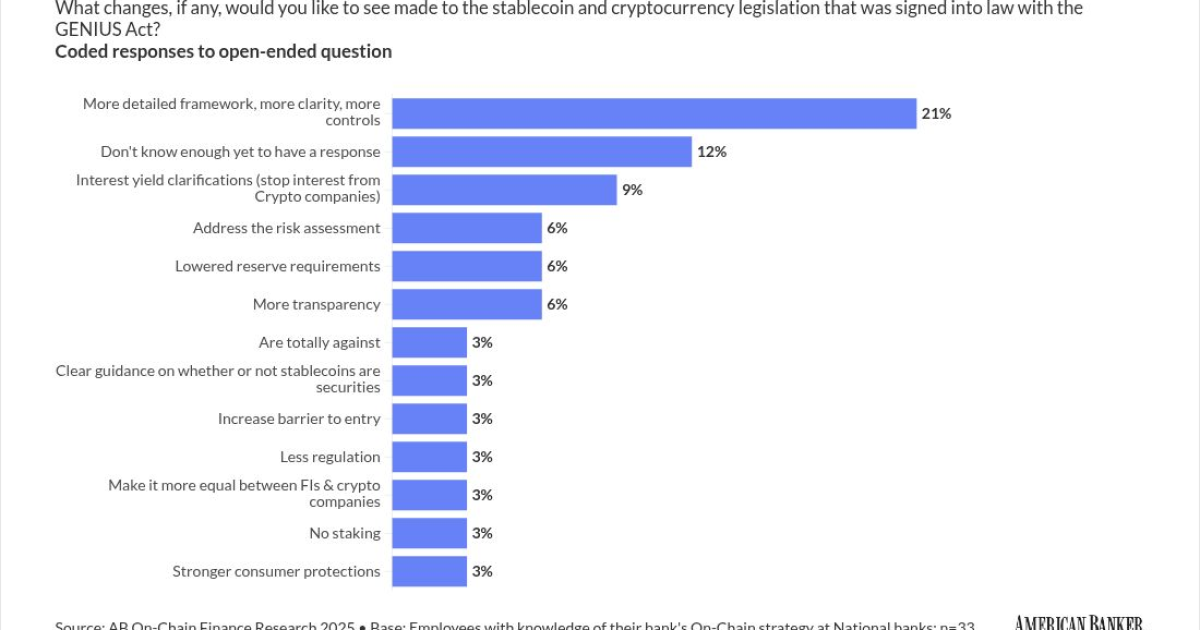
“The Bank of England’s reversal is less a change of heart than a recognition of reality: cap what people can hold, and sterling stablecoin activity just moves offshore into dollar coins. The US moved first with the GENIUS Act, the EU with MiCA, both ahead of the UK, and Britain couldn’t afford to regulate itself out of its own market.
“What matters is how they softened it. They scrapped individual holding limits but kept 24-hour redemption, reserve-quality rules, and licensed intermediaries, swapping a cap on users for a cap on issuance (albeit a high one). That’s the right instinct: regulate the rails, not the customer. Manage systemic risk through reserves and redemption, not by throttling adoption.
“So yes, a turning point in intent. But with rules final only by the end of 2026 and launches in 2027, the UK is course-correcting from behind, not leading.”
– Bernardo Brites, CEO of Trace
AI
IPOs
“Everyone is focused on whether OpenAI or Anthropic reaches the public markets first, but that assumes the future of AI will be decided by model providers. Whether that’s the right assumption is up for debate.
“If you look at how enterprise technology markets typically evolve, the companies that create the most value are not always the ones building the underlying technology. They’re often the ones that make that technology usable, accessible, and embedded in everyday workflows. Most businesses don’t buy AI because they want access to a model. They buy AI because they want to solve a problem.
“An IPO could be an important milestone for OpenAI or Anthropic, but it may also mark the point where the industry starts asking a different question. Not who has the smartest model, but who is actually capturing the value created by AI. Those may not end up being the same companies.”
– Bindesh Vijayan, co-founder and CTO of Myndlab
“Oracle is the first big name to write ‘AI’ into a federal filing as the reason 21,000 people lost their jobs. Read the filing again, though. They spent $1.8 billion on severance and $55 billion building data centers.
“AI didn’t fire those people. A capex bill did, and AI was the cleanest line to write next to the number. When a company needs cash for GPUs, the payroll is the lever, and ‘automation’ is the word that makes the lever look like progress instead of a cut.
“Some of those jobs are genuinely gone. People trained the systems that replaced them, and that part is real. But here’s what I keep coming back to. Once ‘AI did it’ becomes the accepted reason, every board gets permission to cut first and explain later, and nobody asks who could actually still do the work.
“The story flattens 21,000 people into one word. Talent doesn’t disappear when the headcount does. It scatters, and right now there’s no good way to see where it went.
“We watch this from the hiring side every day across the Bondex ecosystem, and the job descriptions are already moving. Roughly one in four roles posted across our network now asks for AI or machine learning skills, up from about one in five at the end of last year.
“The work isn’t vanishing. It’s being rewritten, and the people who can prove they do the new version are about to be the most contested talent on the market. The problem is that proof is exactly what the hiring system can’t deliver. A resume can claim anything, and now AI can generate that claim in 10 seconds.
“That’s the gap we’re building Bondex to close. When the layoff reason is a single word in a filing, the people behind that number need somewhere their actual work is verified and visible, so a recruiter or an AI agent can find them on proof instead of a polished PDF. AI is going to keep reshaping who gets hired. The least it can do is help the right people get found.”
– Ignacio Palomera, CEO of Bondex