We academic researchers tend to frustrate business owners and community leaders, because we sometimes can’t give straight answers to seemingly simple questions. We often have to break out cliches like, “it depends” or “yes and no.” Let’s use the ongoing discussion of Colorado’s economy as a case in point.
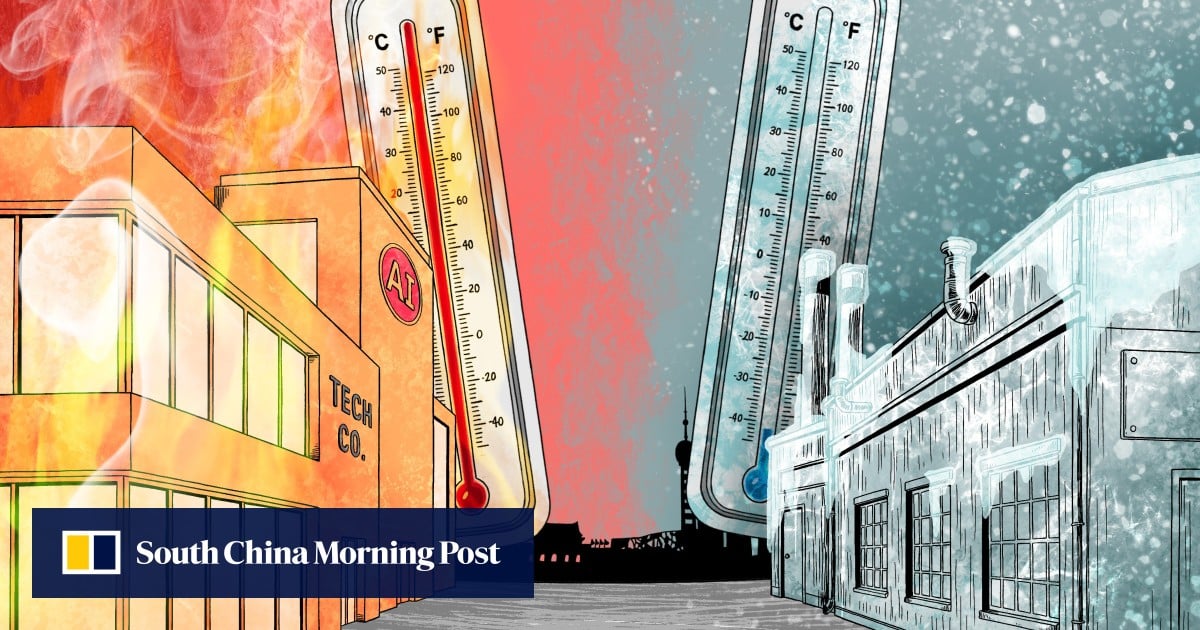
Colorado’s business climate has become a Rorschach test — what you see depends entirely on where you’re looking. A new report from the Romer Institute reveals an economy sending contradictory signals that resist the tidy narratives favored by both boosters and critics. For Southern Colorado business owners and entrepreneurs navigating investment and hiring decisions, understanding this complexity isn’t academic — it’s essential.
Consider the headline numbers. Colorado’s GDP has outpaced national growth since 2022, suggesting economic vitality. Yet the state trails its traditional peer competitors — Arizona, North Carolina, Texas, Utah, and Washington — in that same comparison. So are we winning or losing? The answer is both, depending on your benchmark and timeframe.
The tax burden debate illustrates how surface-level data misleads. Colorado’s overall tax burden sits near the national average at 4.4 percent versus 4.5 percent nationally. Both critics and defenders of the current economic environment claim this point as evidence for their positions. But this aggregate figure obscures what matters to startups and small businesses: property taxes have risen sharply, creating real cost pressures even as the overall burden remains moderate.
In Southern Colorado, these contradictions play out distinctly. While the region benefits from lower housing costs than the Front Range, it still faces the statewide workforce attraction challenge — housing affordability remains “the most-cited barrier to attracting talent” according to the report. The gap between Denver’s tech-driven economy and Southern Colorado’s manufacturing, defense, and tourism base means statewide GDP growth doesn’t translate uniformly. When the report notes tech and construction downturns as proximate causes of weakening sentiment, the unique constitution of Southern Colorado’s economy may provide some insulation, but it also means missing out on the upside when those sectors boom.
“Colorado’s economy is neither the disaster critics claim nor the sure bet boosters promise.”
Larry Plummer
Business formation data swings wildly. New business applications dropped 19.7 percent in 2024, then rebounded in 2025. Is this volatility or recovery? The report doesn’t offer a definitive answer because the data are ambiguous — exactly the kind of uncertainty that demands sophisticated interpretation rather than reflexive conclusions.
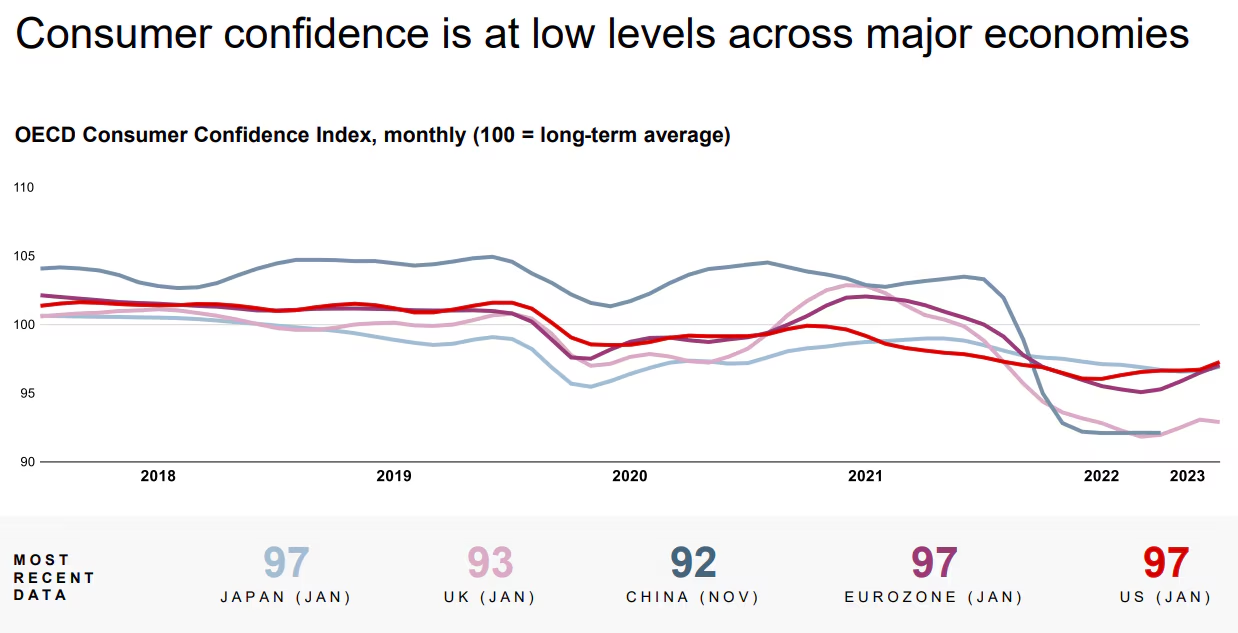
Perhaps most revealing is the confidence gap. Business sentiment has “fallen sharply, faster than objective performance data alone would predict.” Nonpartisan sources point to national policy uncertainty and sector-specific downturns. Business organizations emphasize state regulatory burden — from the 2019 Consumer Protection Act overhaul to FAMLI requirements to oil and gas permitting delays. Both explanations carry evidence; neither tells the complete story.
This is where simple narratives fail. National forces — inflation, interest rates, trade policy — shape outcomes beyond any governor’s control. Yet state policy choices on housing, regulation, and workforce development matter enormously for long-term competitiveness. Disentangling these factors requires resisting the urge to blame or credit any single cause.
For Southern Colorado business leaders, the takeaway isn’t optimism or pessimism — it’s discernment. When someone cites a ranking or statistic to support a predetermined conclusion, ask what they may be leaving out. When confidence diverges from fundamentals, investigate whether sentiment is leading or lagging reality. Colorado’s economy is neither the disaster critics claim nor the sure bet boosters promise. So, are we winning or losing? Well, it depends.