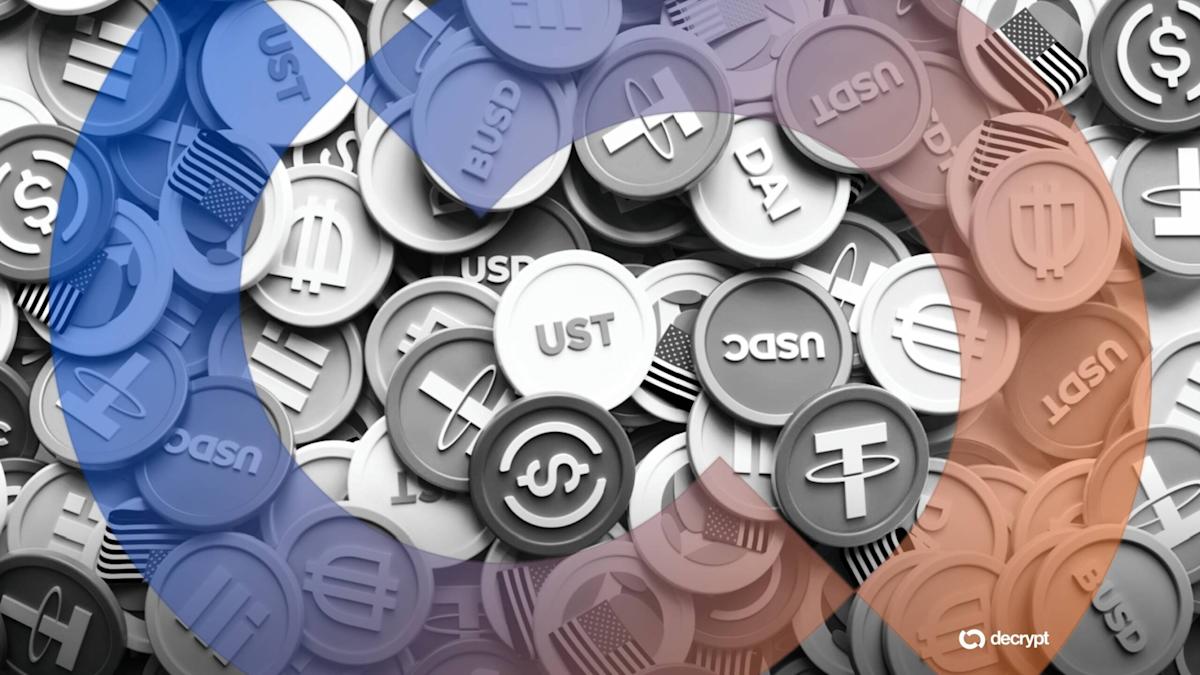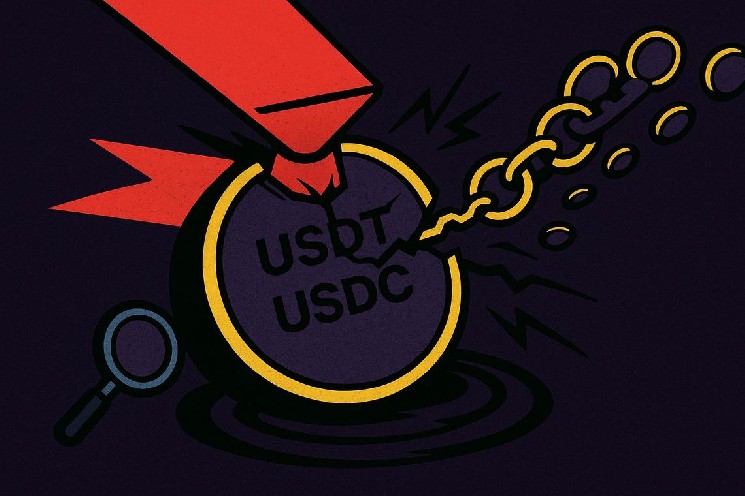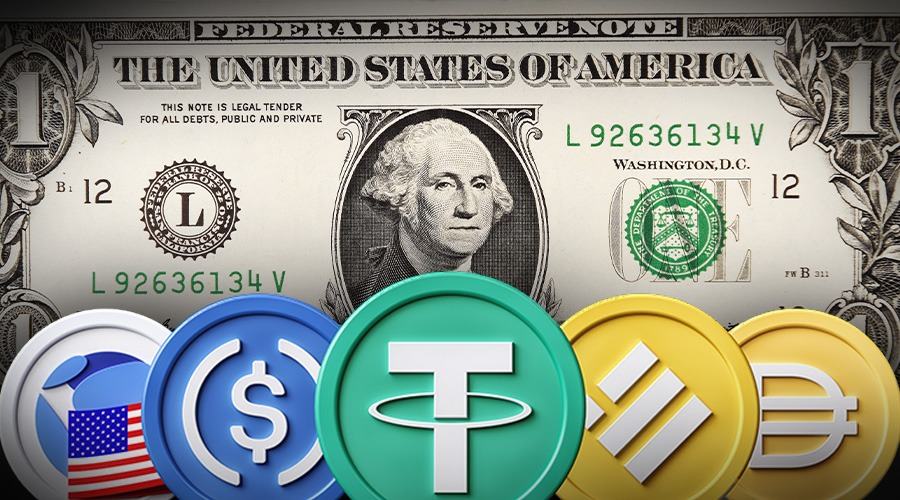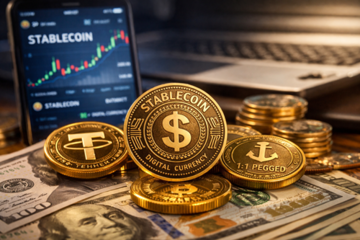

US-backed stablecoins currently represent the overwhelming majority of the market, but that could change.
getty
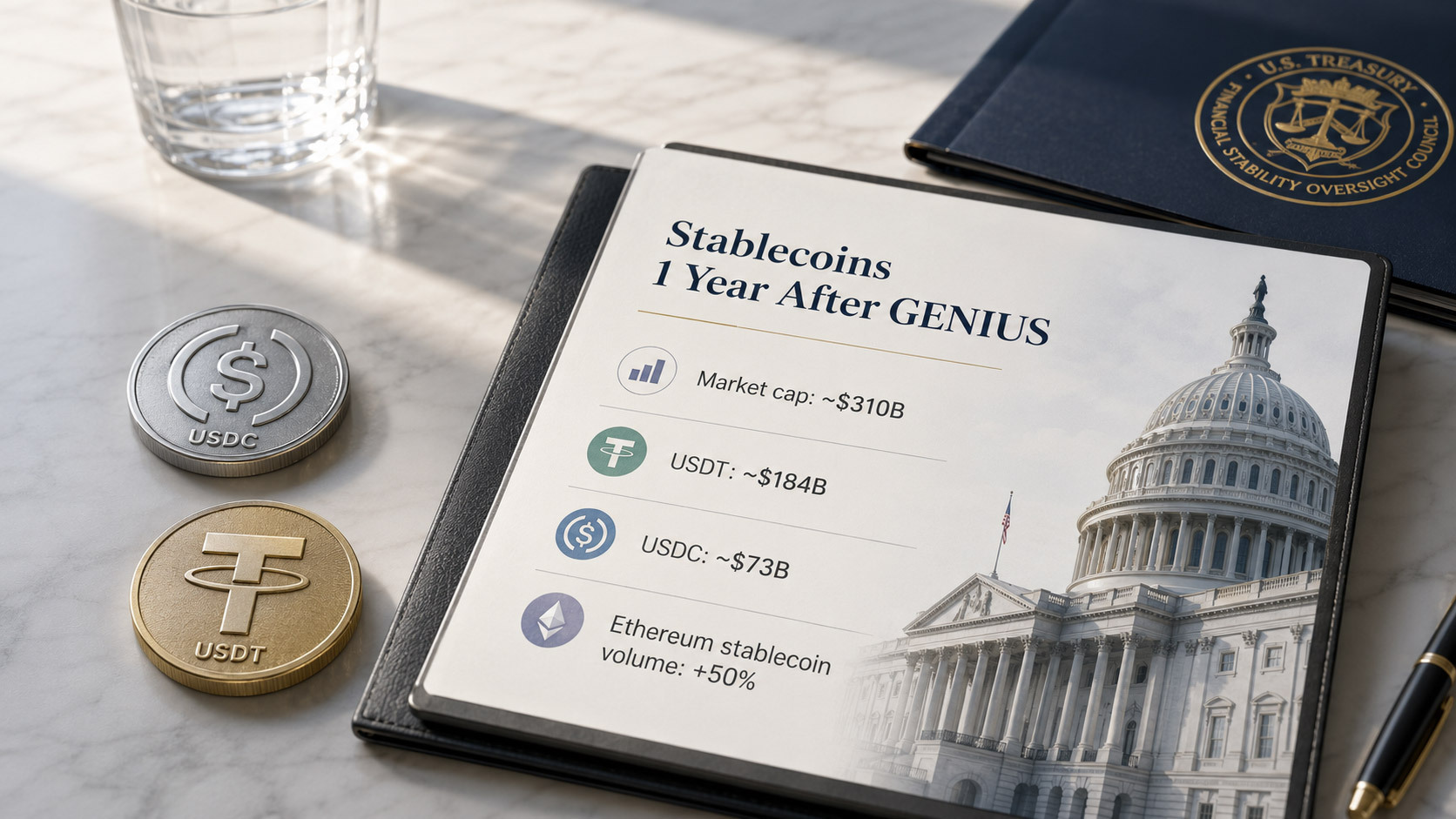
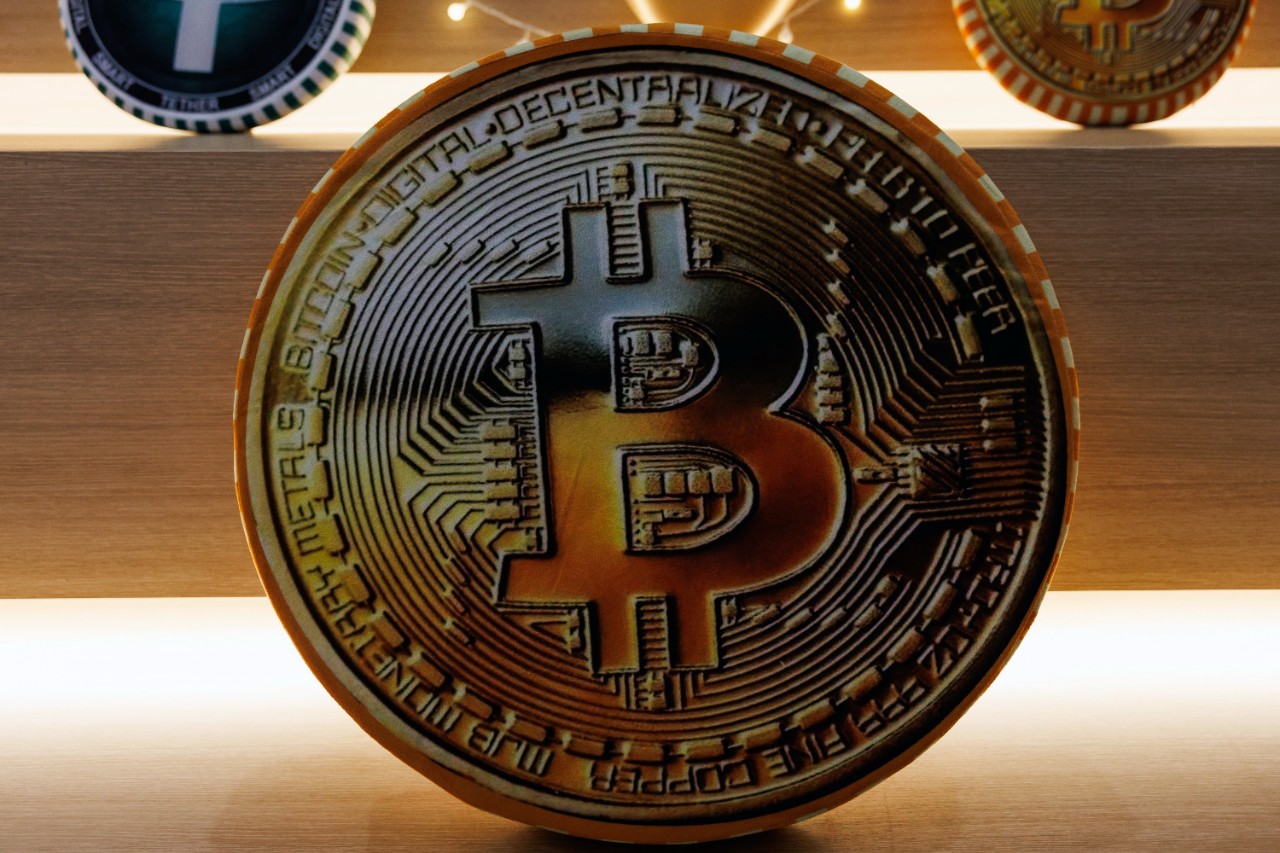
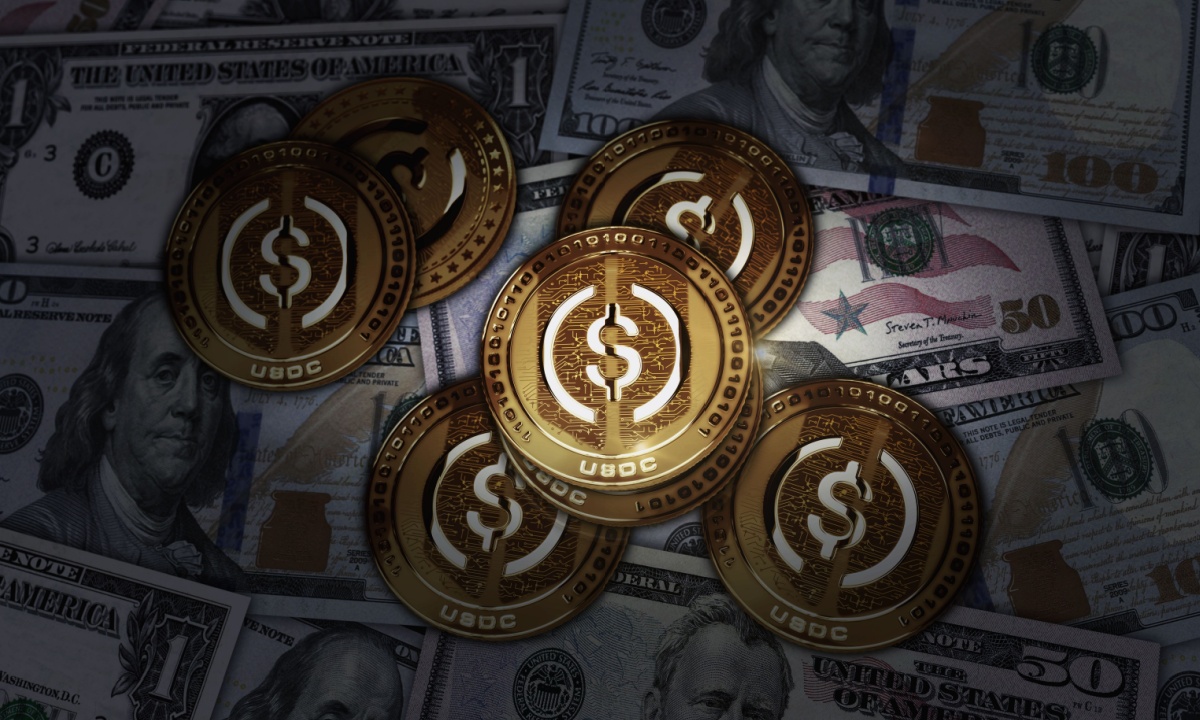
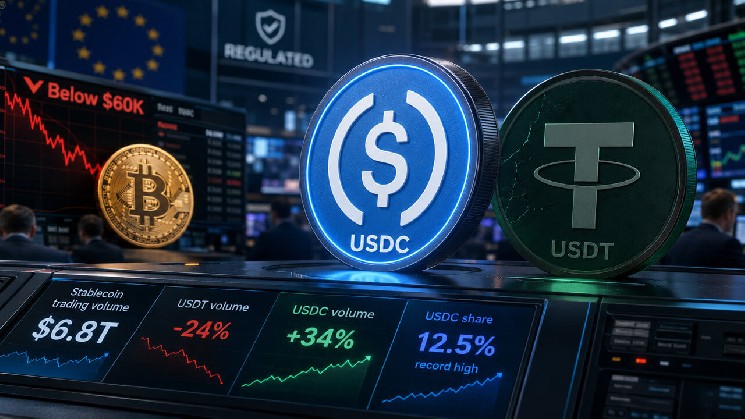
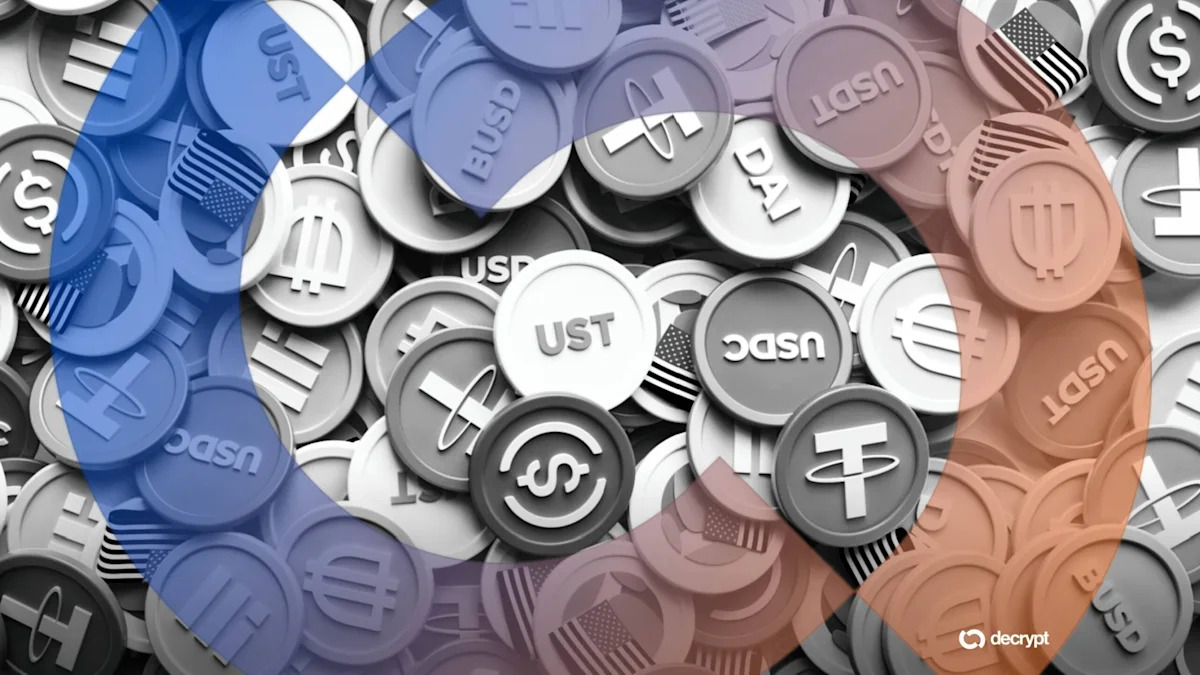
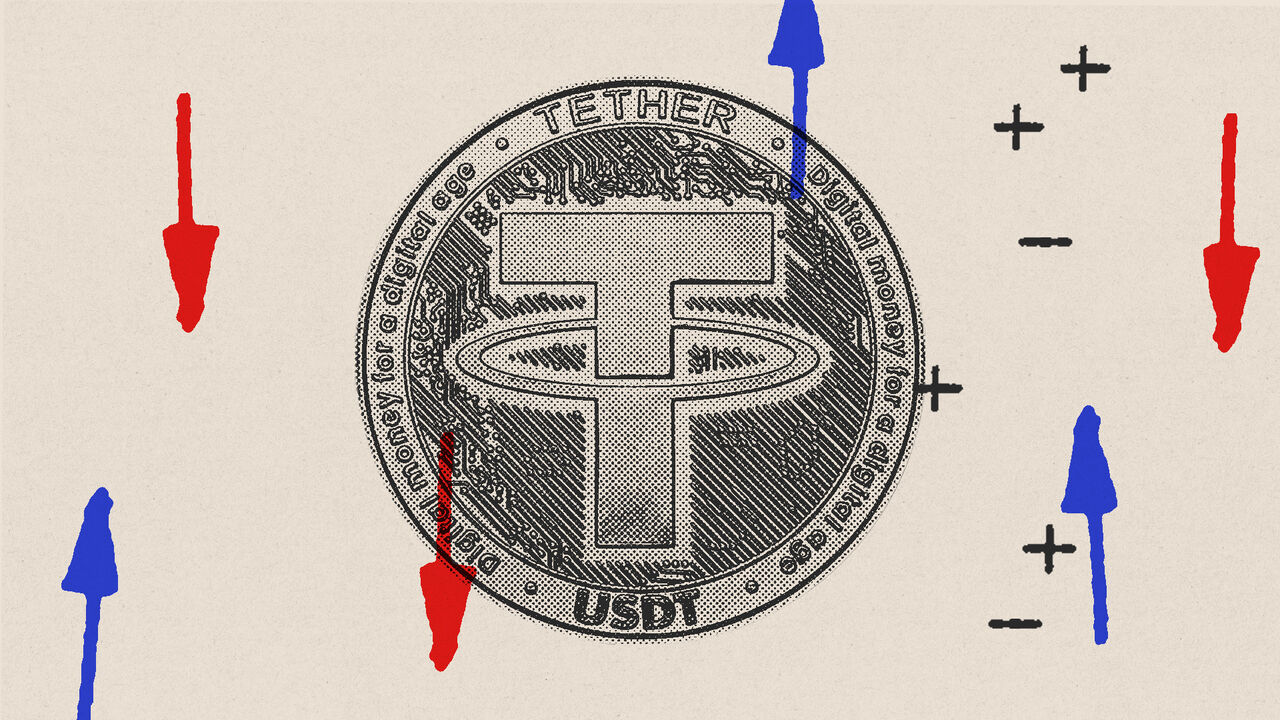
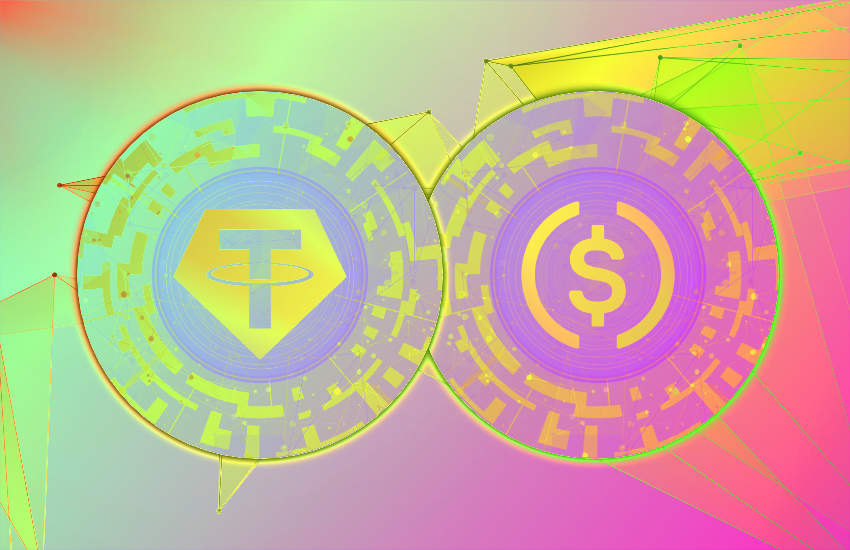
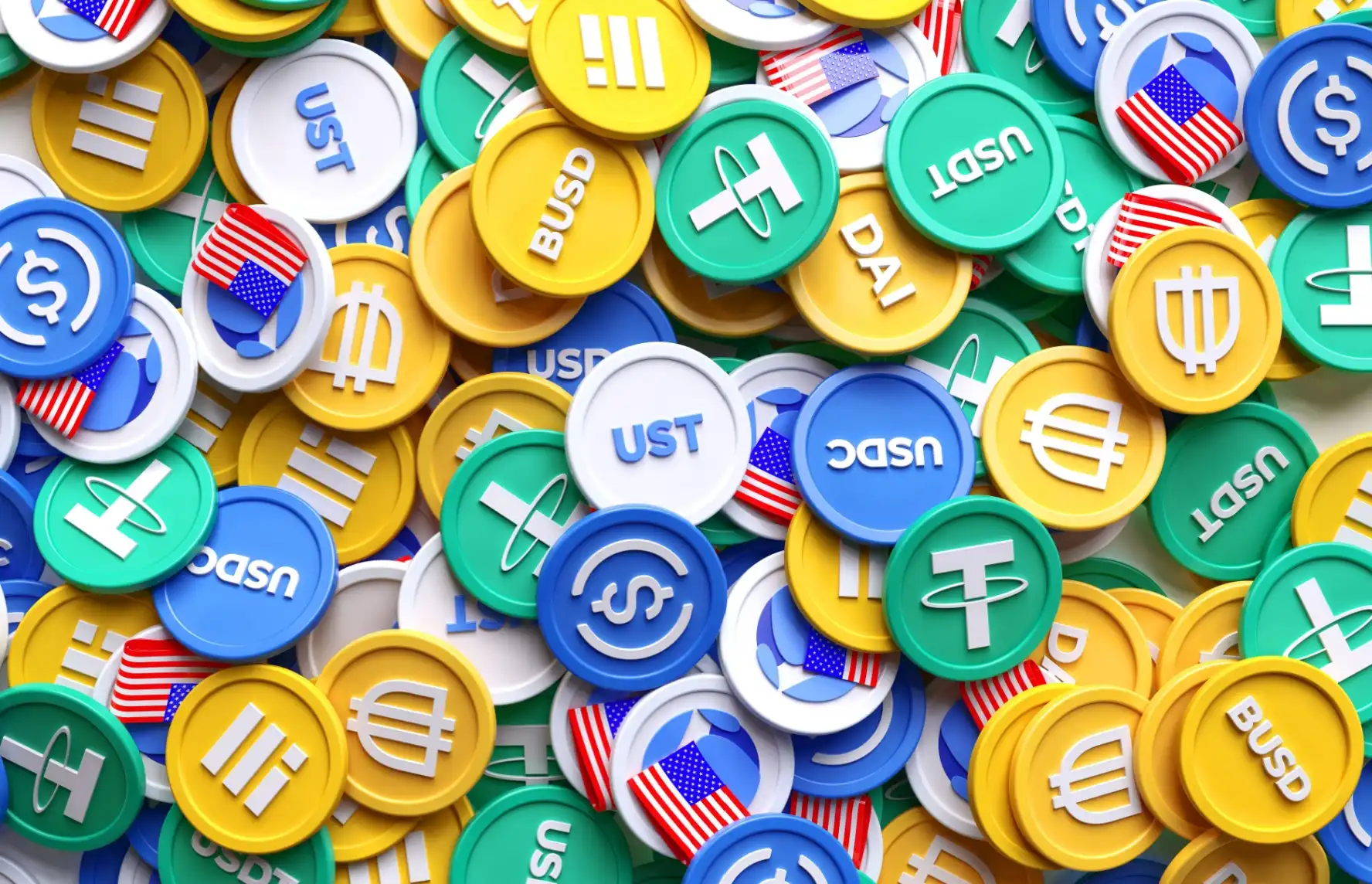
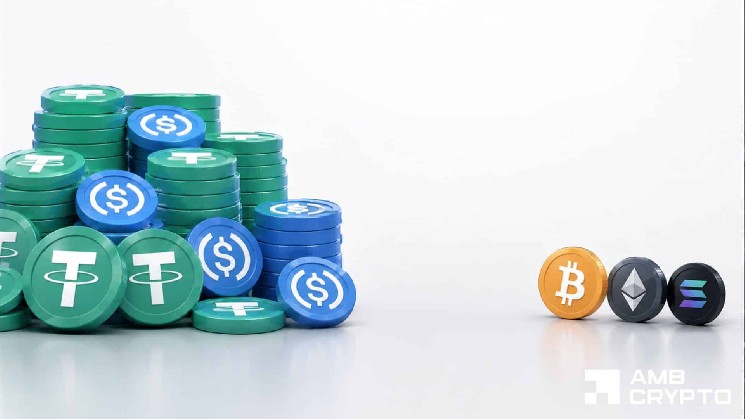
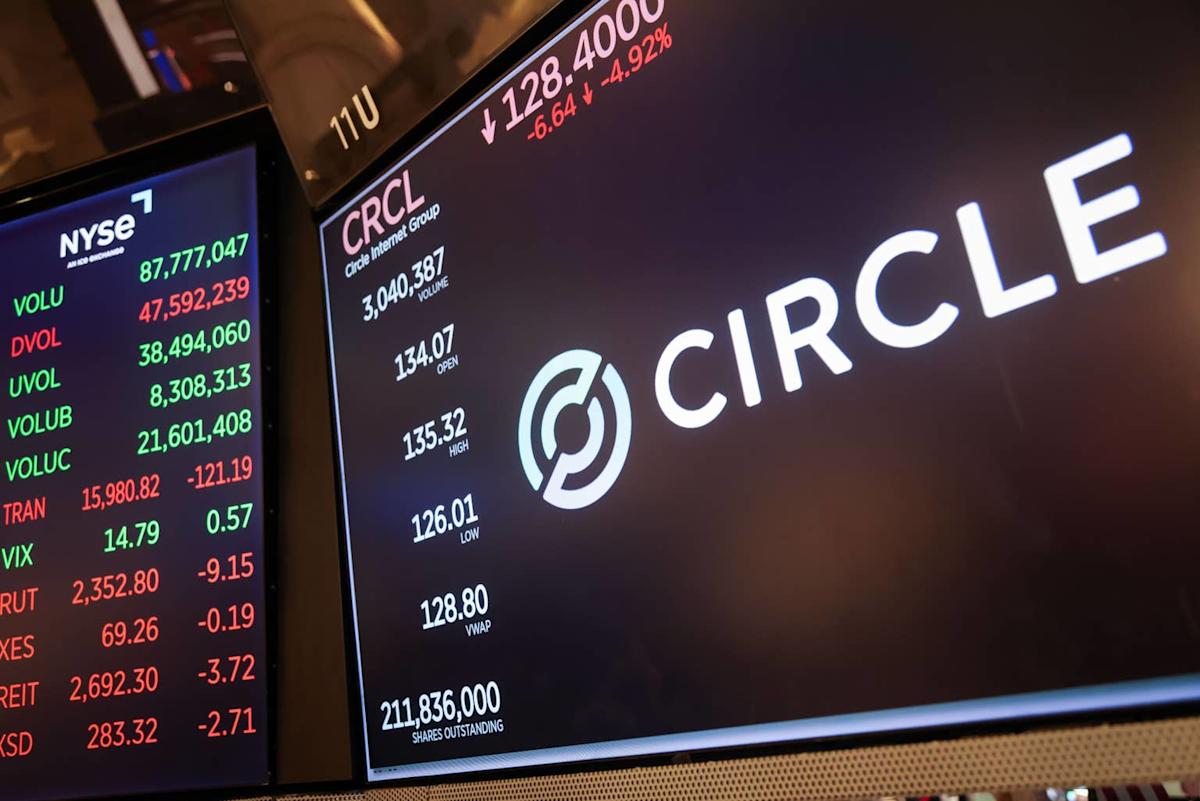
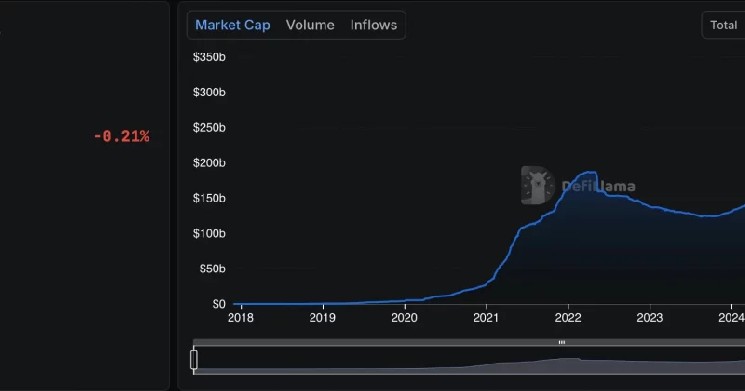
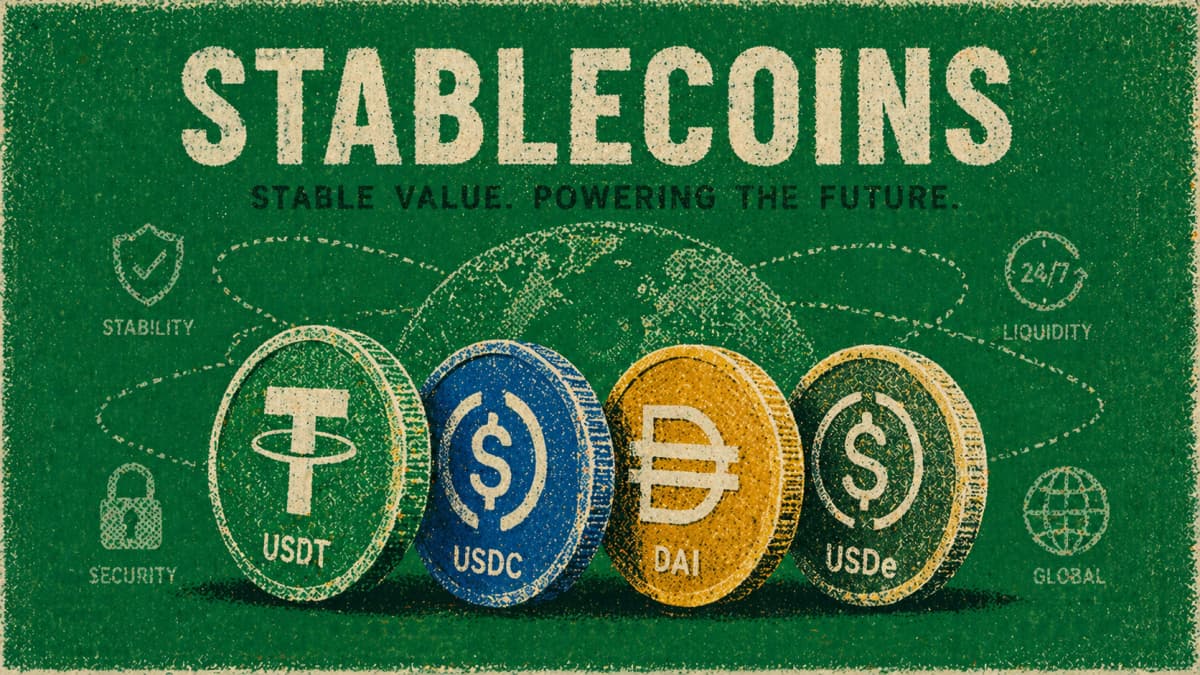
As of the end of June 2026, the global stablecoin market cap sits at around $316bn, with USD-backed stablecoins accounting for 97% of this total overall, driven most prominently by Tether’s USDT and Circle’s USDC. Though the market is currently focused on the US-backed stablecoins, one question is whether non-USD-pegged stablecoins emerging around the world could challenge this dominance, and what this might mean for global payments.
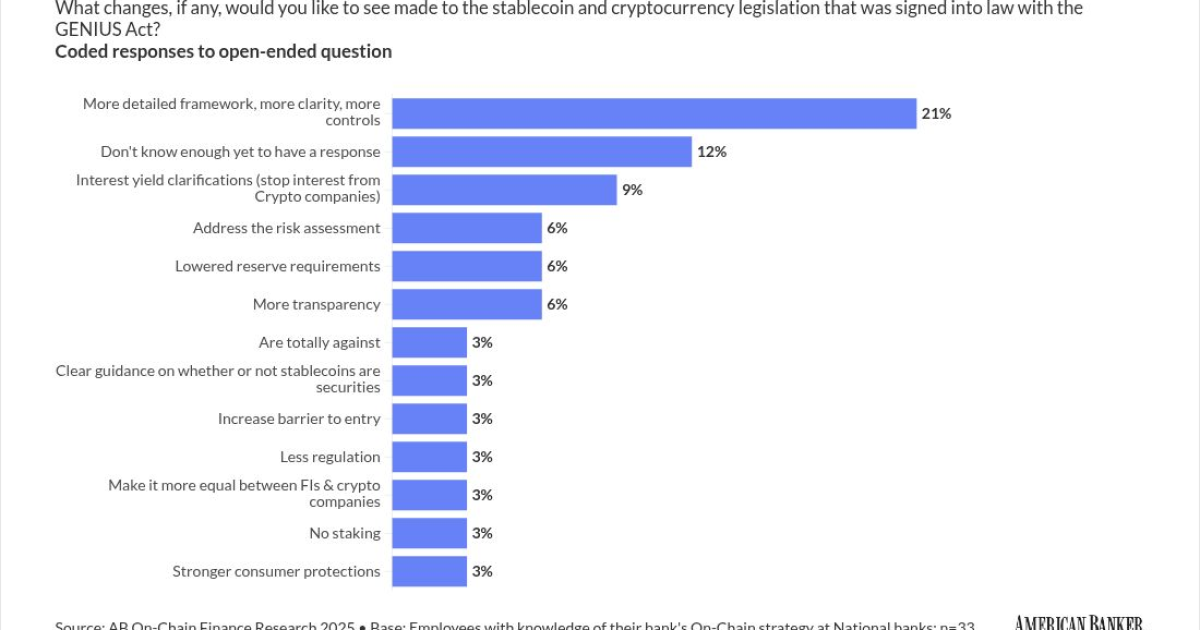
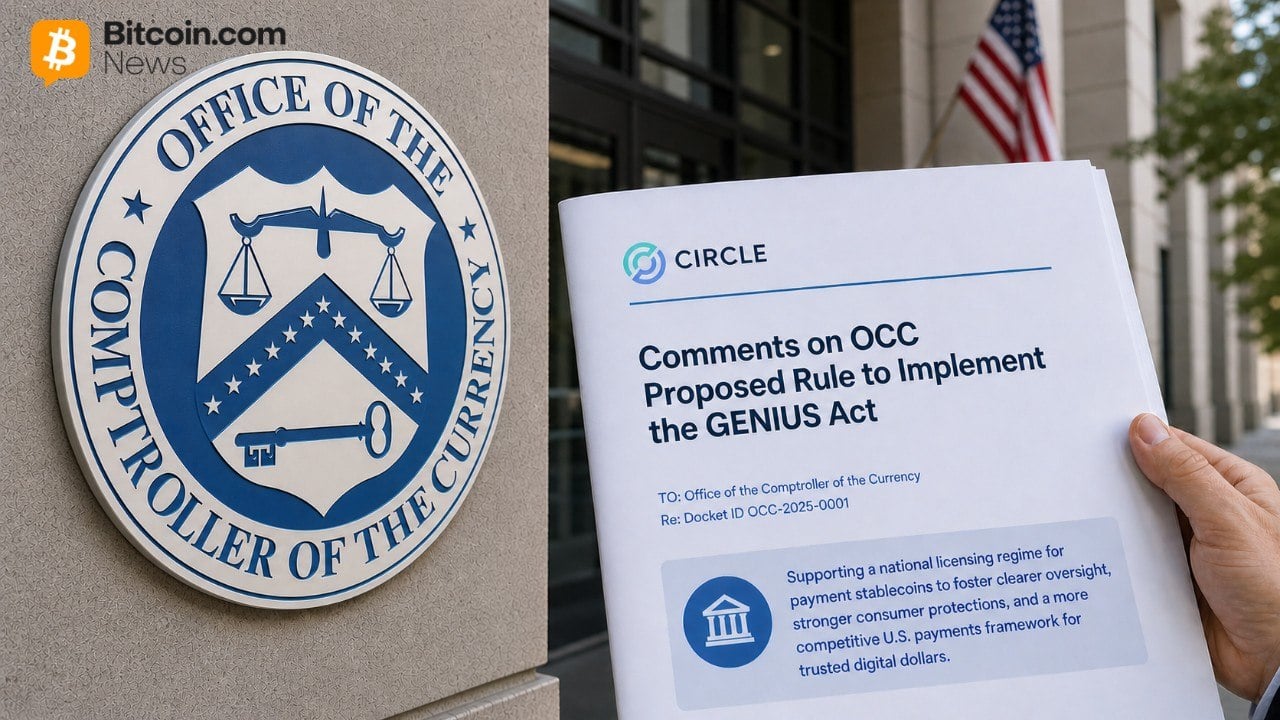
The US’s stablecoin dominance is largely inherited from the USD being the world’s global reserve and trade currency, and the US is in turn using policy to reinforce the dominance of the USD. Passed in July 2025, the GENIUS Act provided a federal framework that specifically defines payment stablecoins and outlines how financial institutions, credit unions and nonbanks can use them.
In the year since, a wave of companies have introduced stablecoin offerings and solutions. USD stablecoin payments have increased, with Circle for example reporting that tailwinds from GENIUS drove 108% YoY growth in its USDC circulation in Q3 2025. However, it should be stated that stablecoin payments overall remain only a tiny fraction of the wider payments market.
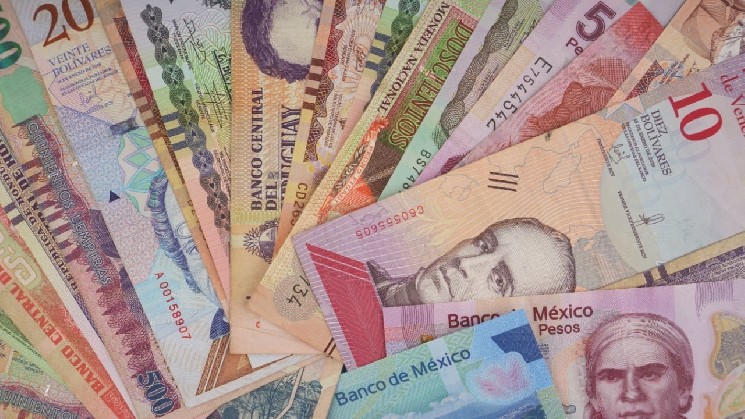
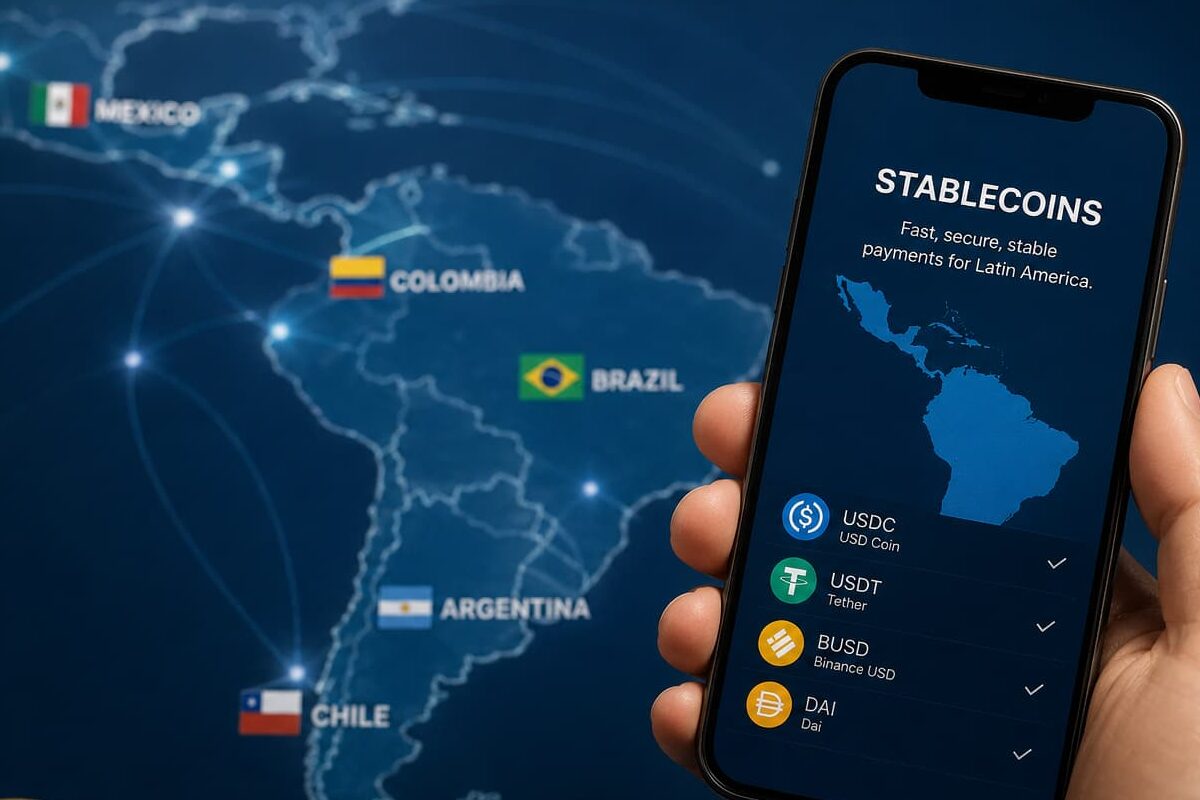
Countries in emerging markets –in particular Latin America, Africa and the Middle East – are seeing elevated stablecoin adoption as they use digital assets to access the stability of the dollar rather than contend with the various factors that can affect exchange rates, such as high inflation. USD-backed stablecoins also have much greater liquidity than local currencies, making them more attractive to trade in.
Non-USD stablecoins emerge in Europe and Asia
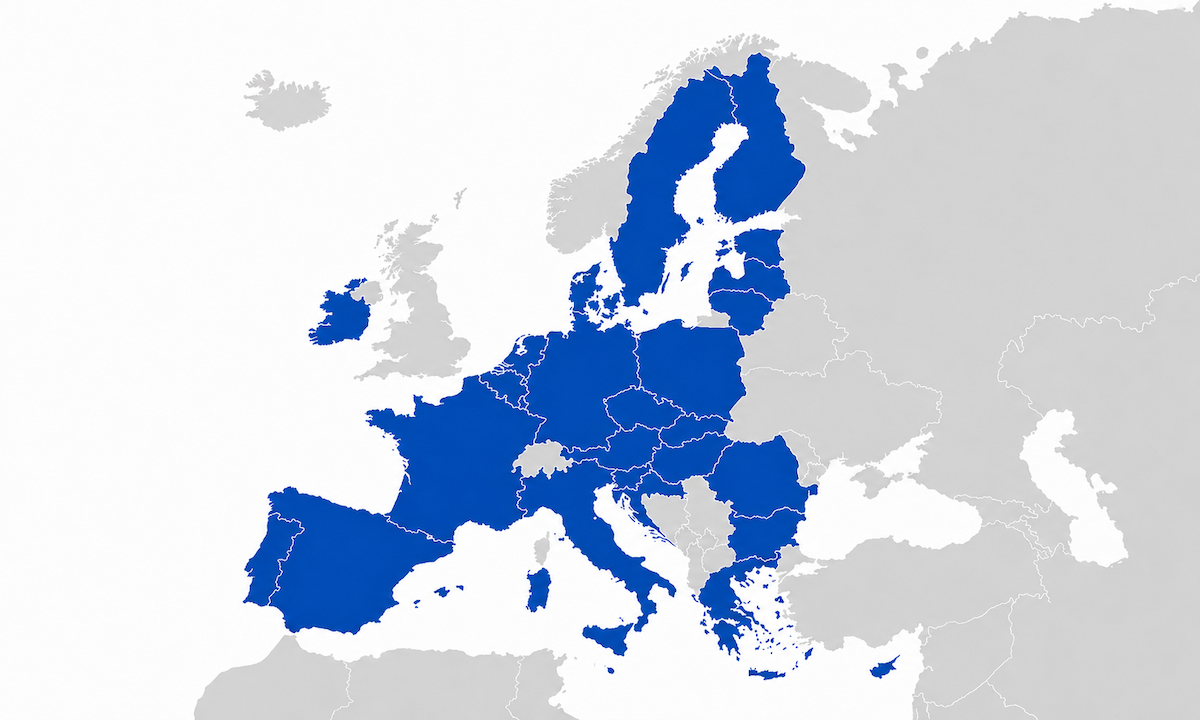
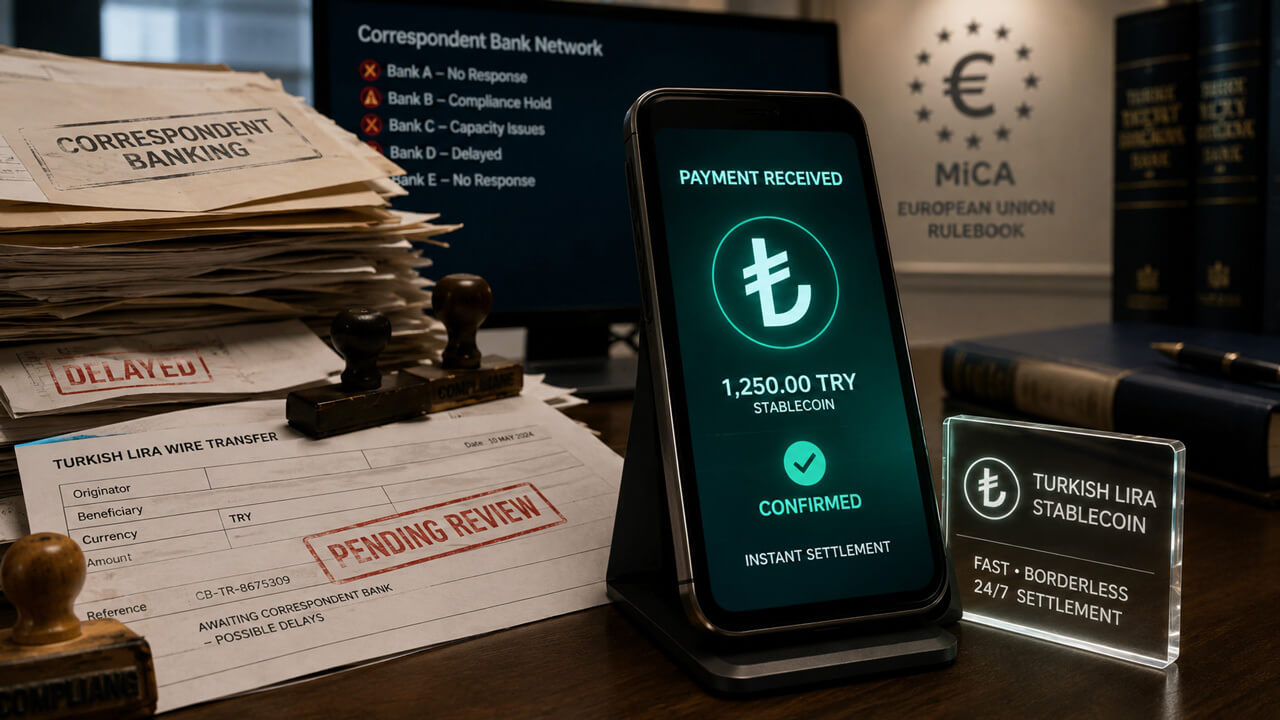
While USD stablecoins can provide stability for users in many regions, there have also been developments outside the US that reflect a demand for issuing alternatives to USD-denominated stablecoins. Policymakers in some regions, for example, have raised concerns about a potential threat to monetary sovereignty from USD-backed stablecoins, particularly in the EU.
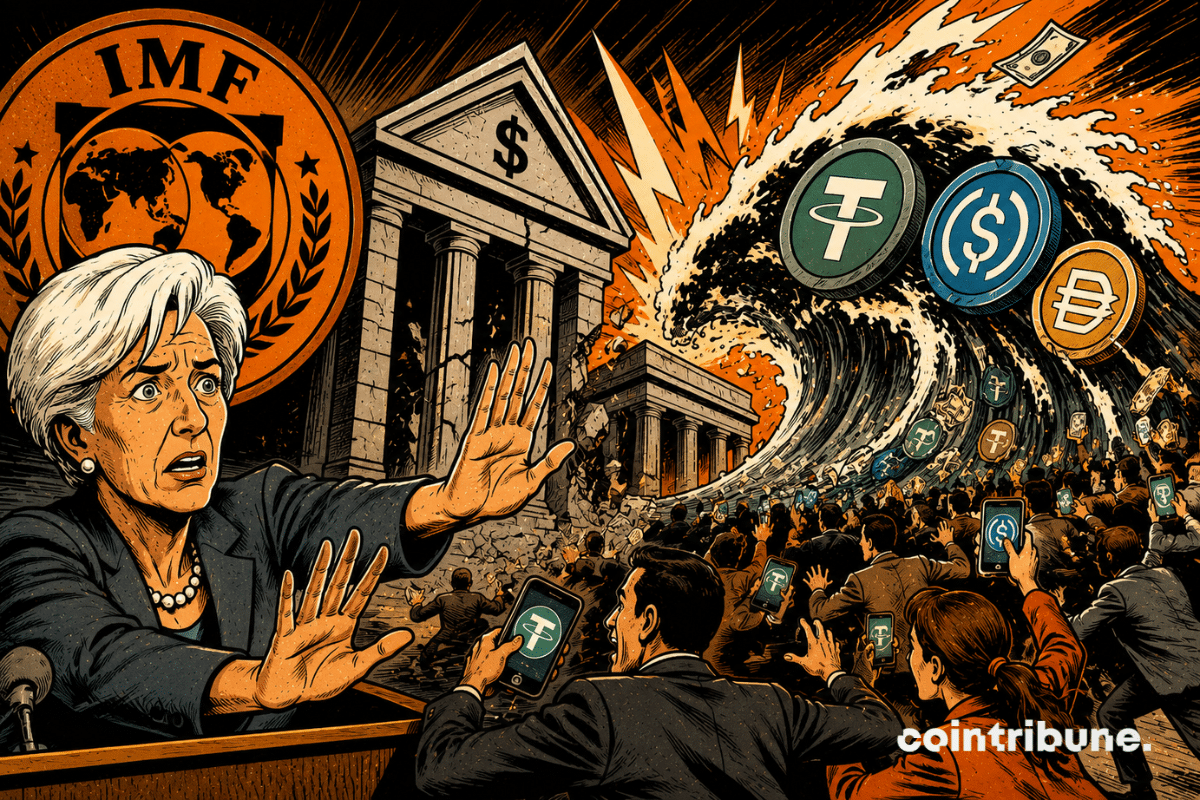
Having said this, not all European officials are backing the development of euro-backed stablecoins, with European Central Bank President Christine Lagarde saying last month that strengthening the euro will be more about infrastructure that places central bank money at the heart of settlement infrastructure.
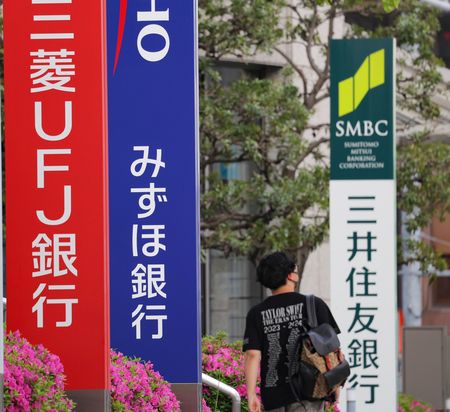
The private sector is also introducing non-USD stablecoins. In Europe, there is Qivalis, a consortium of 37 banks working to develop euro-backed stablecoins in the second half of 2026. In Asia, Japan’s SBI has launched the country’s first trust bank-backed yen stablecoin. The currency carries no transaction cap, opening it up to carry much higher cross-border volumes than other Japanese tokens could previously support. Japan’s three largest banks, MUFG, SMBC and Mizuho are planning joint issuance of their own yen-backed coin by March 2027.
Singapore’s StraitsX recently launched Singapore dollar-backed XSGD on Solana, while Hong Kong has launched its Stablecoins Ordinance framework, reflecting a demand to develop more digital assets in the country. Other countries that have seen significant launches for stablecoins backed by non-USD currencies include Indonesia, the UAE and Brazil.
What might drive a shift away from USD-backed tokens?
What unites non-USD stablecoins is that they still carry a significantly low share of the market compared to USD-backed stablecoins. For example, at the end of June 2026 the total market cap for euro-backed stablecoins was around $635m, driven by Circle’s EURC coin, which has risen by 115% YoY to around $432m. However, despite rapid growth, this still accounts for a tiny proportion of the overall $316bn stablecoin market cap.
While regulatory frameworks being developed in Europe, Asia and other countries are creating conditions in which local-currency stablecoins can exist, this doesn’t necessarily equate to demand. For the moment, USD stablecoins will continue to dominate global flows, though what we could see is non-USD-backed alternatives carving out specific niches in settlement and payments to regional-specific corridors.
For non-USD backed stablecoins to really escalate globally would require a shift requiring the same factors that reflect USD’s dominance in the first place. The dollar’s share of global FX reserves fell from 71% in 2001 to around 57% at the end of 2025, but this reflects that this is a slow movement and not one that will have ramifications in the short term.
Stablecoins are still in their relative infancy, with many countries still mapping out what they want the industry to look like. Within this, a challenge to USD dominance in the space could only really happen due to a culmination of factors – continued regulatory infrastructure development in Europe and Asia, dedollarisation in trade and high-profile failures (along the lines of the collapse of Tether’s terraUSD in 2022) that shake confidence in the US system.
As stablecoin frameworks emerge and new coins are issued, the balance could shift, but it would take some time and considerable external factors for USD-backed stablecoins to be dethroned.