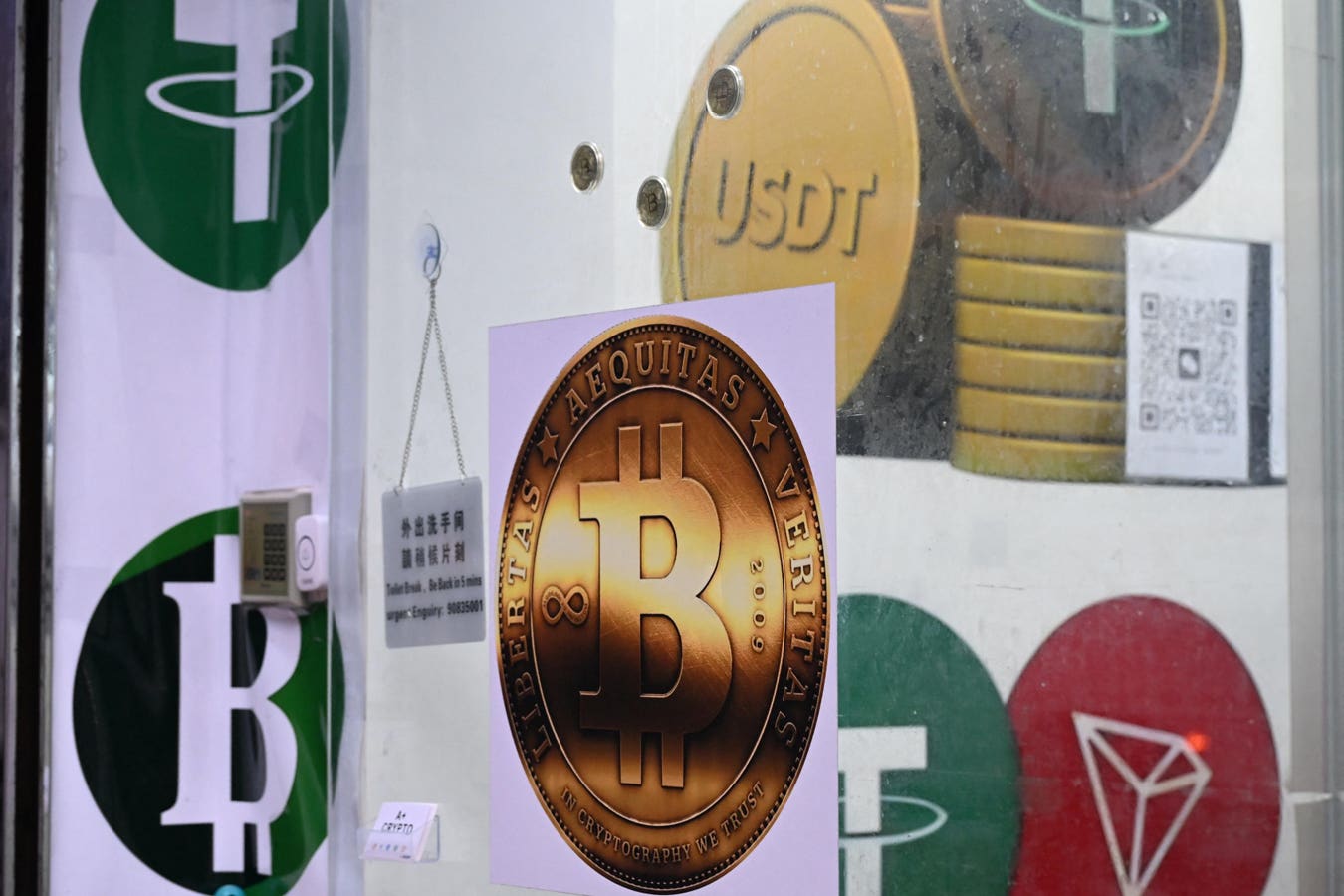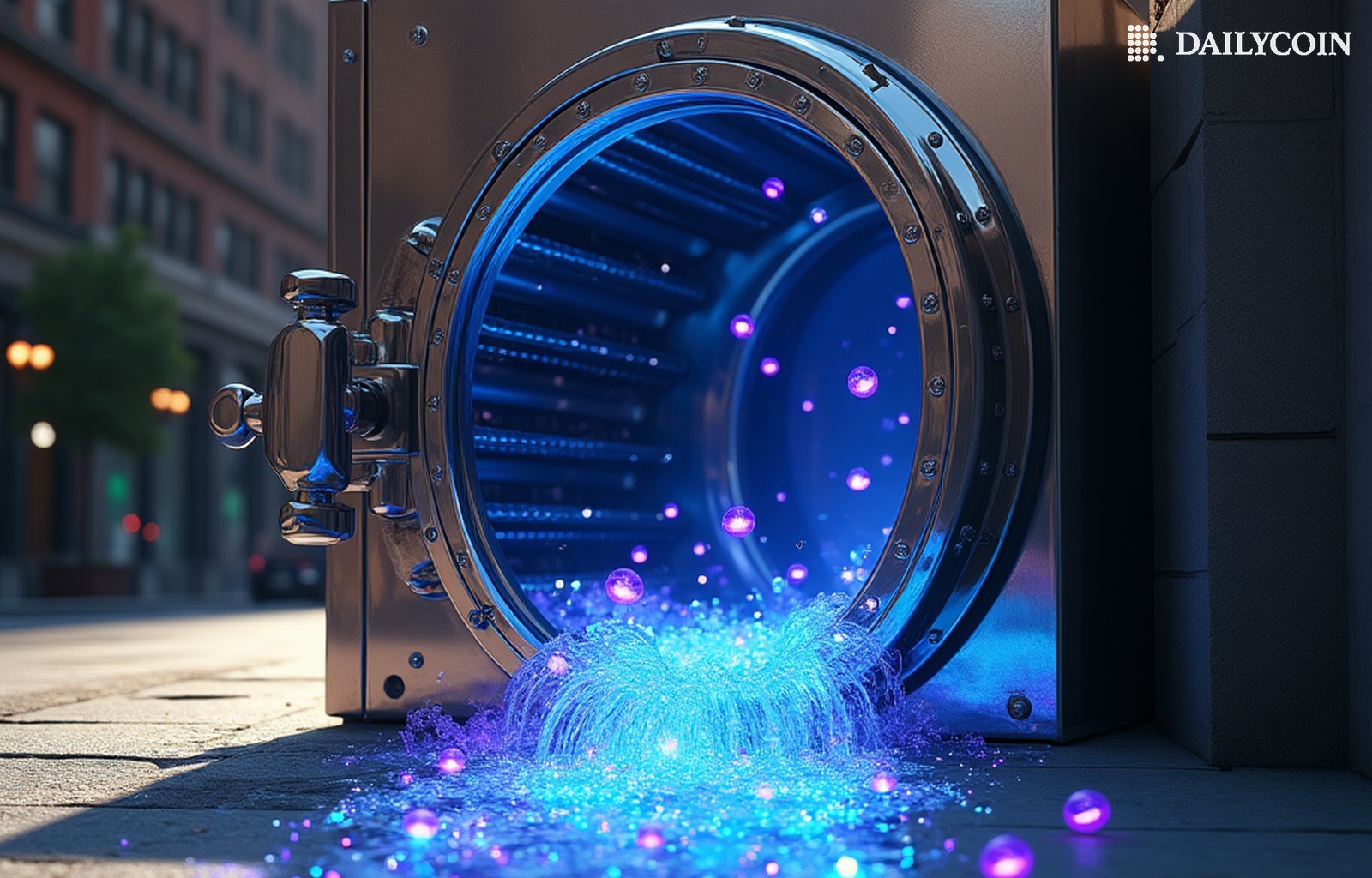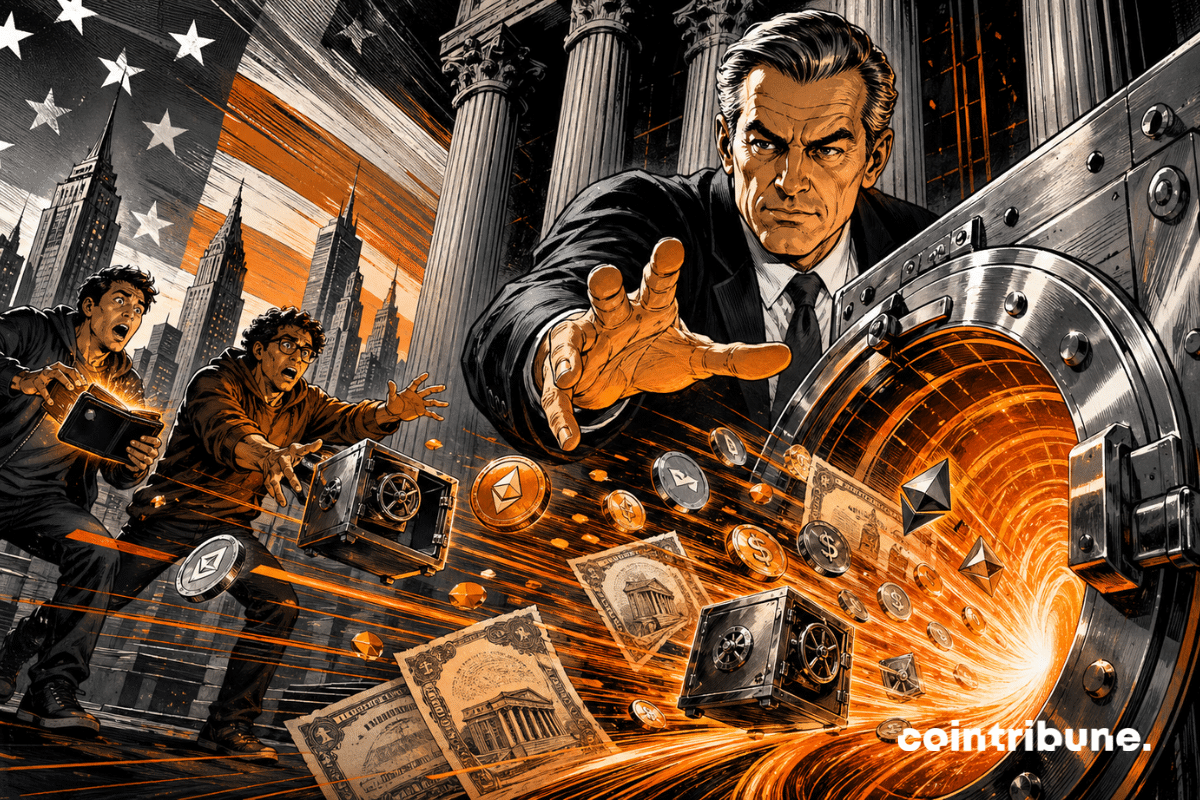
Censorship of crypto assets has become so popular that a new dashboard is tallying the number of times companies have frozen tokens.
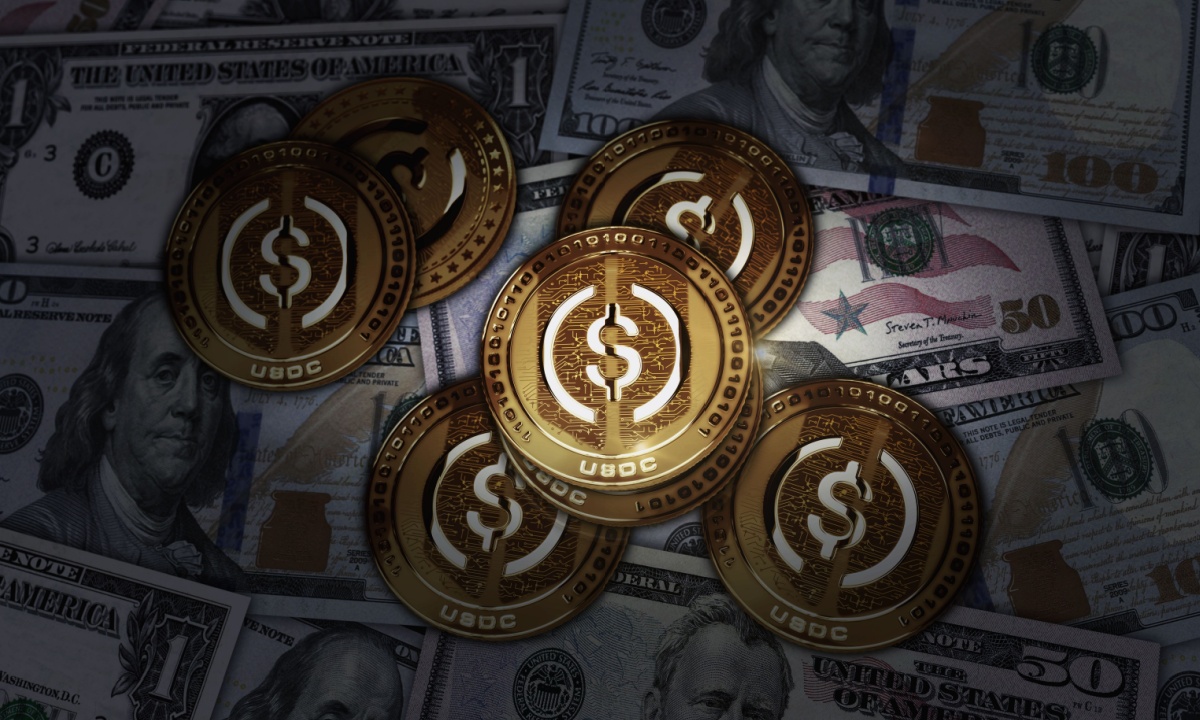
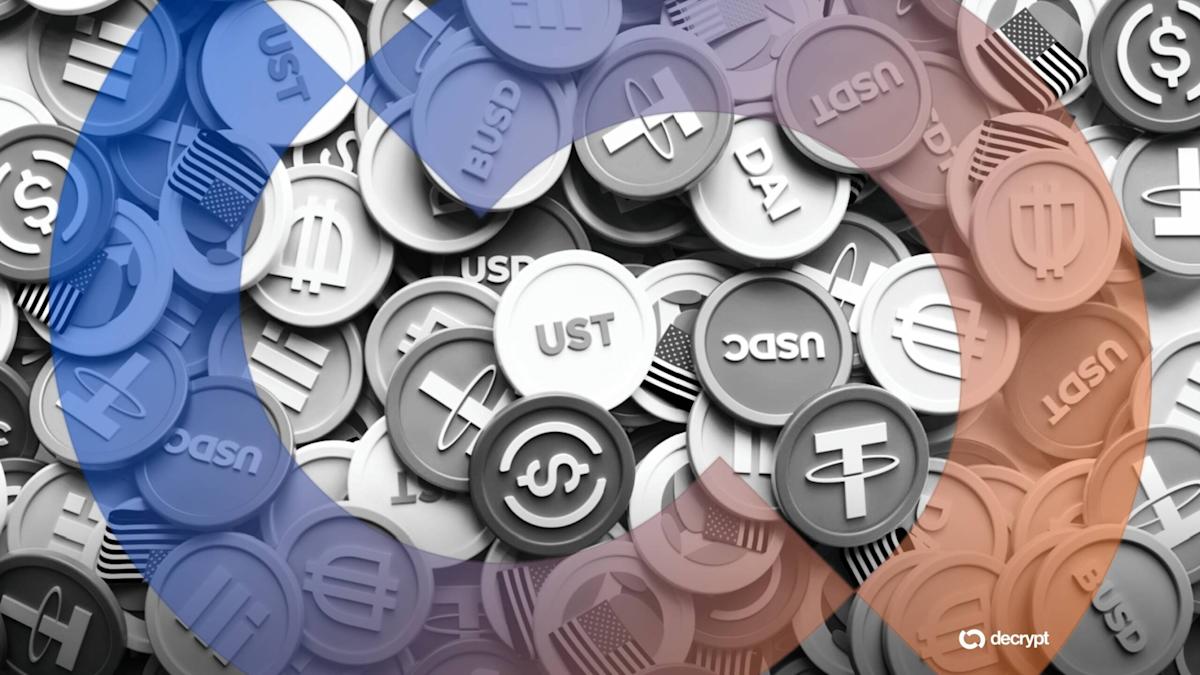
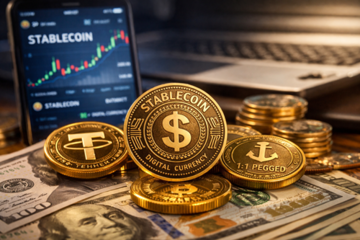
According to new tracker, stables.rip, two companies have frozen 3.7 billion stablecoins.
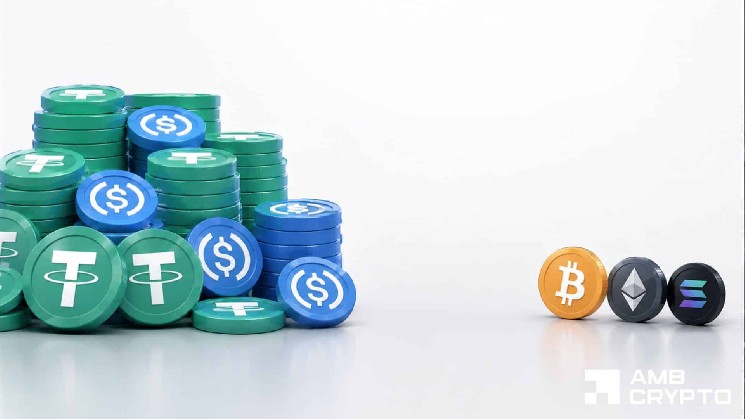
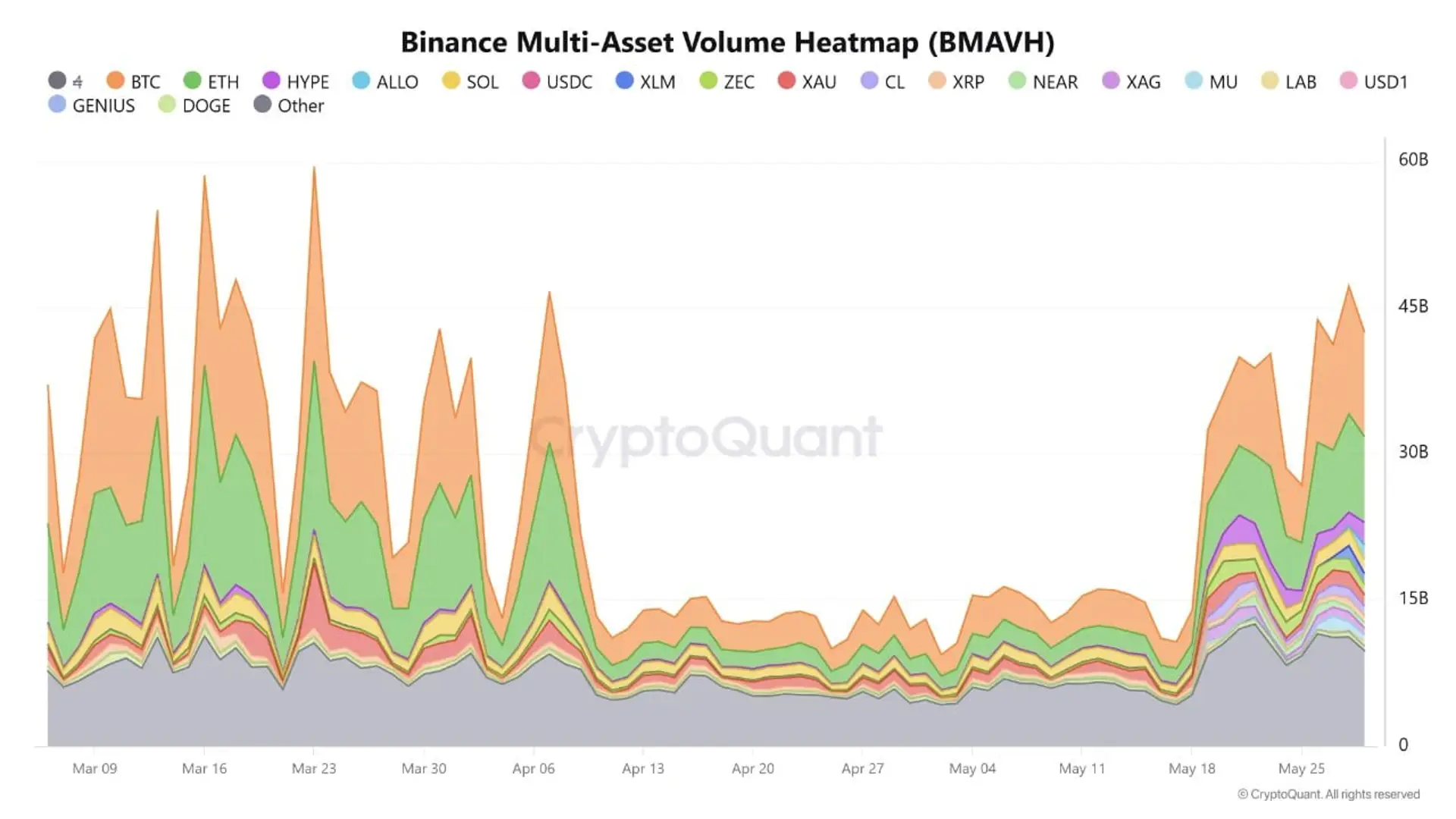
Although BTC as good as created the crypto industry as a protest against trusted intermediaries, stablecoins are more than twice as popular as BTC by trading volume.
By this measure, trusted intermediaries still maintain a majority share of power over most crypto transactions.
Despite crypto users being vaguely aware of these censorship practices as something nebulous, few could quantify its precise scope. This new tracker has helped turn an abstract reality into a specific quantity.
Alex Gladstein at the Human Rights Foundation pushed the headline into social media’s timeline on Friday, calling it a “Good reminder that while stables have utility they are not freedom money.”
Matt Odell remarked, “Two billion frozen in two years. Wild.”
Another widely shared comment contrasted stablecoin censorship with censorship-resistant BTC.
More crypto censorship than ever
The numbers behind the outrage are real.
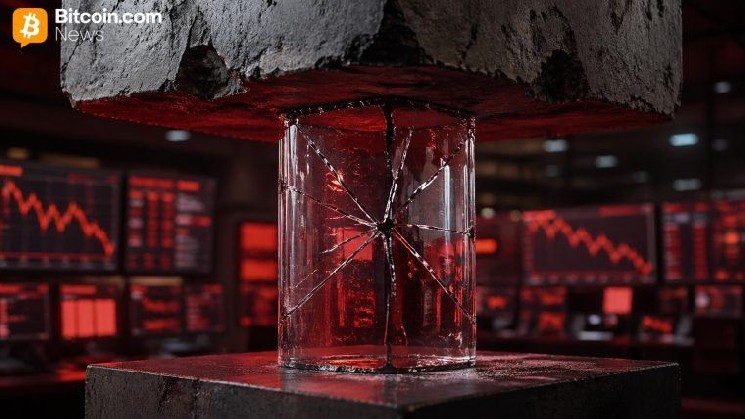
Over the past six years, two stablecoin issuers have frozen approximately 3.7 billion coins on the Ethereum and Tron blockchains, censoring the power of those coins’ keyholders from moving them on-chain.
Worse, the trend has accelerated substantially. Of that six-year total, 2.8 billion tokens, or 75%, froze within the past two years.
Although the number and value of coins is known, it’s impossible to determine how many transactions were unilaterally prevented.
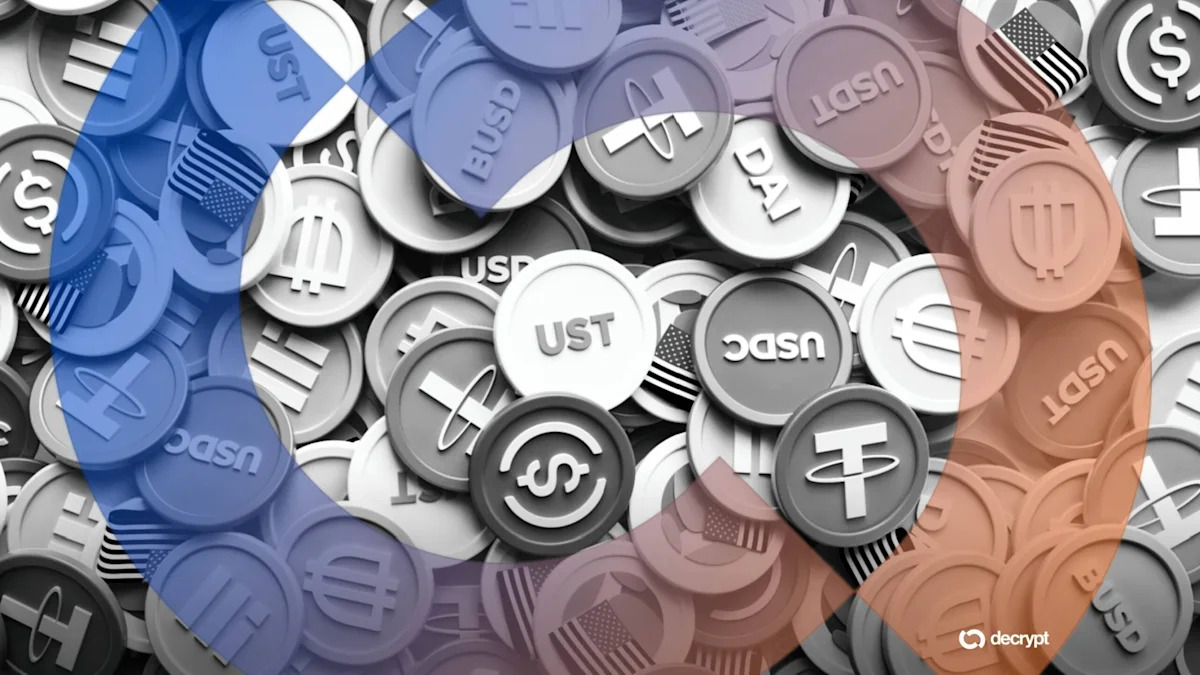
The two most popular stablecoins, for example, trade over $40 trillion annually in on- and off-chain trades against other assets, according to CoinMarketCap.
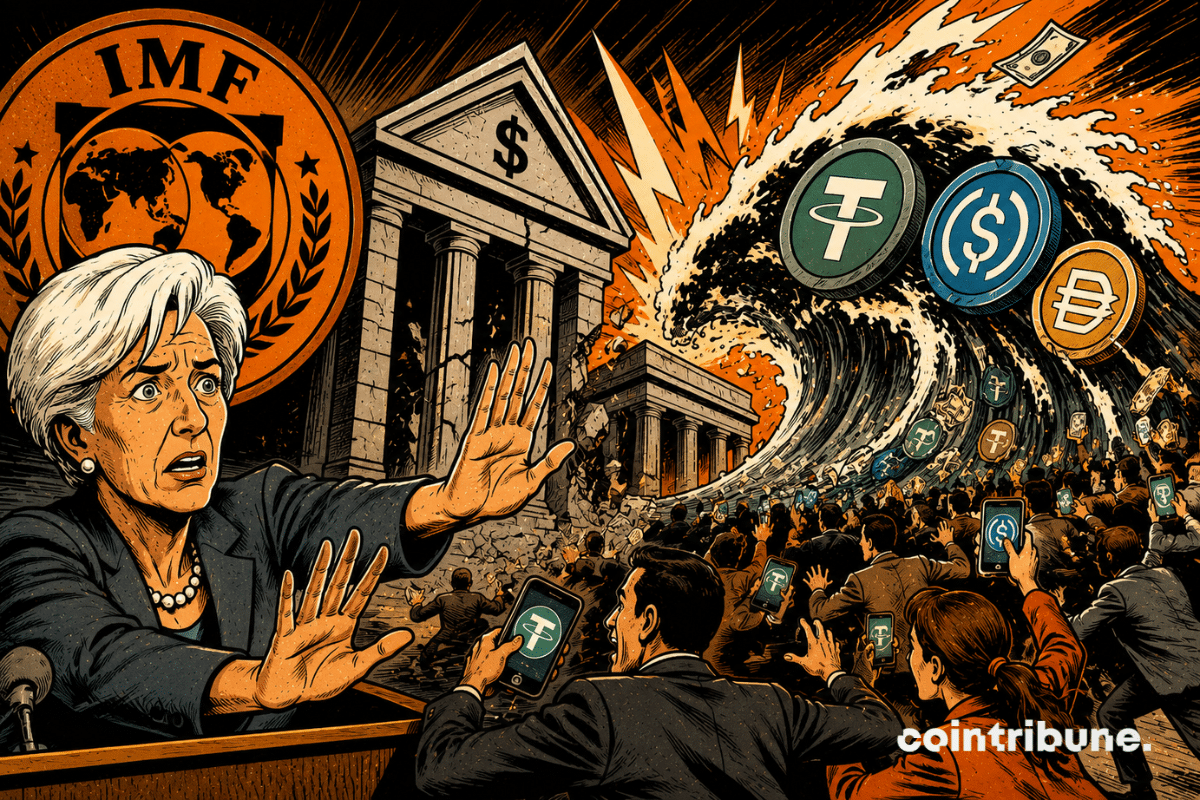
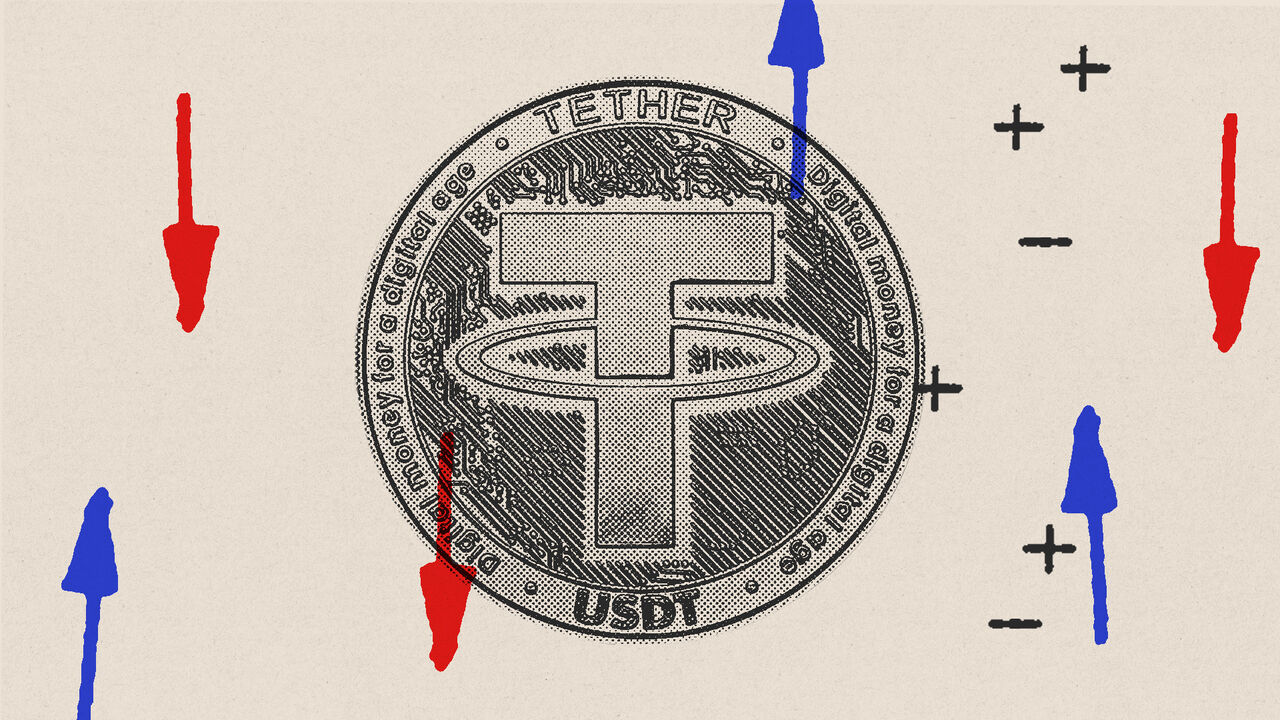
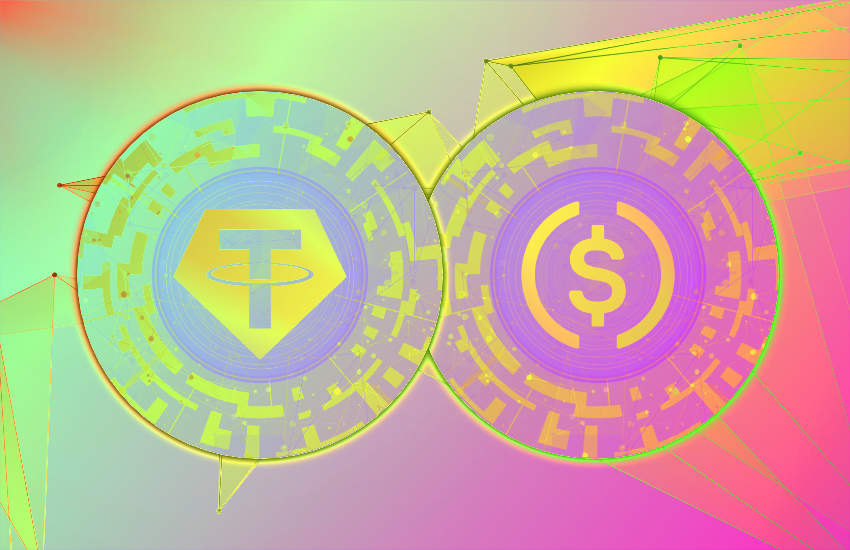
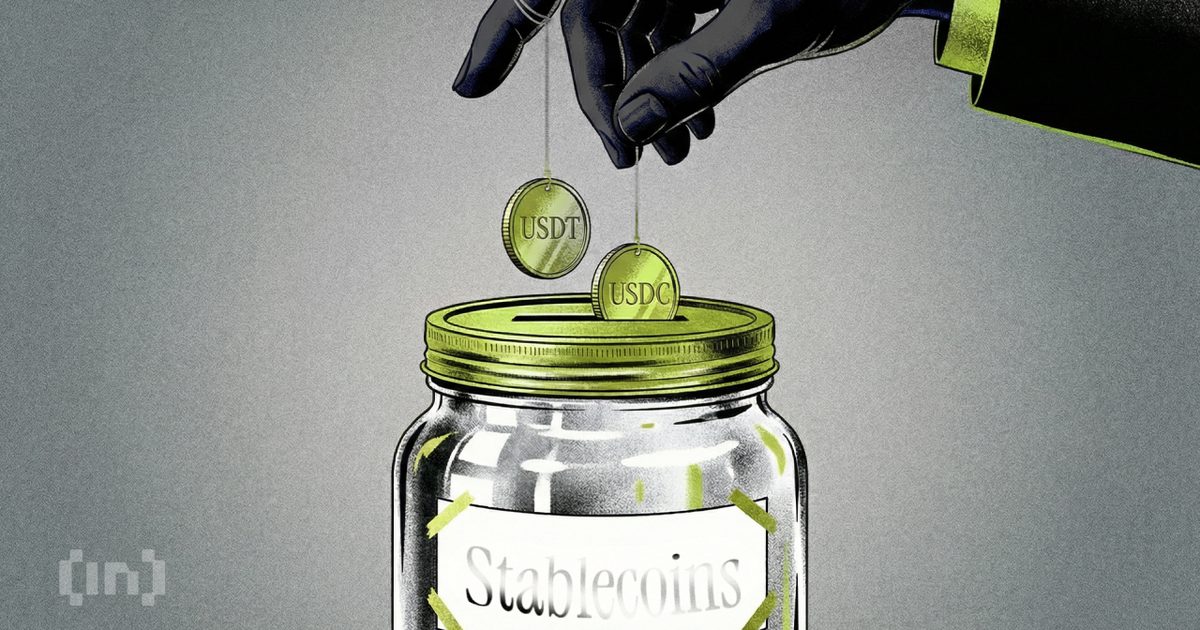
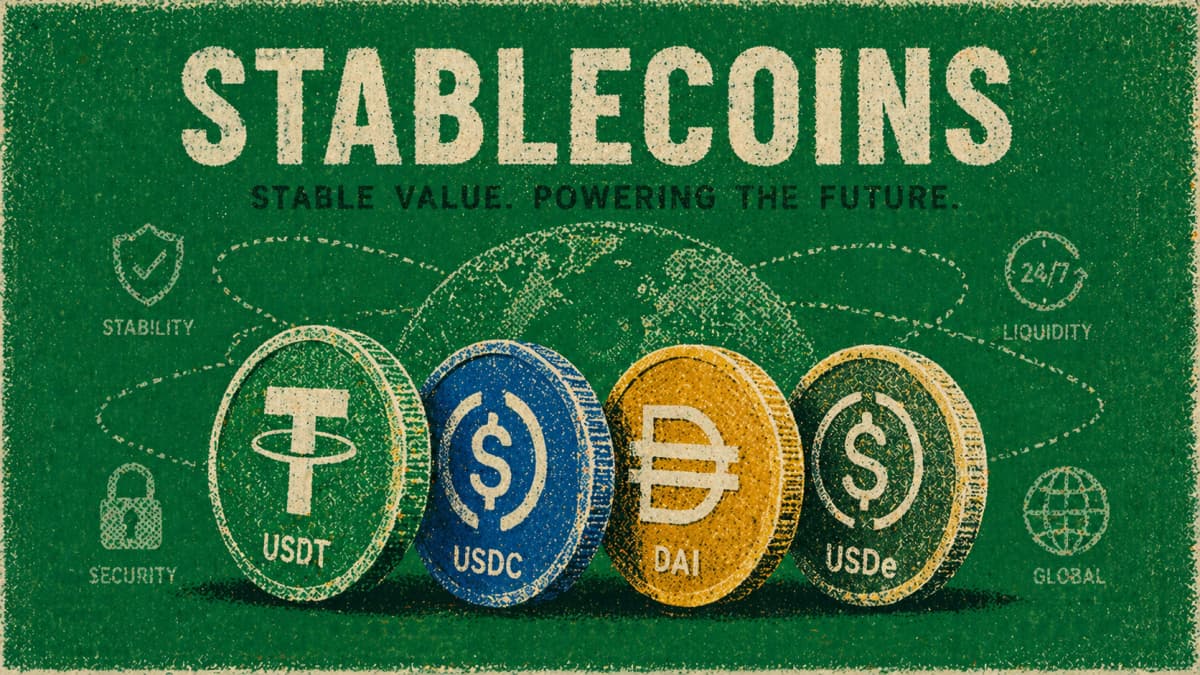
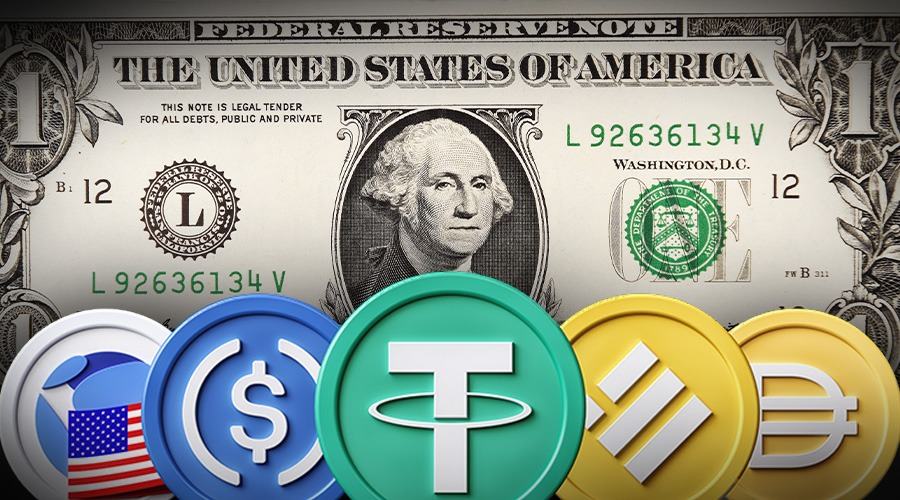
Tether and Circle, the respective issuers of USDT and USDC, maintain privileged administrative control over their own smart contracts.
At any time, they may add any wallet to a blacklist, forcing the tokens sitting in that wallet to stop moving until they lift the freeze.
Tether even goes a step further with a function named destroyBlackFunds, which lets it burn tokens outright.
Indeed, in 2025 alone, it incinerated $698 million of the $1.26 billion it froze that year.
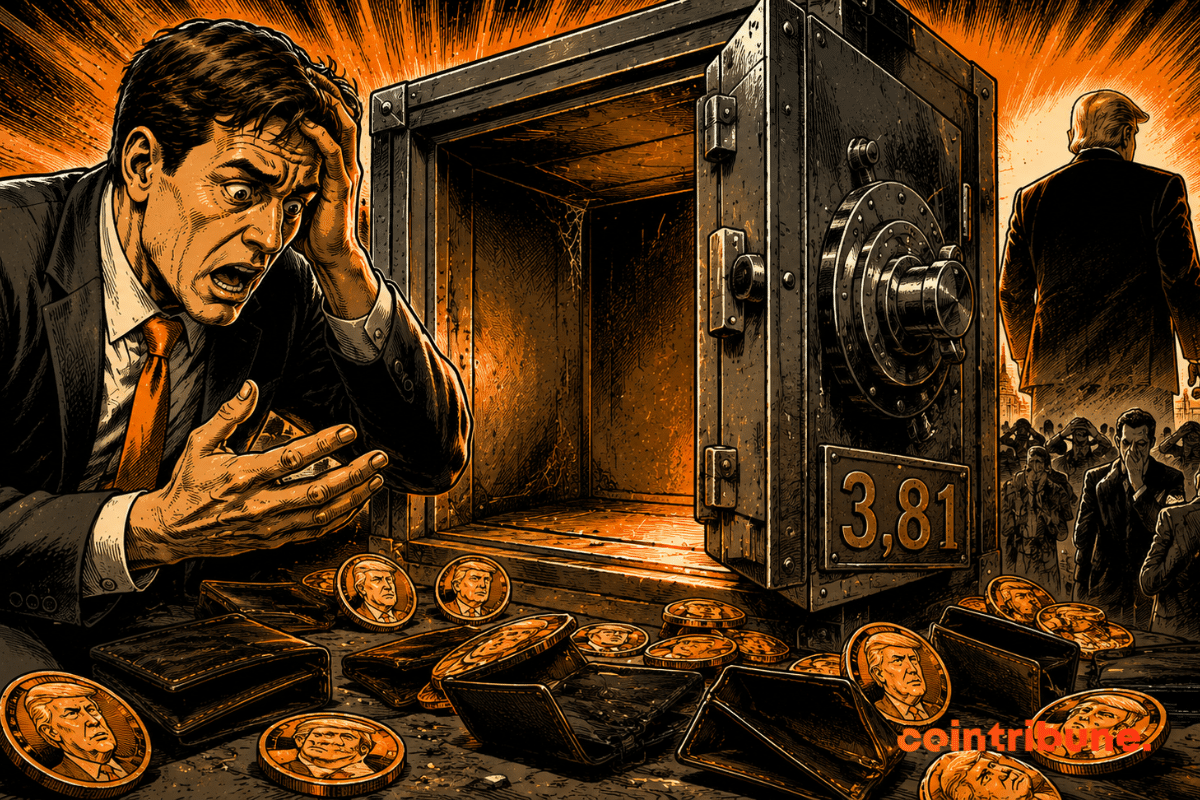
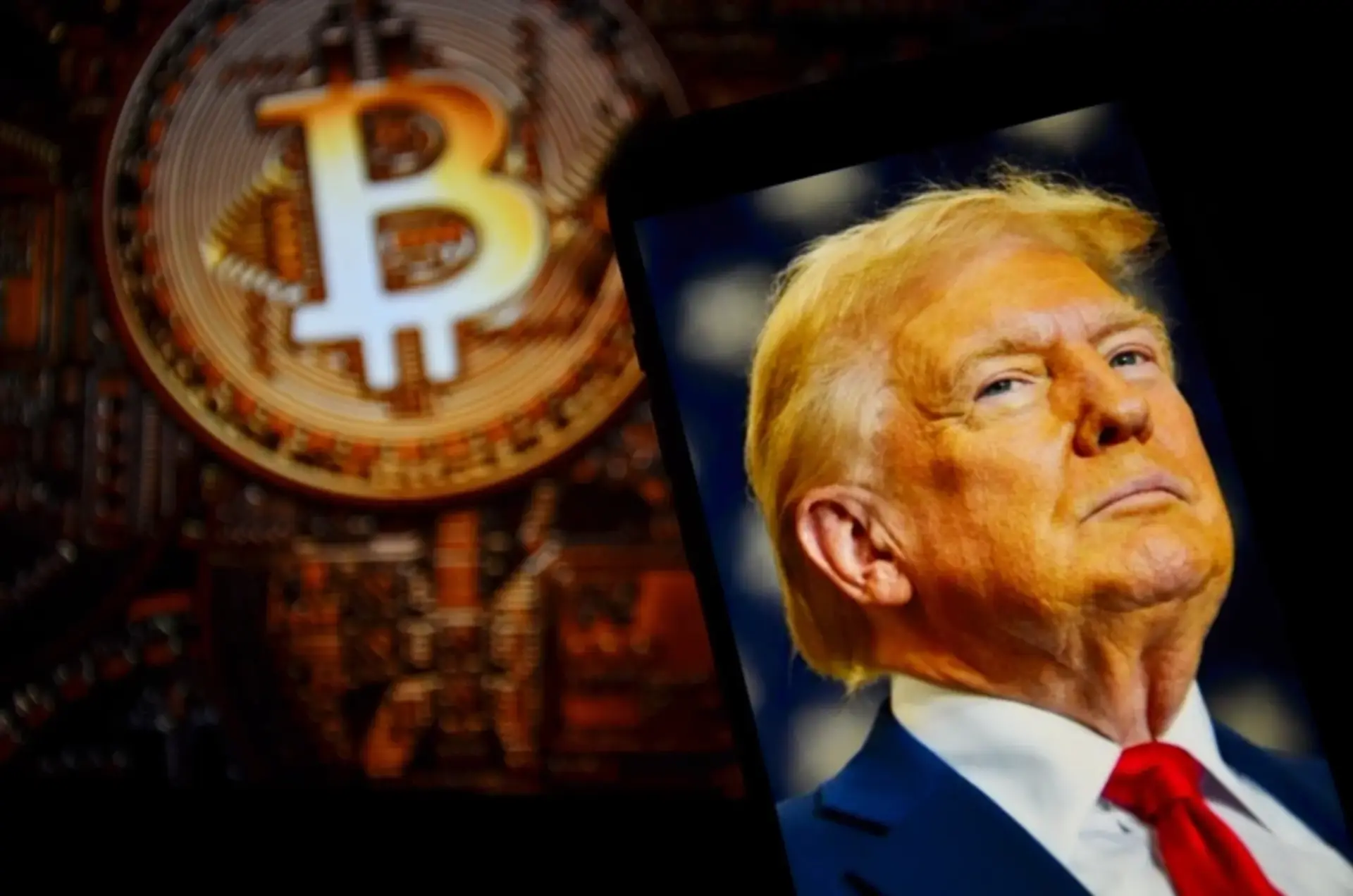
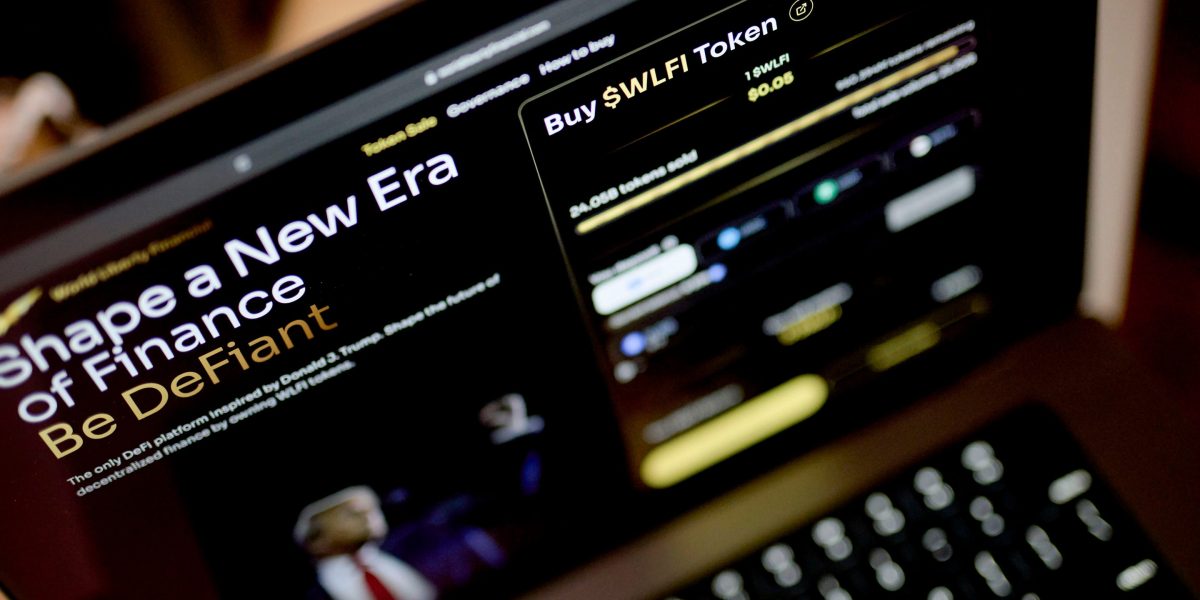
Many other stablecoins, including the Trump family’s USD1, have similar powers to remotely freeze tokens.
Read more: Justin Sun represents 99.9% of blacklisted World Liberty tokens
Your keys, your coins, that someone else can censor
Stablecoin companies often justify their censorship due to governmental pressures, such as complying with a court order. They claim to be stopping money laundering or human trafficking.
Regardless, the point is that stablecoin companies simply have the power to decide on their own accord.
When the US Treasury sanctioned the privacy tool Tornado Cash in August 2022, Circle immediately froze roughly 75,000 USDC tokens to comply.
Tether, however, declined to follow suit, saying it wouldn’t act without a law enforcement order.
Its defiance didn’t last. By late 2023, Tether made a strategic bargain to onboard the US Secret Service and FBI, earning regulatory goodwill by freezing batches of addresses at their law enforcement officers’ requests.
In all, the power to censor stablecoin transactions is too useful and tempting to forego.
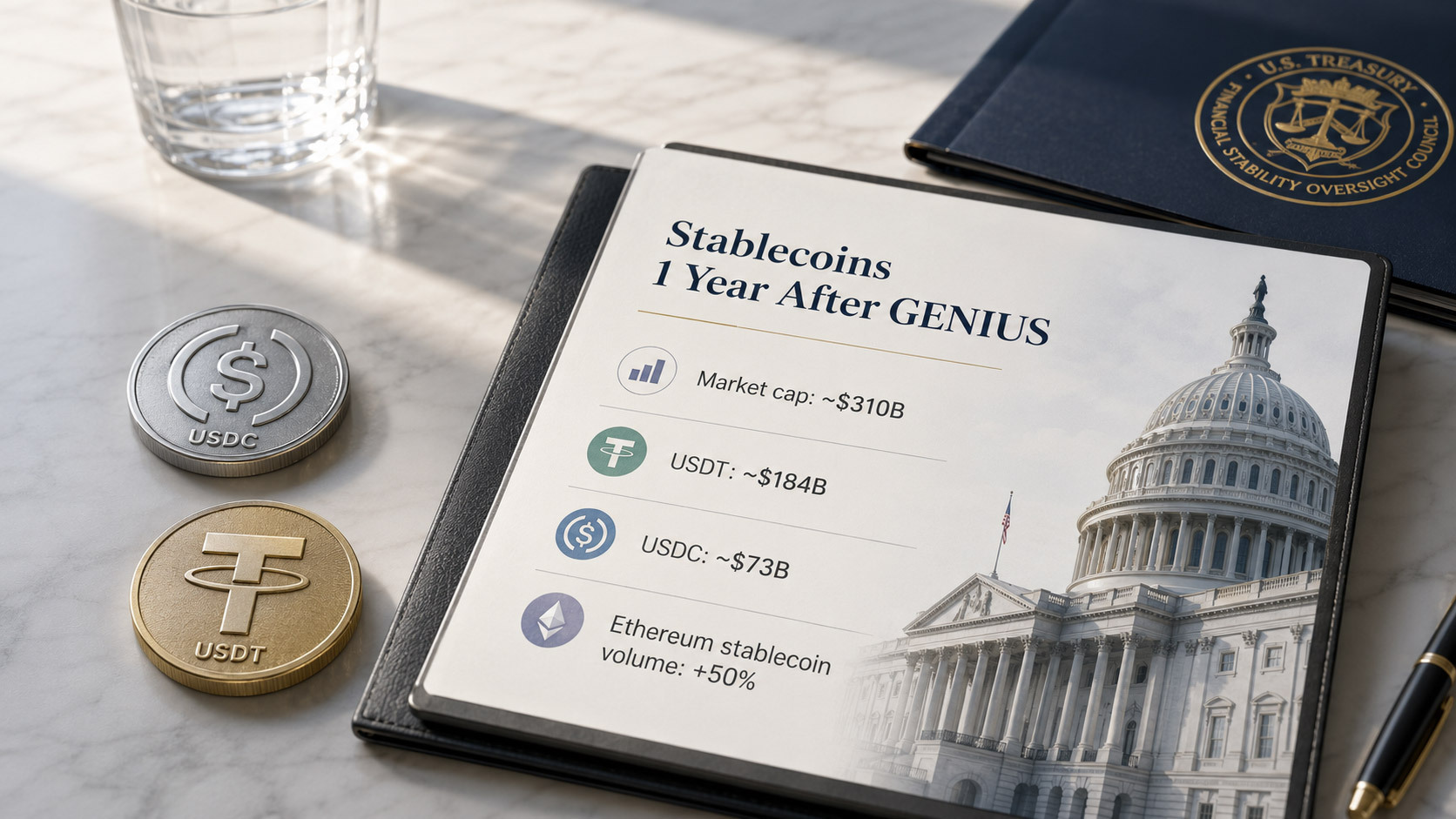
Tether’s USDT is worth $186 billion and Circle’s USDC about $74 billion, and these tokens transact by the tens of trillions annually.
The utility of stablecoins isn’t so much their permissionlessness as much as their selective permissiveness.
Mistakenly, many people believe crypto assets to be trustless and censorship resistant.
In stark contrast, 3.7 billion tokens have been remotely frozen by companies, with three-quarters of these censored tokens locked within the last two years.
Got a tip? Send us an email securely via Protos Leaks. For more informed news and investigations, follow us on X, Bluesky, and Google News, or subscribe to our YouTube channel.